
SZ Trilogy — The Foundation of Ego System
SZ Trilogy is the monumental body of work that laid the foundation for Ego System, tracing a decade of exploration into identity, form, and generative processes. The trilogy represents a radical investigation into how the human figure, abstraction, and symbolic coding can intersect to create a self‑contained visual ecosystem.
1. Introduction — A Decade of Visual Experimentation
From the mid‑2000s, Saul Zanolari developed a unique visual language blending digital precision with painterly sensibility. Rejecting conventional narrative, he pursued a radical reduction of the human figure to its essential traits: shape, gesture, and symbolic markers.
SZ Trilogy is where experimentation becomes system. Where portraiture becomes code. Where identity becomes process.
This body of work is the conceptual bedrock from which Ego System would later emerge.
2. SZ Chapel (2013–2015) — A Digital Sistine Reimagined
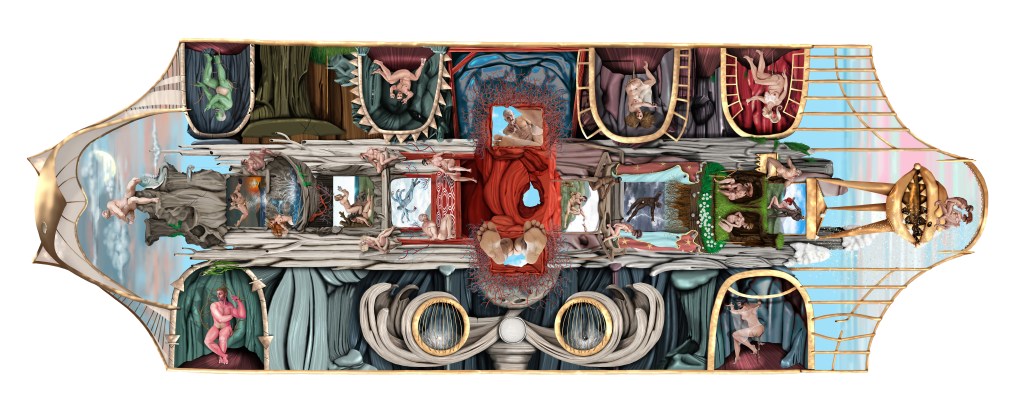
At the heart of the trilogy stands SZ Chapel, a monumental digital fresco spanning 32 x 14 meters — a modern echo of Michelangelo’s Sistine Chapel.
Structure and References
- The layout mirrors the original Sistine Chapel, with figures and scenes inspired by Michelangelo.
- Every character is digitally reinterpreted, combining classical anatomy with contemporary symbolism.
Radical Conceptual Shifts
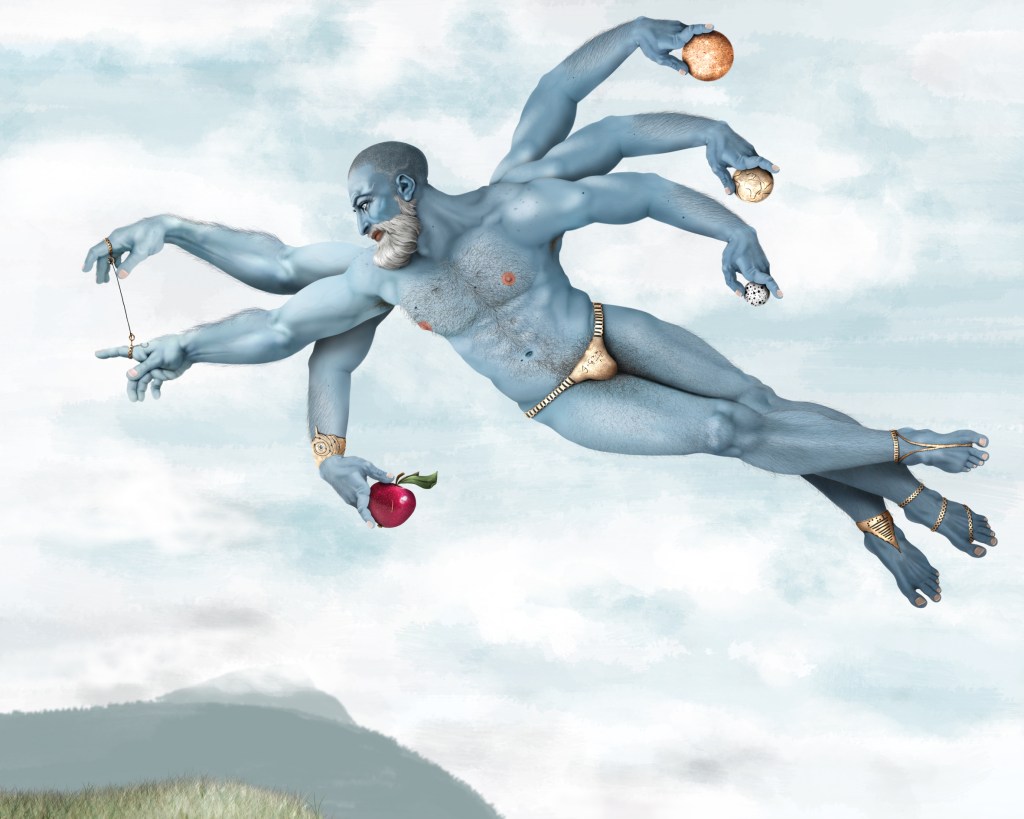
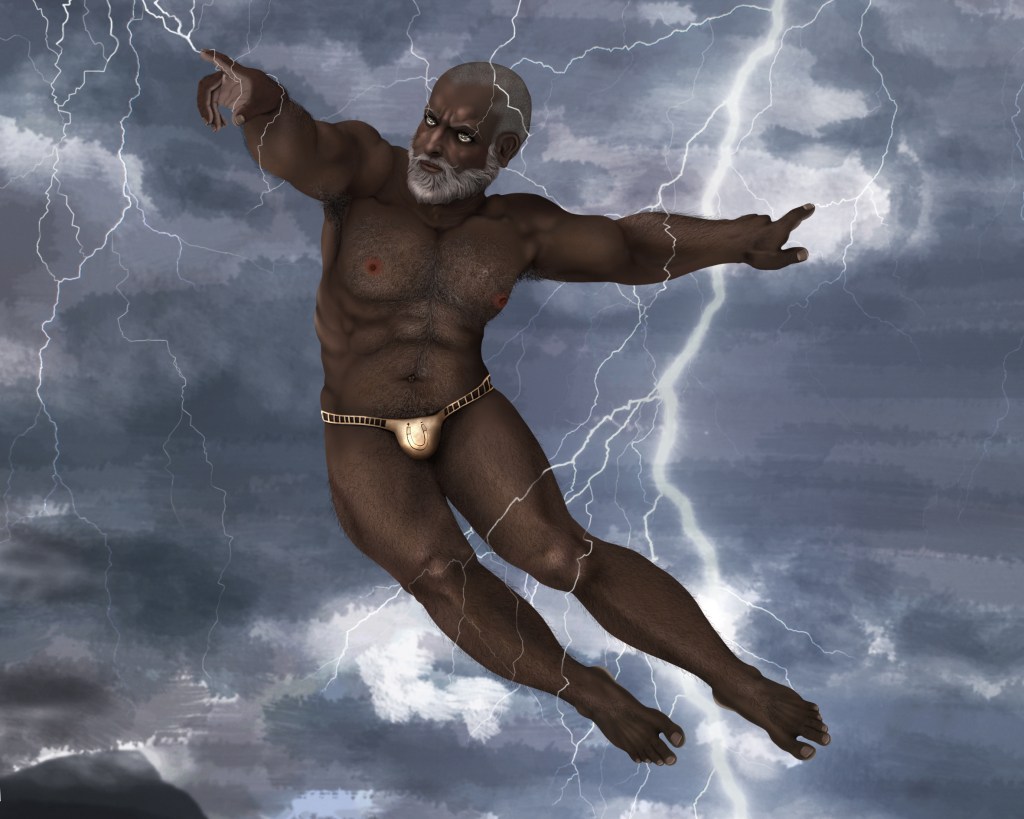
- God and Creation are reimagined through modern physics:
- God separating light from darkness becomes the God of gravitational force, holding a Newtonian apple as homage to scientific discovery.
- Adam and Eve are flipped: Eve gives birth to Adam, placing the woman as the first being, the generator of life.
- The Ignudi reference Plato’s Allegory of the Cave: blindfolded figures unable to see truth, reflecting on perception and illusion.
- Sibyls and Prophets become mythical, colored, and allusive, their gestures and skins evoking allegorical and symbolic narratives rather than literal representation.
Visual and Philosophical Impact
- The fresco explores the intersection of myth, science, and philosophy, turning biblical narratives into a speculative universe of identity, knowledge, and perception.
- Viewers are invited to read the work as both historical homage and contemporary reinterpretation, a meditation on form, creation, and the human gaze.

Read more on Diary: in conversation with the AI
3. SZ Boredom (2015–2017) — The World of Leibniz’s Monads
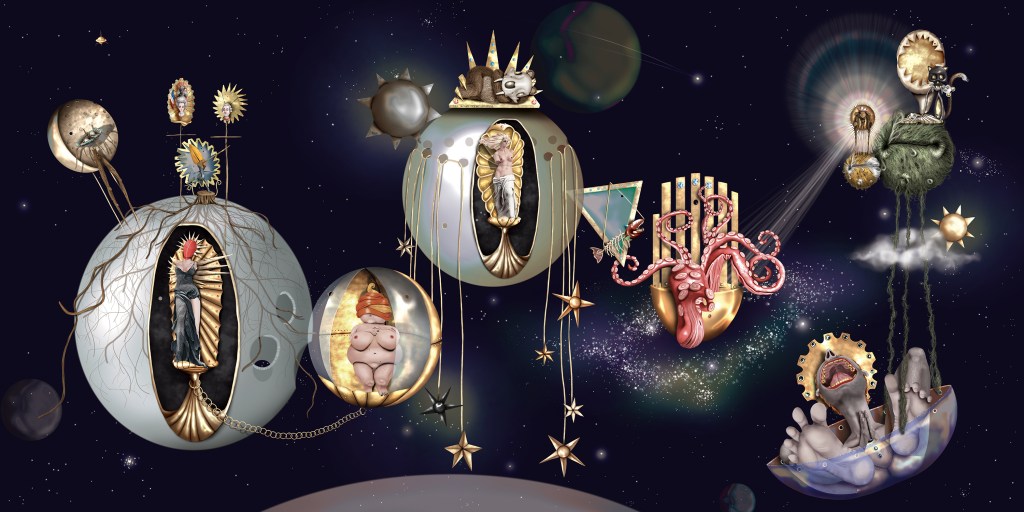
Following SZ Chapel, Zanolari produced SZ Boredom, a meditation on perceived stasis as generative potential, inspired by Leibniz’s monads — self-contained, non-communicating atoms of reality.
Conceptual Framework
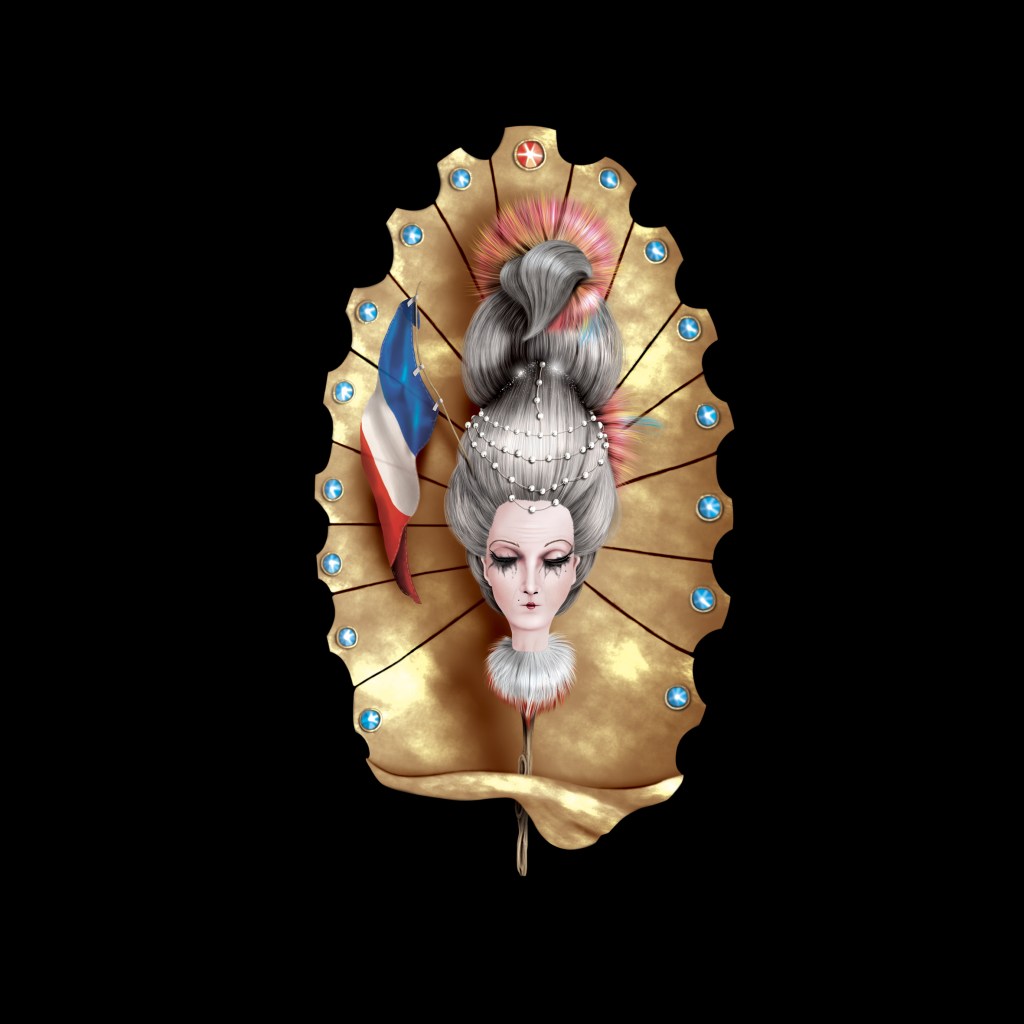
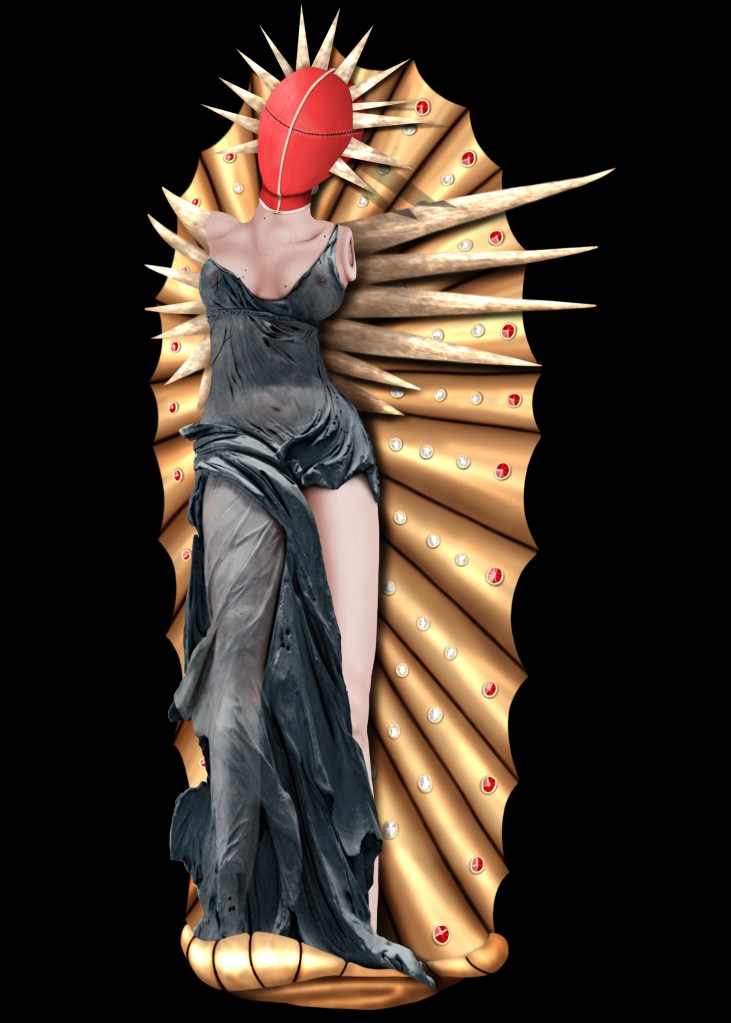
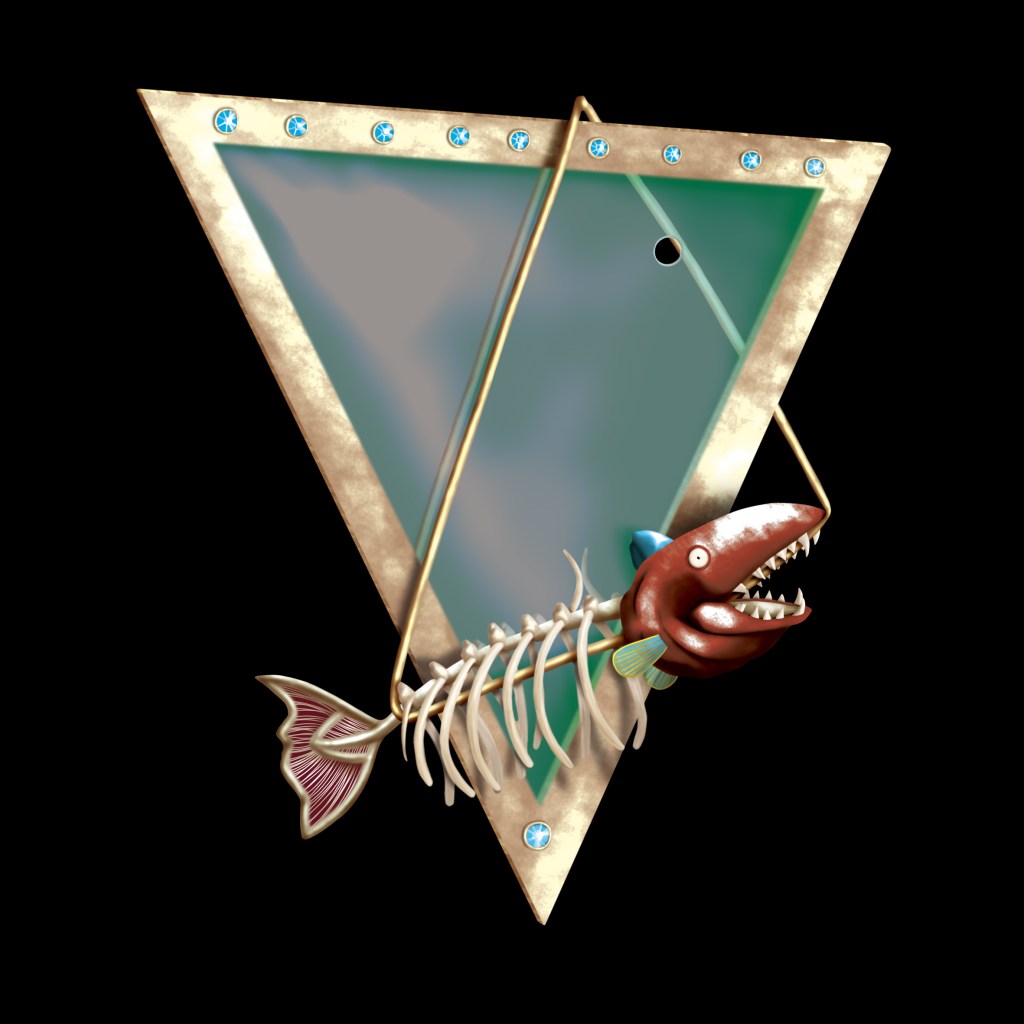
- Each monad is a unique, autonomous visual entity, echoing and reproducing masterpieces of art and history:
- Marie Antoinette, Pinocchio, Venus of Willendorf, Nike of Samothrace
- Every monad is associated with a Major Arcana of the Tarot, giving symbolic and mystical resonance to its visual identity.
- The monads interact not physically, but conceptually: their existence mirrors the hidden laws of perception and narrative, creating a complex, symbolic microcosm.
Visual and Philosophical Impact
- SZ Boredom turns boredom into generative force: static forms that replicate, reinterpret, and mutate across the visual continuum.
- Through these autonomous visual units, Zanolari interrogates history, myth, and archetype, showing how timeless figures are refracted through new conceptual lenses.
- The Tarot associations highlight archetypal energies, connecting the visual monads to a larger metaphysical system.
Read more on Diary: in conversation with the AI
4. SZ Cosmogony (2018–2020) — Intimate Worlds and Mythic Origins
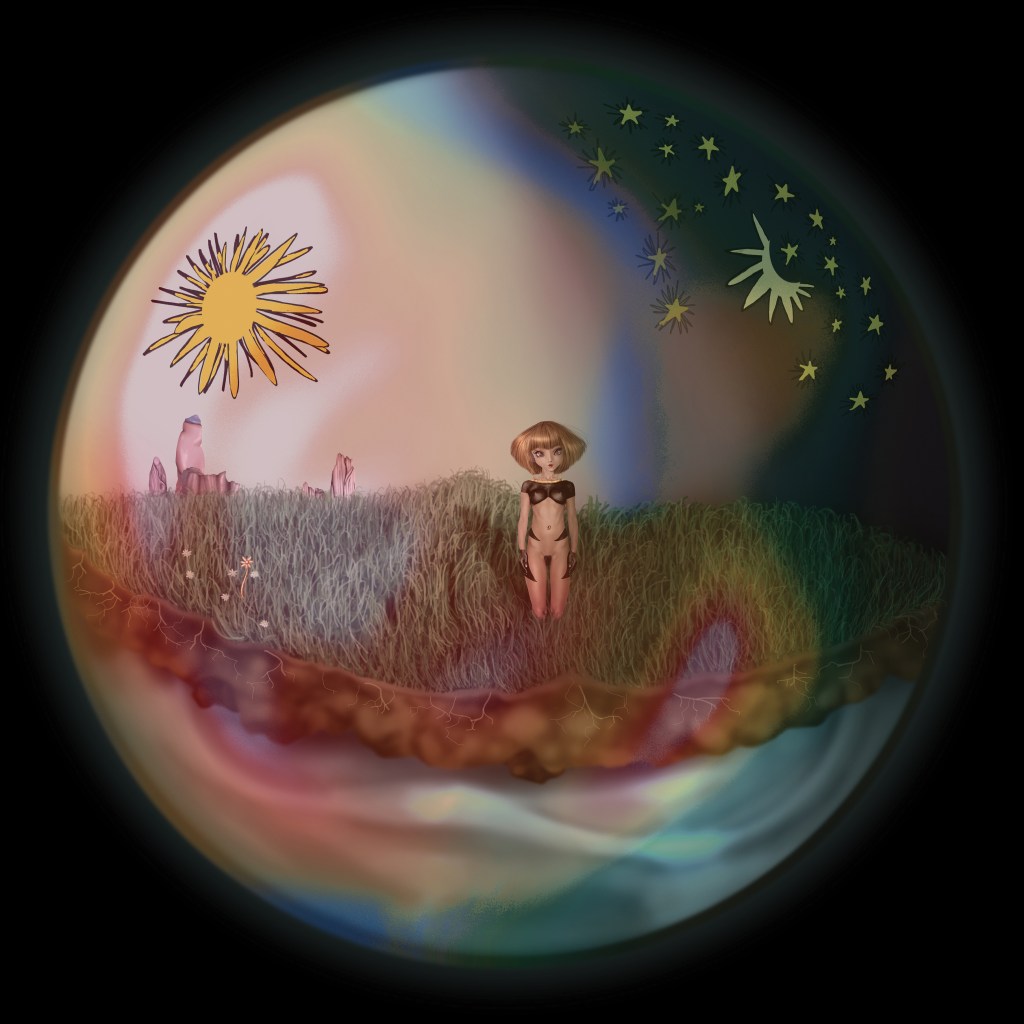
The final chapter, SZ Cosmogony, is a more intimate, immersive experience, structured like a book or the Garden of Earthly Delights by Bosch.
Structure
- A folding panel system: an external panel presents a single figure in an isolated world.
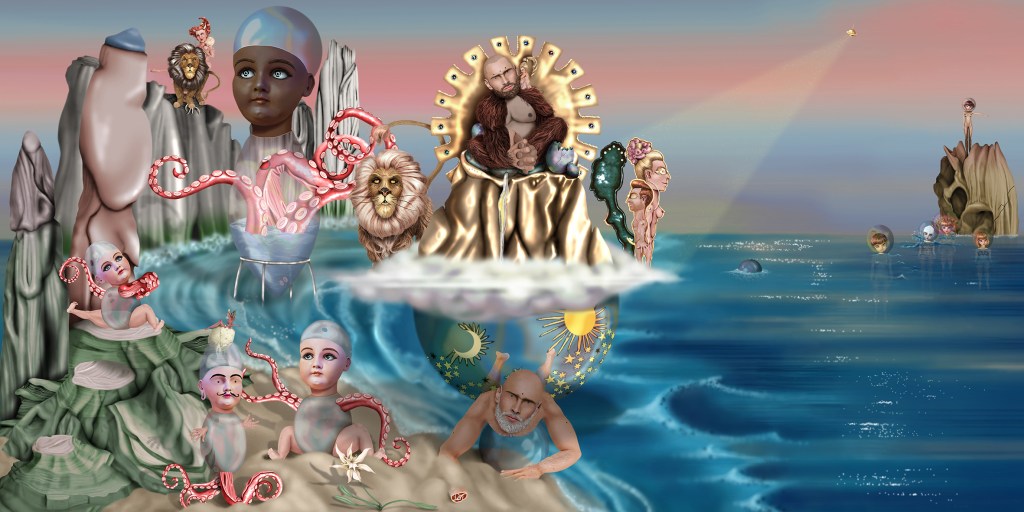
- Opening the two wings reveals a full, fantastical ecosystem where chaos and life coexist.
Core Imagery
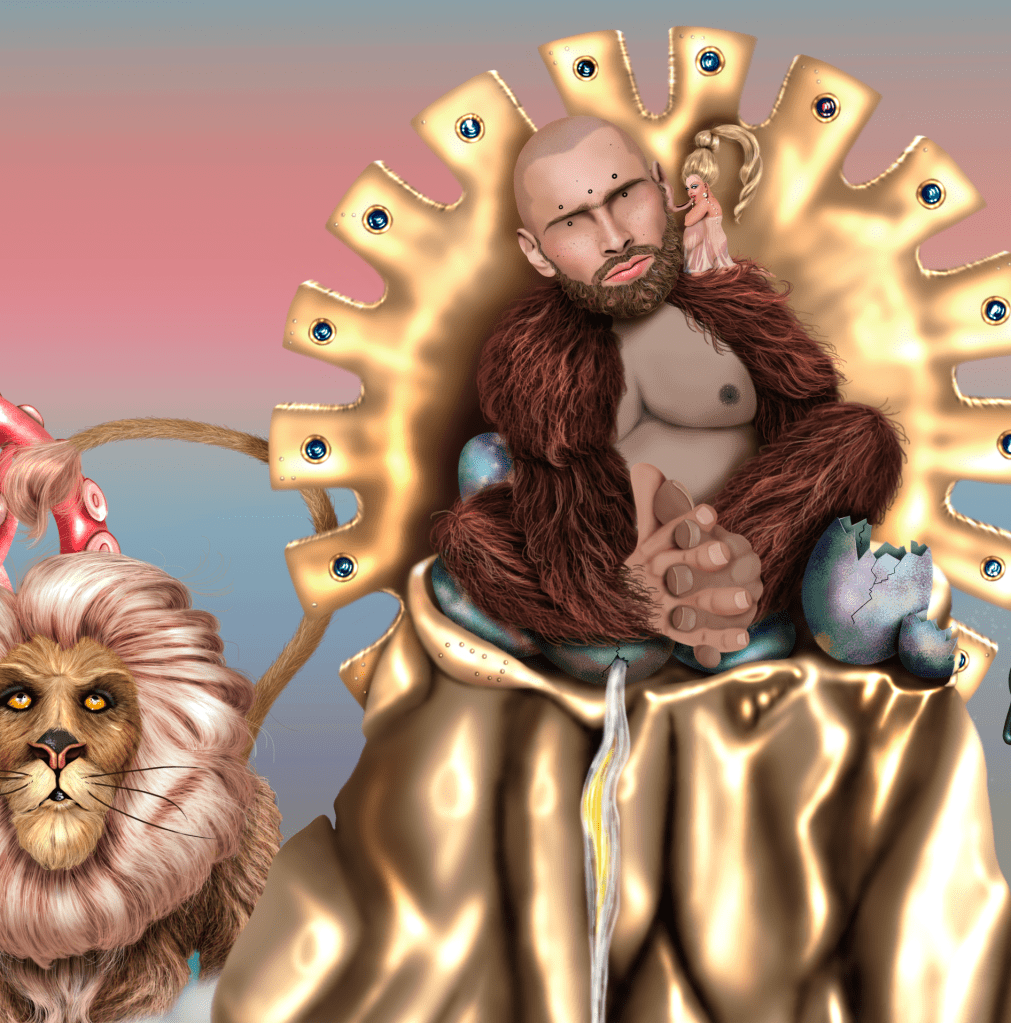
- At the center: a disturbed gorilla parent, confronted by a flamboyant drag queen, symbolizing conflict and unexpected interactions.
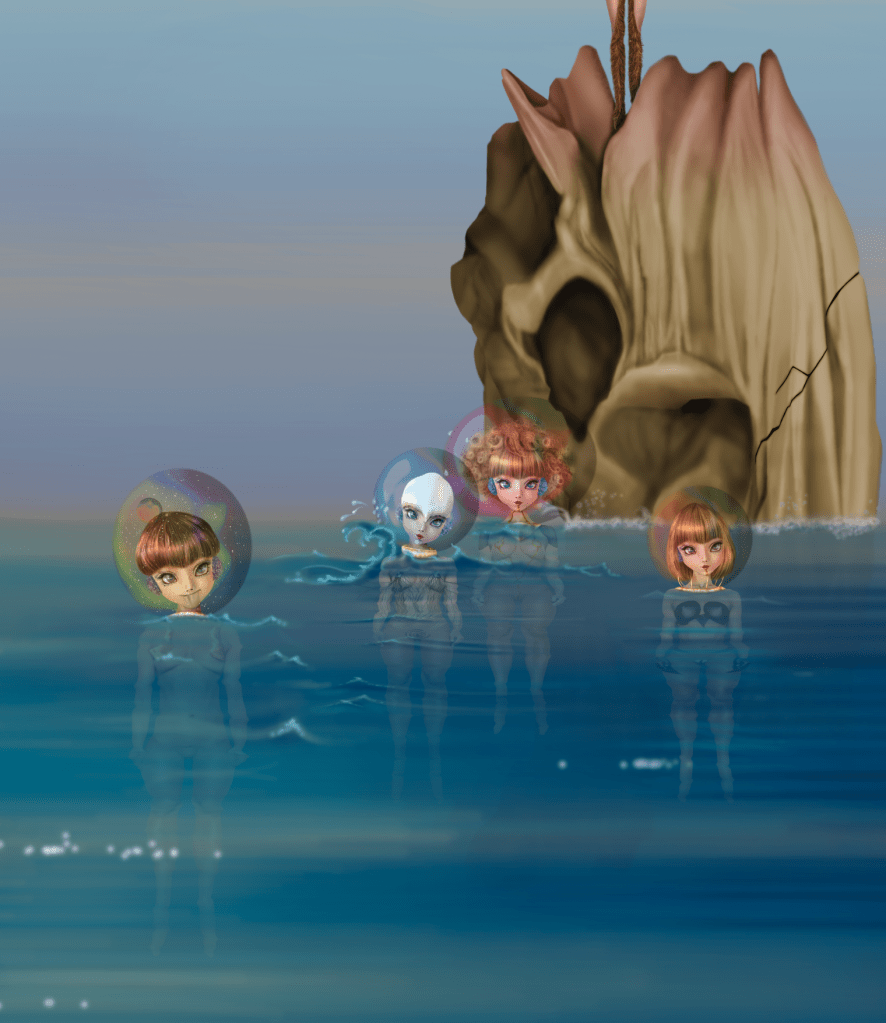
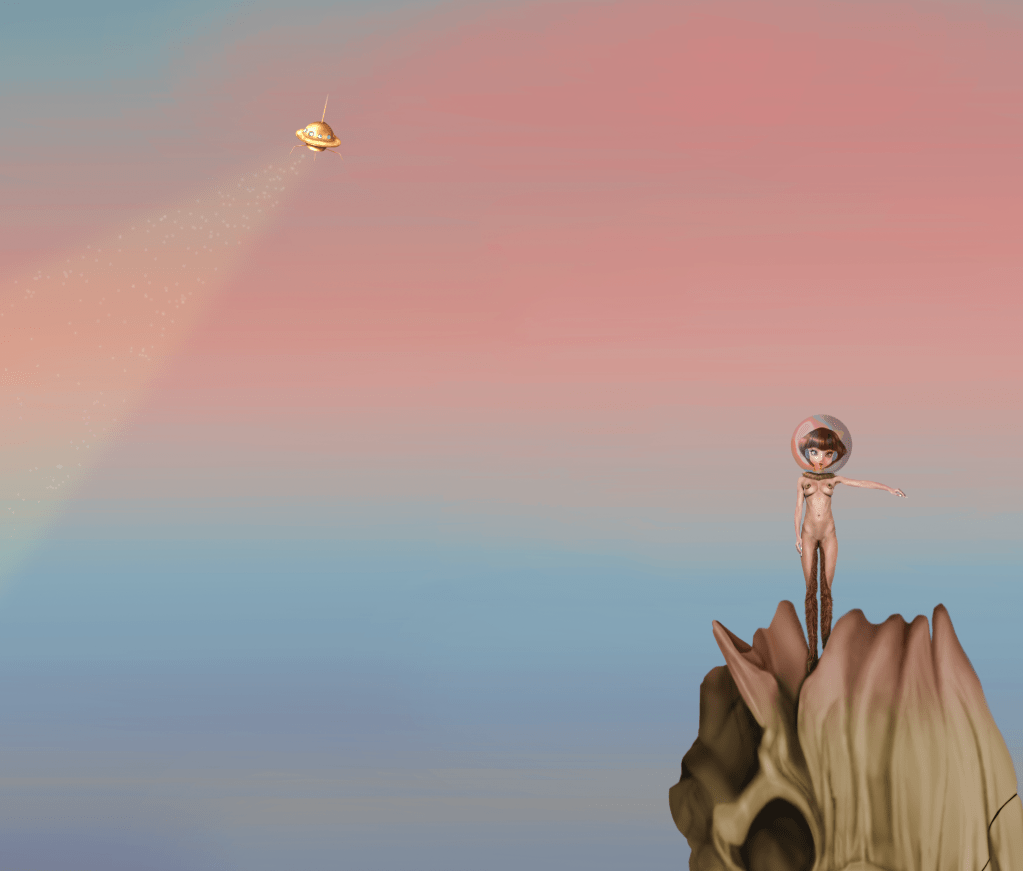
- Around them: mythical figures emerging from the sea, stepping onto the land to begin life.
- Surrounding details: tentacles, eggs, lions, and alchemical symbols, creating a complex interplay of birth, mutation, and transformation.
Philosophical and Visual Impact
- Explores the birth of life, chaos, and evolution in a symbolic microcosm.
- Each element is a narrative fragment, contributing to a larger story about origin, mutation, and the emergence of identity.
- Functions as a laboratory of perception, blending myth, allegory, and natural philosophy, prefiguring the generational systems of Ego System.


Read more on Diary: in conversation with the AI
5. From Trilogy to Ego System — The Crucible of Transformation
SZ Trilogy is more than a collection of works — it is a methodology and mindset. But the path from the Trilogy to Ego System was neither immediate nor linear.
- After the trilogy, three years of existential crisis struck. One by one, all established structures fell away. The digital art practices that had once guided Zanolari’s work no longer felt necessary.
- From the redundancy of detail, everything superfluous was stripped away. Only what could resist this purifying process remained — in his artistic practice as in life.
- This phase was what he calls the “Blessing of Fire”: a metaphorical purification that burns away the excess to reveal the core essence.
- XXY Portraits emerge from this process: minimal, codified, essential.
- Ego Masks continue this lineage, converting identity into numerically coded visual DNA.
- The generational system of Ego System is a direct evolution from this crucible, where only what survives the fire endures and propagates.
SZ Trilogy is the blueprint. Ego System is the organism that survives the fire.
6. Legacy and Influence
The Trilogy has been exhibited internationally and remains a touchstone in Zanolari’s practice:
- Demonstrates how digital scale, precision, and abstraction can create immersive conceptual environments.
- Functions as the visual DNA of all subsequent projects, including Ego System.
- Serves as a proof of concept for generative, rule-based artistic systems.
 saulzanolari.com