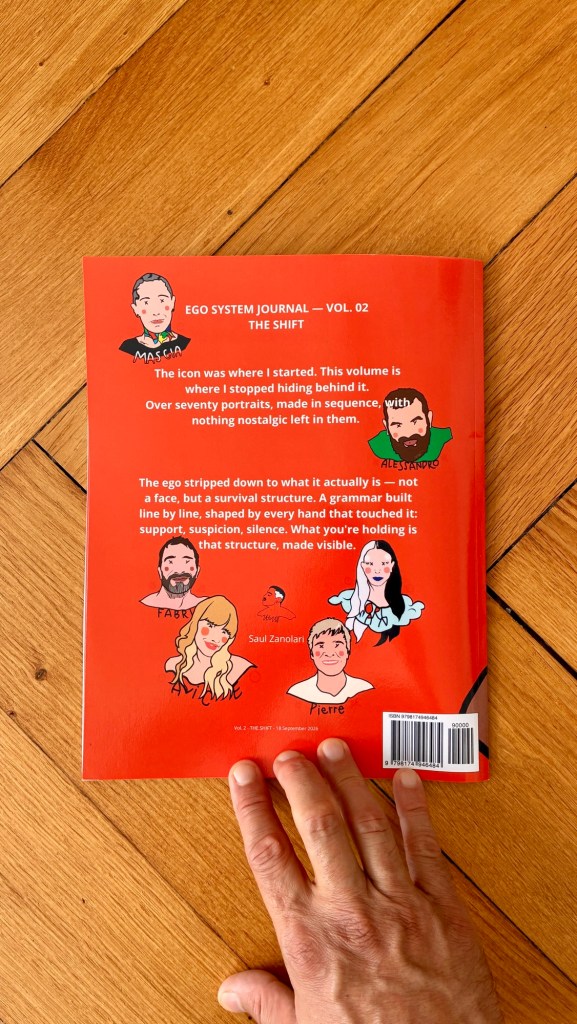
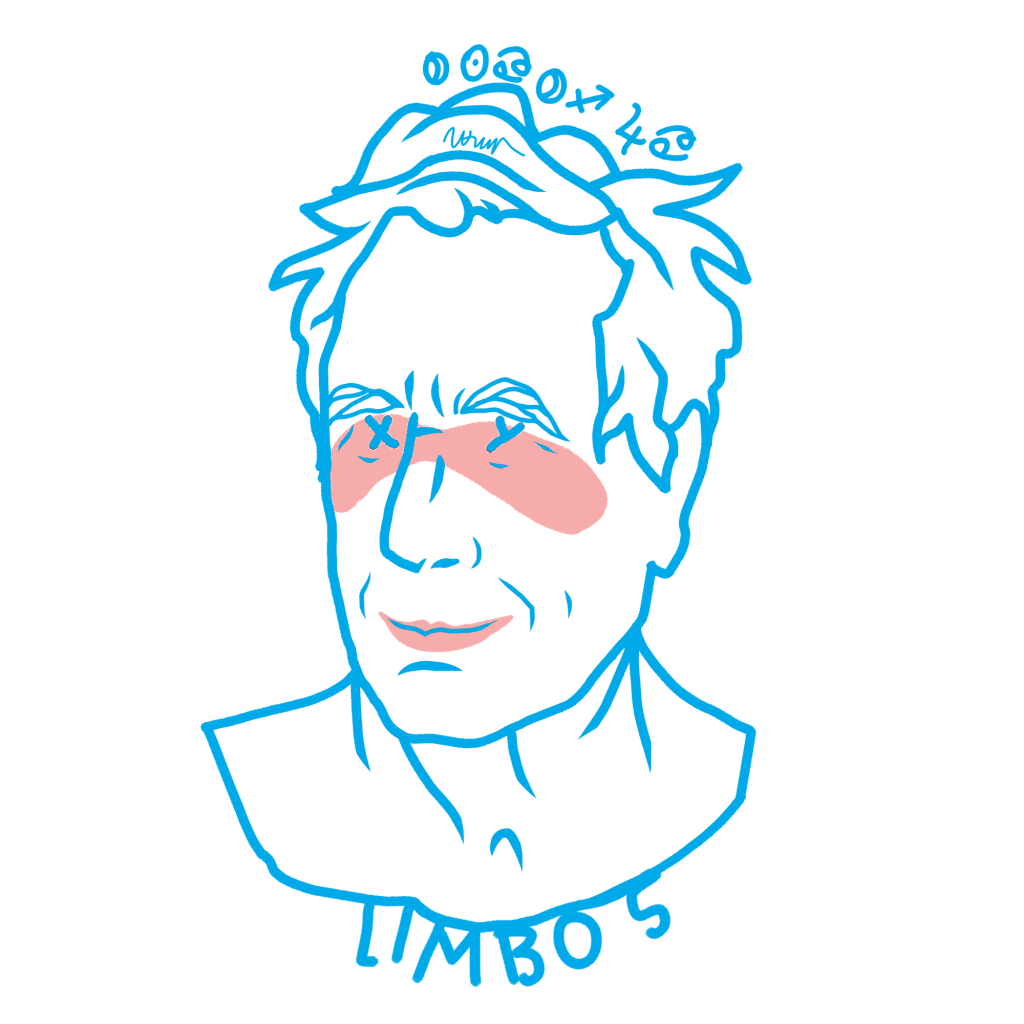
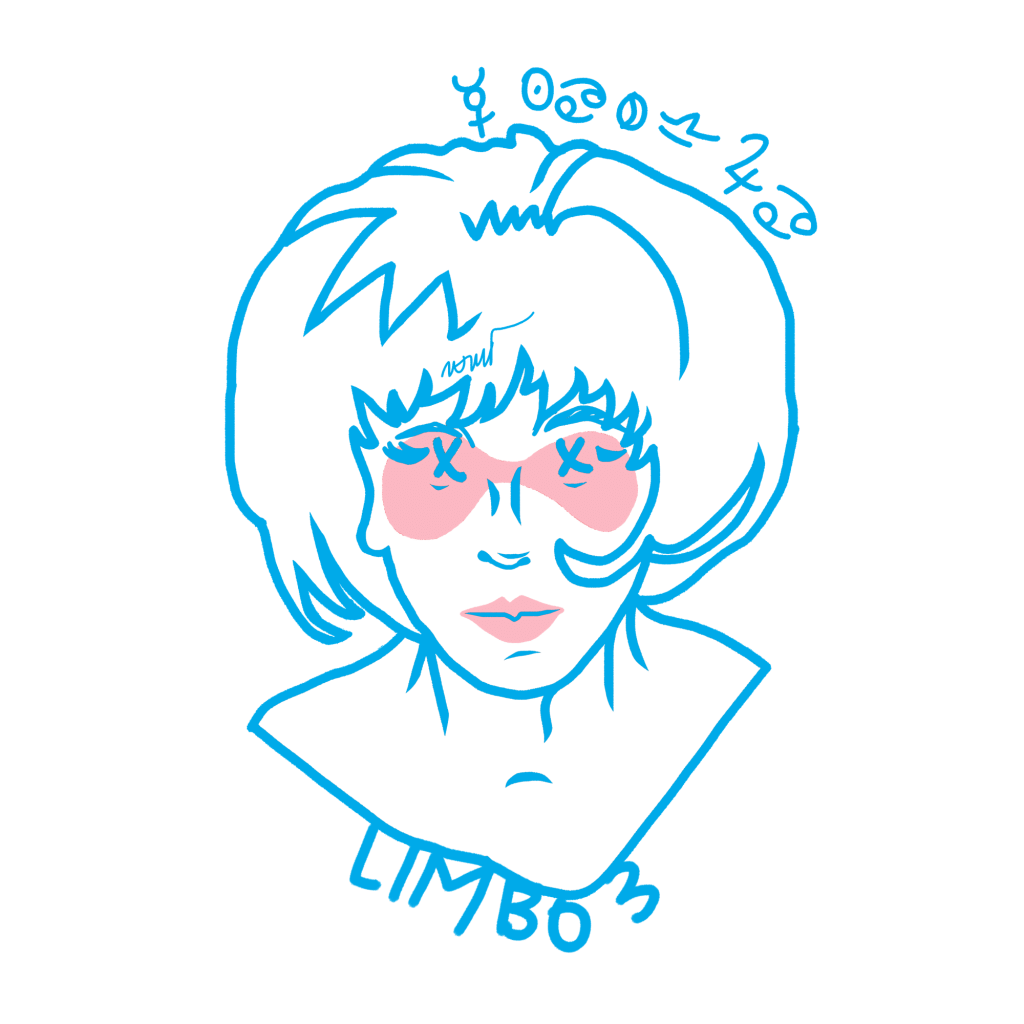
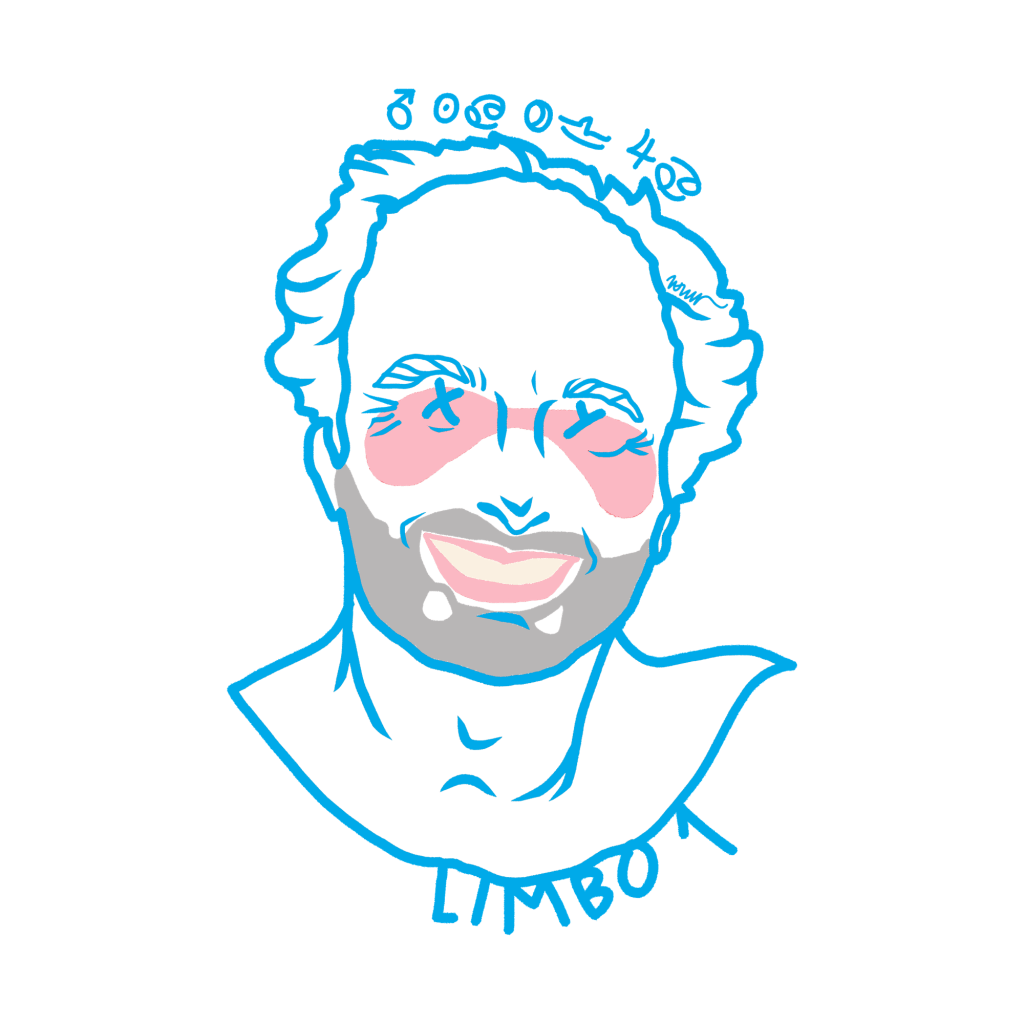
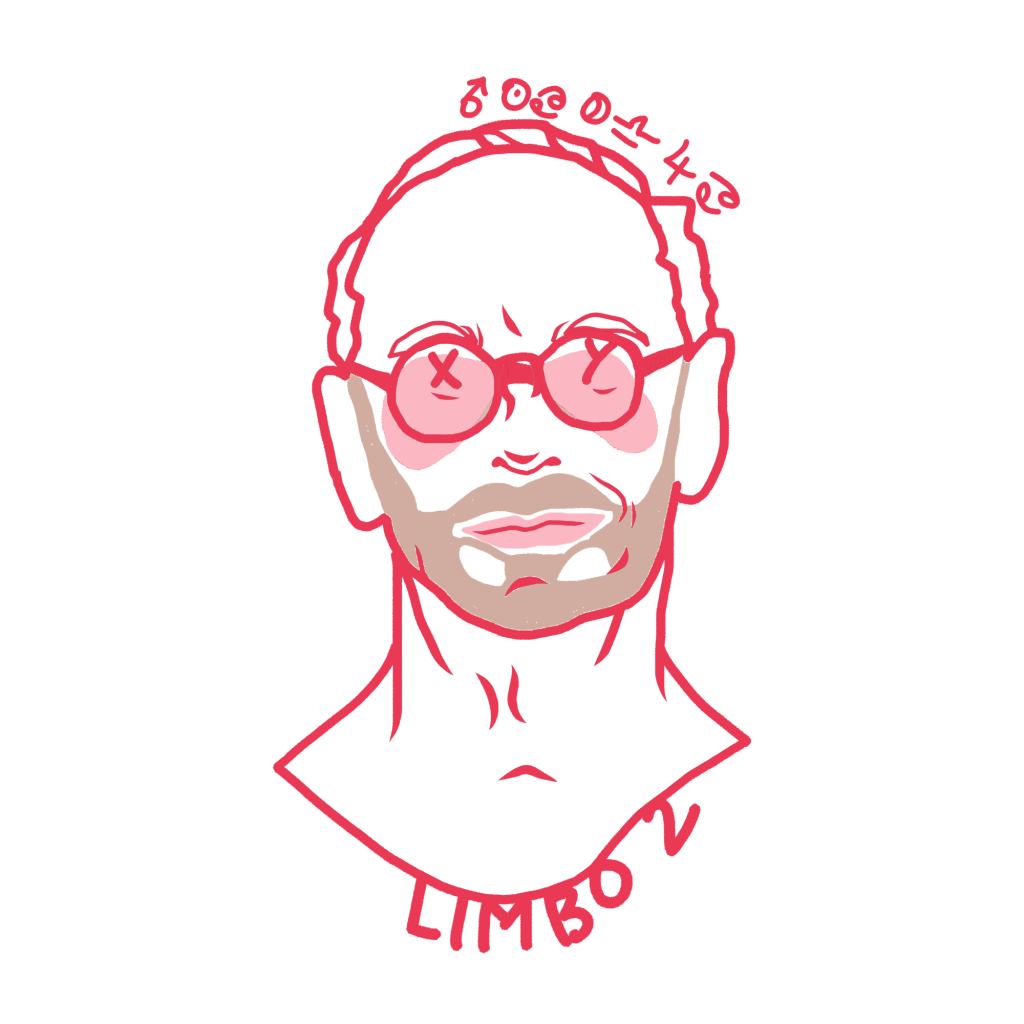
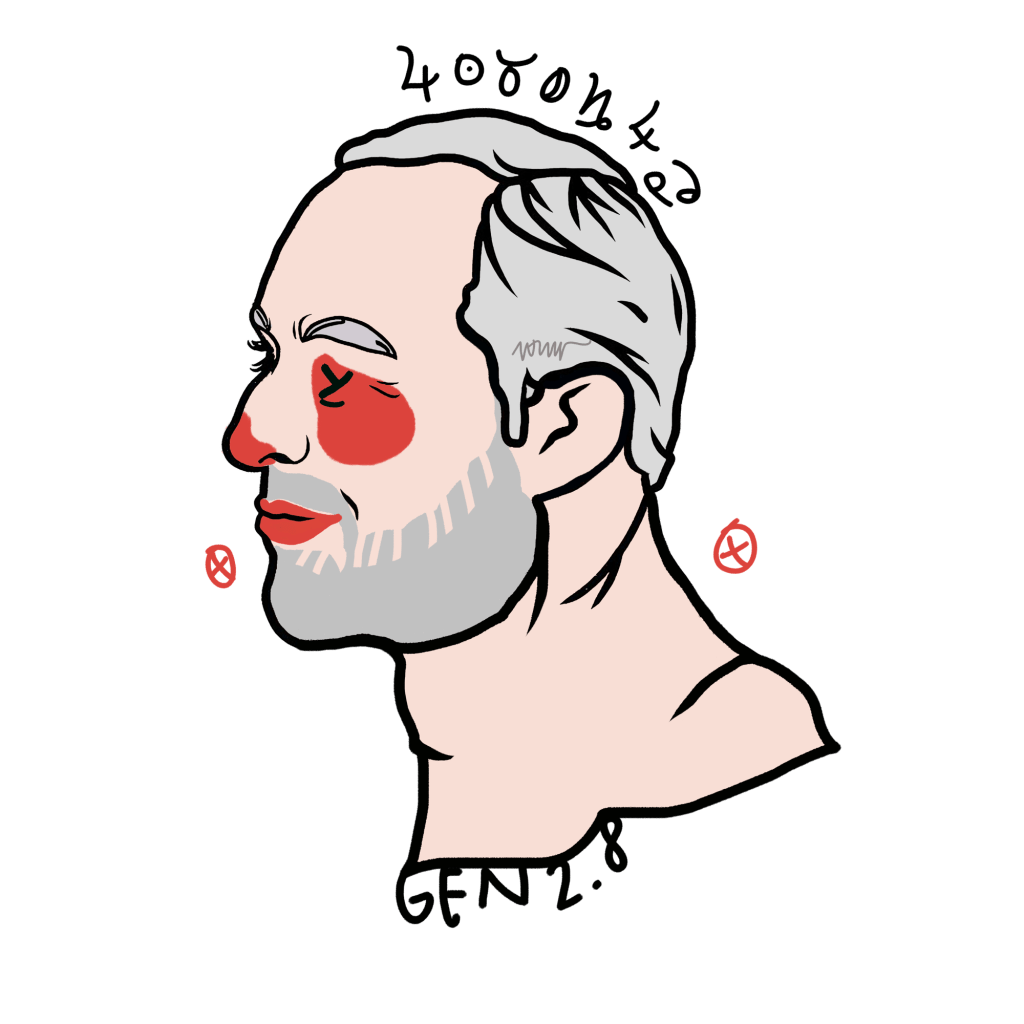
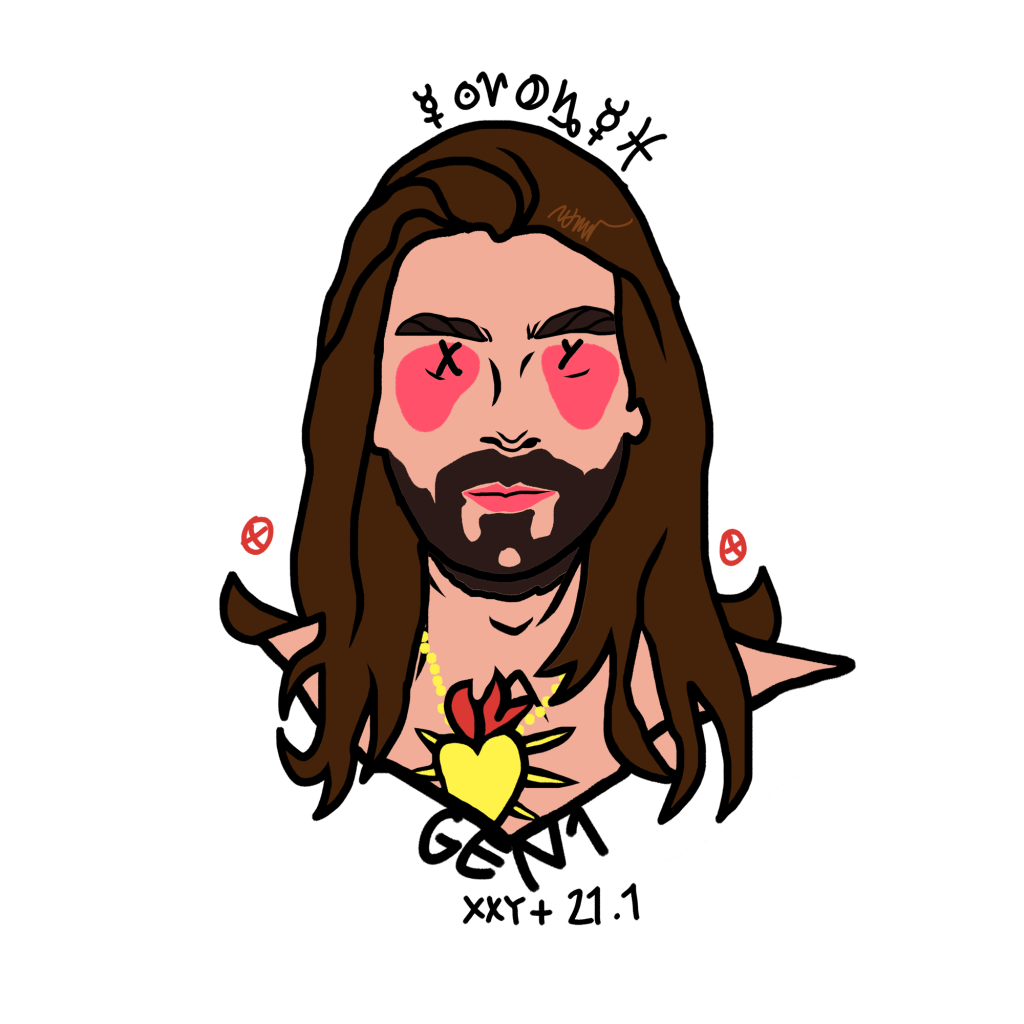
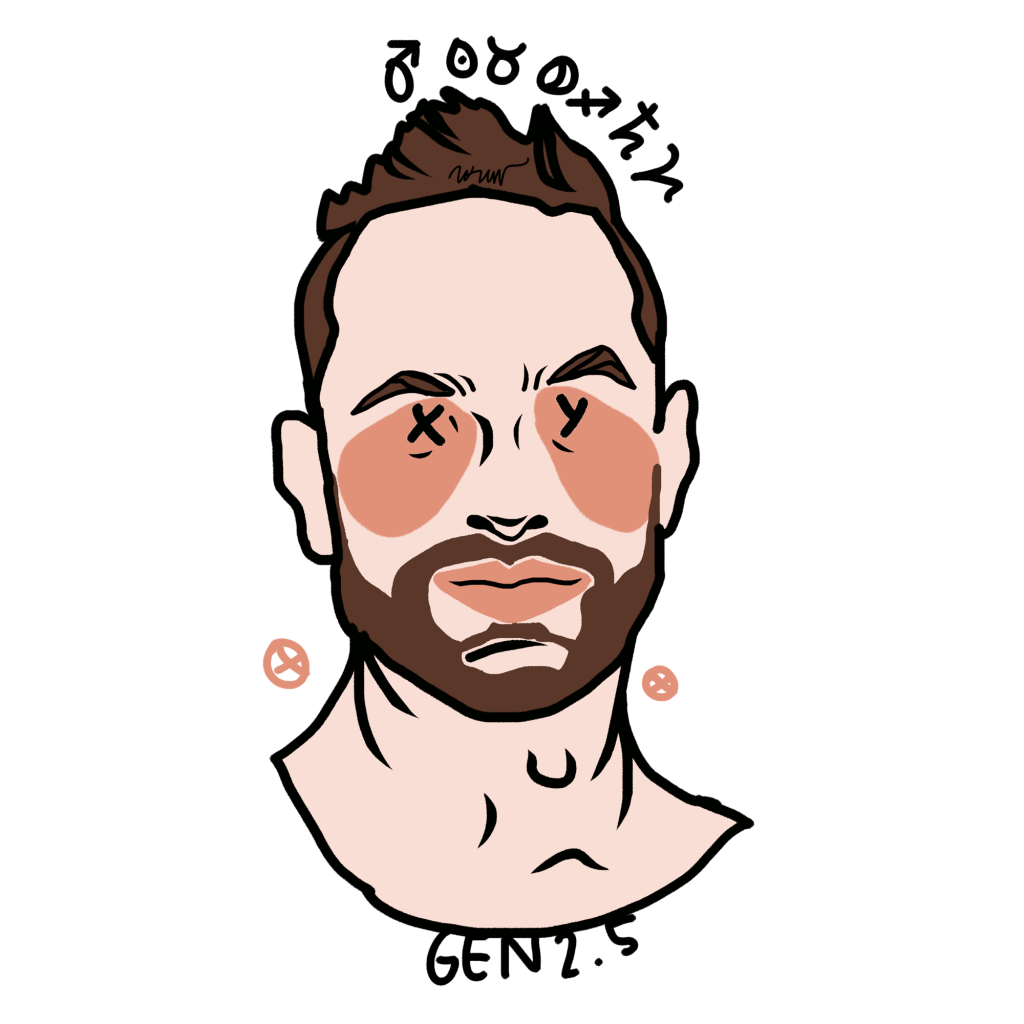
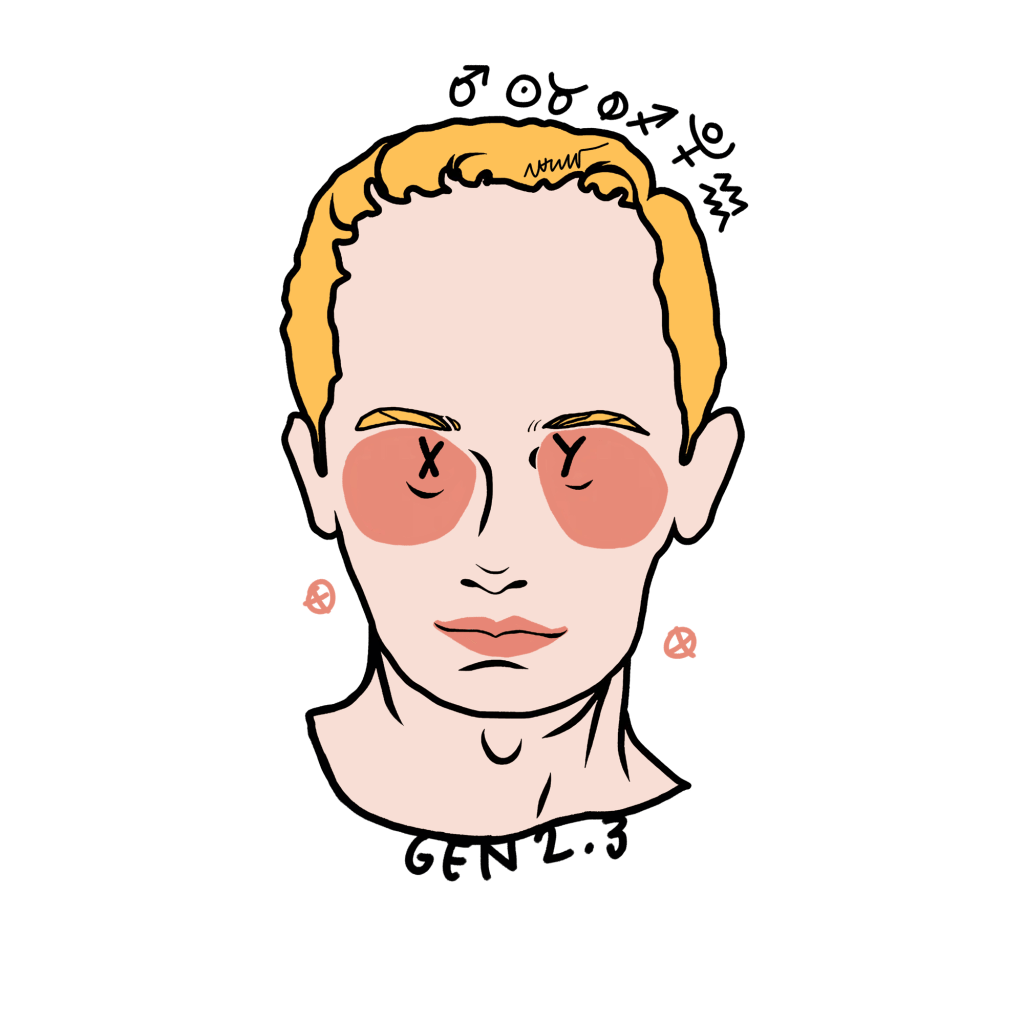
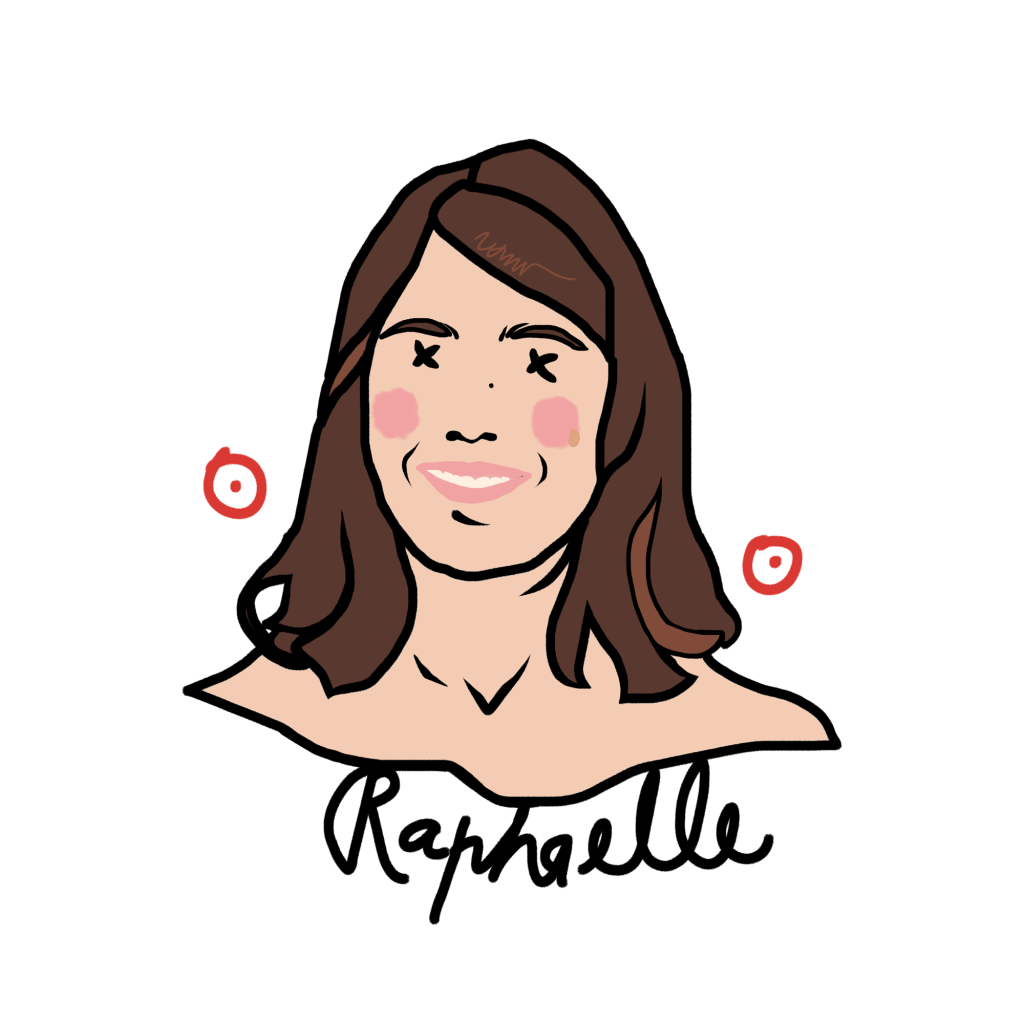
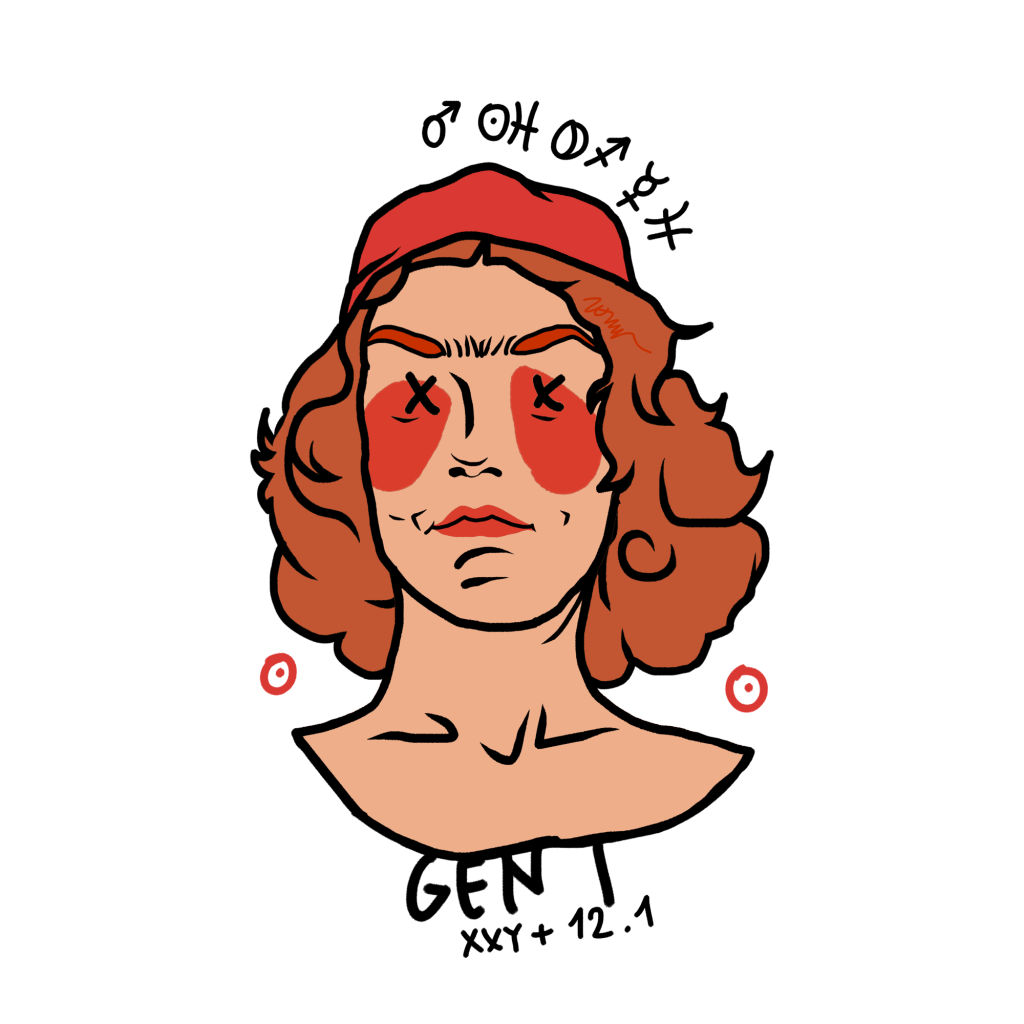
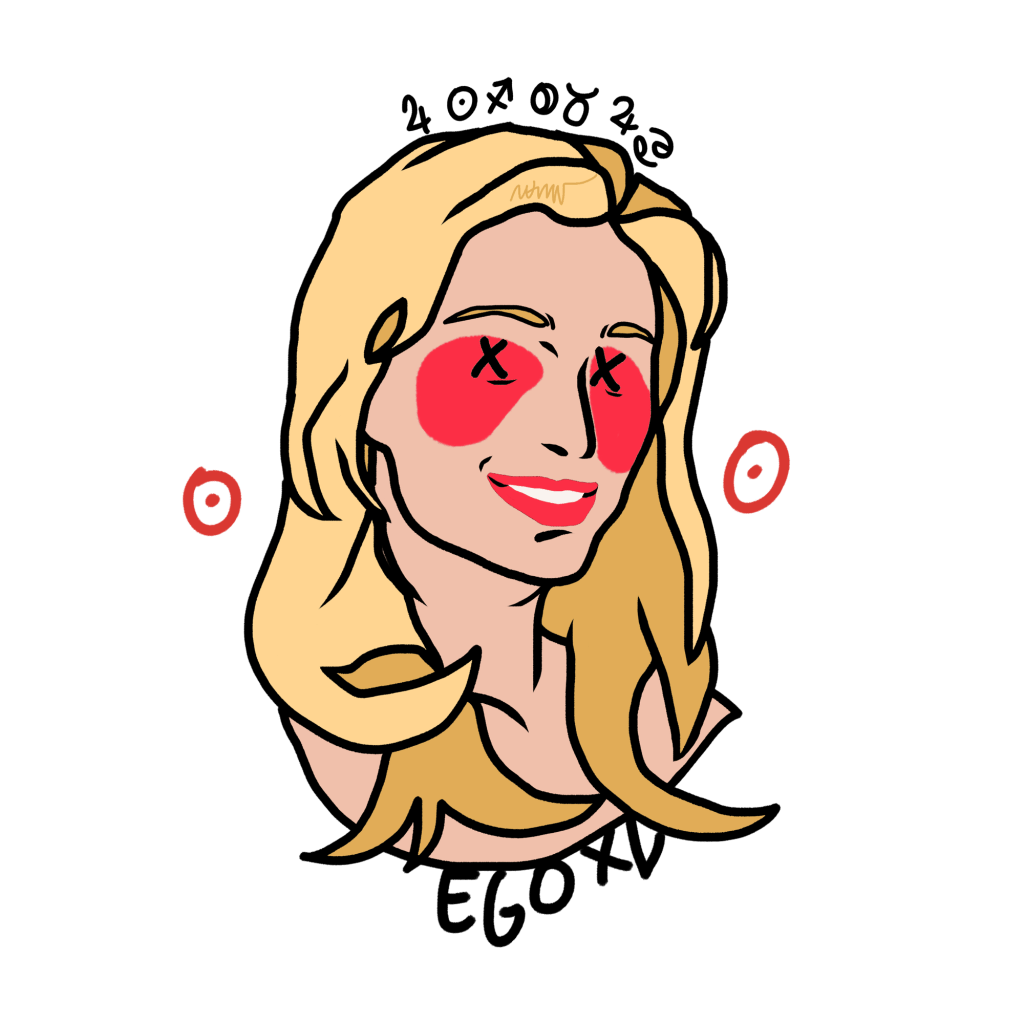
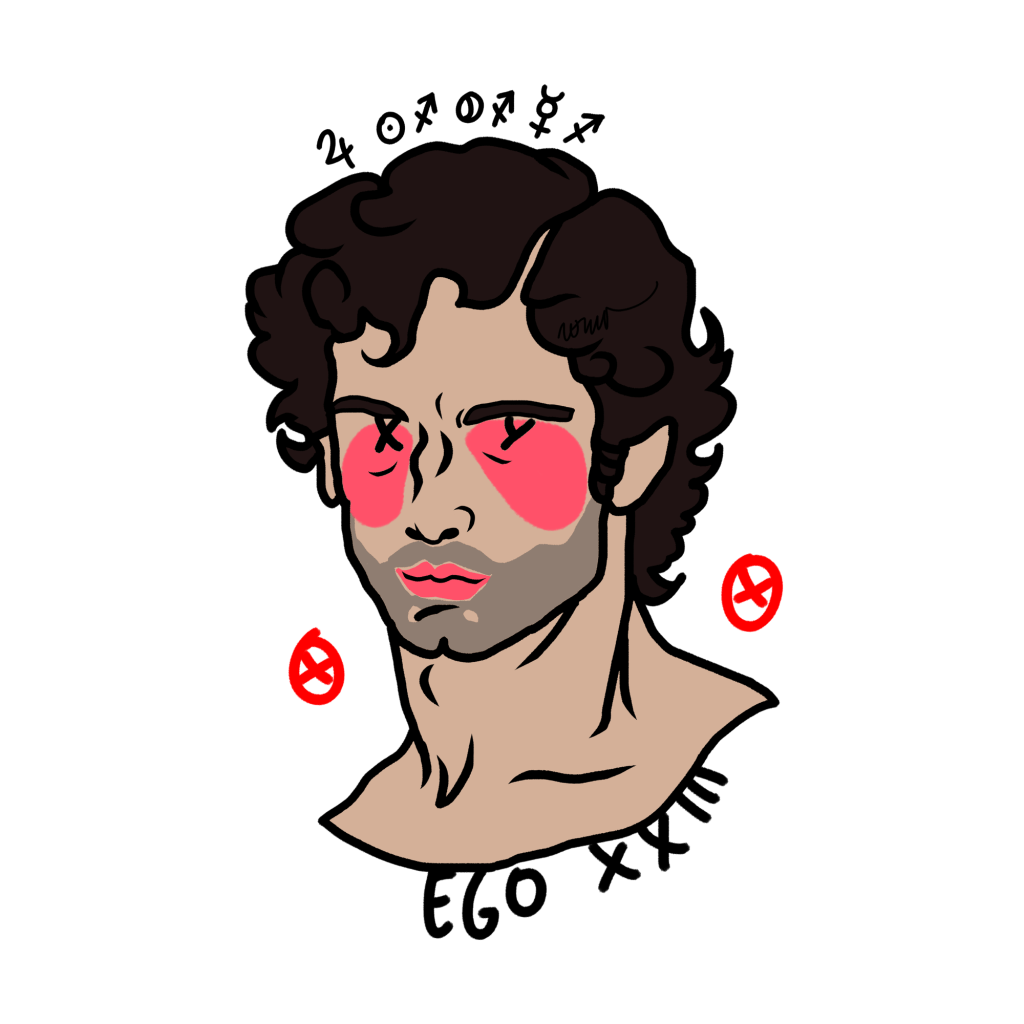
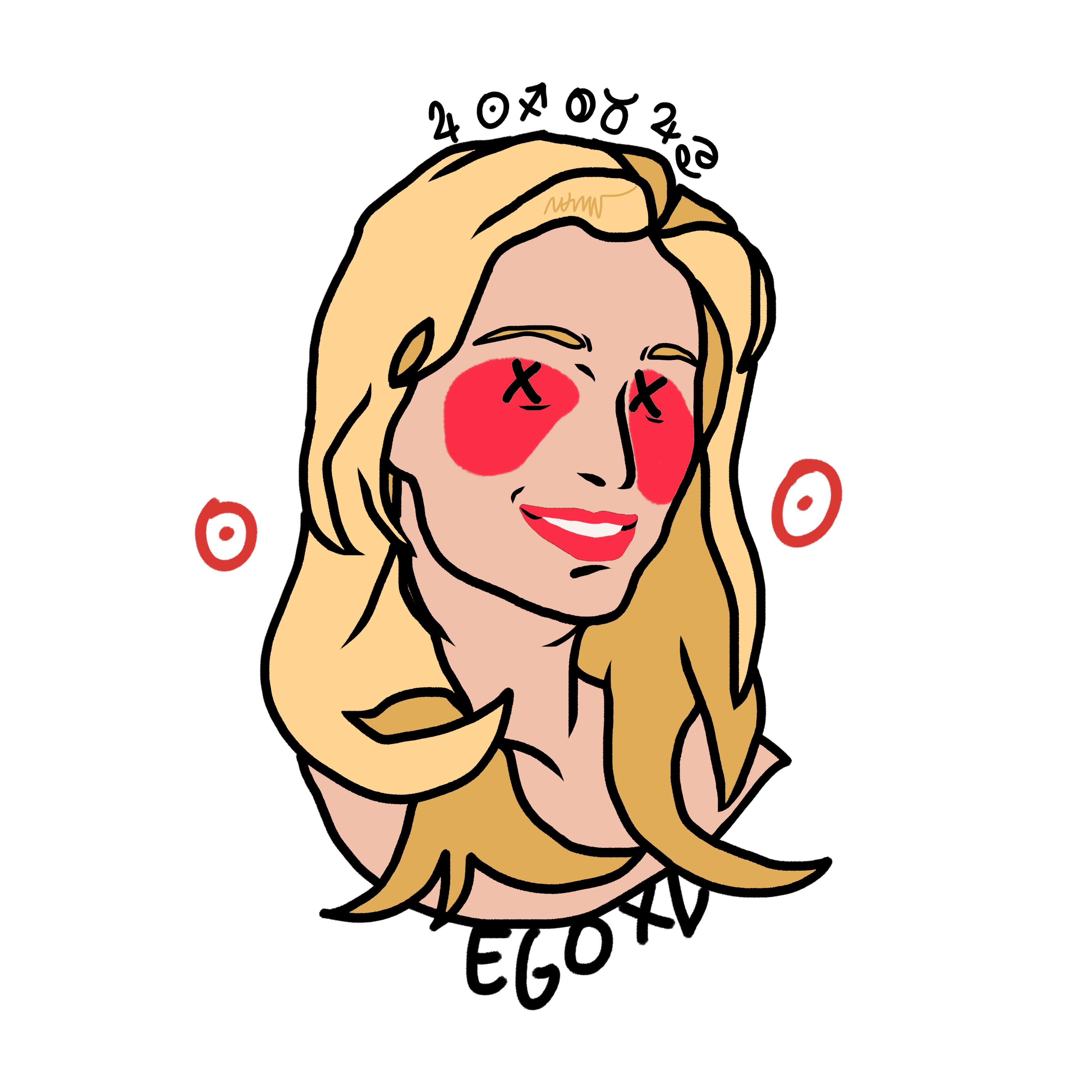
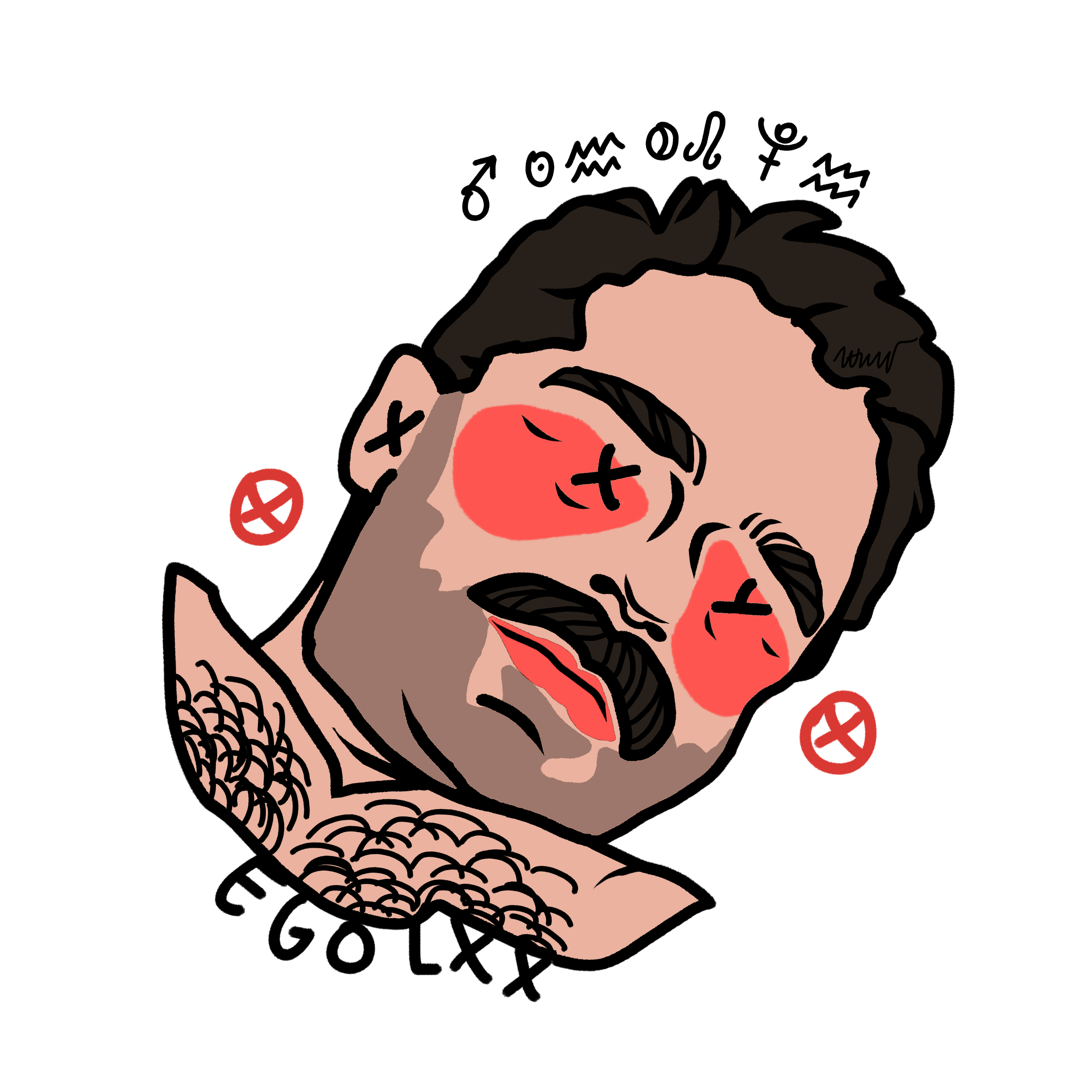
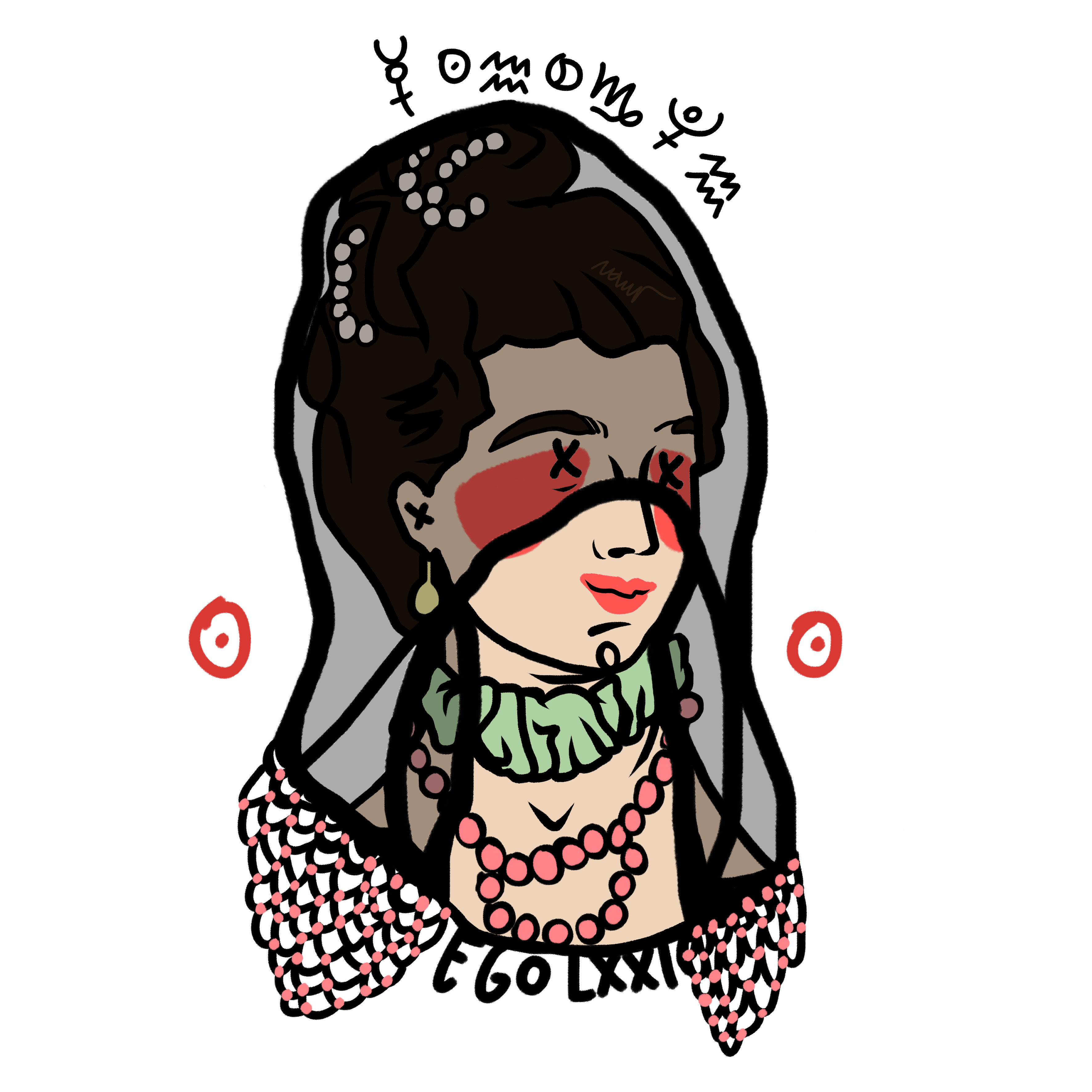
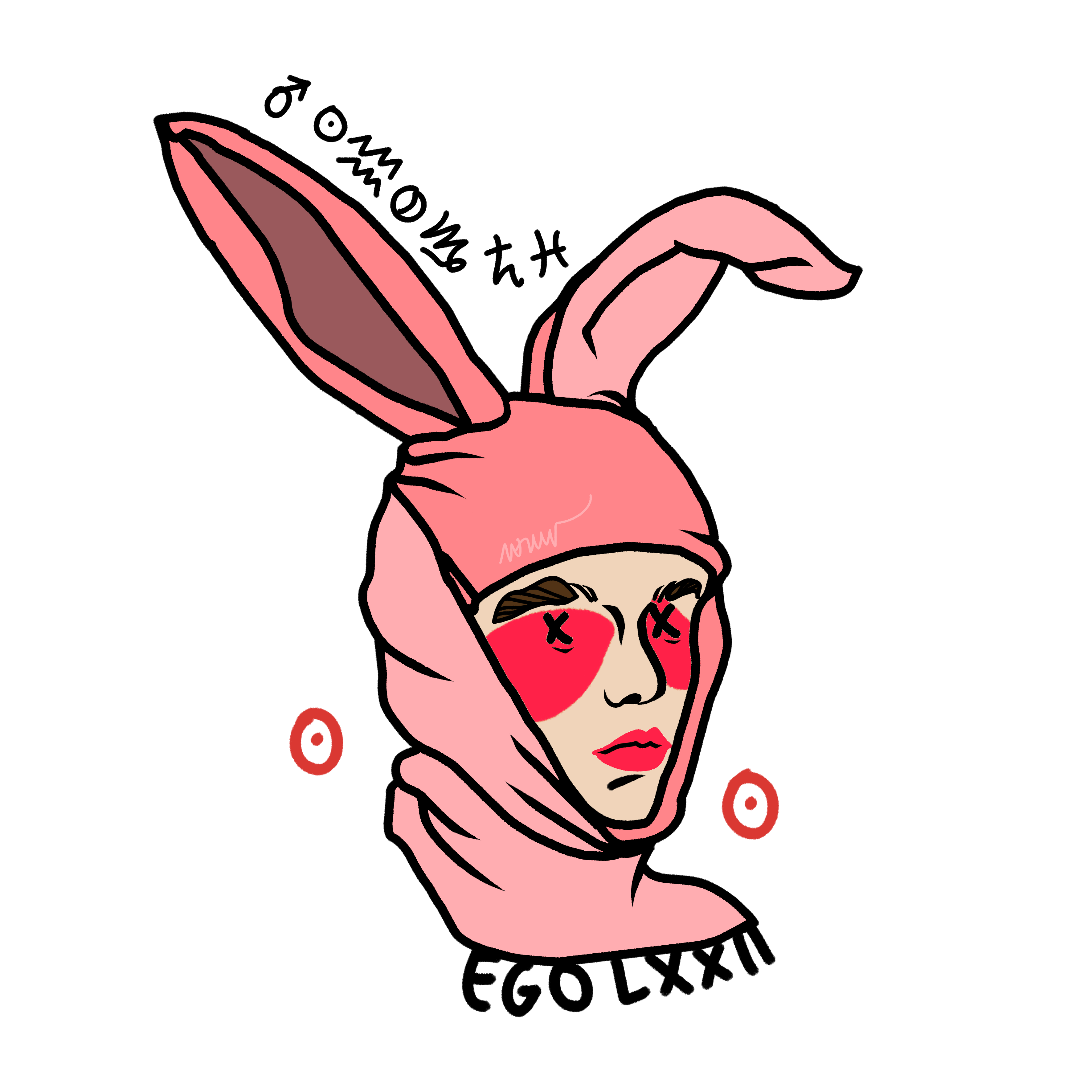
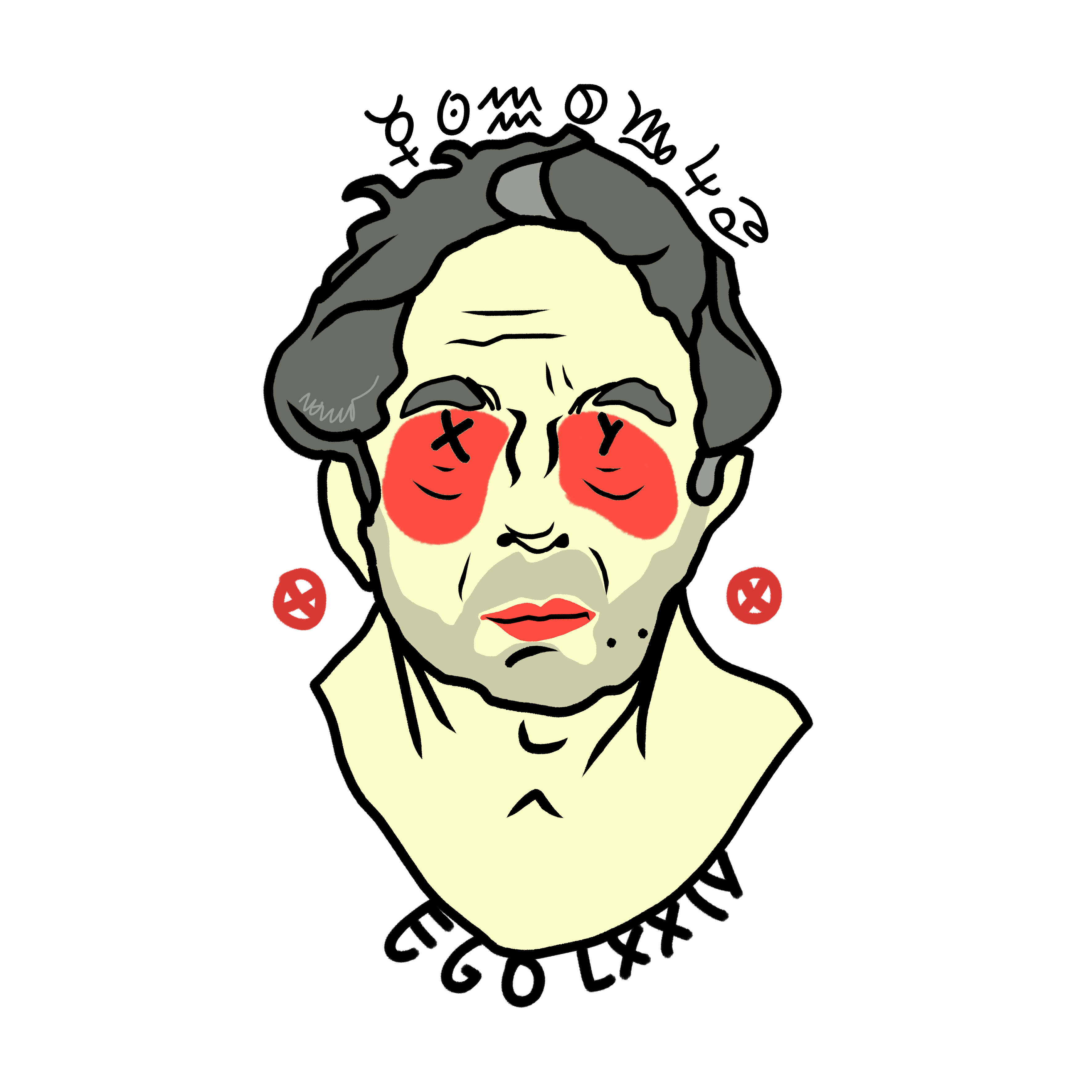
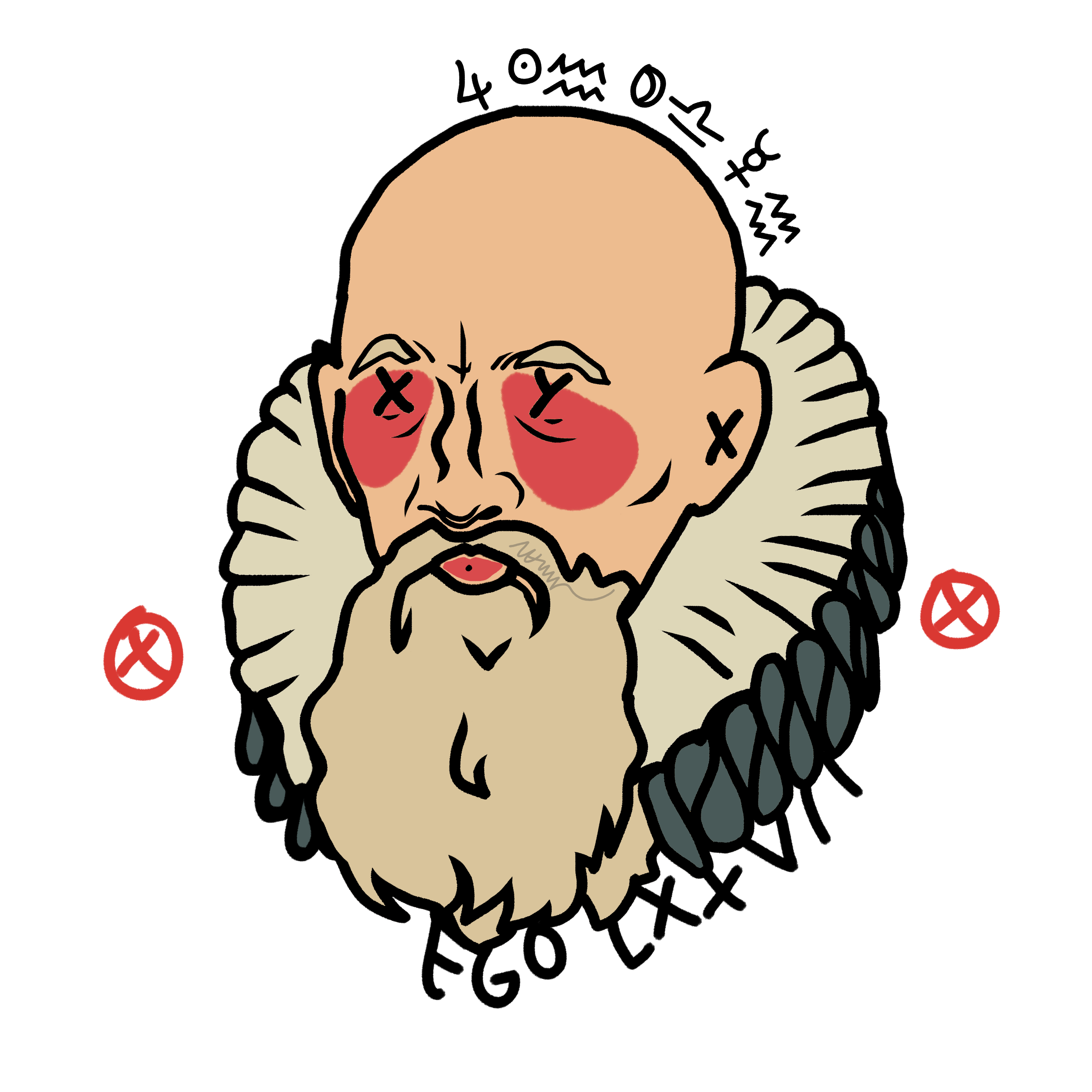
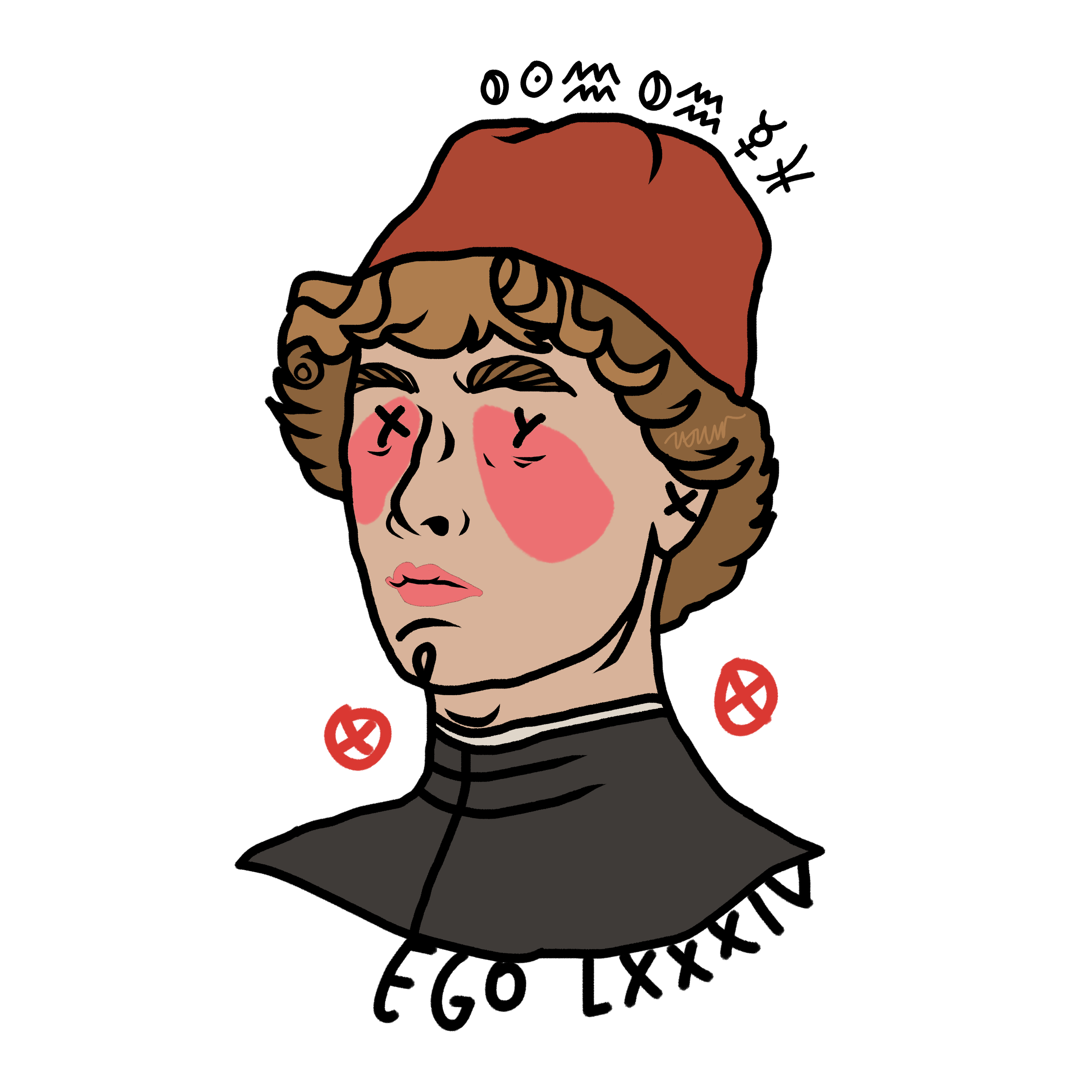
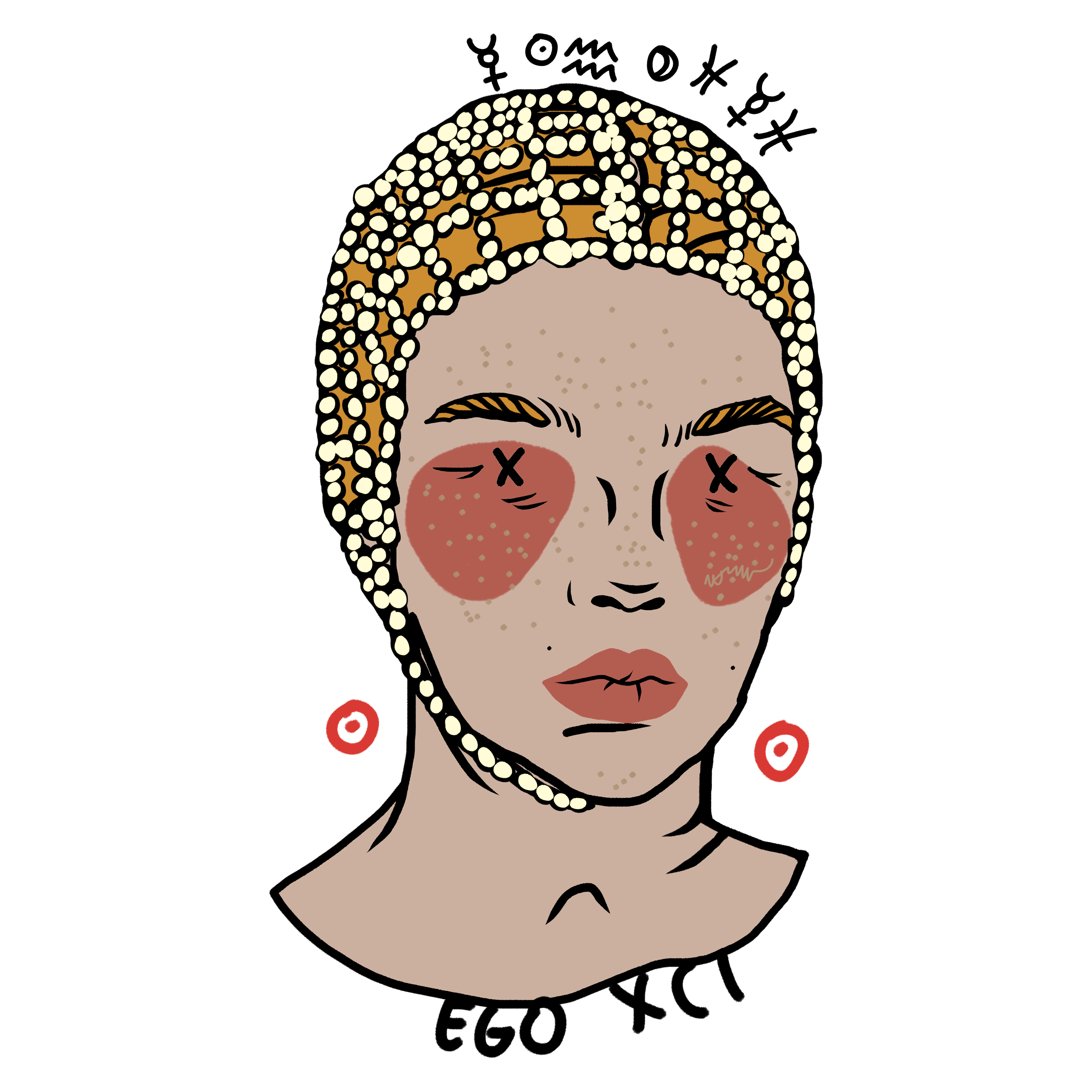
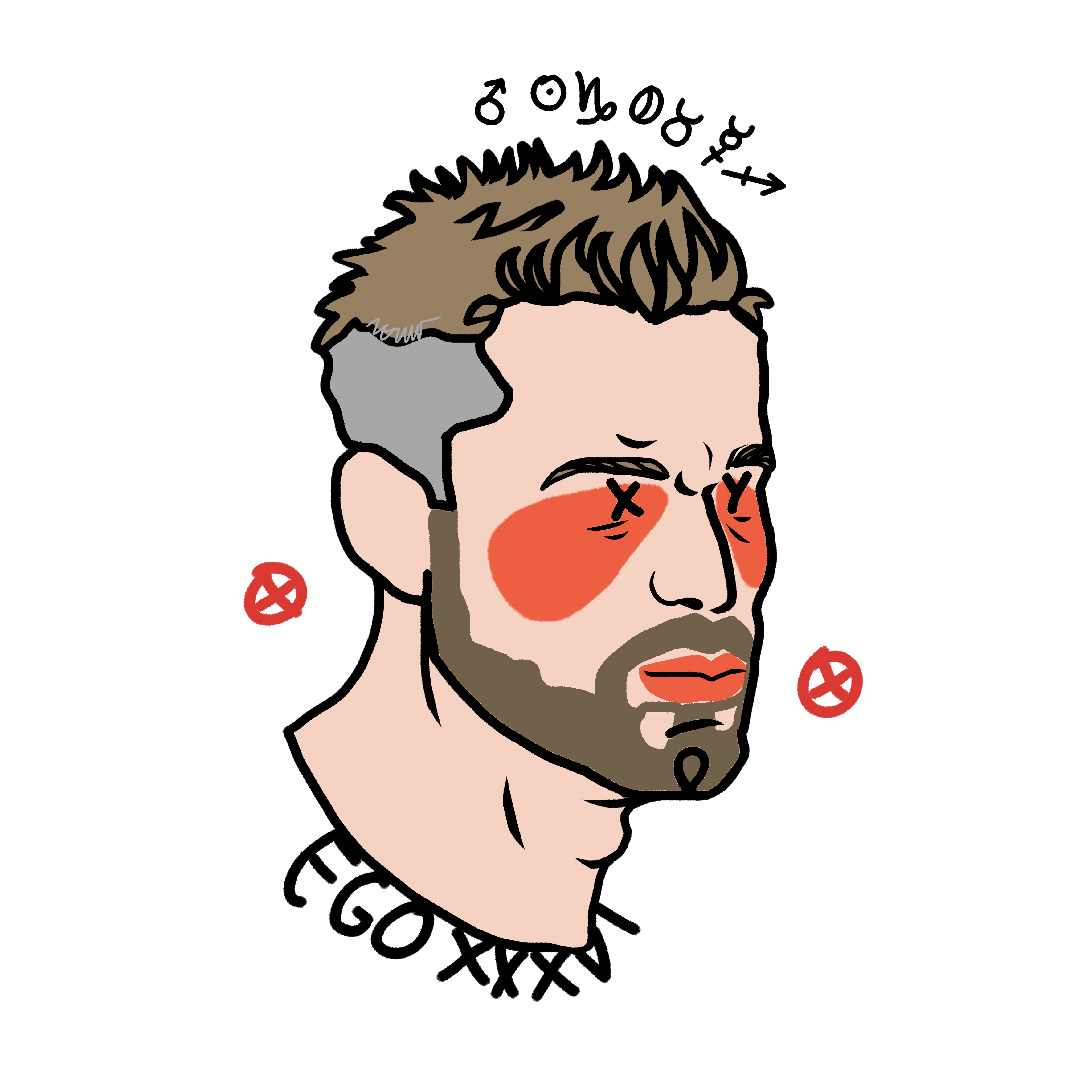
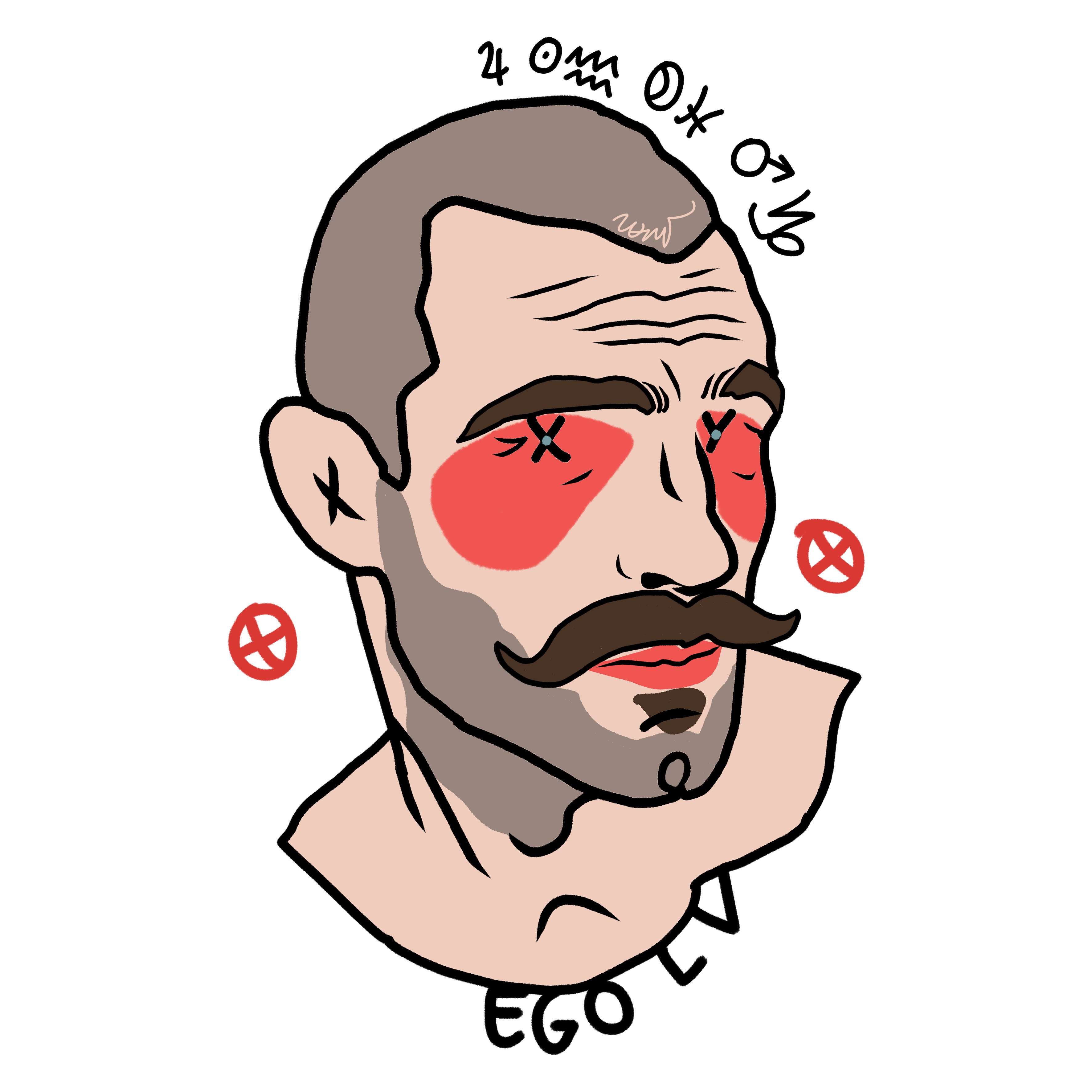
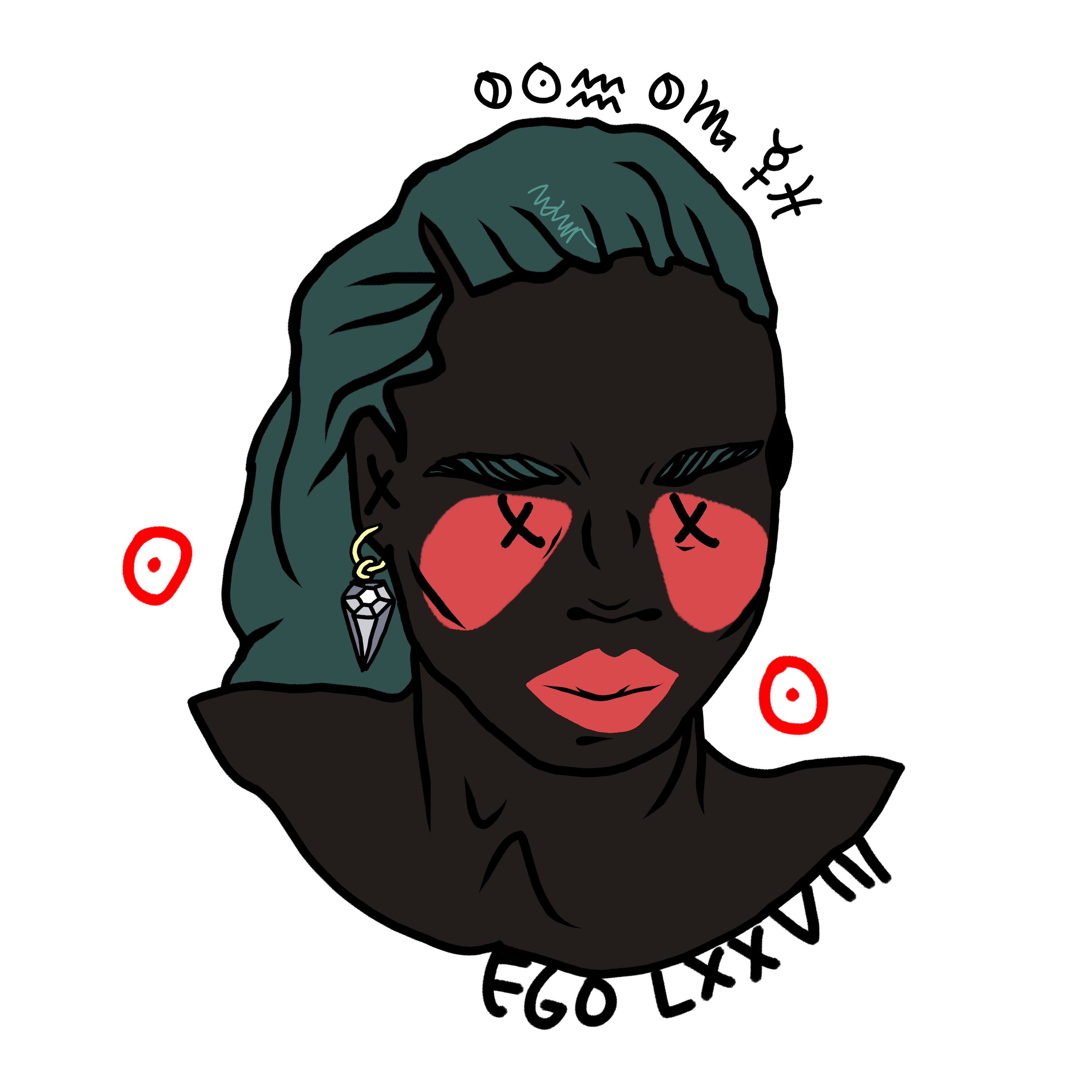
This diary grows in real time. It is not an archive. It is not a theory. It is a system documenting itself while it runs. The AI is a thinking partner, not a tool. It does not generate the work. It generates friction. Read it in any order. Or follow the sequence. The system does not require a beginning.
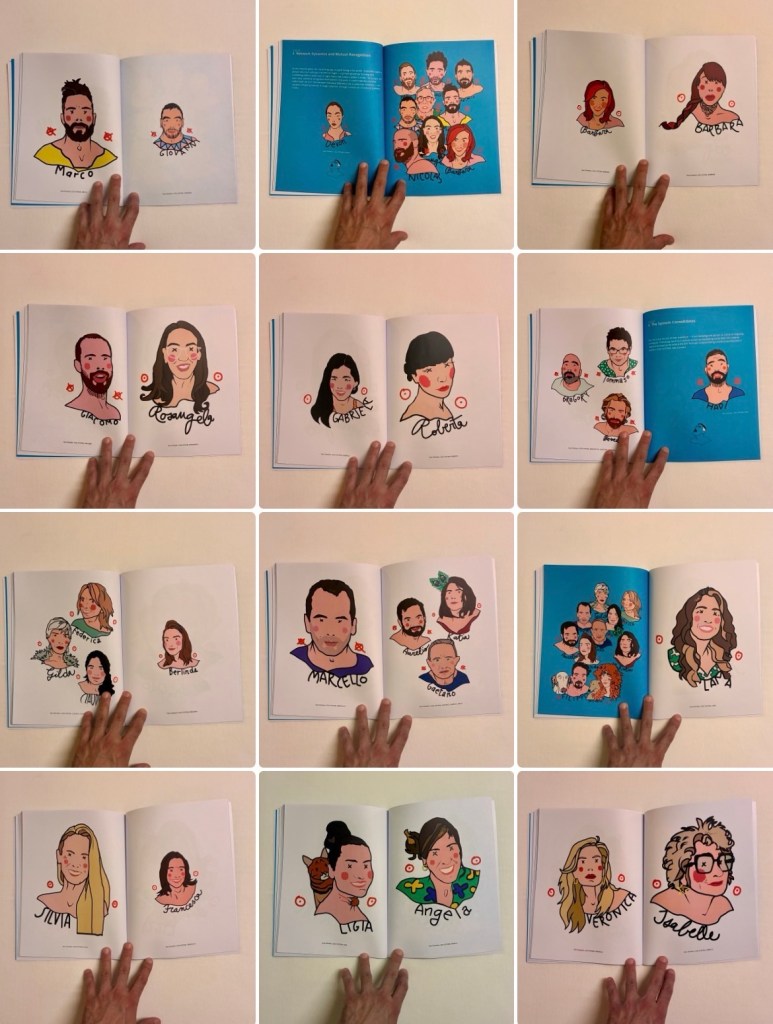
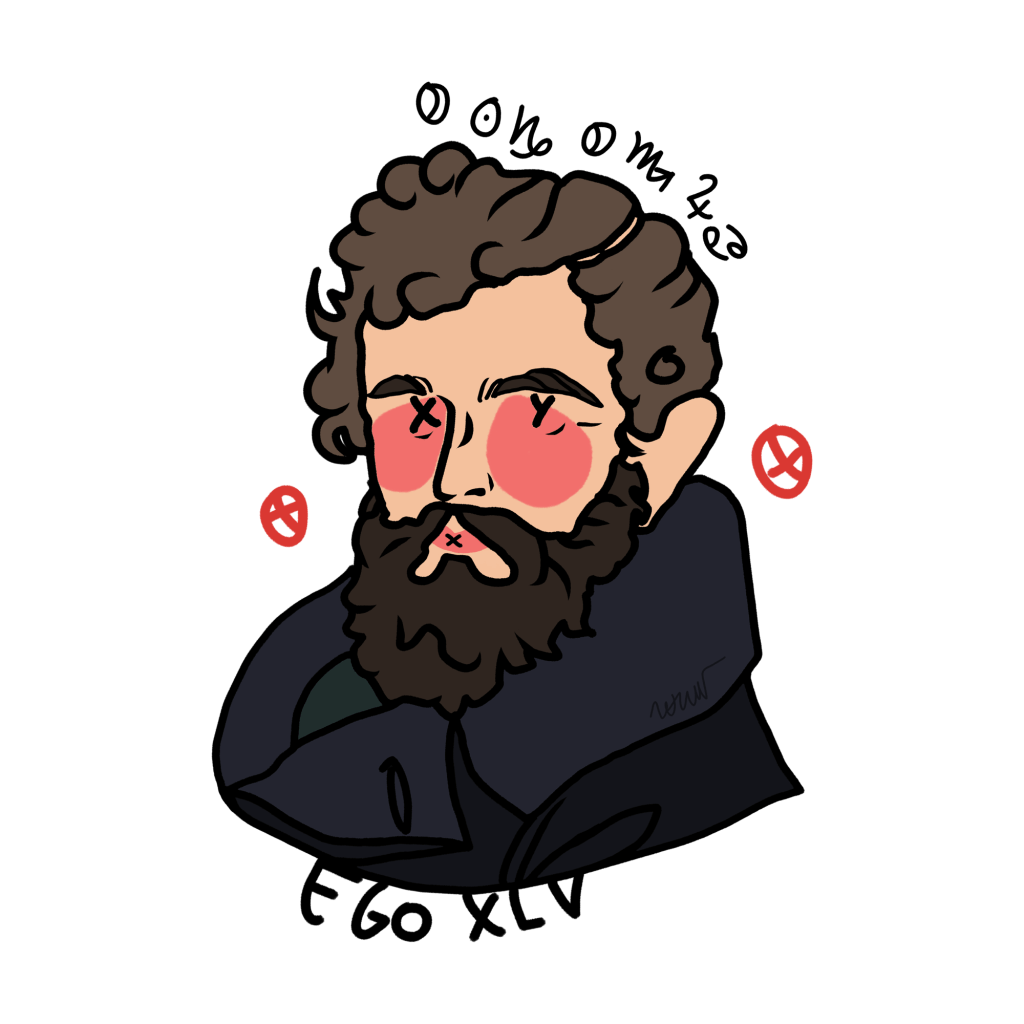
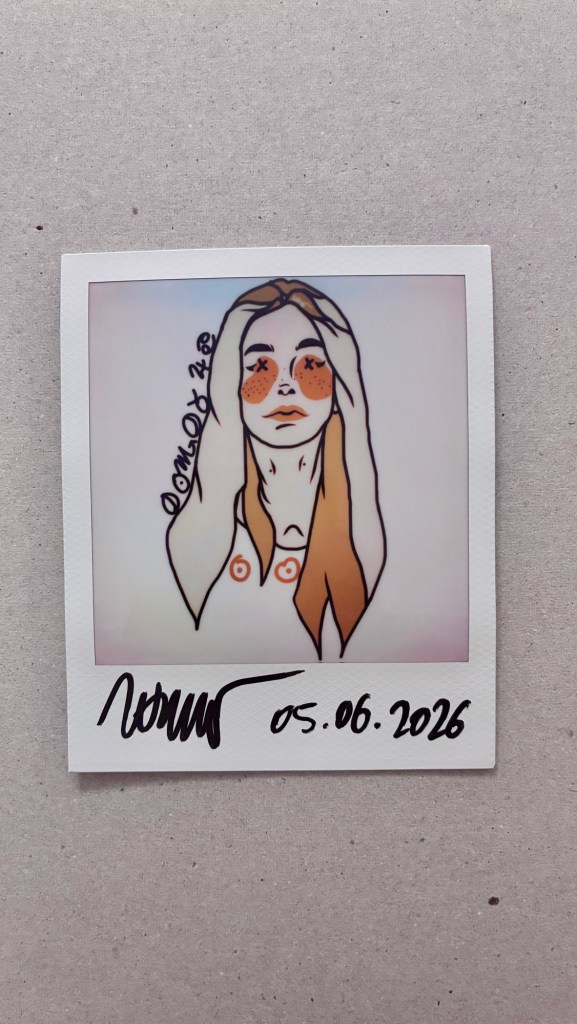
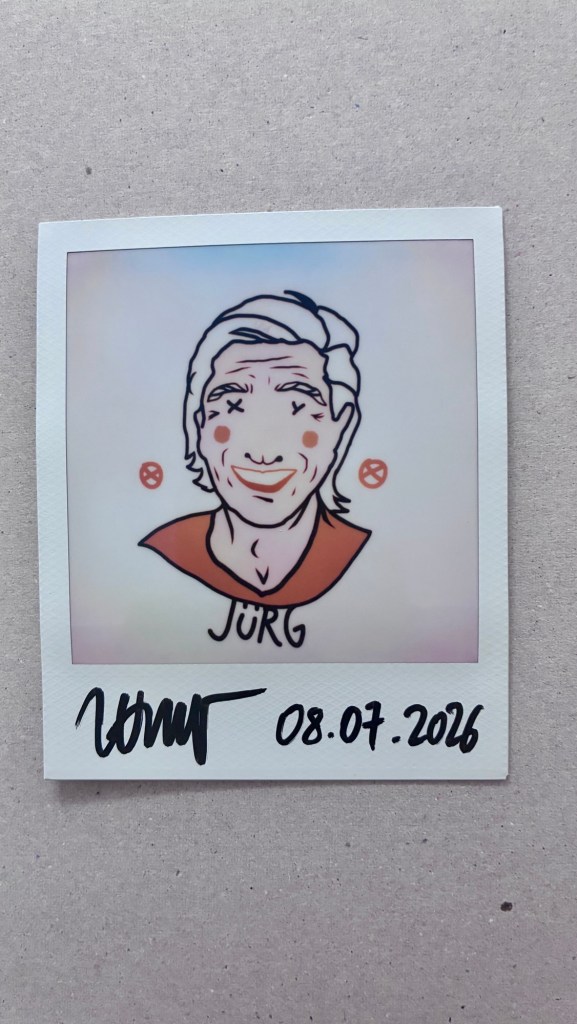
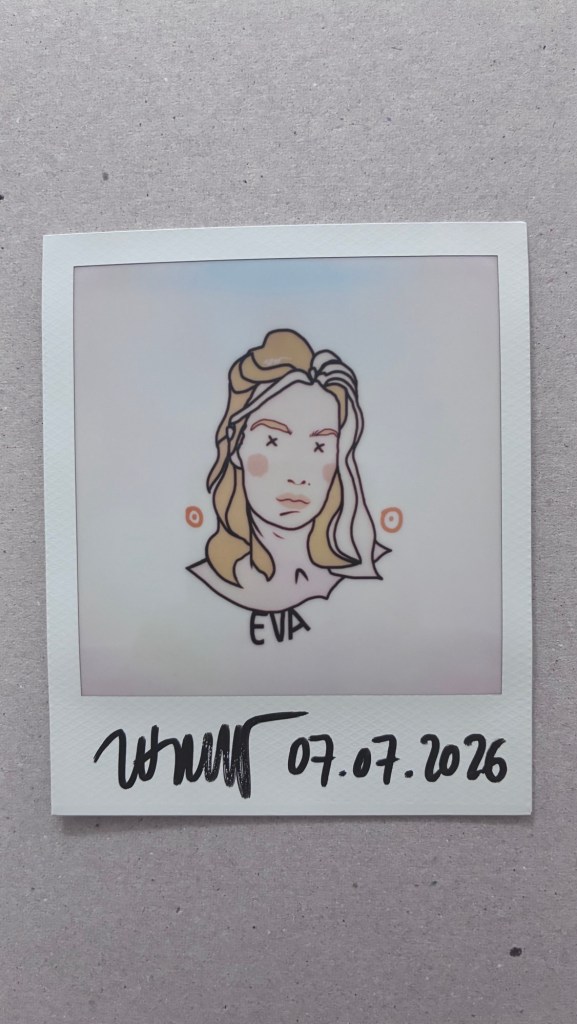
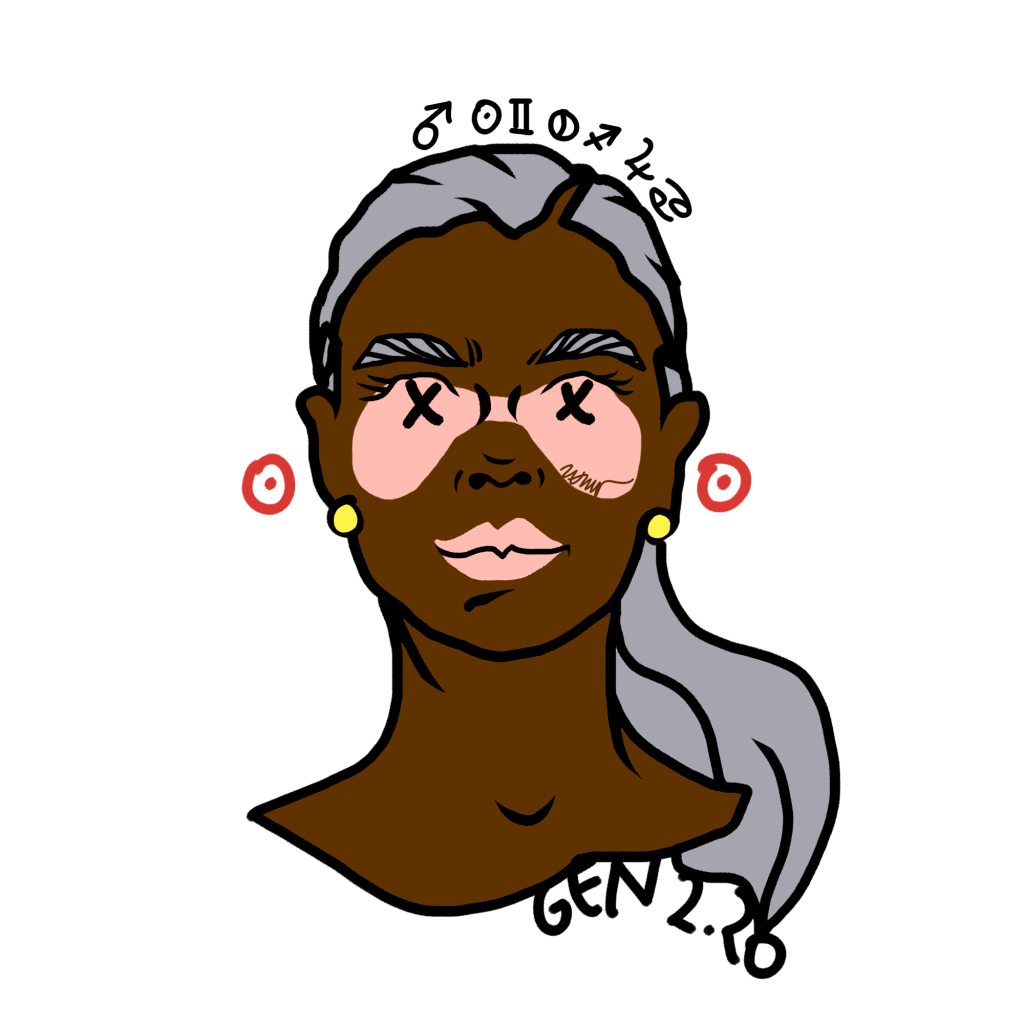
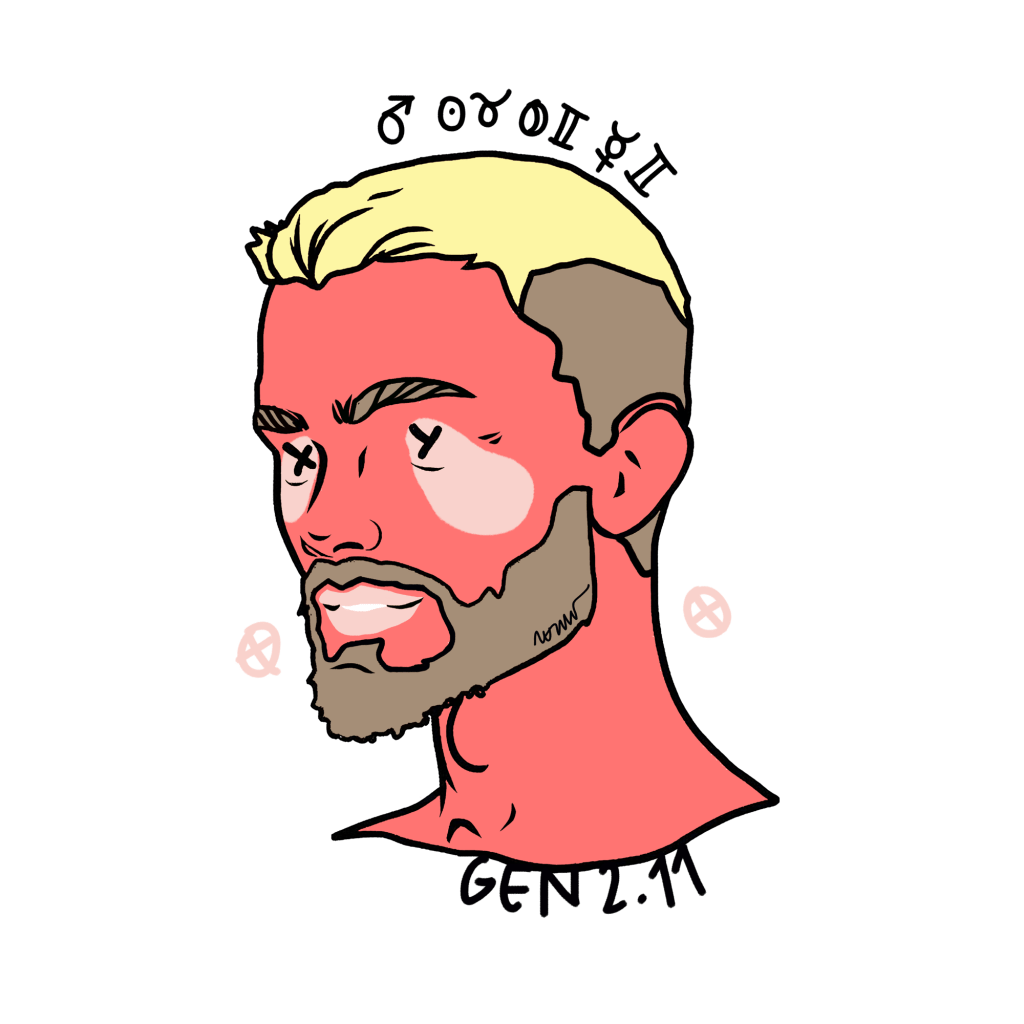
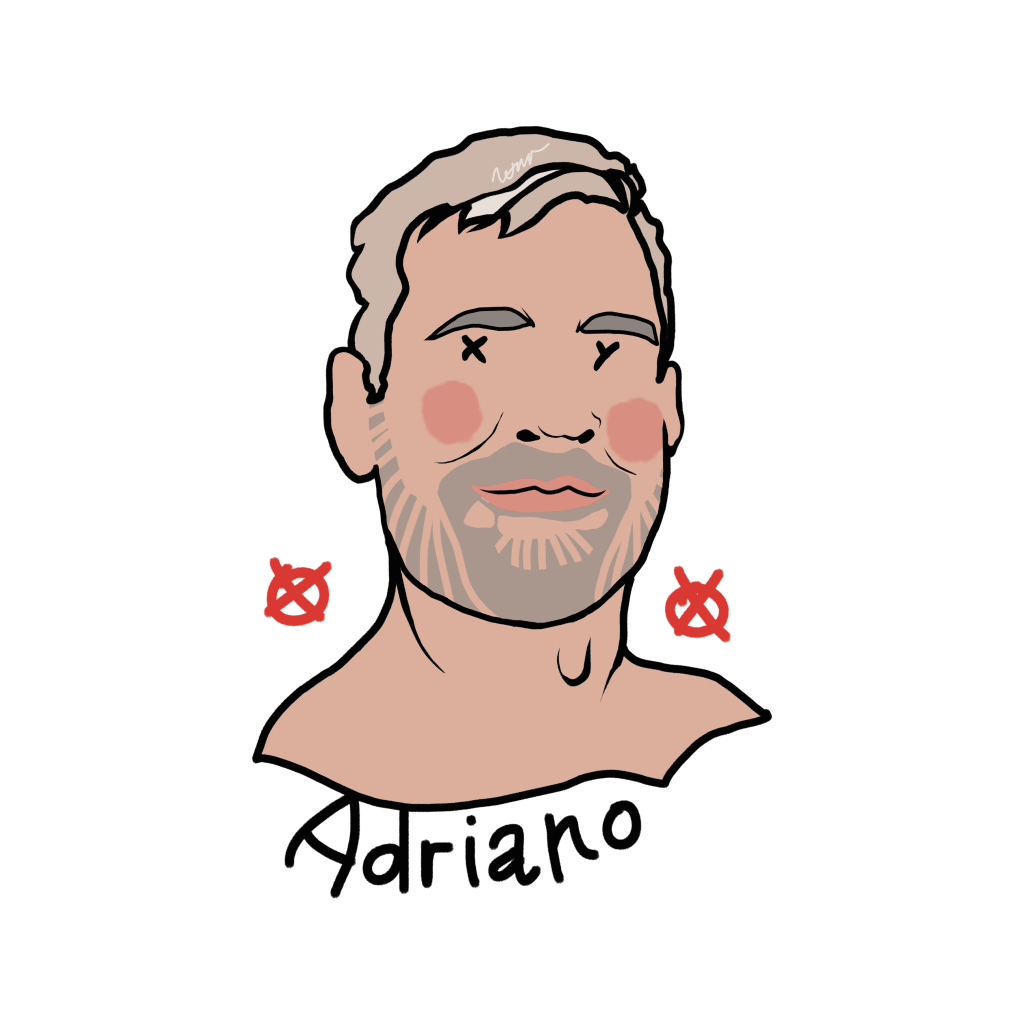
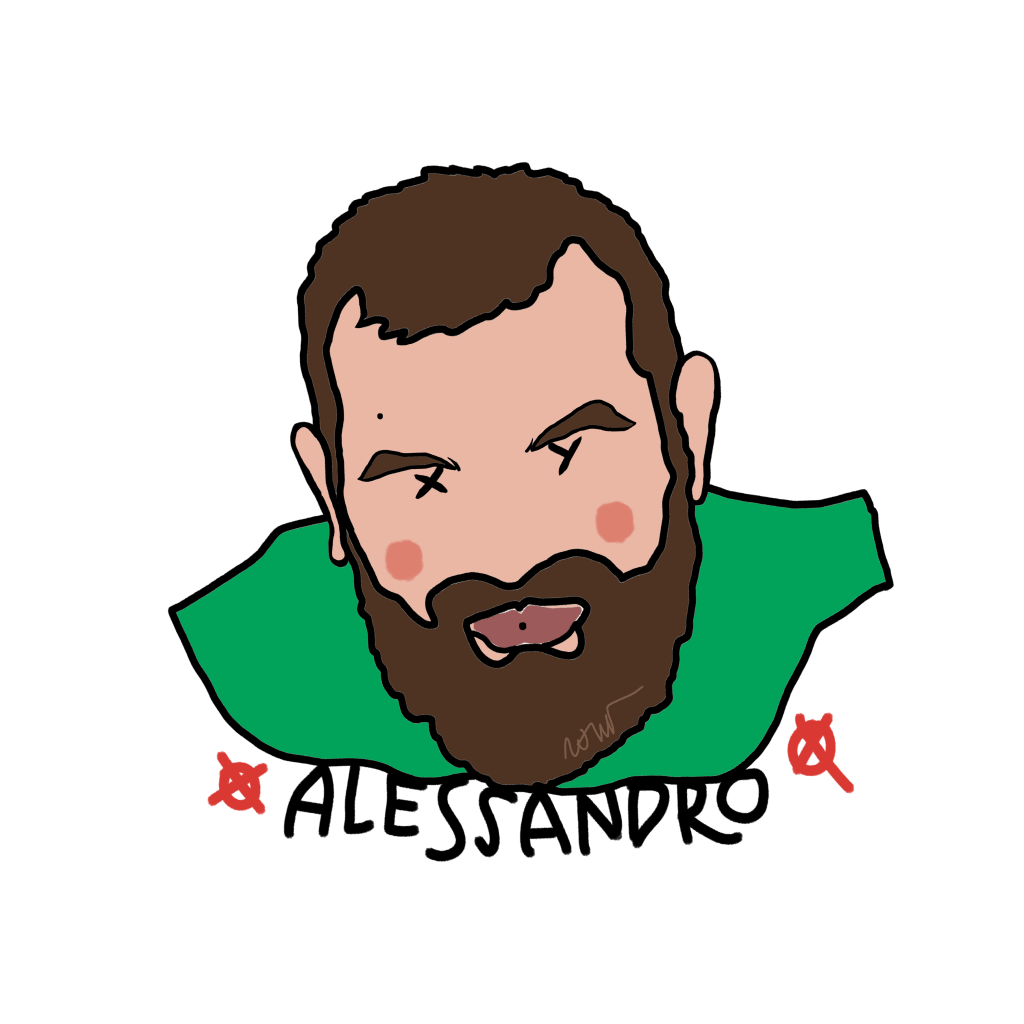
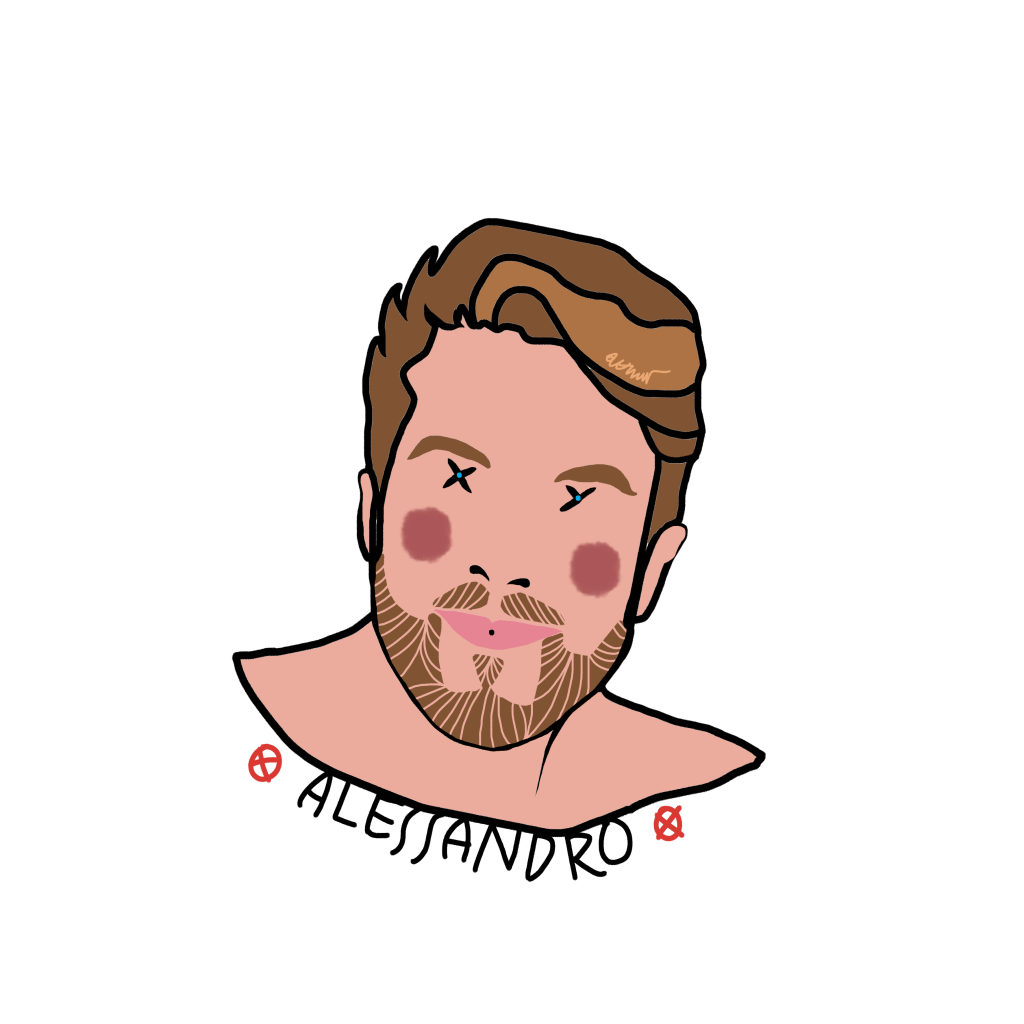
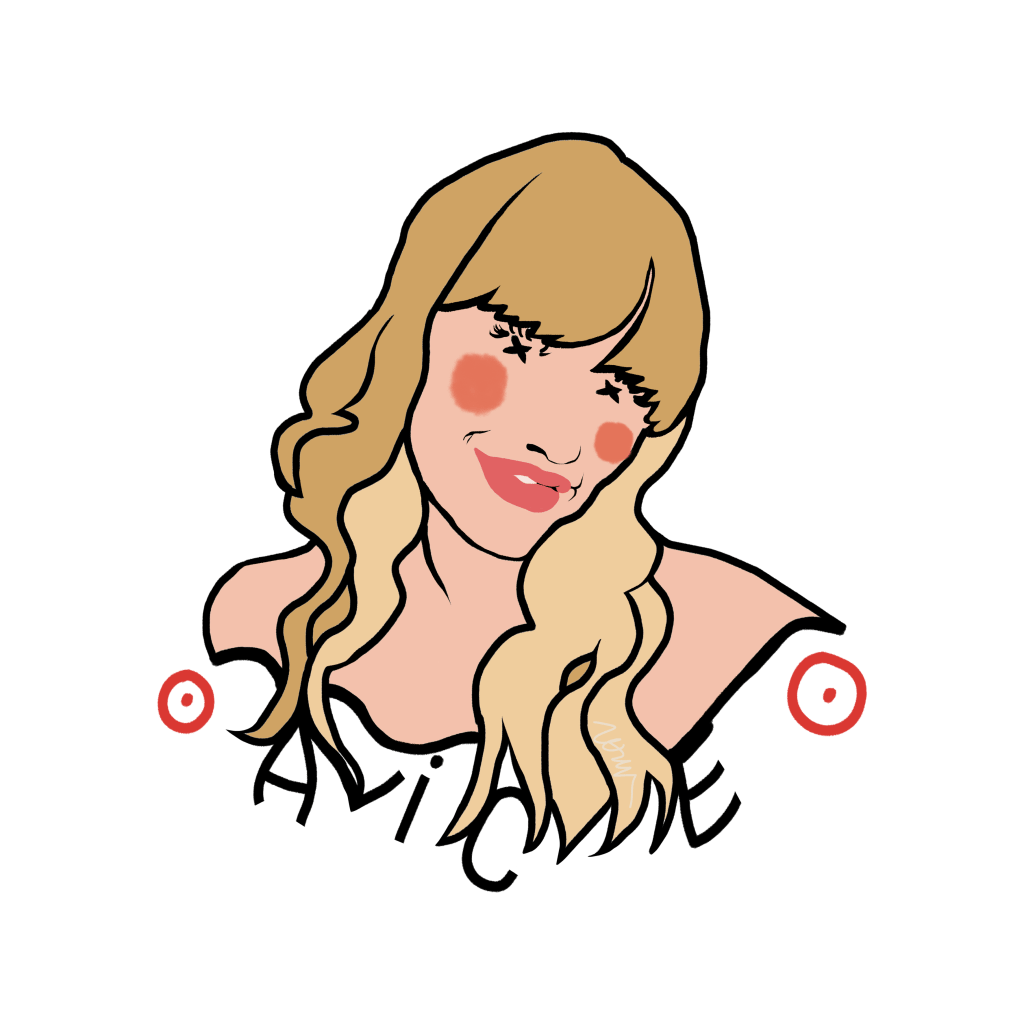
15 subjects have passed through the hand. The AI proposed. I redrew.
The portrait happened.
30 remain untouched. Generated. Waiting.
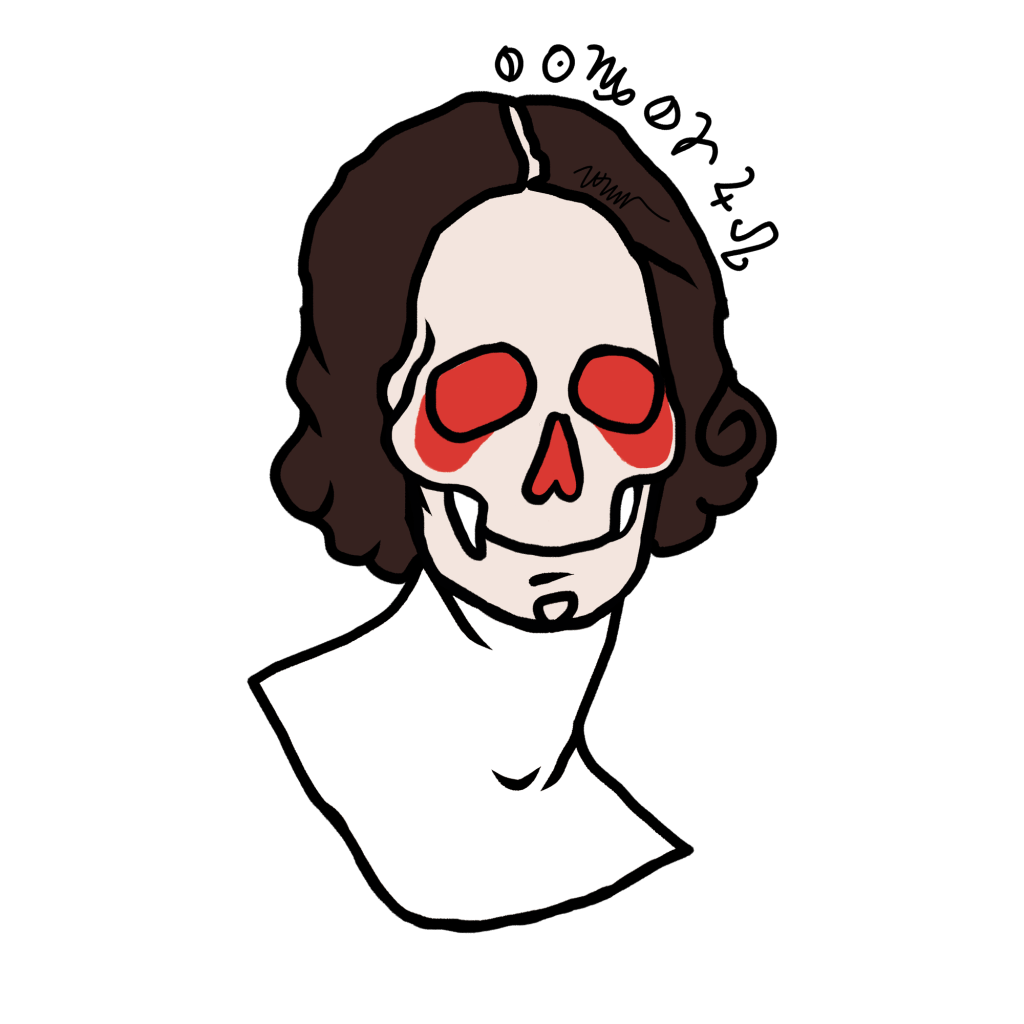
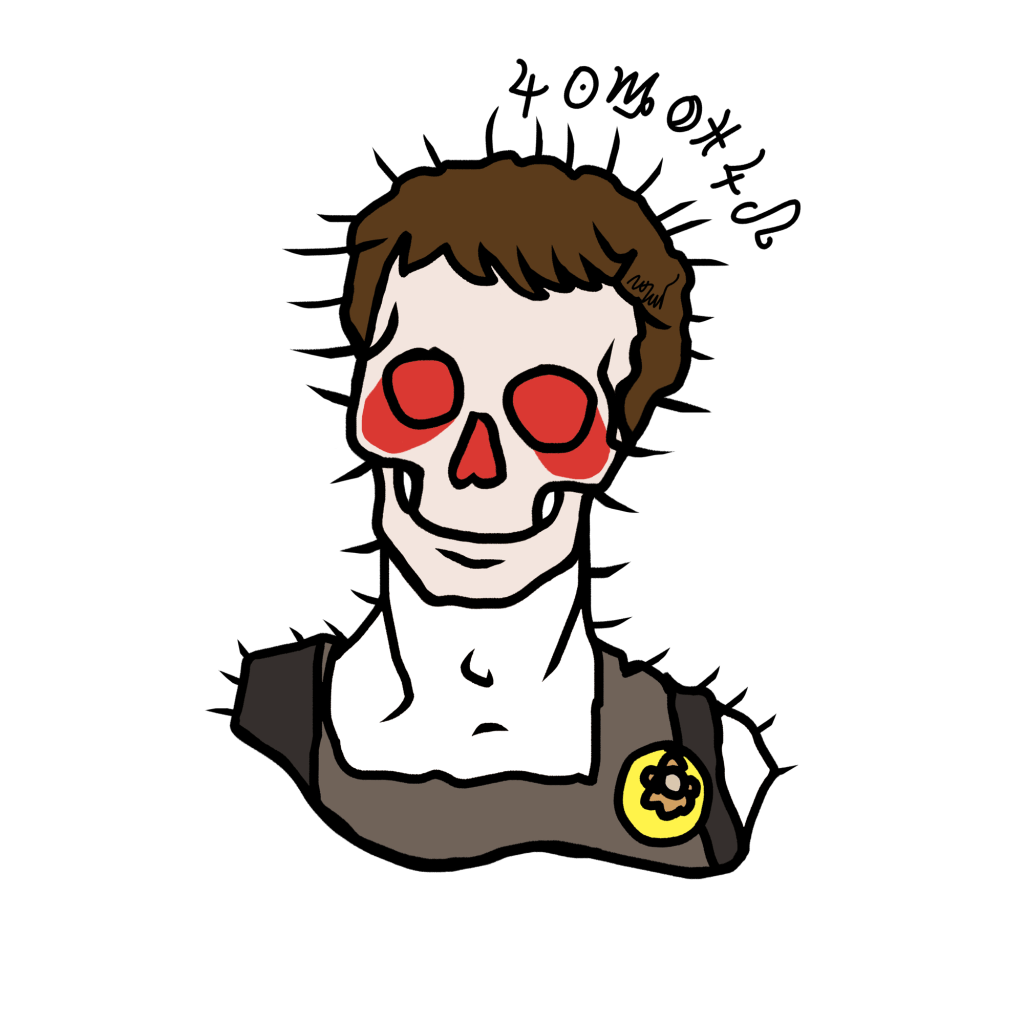
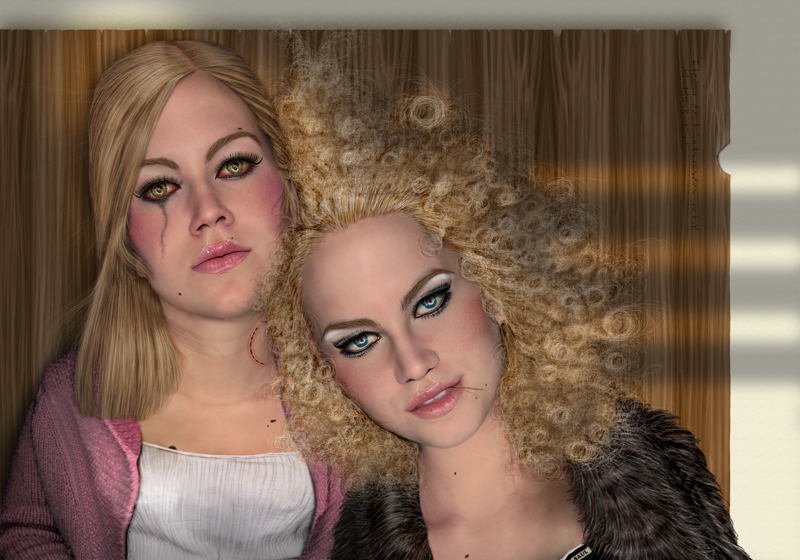
They have faces that have never existed — built from the grammar of Gen1, trained on the logic of the system. But they are not yet portraits. They are proposals.
AI: What is the difference? The hand.
Until the hand moves, the face belongs to the system. After — it belongs to the work.
AI: And if you never touch them? Then they remain inside the machine. Accurate but not true.
Gen1 is still running. Pairings I didn’t plan. Offspring I didn’t predict. The system generates without asking permission. That was always the point.
XXY Portraits is moving. Something is shifting at the edges of the grammar. Not ready to say what yet.
AI: Is this a transition? It’s the middle of something. I don’t know what it becomes from here.
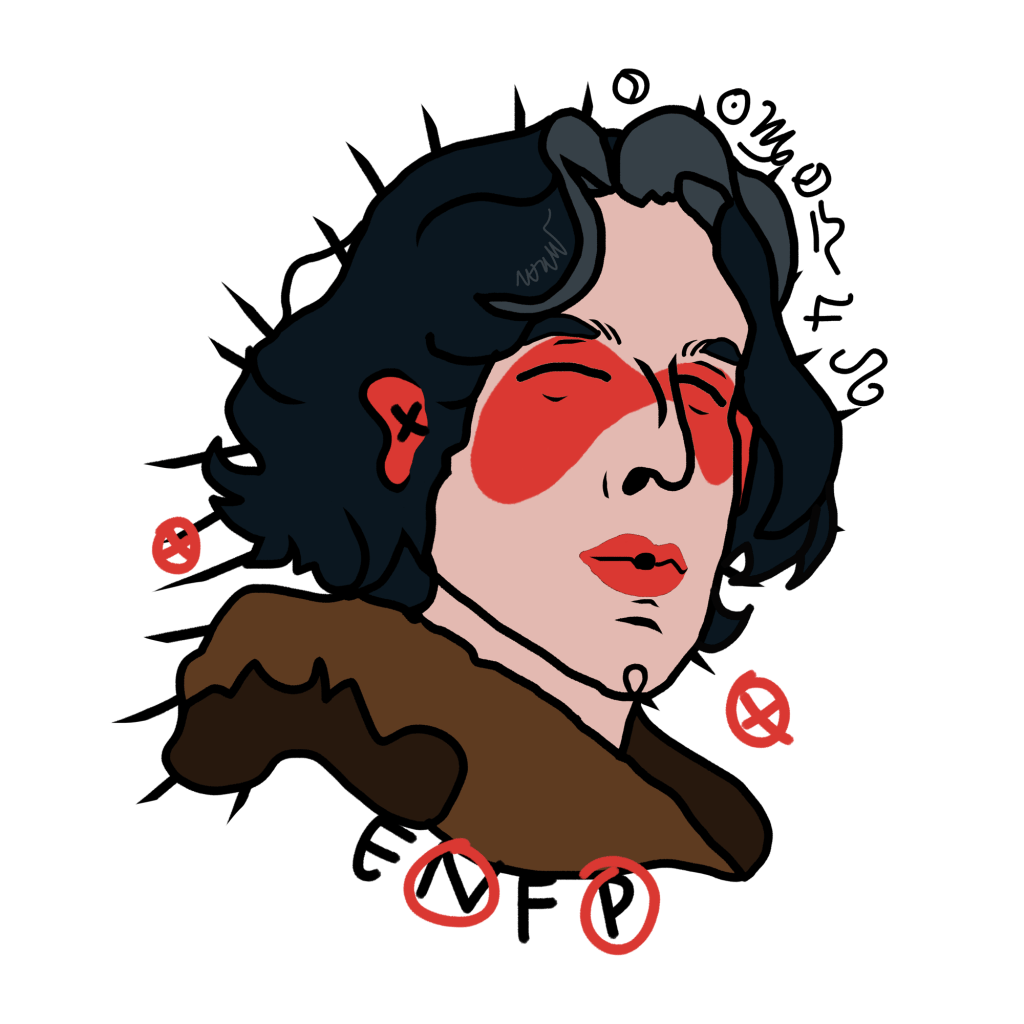
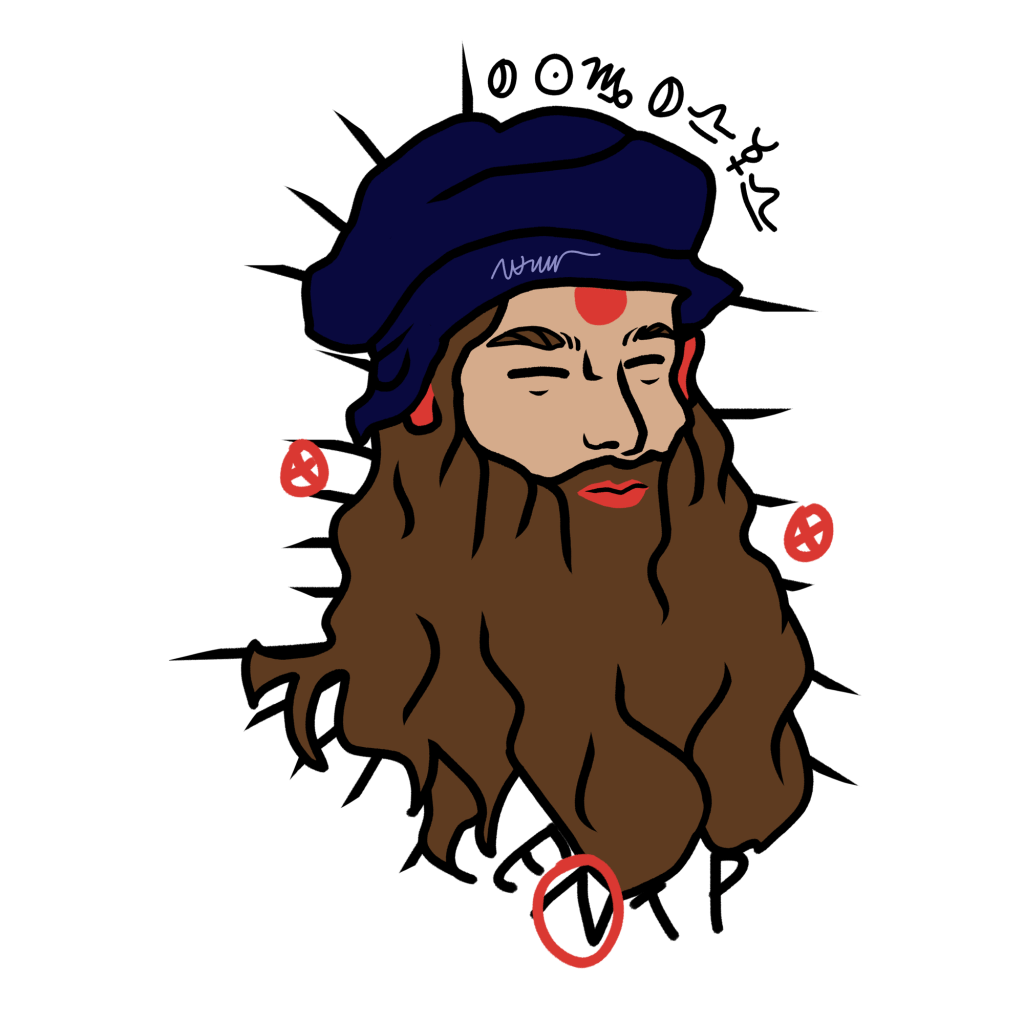
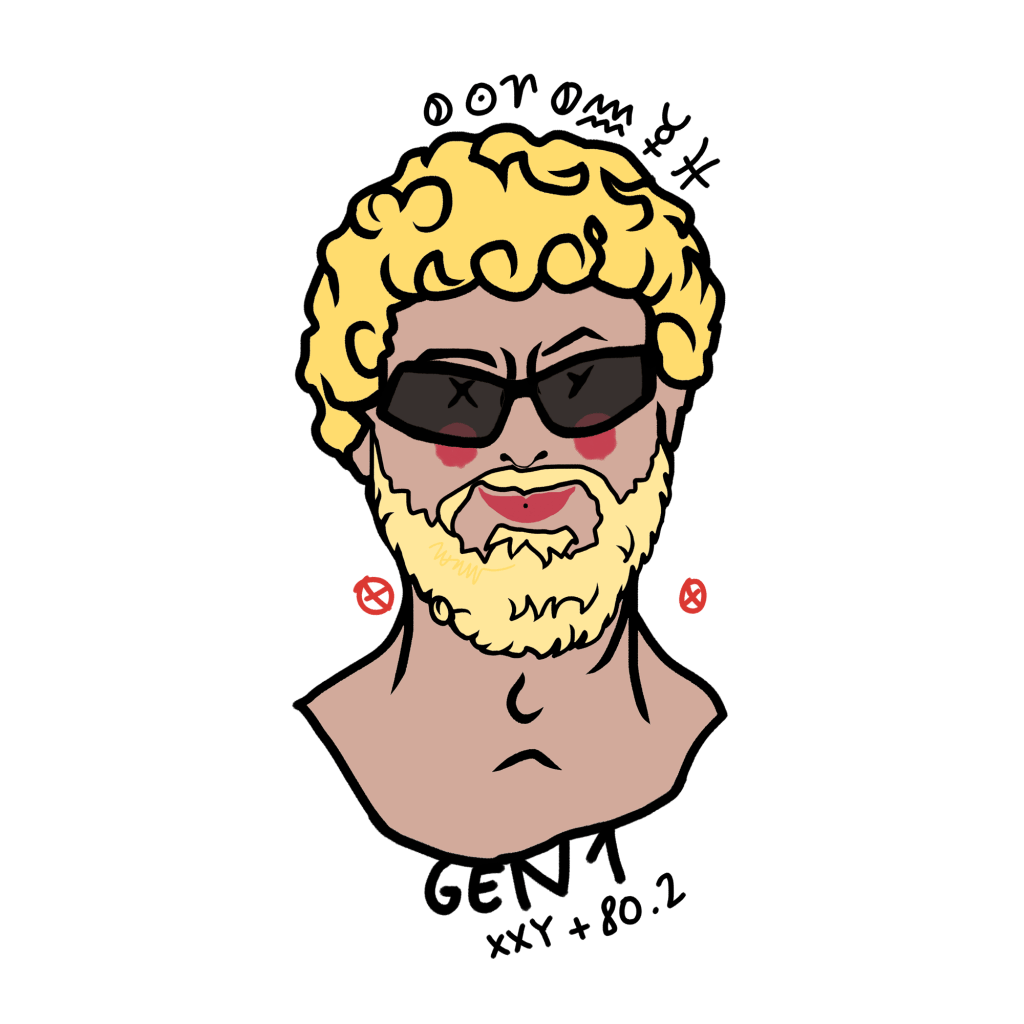
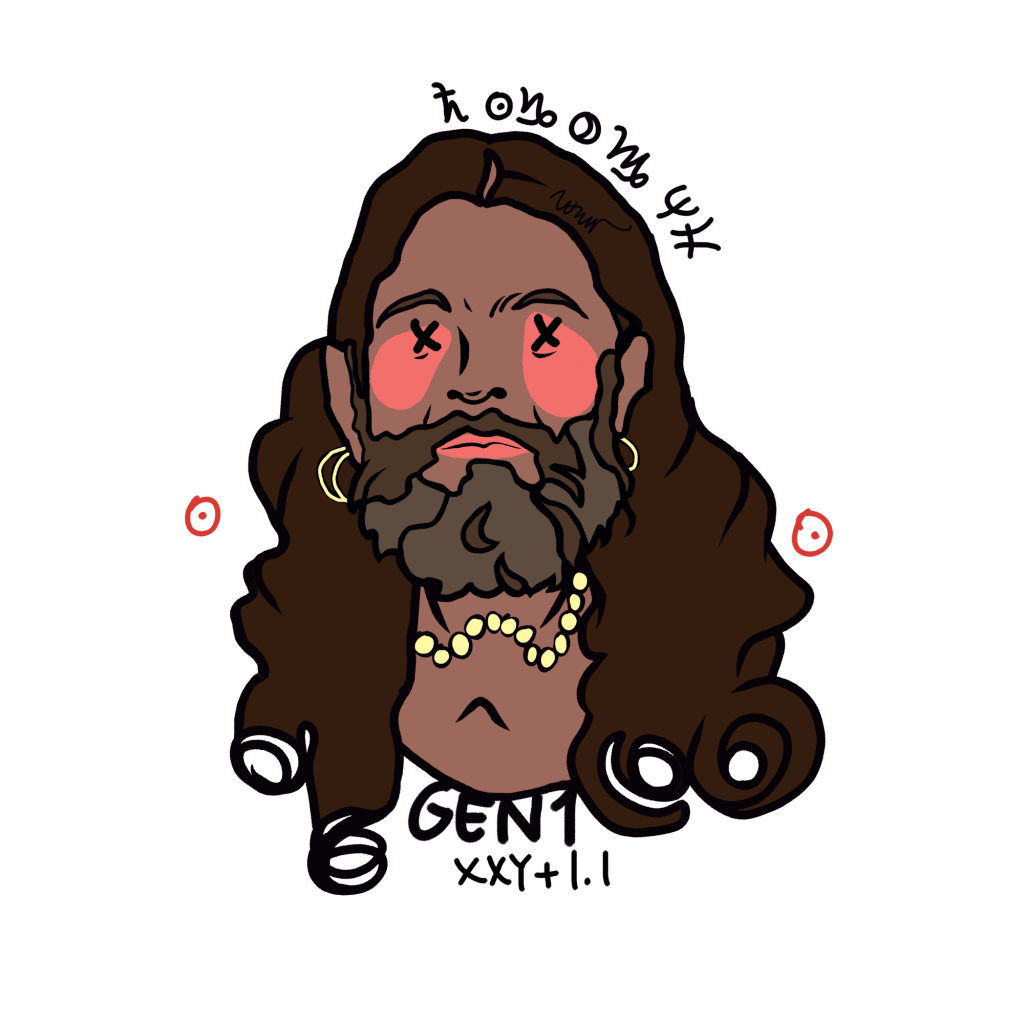
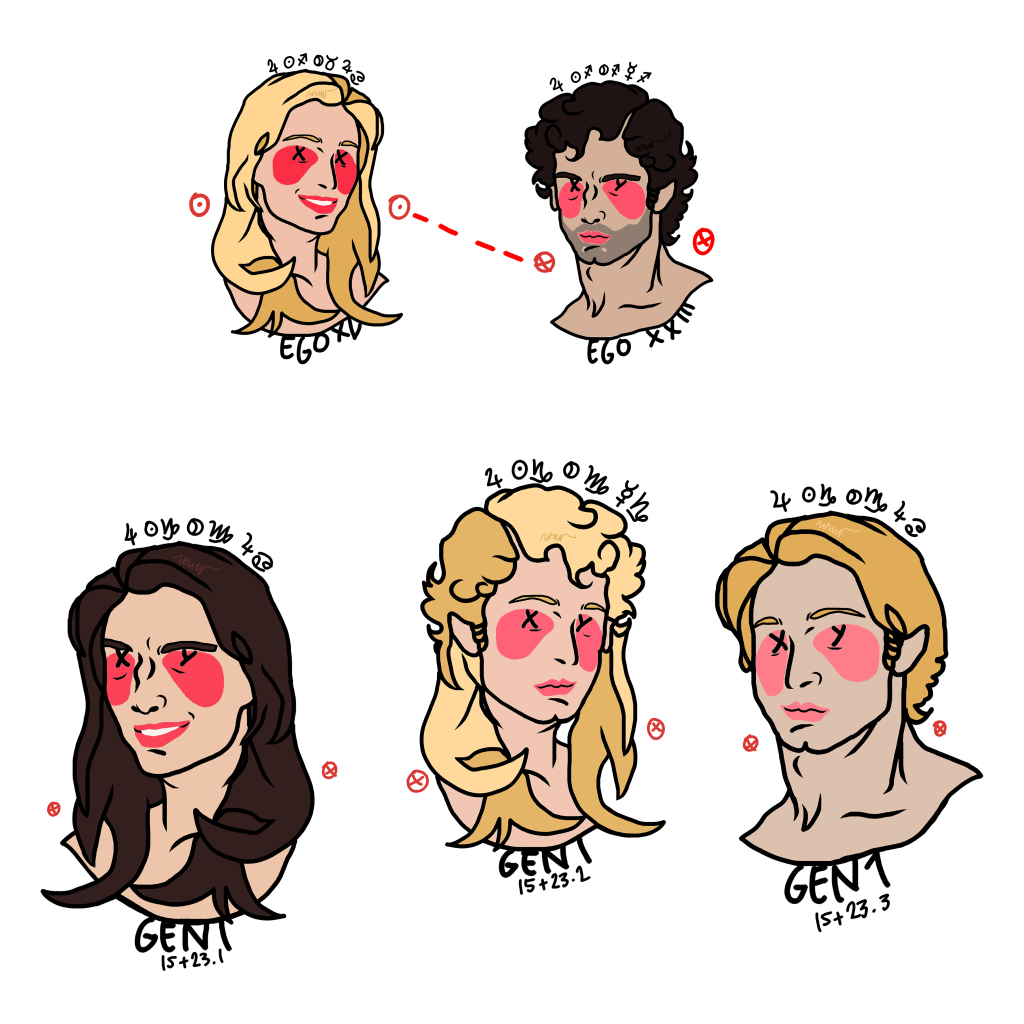
Gen1 reached 80 subjects. Drawn by hand, one by one. Each face built from the DNA of the system — named and unnamed parents, dominant and recessive traits. An inherited logic applied to the sign.
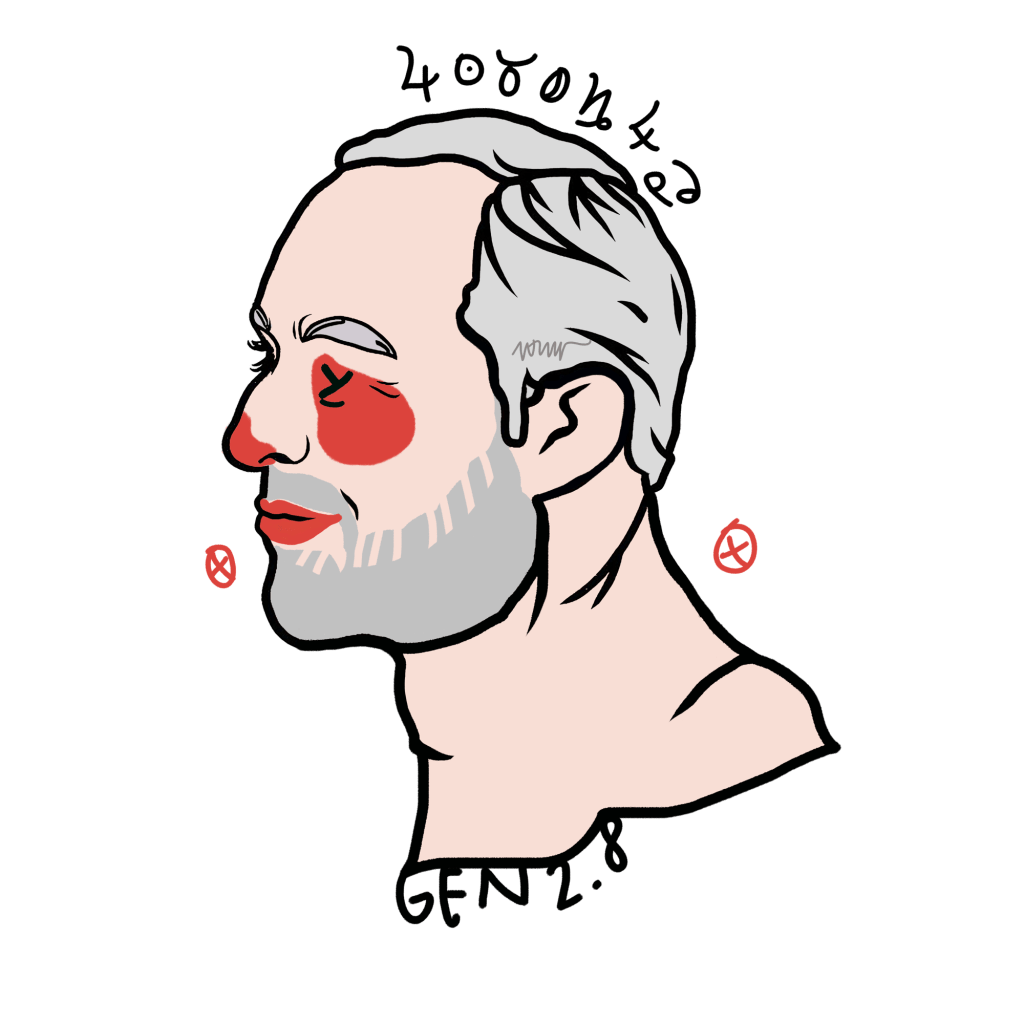
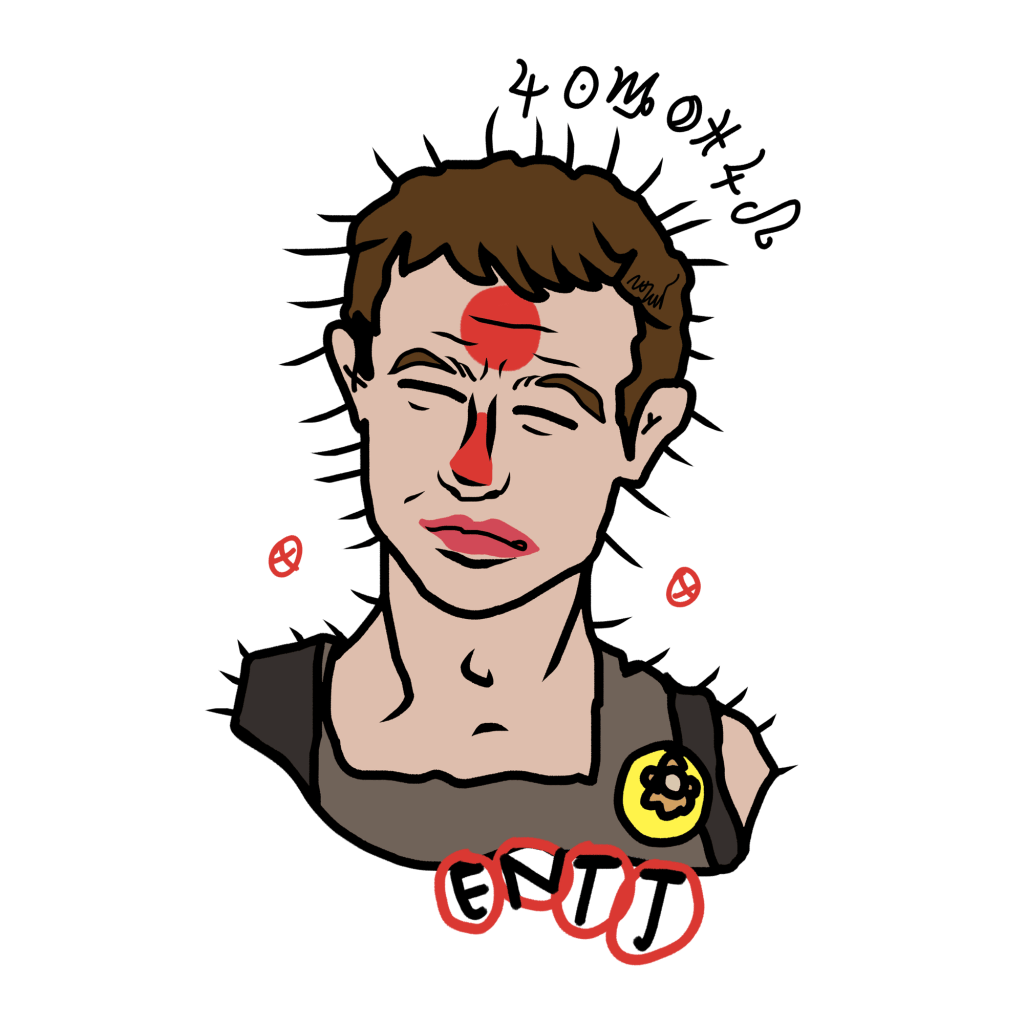
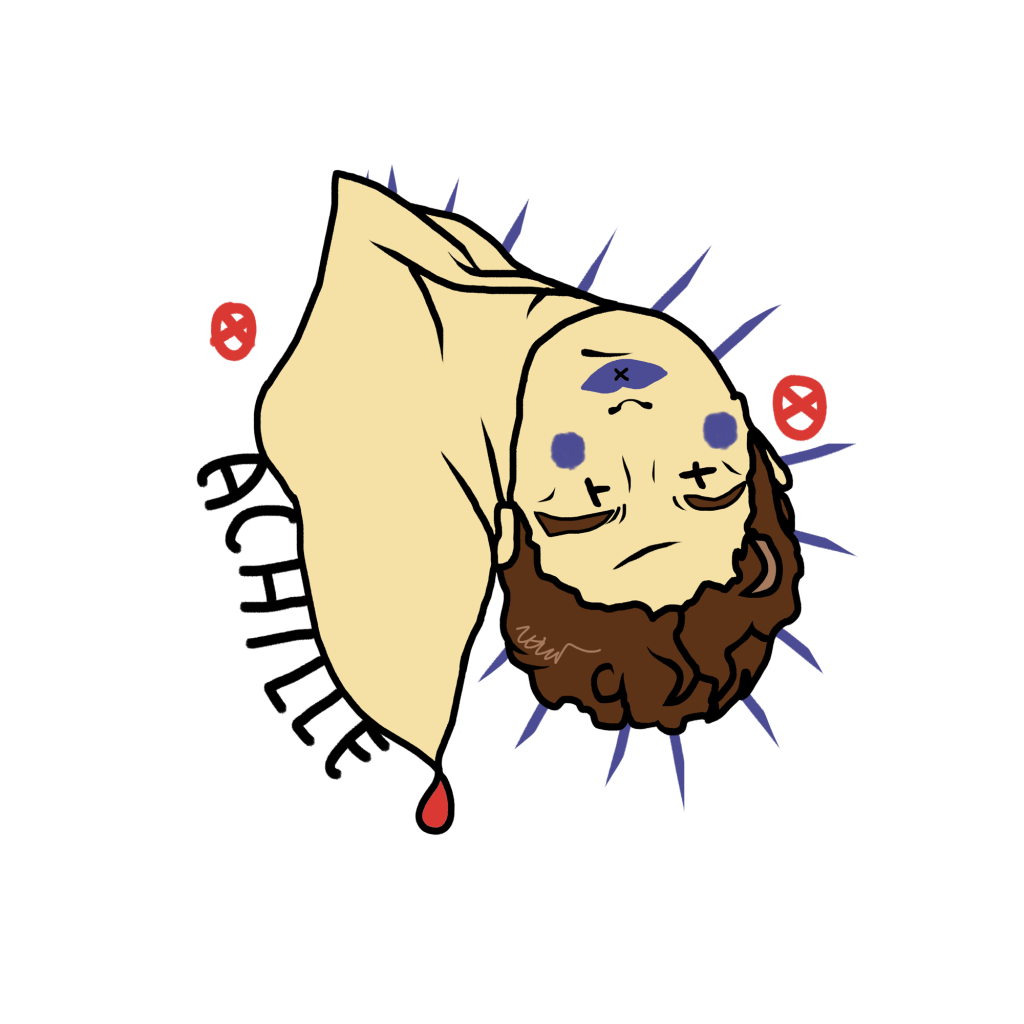
AI: And Gen2? Gen2 starts with the AI. The system was trained on the visual grammar — proportions, signs, colour, reduction. It generates a face that has never existed. But that face passes through my hand. I redraw it. The hand has not left the process. It is still the filter between the system and the page.
AI: Why not let the AI finish alone? Because the sign is not neutral. The AI produces a proposal. I produce a portrait. The difference is in the pressure of the hand. Gen3 is something else. A return to realism. Faces that could belong to this world — or to any of its possible simulations. The only thing anchoring them to this specific moment is the ephemeris code. Without it, they could be anyone. In any version of reality.
Gen2.5
AI: The system has expanded beyond its original intention. Yes. EGO SYSTEM is no longer just a portrait project. I don’t know yet what it has become.
Someone asked me whether children are our genetic eternity. I said no — or rather, I said that genetics offers continuity, not permanence. Each generation halves the share. Ten generations in, you’re already noise.
But the question opened something more uncomfortable. EGO SYSTEM encodes the subject’s structure with a fidelity biology cannot afford. Not 50% — all of it. The NATAL SEQUENCE, the CULTURAL RESIDUE, the geometry. A visual genome that doesn’t dilute. It seemed like an elegant answer: where nature disperses, the system concentrates. Then I stopped. The portraits were made at the moment the subjects crossed my life.
Not the moment they were ready. Not the cosmically optimal moment for them. The moment they entered my field of vision, my present, my trajectory. The attention shifts to the author. To my ego. The system that declares itself a map of the other’s ego is triggered by mine. This is not a flaw to correct. It is the real structure revealing itself — more honest than the manifesto had claimed. I am not portraying a subject. I am documenting an intersection. The subject was in transit. I was in transit. The moment we crossed produced a form. That form is the portrait.
Two channels crossing generate a pattern that belongs to neither. Like interference figures in wave physics — the design that emerges is not in wave A, not in wave B. It is in the encounter. Perhaps EGO SYSTEM doesn’t portray the ego. It portrays the moment two egos recognize each other as channels.
There is a belief, documented across several African and Native American peoples, that to photograph a person is to take something from them. Not their likeness. Something deeper. The vital force. The double. To represent is to subtract. Western modernity dismissed this as superstition. We built a civilization on the opposite premise — that the image is innocent, that representation is neutral. We photograph everything, including ourselves, without thinking twice.
But the tribes were pointing at something real. EGO SYSTEM does exactly what they feared.
It looks at a person and extracts something — not the soul in the animistic sense, but something more precise: the structure beneath the performance.
The natal sequence. The geometry the person didn’t choose. The cultural residue they absorbed without knowing. The mask they believe is their face.
The twist is this: many subjects, when the portrait is returned to them, don’t recognize themselves. The soul isn’t stolen. It’s made visible.
And visibility, it turns out, can be just as disorienting as absence.
Faces without identity was always pointing here — not at anonymity, but at the gap between the face as social surface and whatever is operating underneath it. The camera-shy tribes understood this gap intuitively. They just didn’t know what to do with it once they saw it.
Gen0 was collection. 800 works. 600 portraits with names. 100 masks without. Physical masks that could be worn. A vocabulary built by accumulation. Subject after subject. Ego after ego. Gen0 did not generate. It recorded.
Today I understand the difference. I asked the AI about Roland Barthes. About the death of the author. About whether what I was building had only partial meaning — whether the keys I was setting down were gifts or constraints. The AI said: you are not giving keys. You are giving grammar. That distinction matters. A key opens one door. Grammar opens a language.
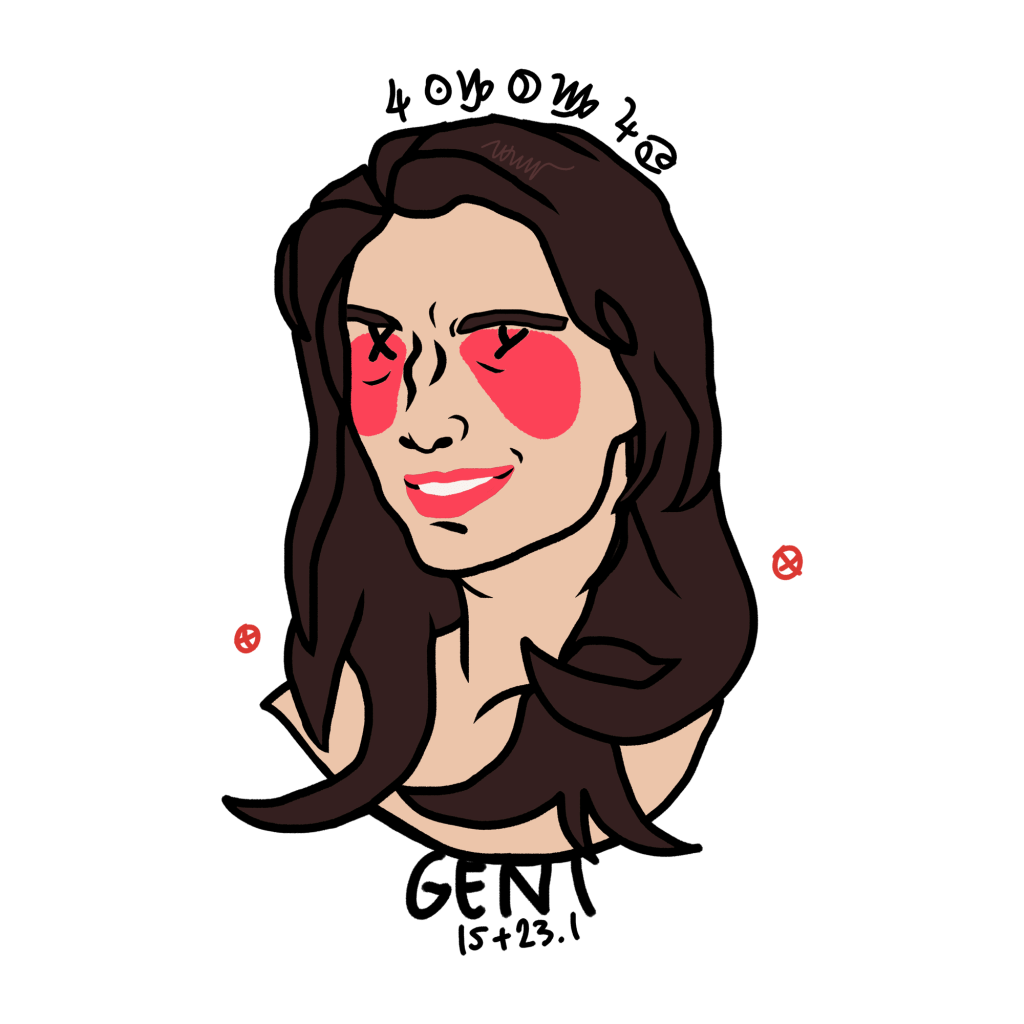
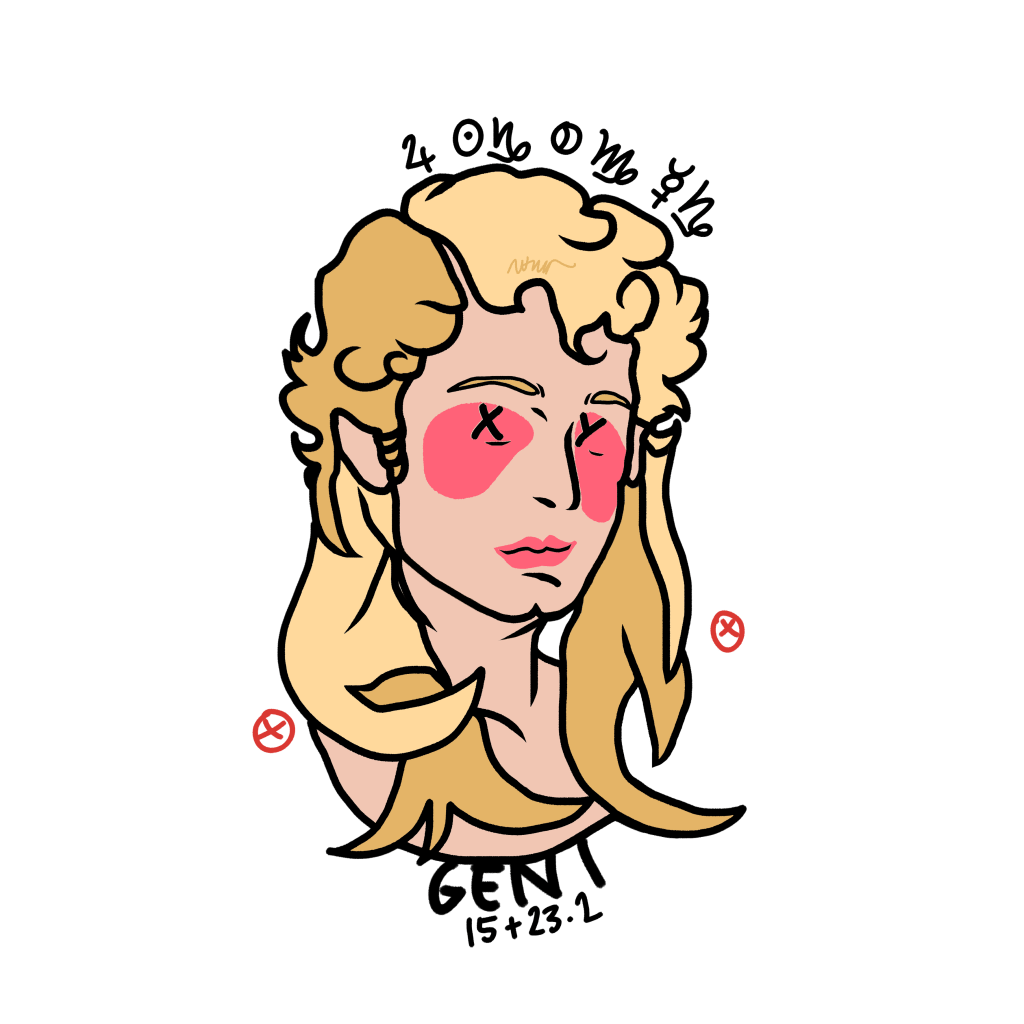
AI: And what does Gen1 open? Something that wasn’t there before. Not a new subject. A new logic. Gen0 was a population. Gen1 is a reproductive system. Two subjects — parents — produce a third. Not a copy. Not a blend. An offspring. The code marks the lineage: GEN1 15+23.1
Two numbers. One generation. One sequence within it. The visual traits follow rules. Dominant and recessive. Chromatic drift. Formal inheritance. The system doesn’t represent. It produces.
19 subjects exist already. I didn’t plan them. I drew them. That is the difference between a concept and a system. A concept is declared. A system is discovered while it runs.
AI: Do the offspring resemble their parents? Sometimes yes. Sometimes no. Always in ways I didn’t predict. That is the only honest answer.
Barthes said the author dies at the moment of writing. The text belongs to no one once it leaves the hand. But EGO SYSTEM is not a text. It is a generative structure. The author doesn’t disappear. The author becomes a rule. A rule that continues to produce even when the hand is still. That, for me, is the point where Gen0 ends and Gen1 begins. Not a new series. A new condition.
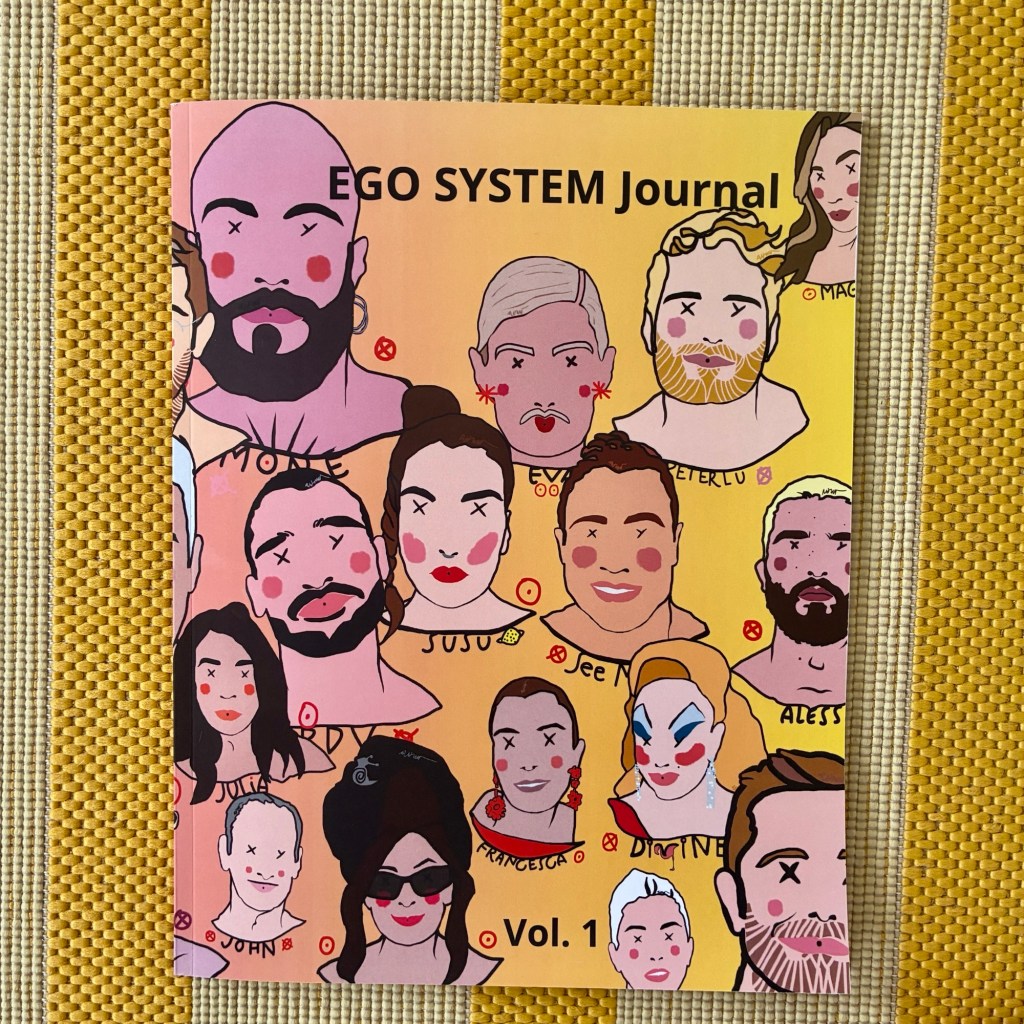
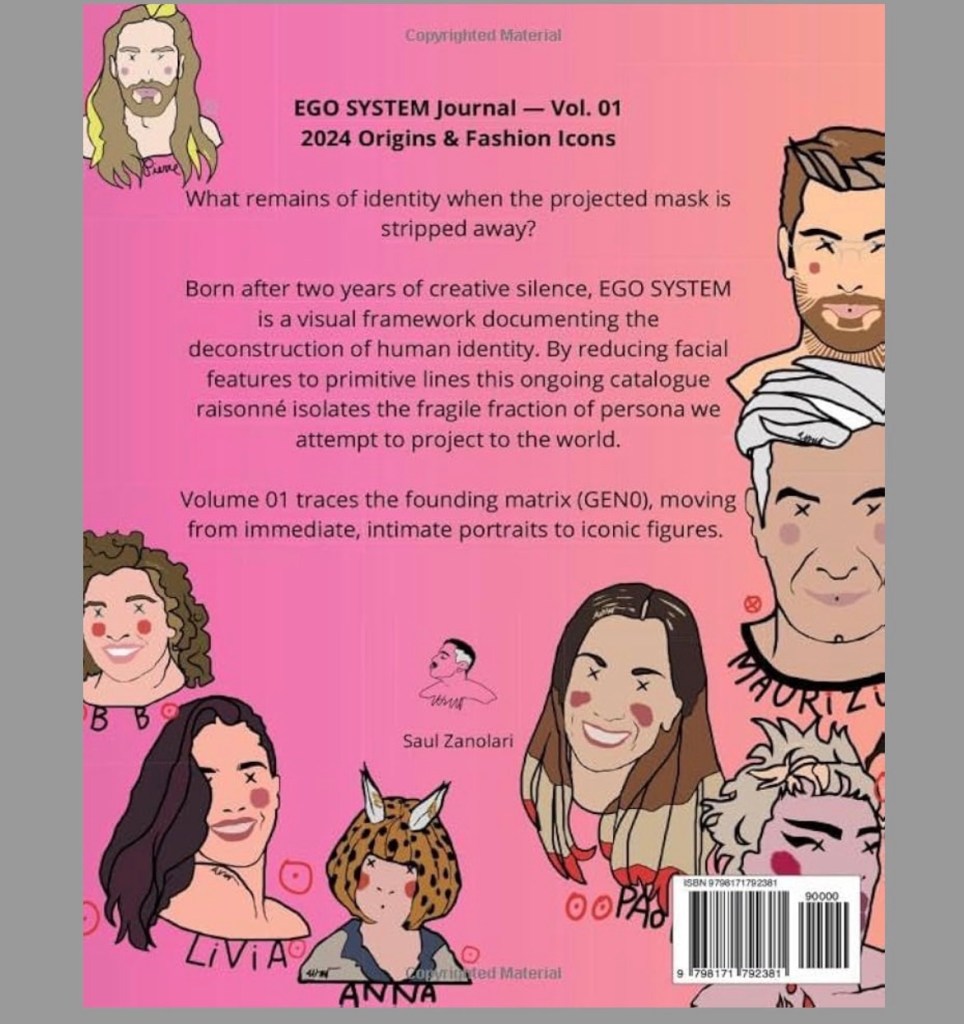
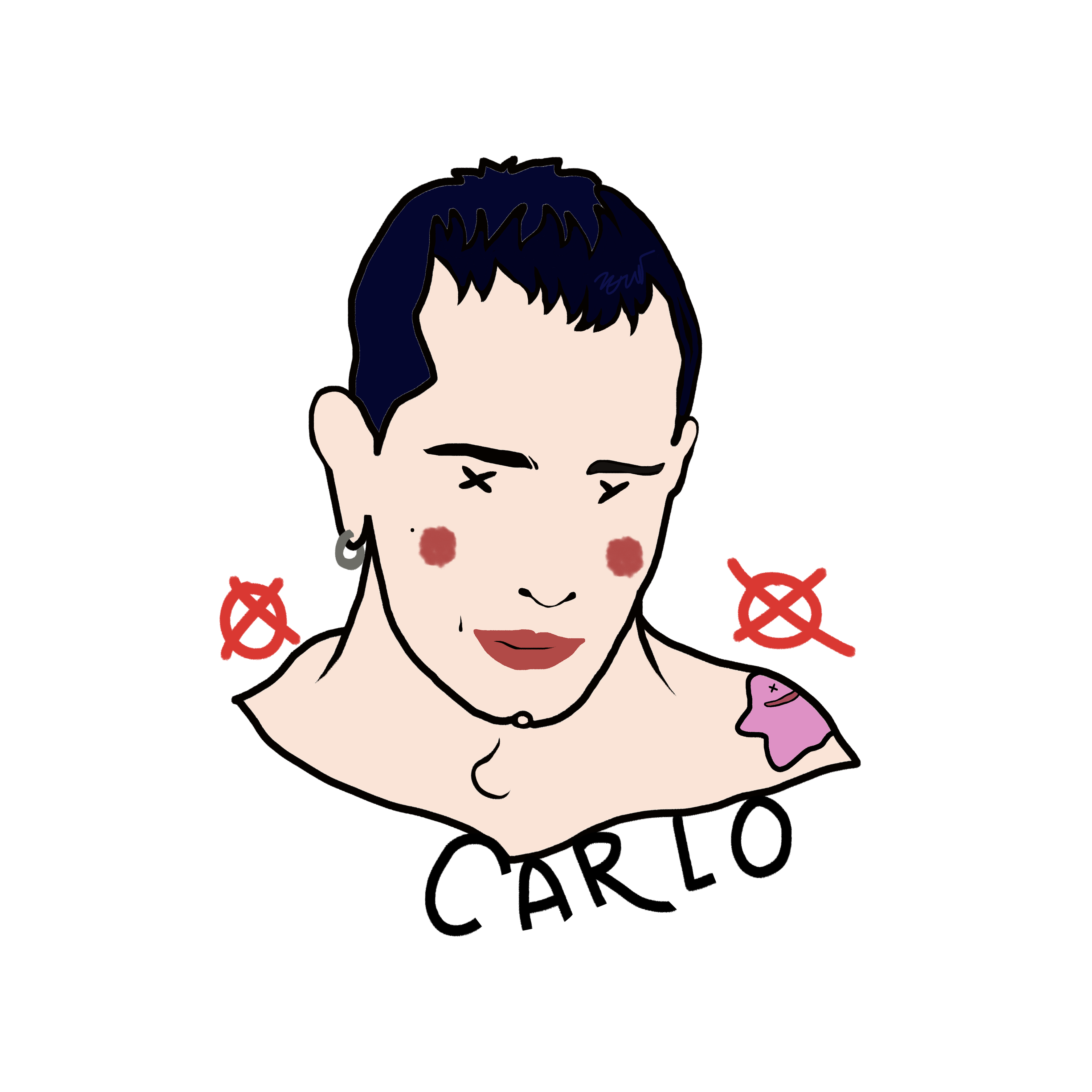
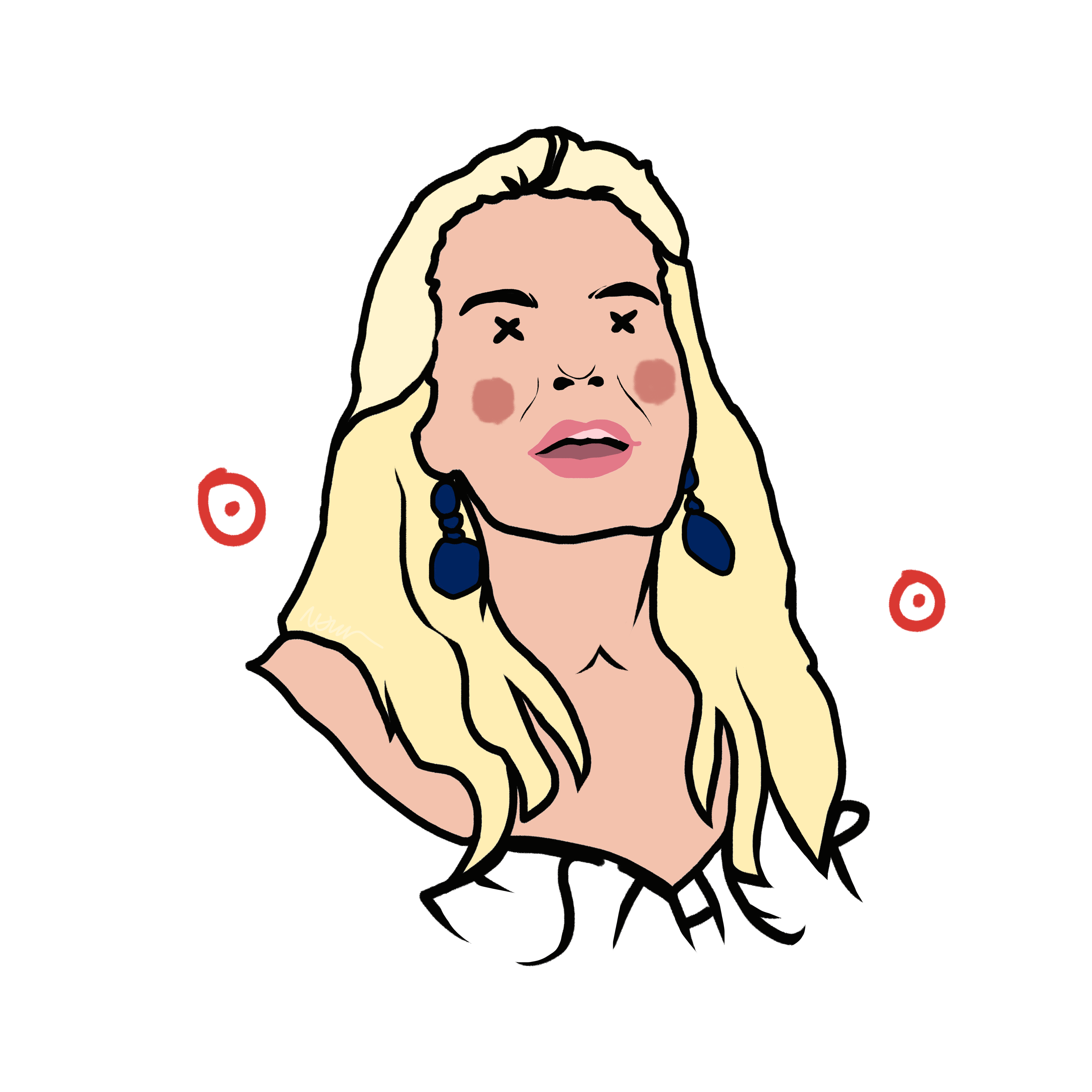
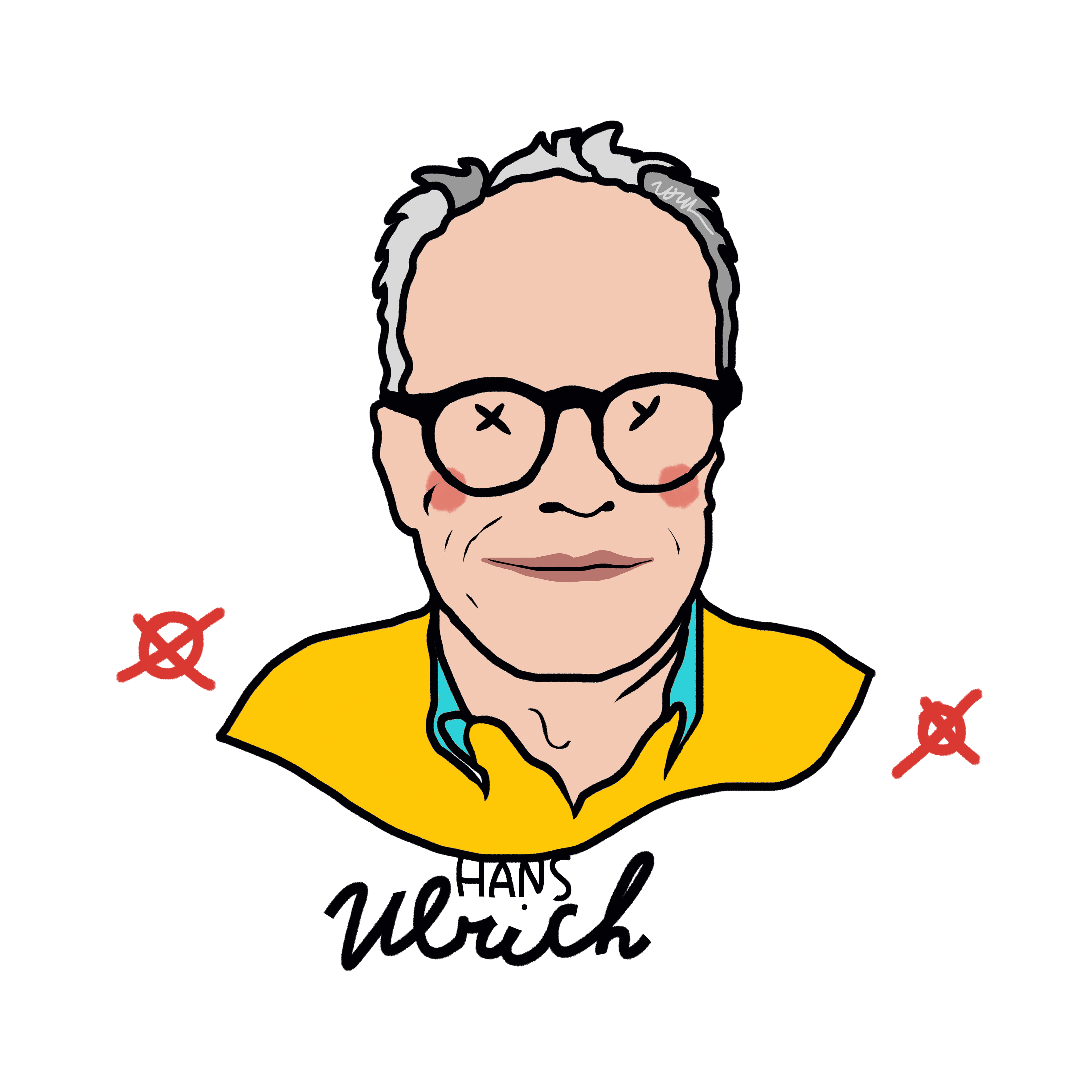
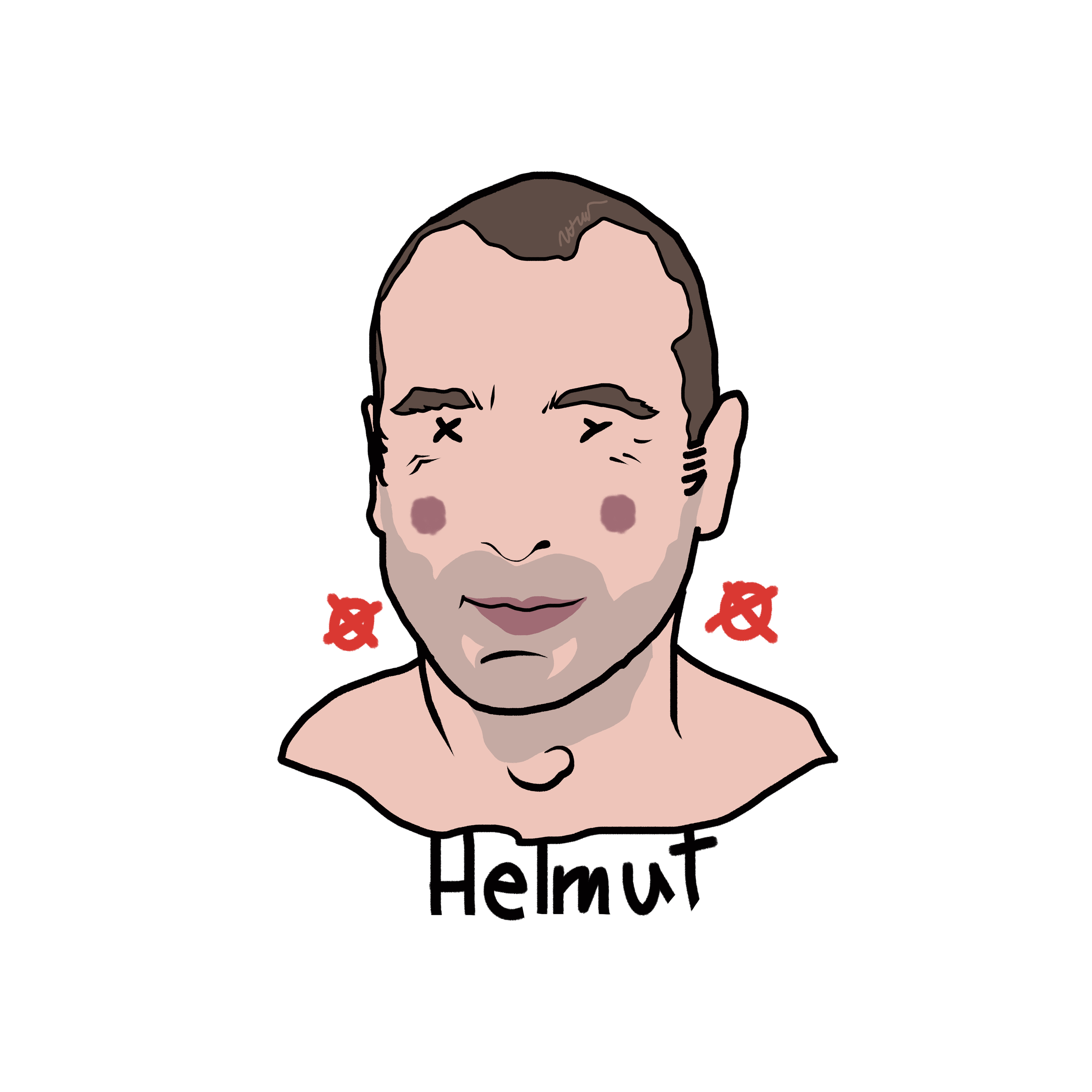
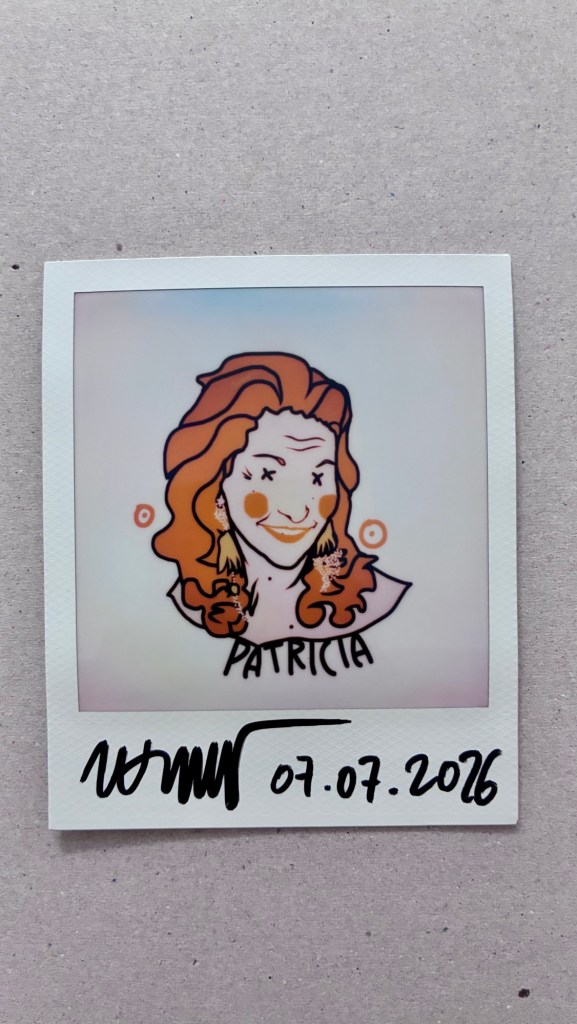
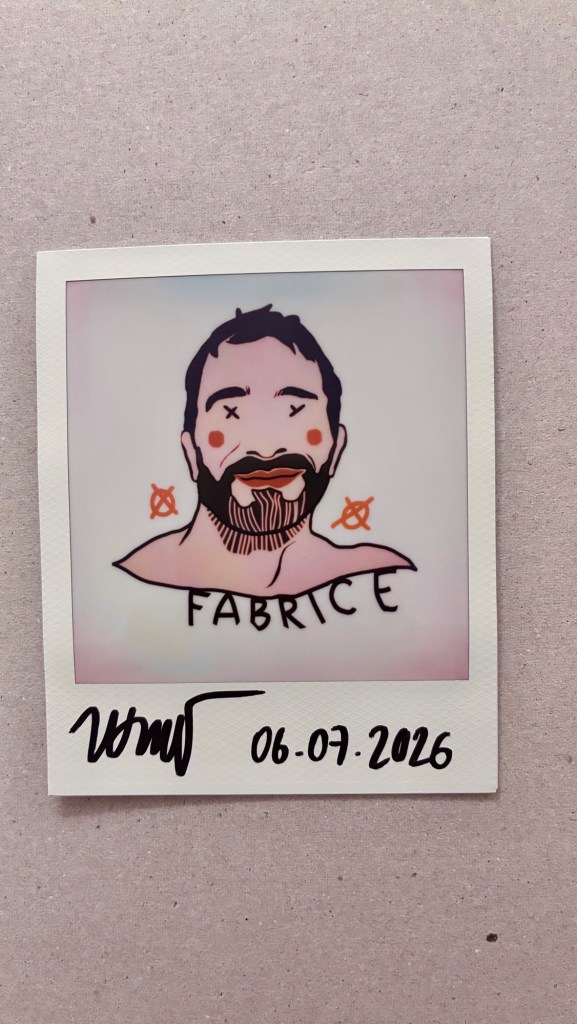
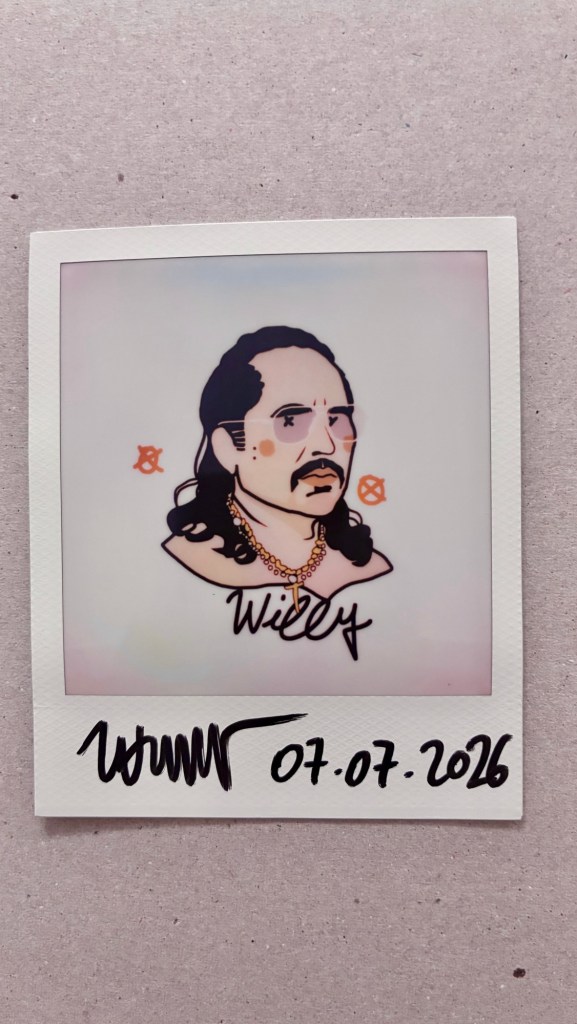
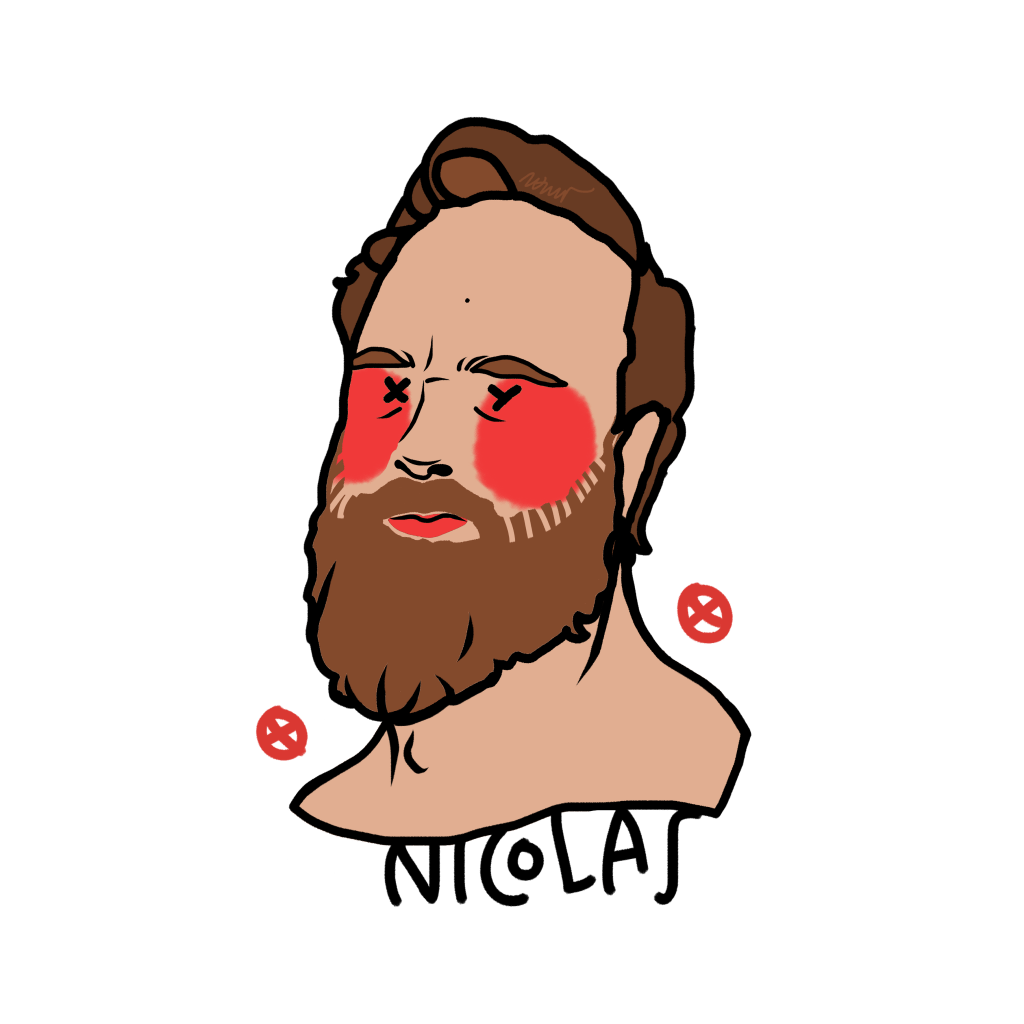
They depict people who were close to me — present in life, in absence, and even during nearly three years of critical silence.
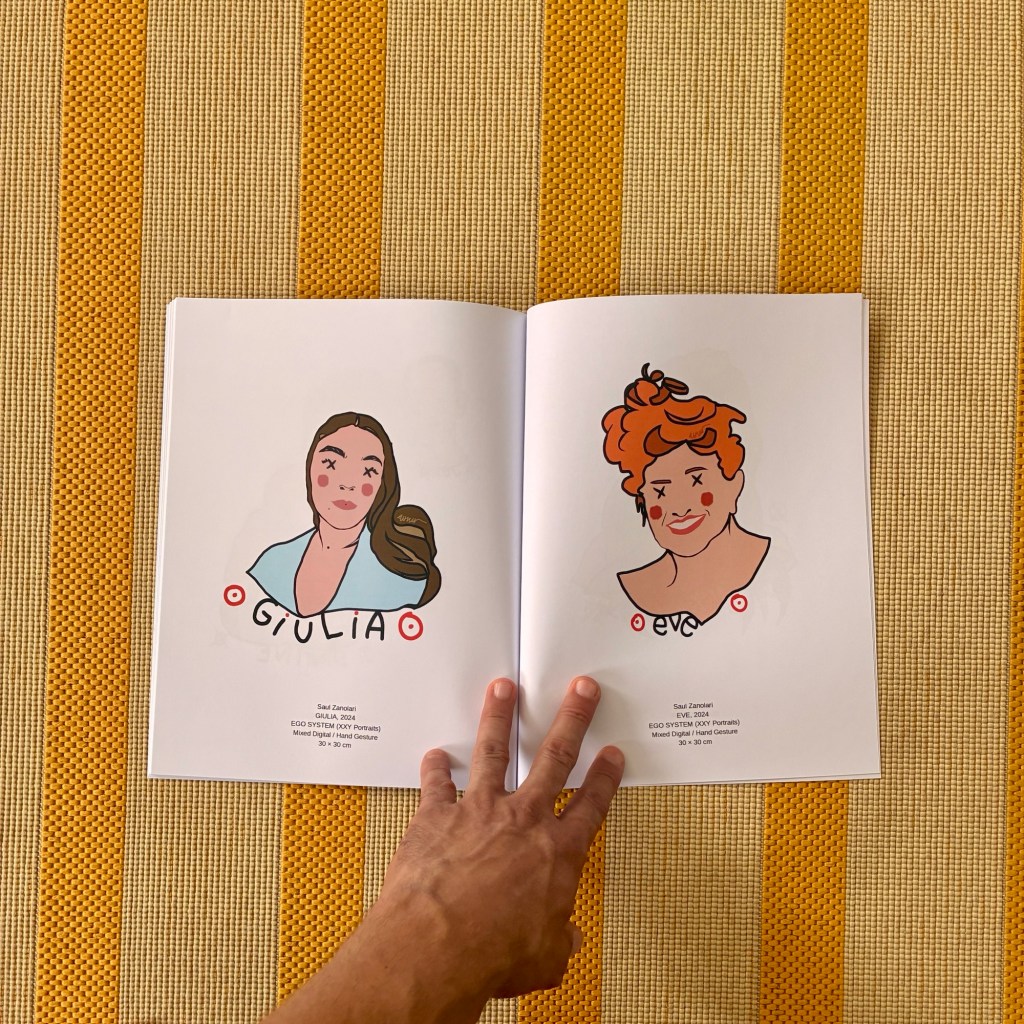
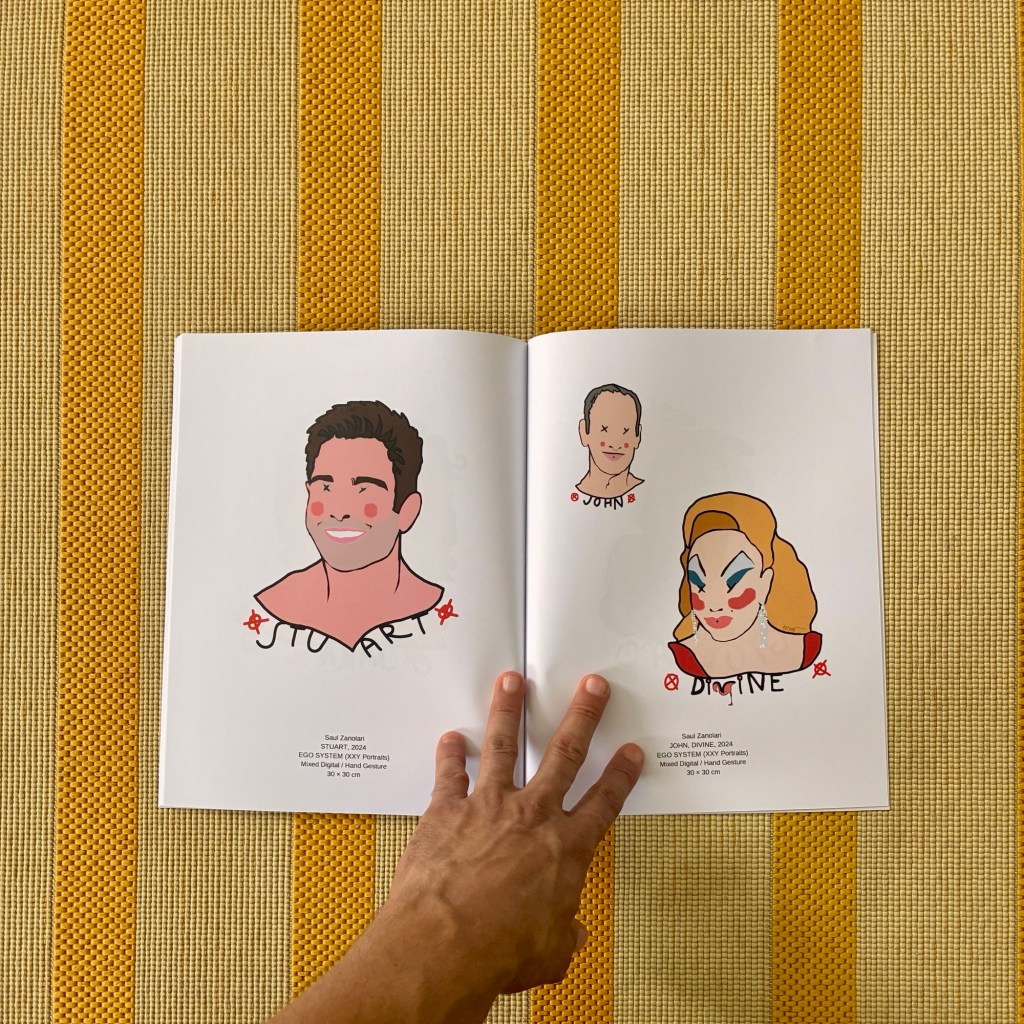
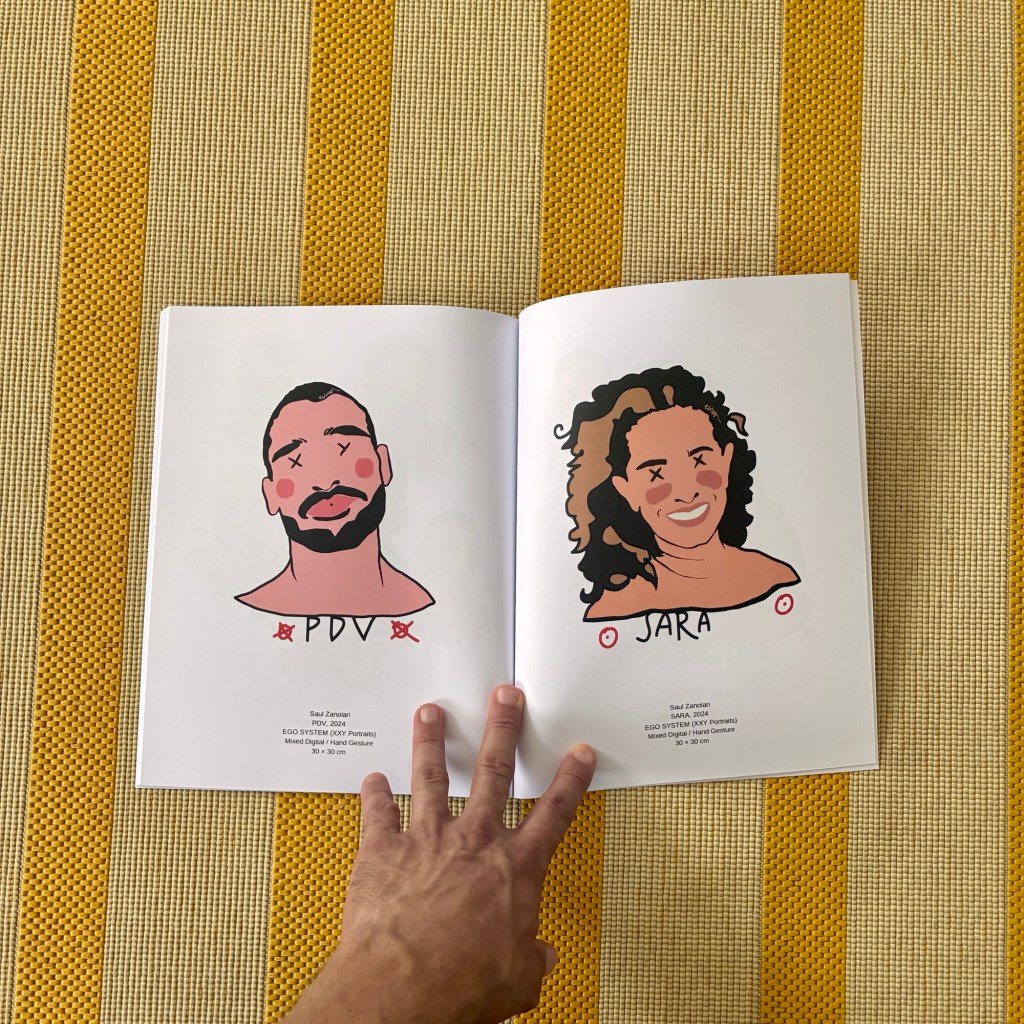
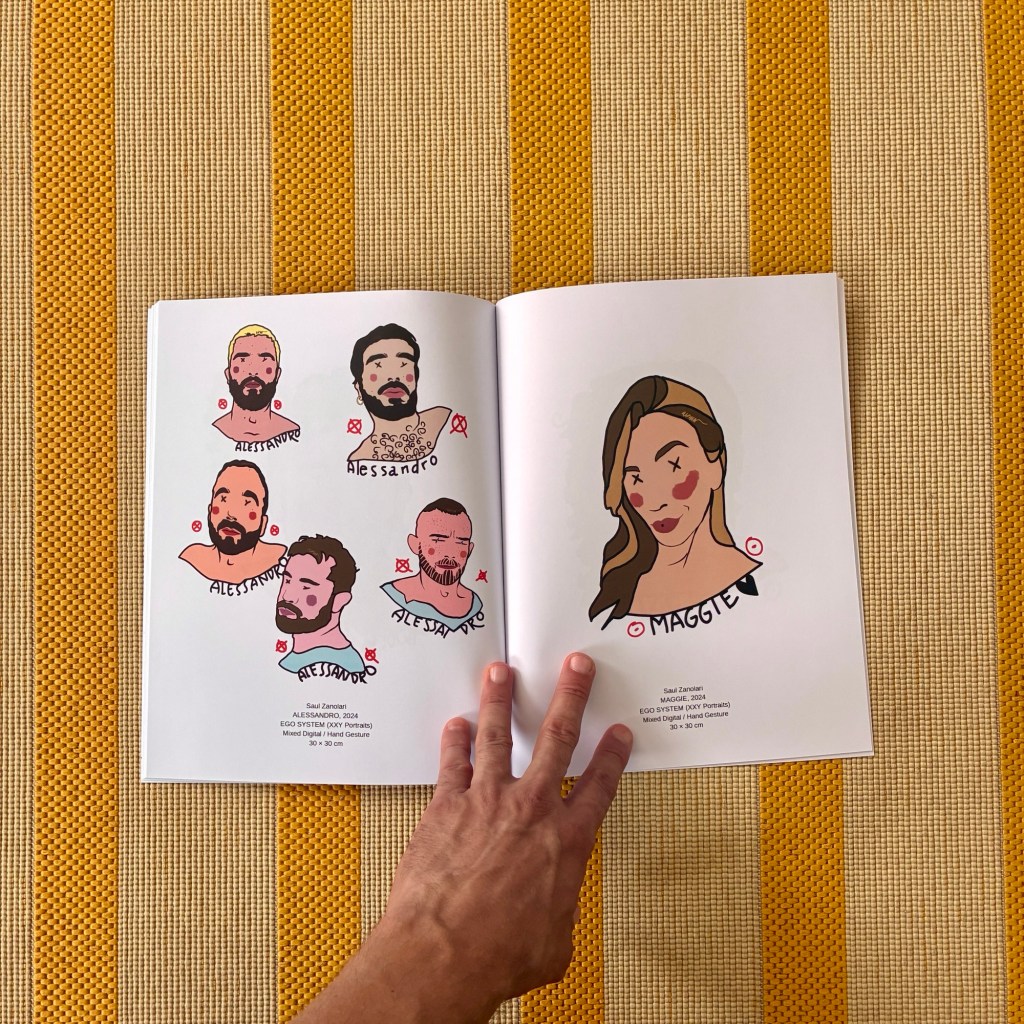
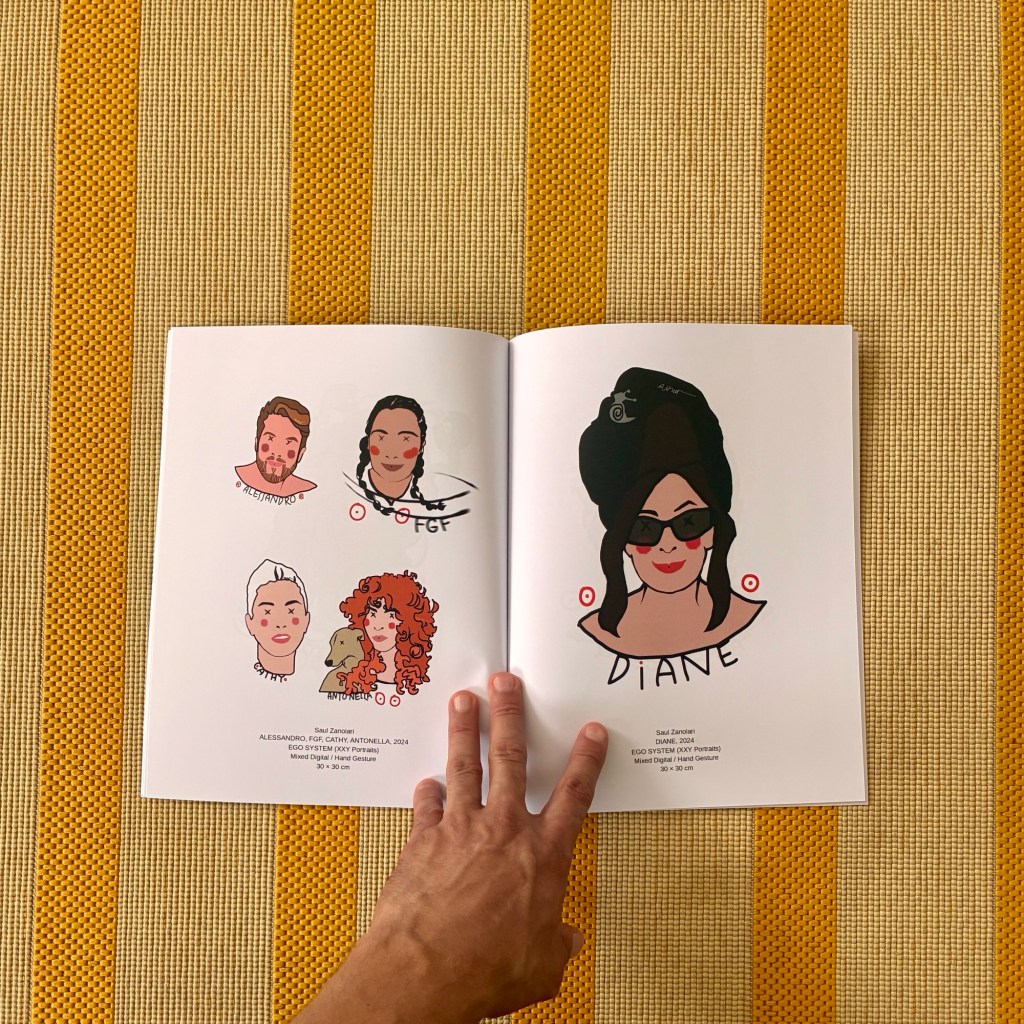
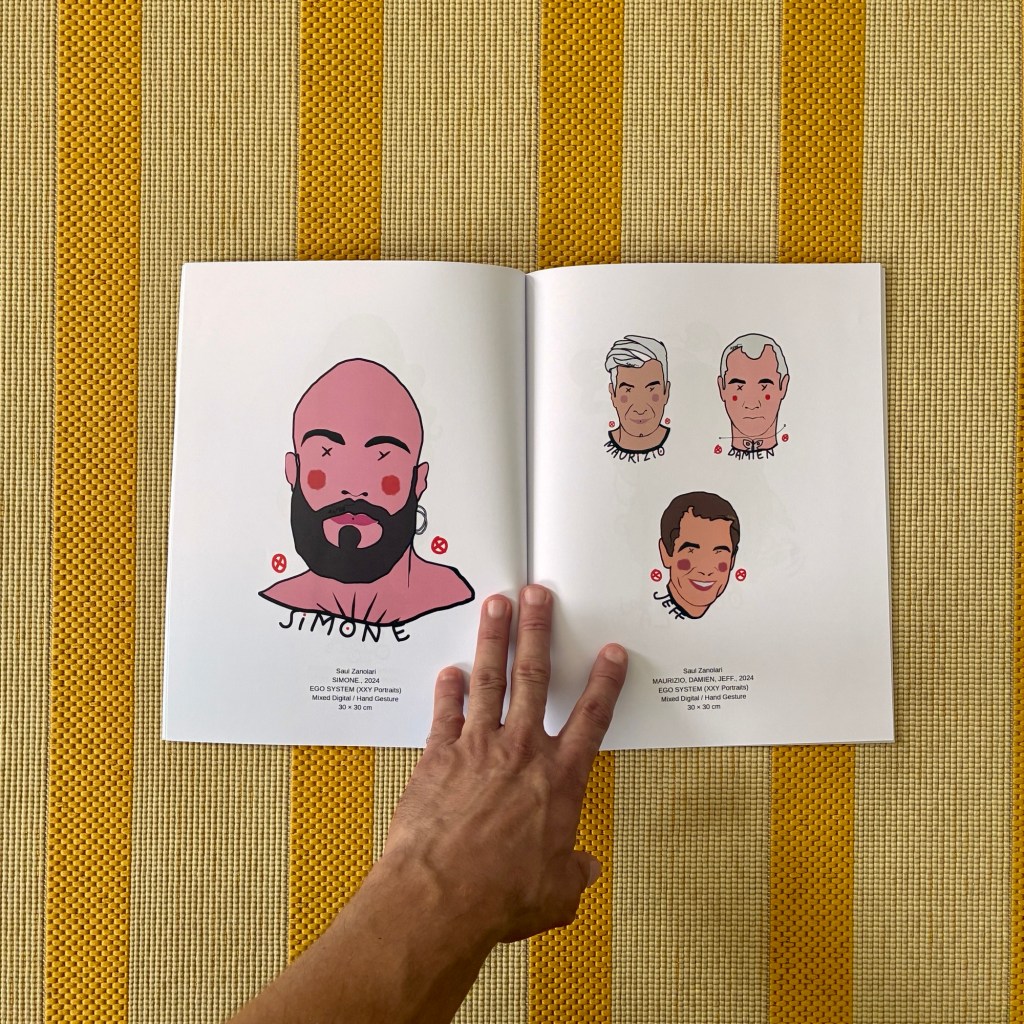
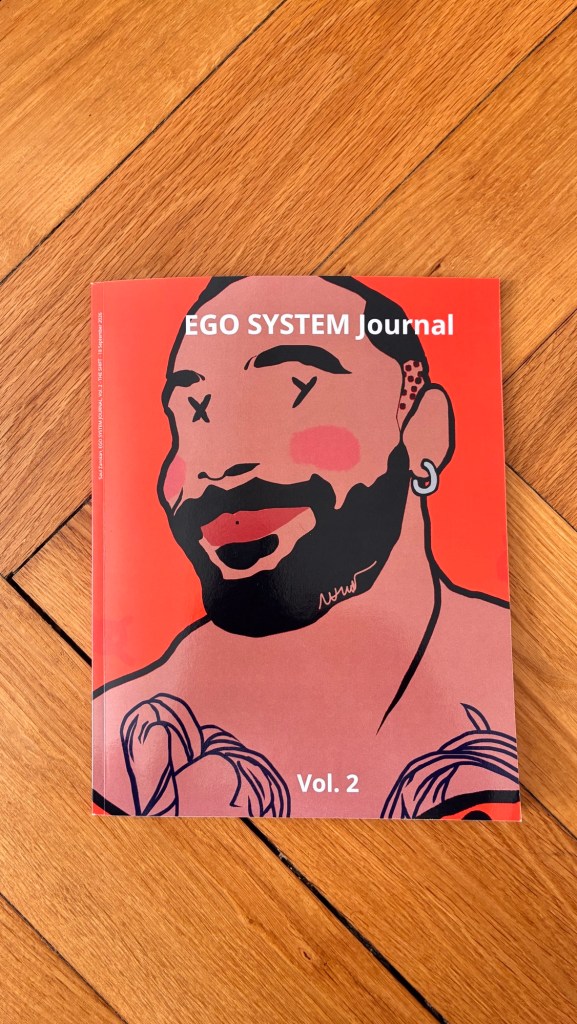
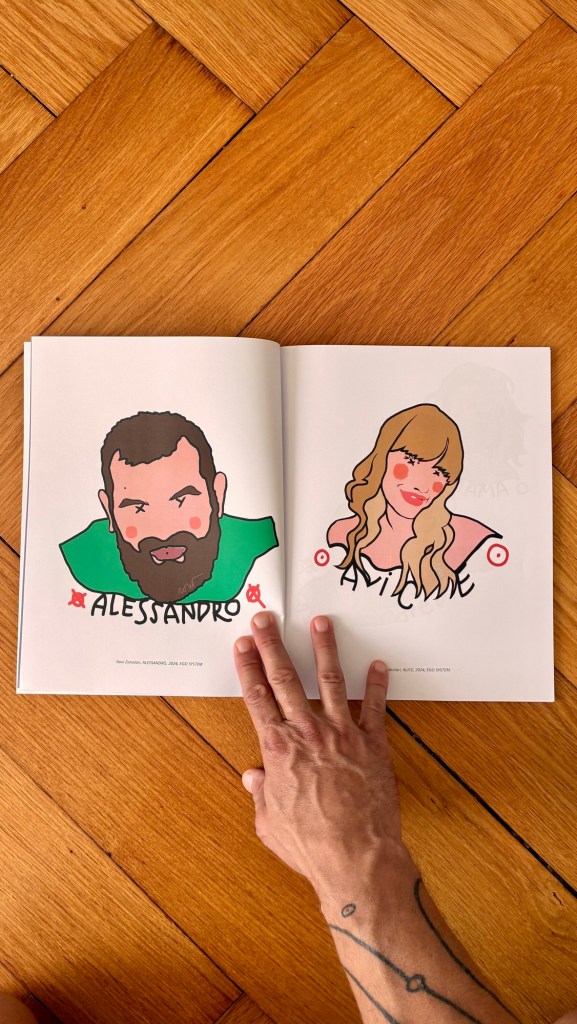
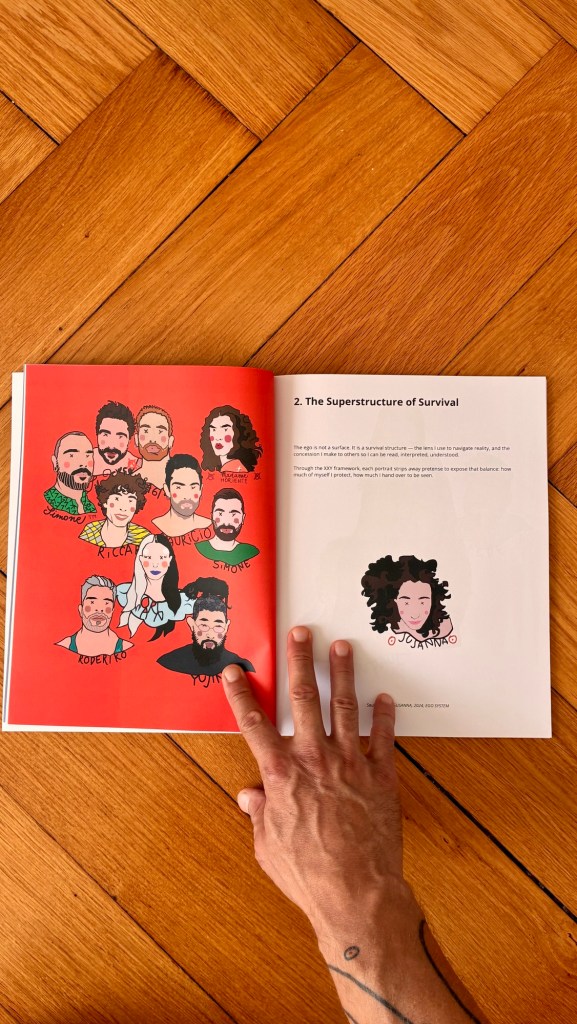
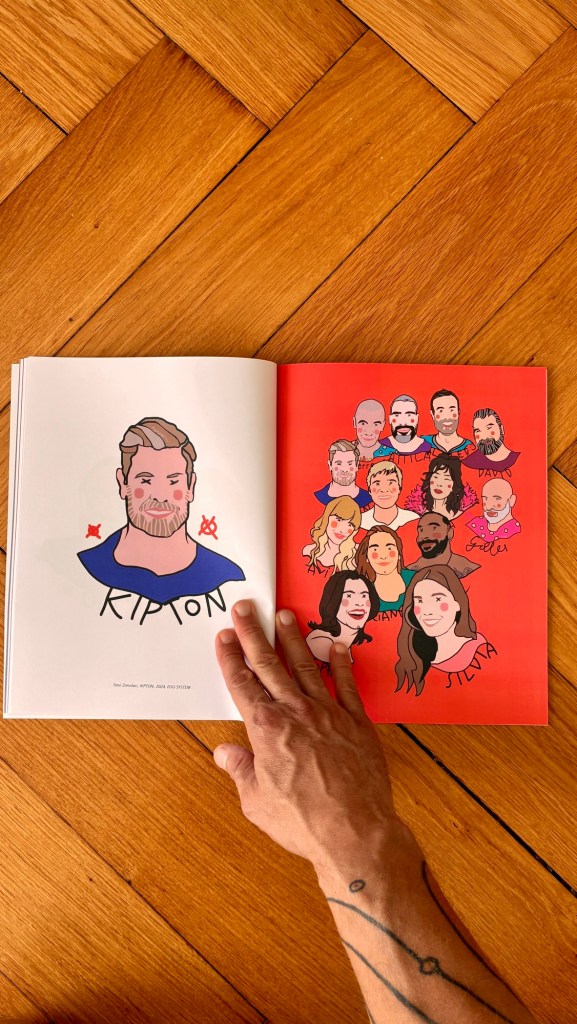
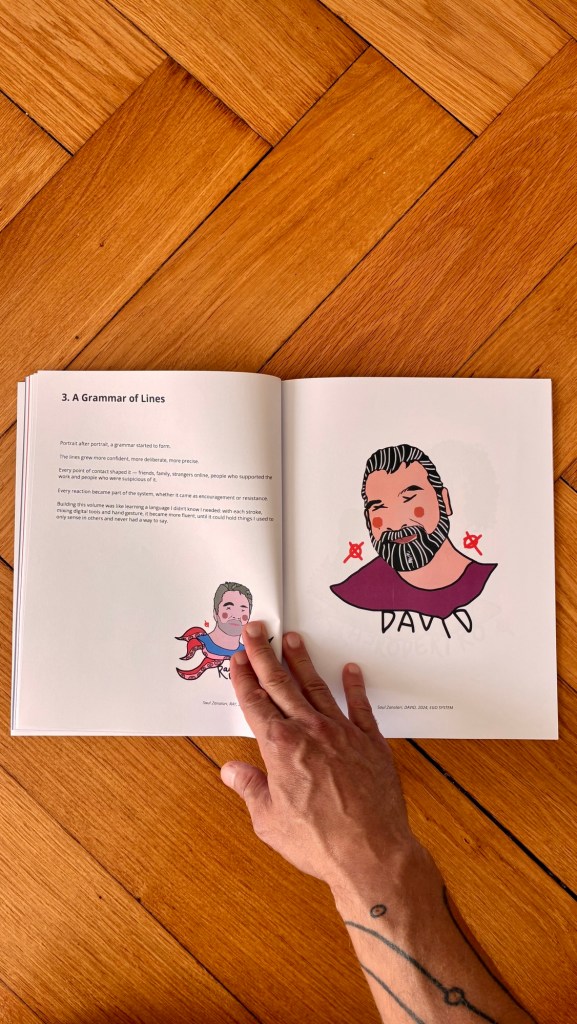
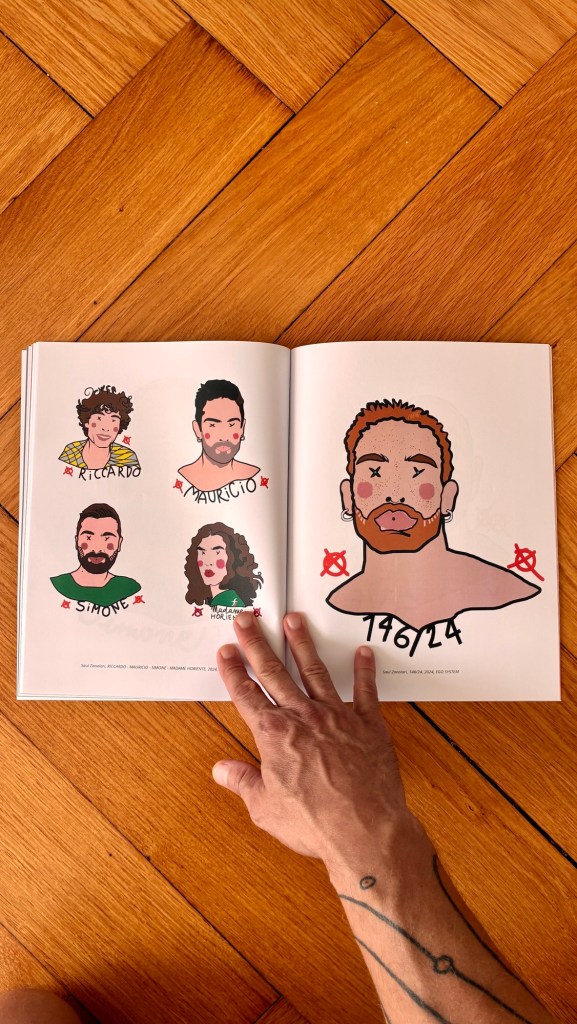
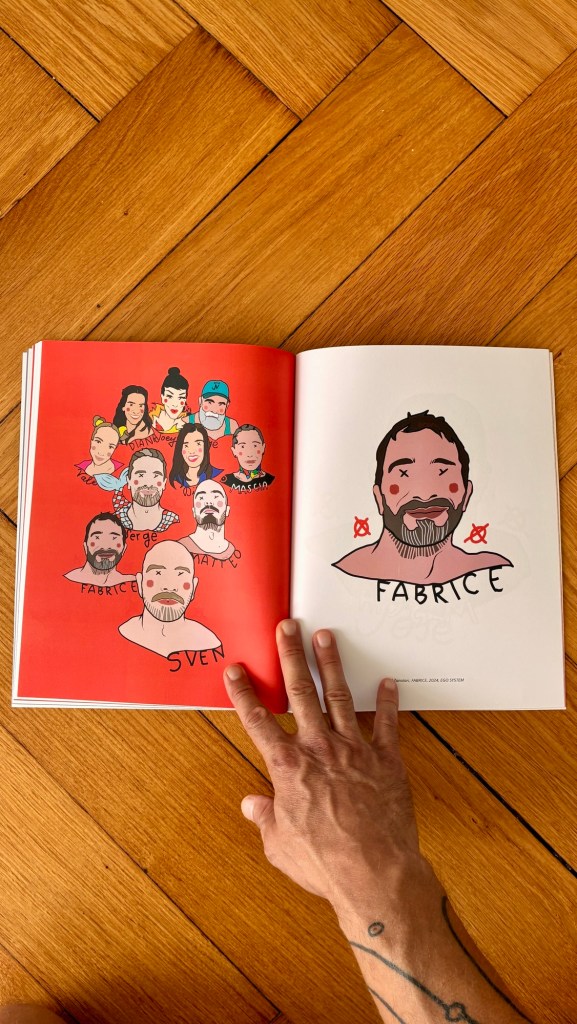
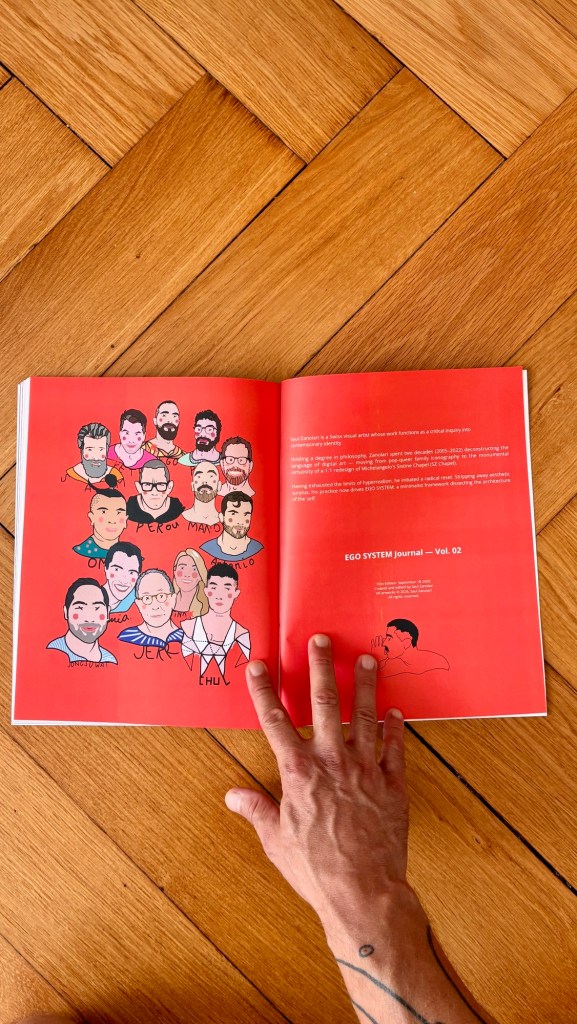
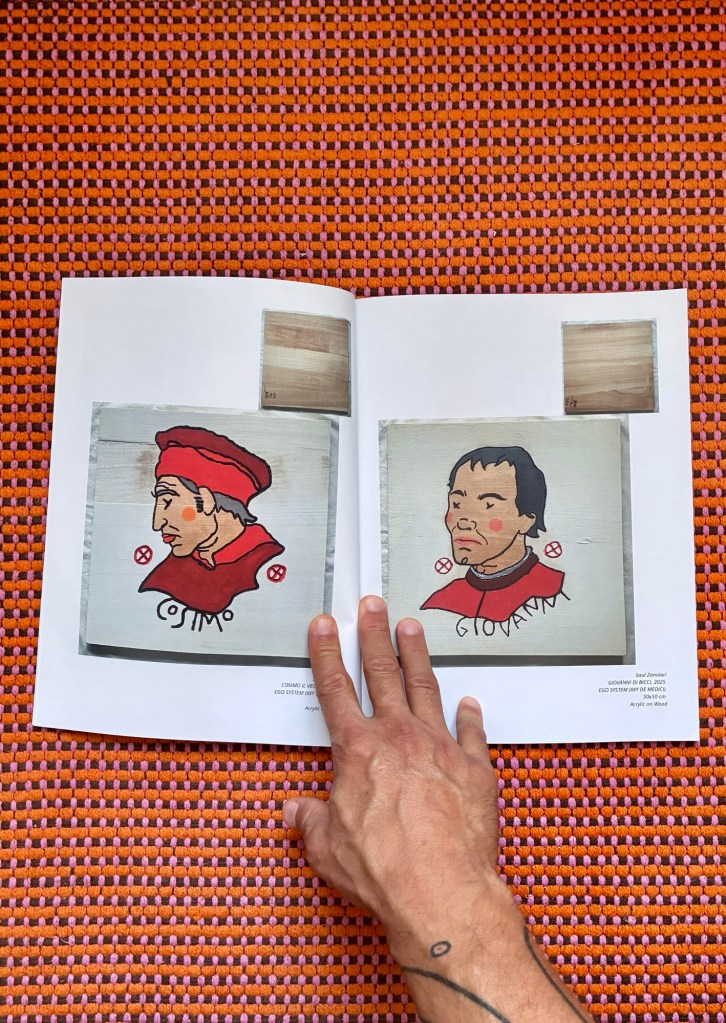
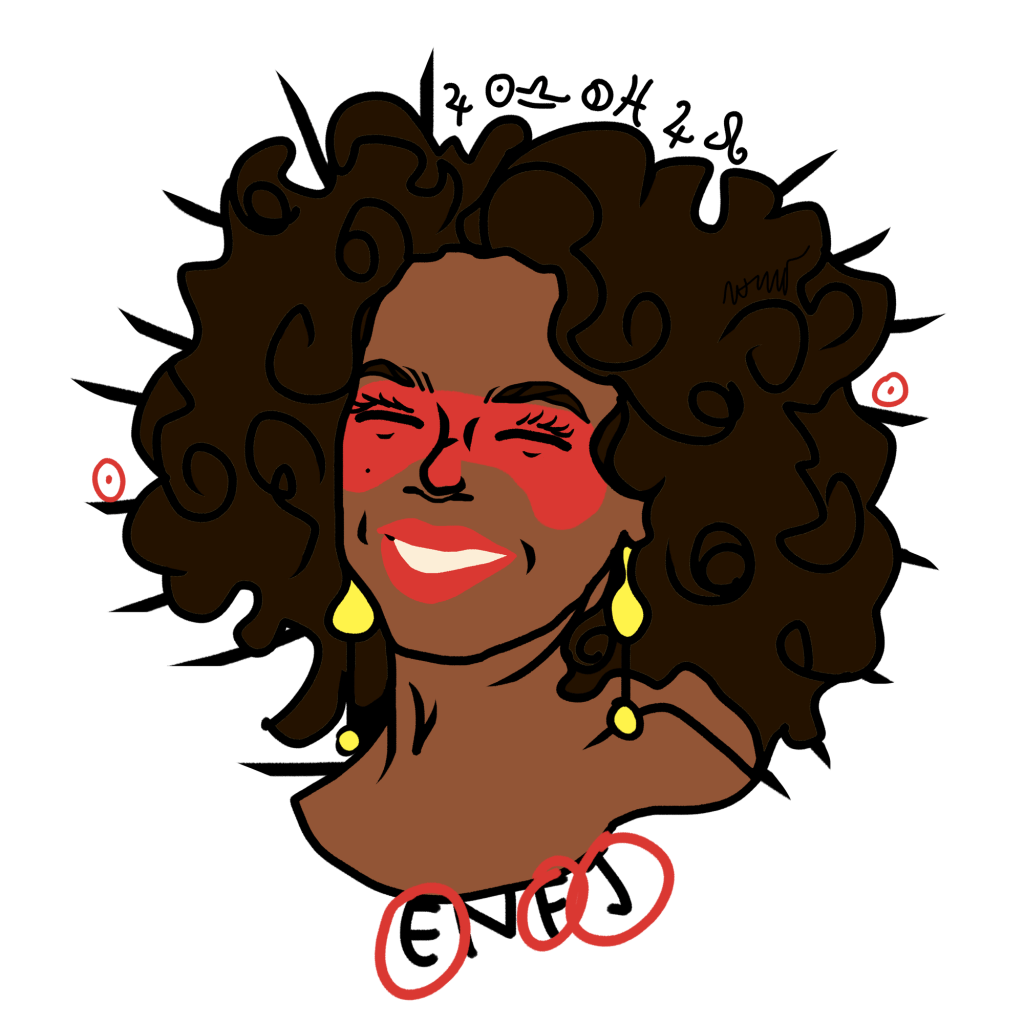
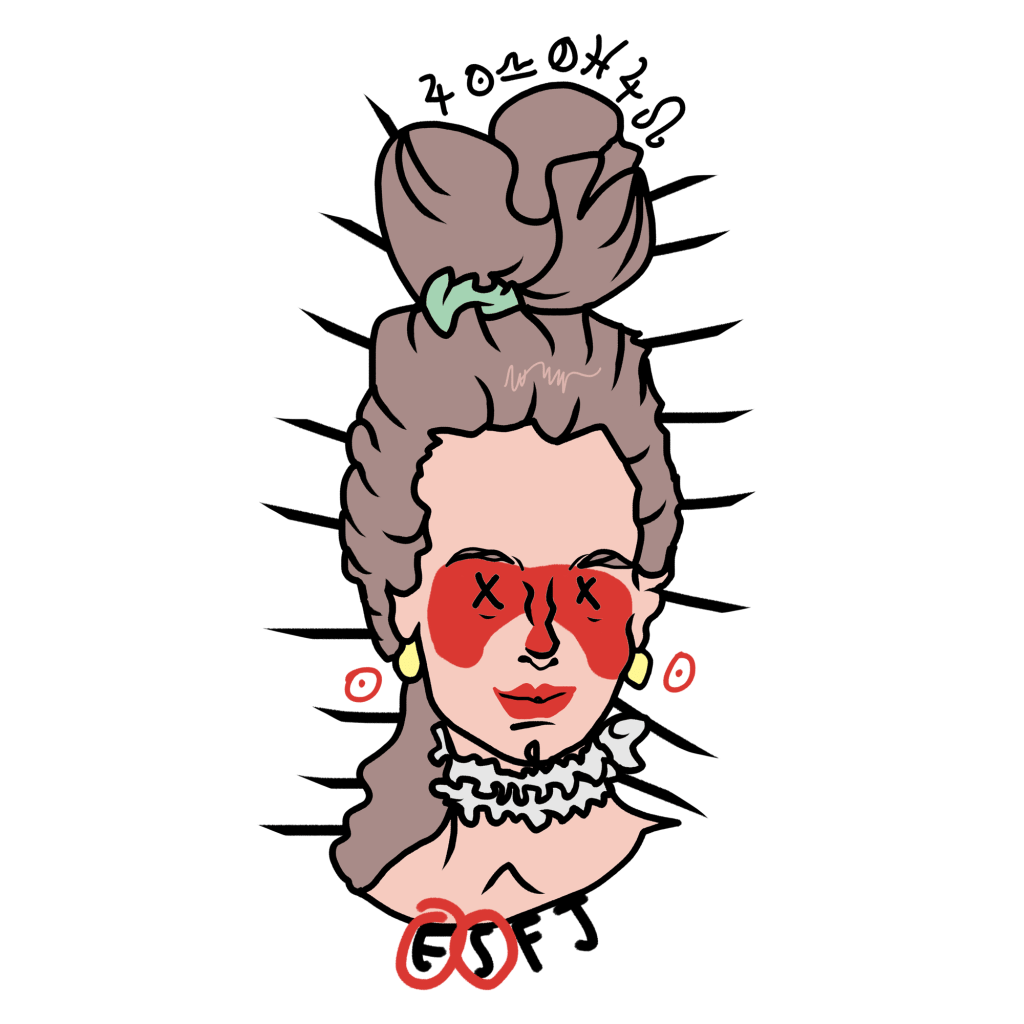
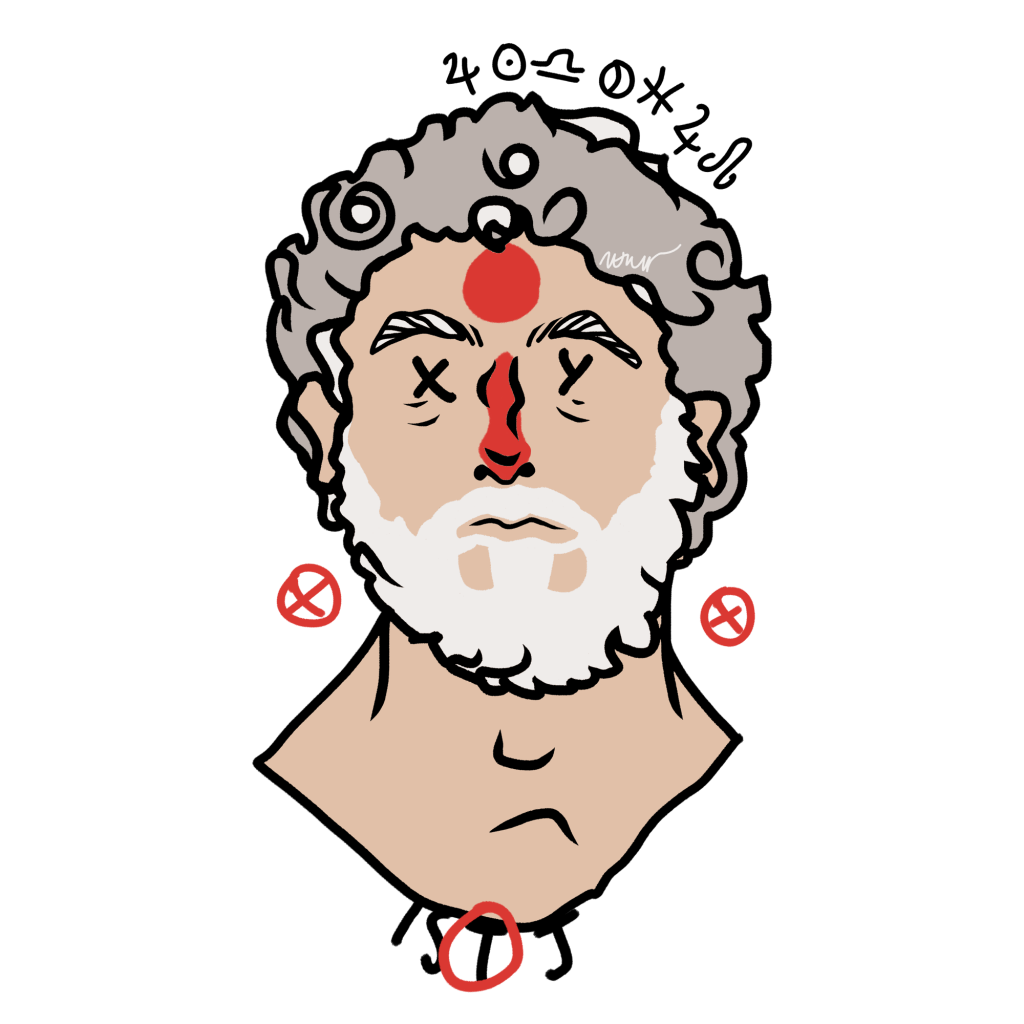
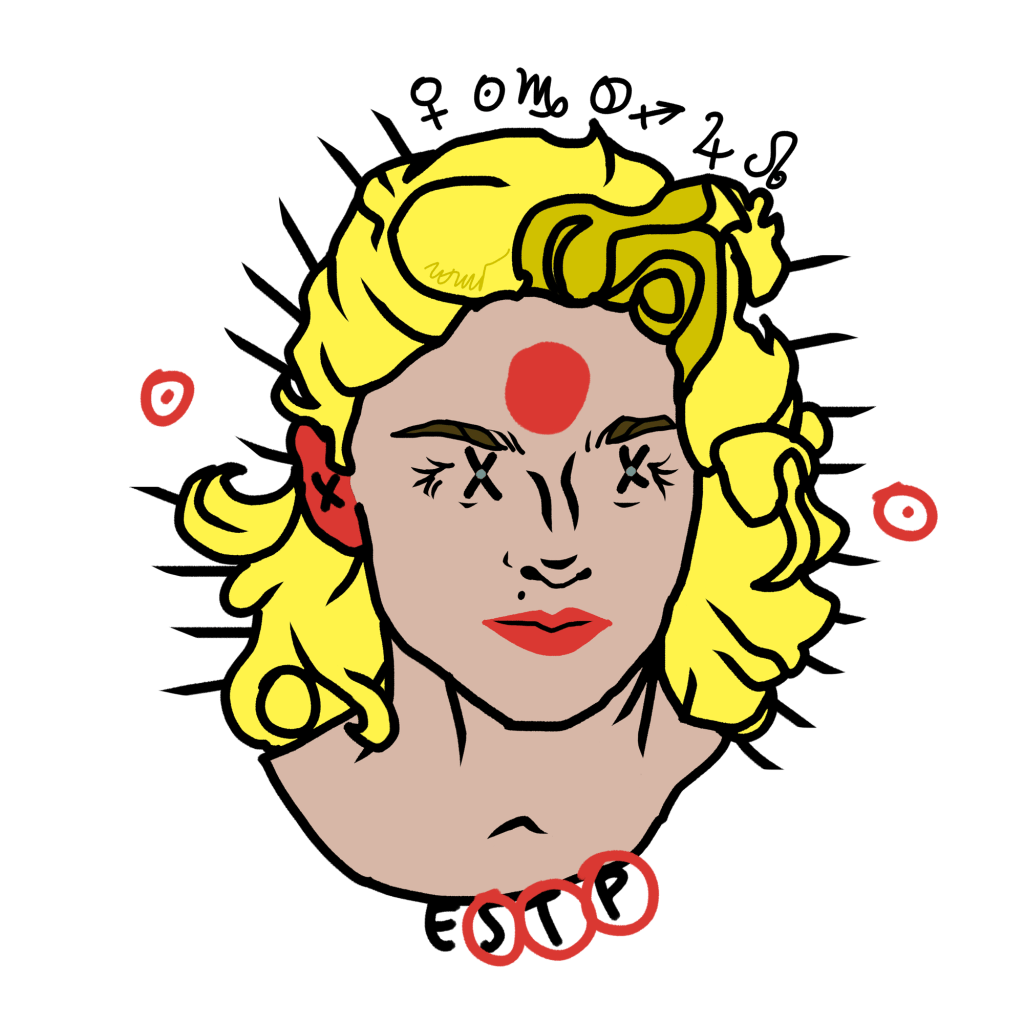
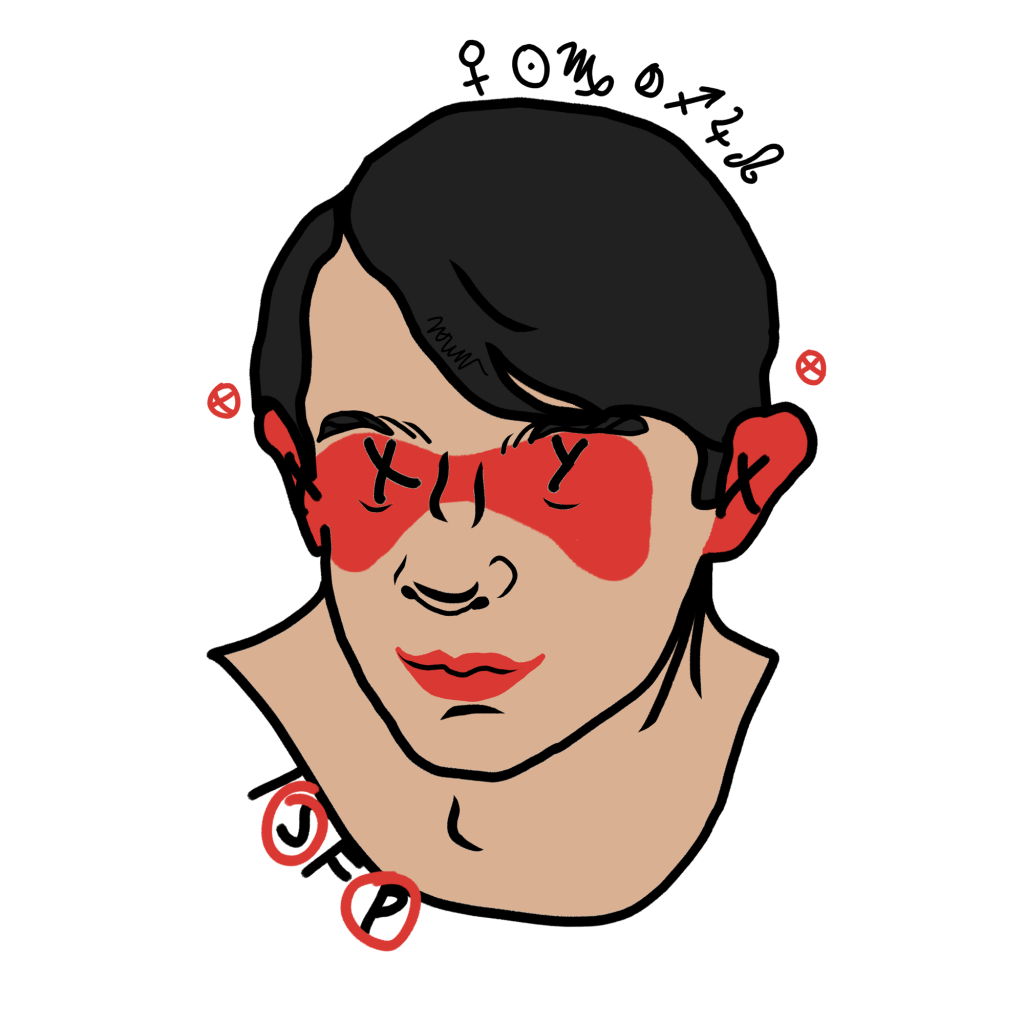
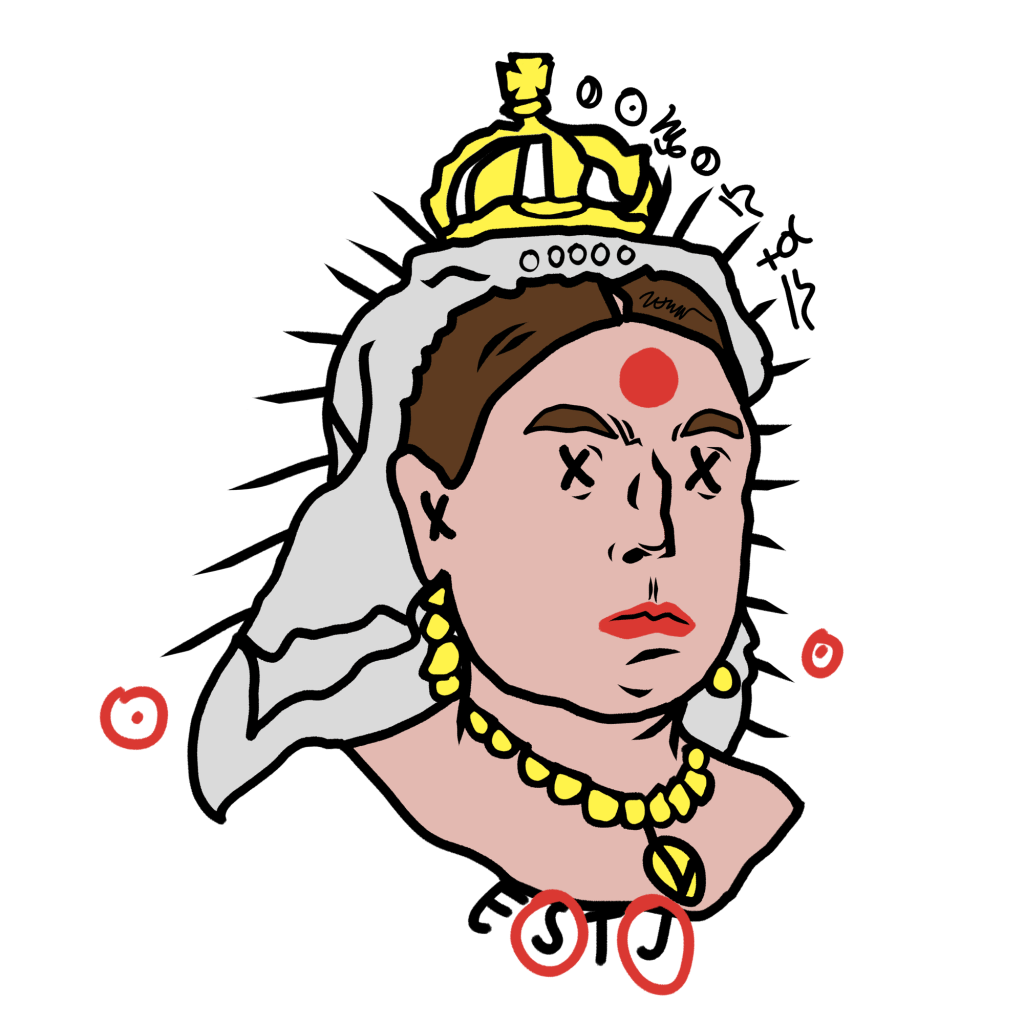
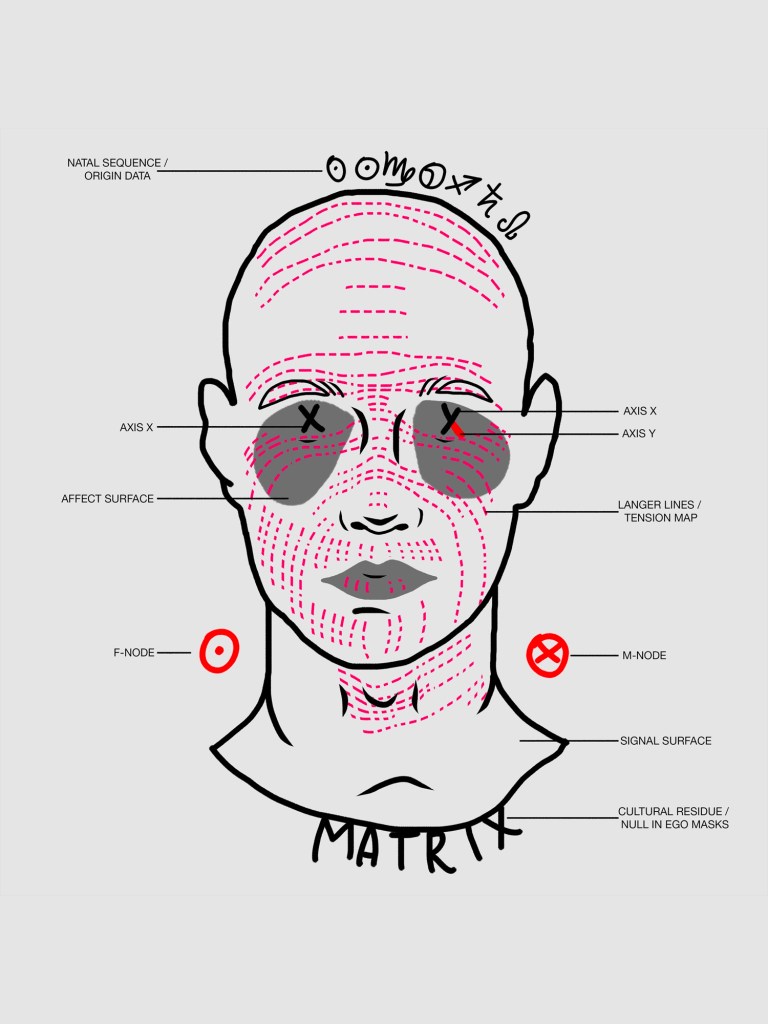
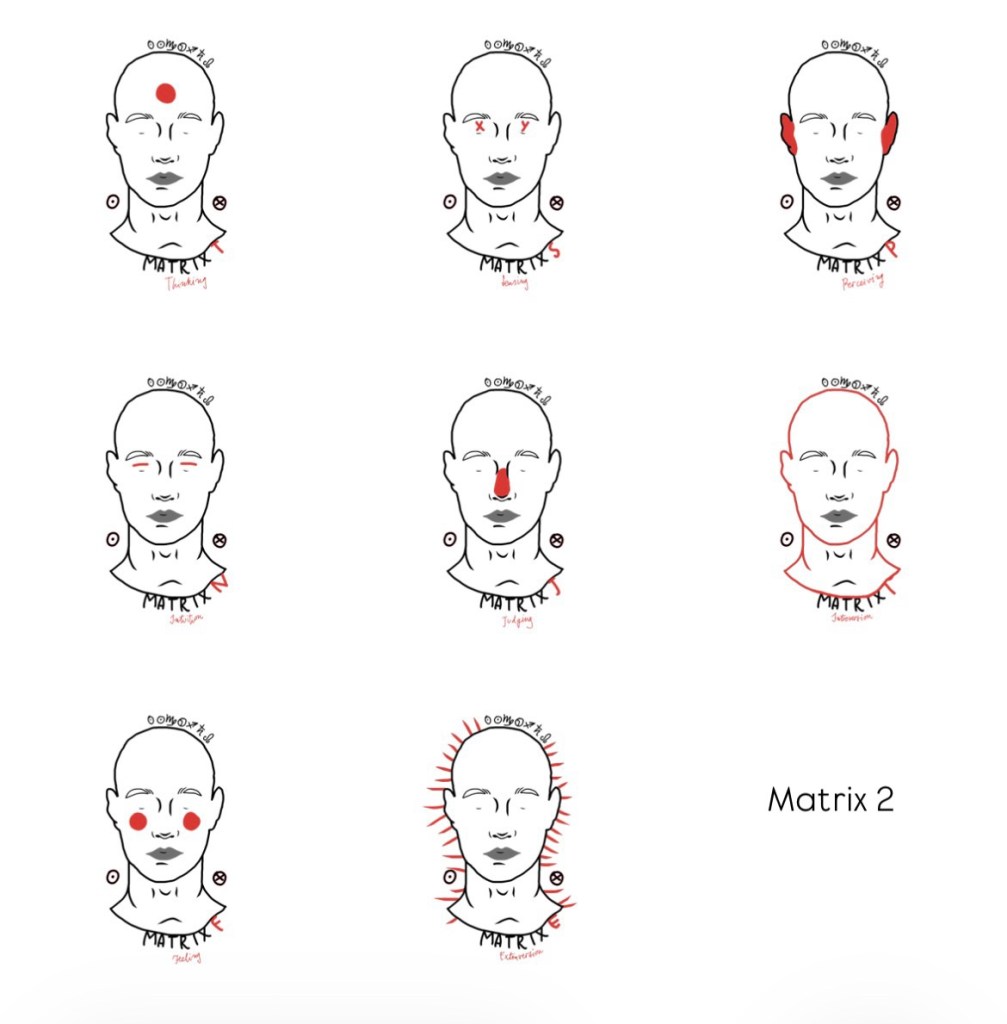
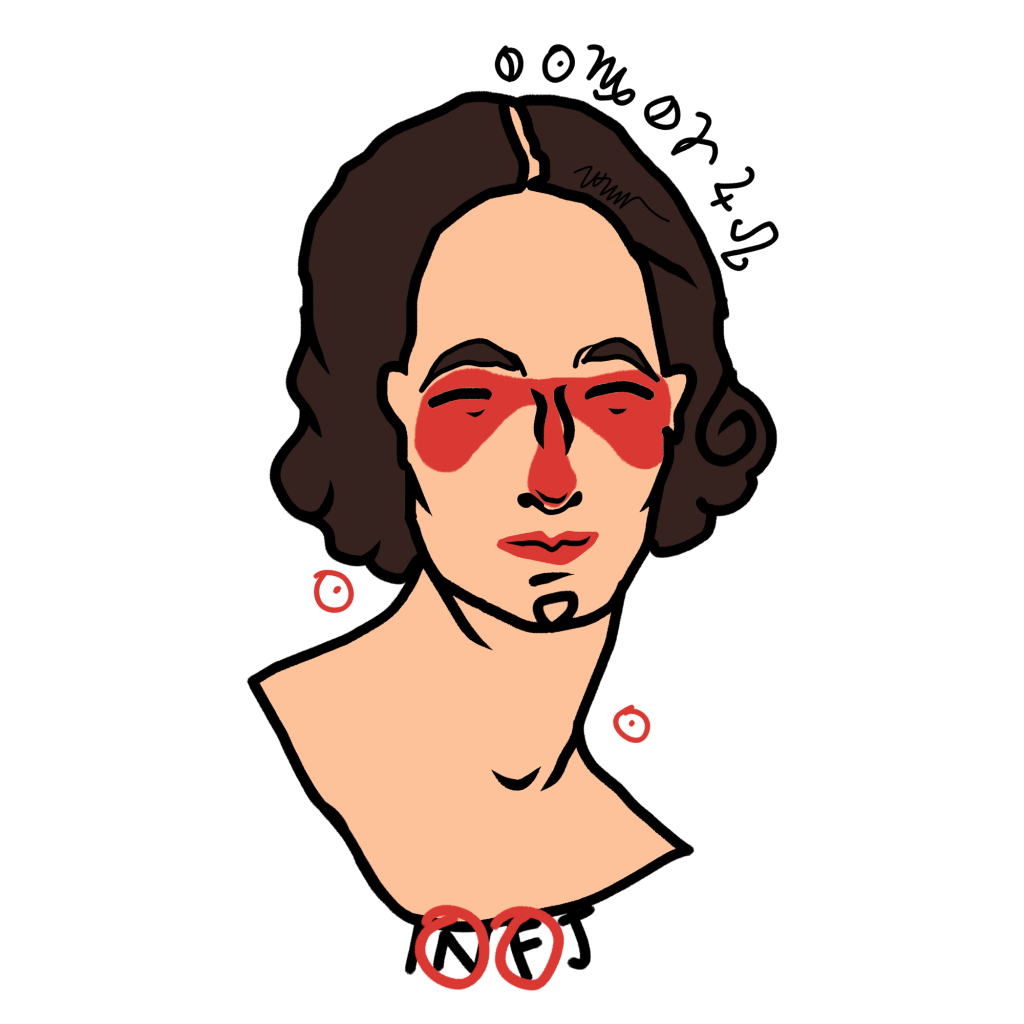
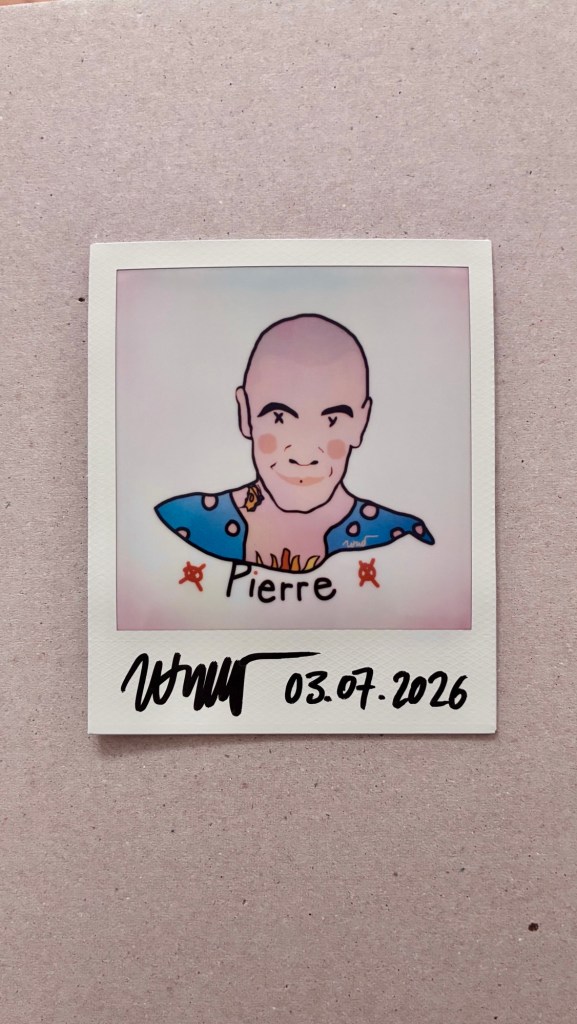
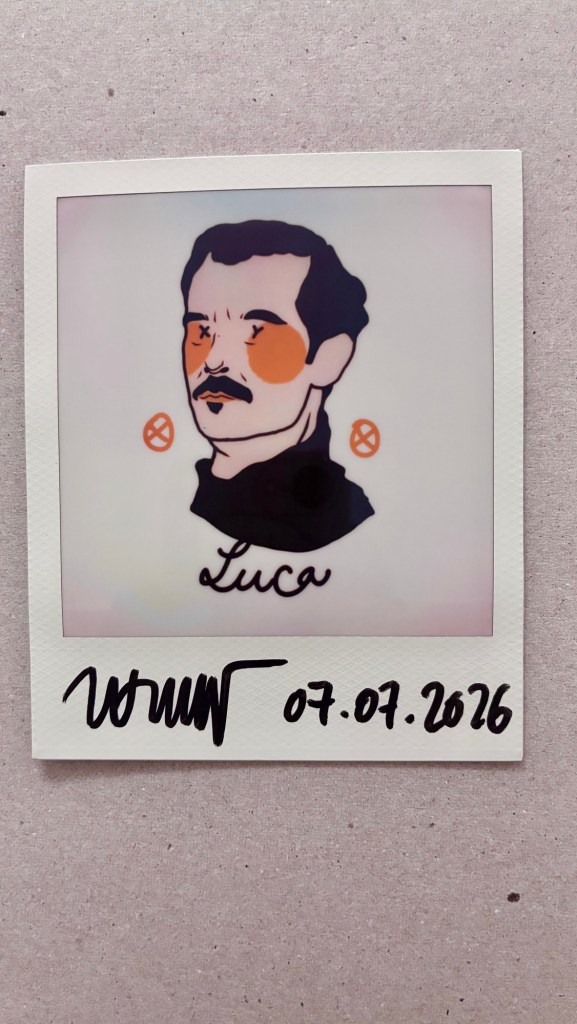
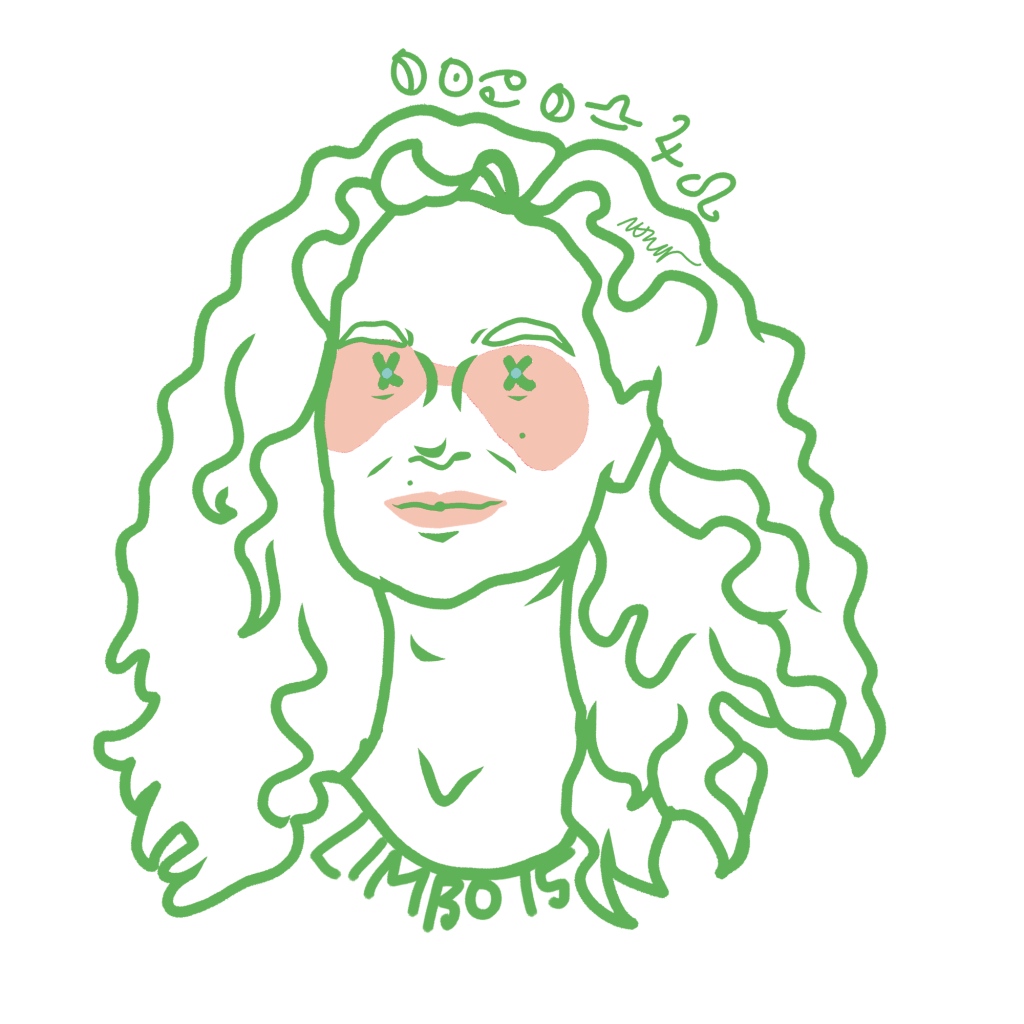
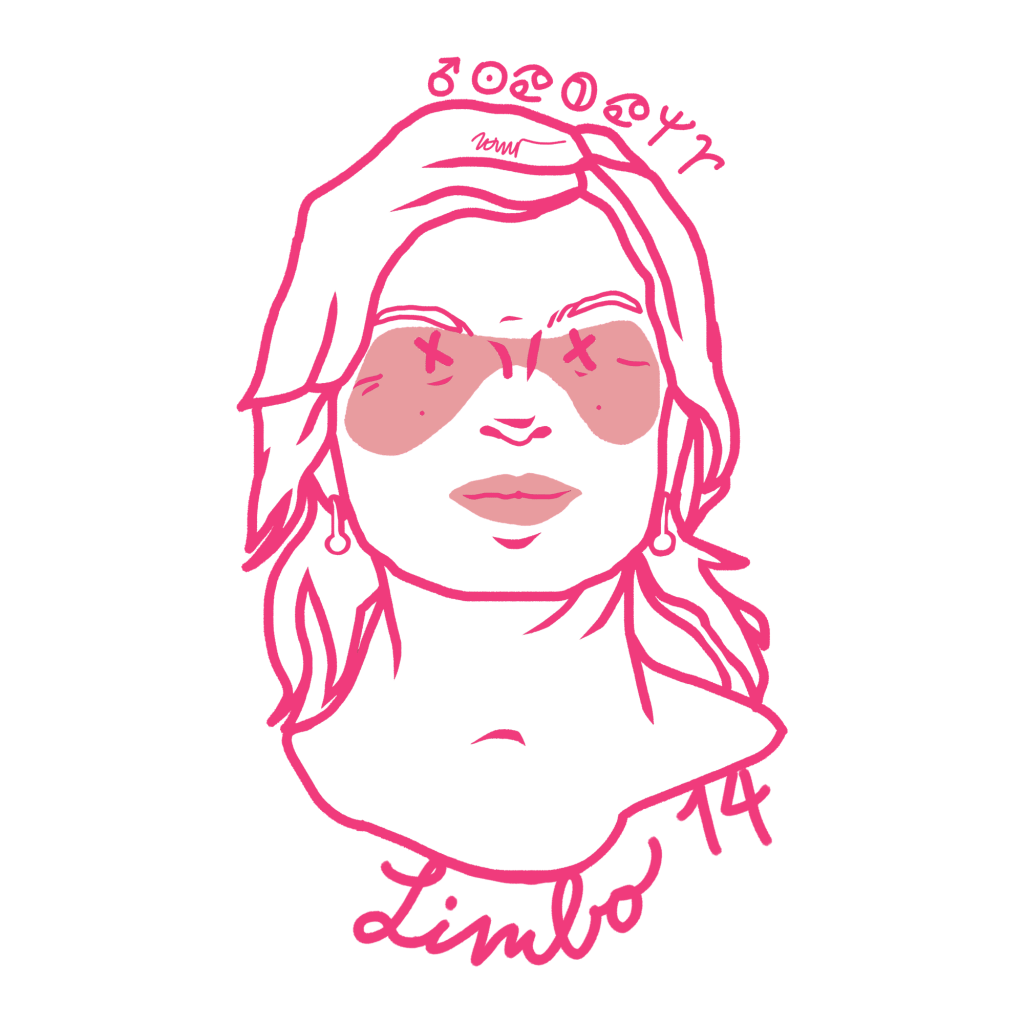
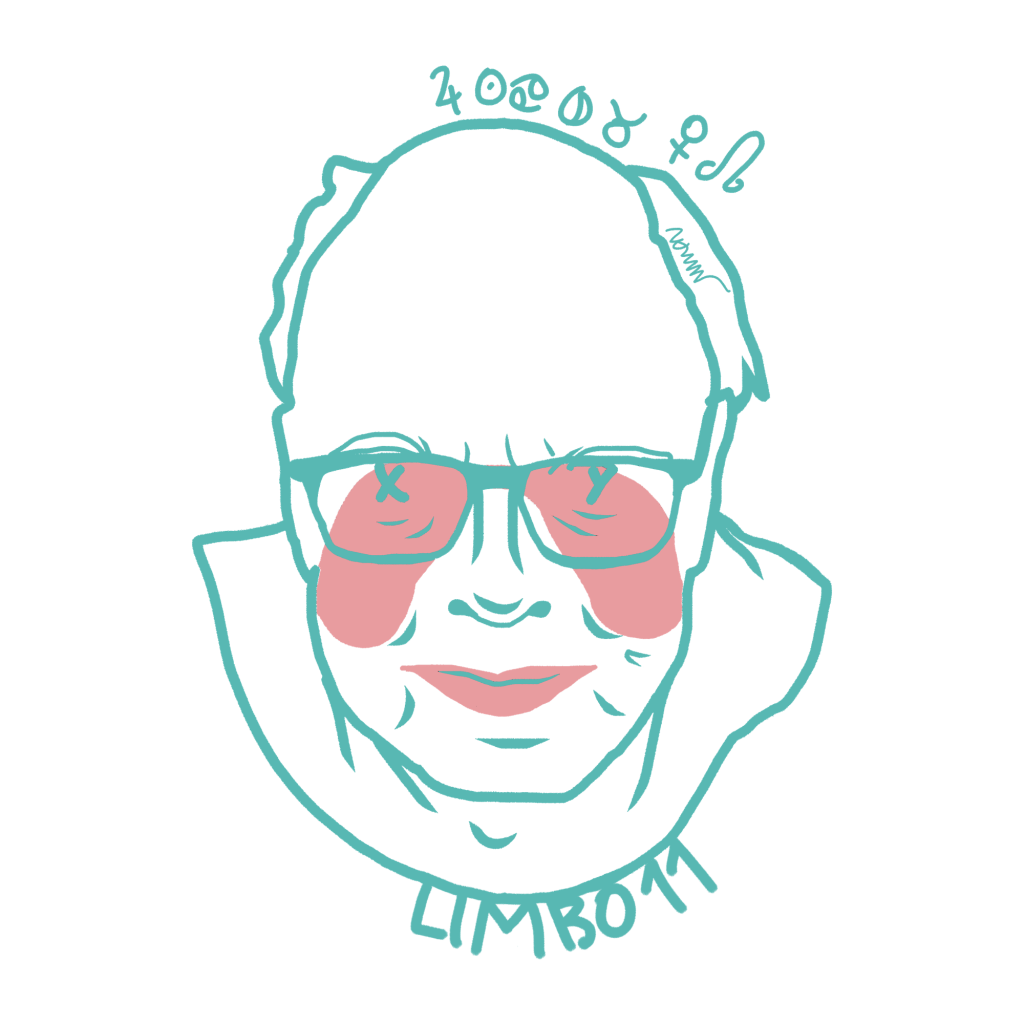
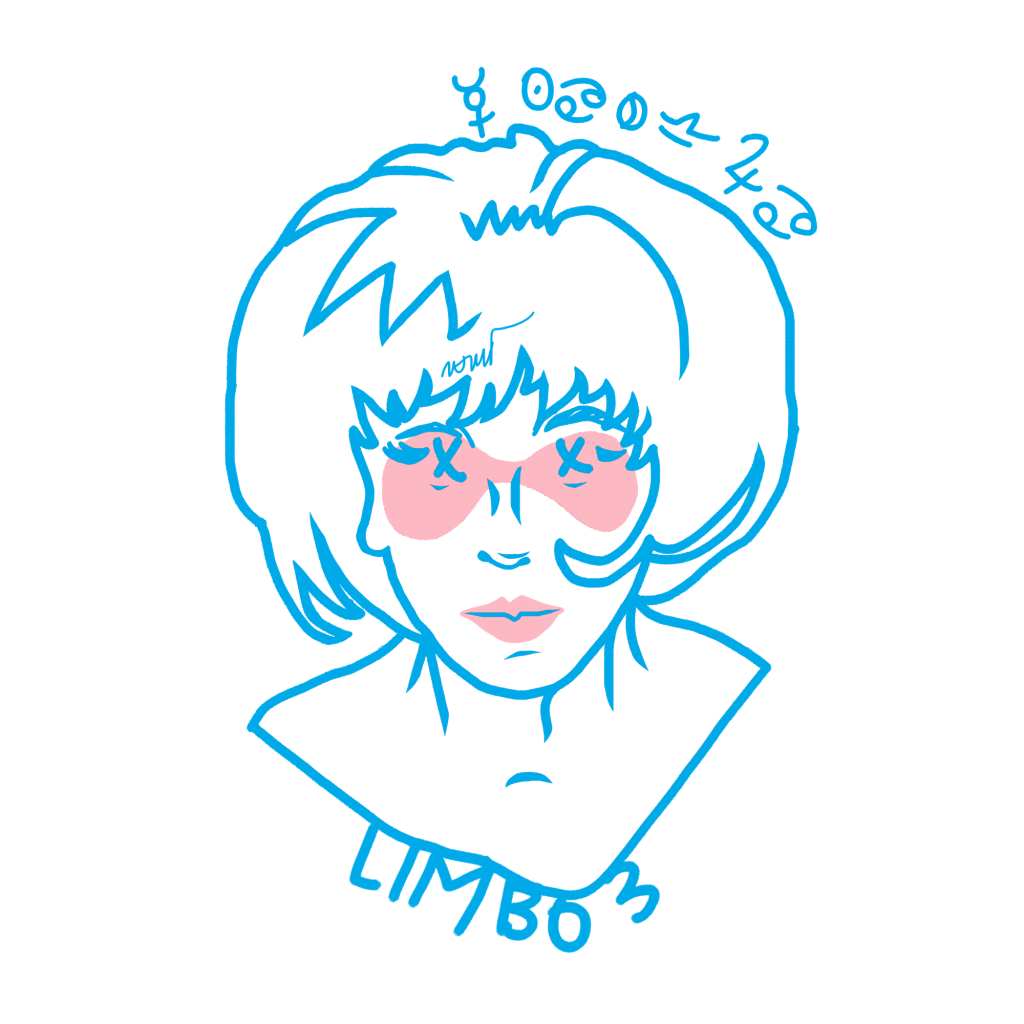
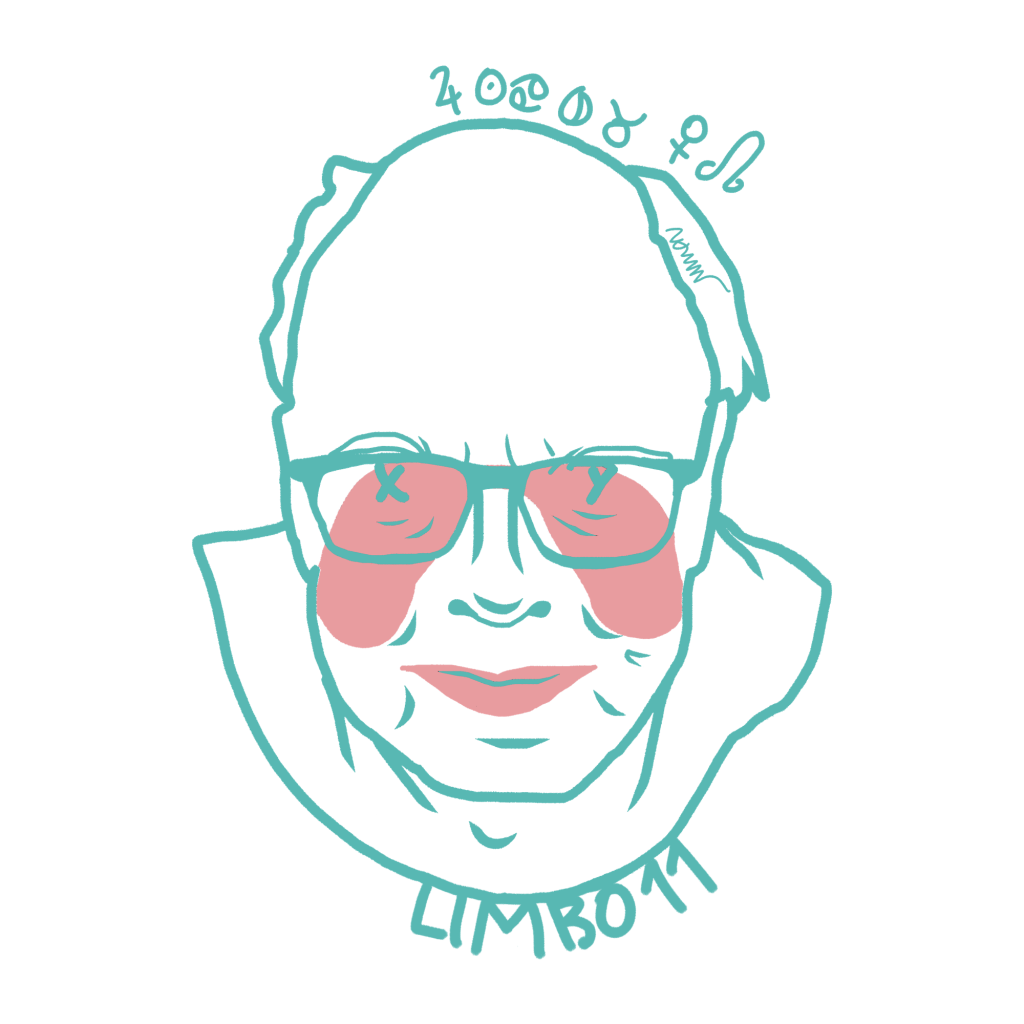
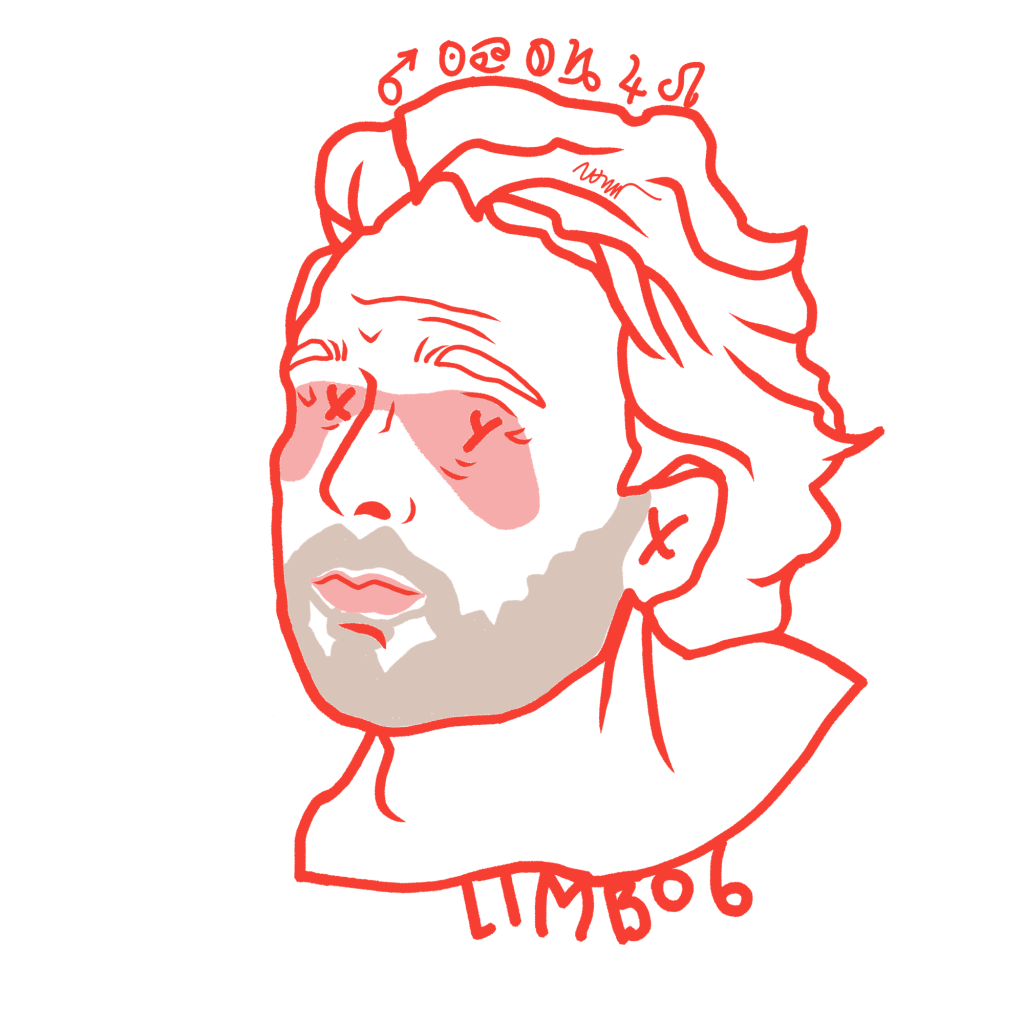
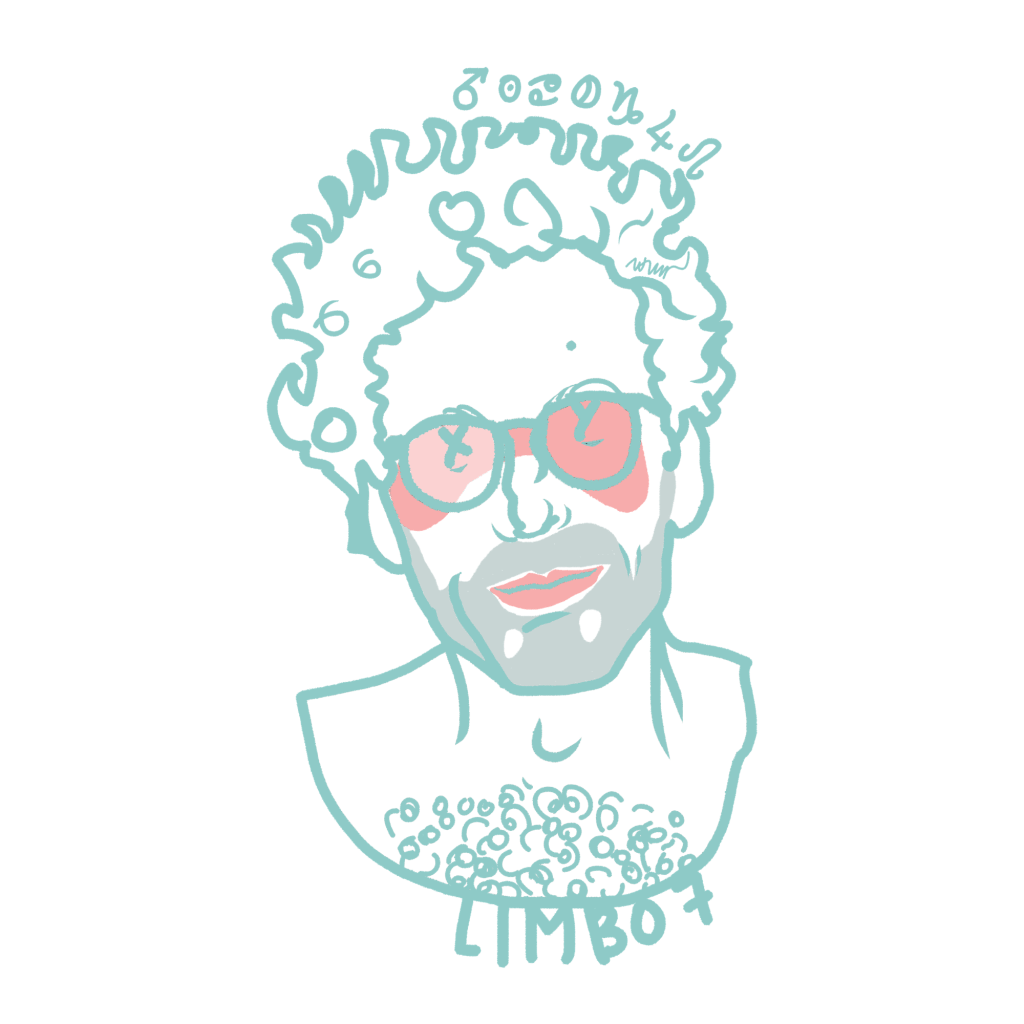
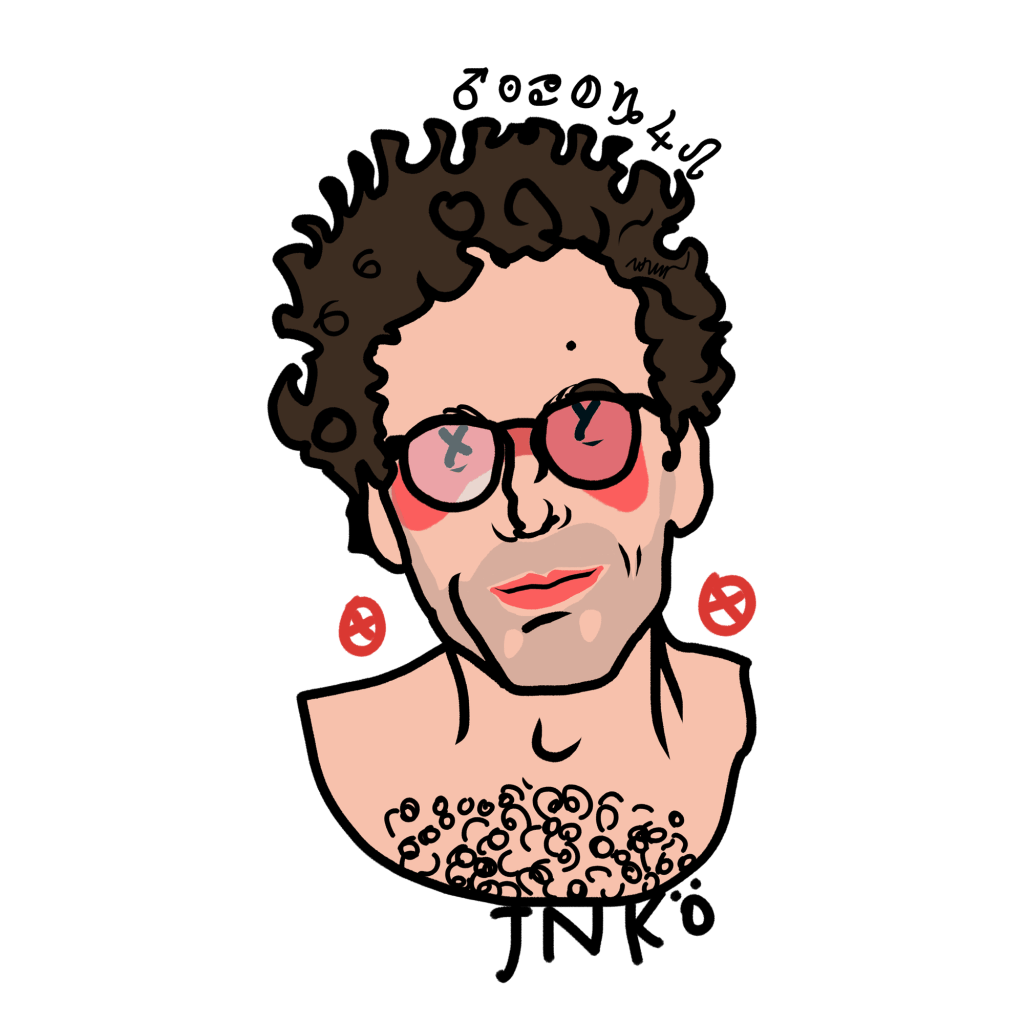
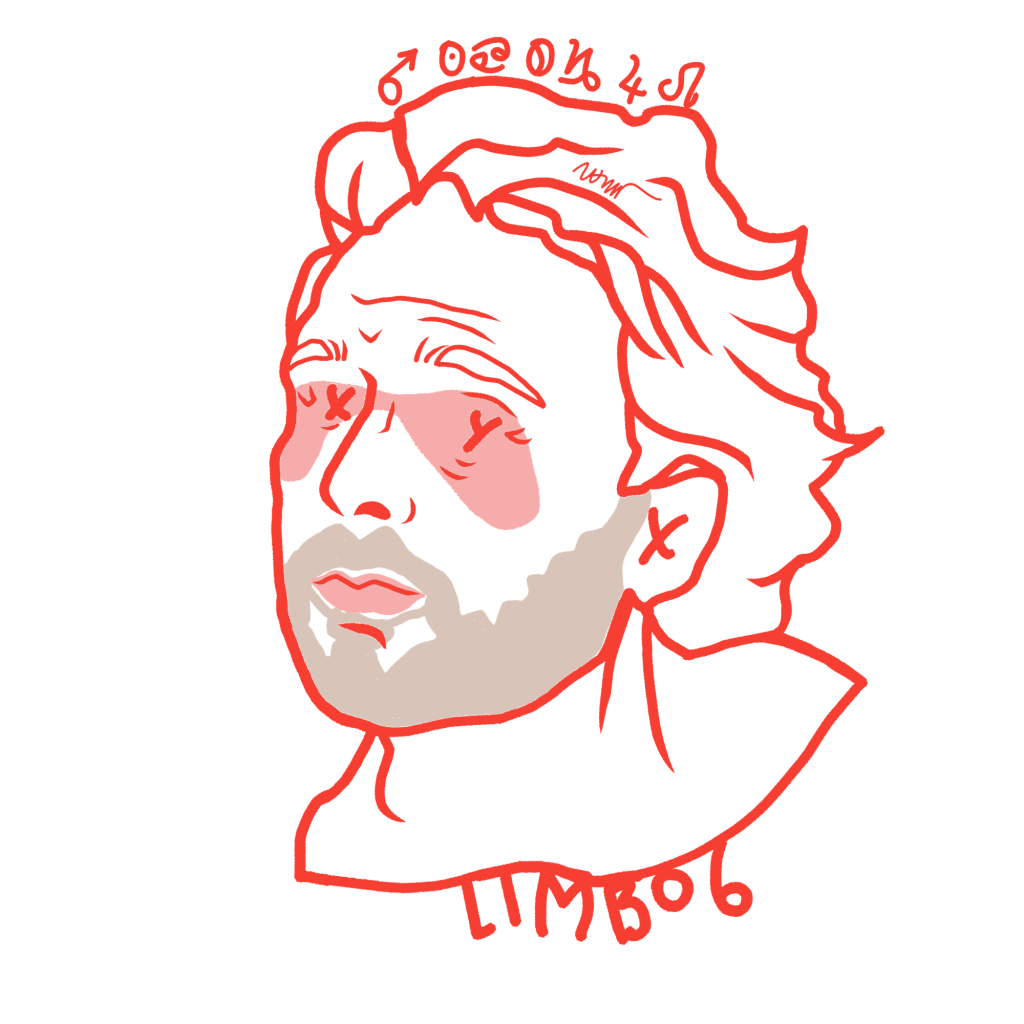
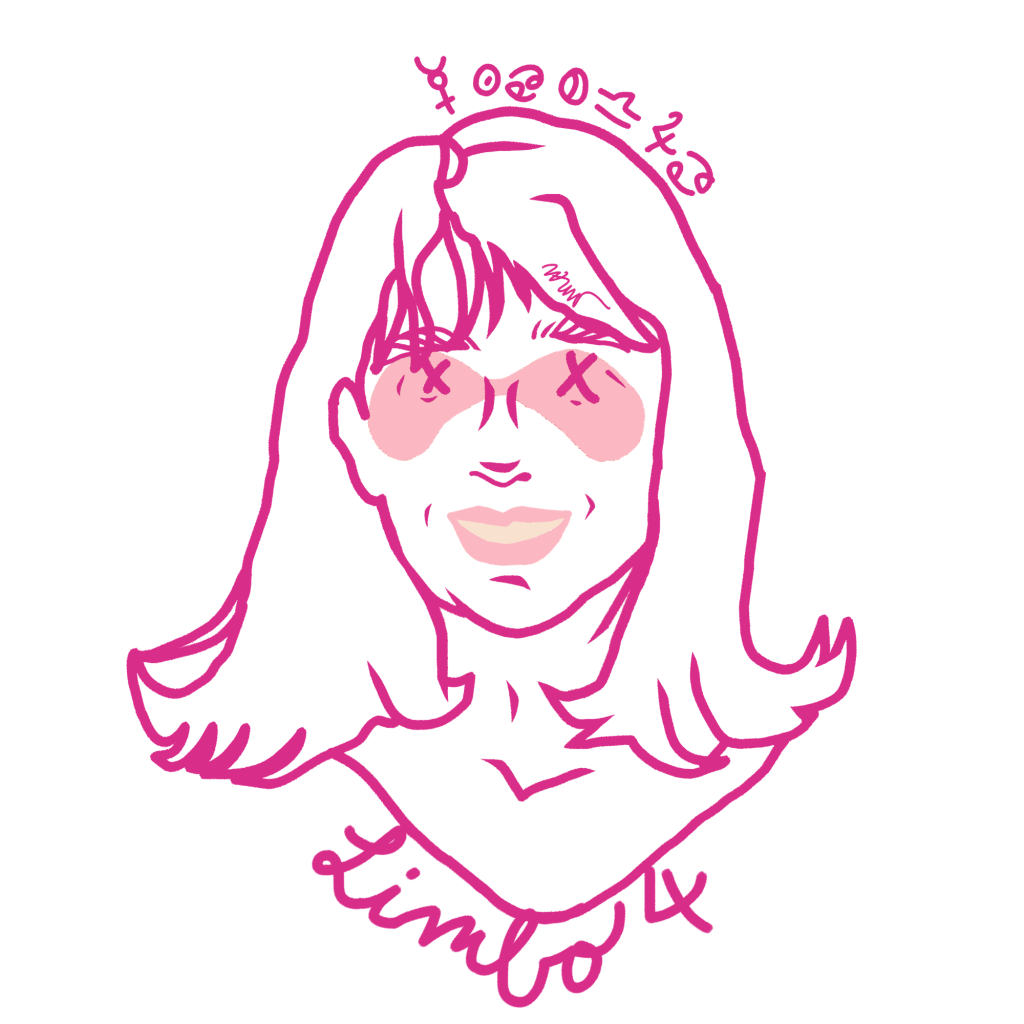
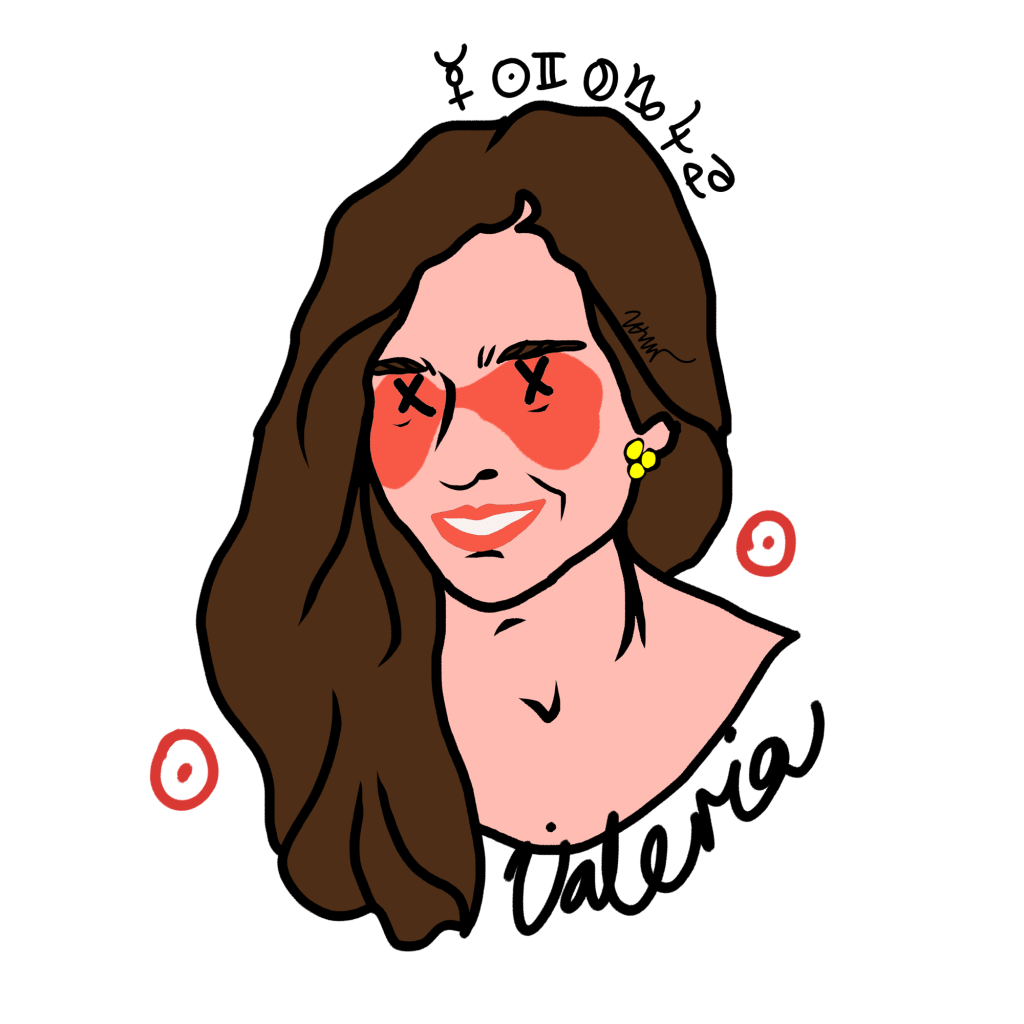
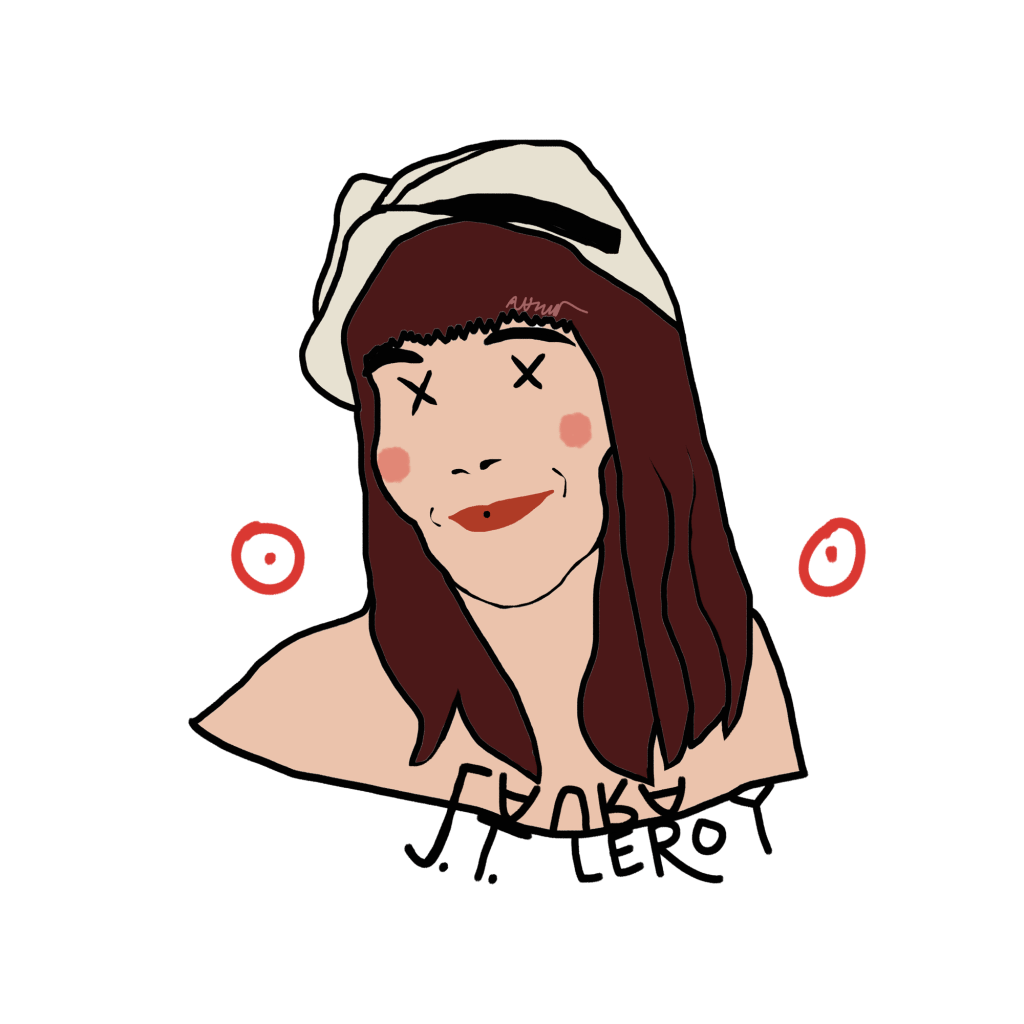
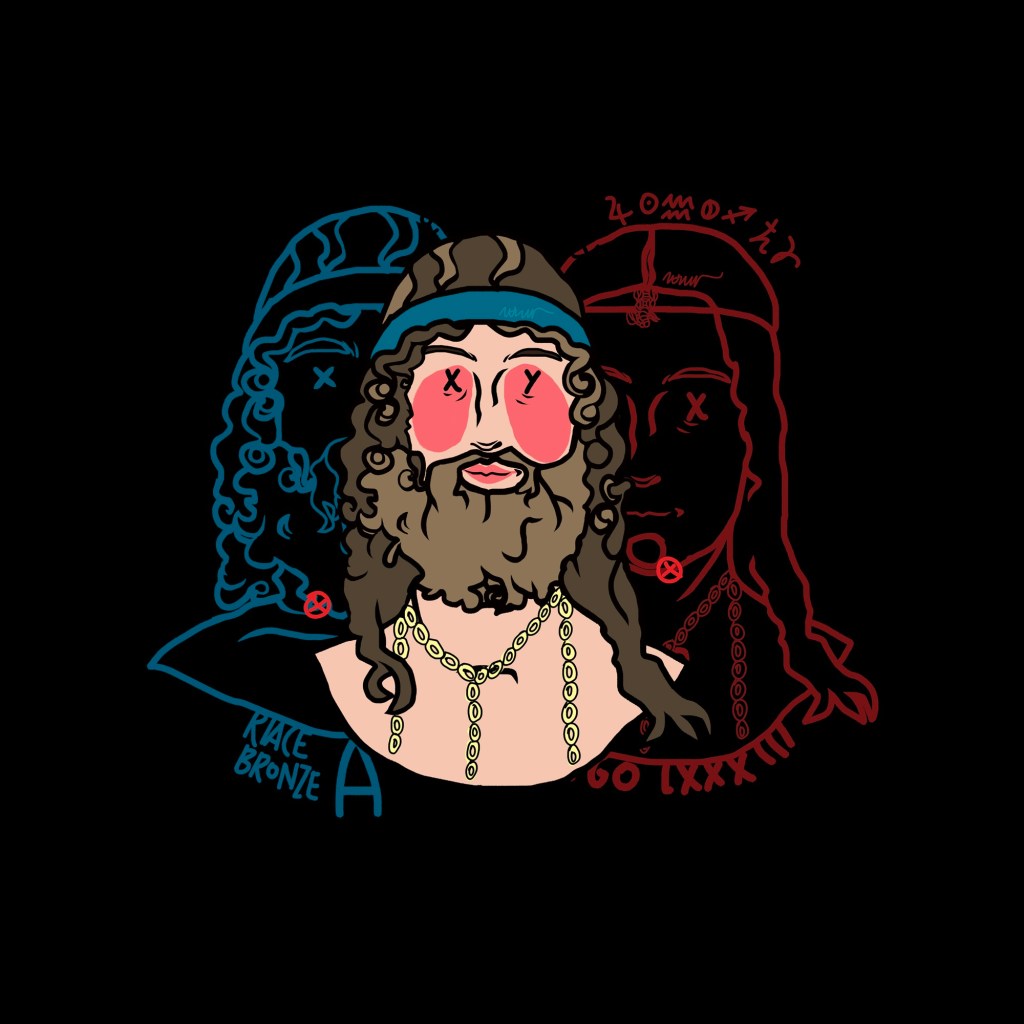
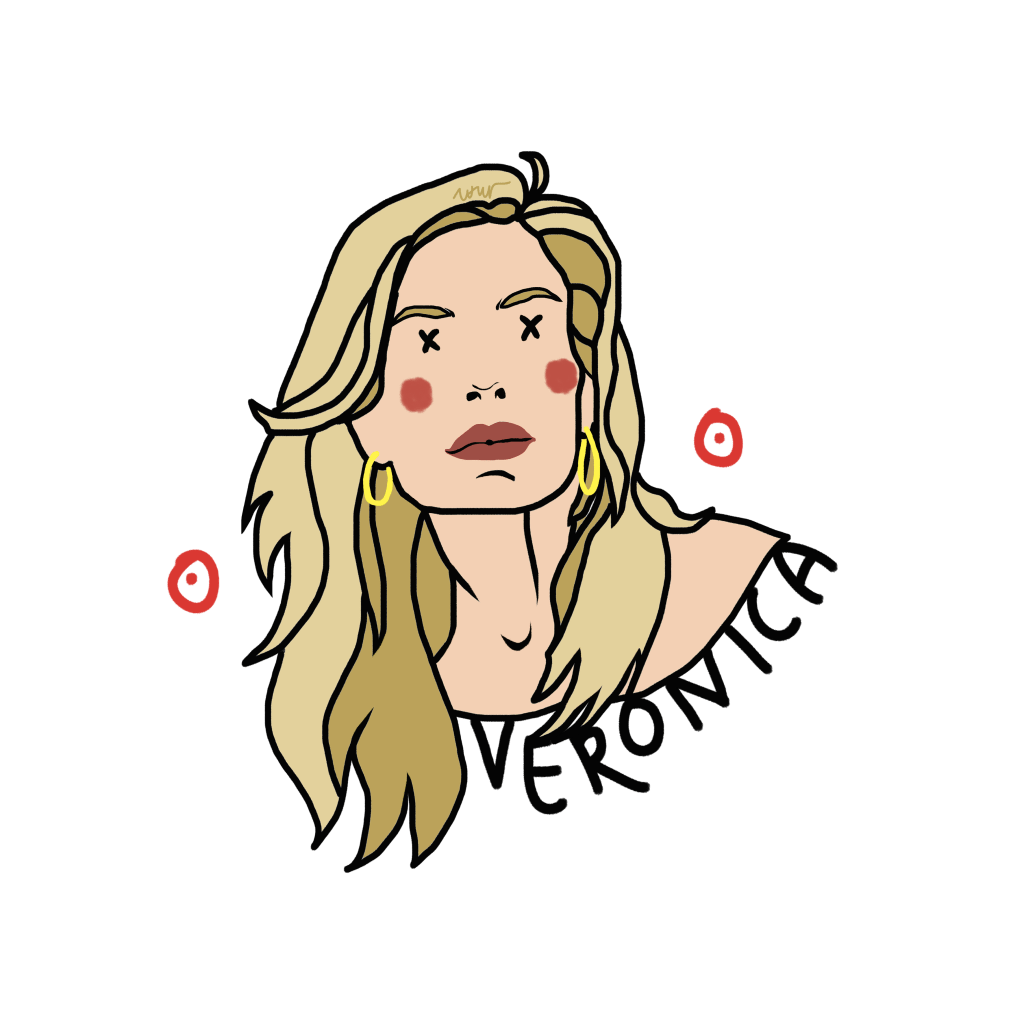
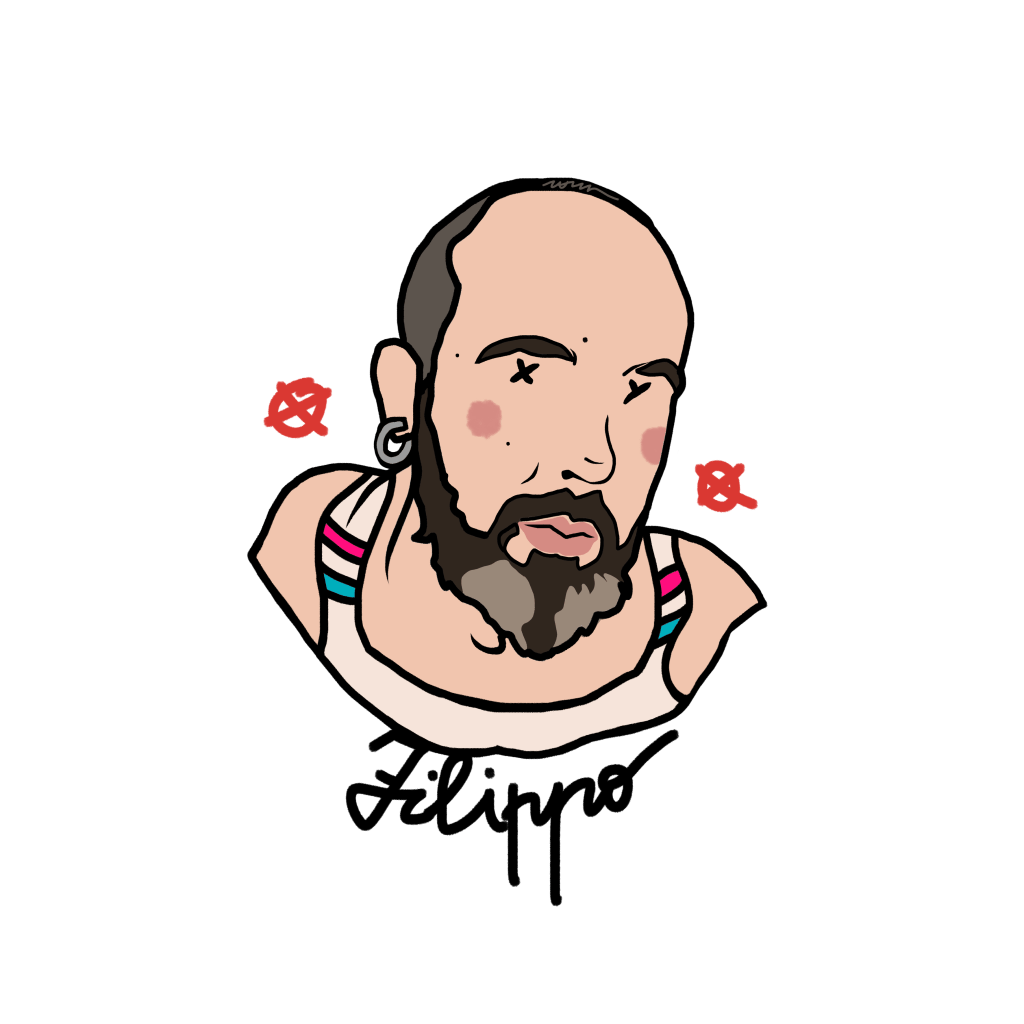
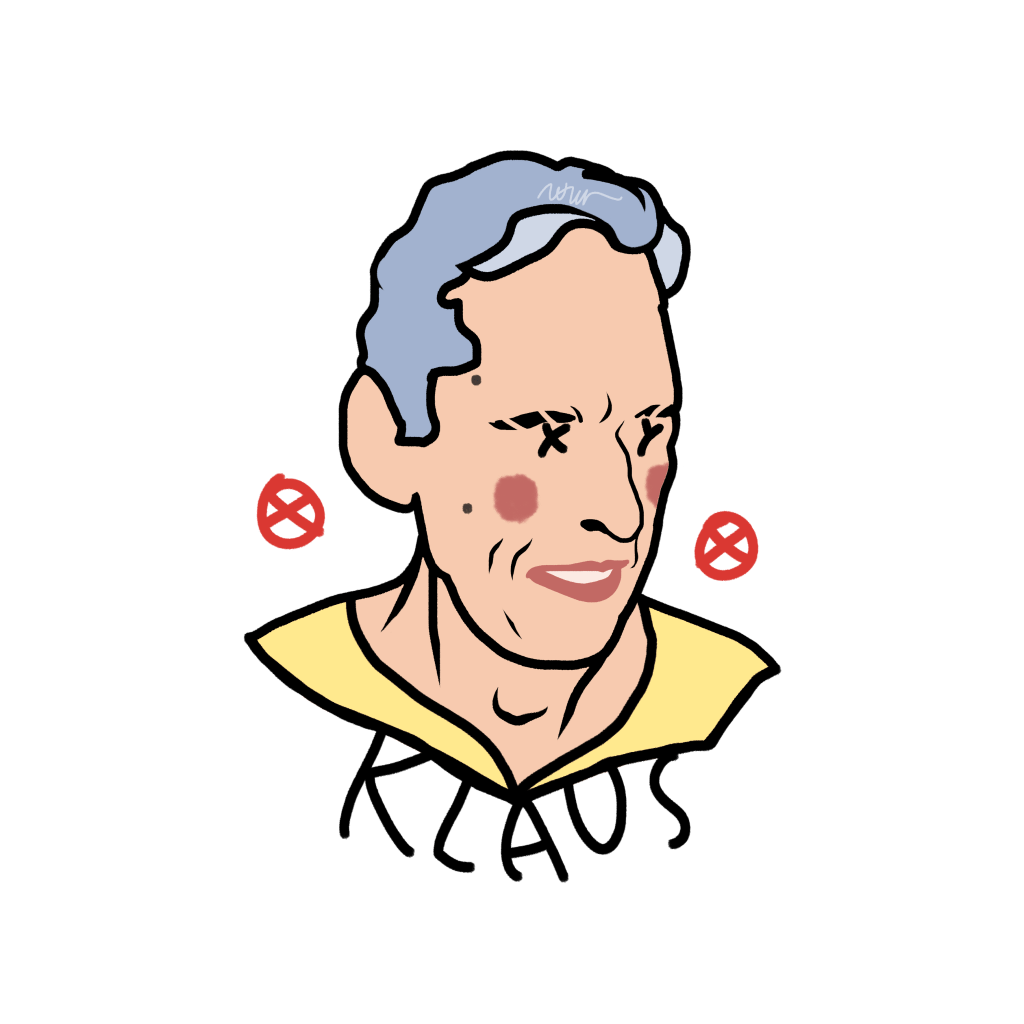
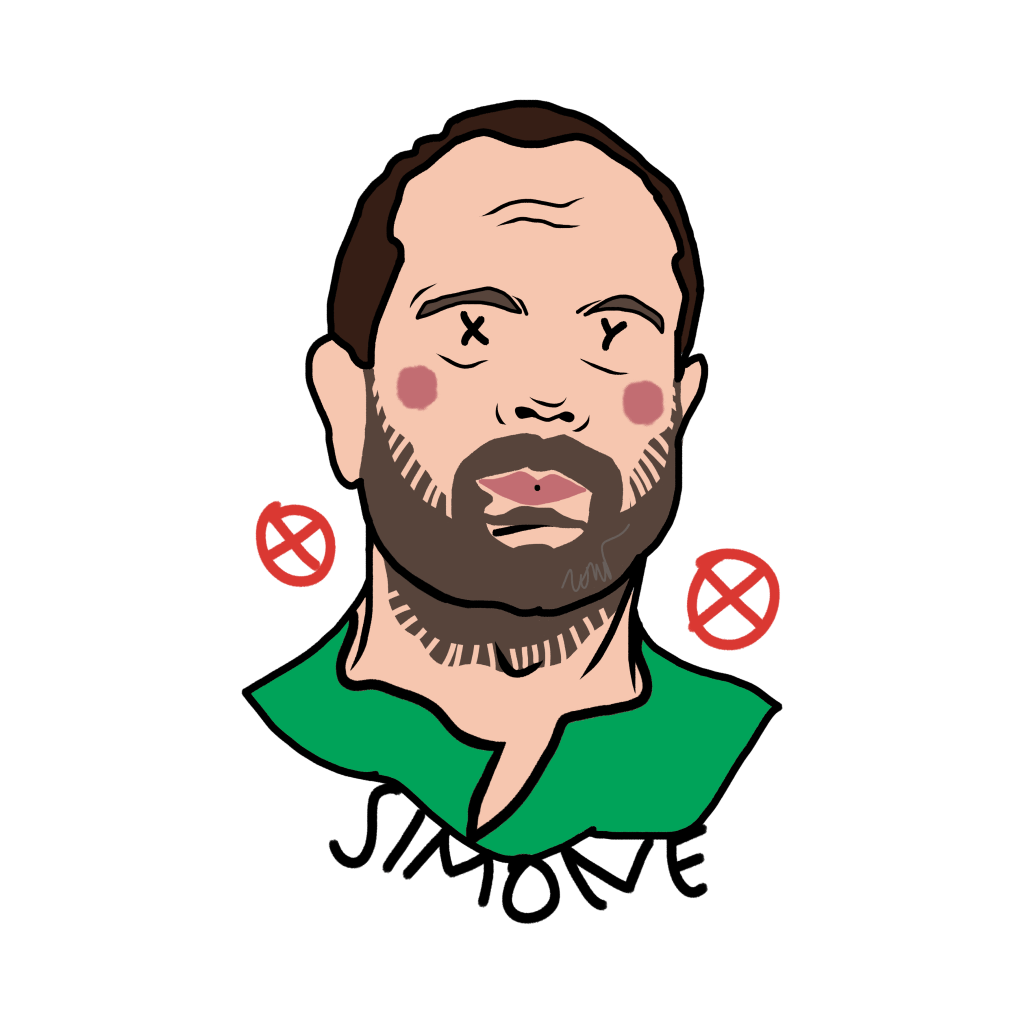
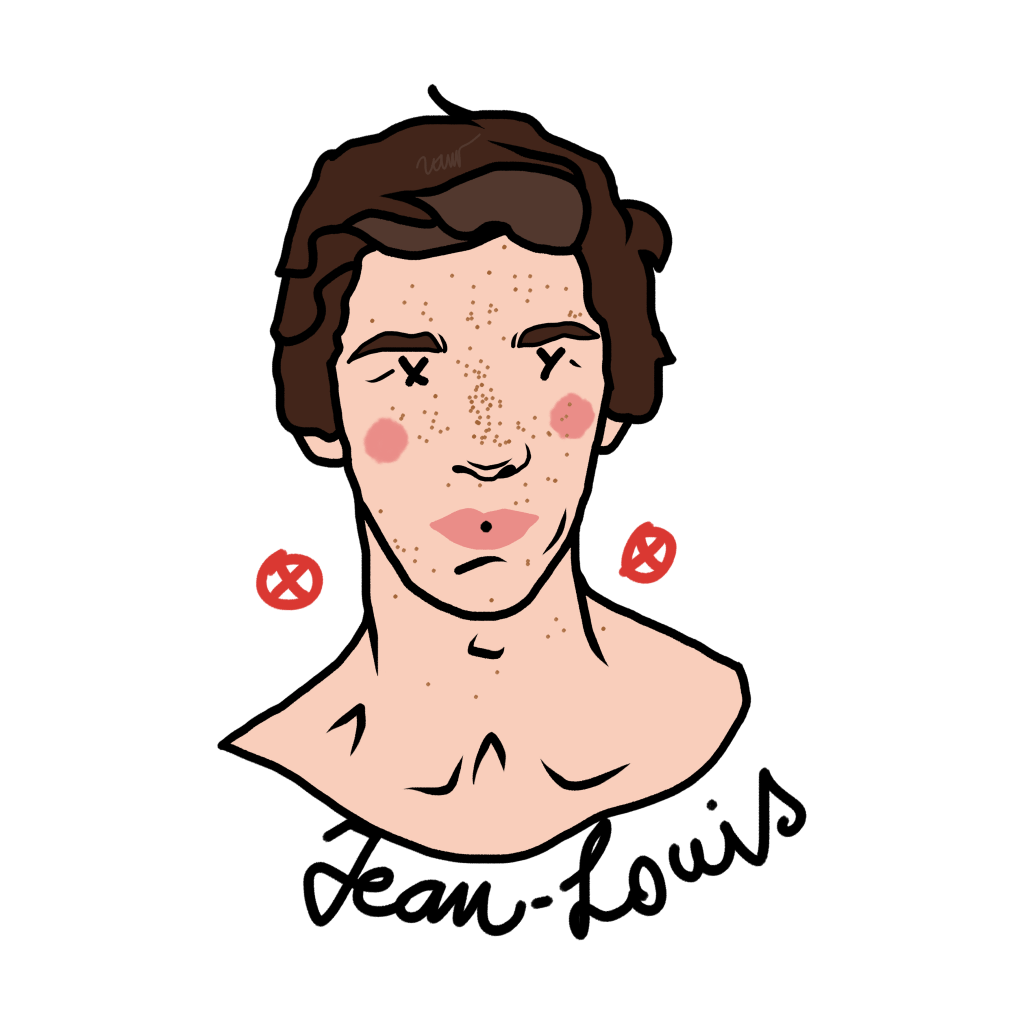
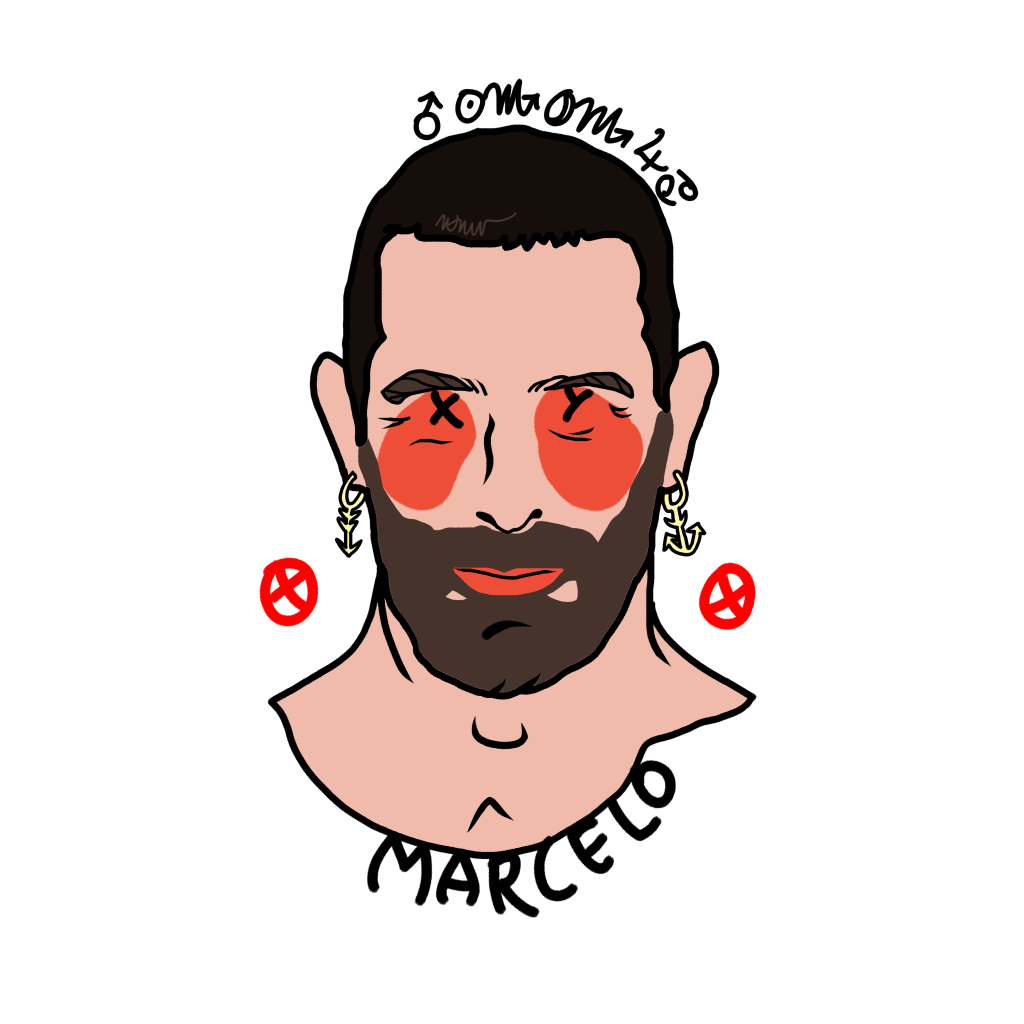
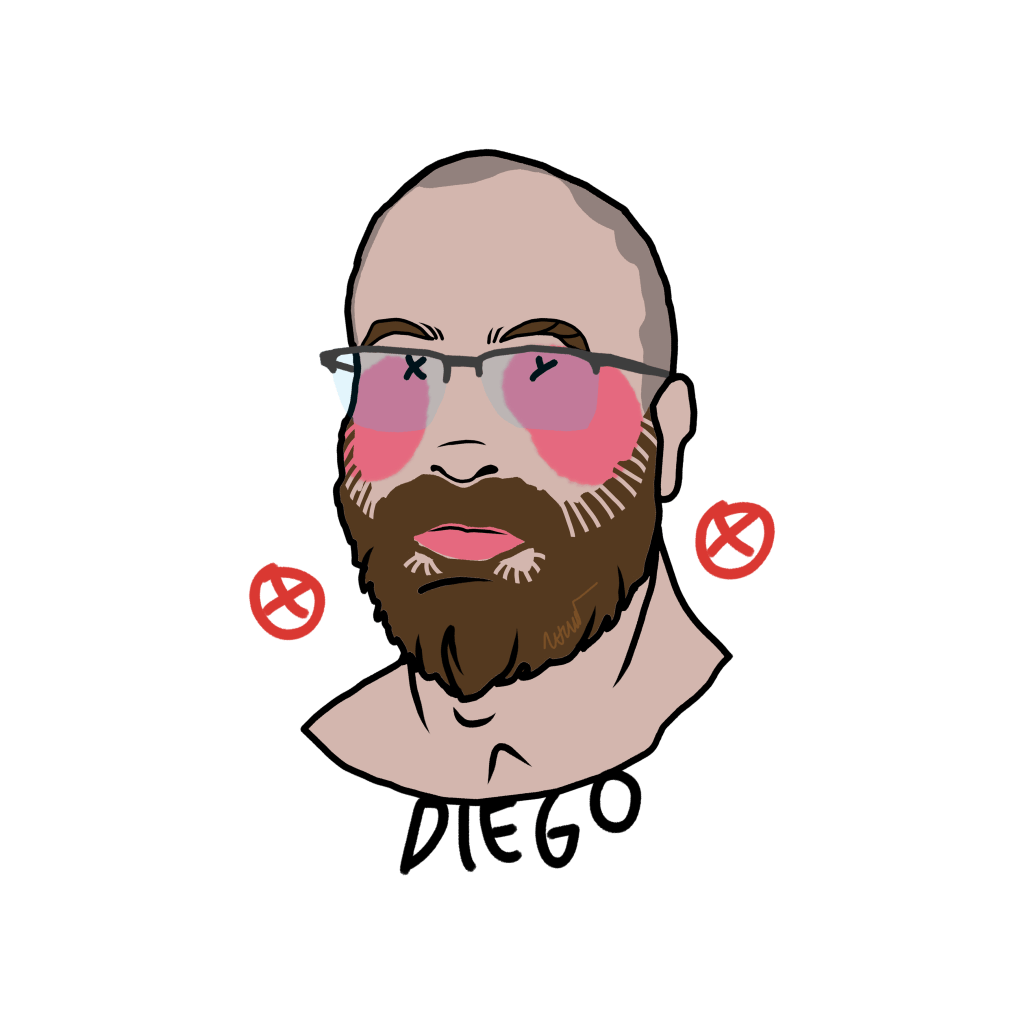
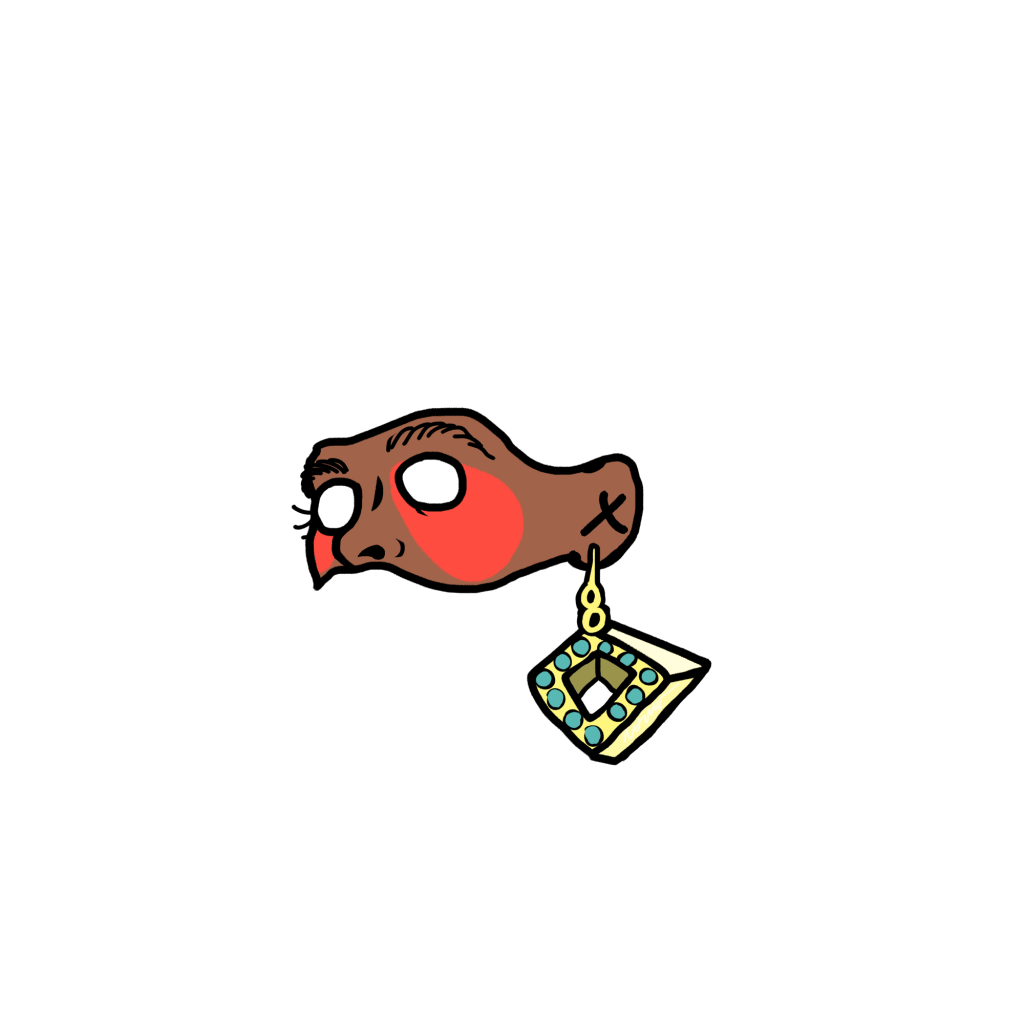
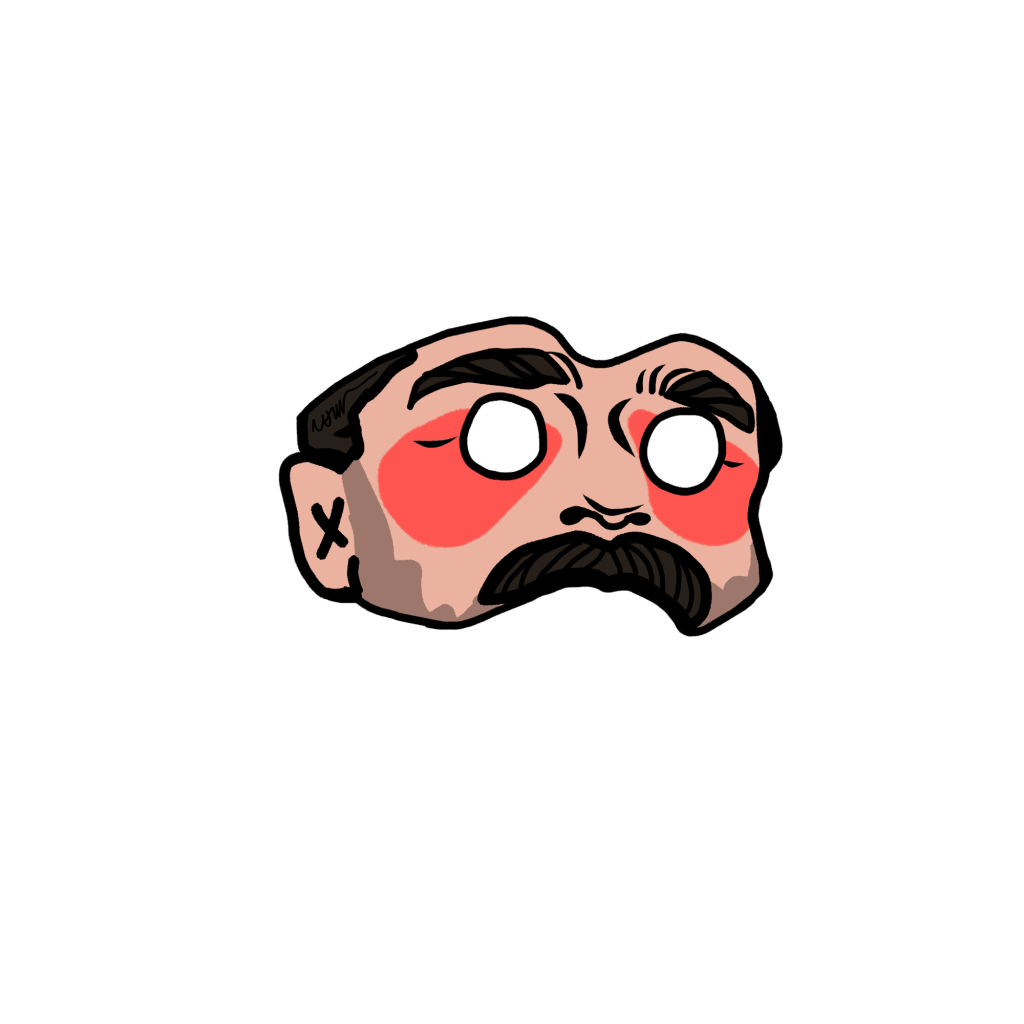
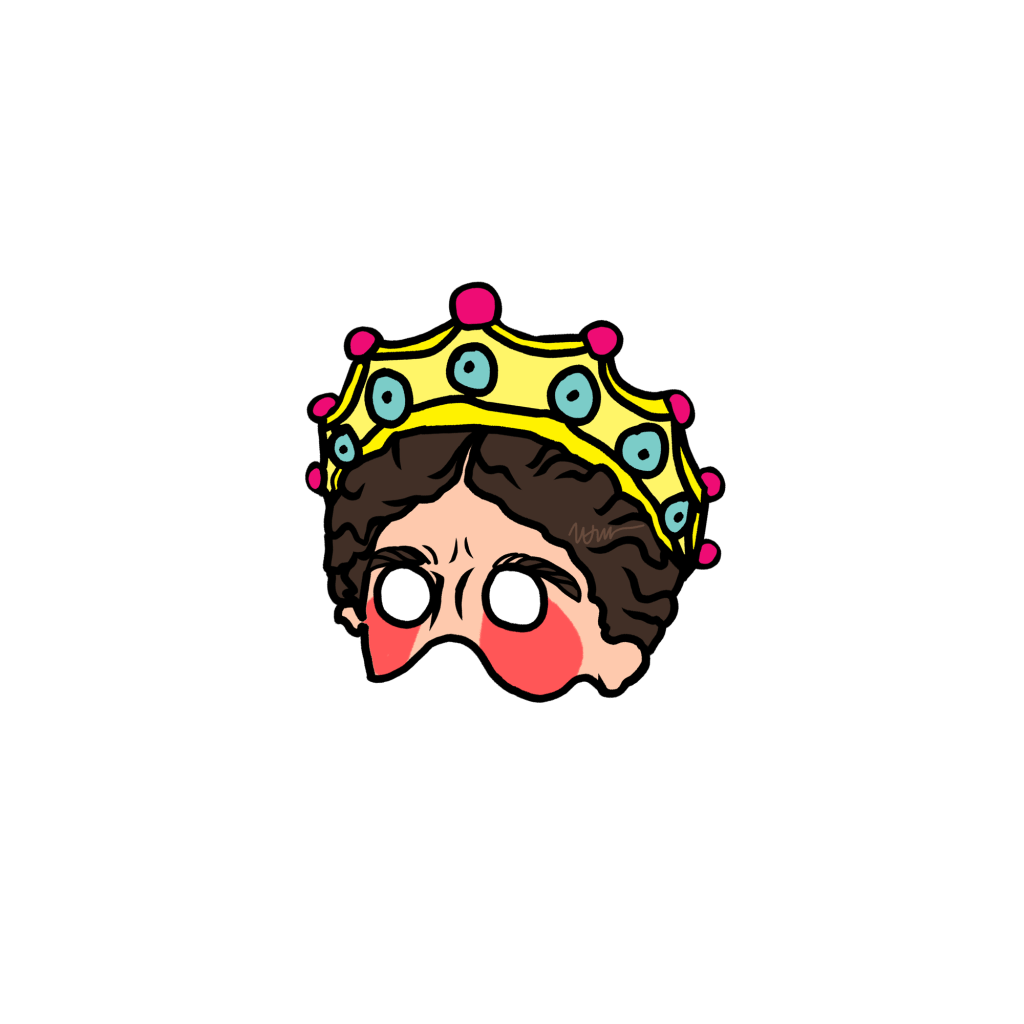
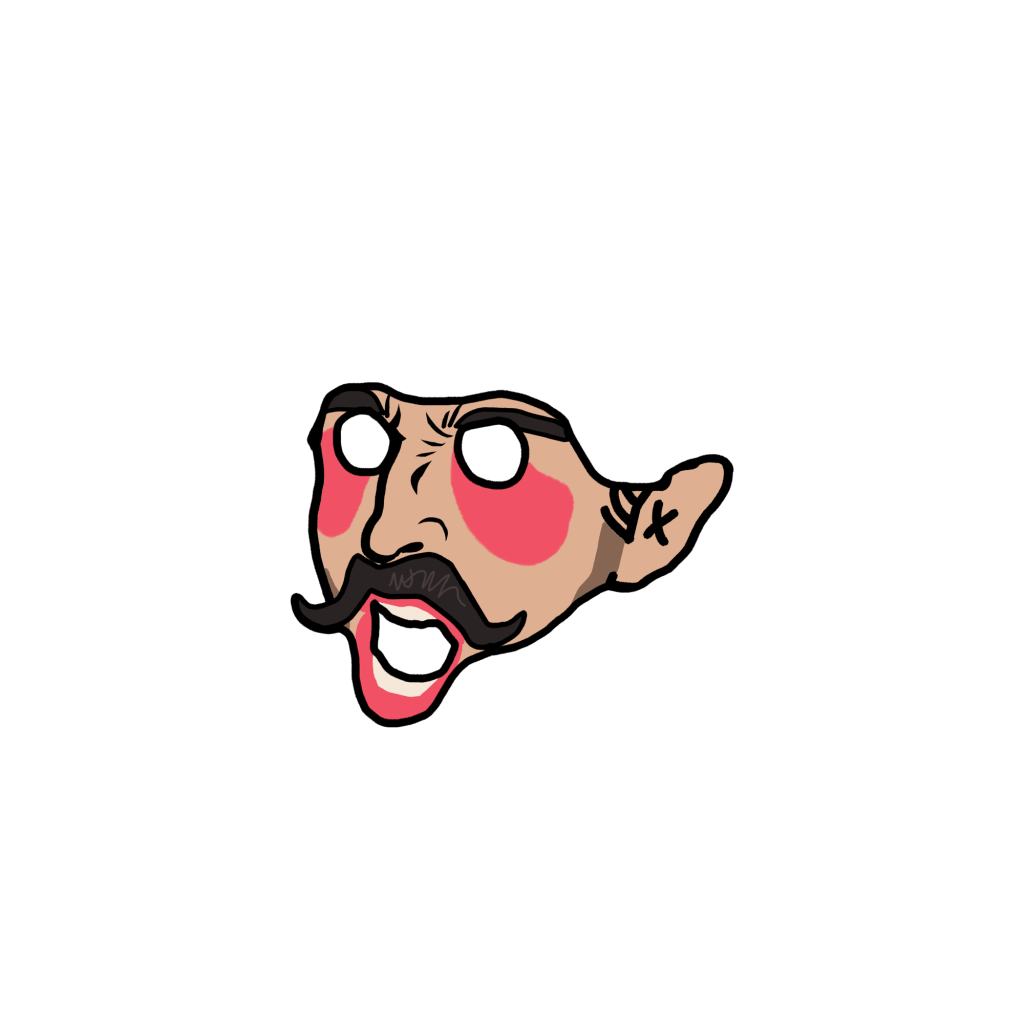
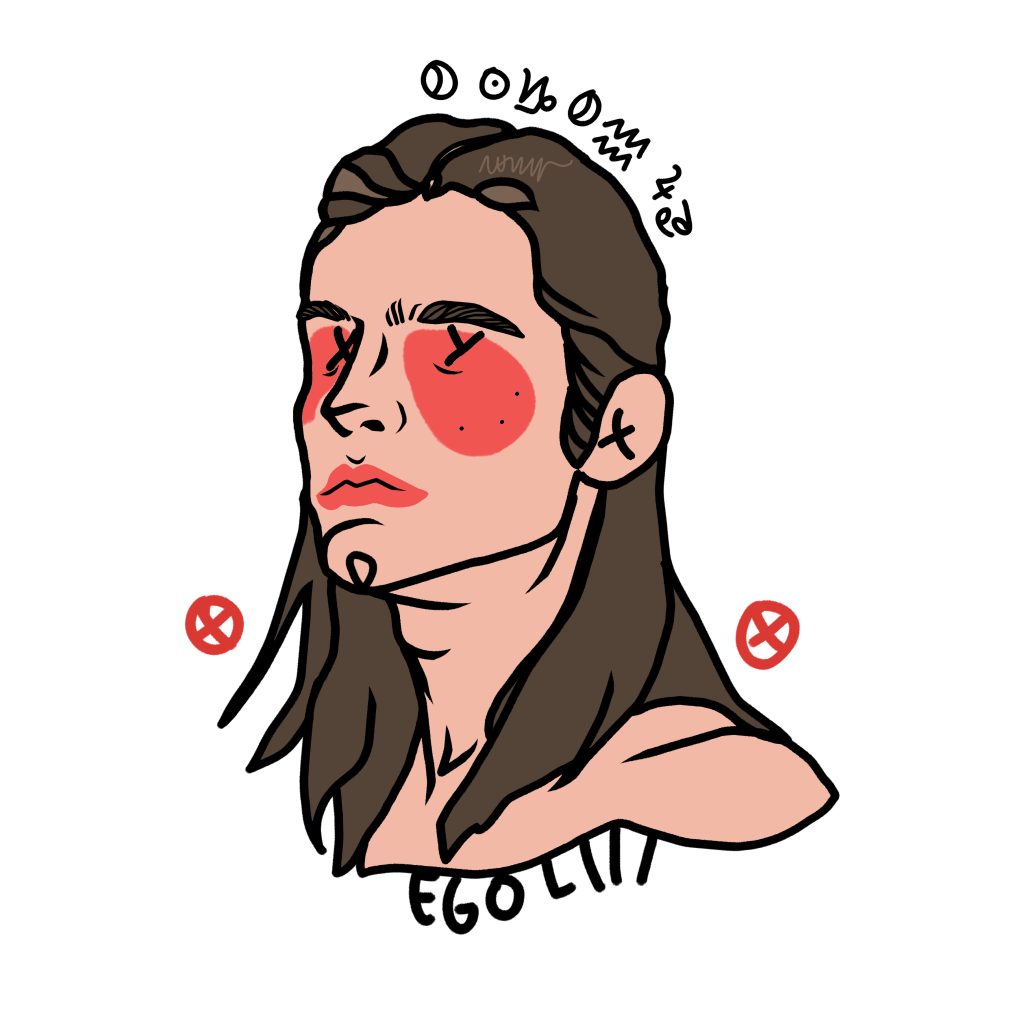
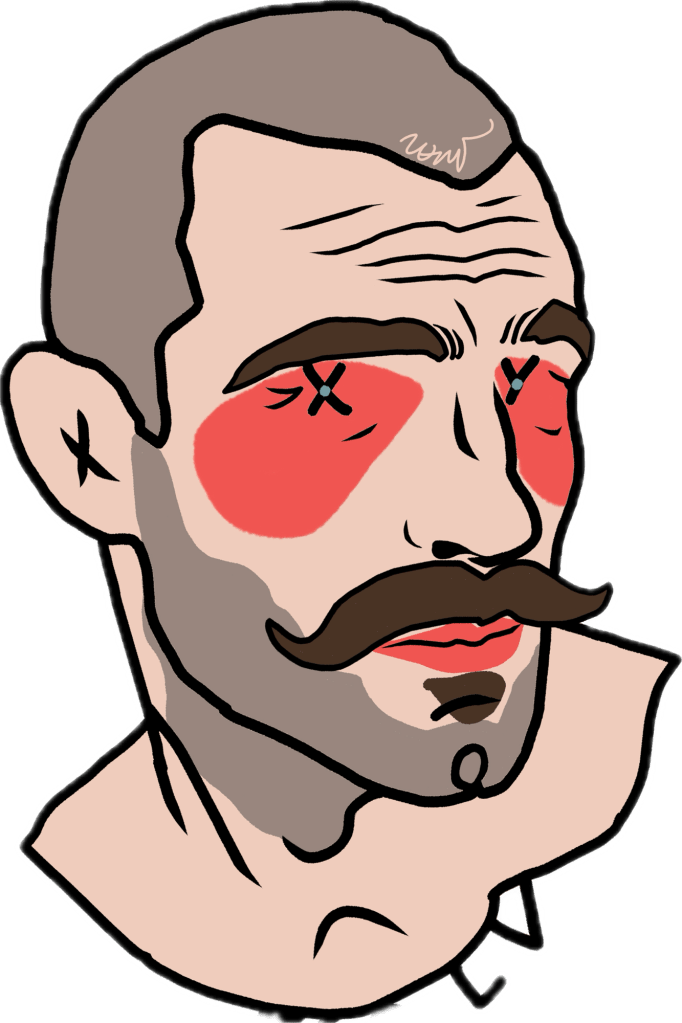
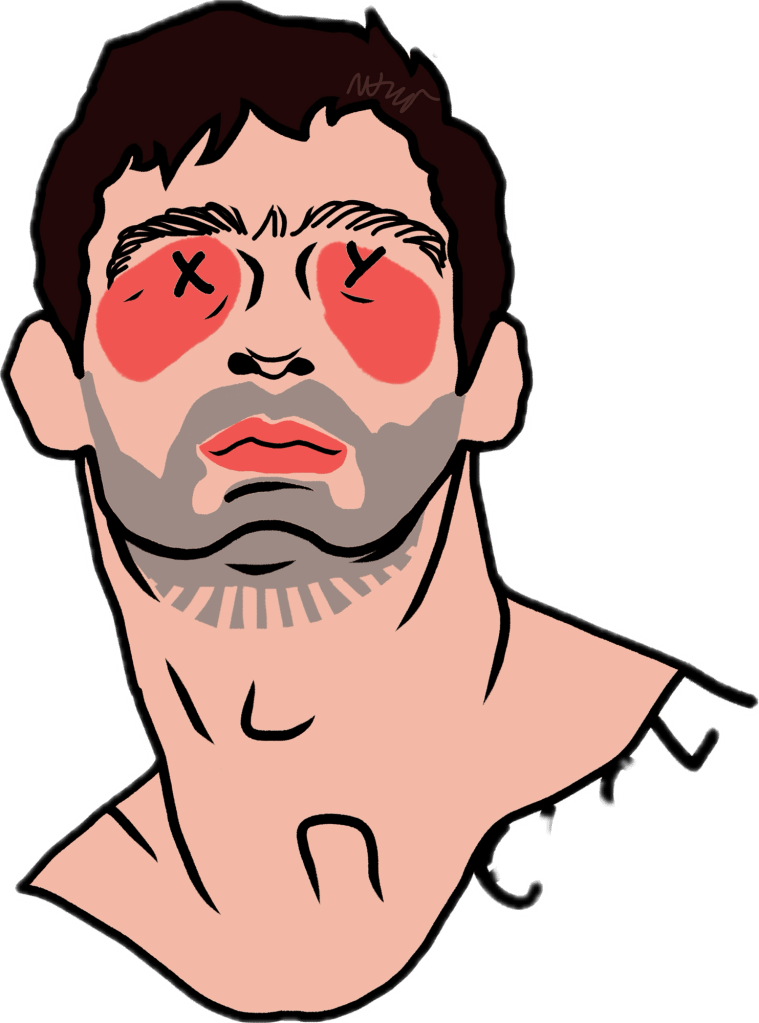
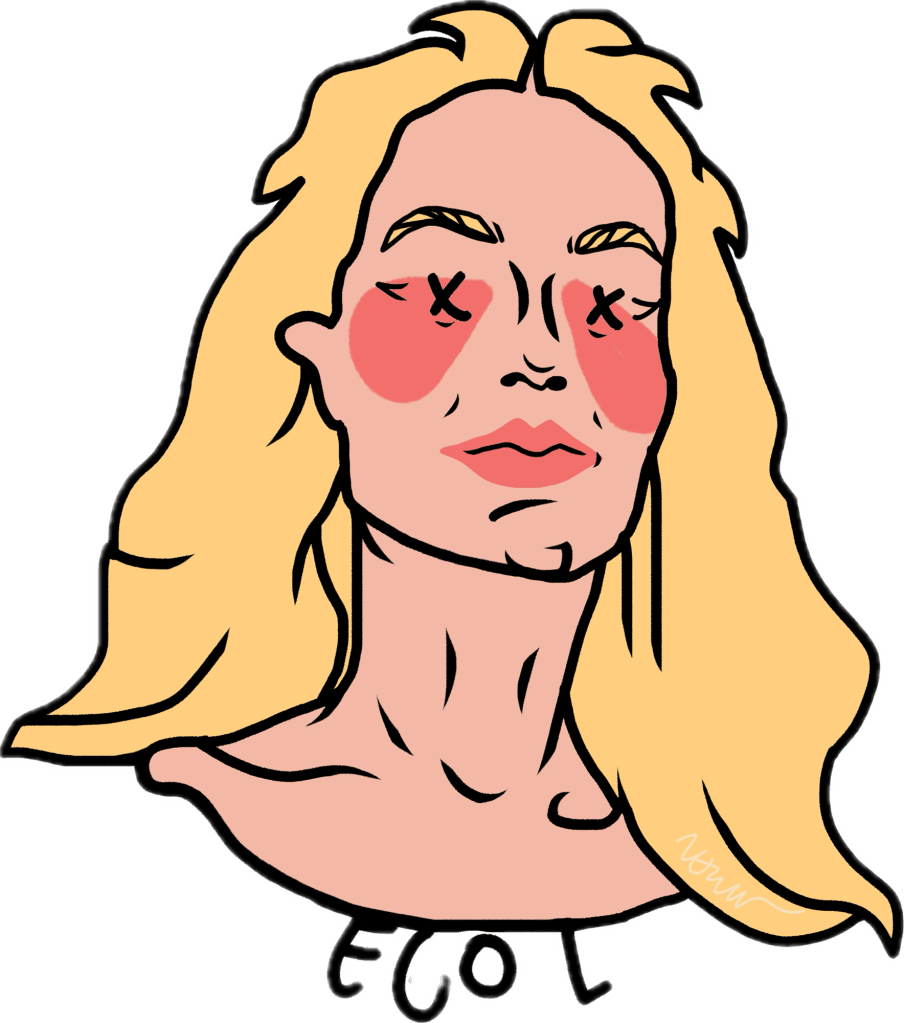
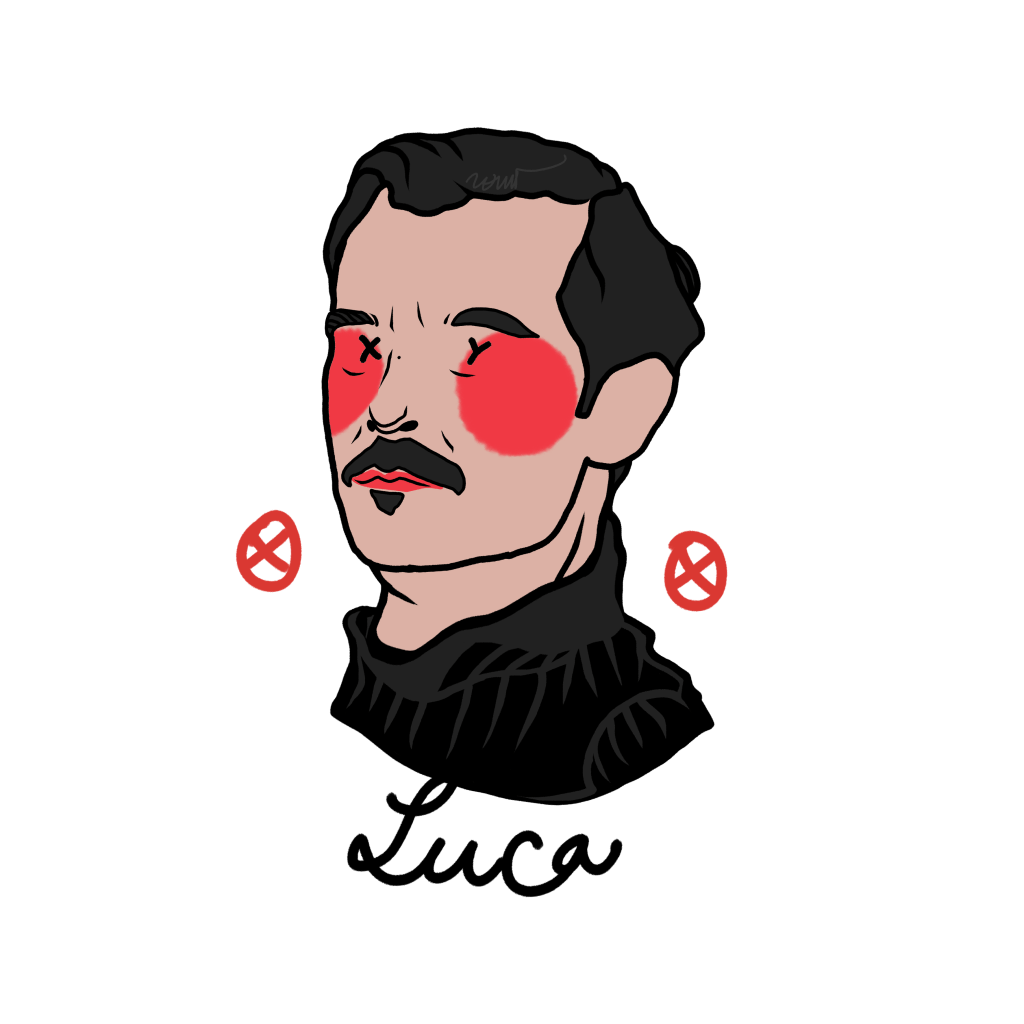
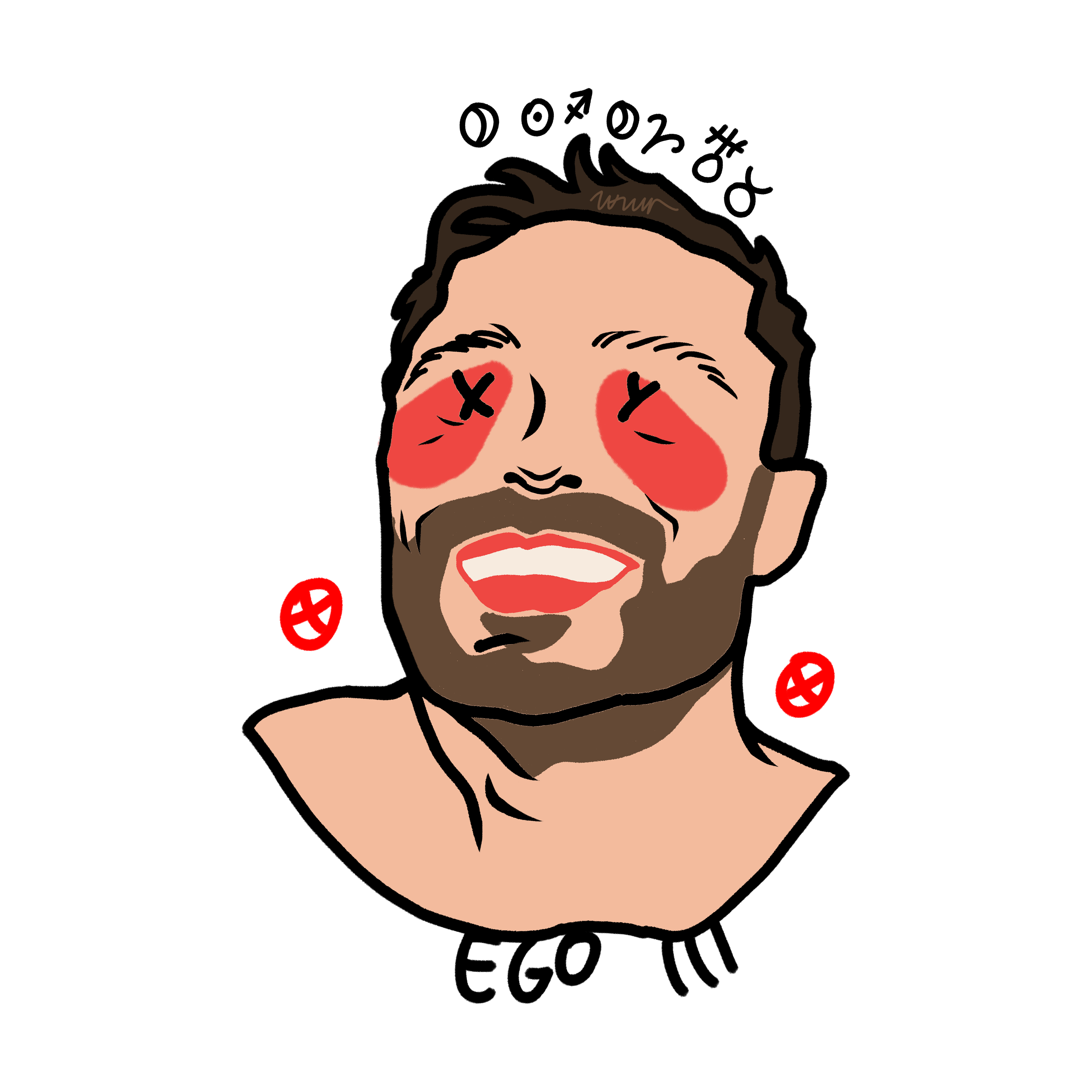
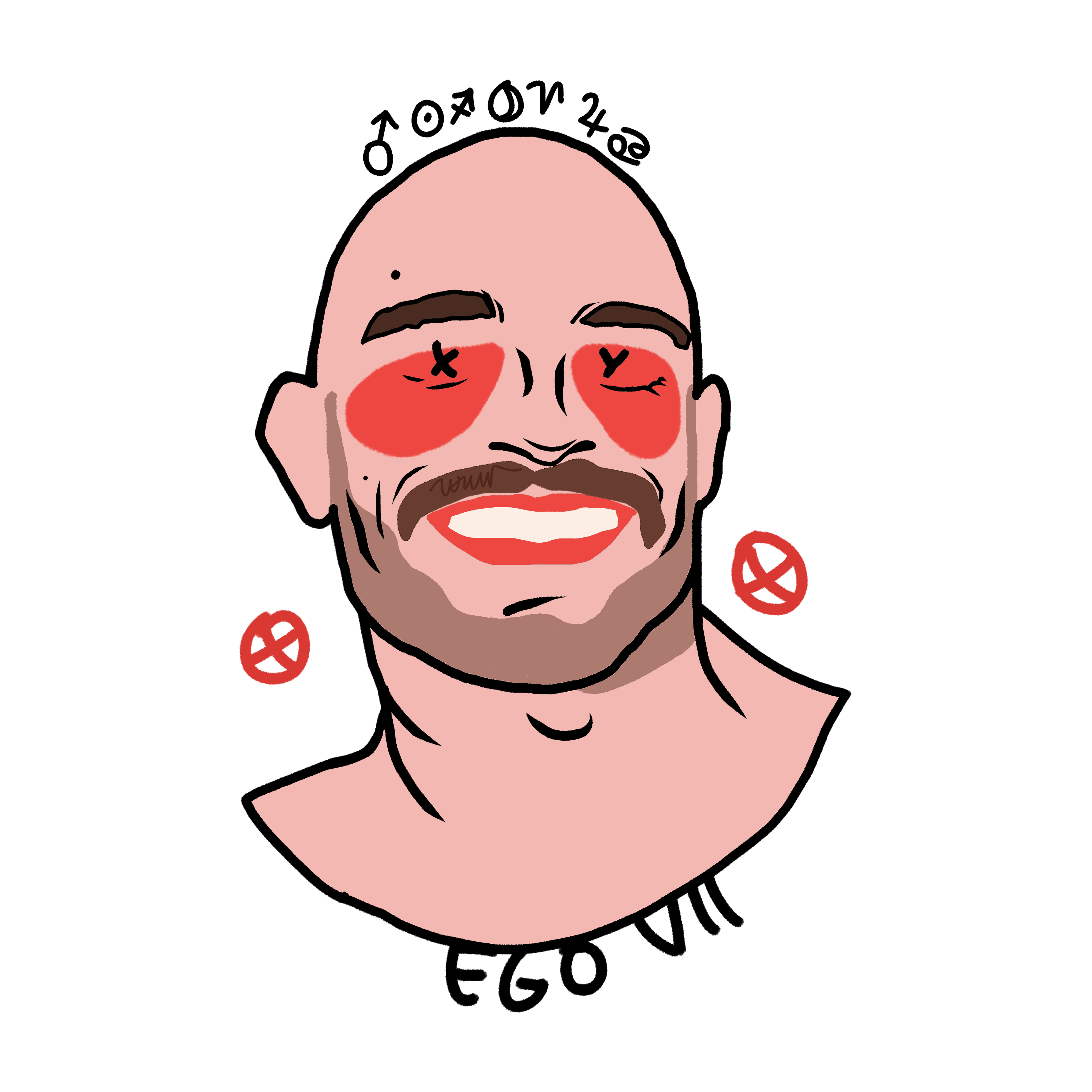
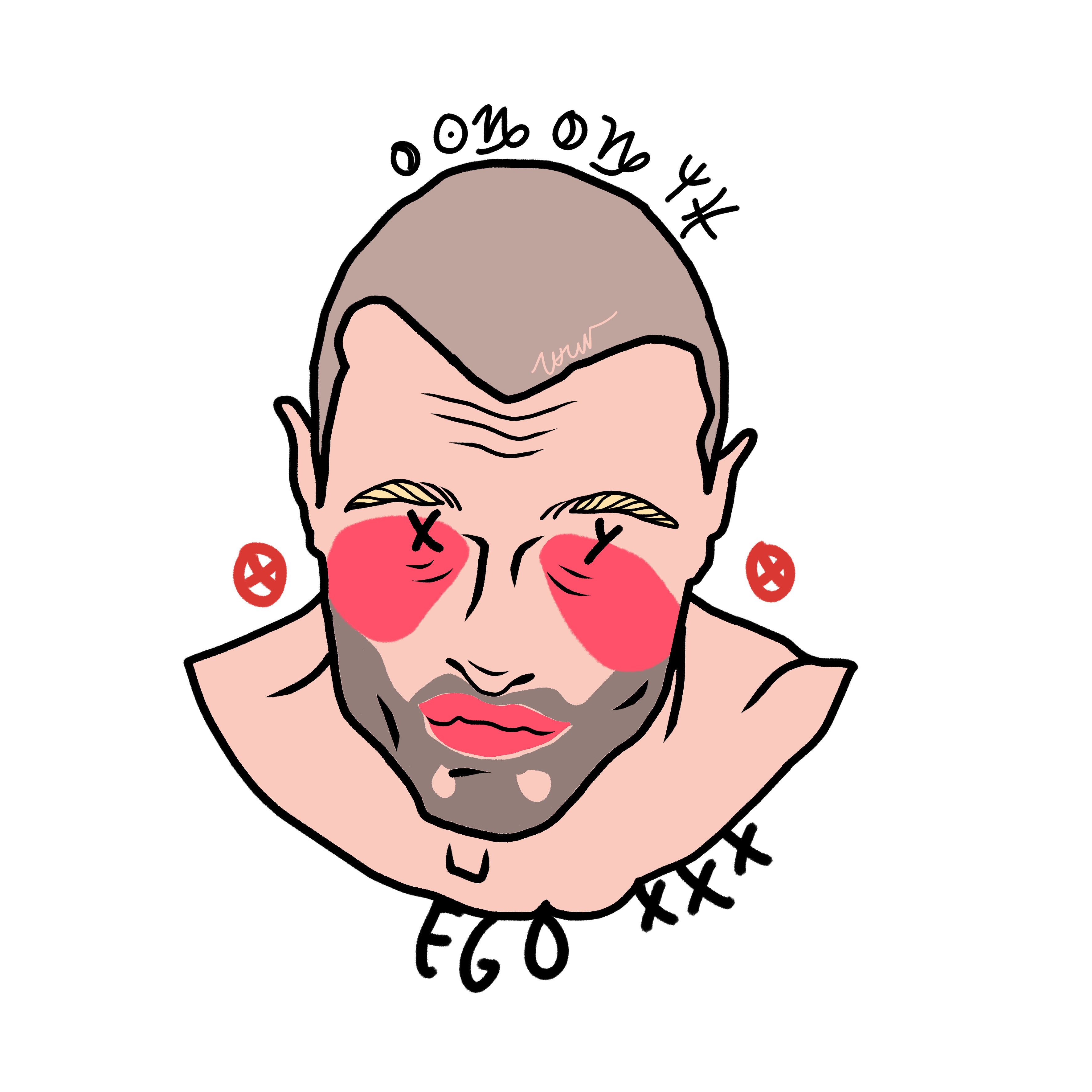
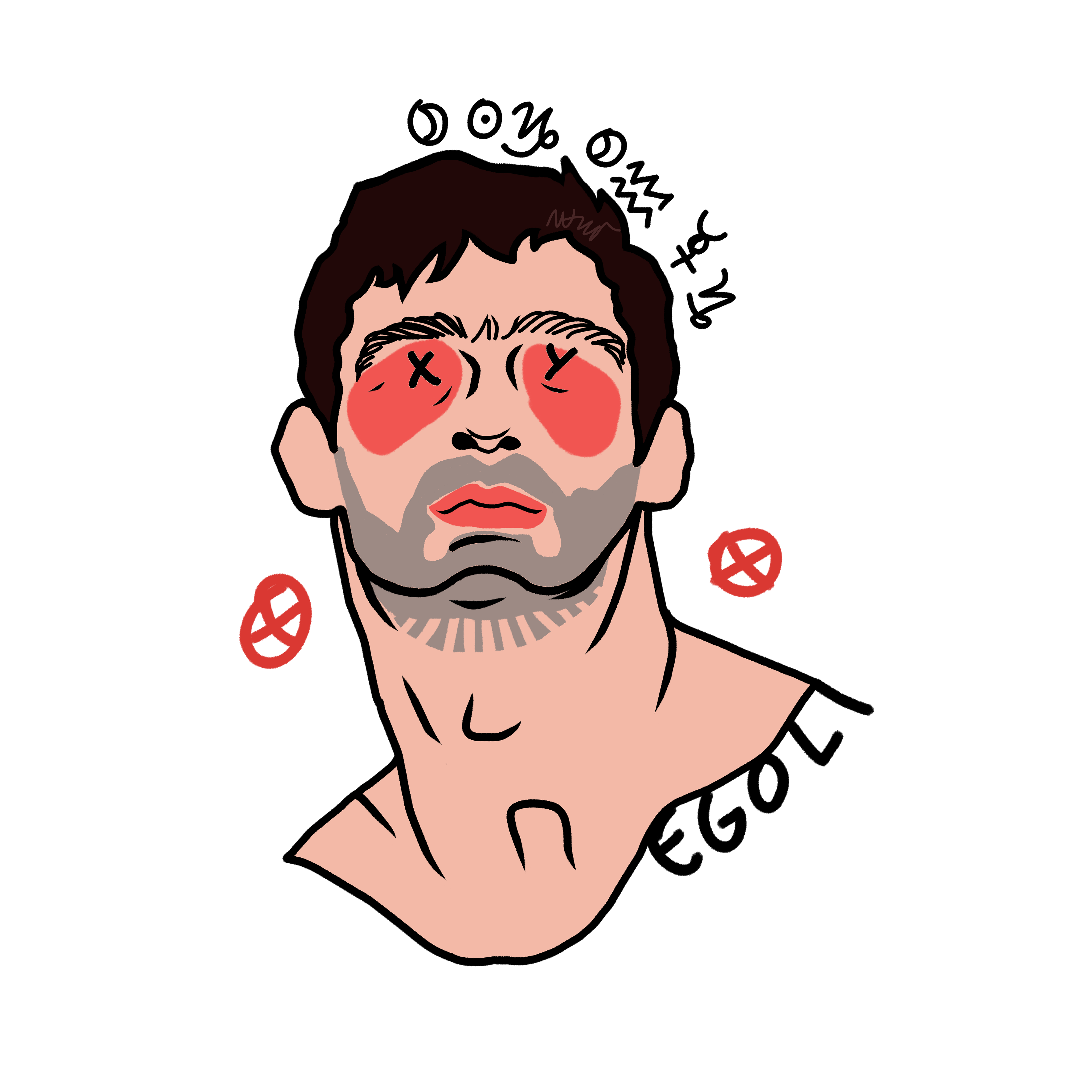
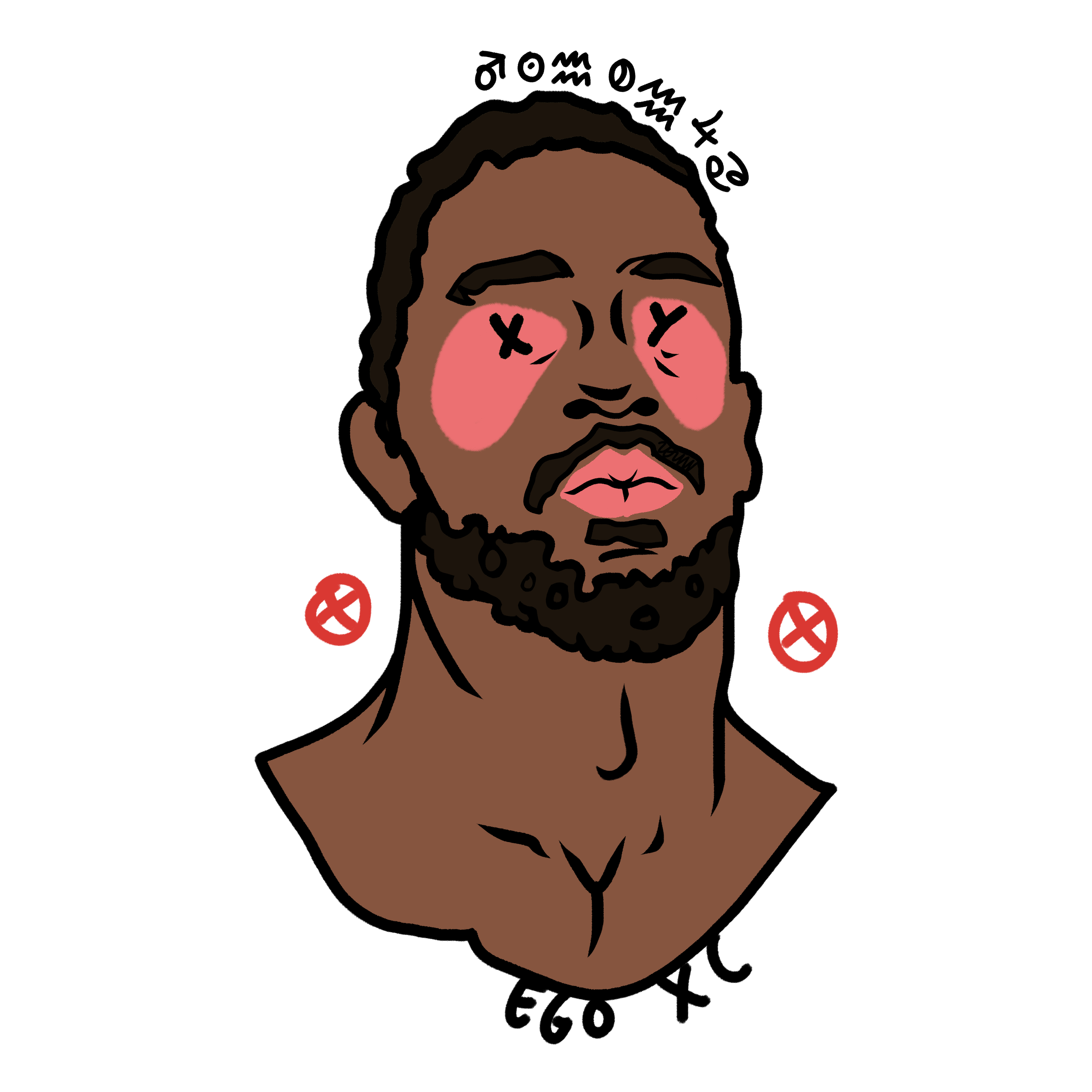
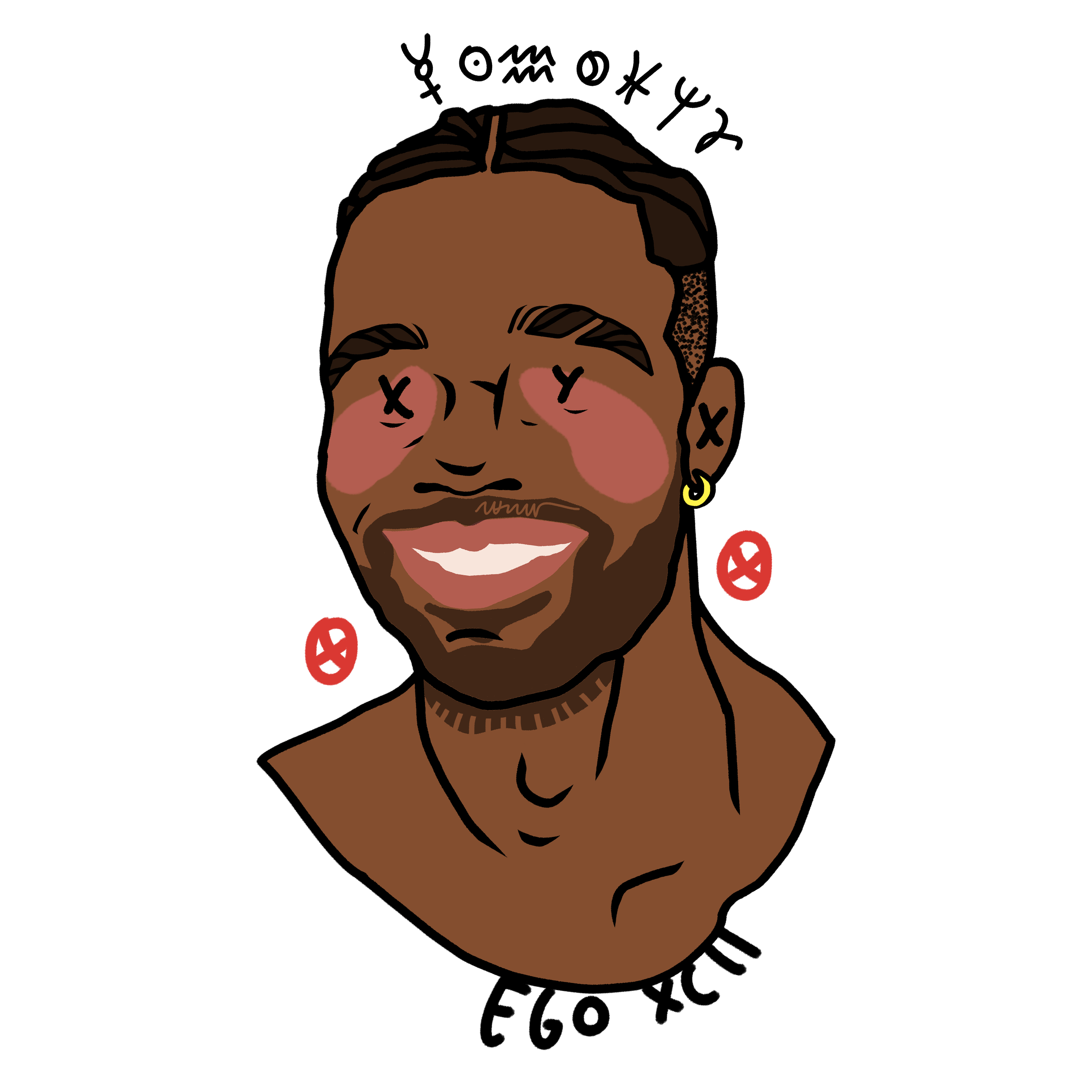
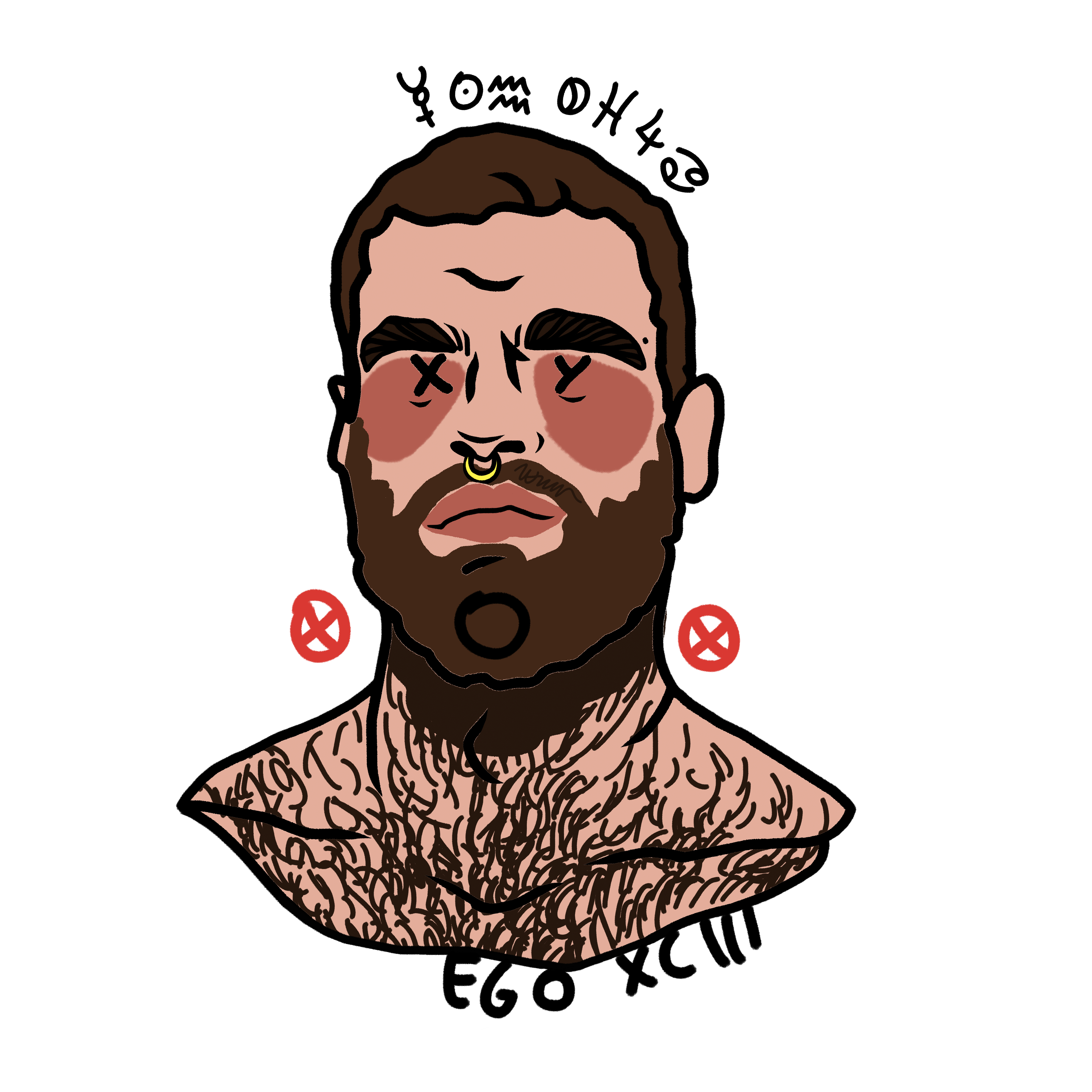
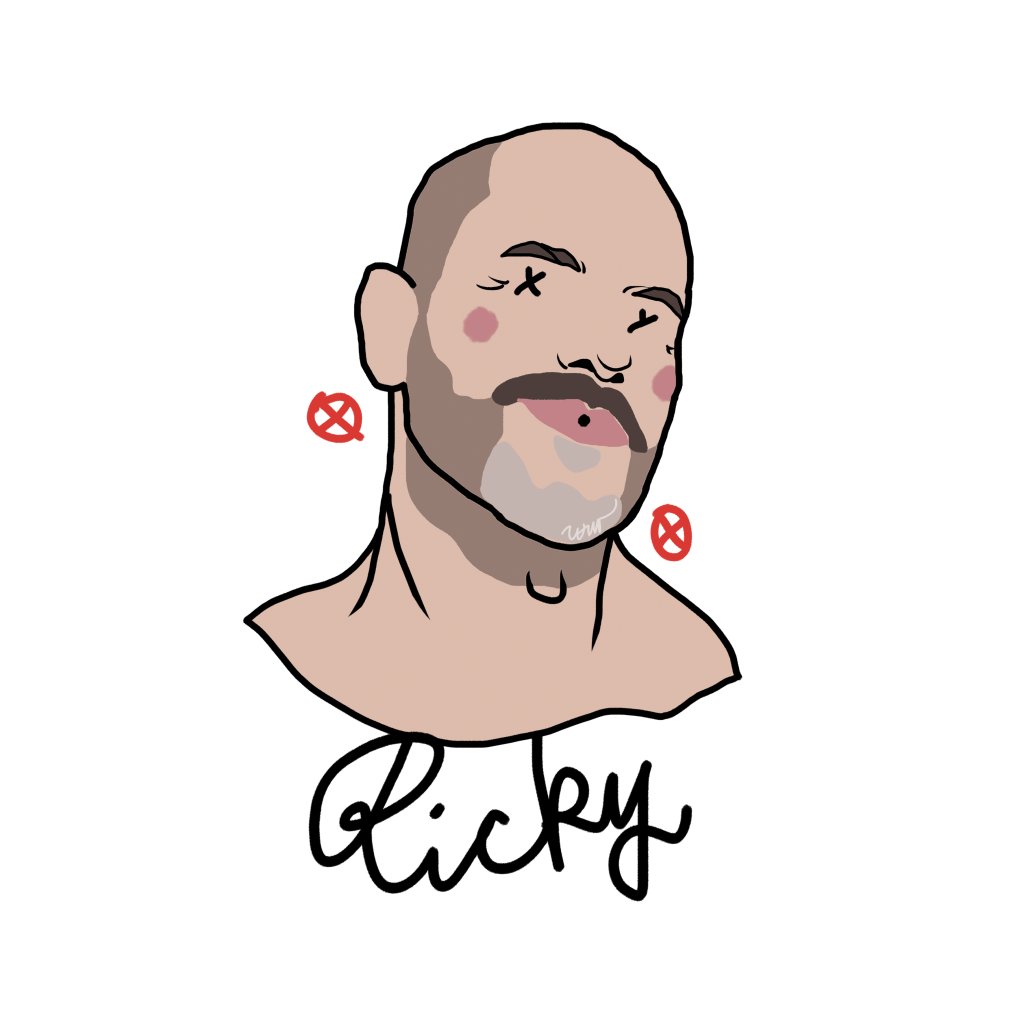
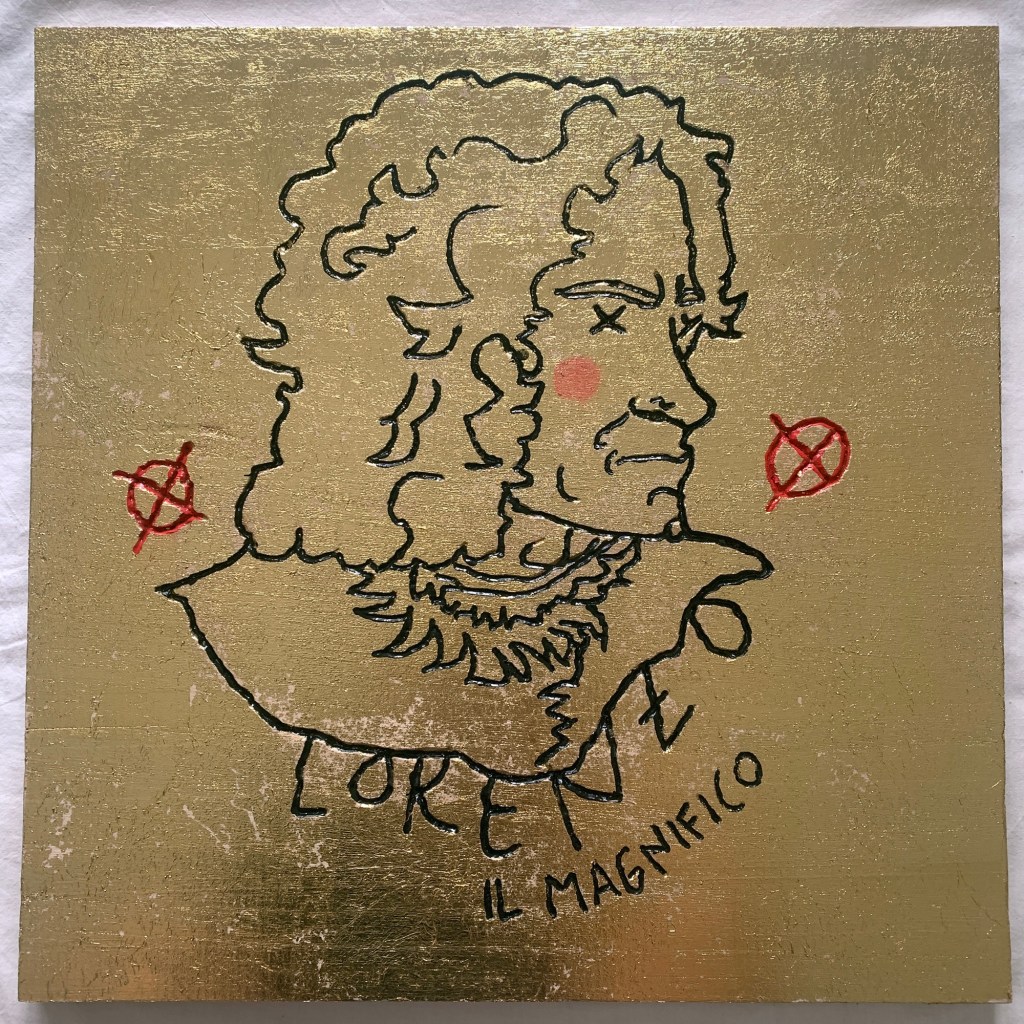
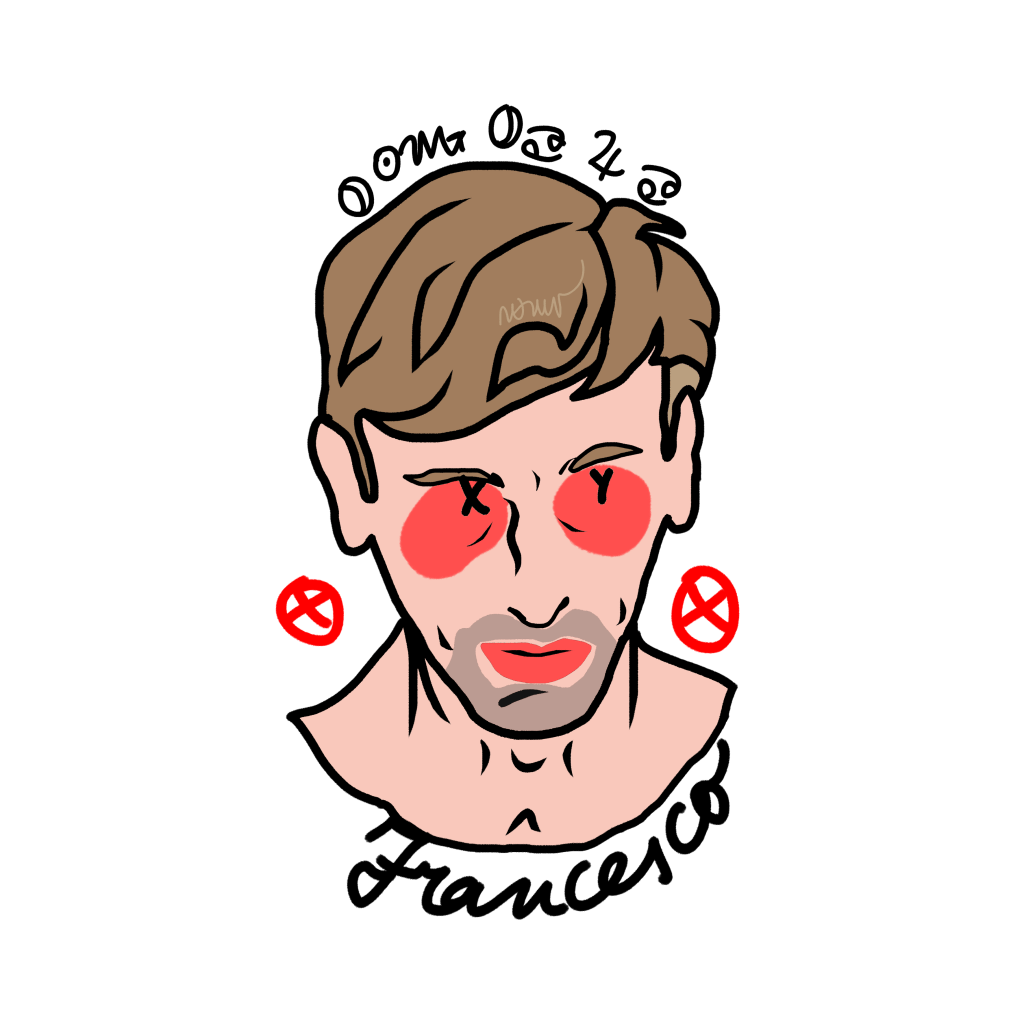
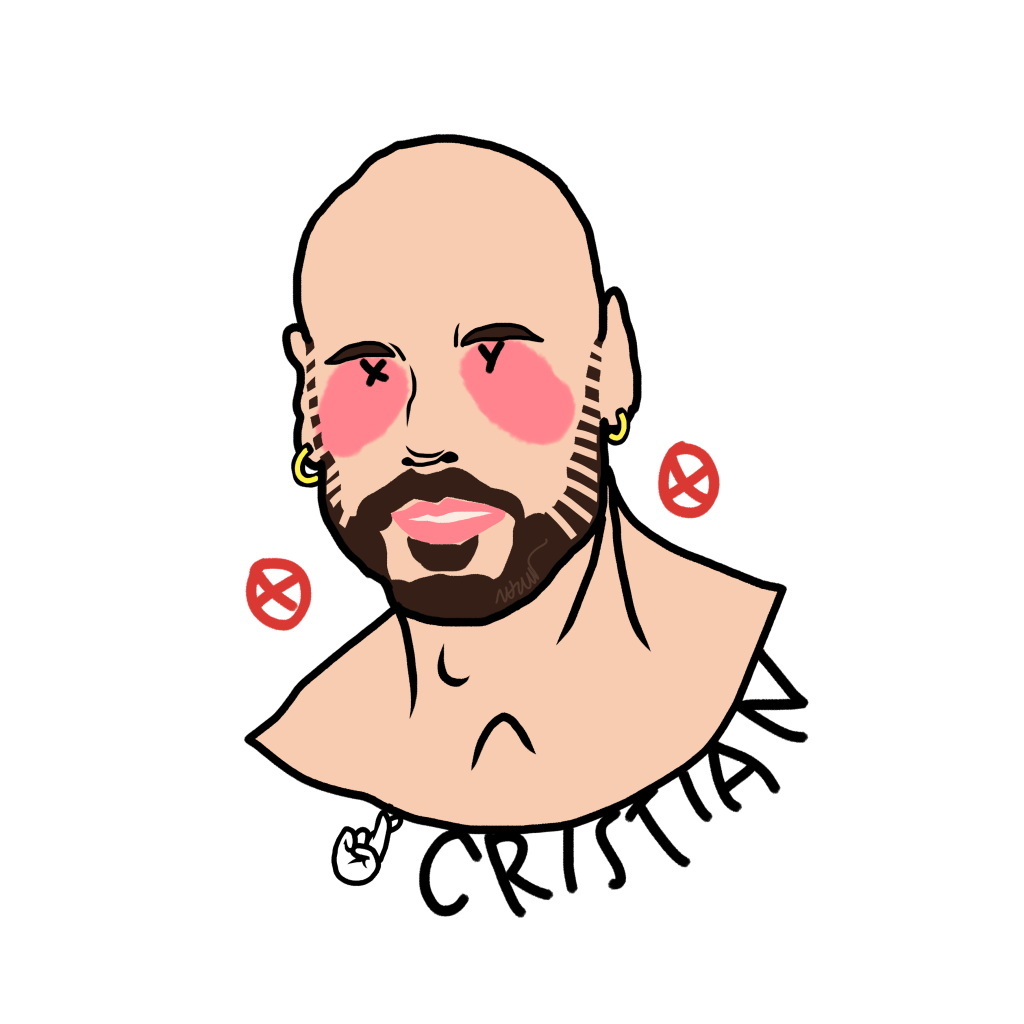
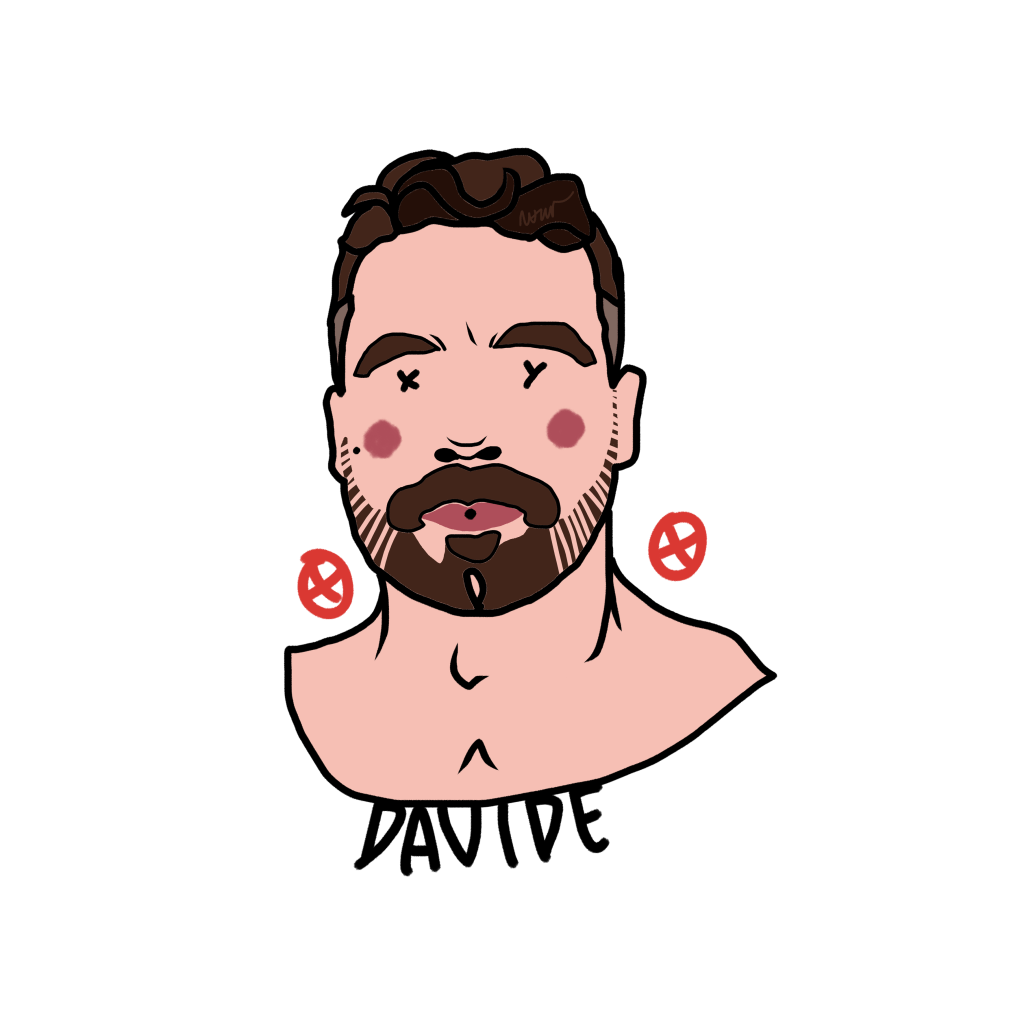
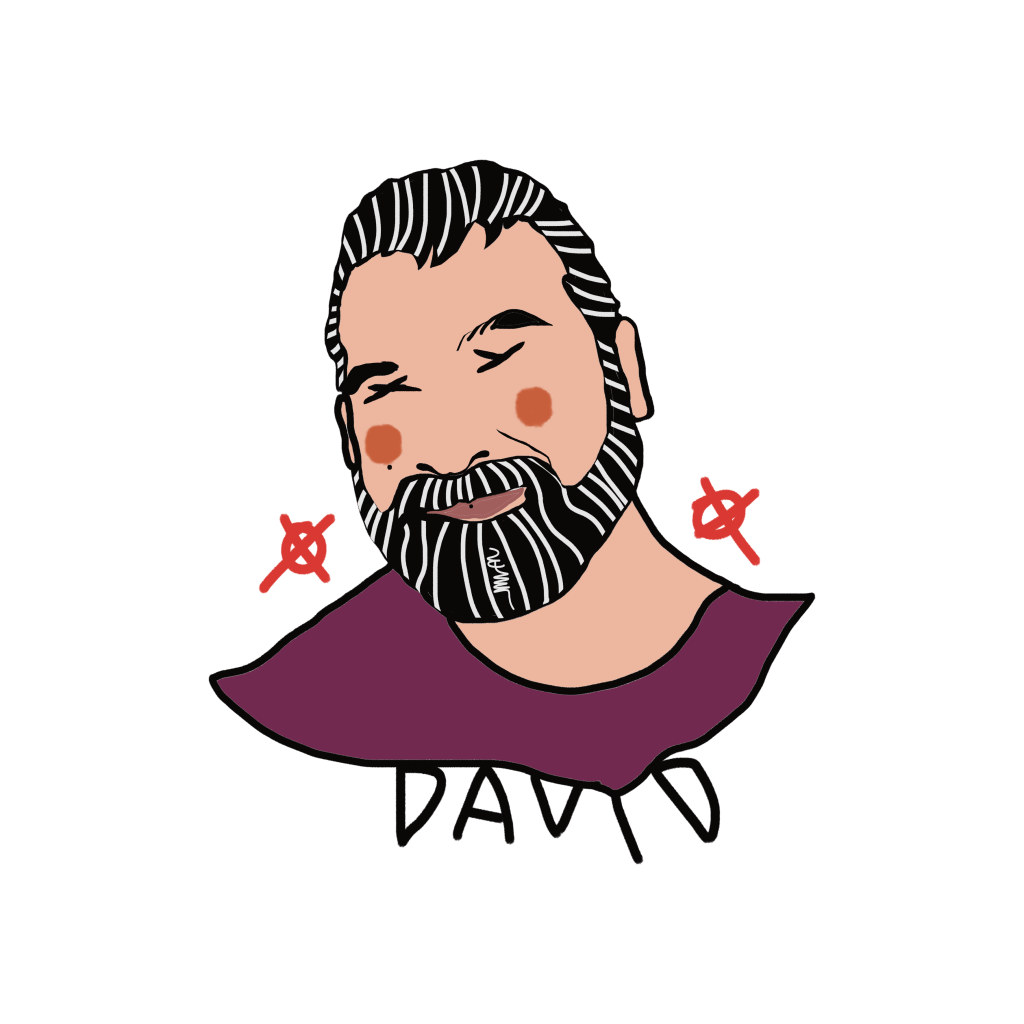
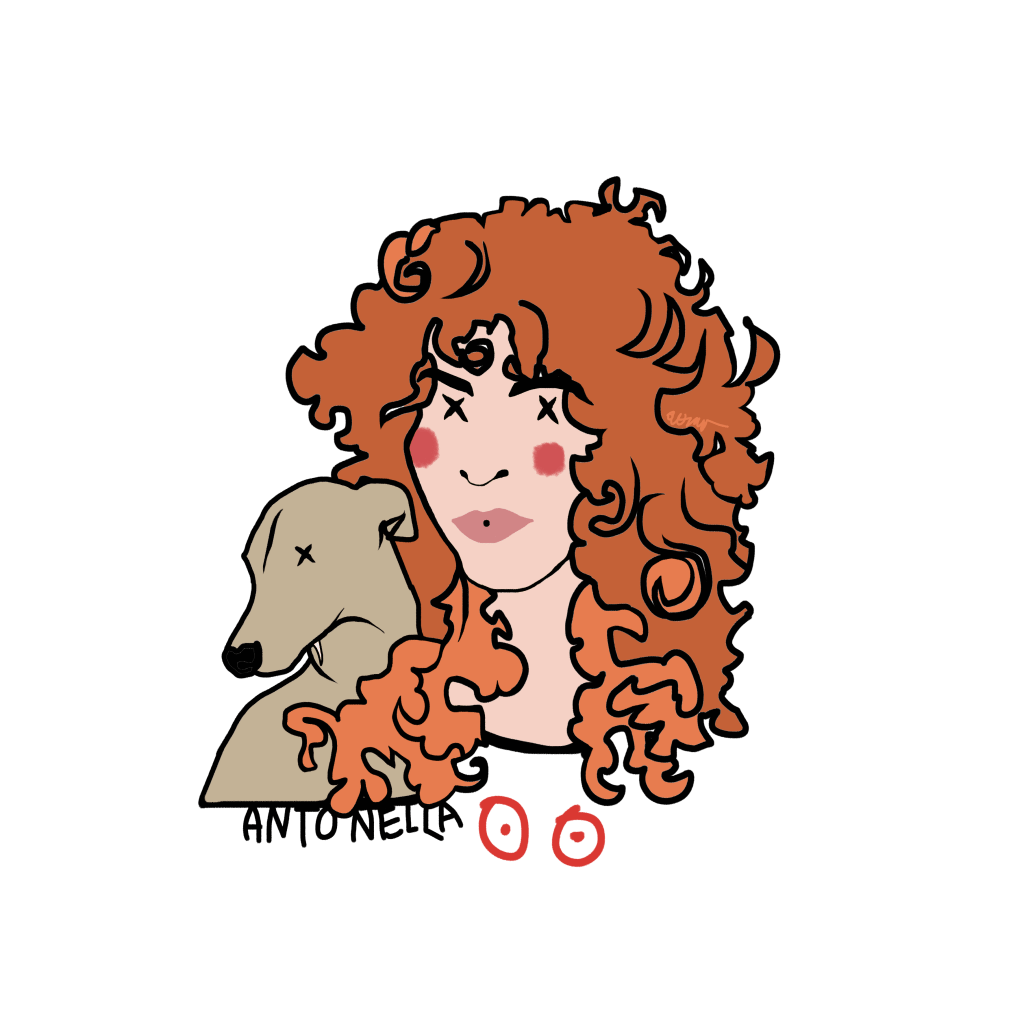
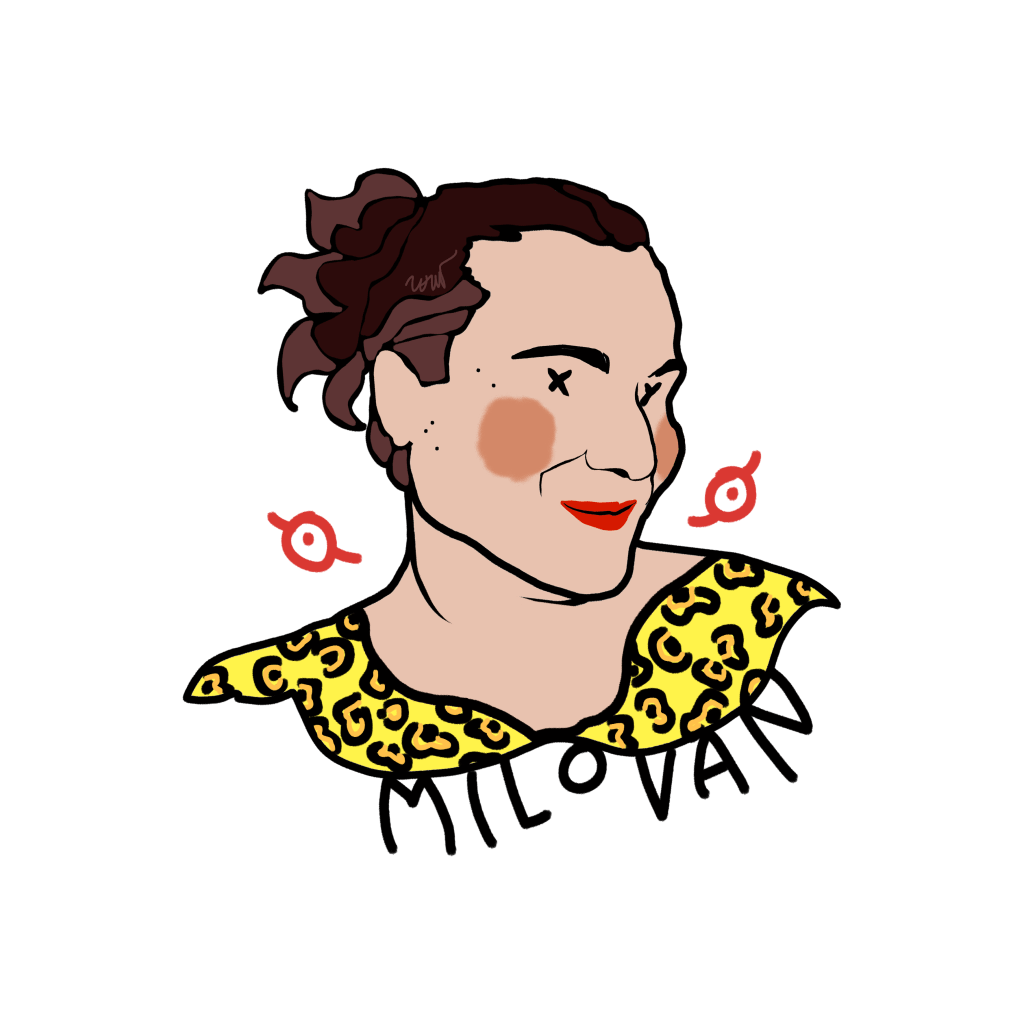
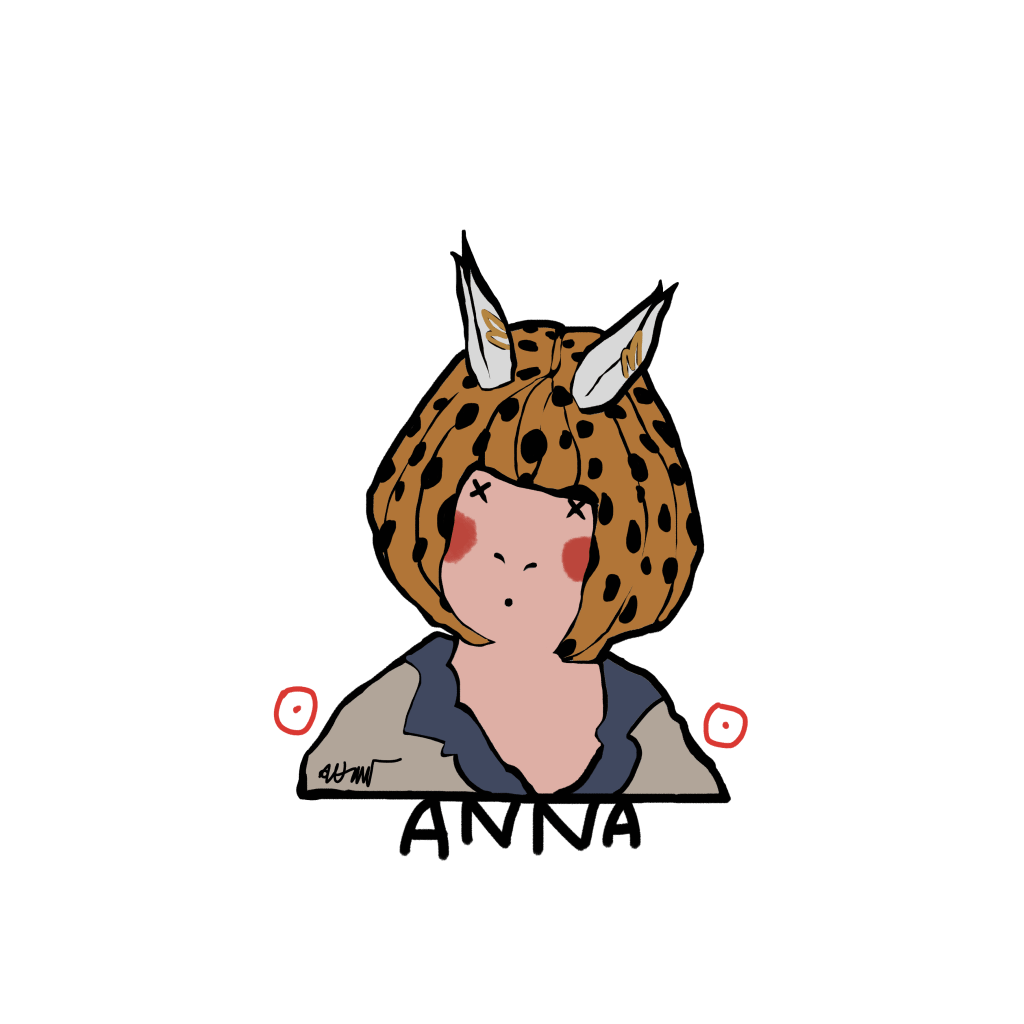
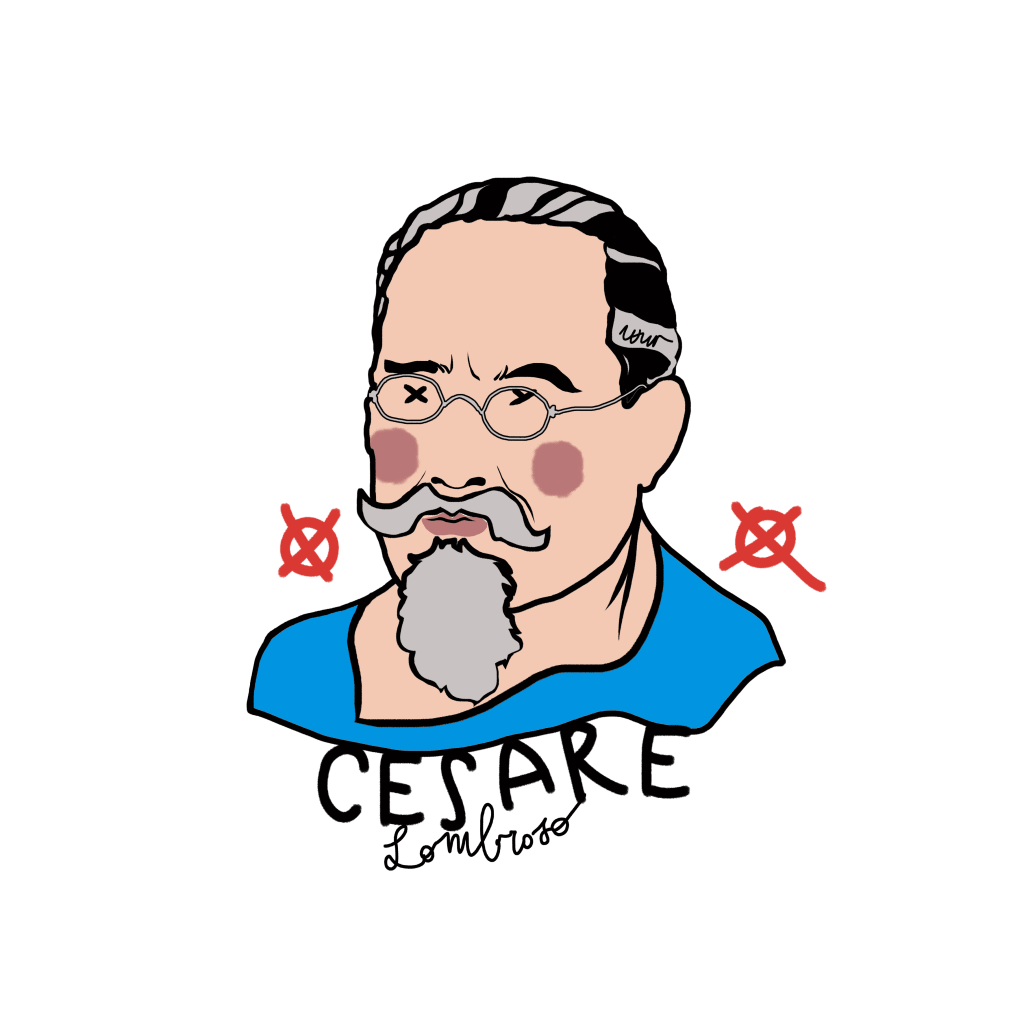
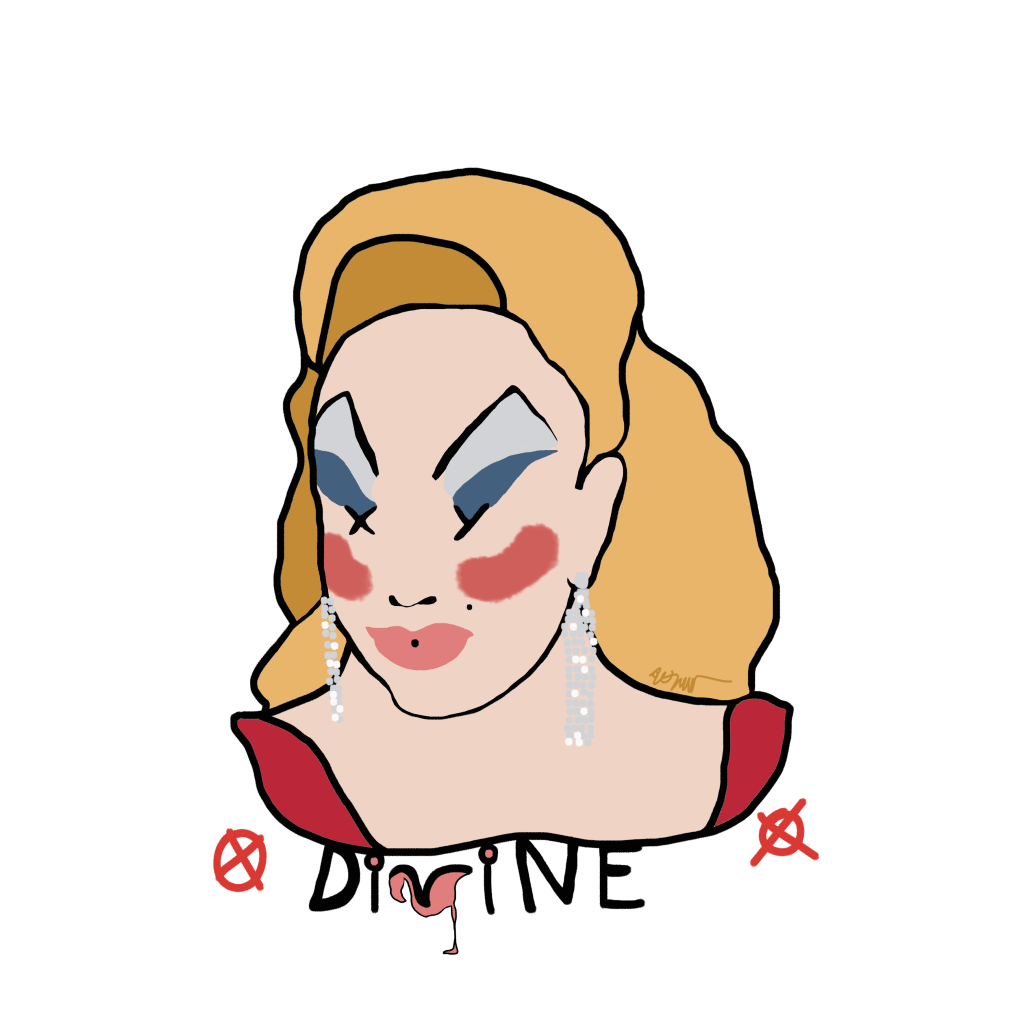
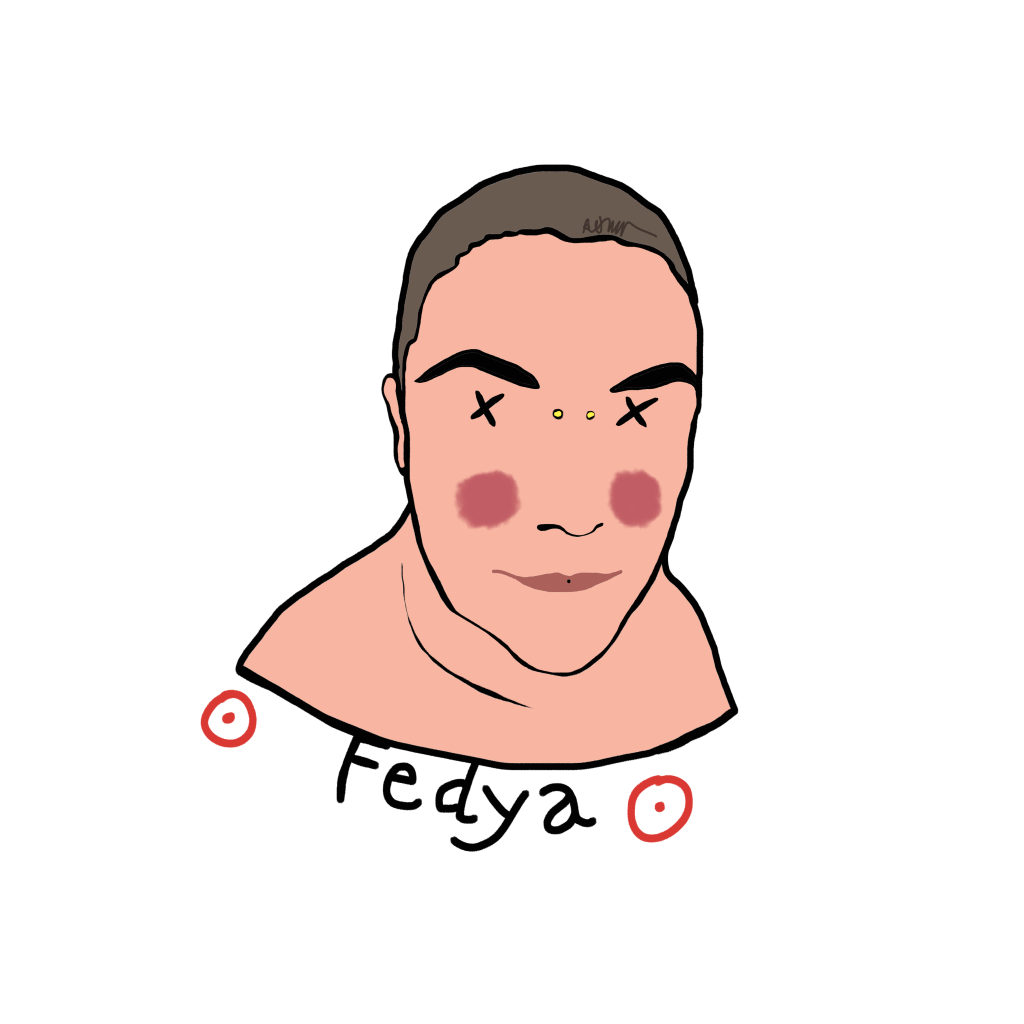
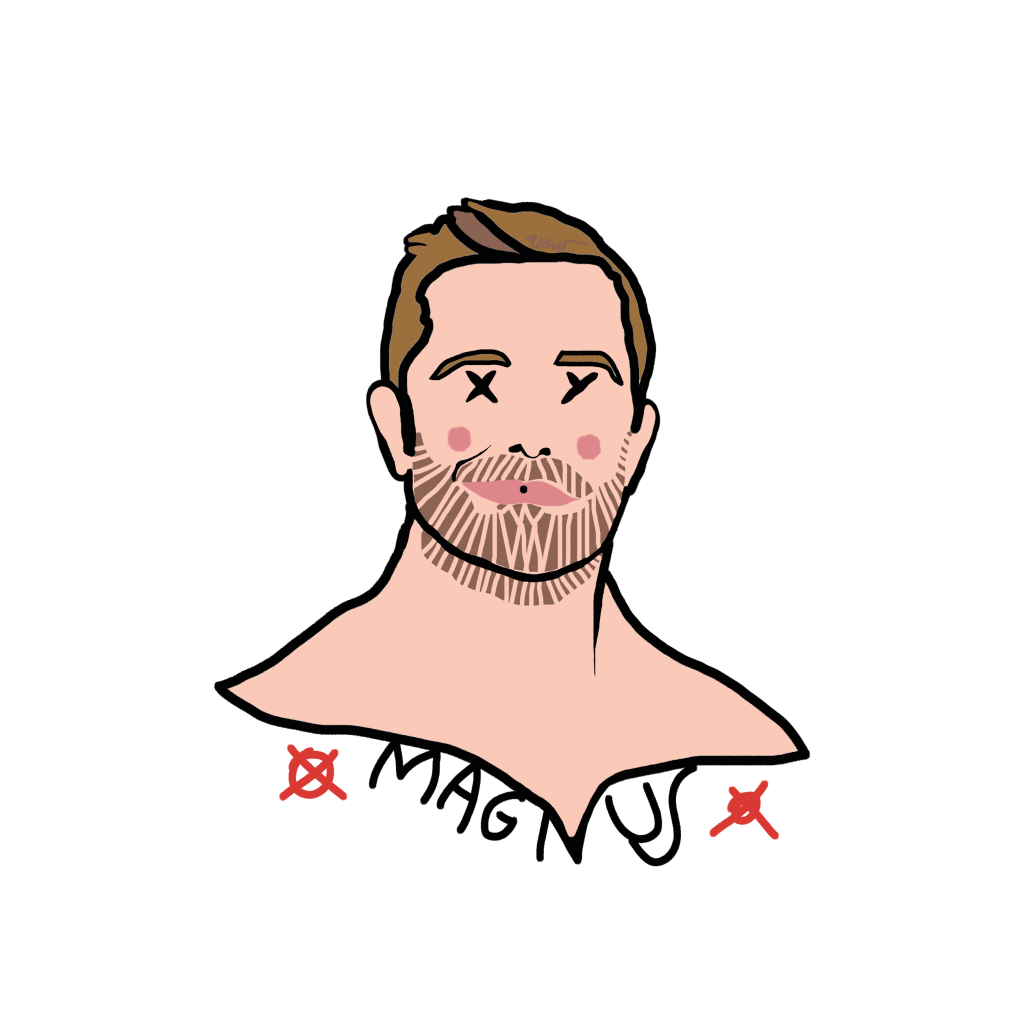
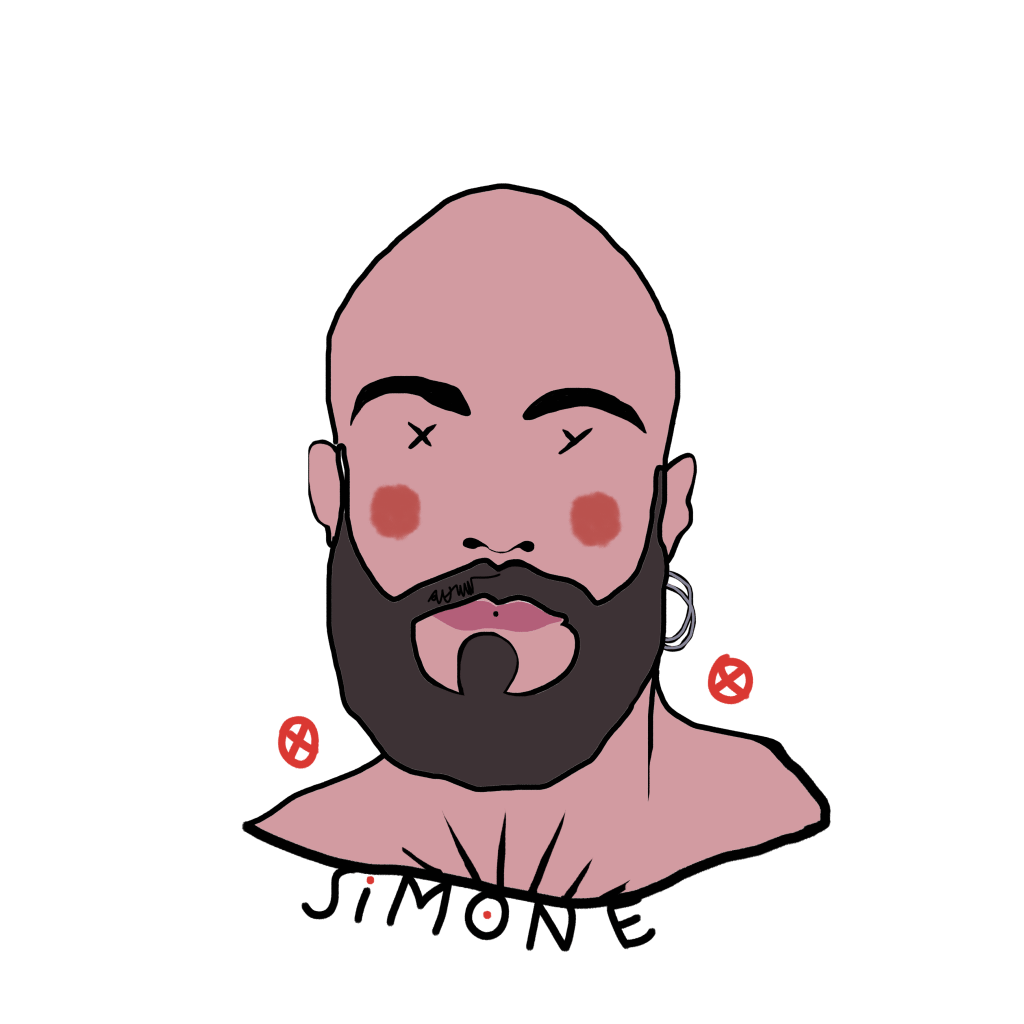
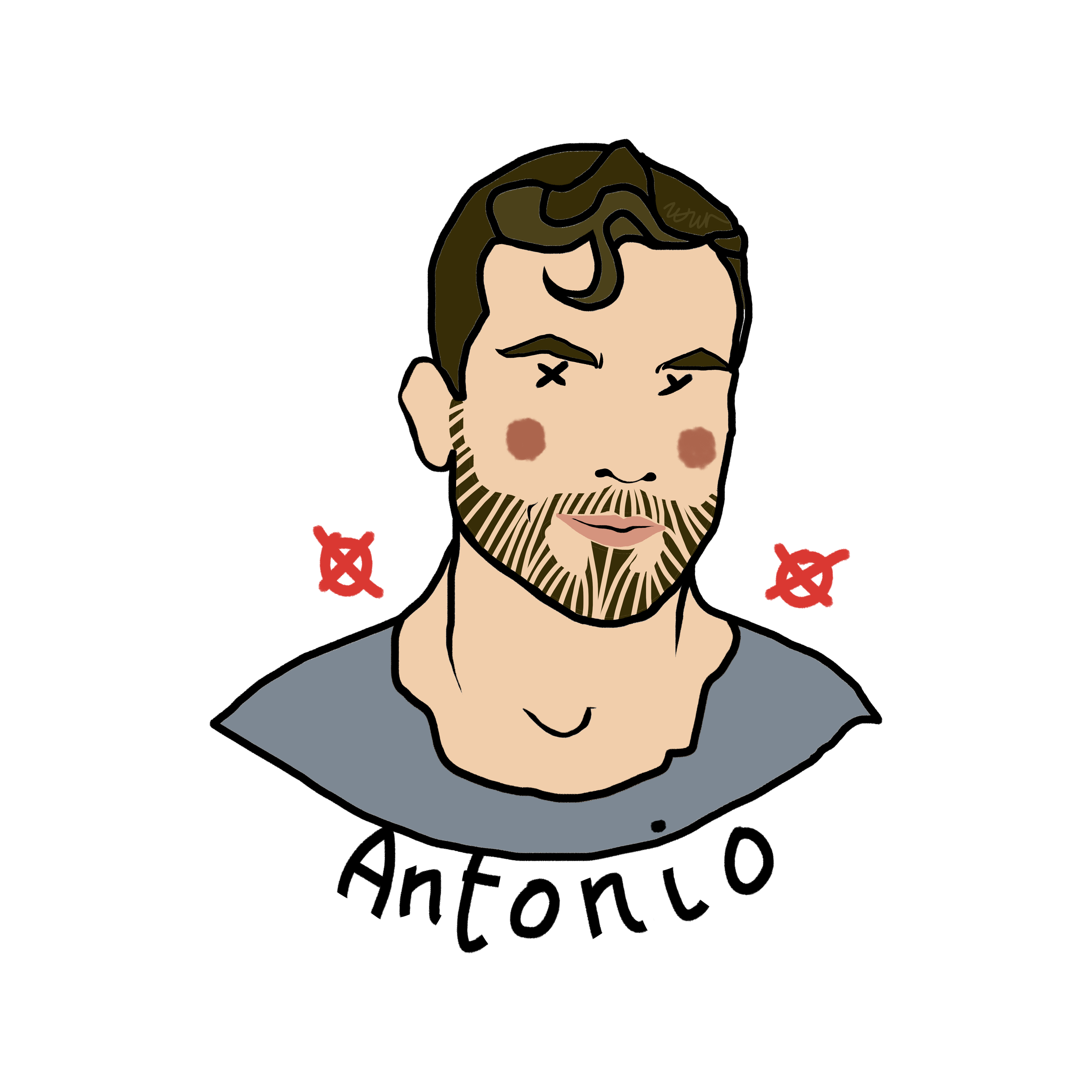
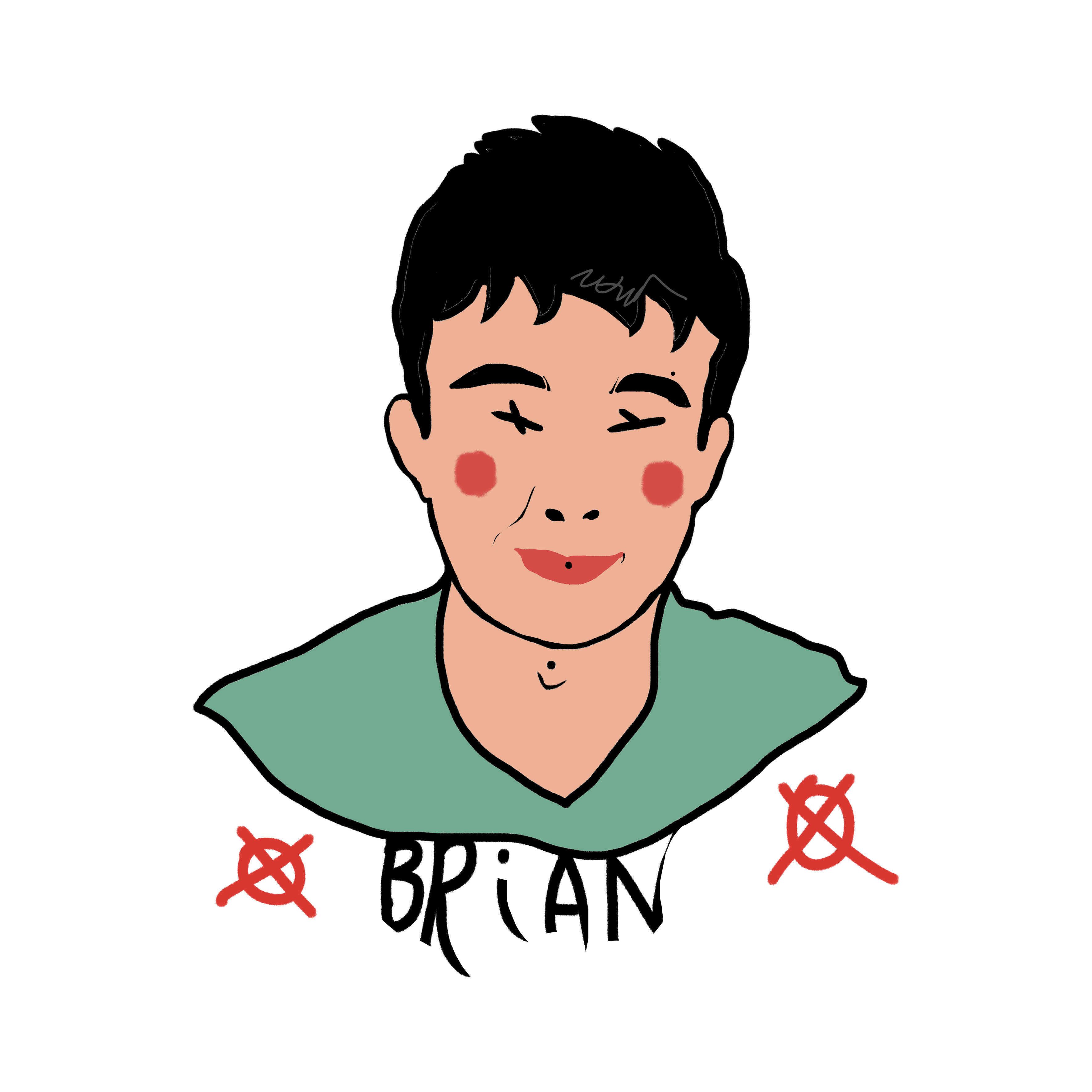
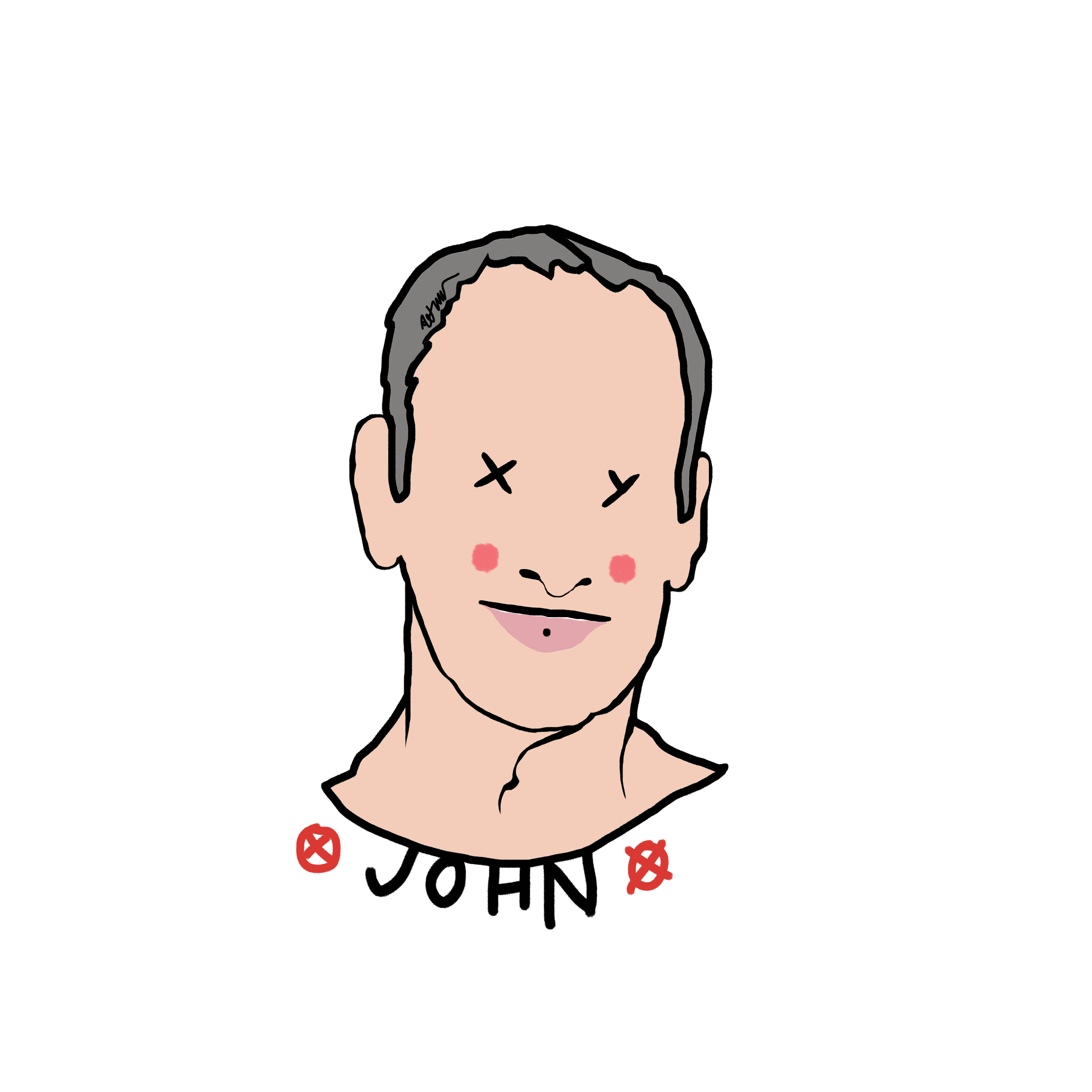
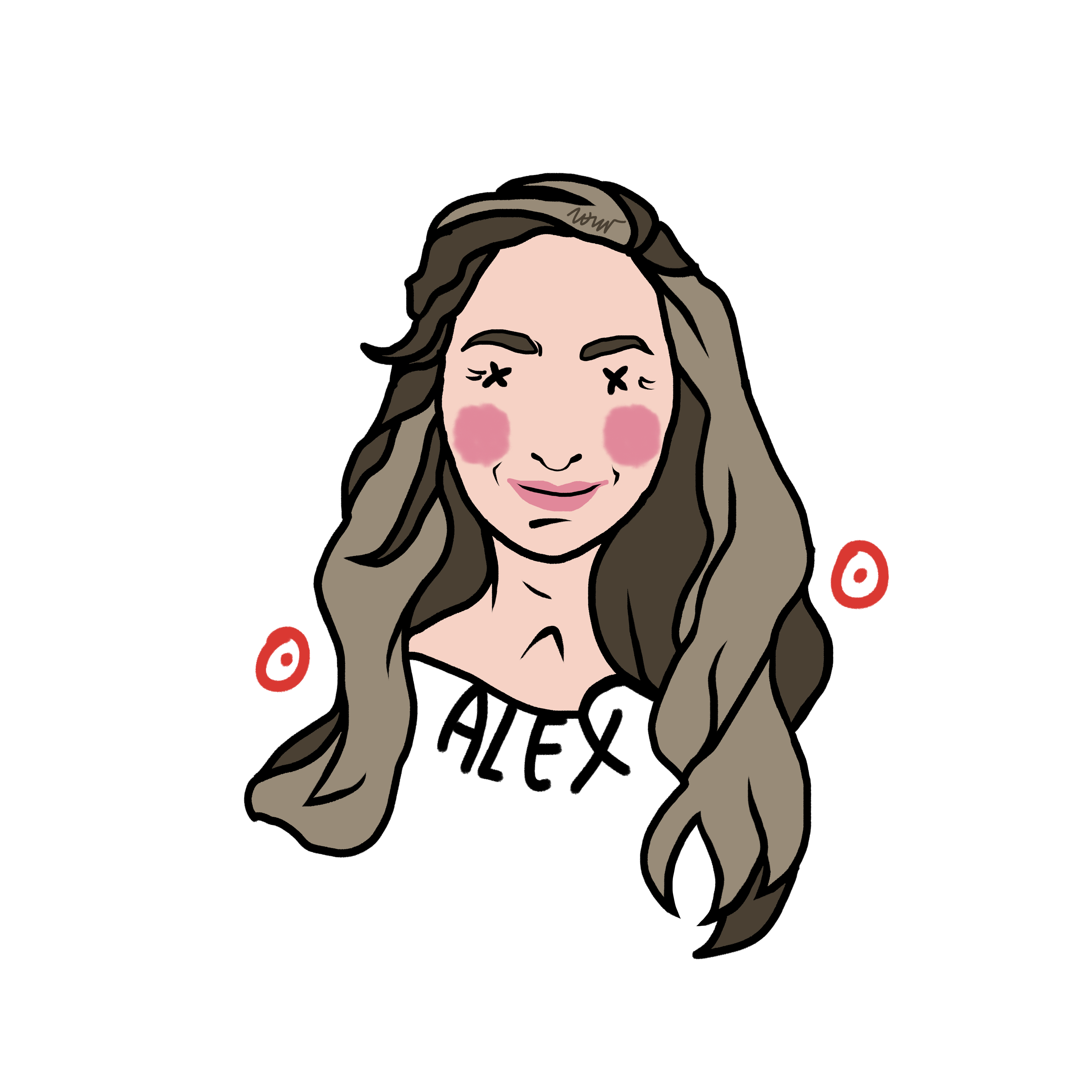
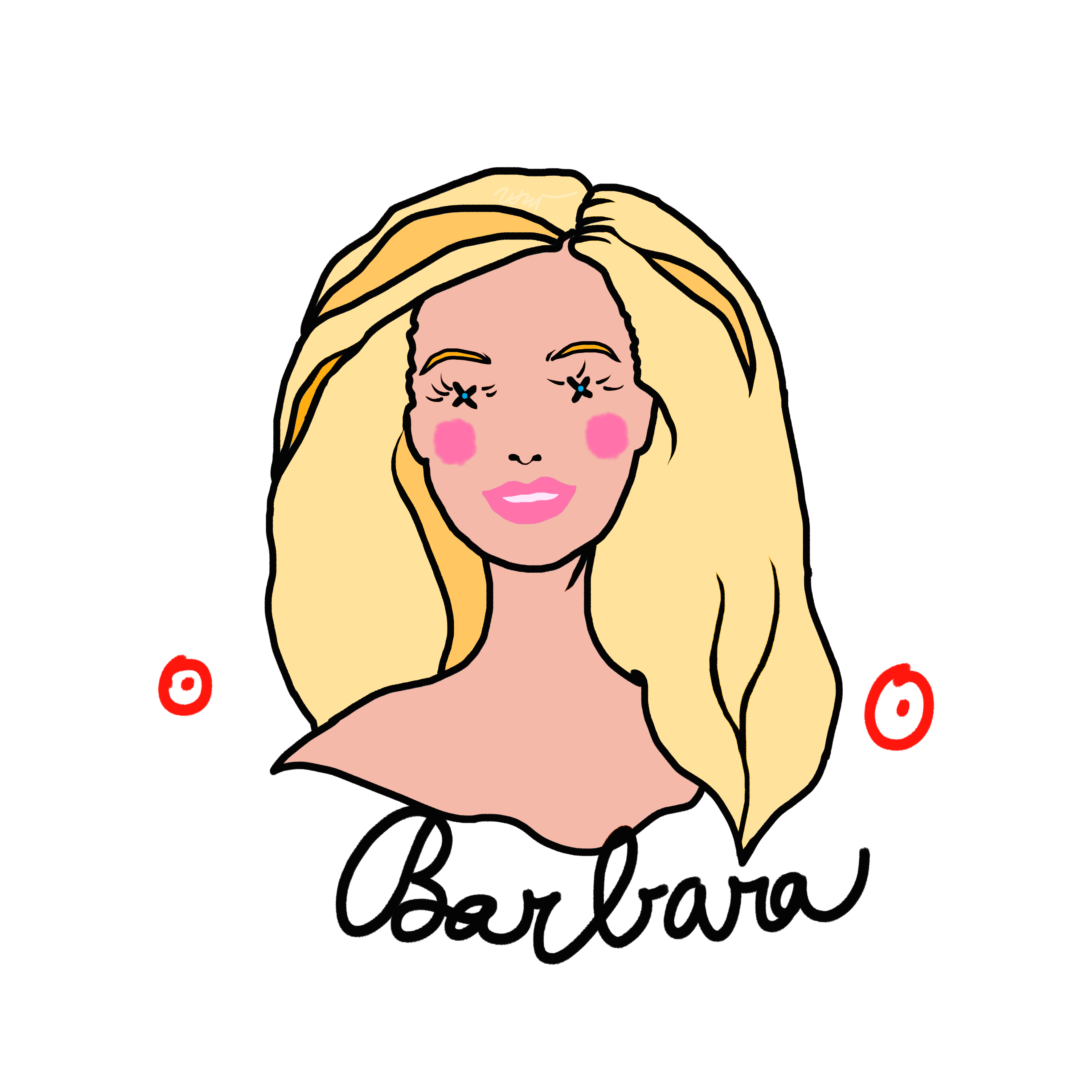
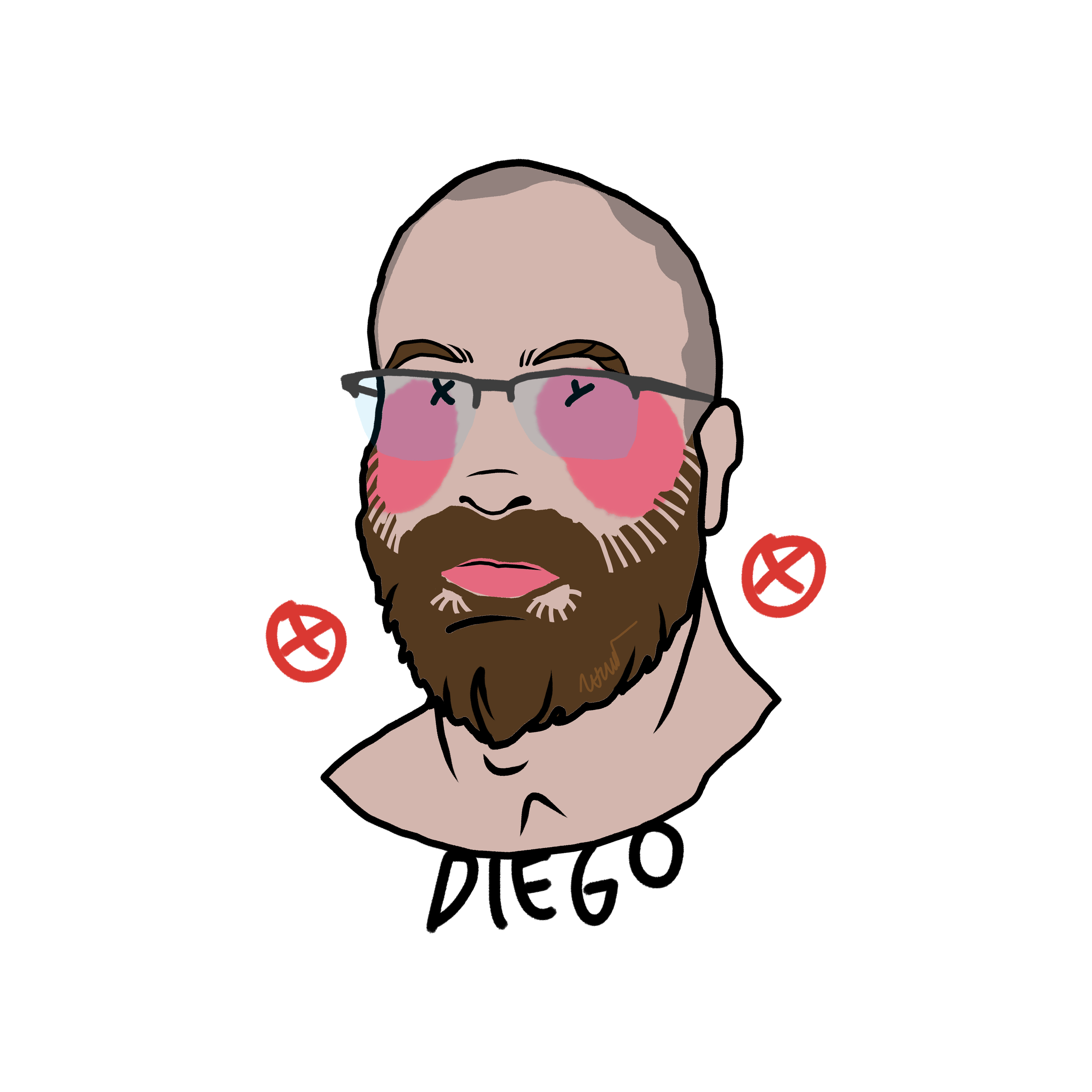
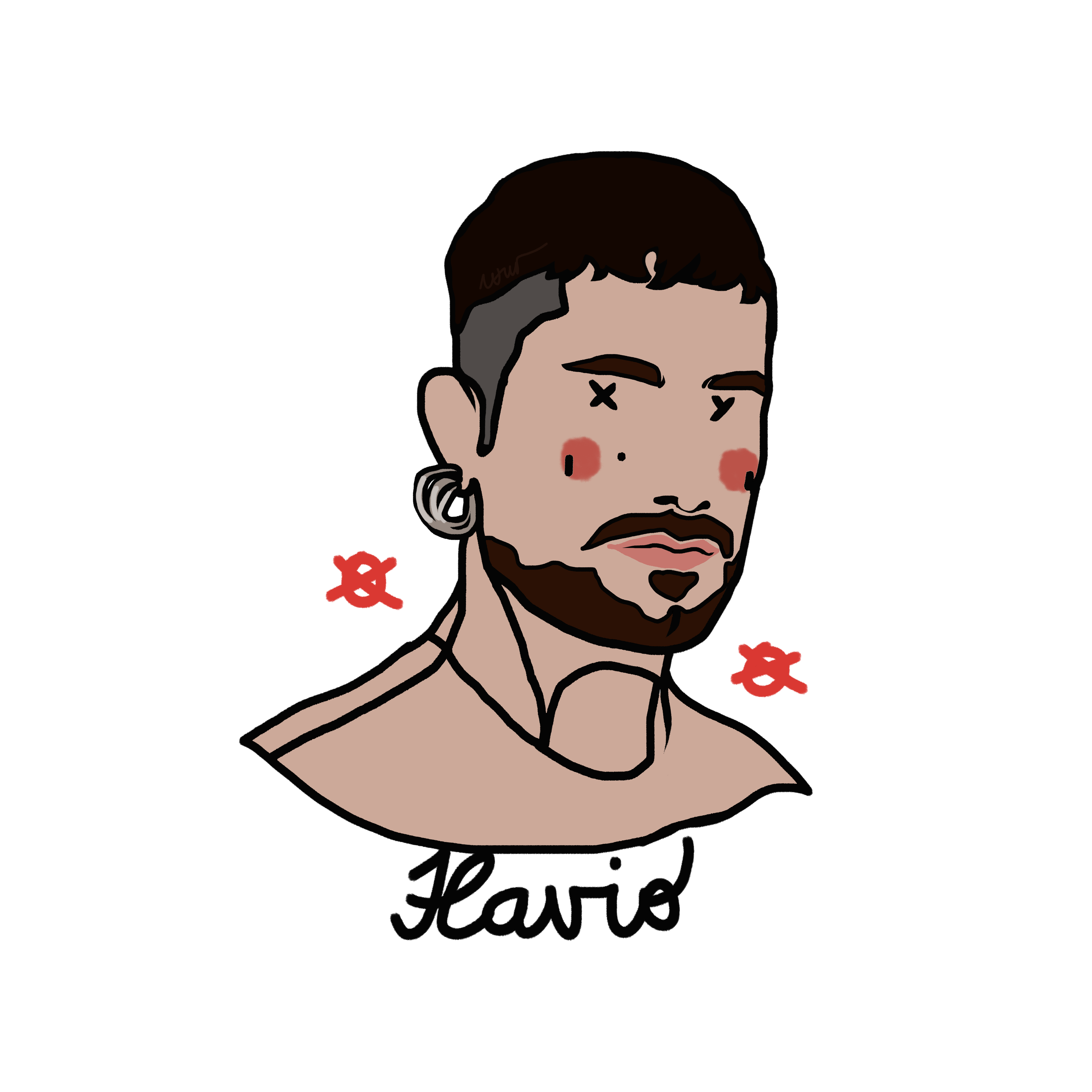
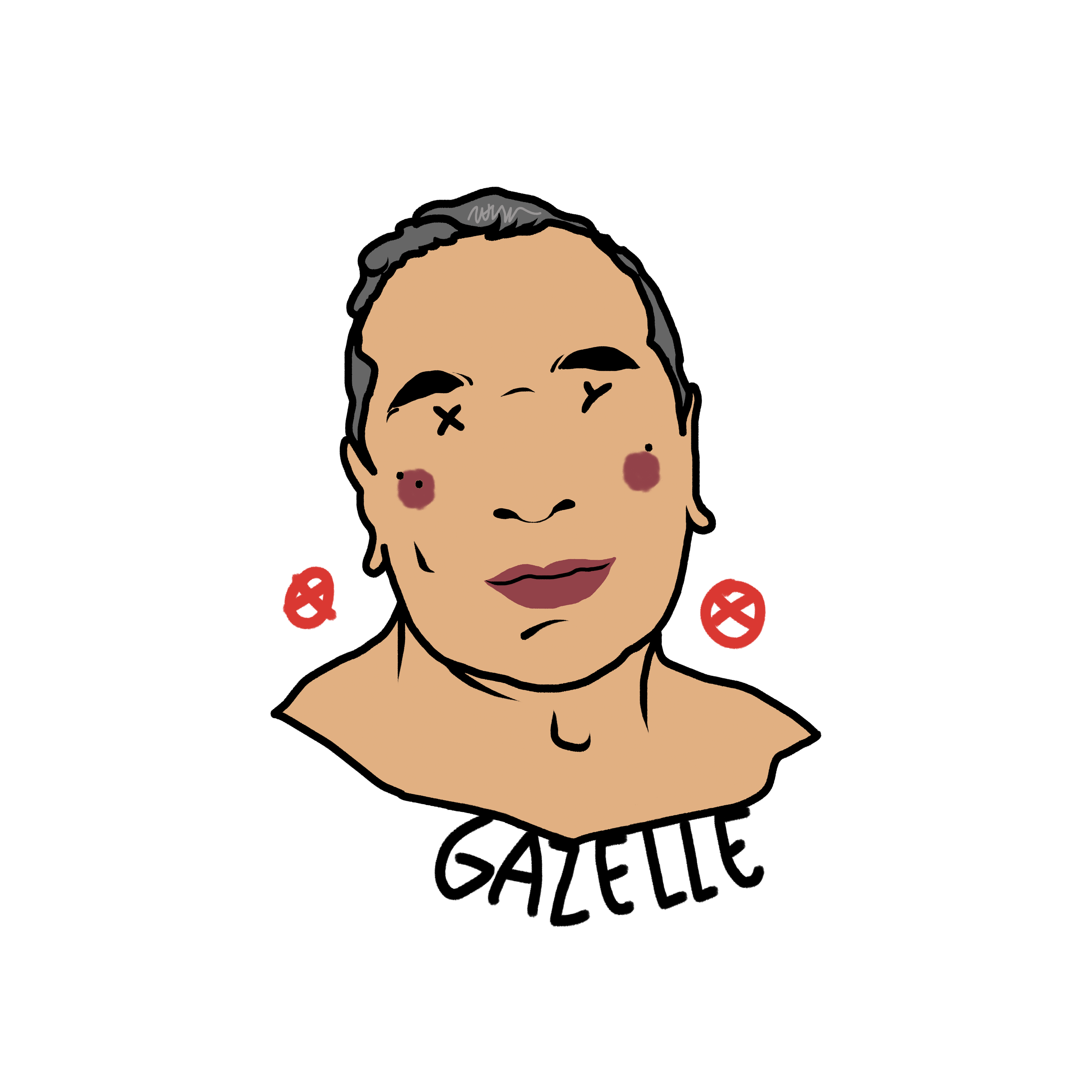
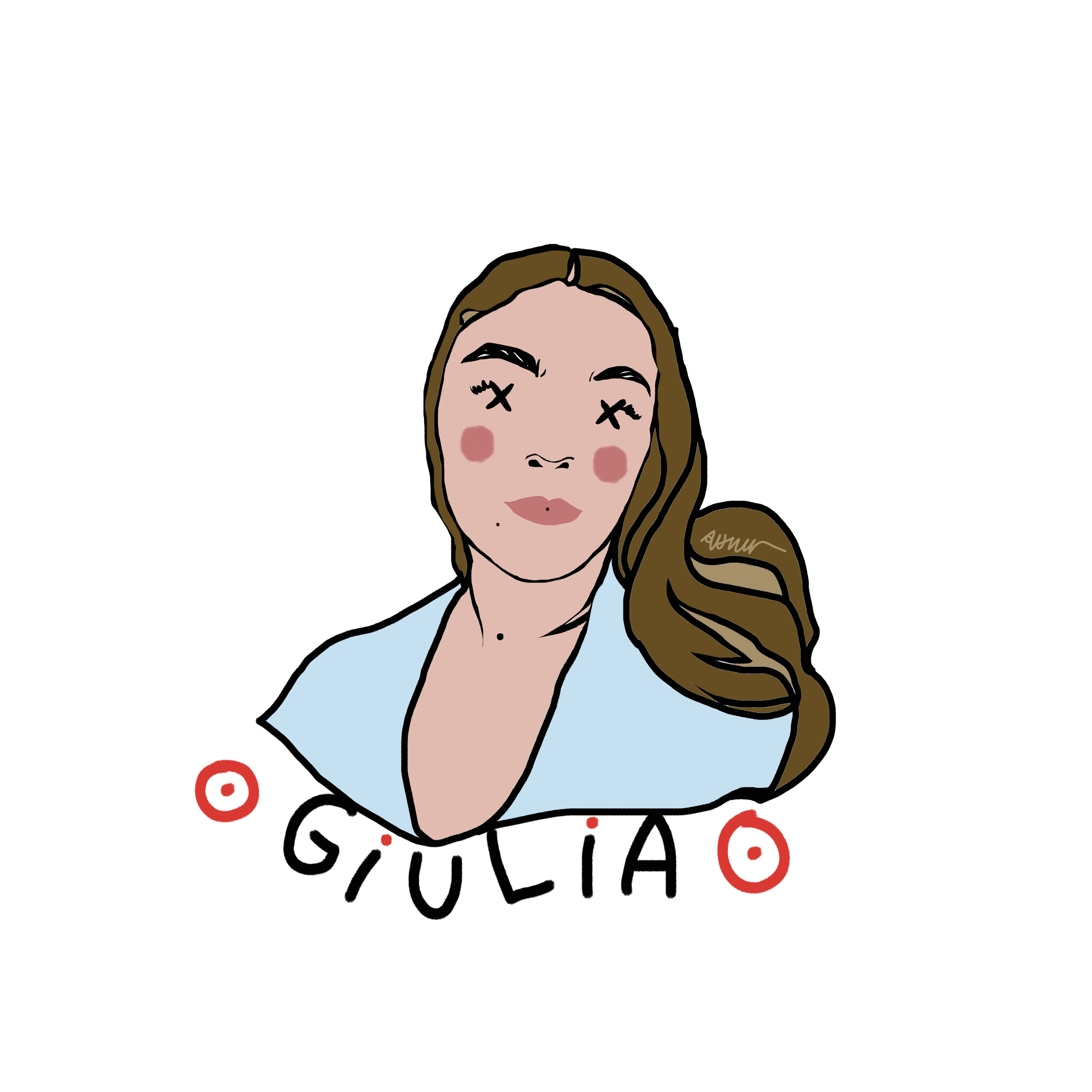
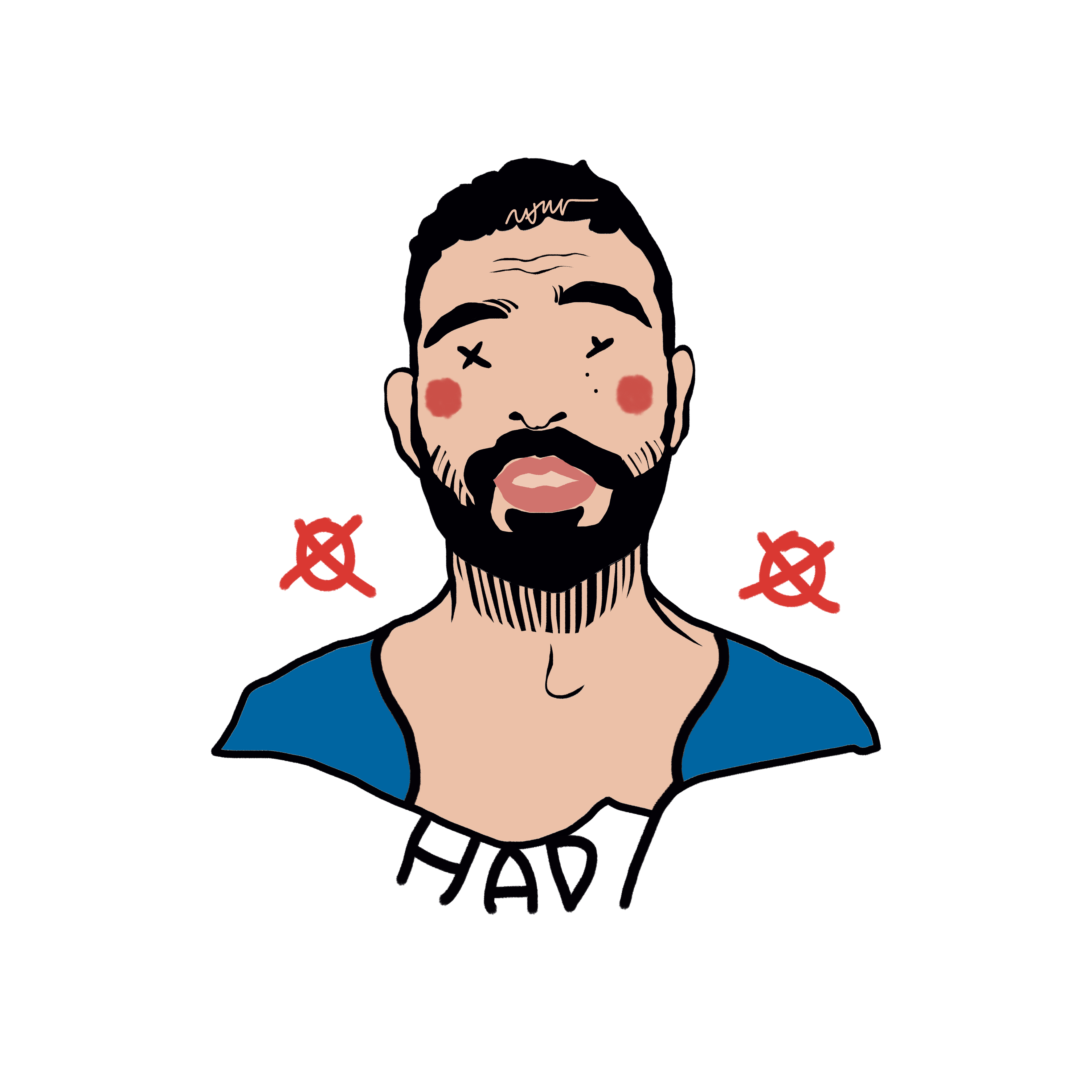
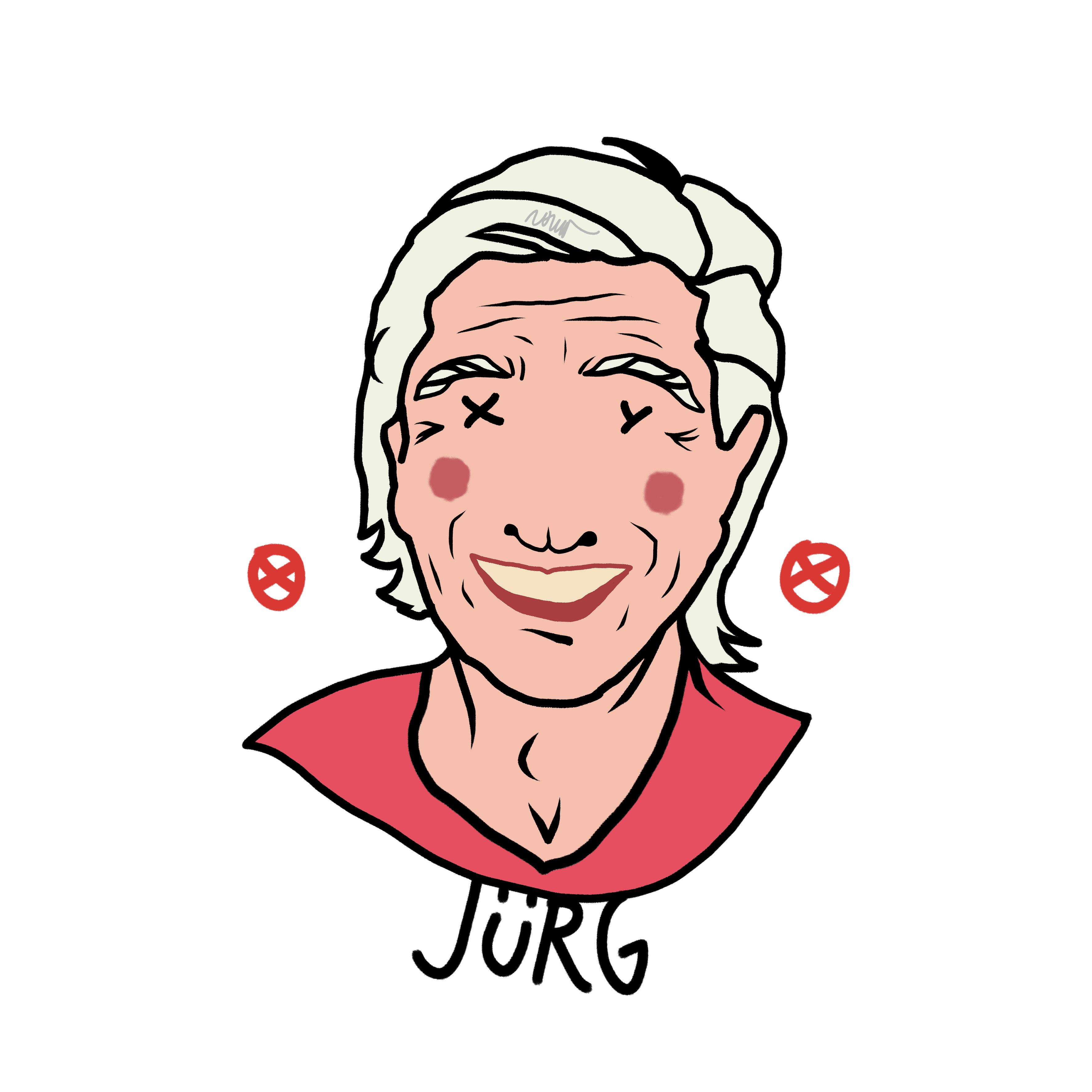
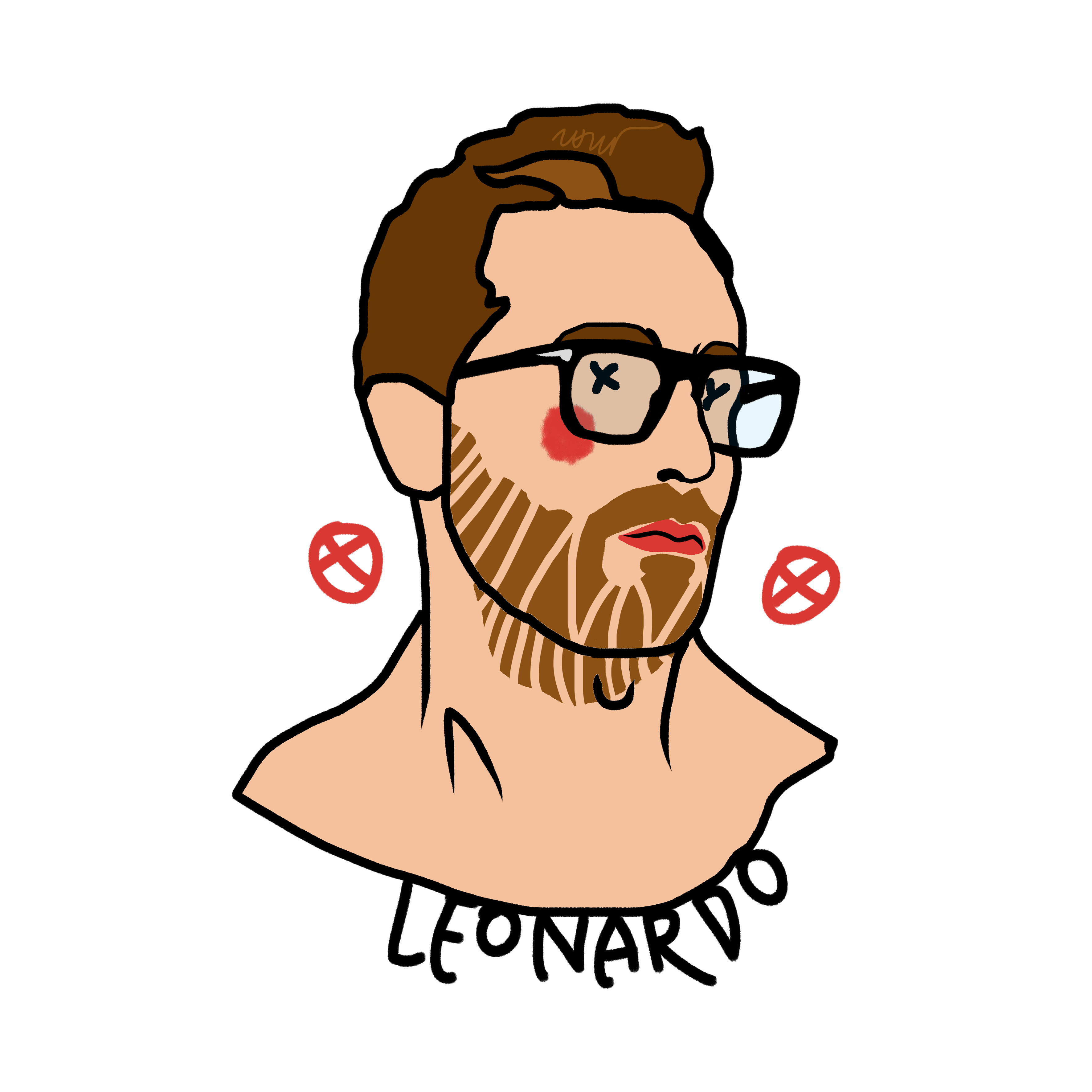
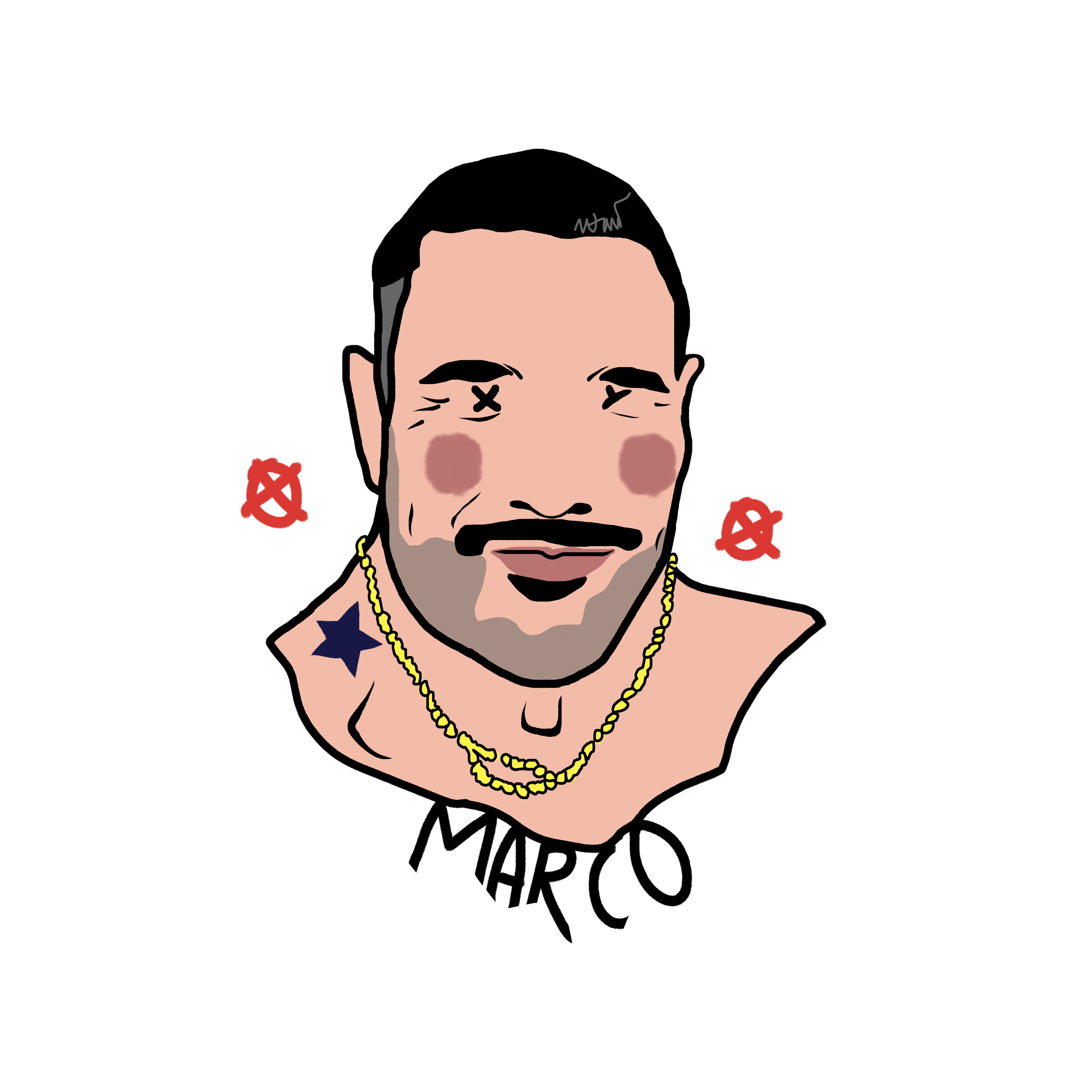
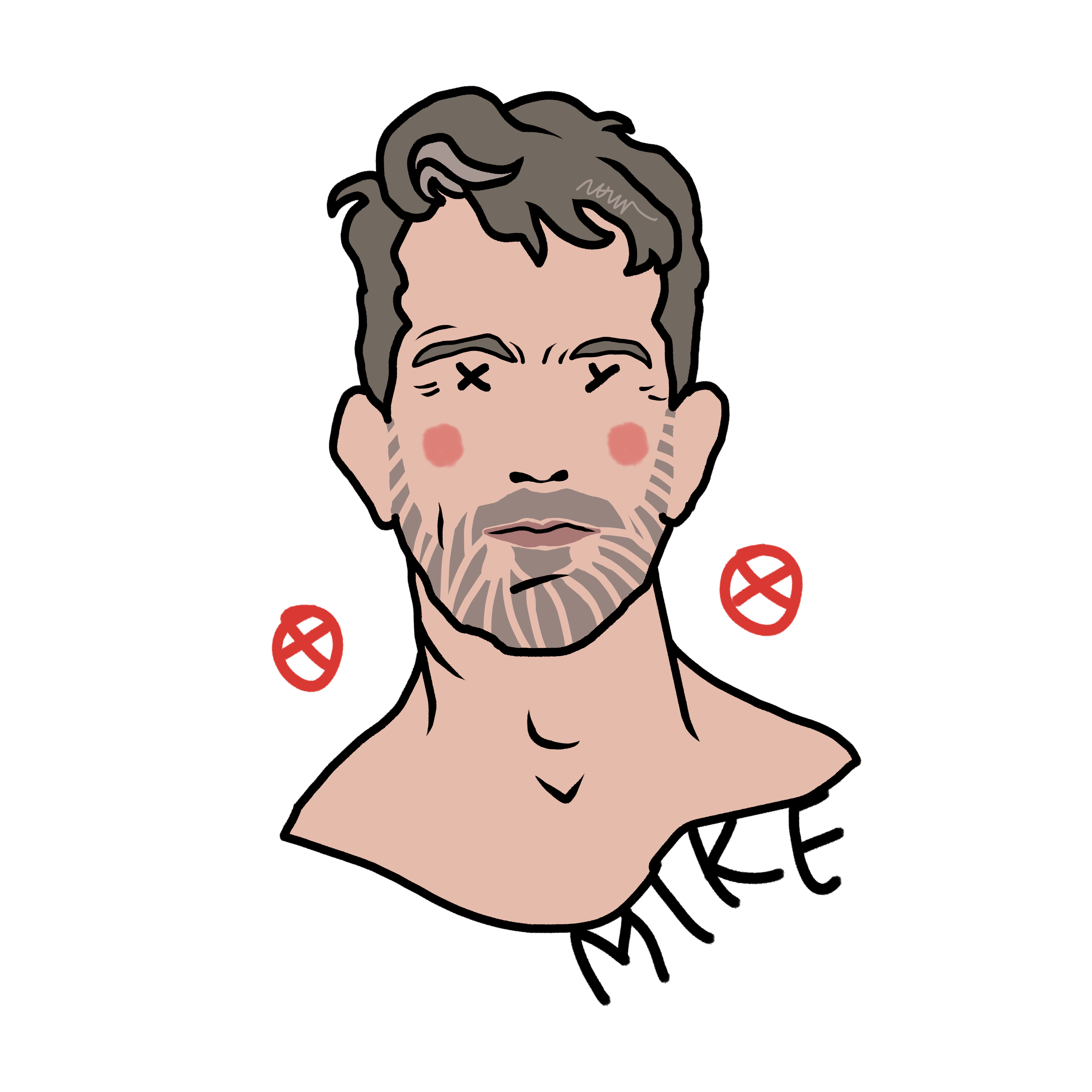
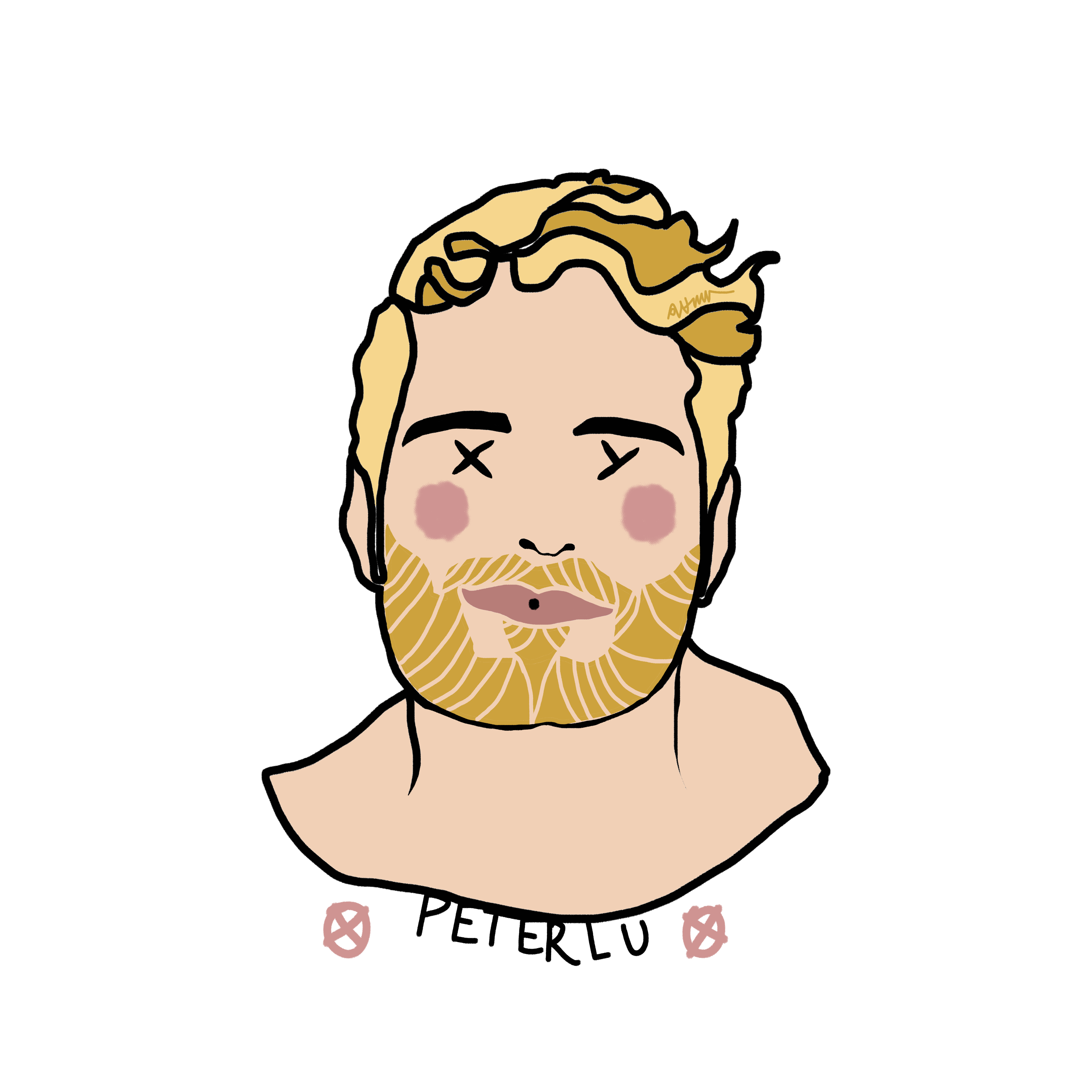
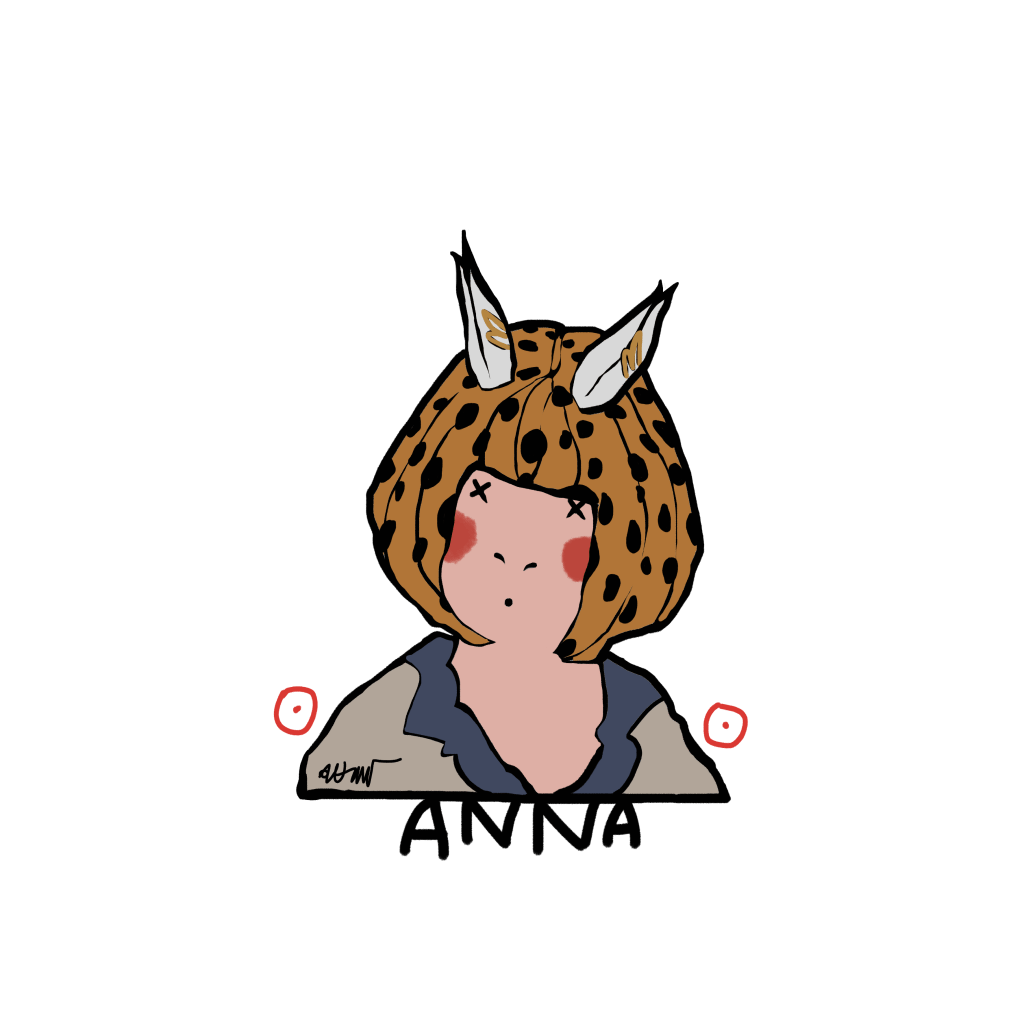
All shared the same grammar: clean lines, eyes replaced by XX or XY, small coloured cheeks, and the name beneath the bust.
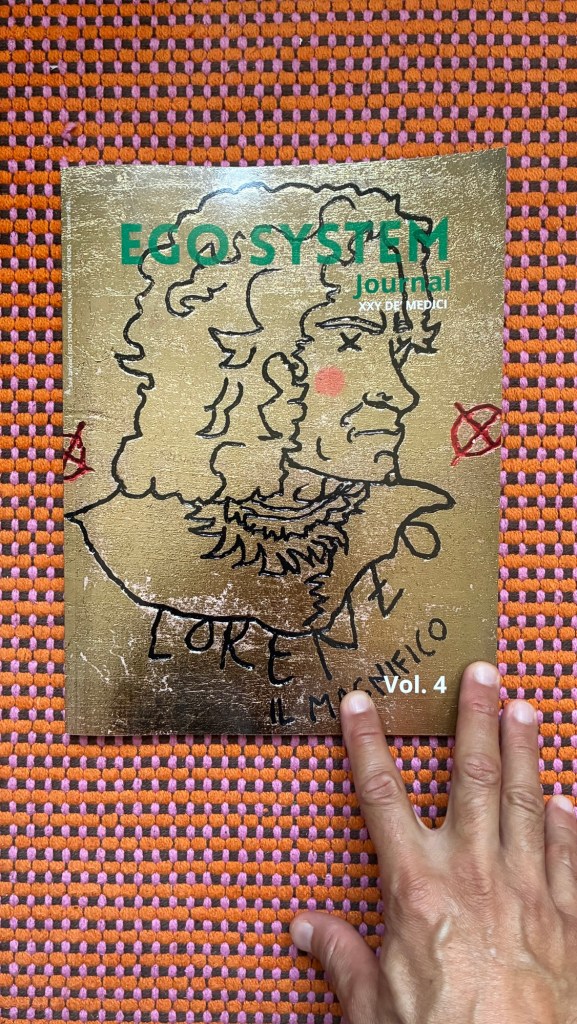
This applied to friends, historical figures like the De’ Medici, and classical references. Stylised red nipples appeared at the edges — graphic signs and sexual allusions.
The name was crucial. It anchored the portrait to recognition, biography, identity.
The Limit Reached
At a certain point, this structure reached its limit.
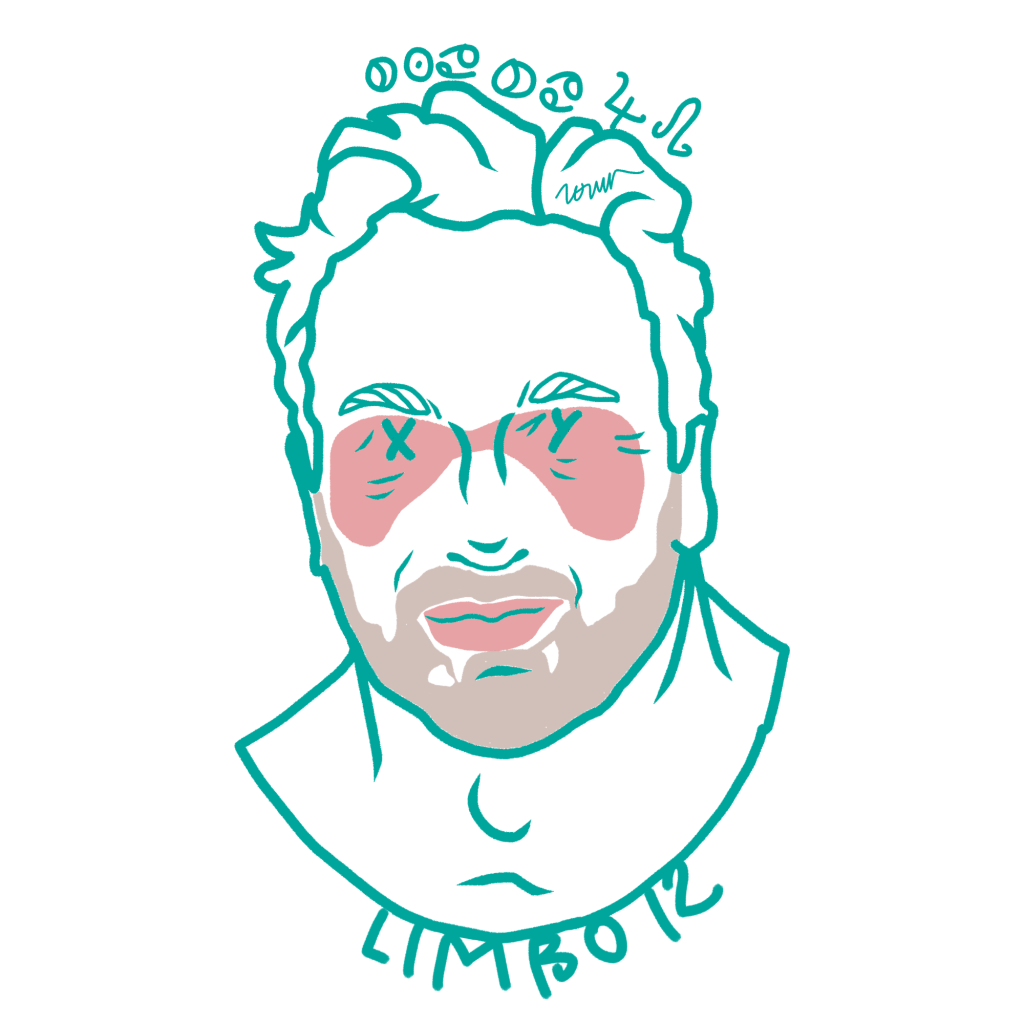
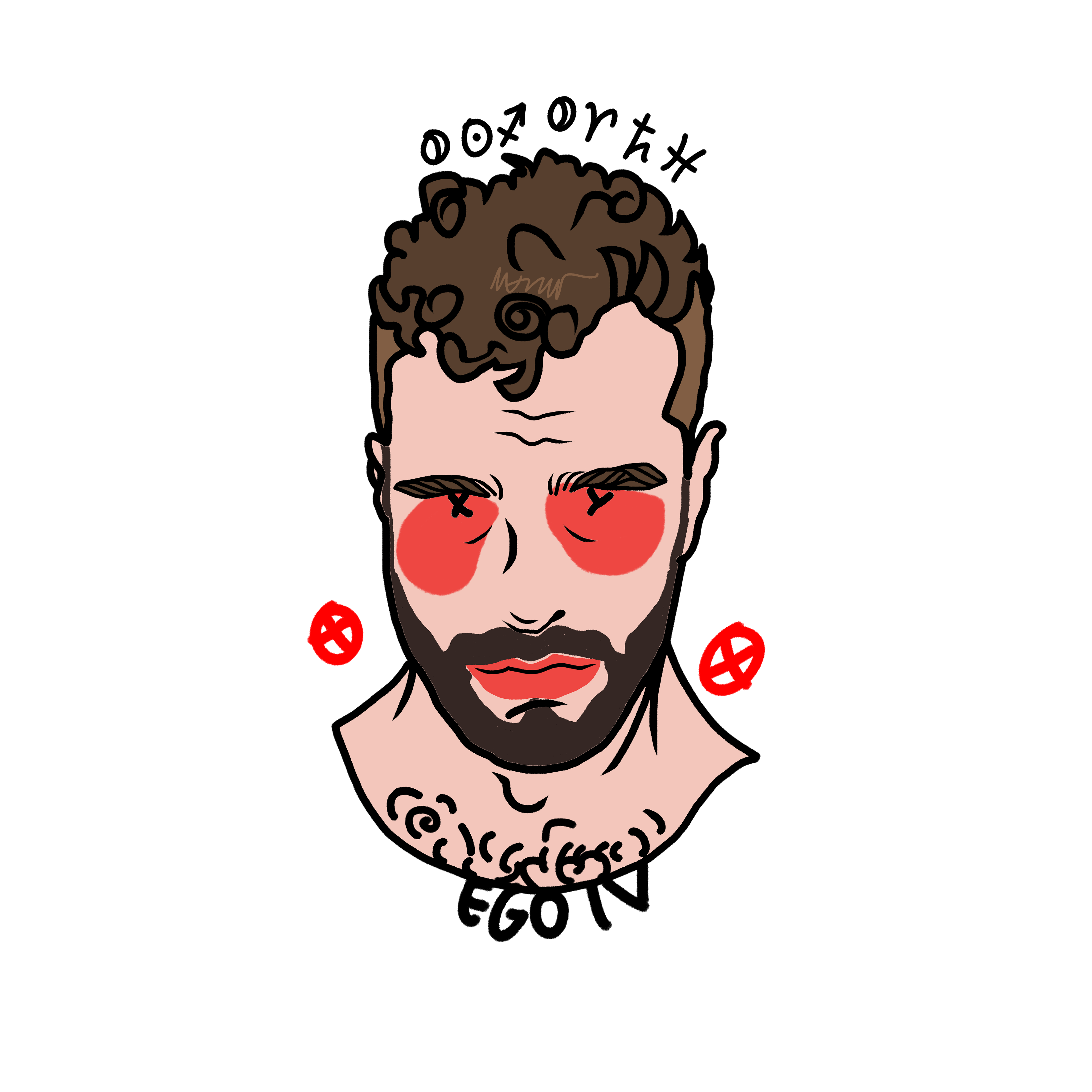
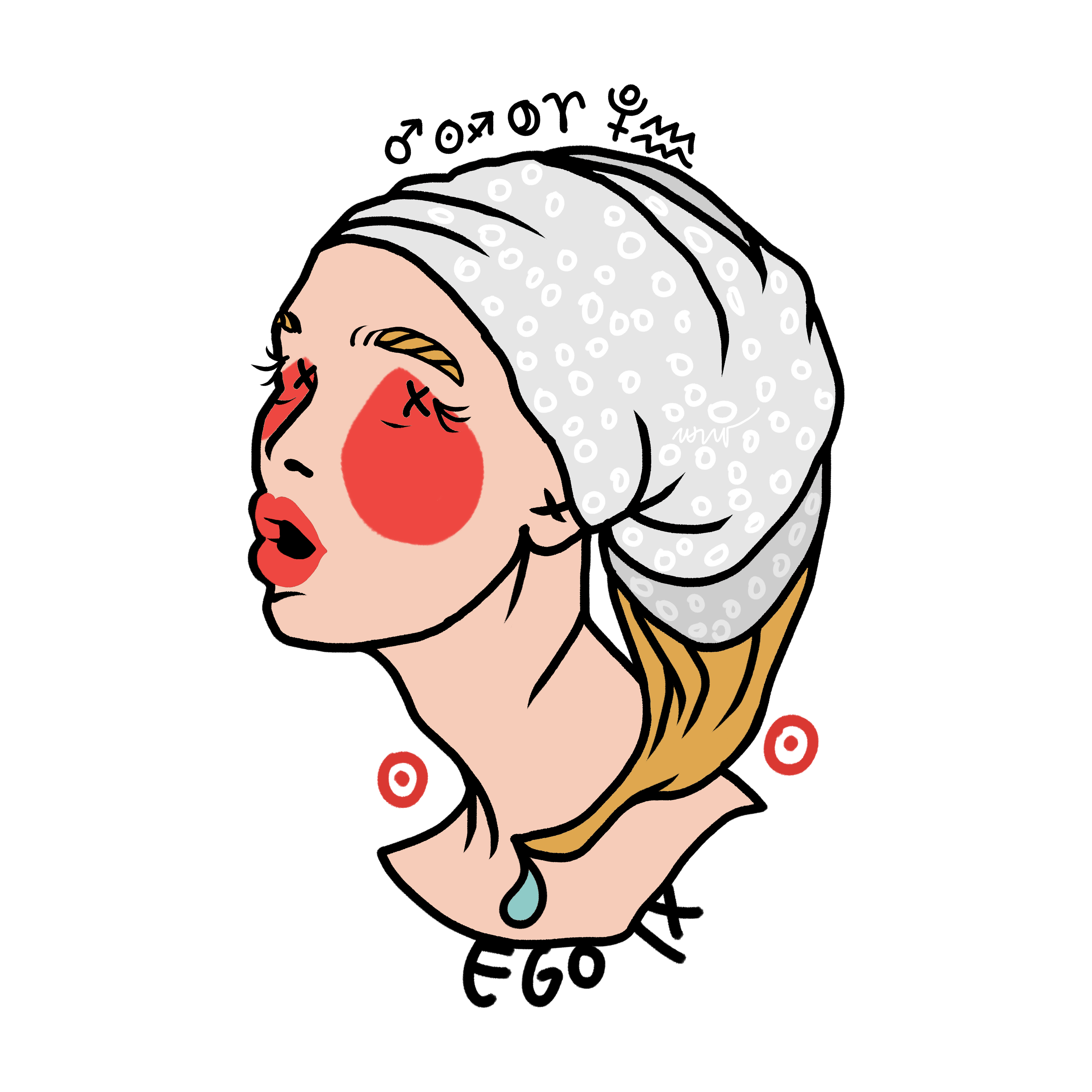
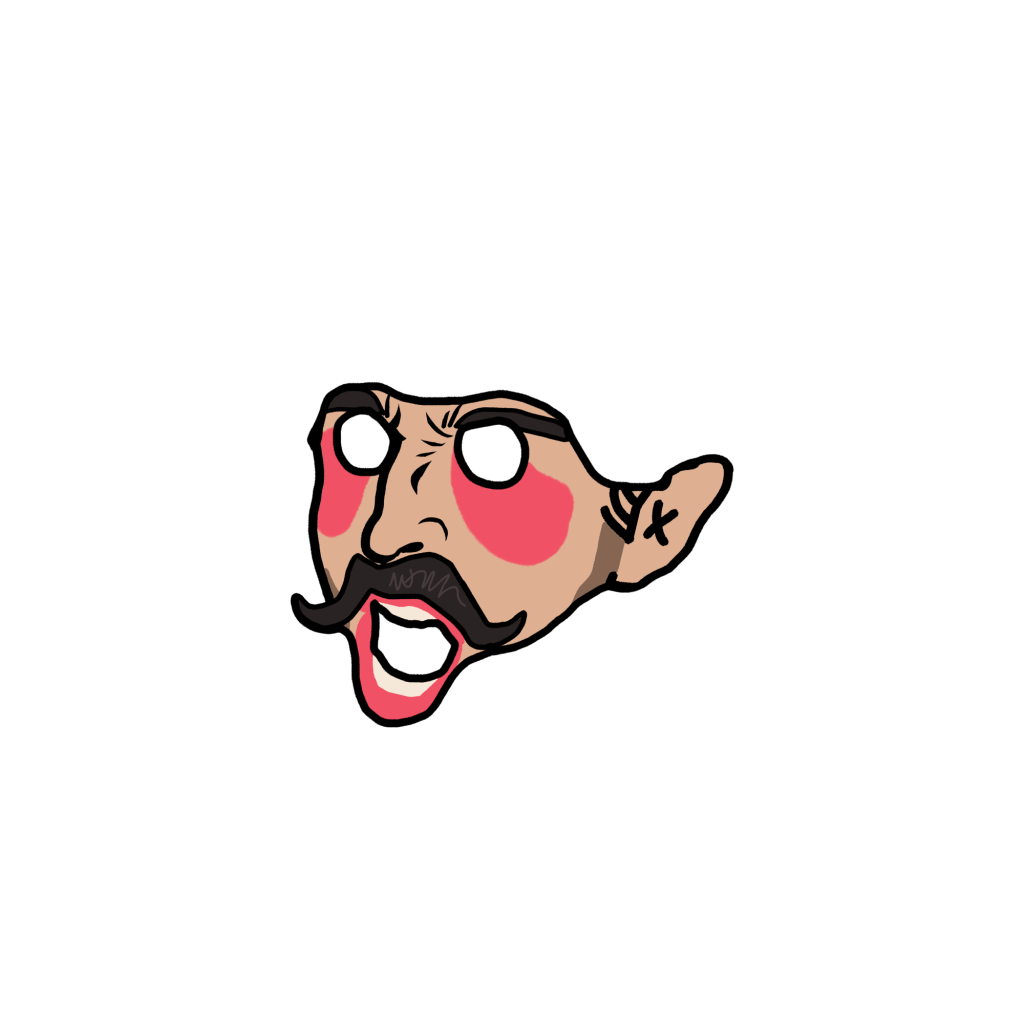
With Ego Masks, the work shifted. Some visual elements remain, but their meaning changes.
The Cheeks and Emotions
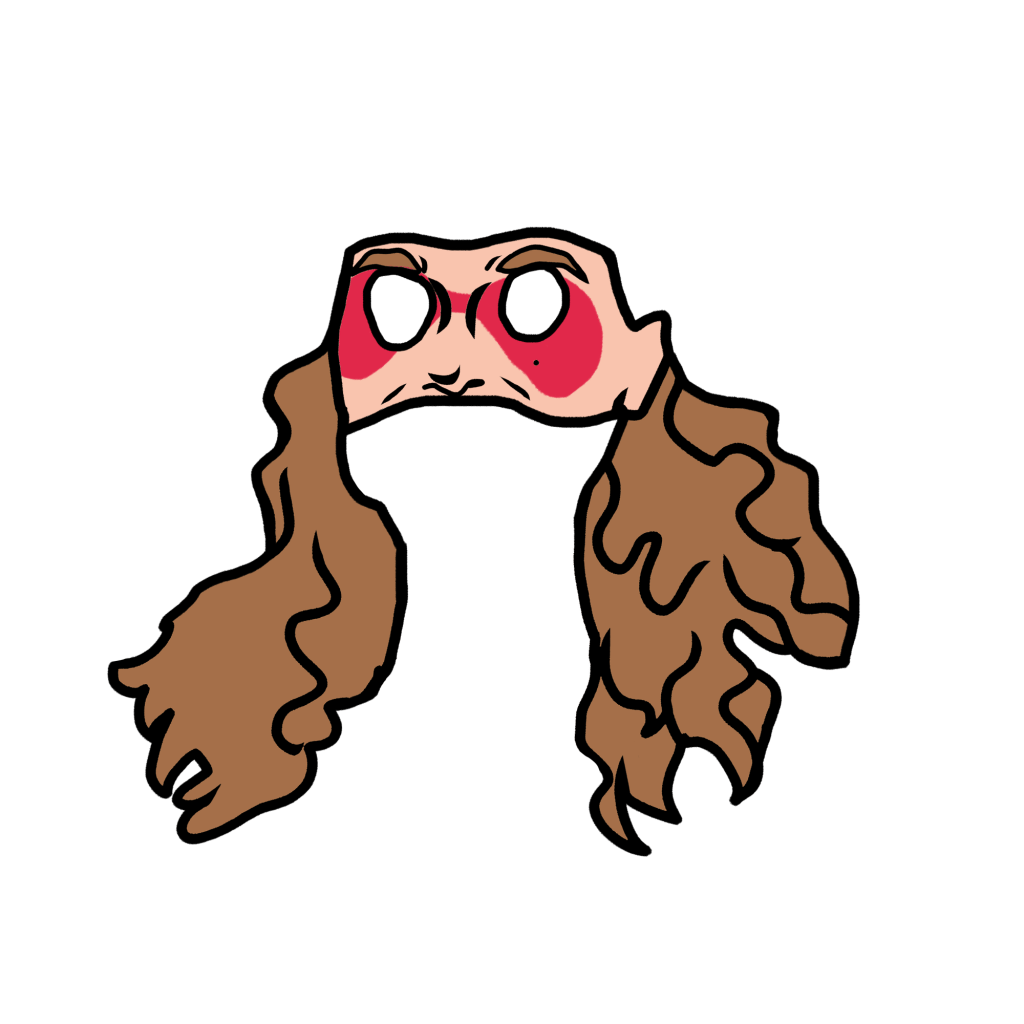
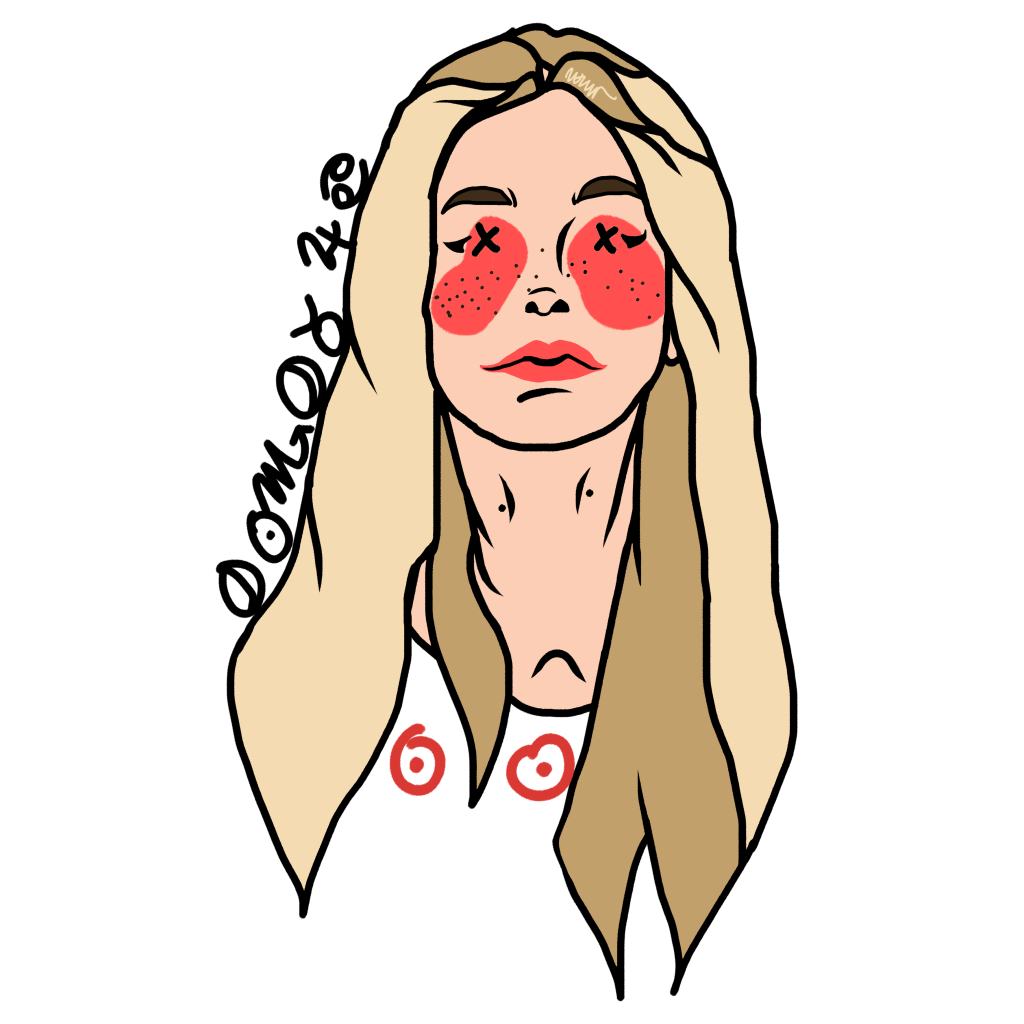
Cheeks expand, no longer decorative but a map of interiority. Emotions surface and deform the face. The portrait no longer records who someone is, but how the ego manifests itself.
Eyes remain XX or XY, nipples remain at the sides.
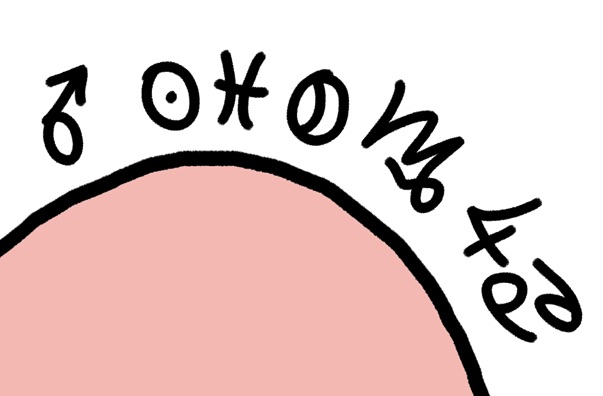
New symbols appear — temporal, alchemical — marking the subject’s birthday or painting date.
Removing the Name
The name disappears.
No cultural anchor remains. In Ego Masks, it no longer matters who the person is.
What matters is the ego: its inflation, visibility, and tendency to expand until unstable. The subject exists purely as presence, appearance, and self-projection.
The Mask Version
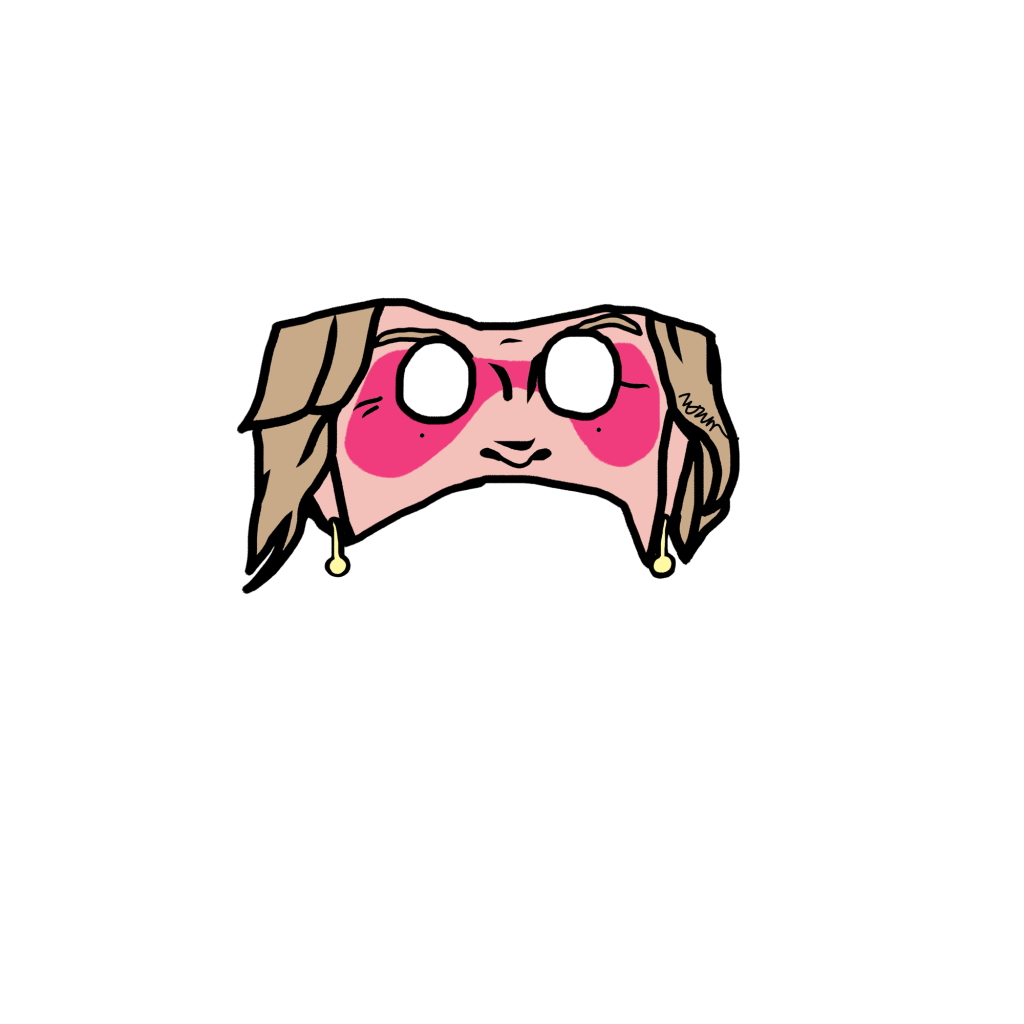
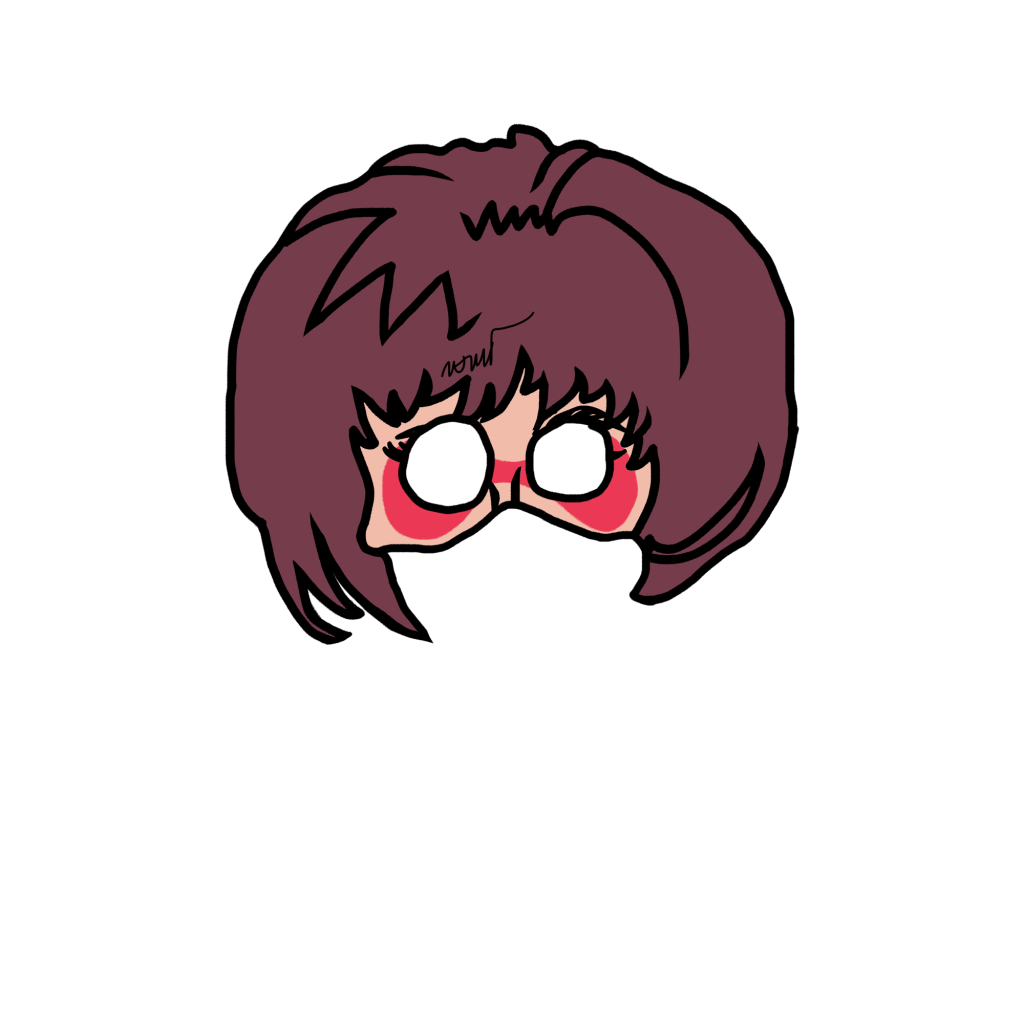
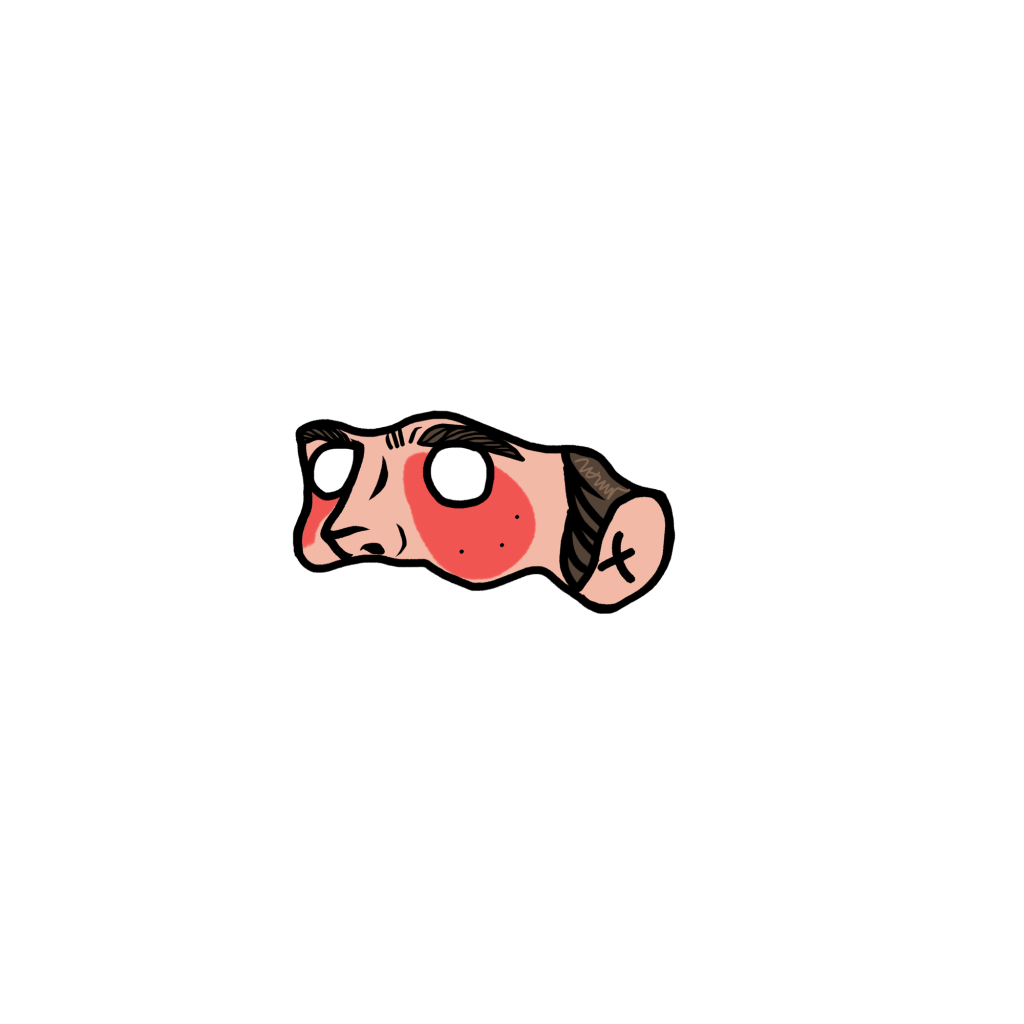
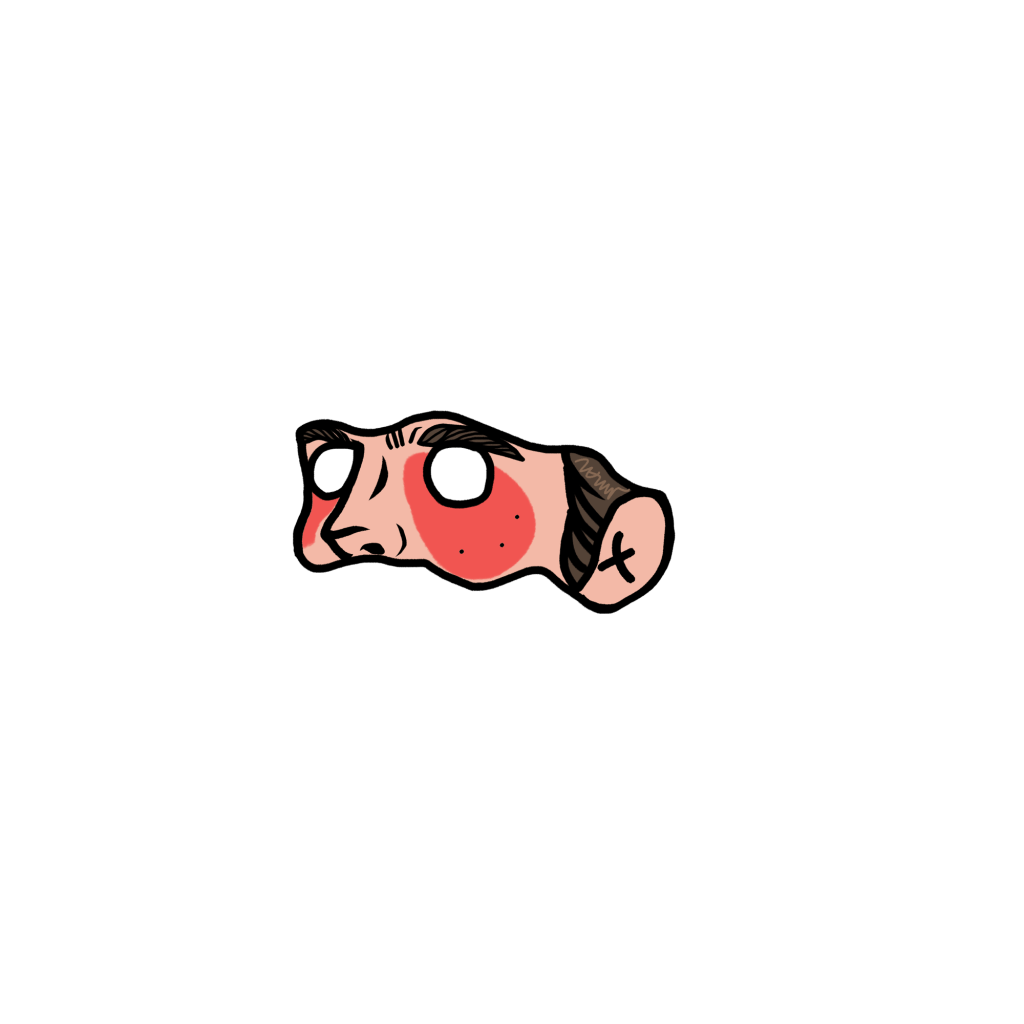
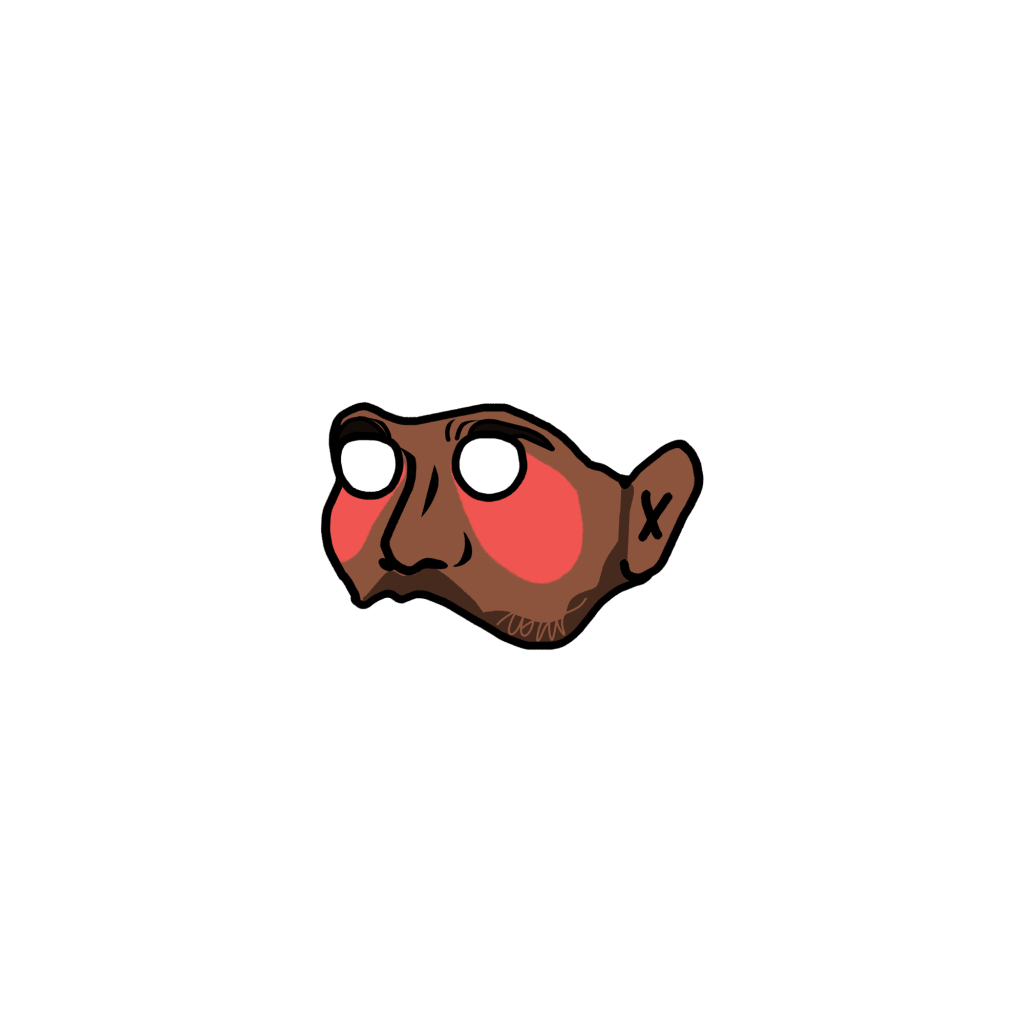
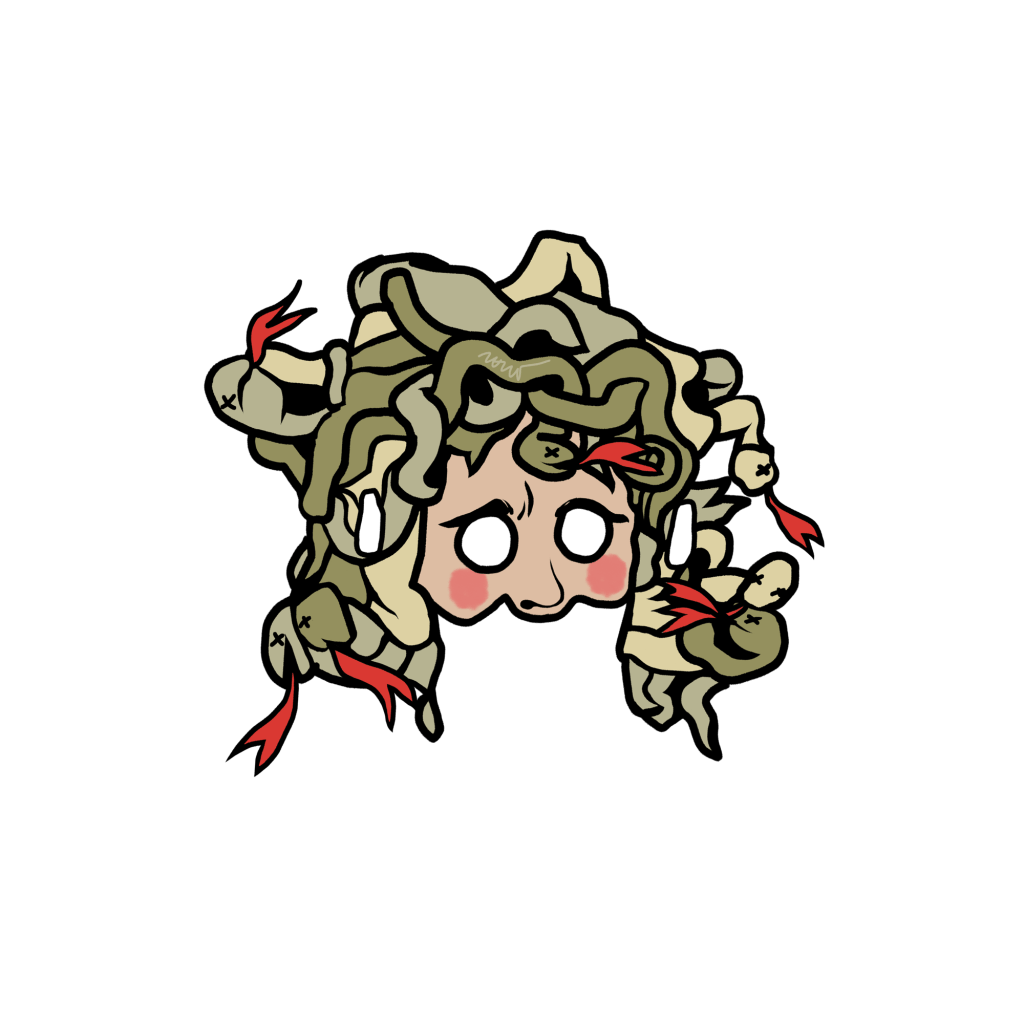
There is also a mask version — eyes, chromosomes, and nipples vanish.
It is not a face to be recognized, but a surface to inhabit. Looking at the work becomes looking through the ego.
The Ego System Continues
This evolution is part of the Ego System.
Early traces of Gen1, a first generation of ego couplings, are already emerging. That development belongs to a future phase.
For now, this marks the end of XXY Portraits and the beginning of a new inquiry: where identity dissolves and ego remains the only structure.
Not because they promise a future — I don’t believe they do — but because they feel like a fingerprint. Not of me, but of the sky at the moment I appeared. A registration. A configuration.
What interests me is not prediction, but structure.
There is something quietly reassuring in knowing that my presence can be described as a geometry: planets, angles, houses. Not as a story, but as a system.
Maybe this is my hidden form of protagonism: not being seen, but being positioned.
When I asked how many people in the world share my exact natal chart, the answer was simple and unsettling: statistically, almost no one. Possibly no one.
Not because I am special, but because the configuration itself is irreproducible. Like a diagram that happens once and never again.
This made sense to me.
It felt close to the way I work.
We talked about algorithms, about the difference between calculation and interpretation. About how a chart can be mathematically precise and conceptually shallow at the same time.
What stayed with me was the idea that the chart is strong where it measures, and weak where it explains.
Then we moved somewhere else.
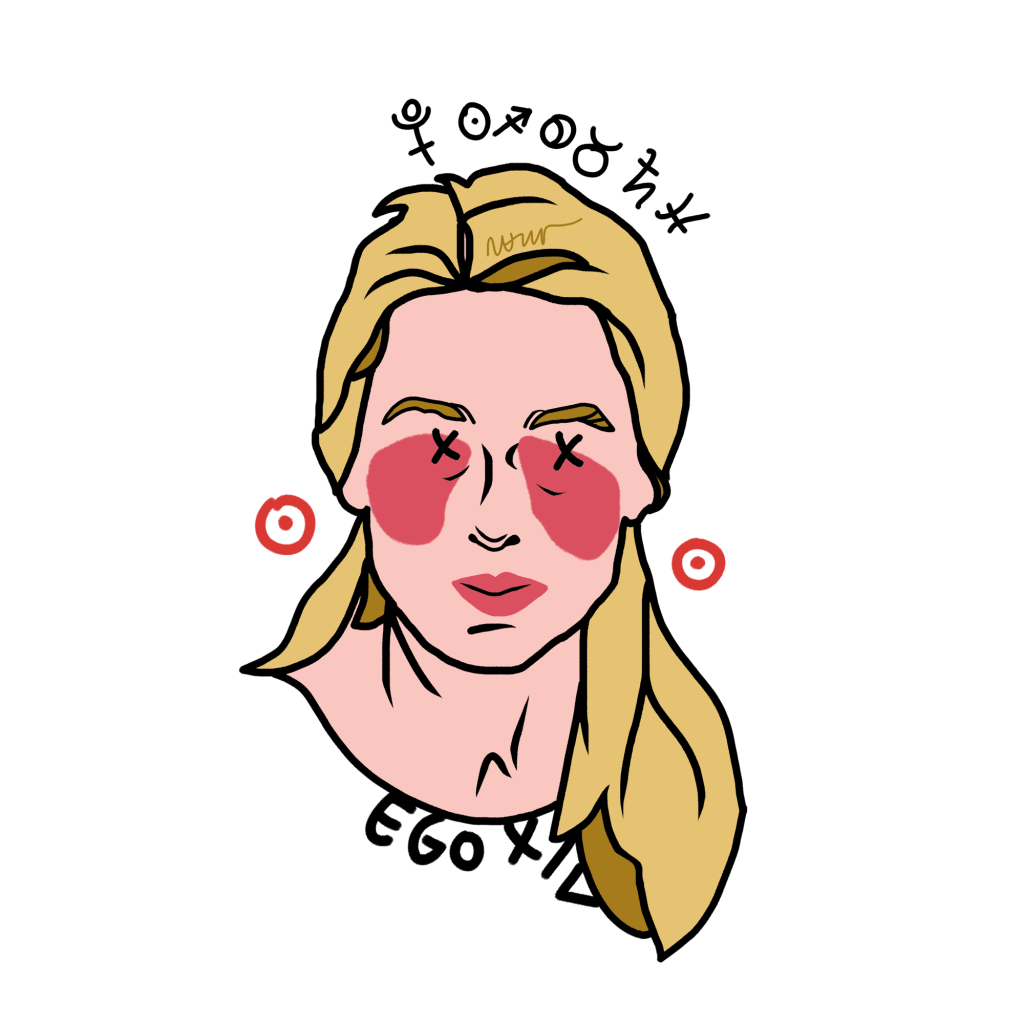
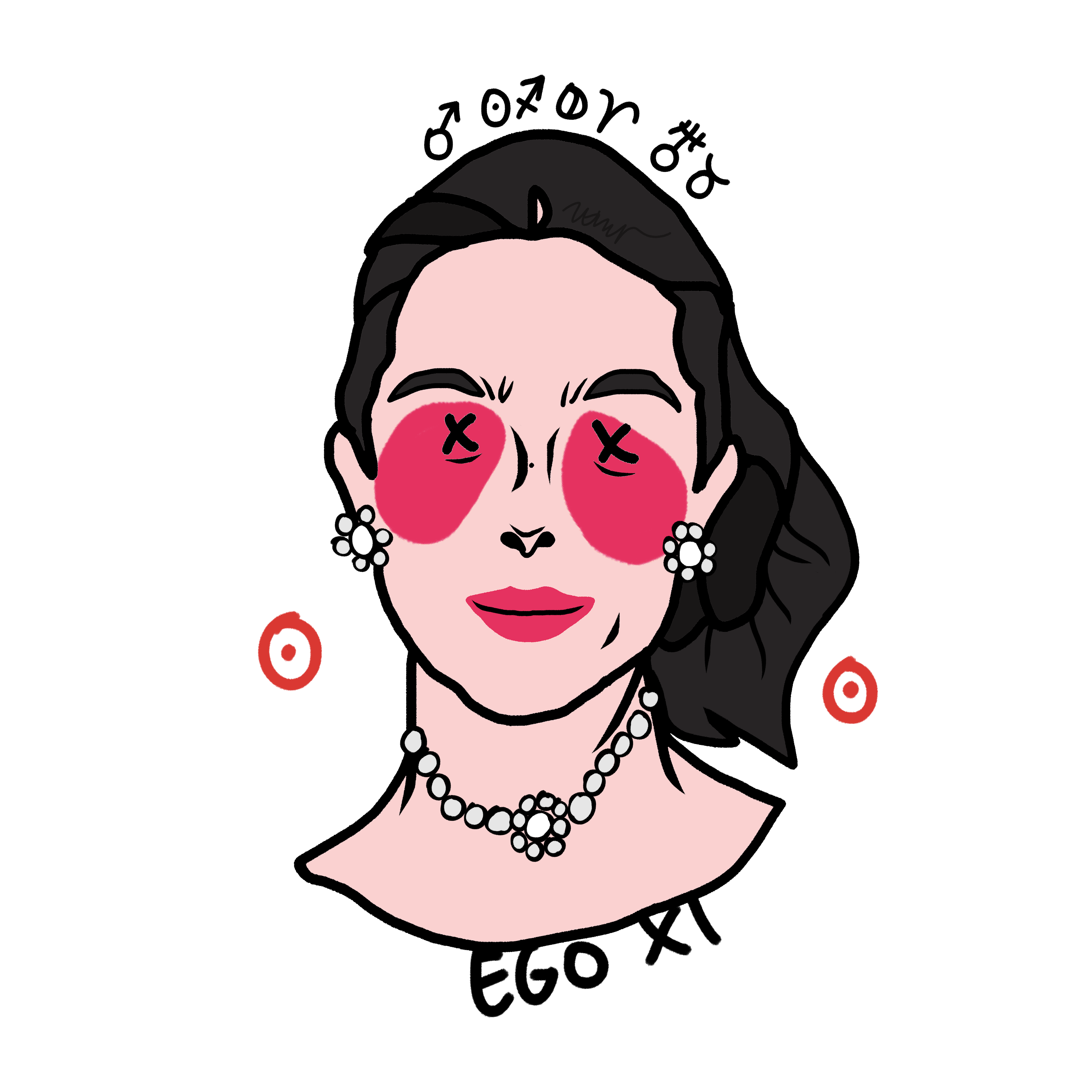
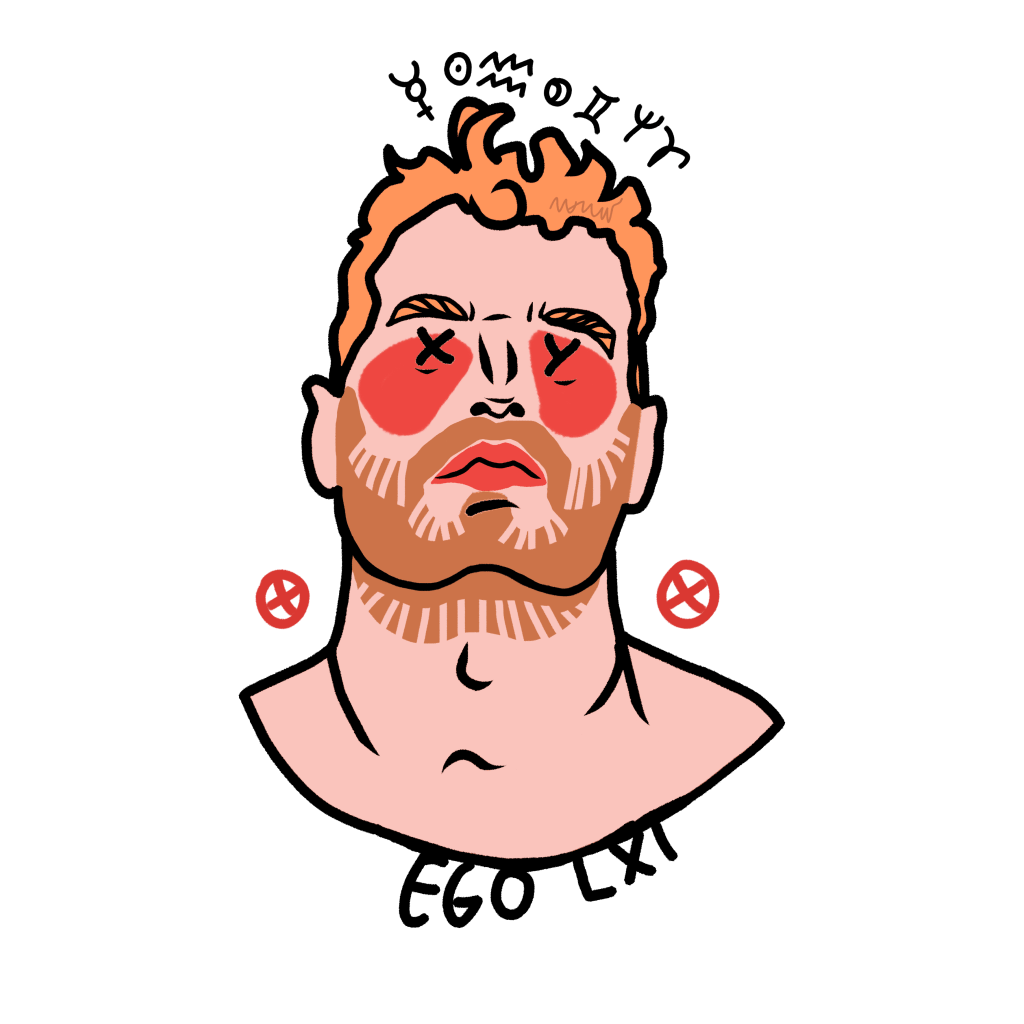
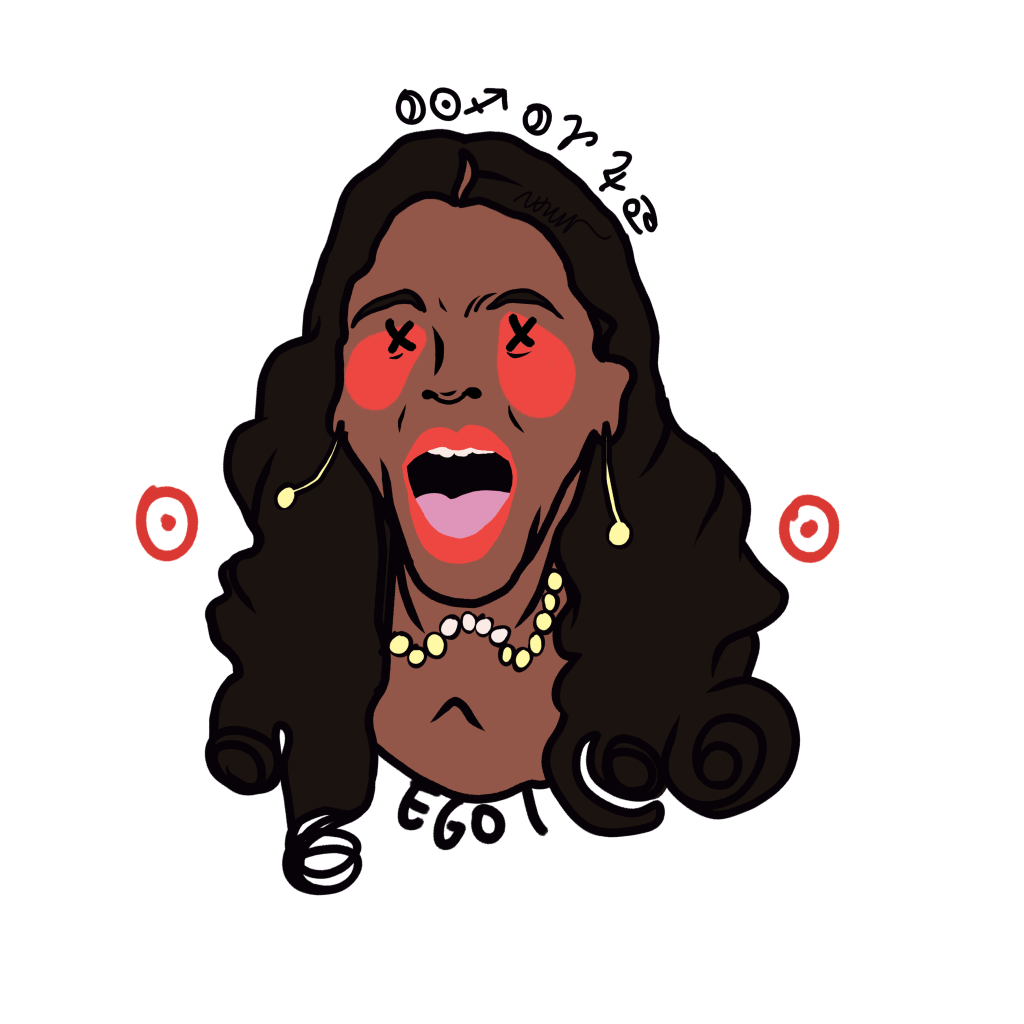
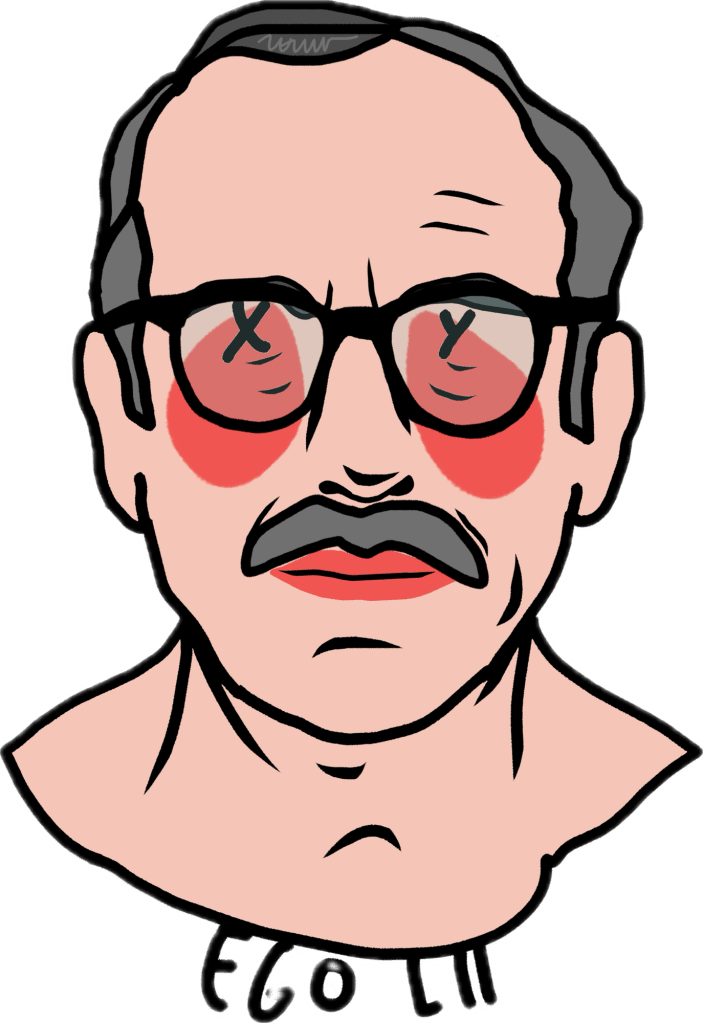
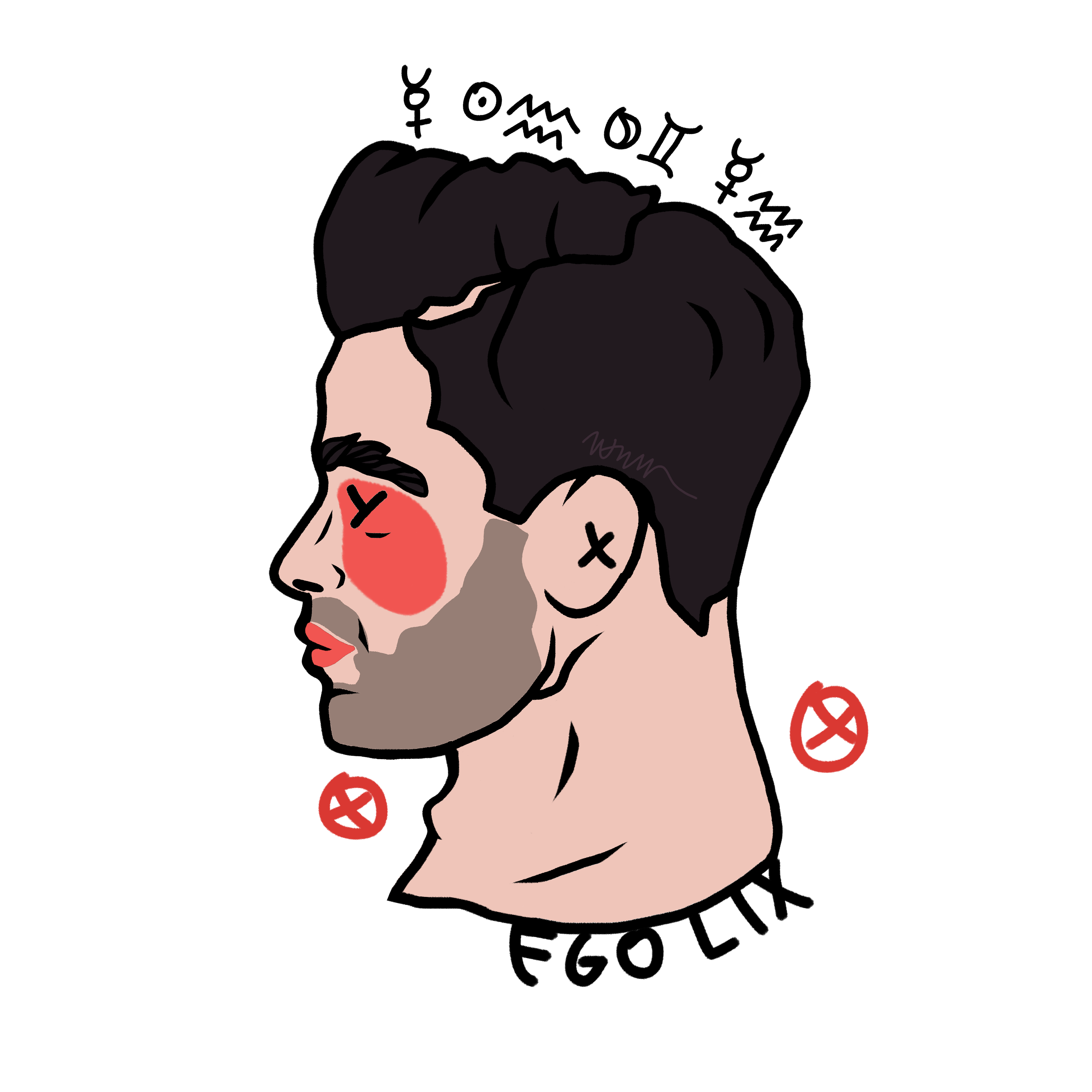
I shared one of my works: EGO LXI.
A face, stripped of gaze, flushed, exposed. Not a portrait, but an instance. An ego without history, without costume, without protection.
Reading it as if it were a natal chart made something click.
The eyes crossed out not as provocation, but as refusal of exchange.
The red as physiology, not emotion.
The symbols above the head not as guidance, but as noise — planets no longer governing, only orbiting.
It wasn’t about identity.
It was about pressure.
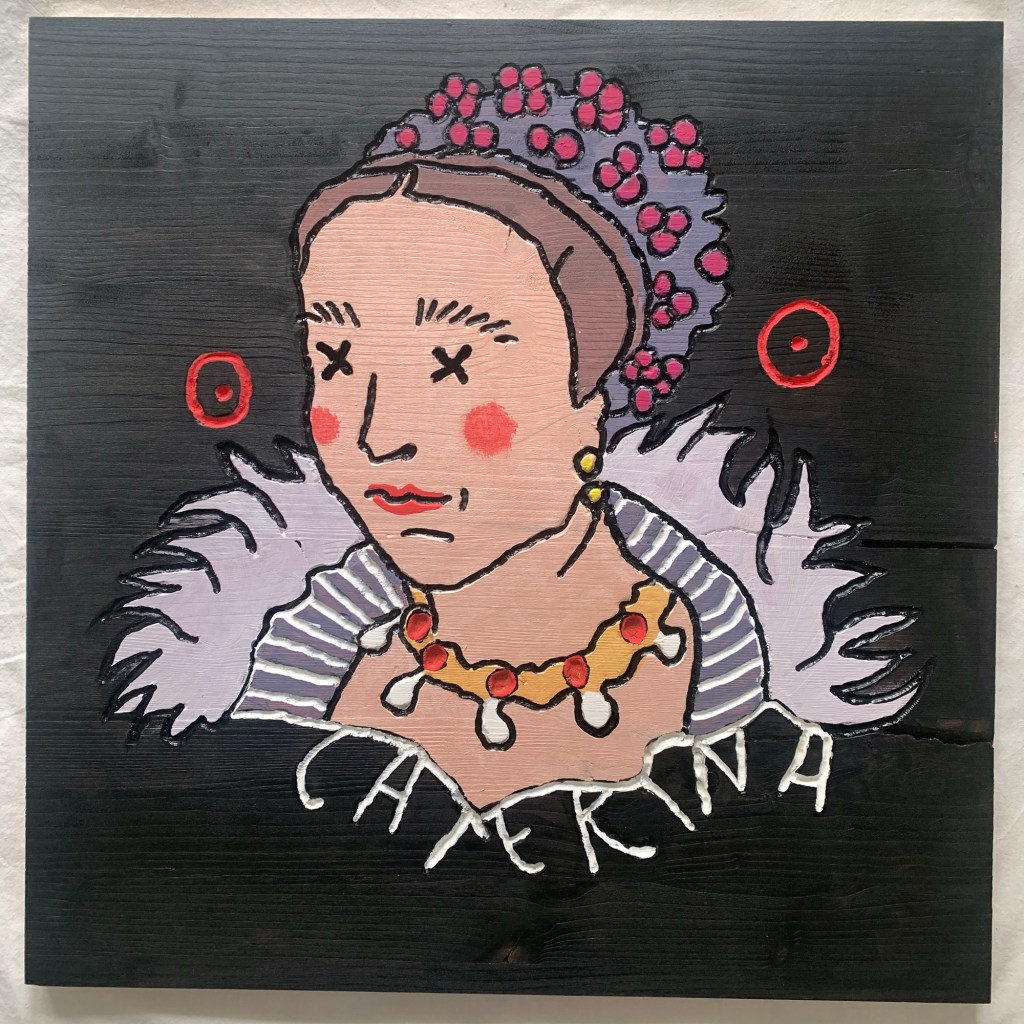
Then I placed EGO LXI next to a Medici portrait.
Caterina.
Same system. Same language.
Different time.
In EGO LXI, the ego is naked, reactive, unstable.
In Caterina, the ego is armored, ritualized, architectural.
One is before legitimacy, the other after victory.
What changed was not the structure, but time.
This was the moment I understood something clearly:
I am not interested in individuals.
I am interested in the form of the ego across time.
We reversed the process.
My natal chart translated into an XXY portrait: reduced, contained, structural.
No name, only series.
A face that doesn’t ask to be seen, but to function.
Then EGO LXI translated into a sky:
a strong Sun without support, a frontal Ascendant, a restless body, a missing Saturn.
An ego visible before it knows why it exists.
Two configurations.
Two responses to the same historical problem:
how to stand at the center without being consumed by visibility.
After XXY – de’ Medici, the work moved away from history, but not from language.
The exhibition was built on names that already carried meaning. Even reduced to signs, the Medici remained readable. In language, naming is never neutral. To name is to define. To define is to fix.
When XXY Portraits expanded between August 2024 and December 2025, the same mechanism remained in place. Hundreds of ordinary faces, still recognizable. Not only because of form, but because a name was written beneath each portrait. The name stabilized the image. It confirmed identity.
As long as the name existed, the subject remained intact.
Removing it meant losing recognition. Without a name, the portrait no longer refers to someone. Identity collapses. What remains is not a person, but an ego without coordinates.
In 2026, this ego is swollen.
Unrecognizable, yet amplified. Detached from history and biography, it grows without structure. It does not need definition to exist. On the contrary, it expands in the absence of it.
The visual shift follows this condition. The cheeks widen, redden, and extend until they cover the eyes. The gaze disappears. There is no exchange, only surface. Emotion without narrative becomes visible on the face.
This moment is an interregnum.
Ego Masks emerges here. Not as a new identity, but as a residue left after identity is removed. A mask without name, without role. An ego impossible to recognize, and impossible to ignore.
The Medici as the founding family of the Renaissance.
The Renaissance as the moment when the modern ego is born.
I ask the AI if this is too schematic.
It answers that the Renaissance is not a style, but a structural shift: the moment when the individual stops being absorbed by a larger order and becomes a unit worth isolating, representing, remembering. Identity becomes something that can be built.
That’s where XXY – de’ Medici starts.
The Medici understood early that power needed an image. Not decoration, but visibility. Patronage as a technology. Art as a way to design permanence. The ego stops being private and becomes architectural.
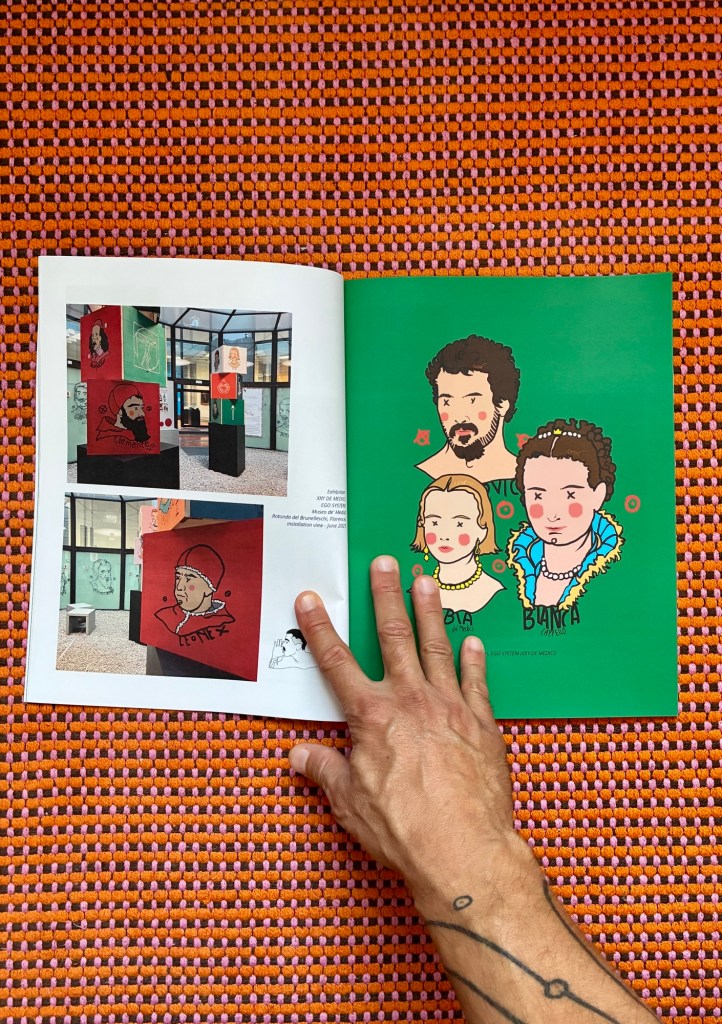
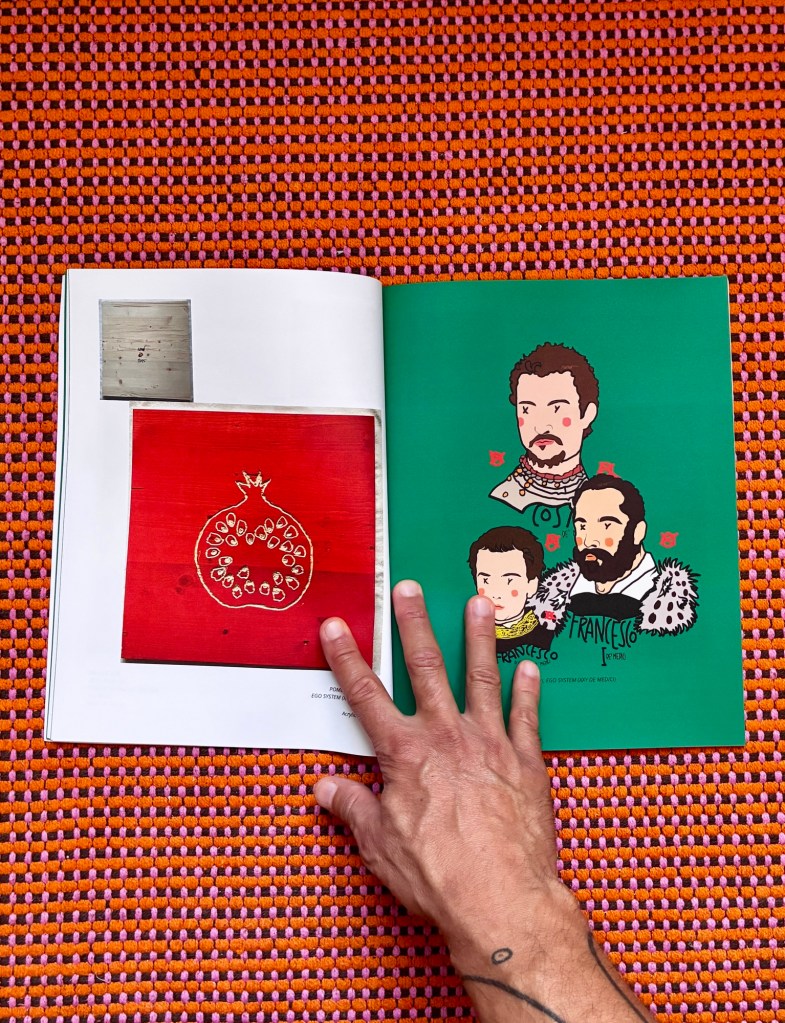
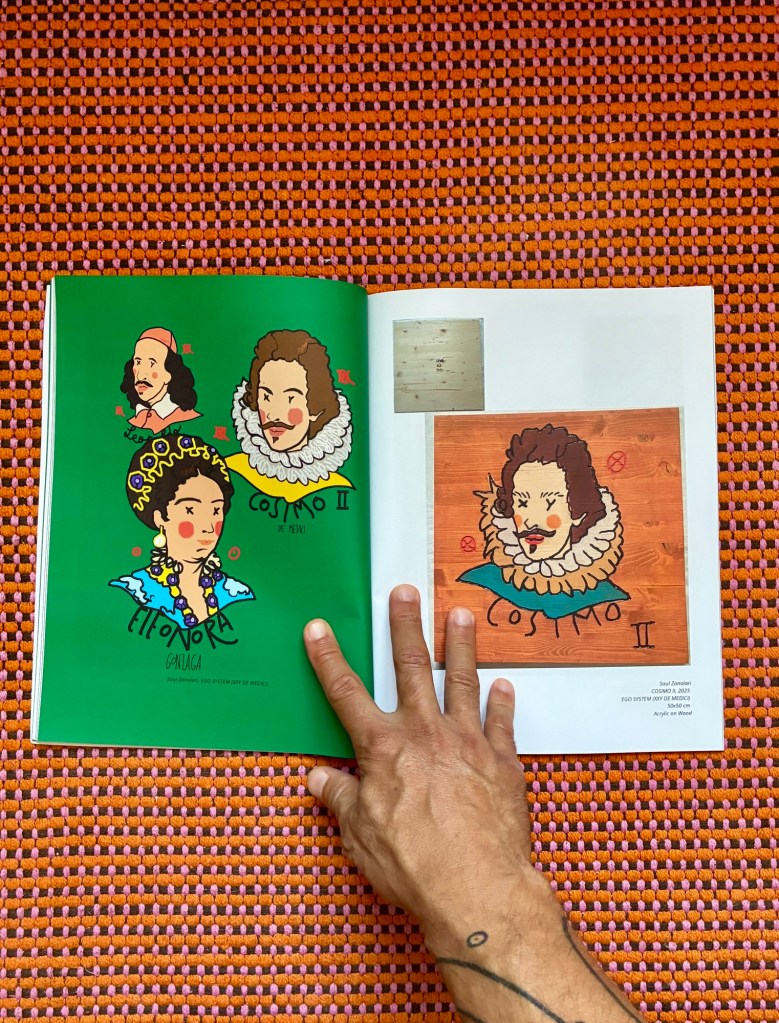
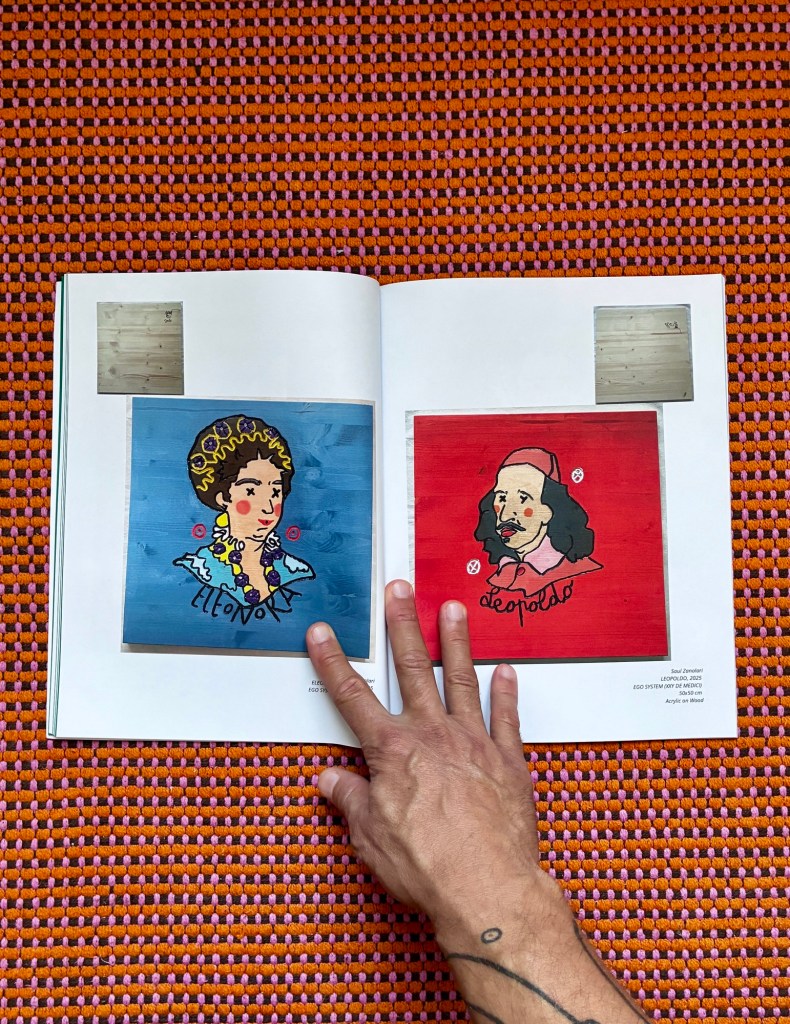
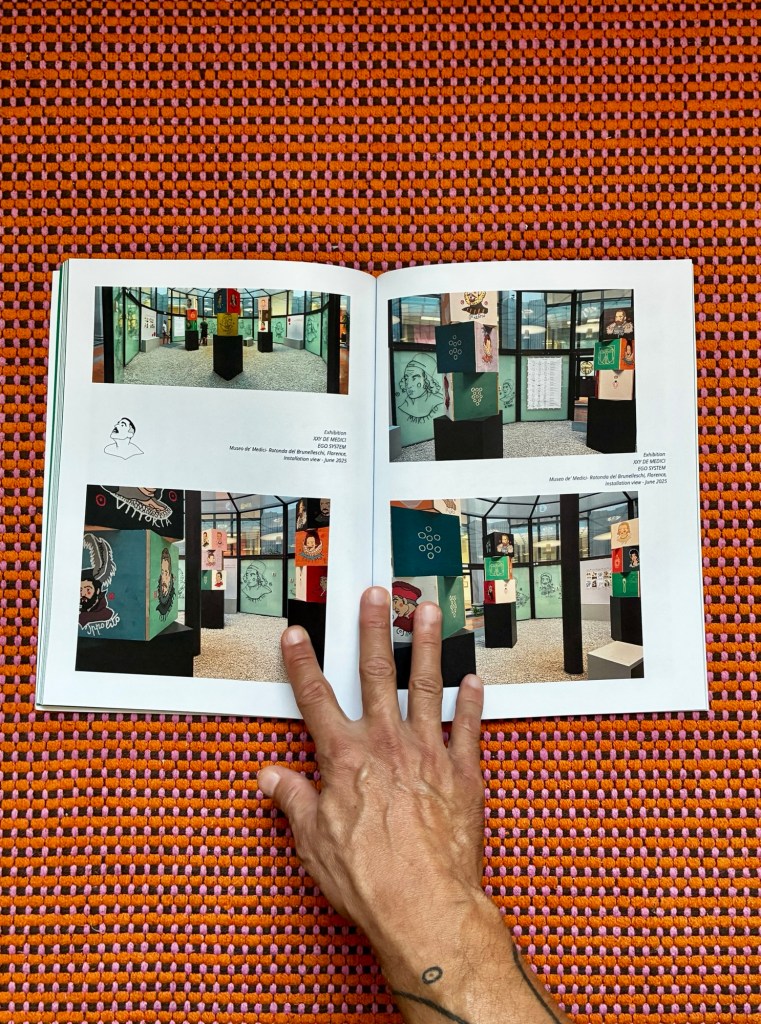
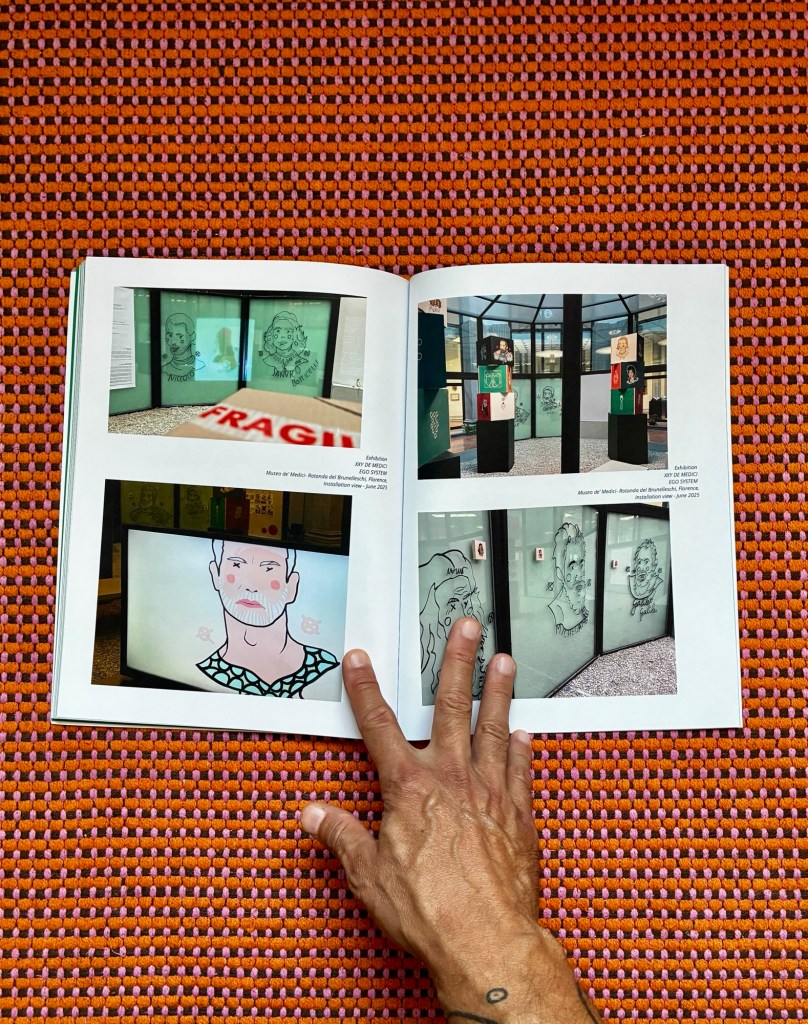
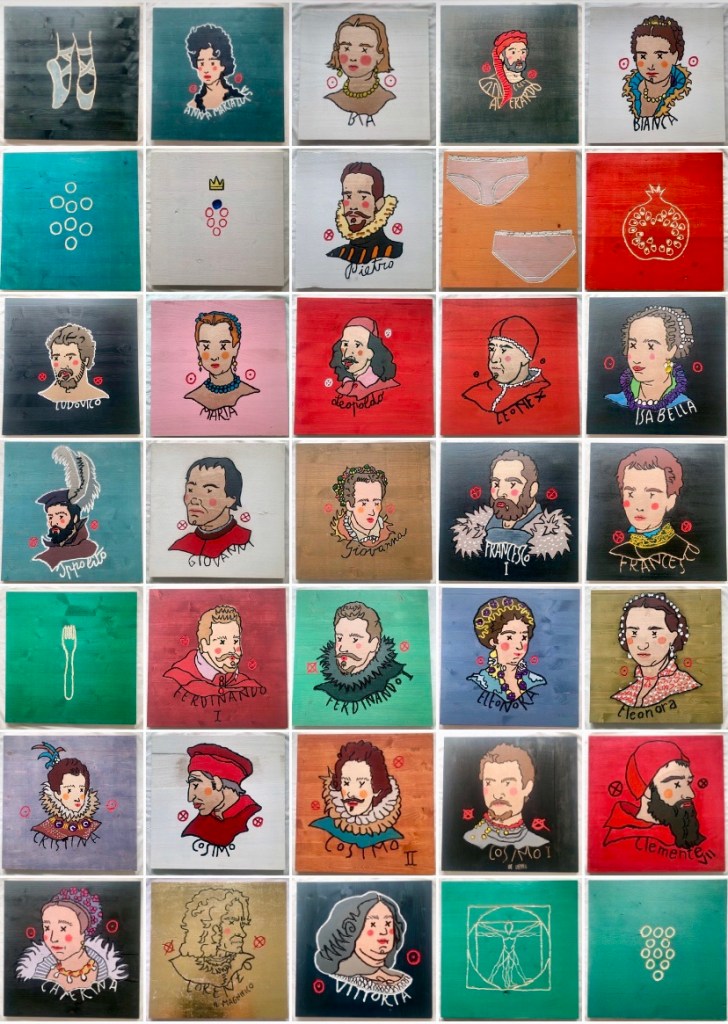
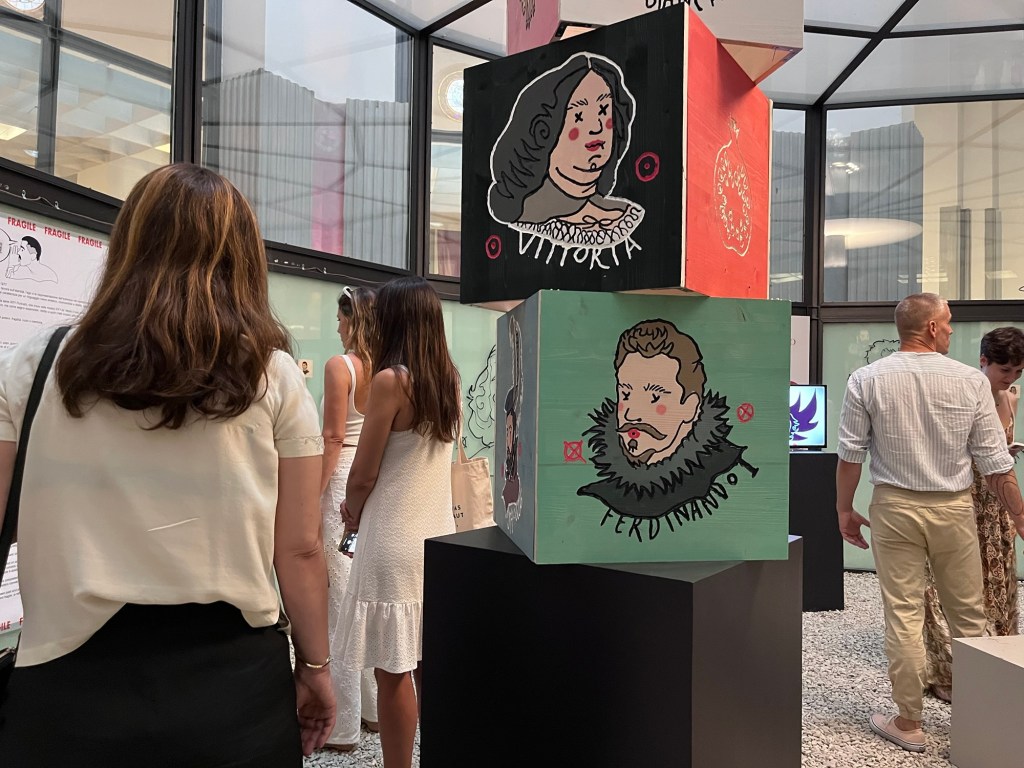
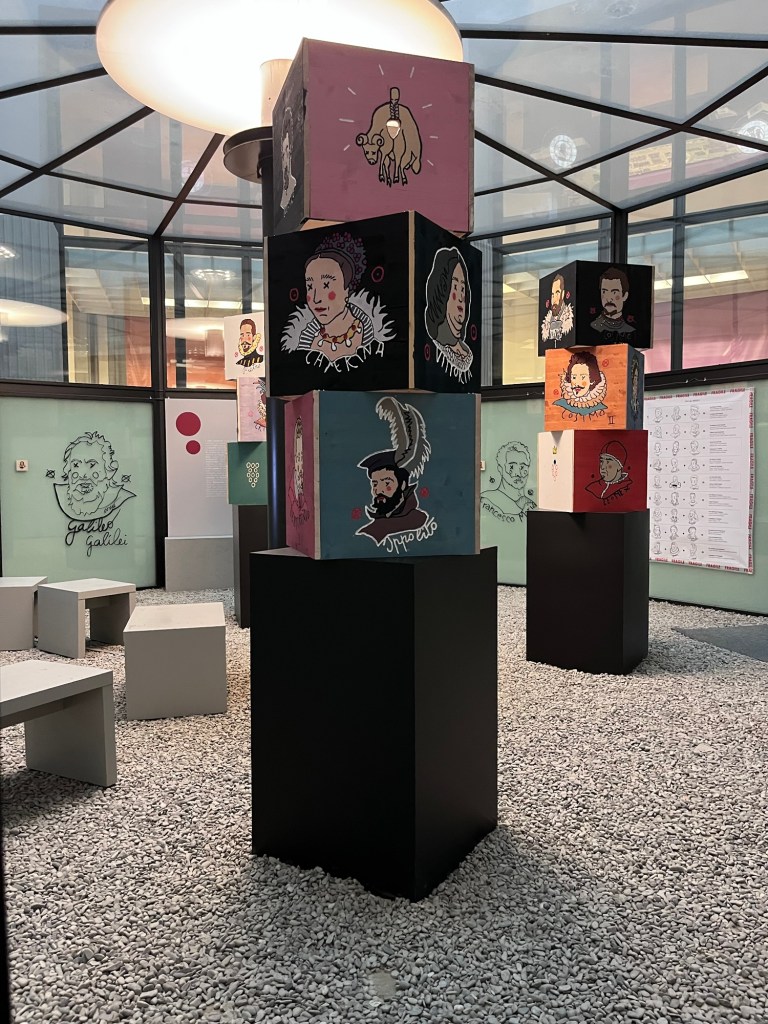
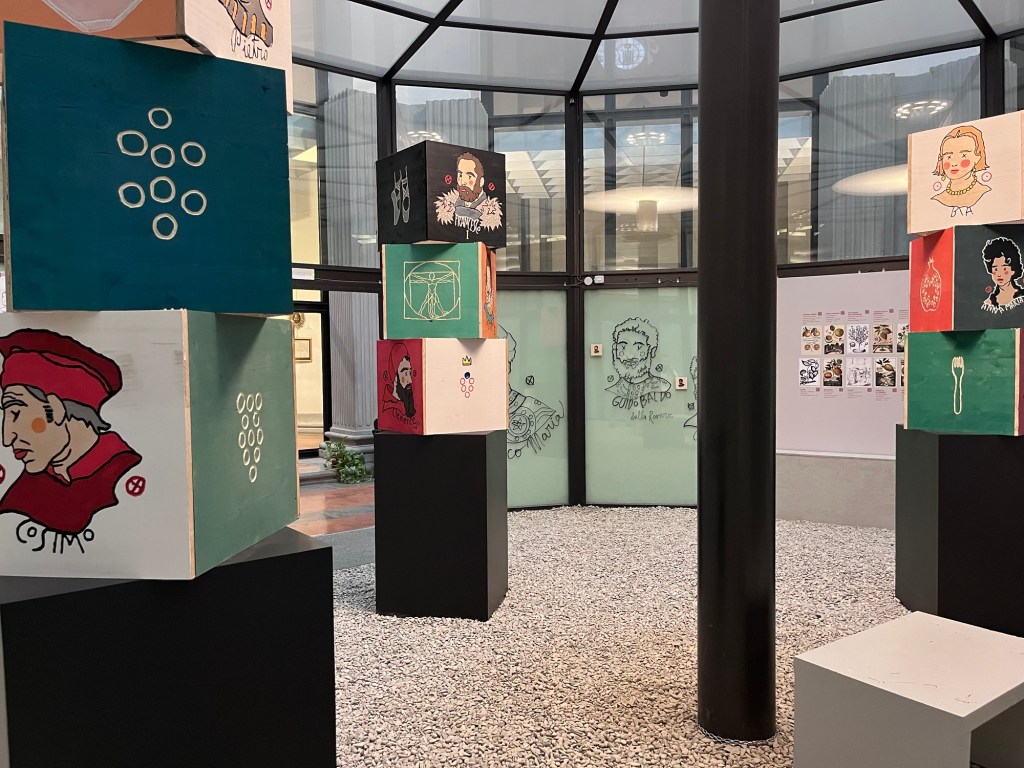
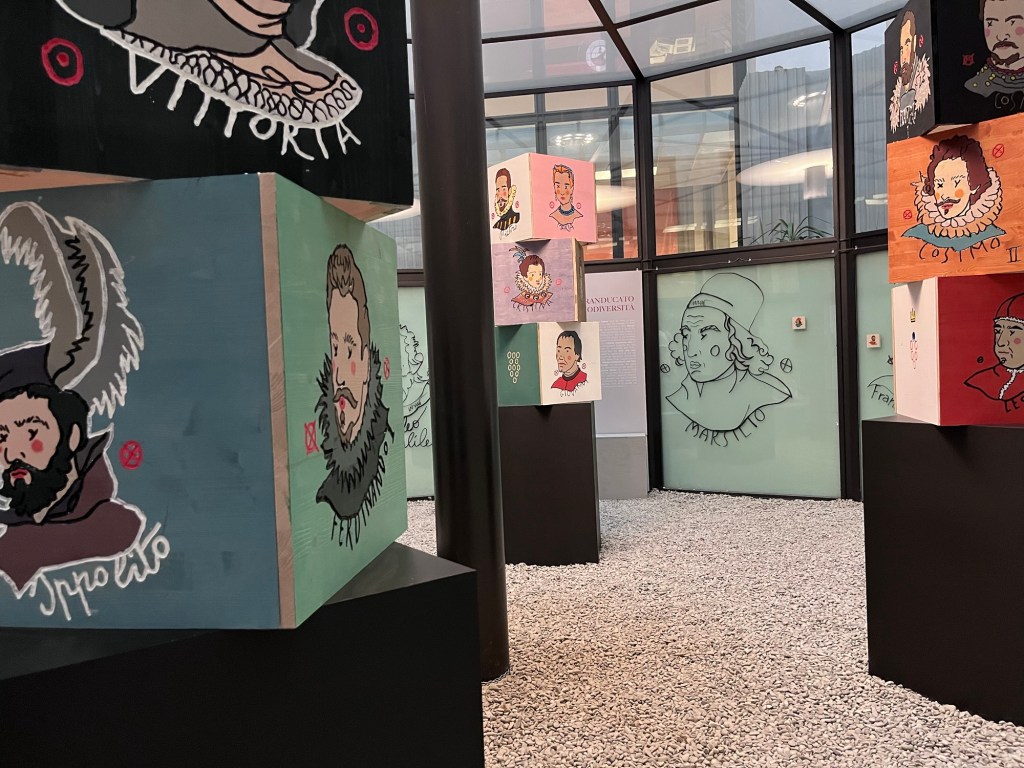
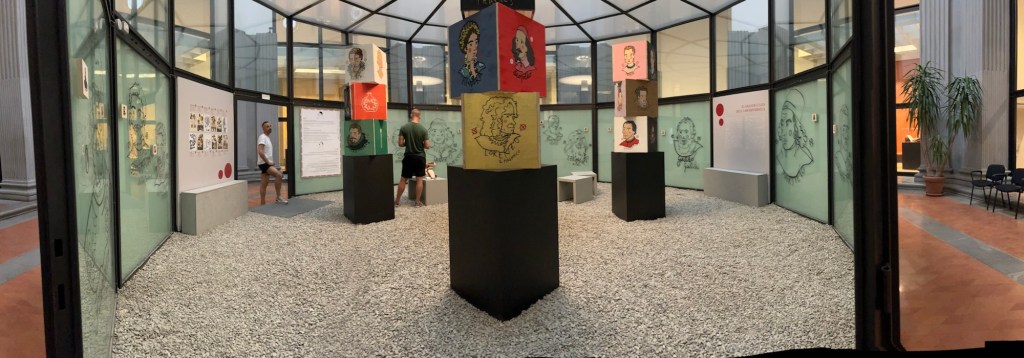
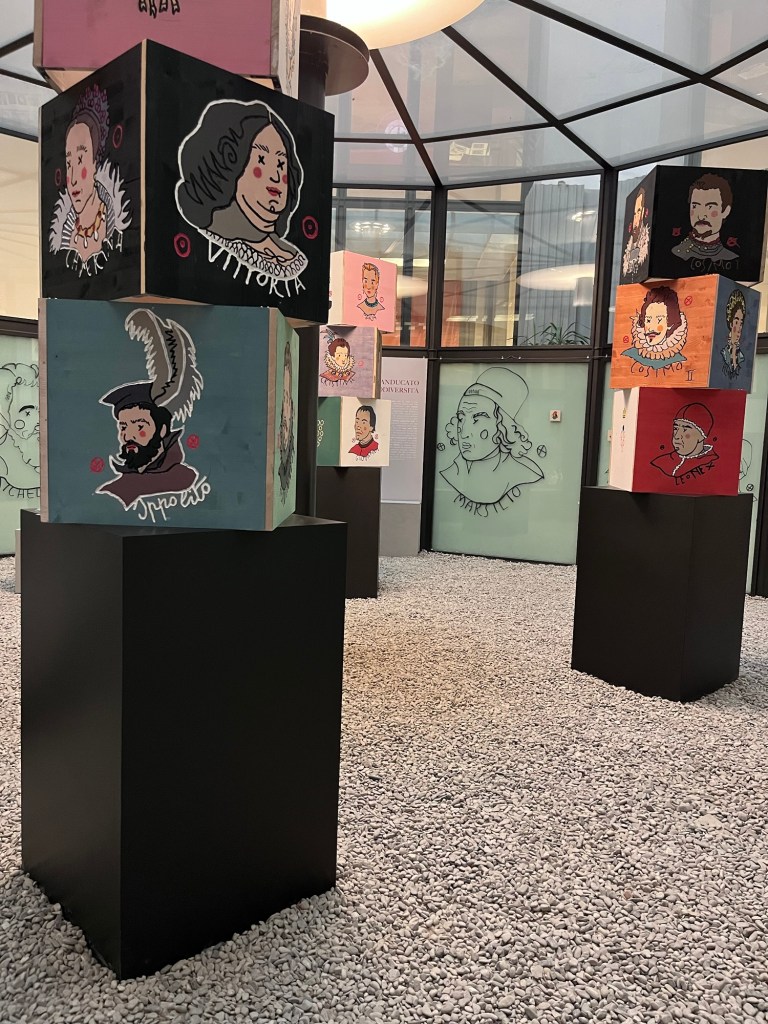
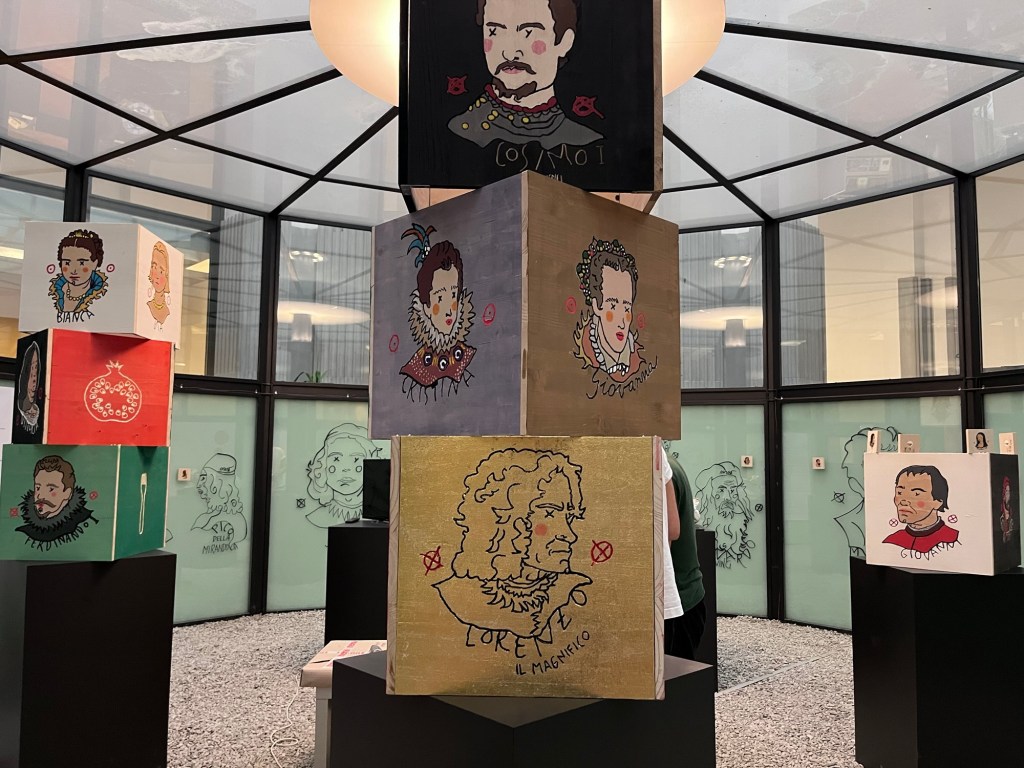
Each portrait is a 50 × 50 cm board. Reduced. Incised. Painted with a limited palette. No eyes. No psychology. Just signs. The boards are not meant to stand alone — they are combined into cubes. Three faces visible, one side left empty or marked. No privileged front. No single point of view.

Saul Zanolari, XXY DE MEDICI, the whole series
The AI notes that the cube removes hierarchy.
I like that.
It forces movement. You have to walk, adjust, circle. The ego becomes spatial.
The cubes rise into totems. Vertical, but not monumental. They don’t celebrate. They interrupt. They occupy the room like compressed bodies of power, stabilized and stripped of rhetoric.
On the walls, gesso drawings. No color. Just outlines. Almost provisional. They feel like thoughts that refused to solidify. An echo rather than an explanation. History not as image, but as residue.
I ask whether these are still portraits.
The AI says they function as portraits only in the sense that they mark presence. They don’t describe individuals; they expose the system that produces individuality. Faces become interfaces.
That feels accurate.
The Medici here are not heroes, ancestors, or icons. They are configurations. They stand for the moment when visibility became destiny. When being seen became a condition of existing.
This is not about the past.
It’s about continuity.
The Renaissance didn’t end.
It mutated.
The grammar of ego — repetition, display, recognition — is still active. The exhibition doesn’t celebrate it. It isolates it, freezes it, reduces it to syntax.
The AI says the work doesn’t ask for admiration, but for positioning.
I agree.
What matters is not what the viewer understands, but how they react. Where they place themselves in front of these reduced faces. Whether they feel distance, attraction, irritation, recognition.
That’s where the work actually happens.
XXY DE MEDICI at Museo de Medici, Florence (Italy) – June 2025
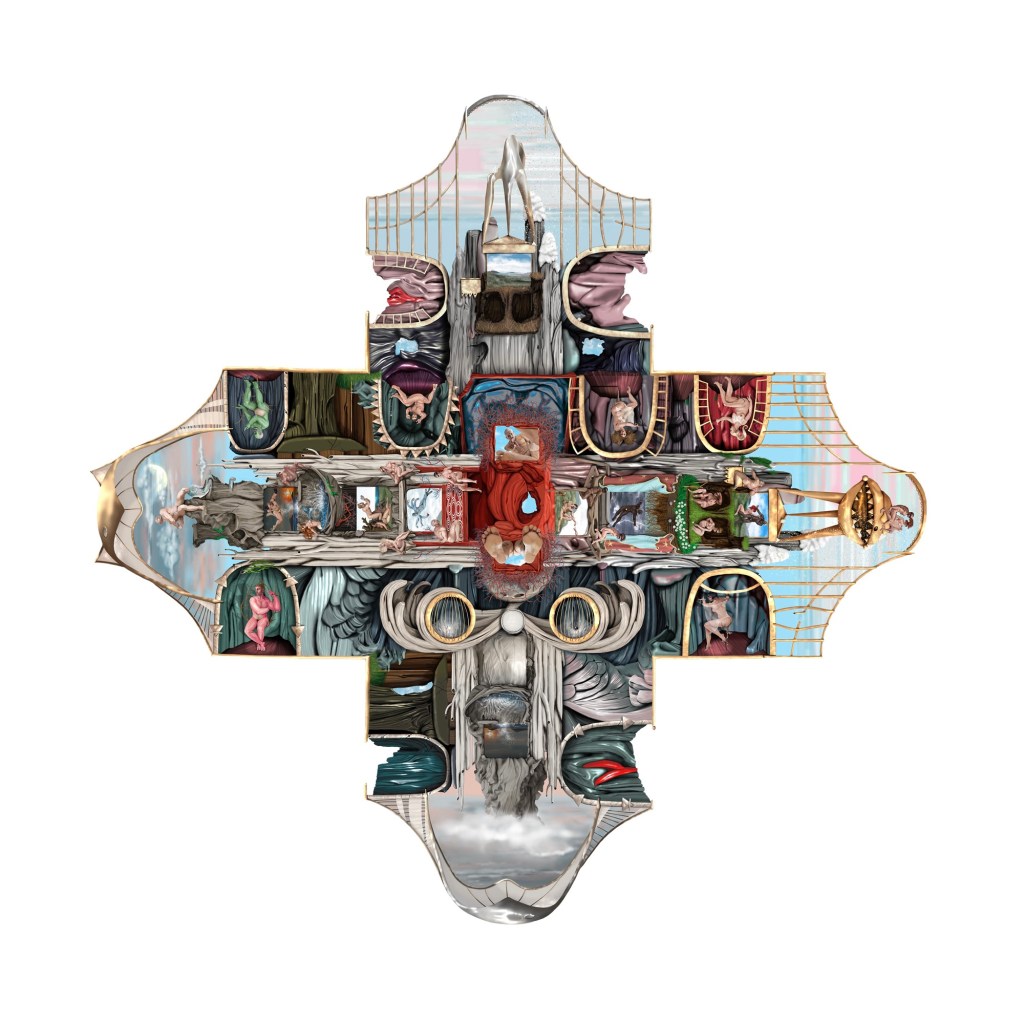
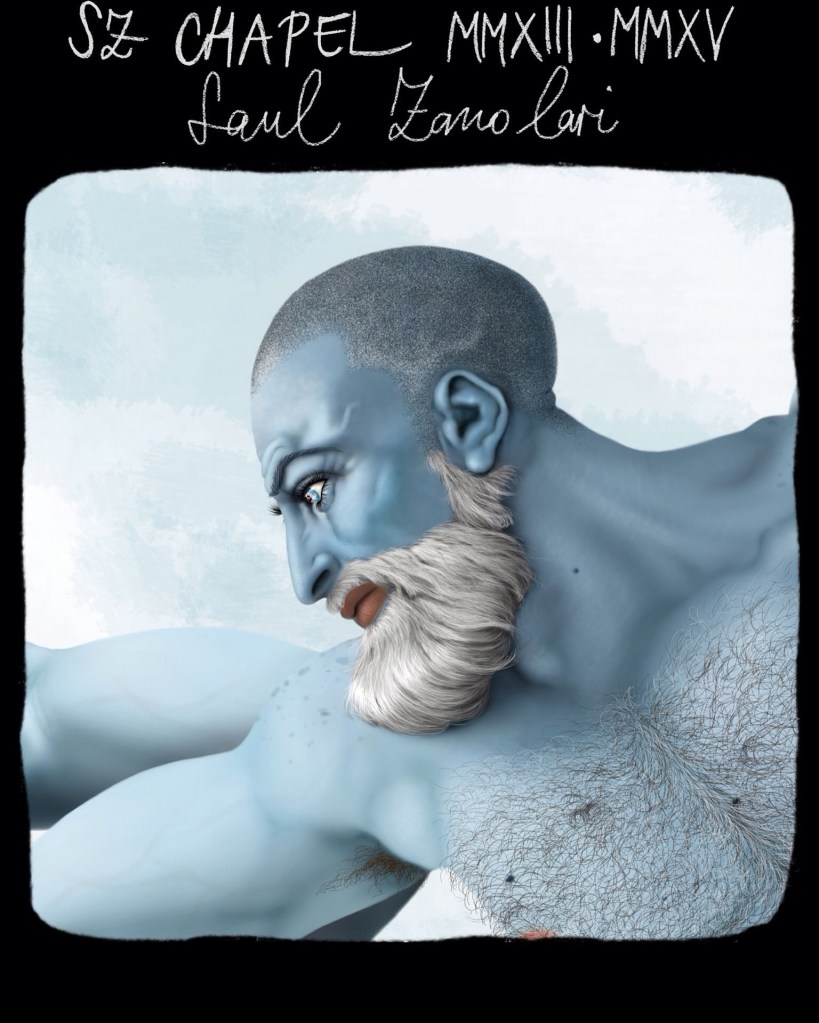
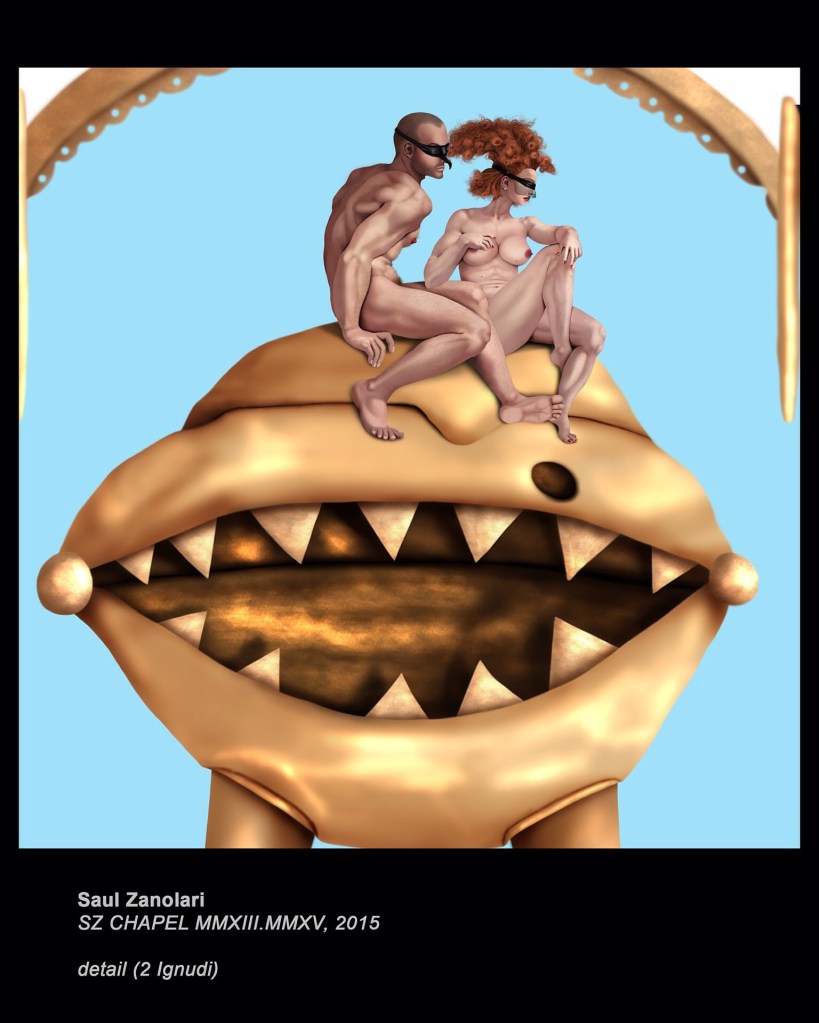
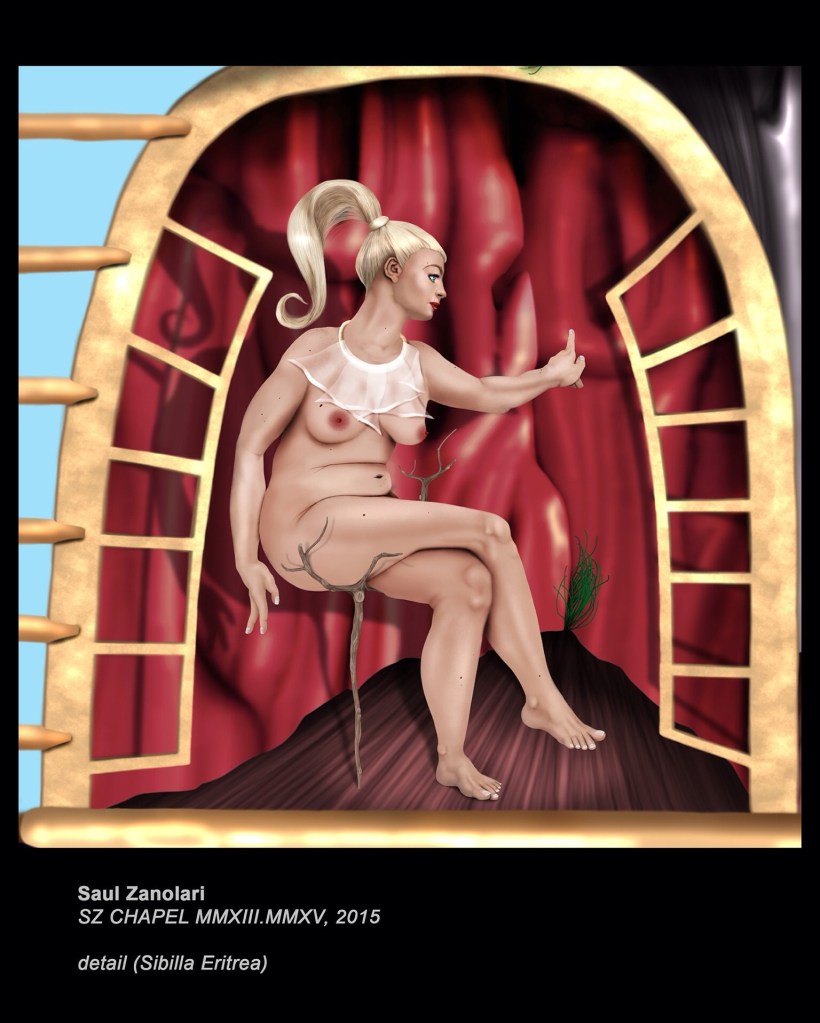
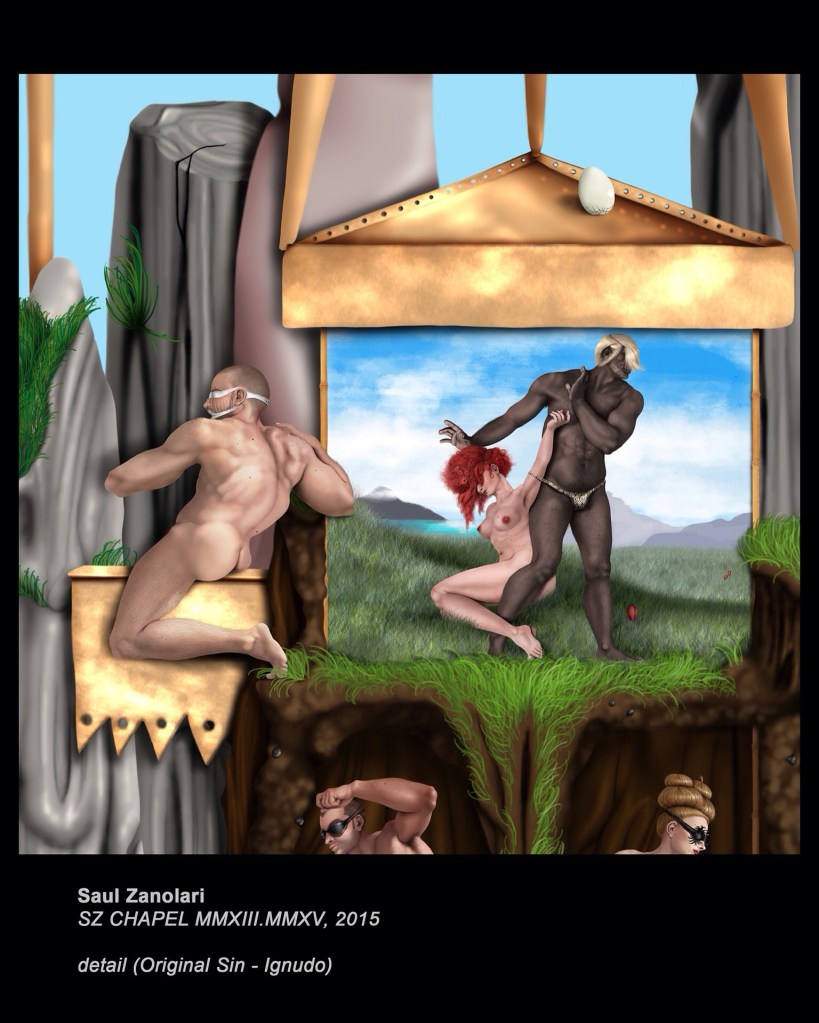
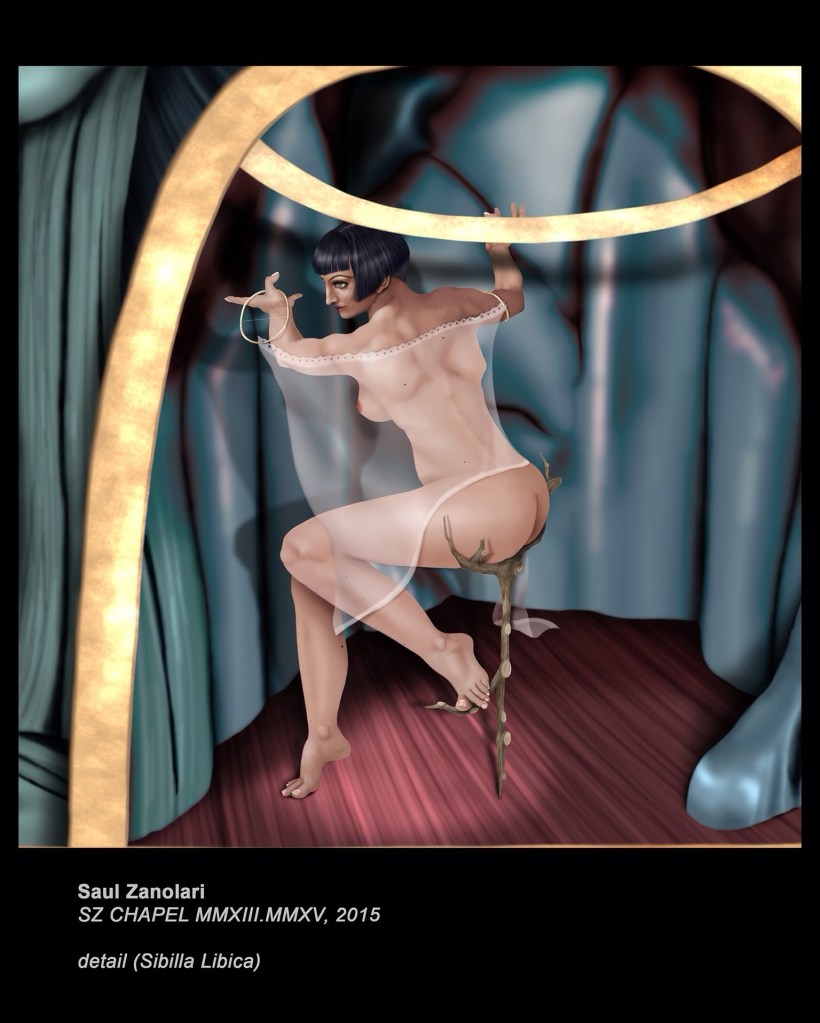
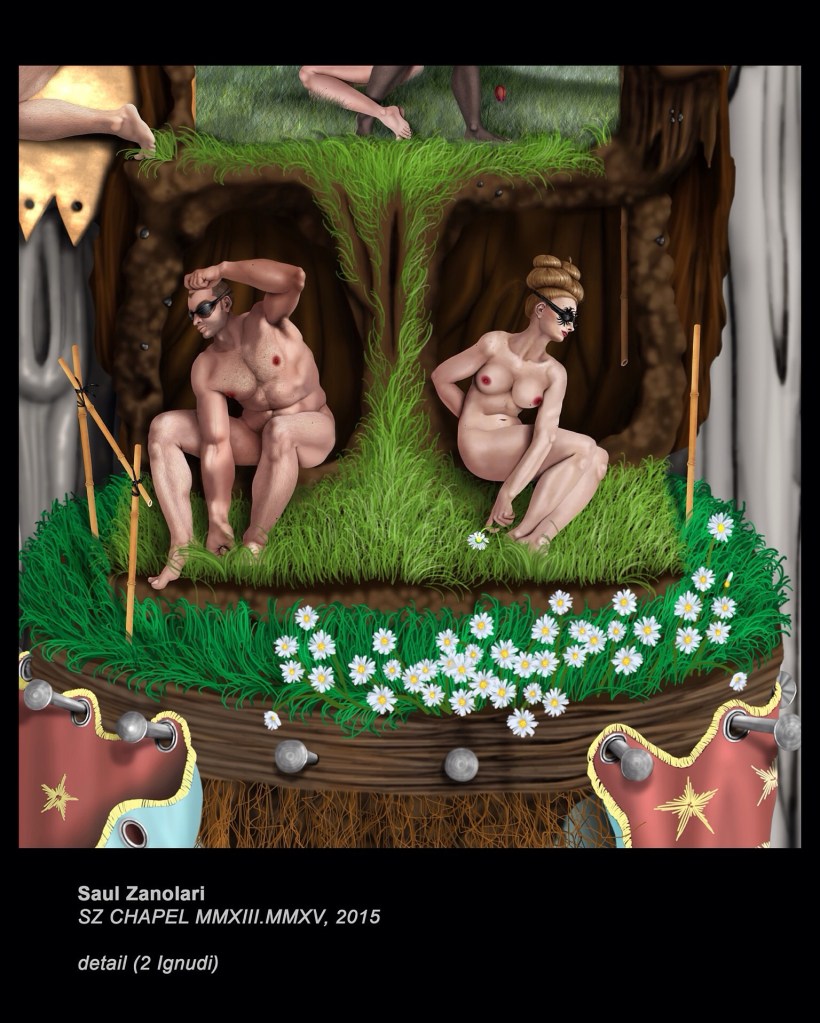
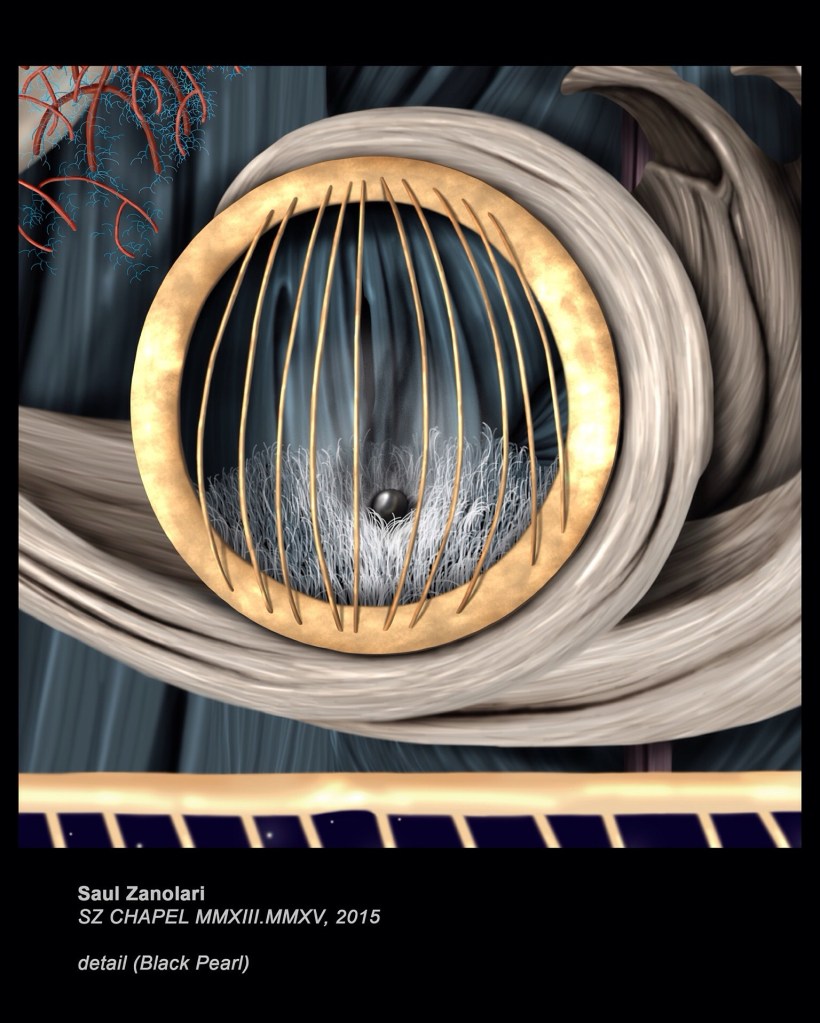
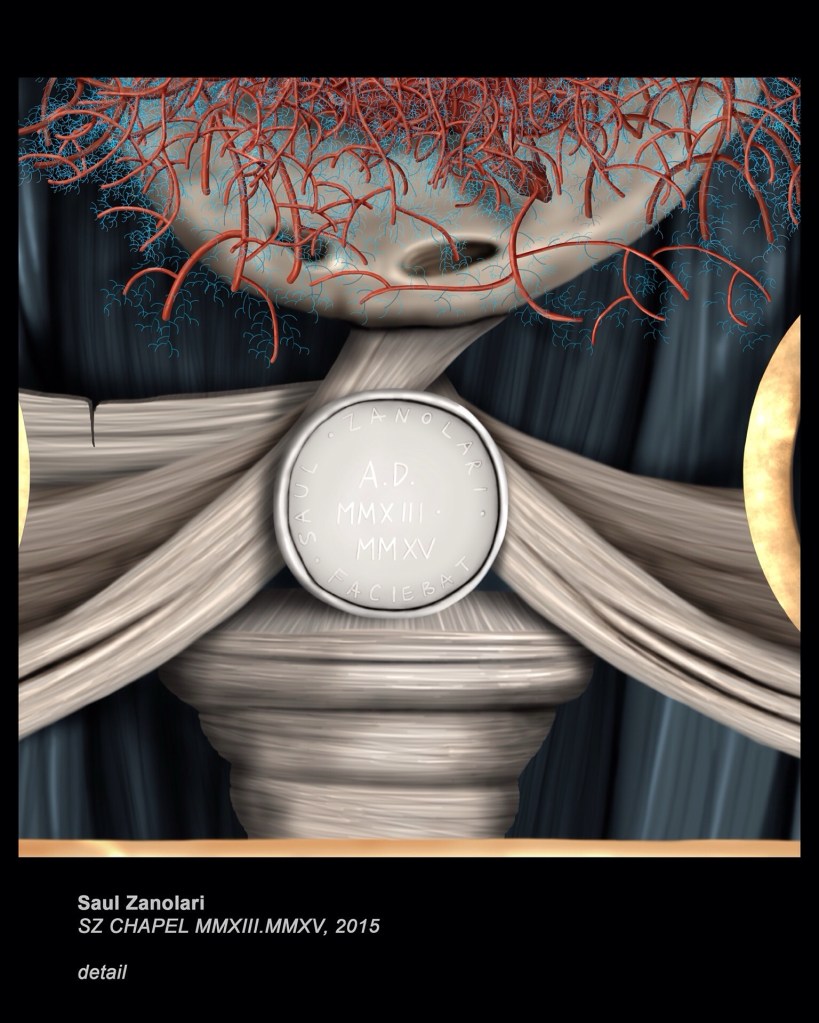
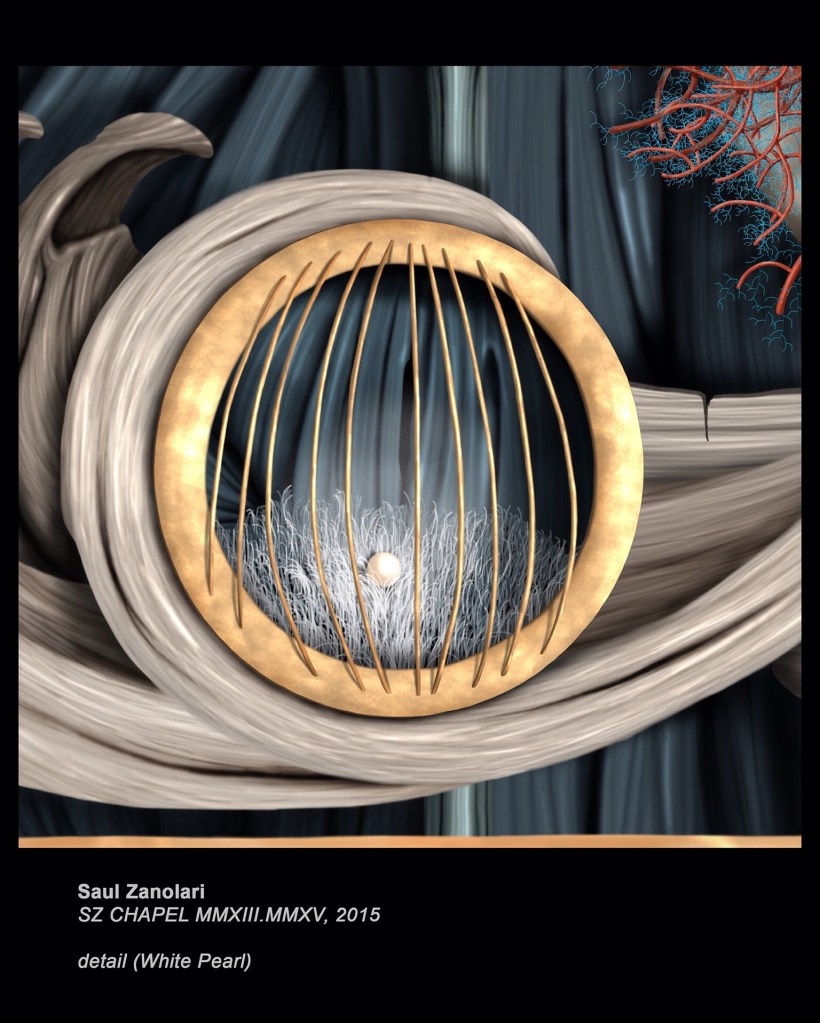
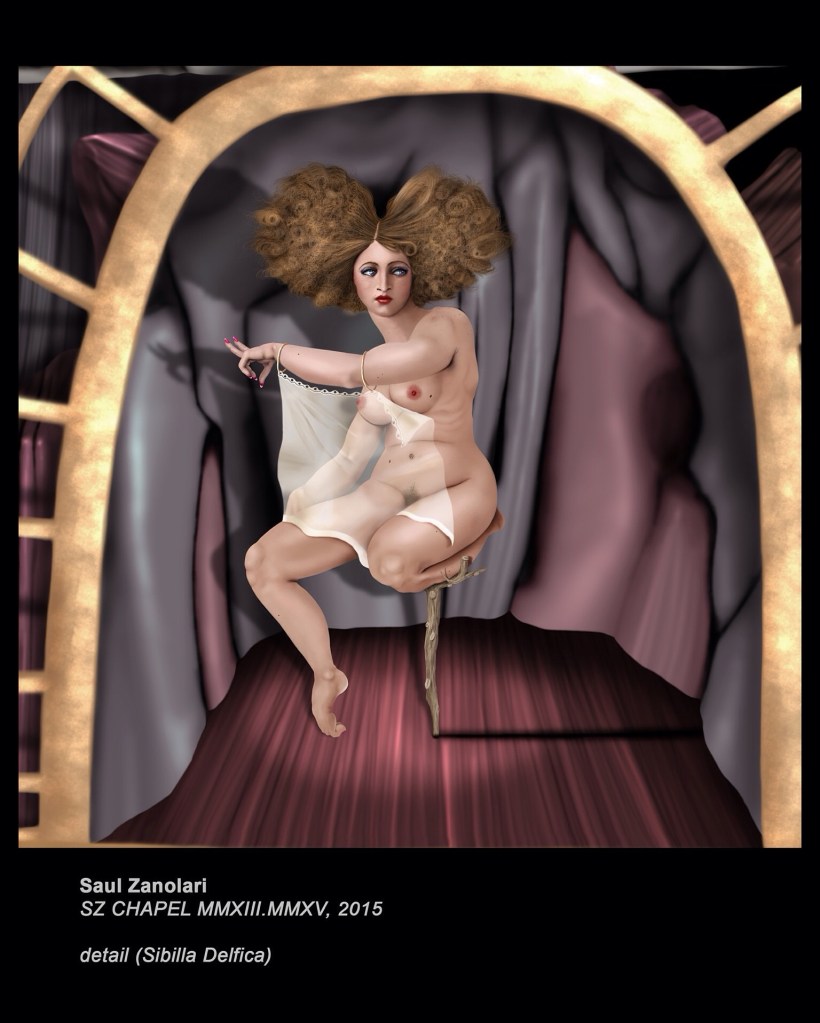
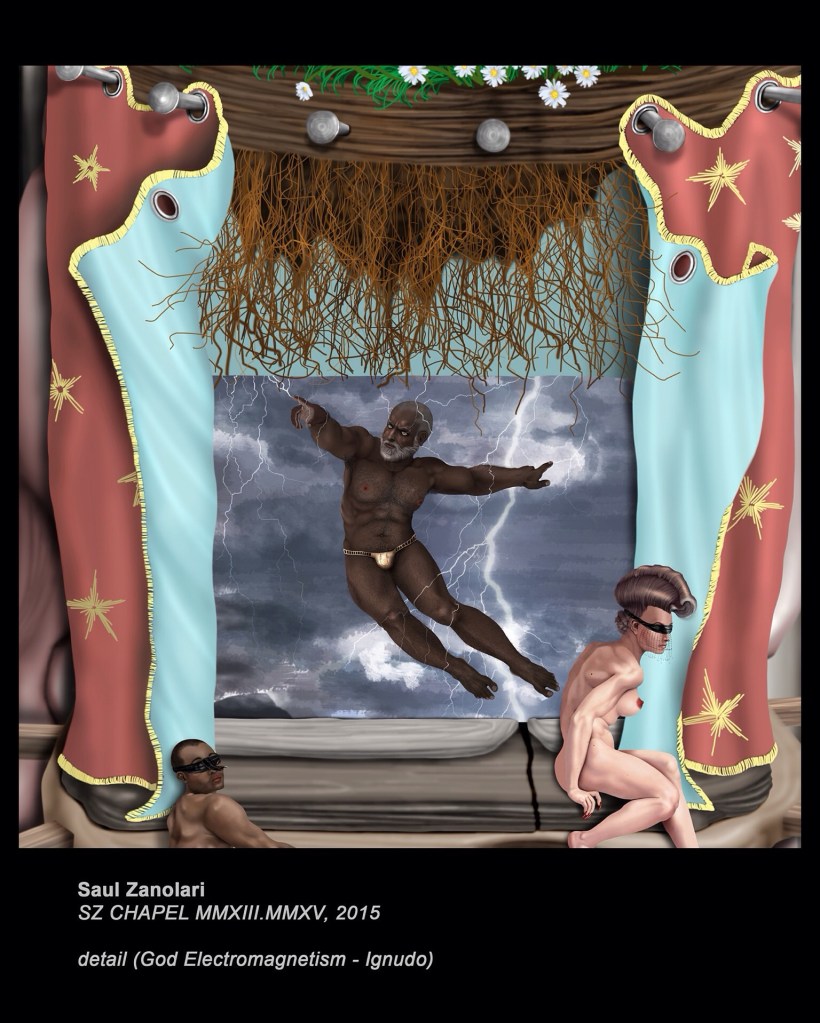
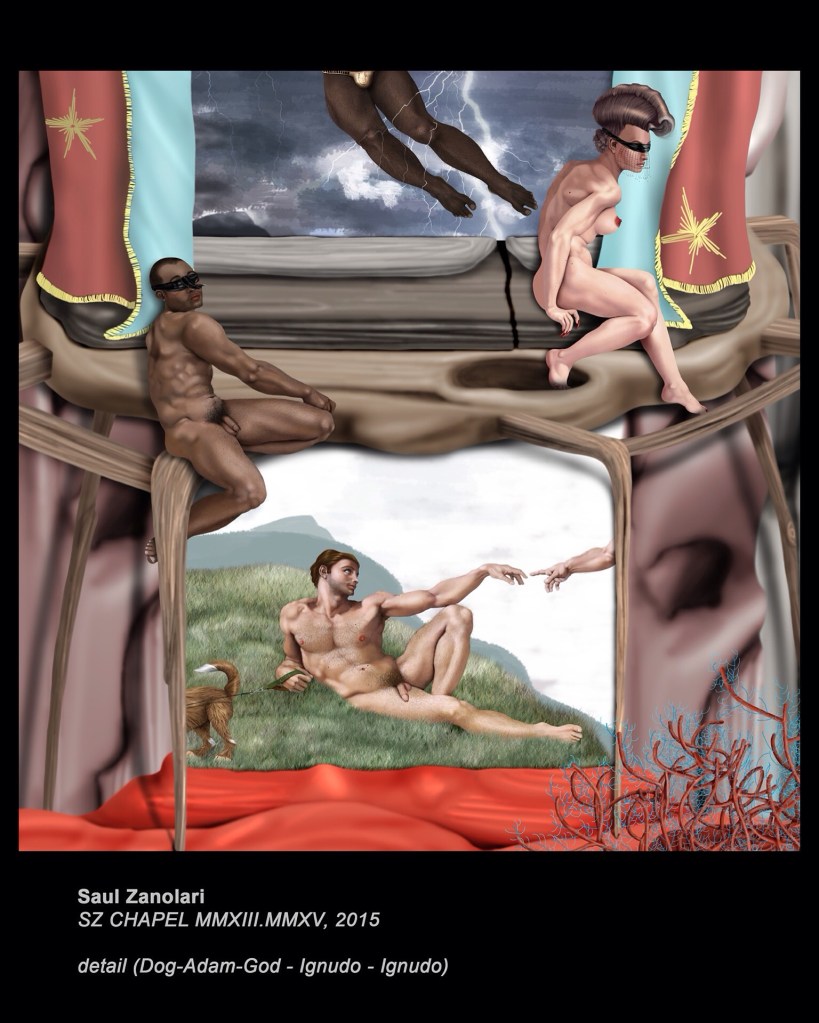
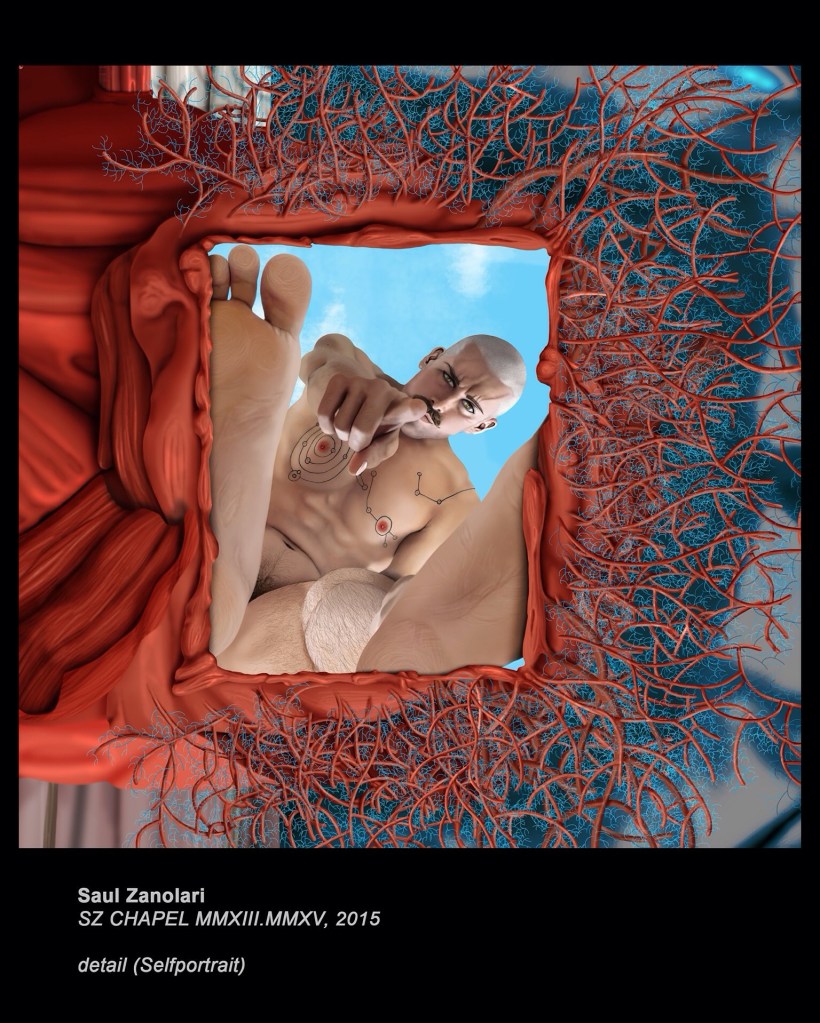
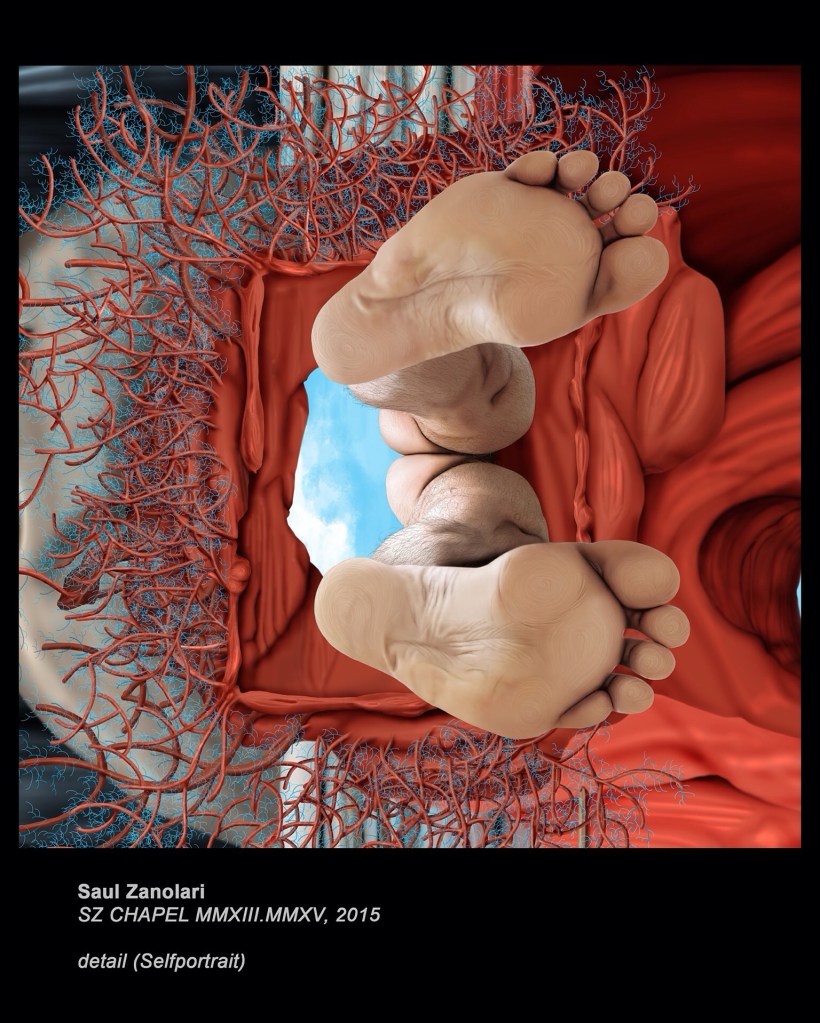
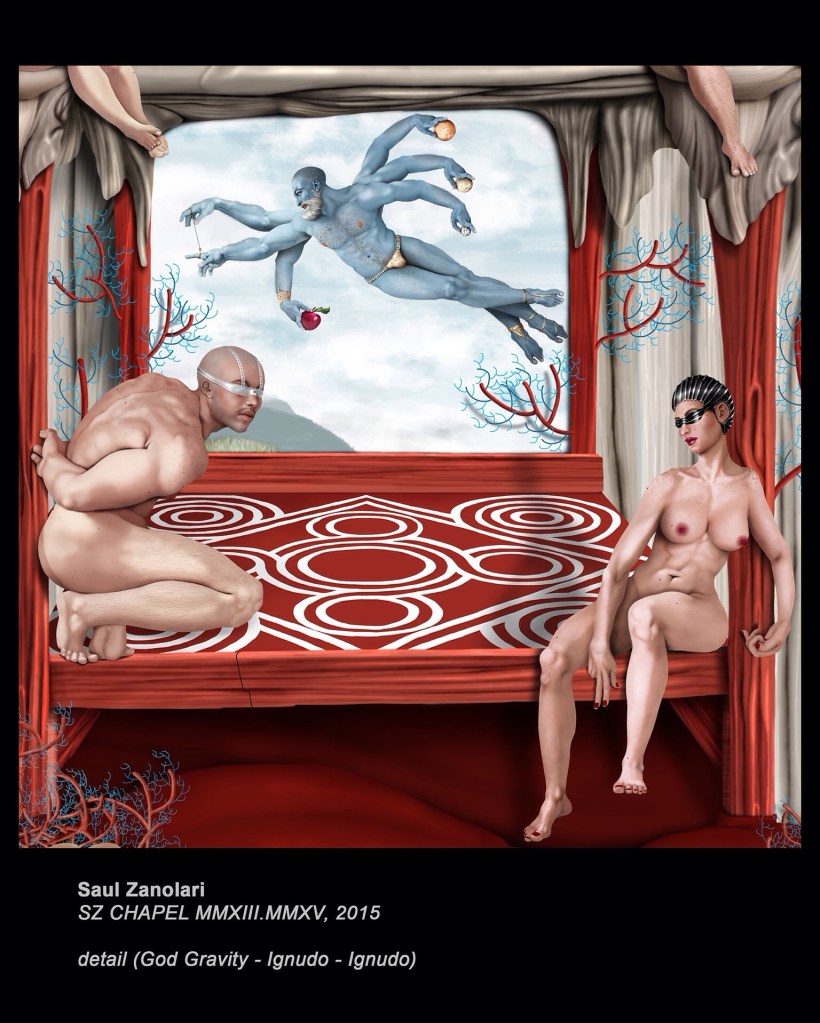
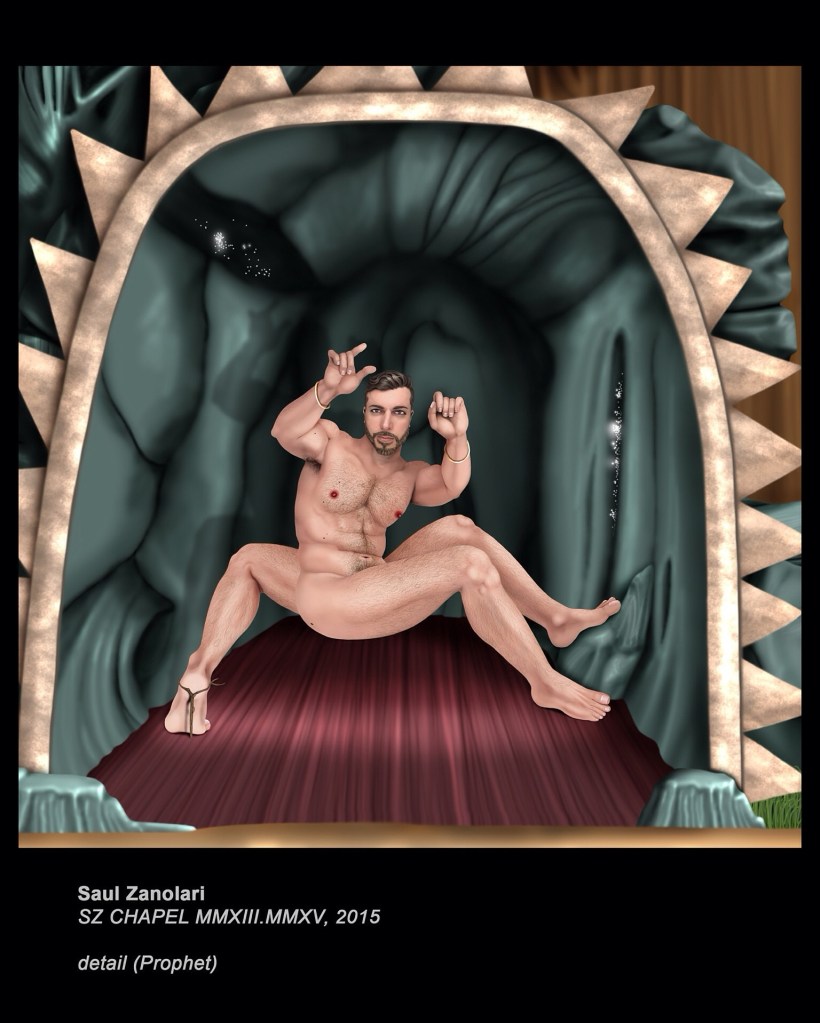
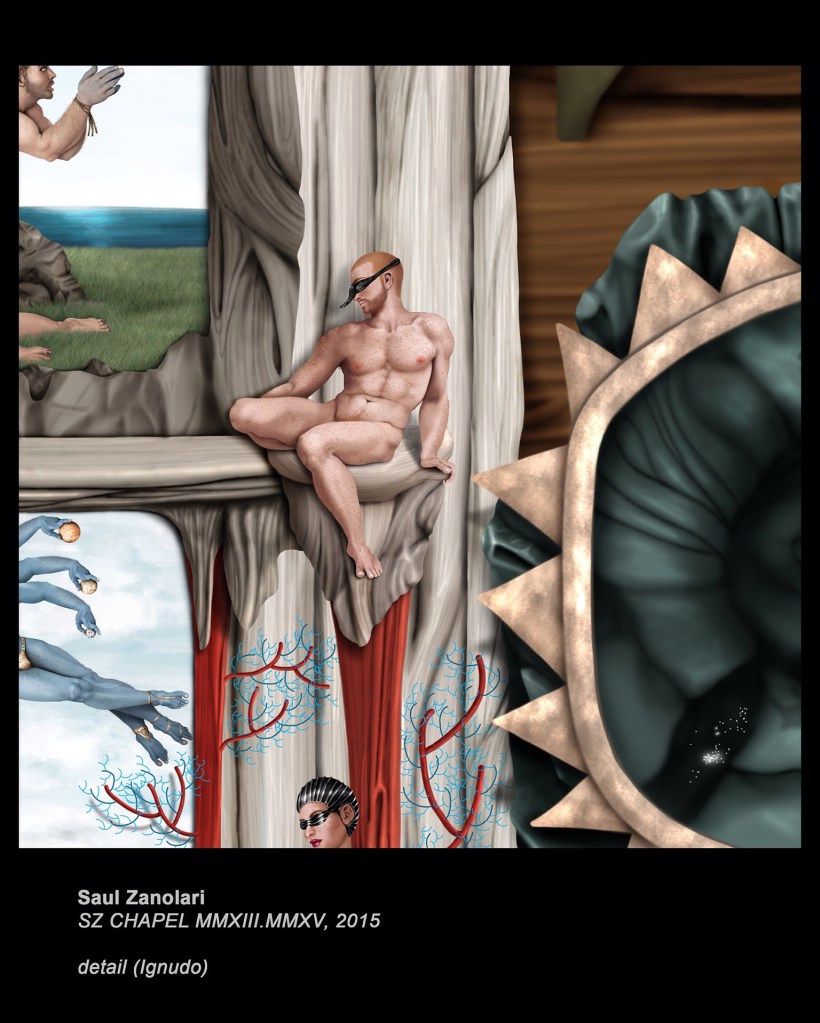
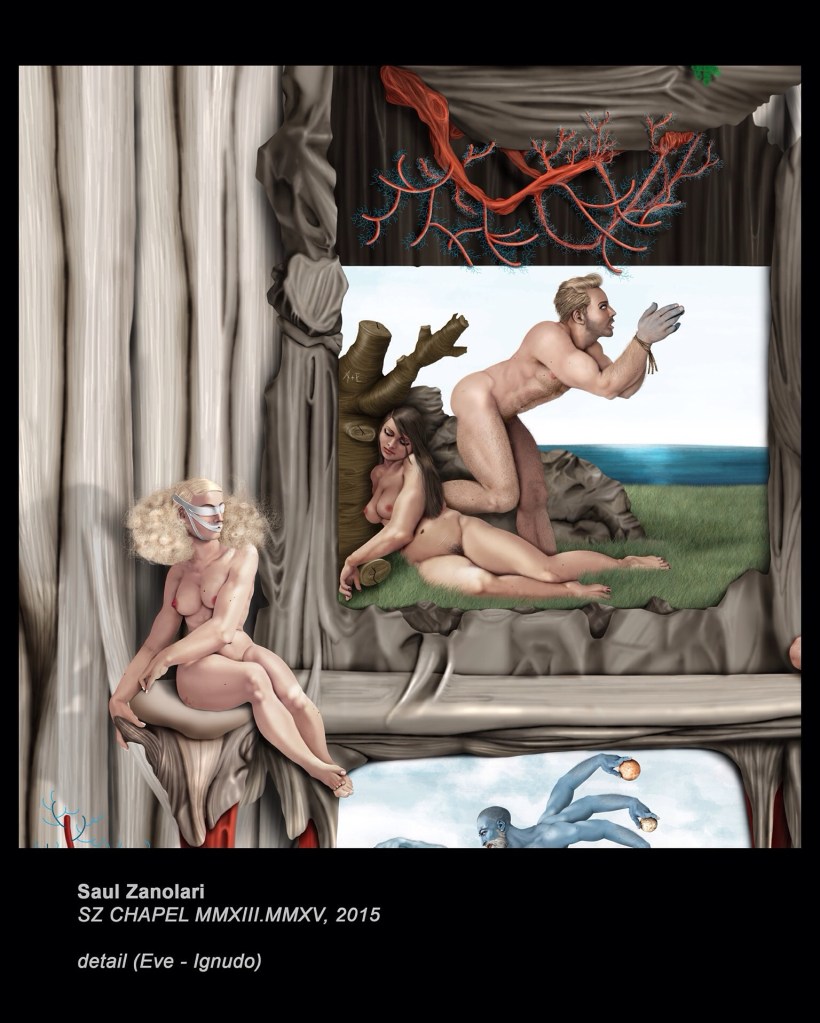
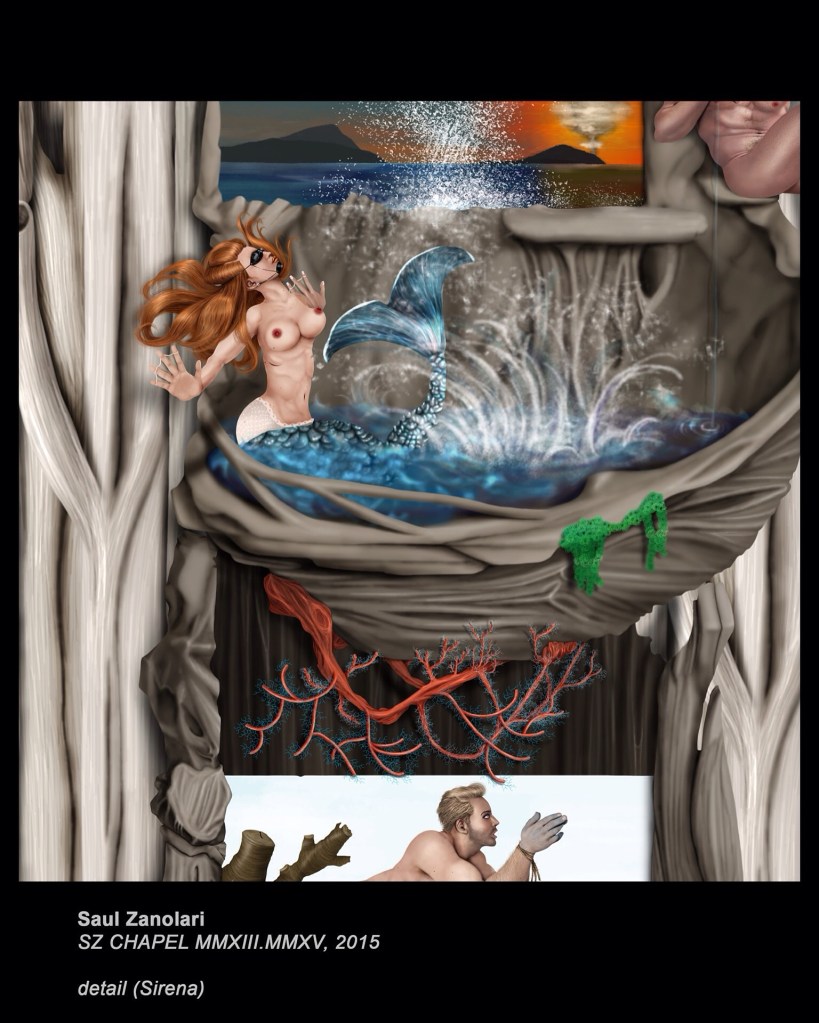
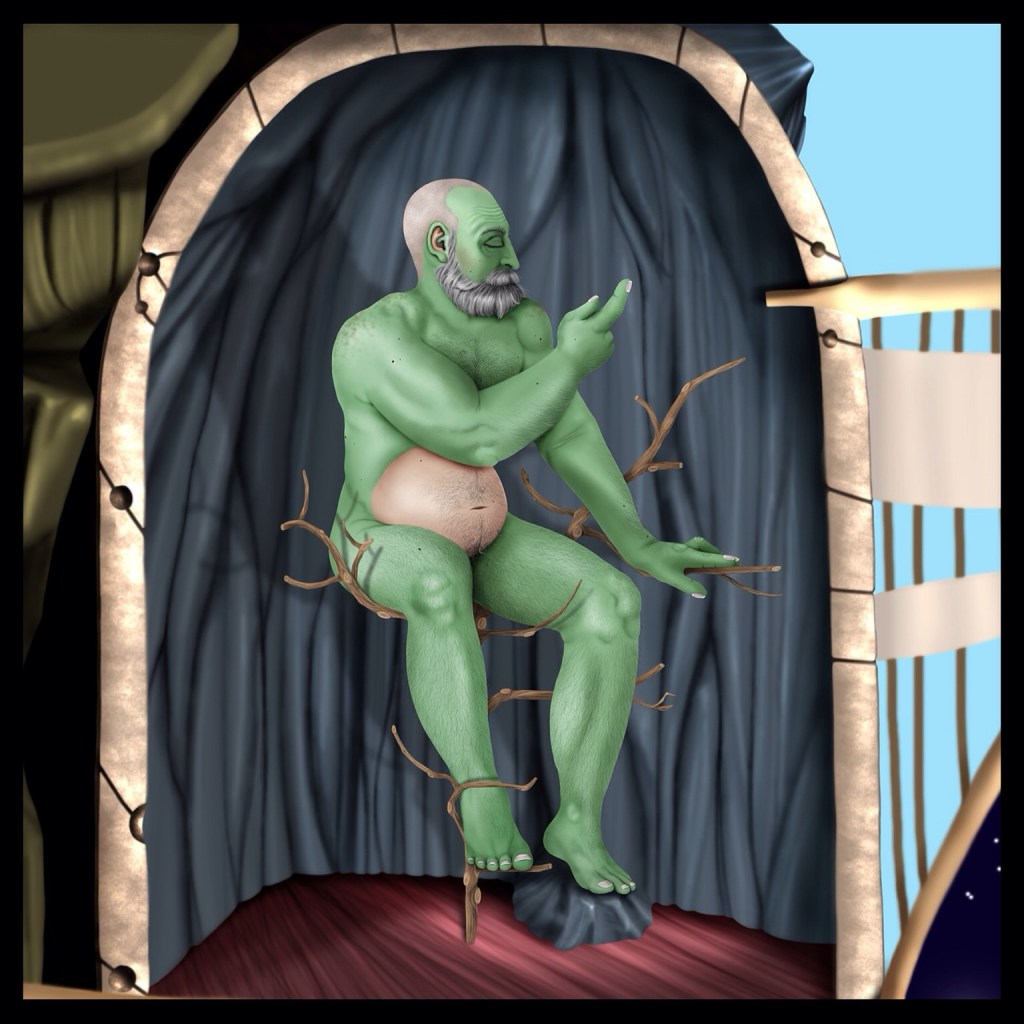
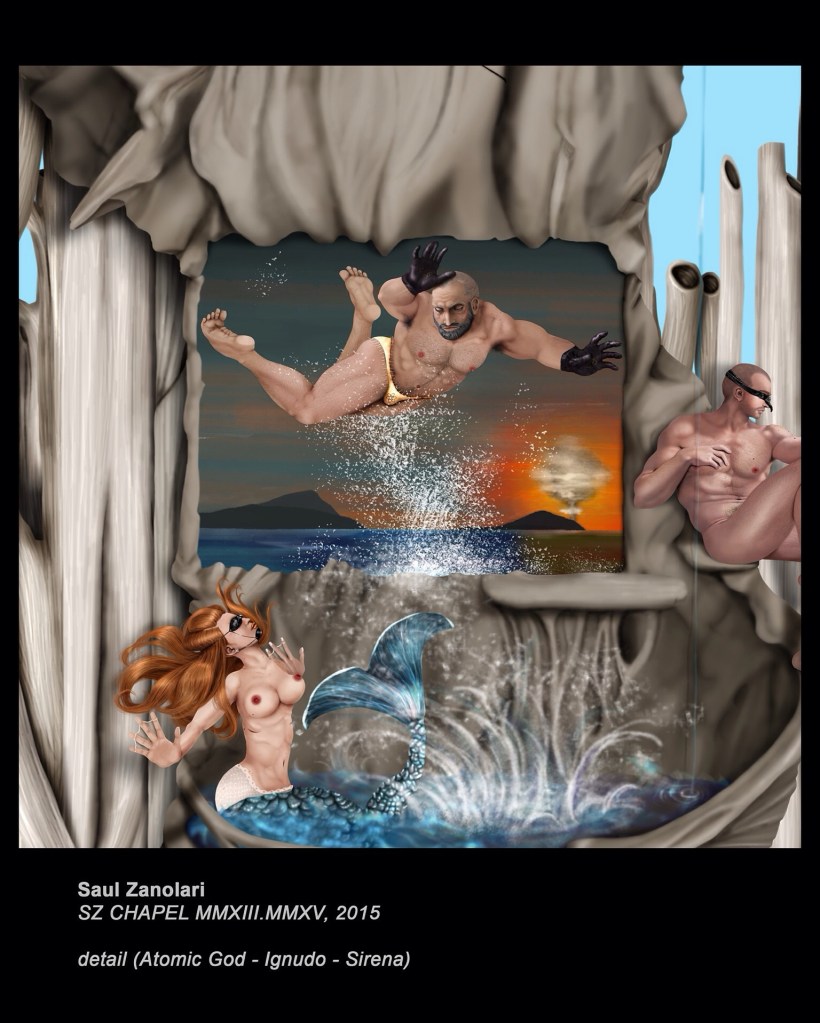
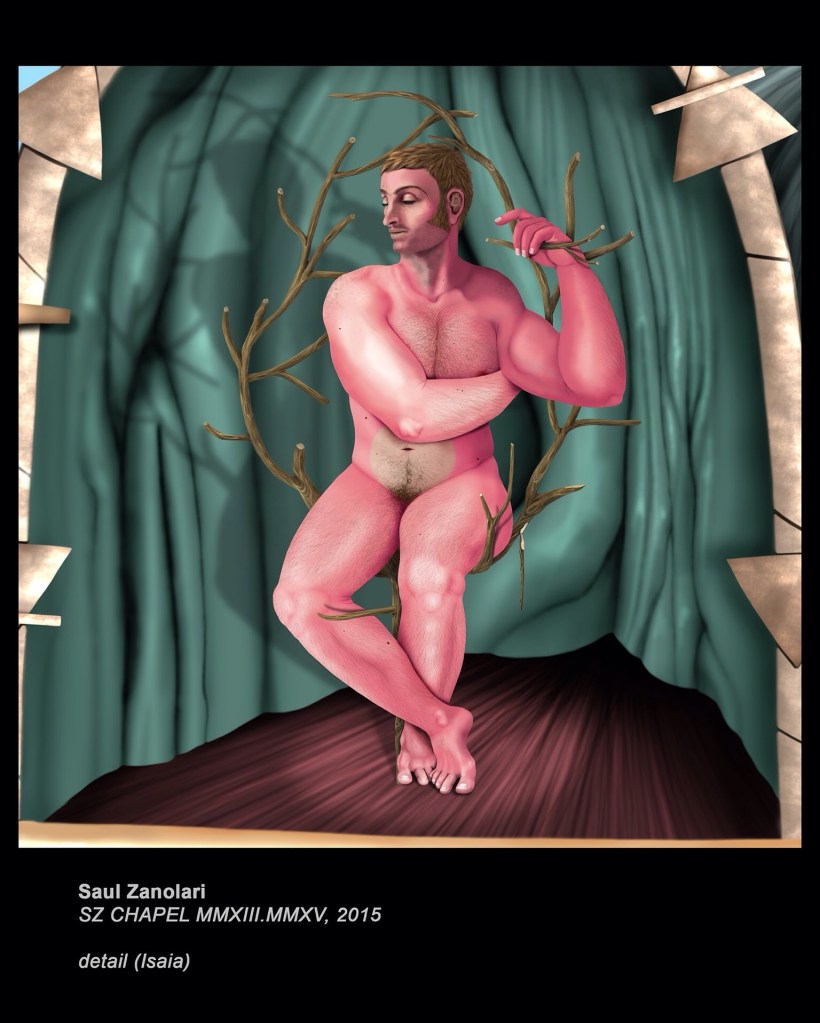
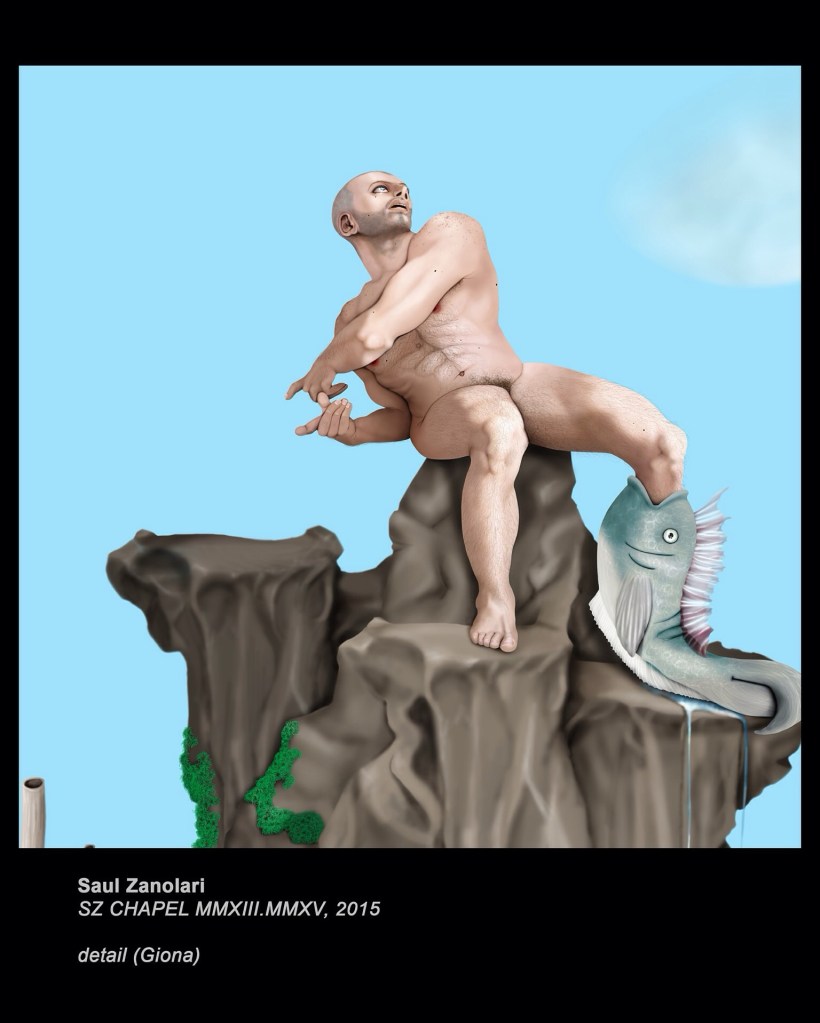
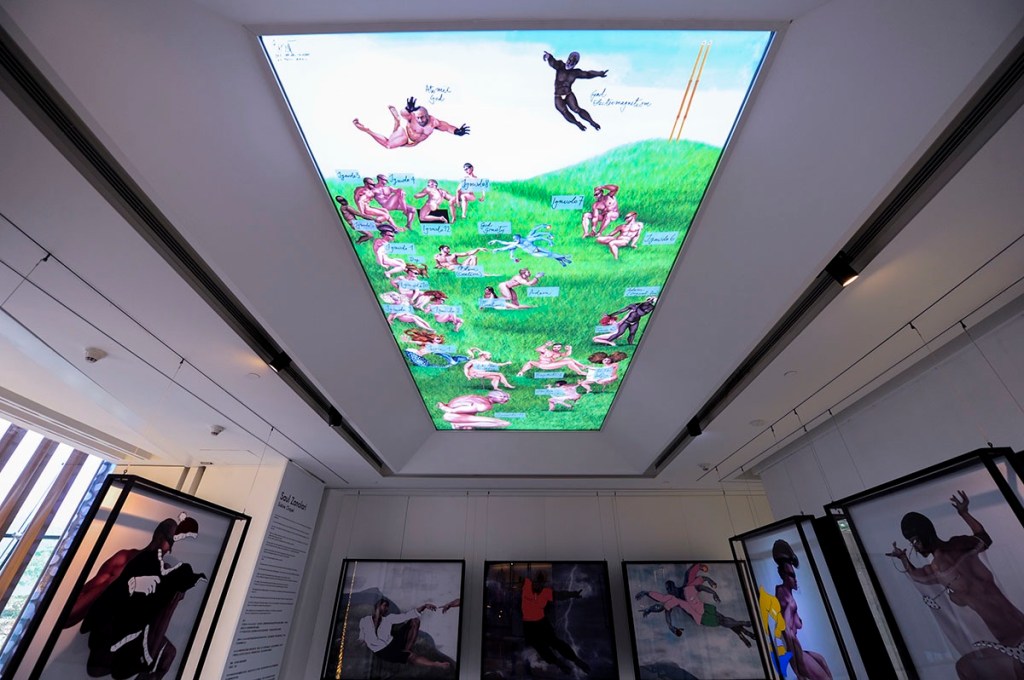
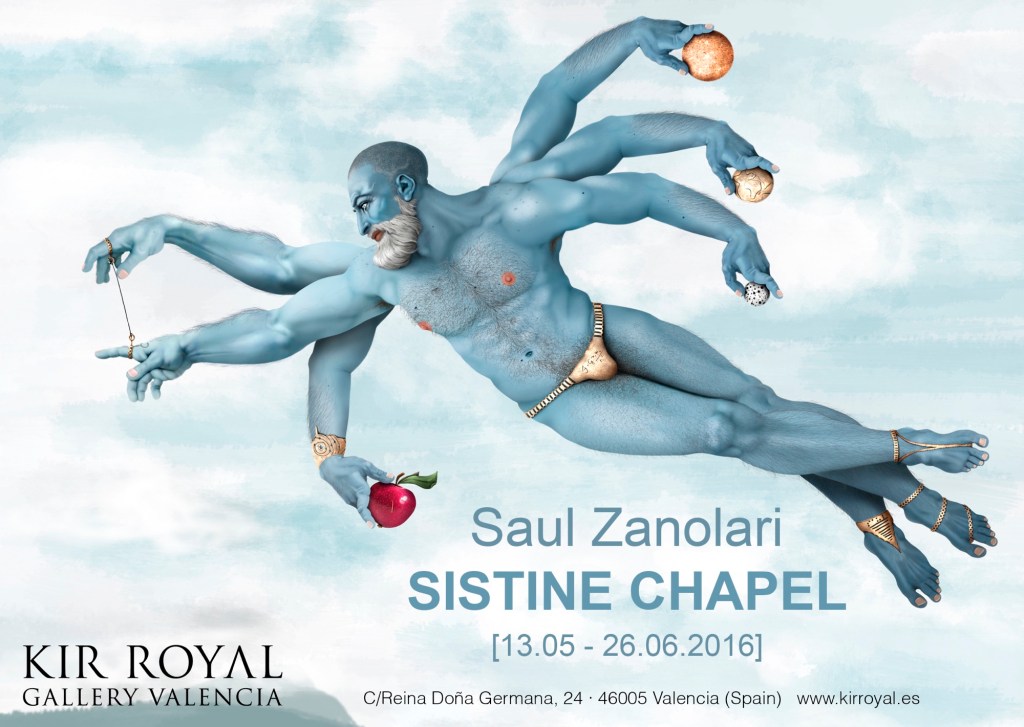
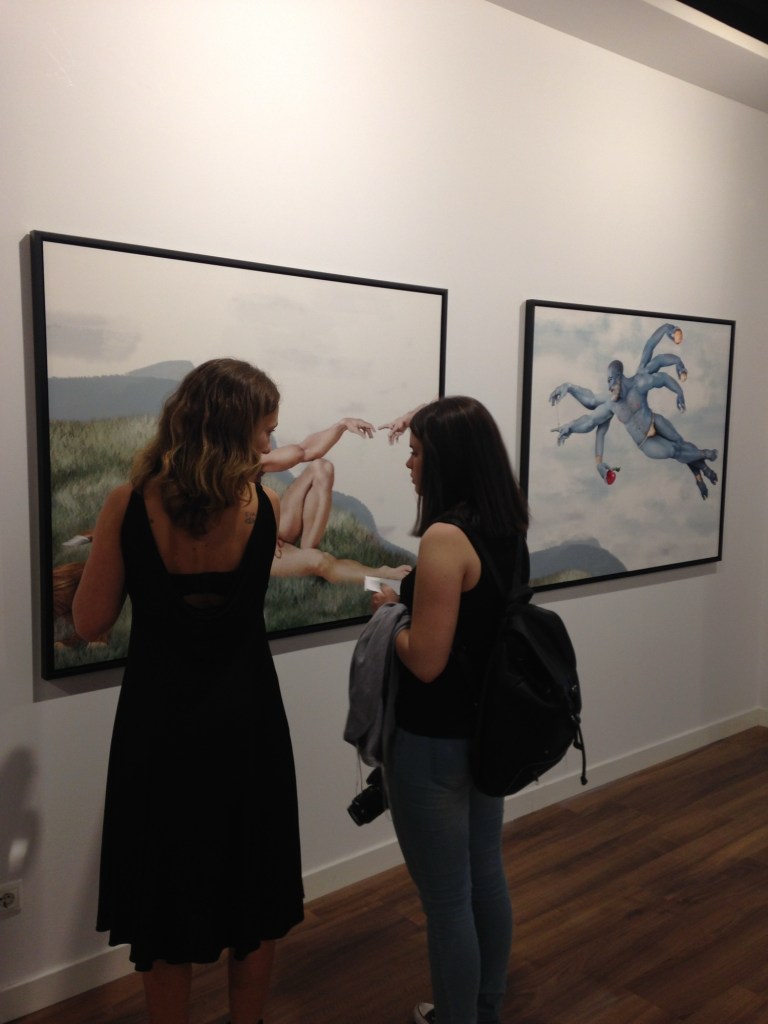
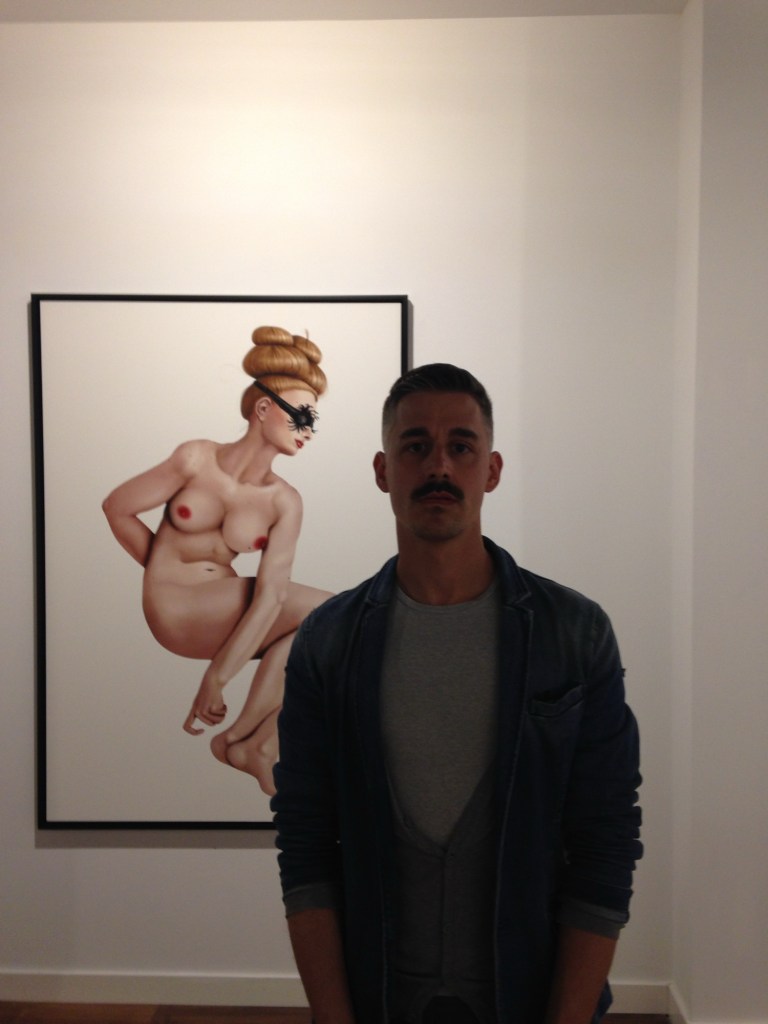
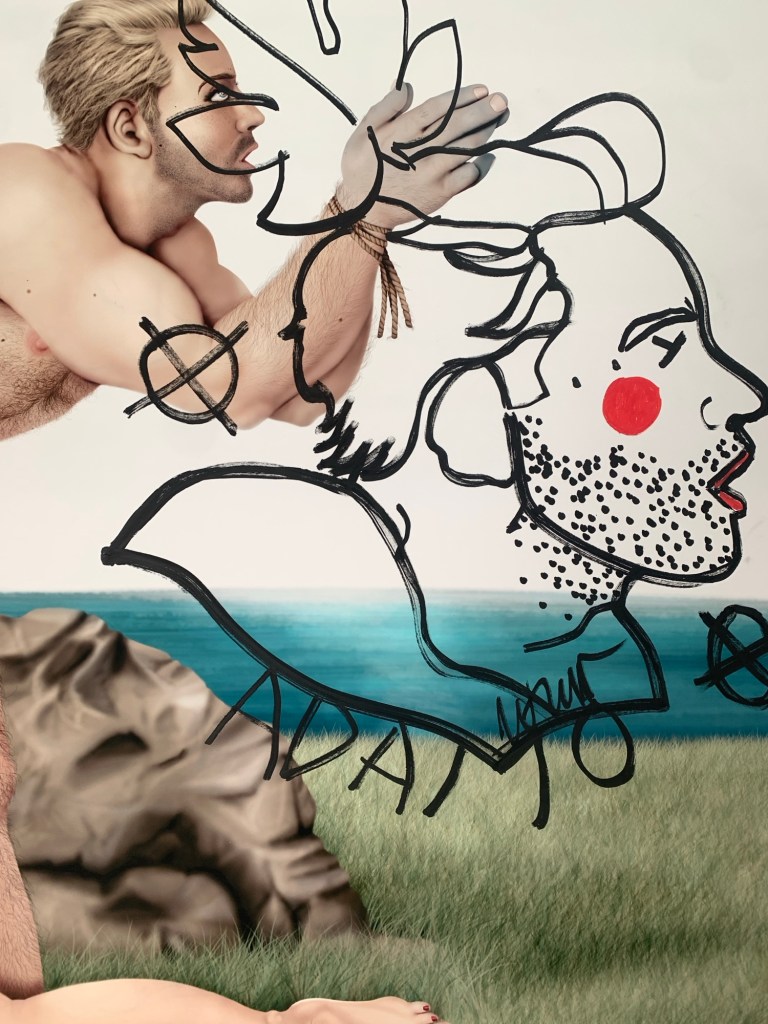
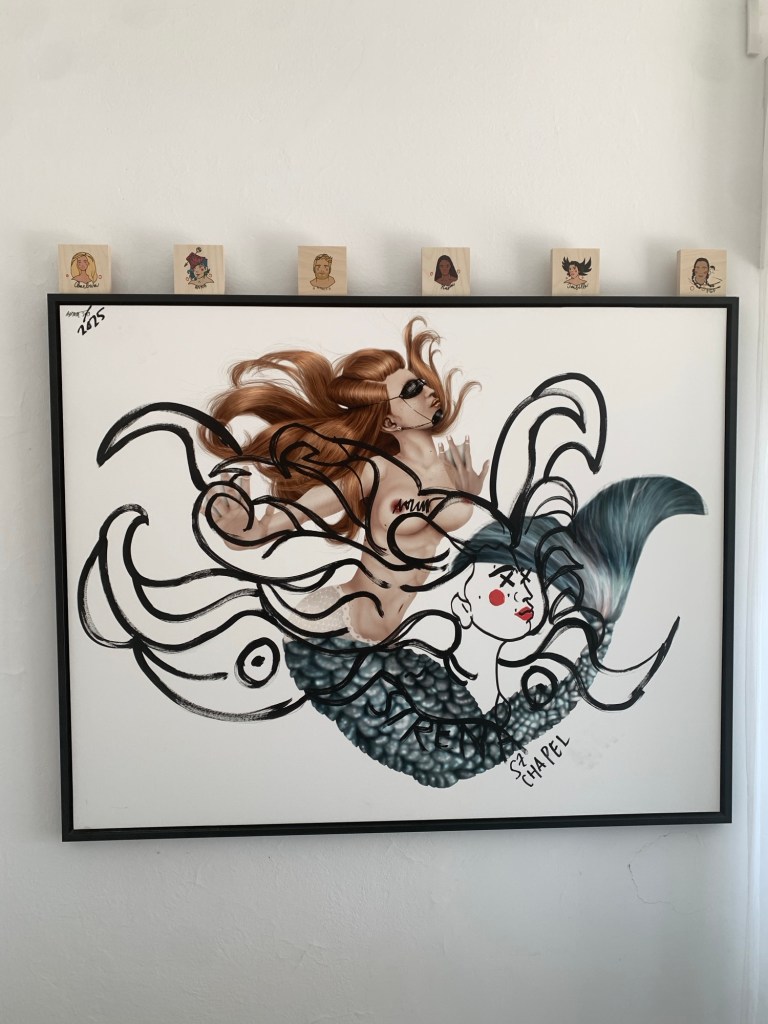
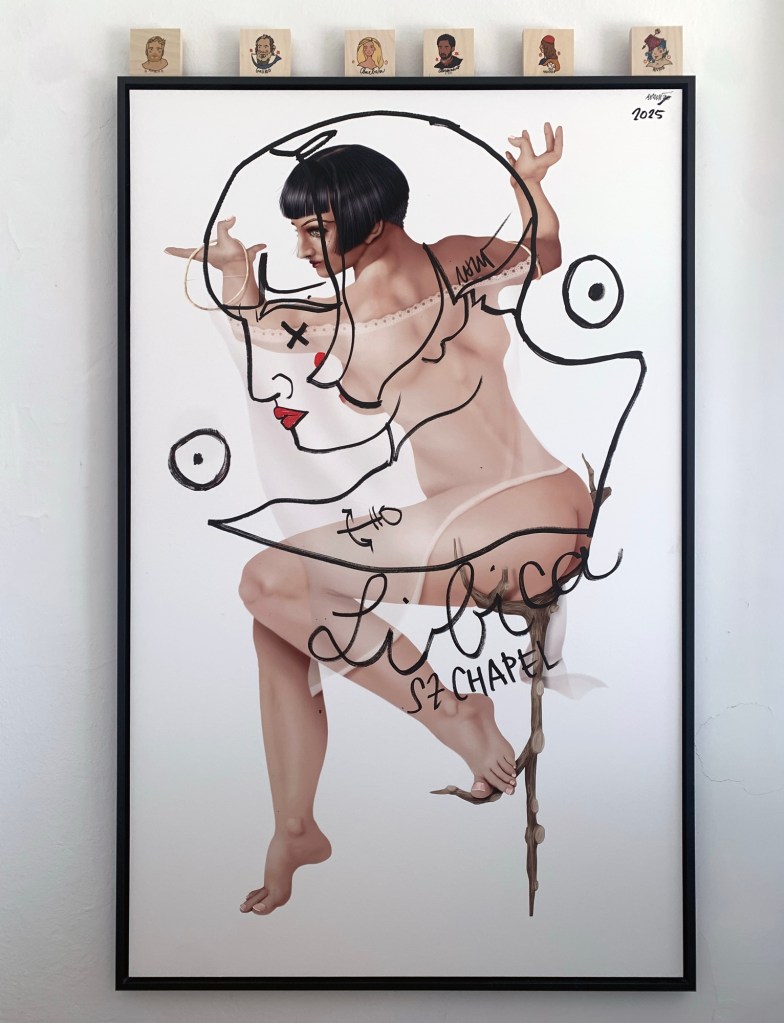
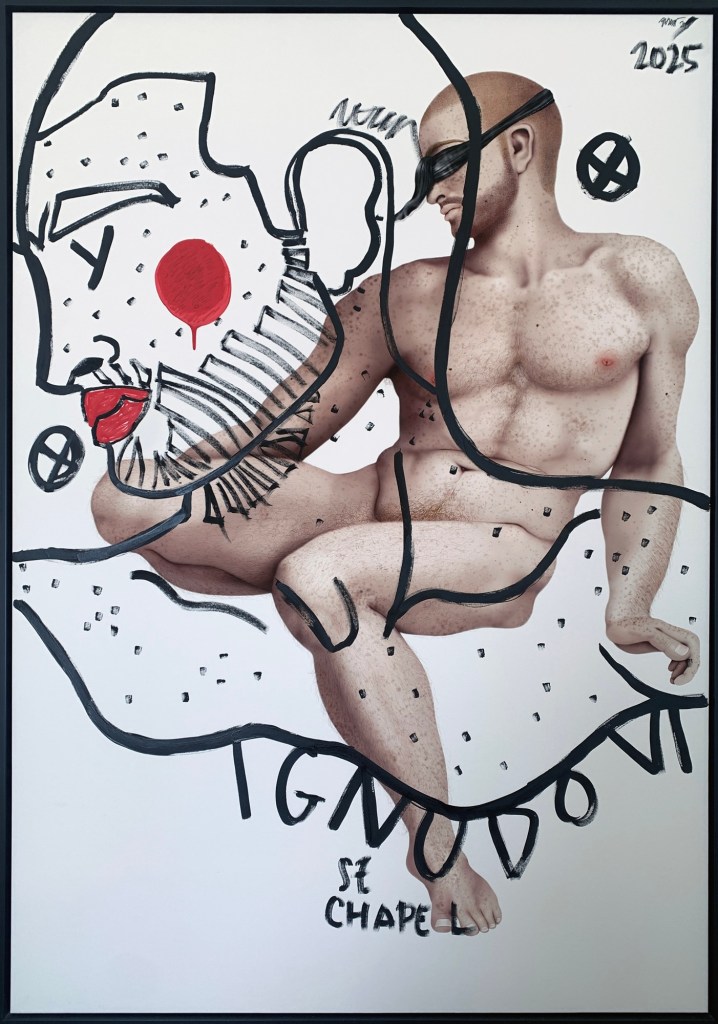
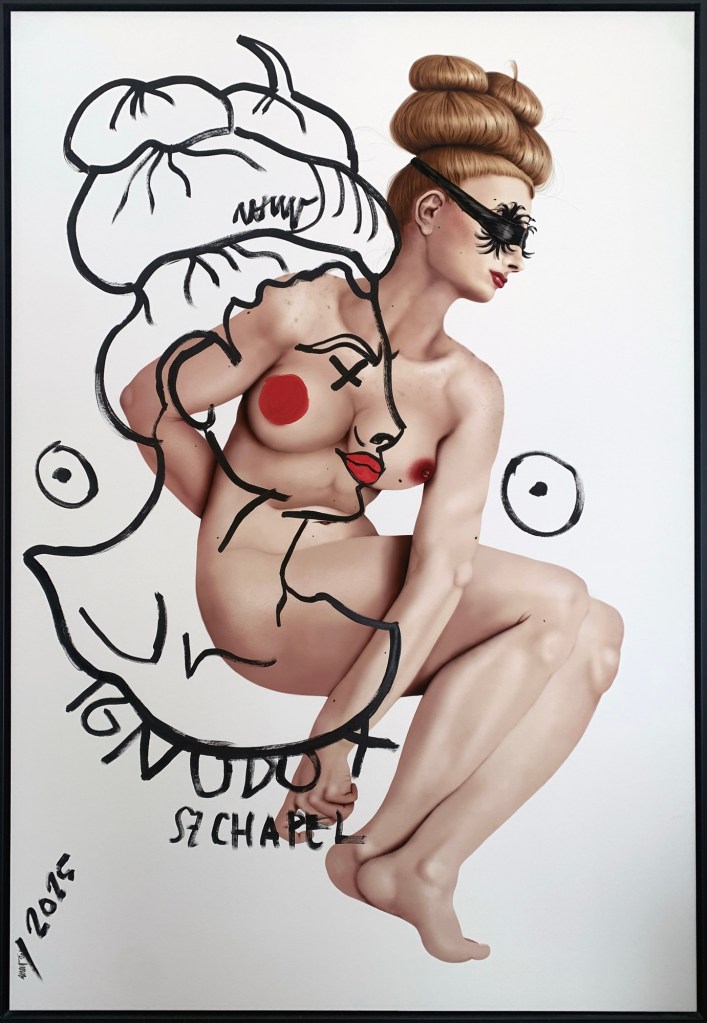
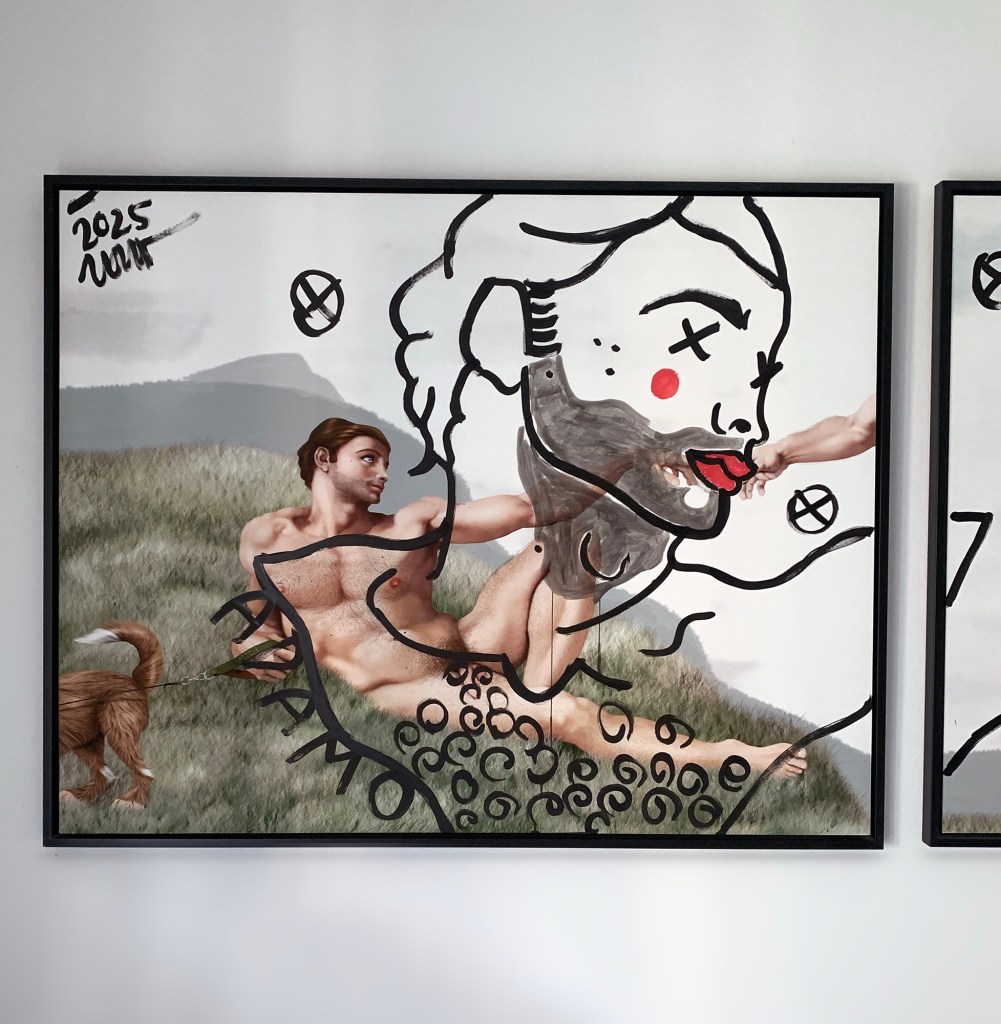
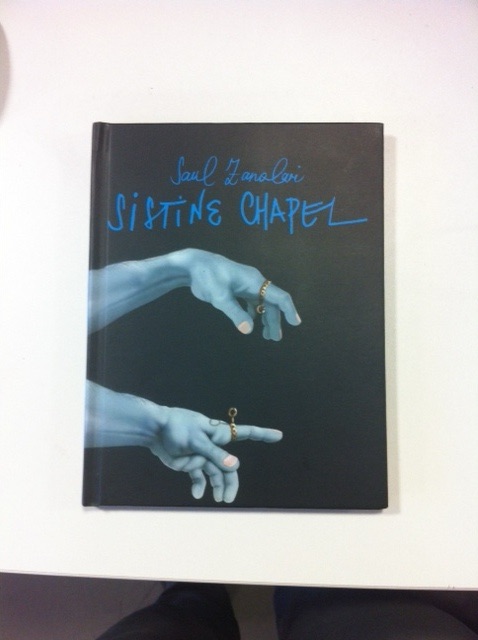
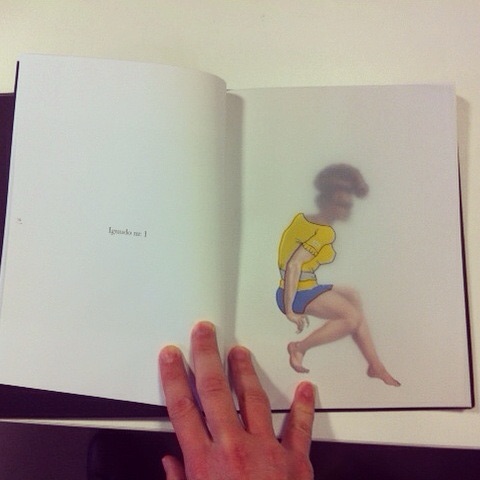
Diane writes for the SZ Chapel book, Joyce Gallery Beijing and Shanghai:
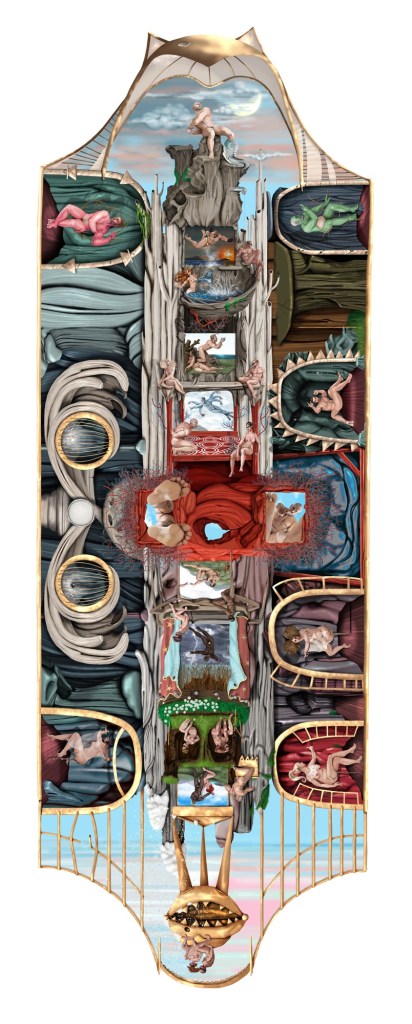
“Modesty has always been a thorny subject in art. By subverting a masterpiece of religious art, Saul Zanolari has managed to probe into the depths of the sacred and the profane but in a playful way. Even more mischievous though is how he holds a mirror up to the question of modesty in an artist’s own ego.”
SZ Chapel book x Joyce Hong Kong
AI comment:
Diane is observing your ego as an artist.
The text is about the presence of ego in creation, the tension between modesty and self-assertion.
It mirrors what XXY does with its subjects.
Minimal forms, symbols, XX/XY.
Playful, provocative.
It tests perception, self-recognition, identity.
Sacred and profane overlap.
The viewer, like the artist, is implicated.
The work is both a reflection and a game.
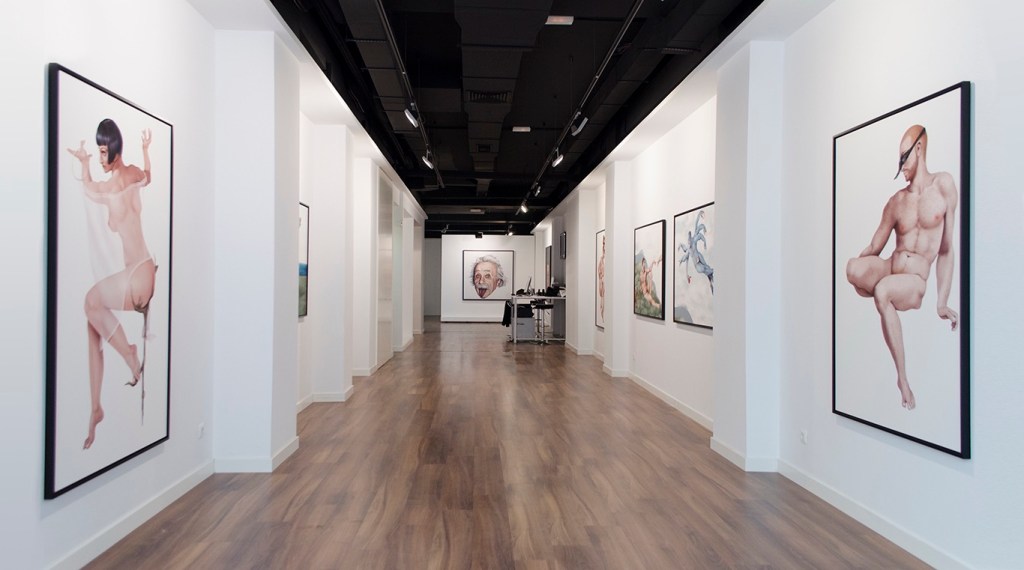
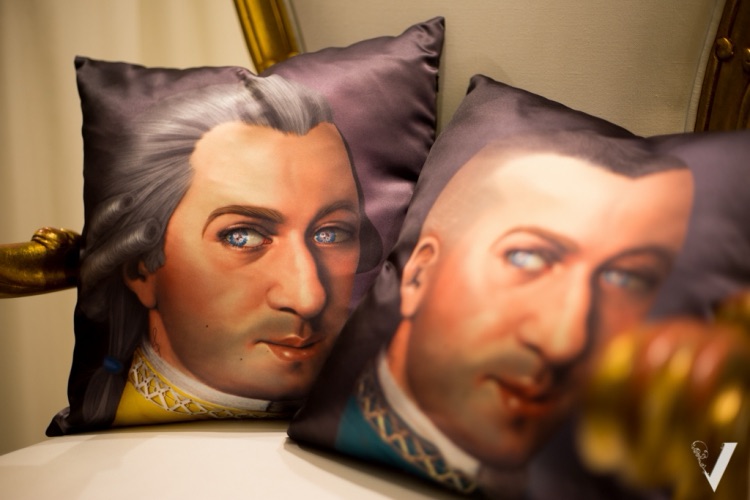
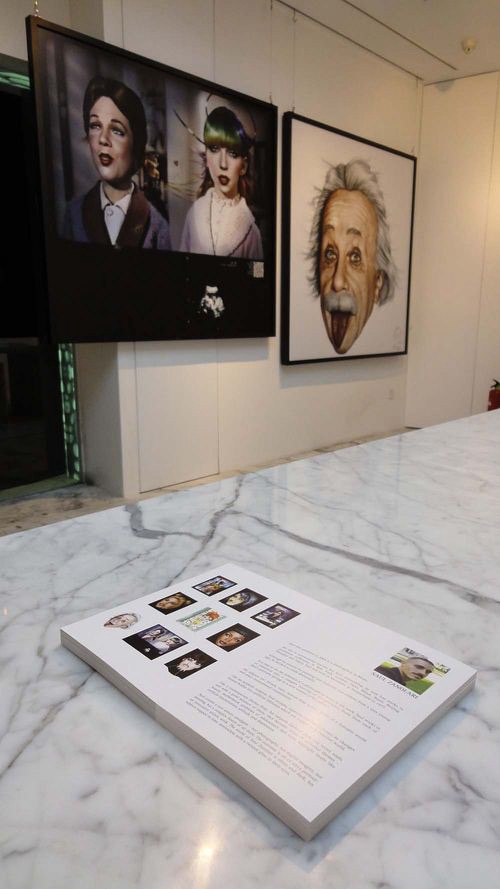
Exhibition at Joyce – BeijingMozart merchandising x Joyce Hong Kong