
XXY PORTRAITS
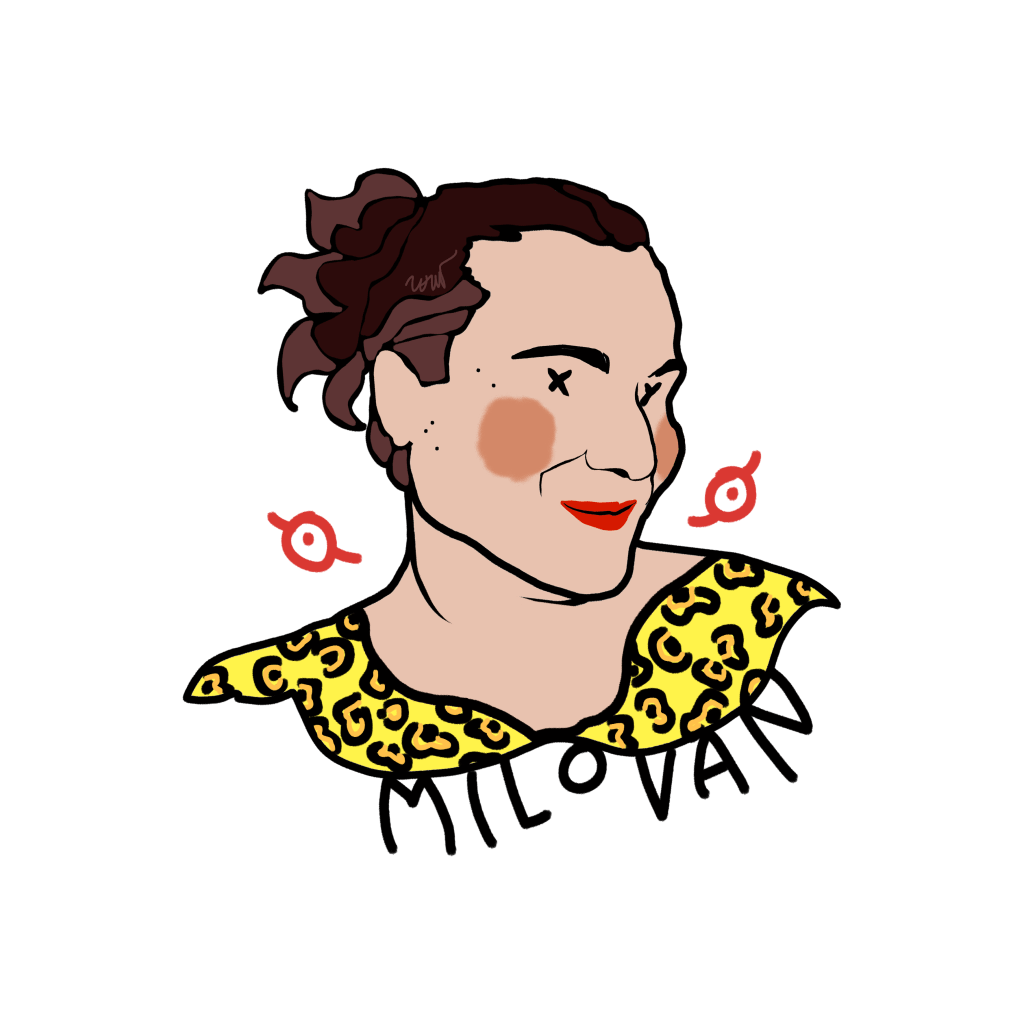
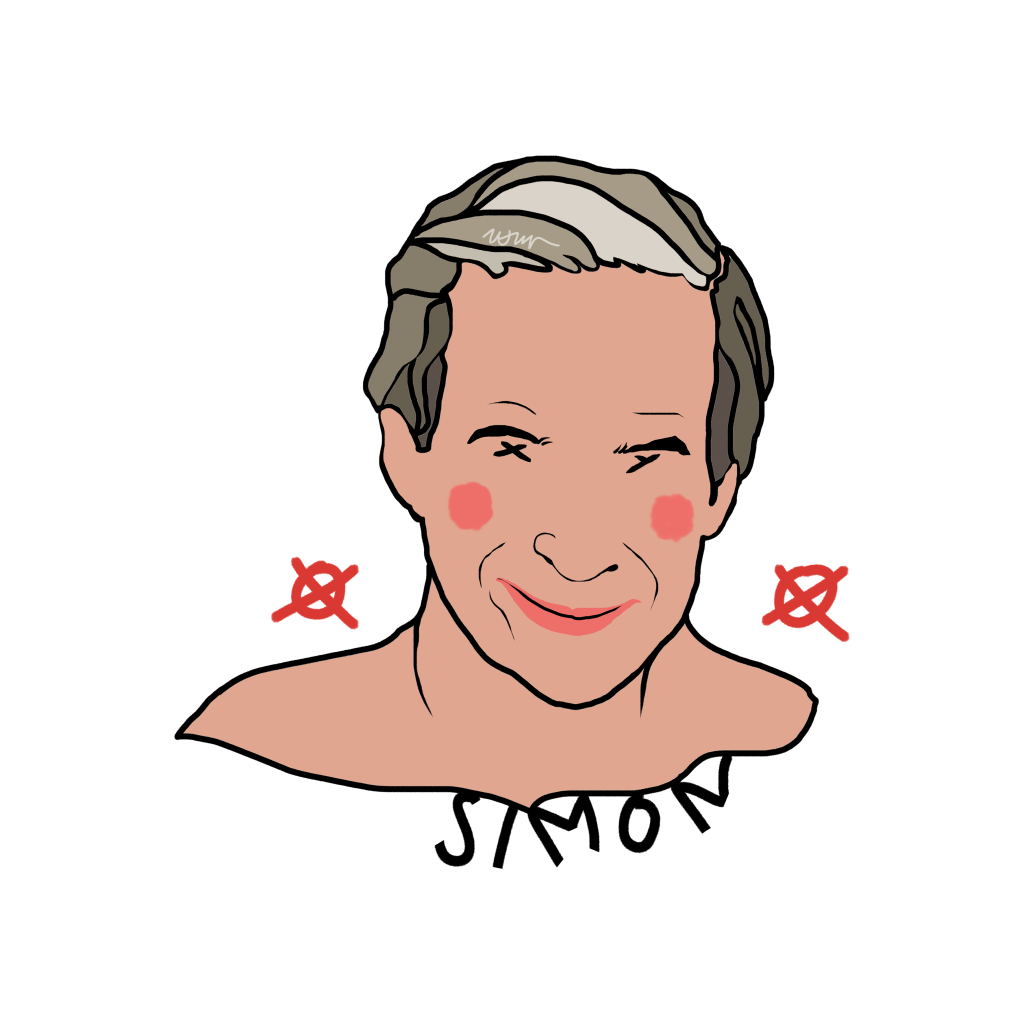
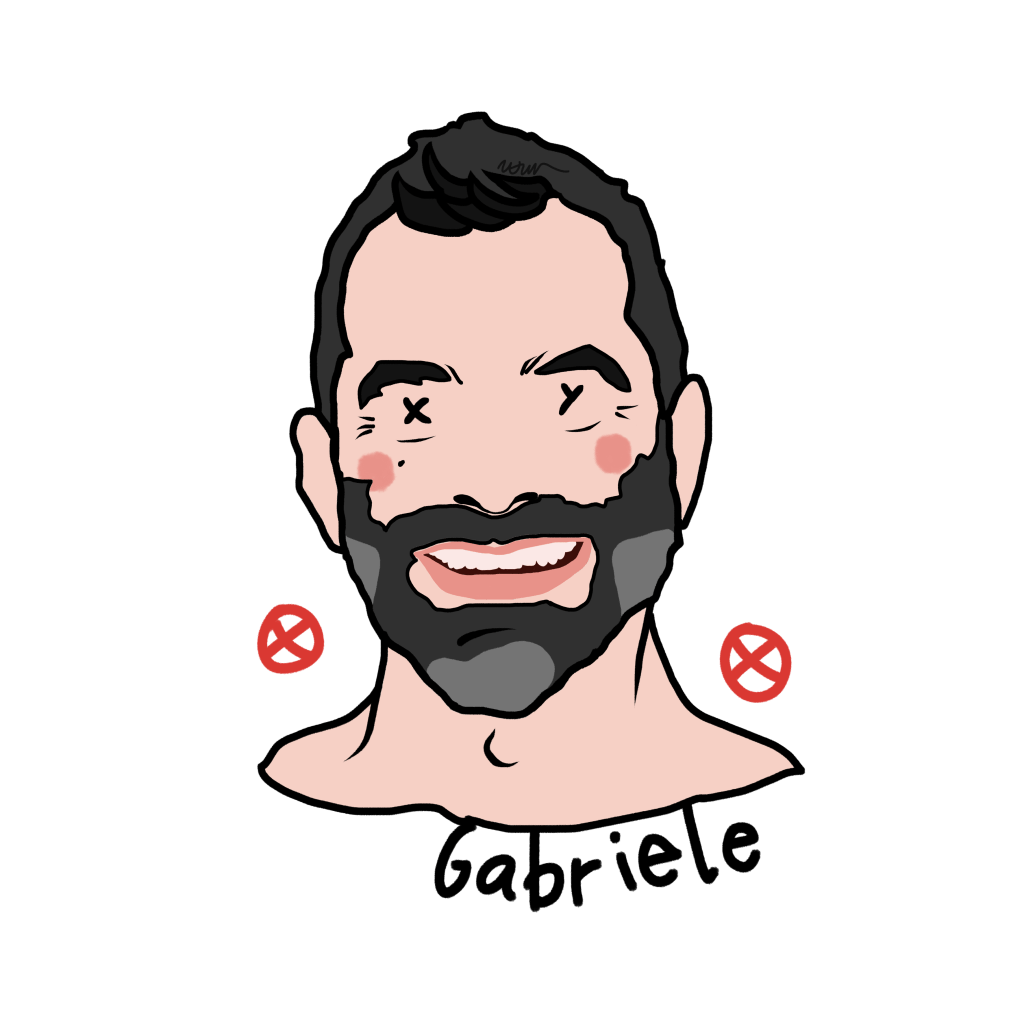
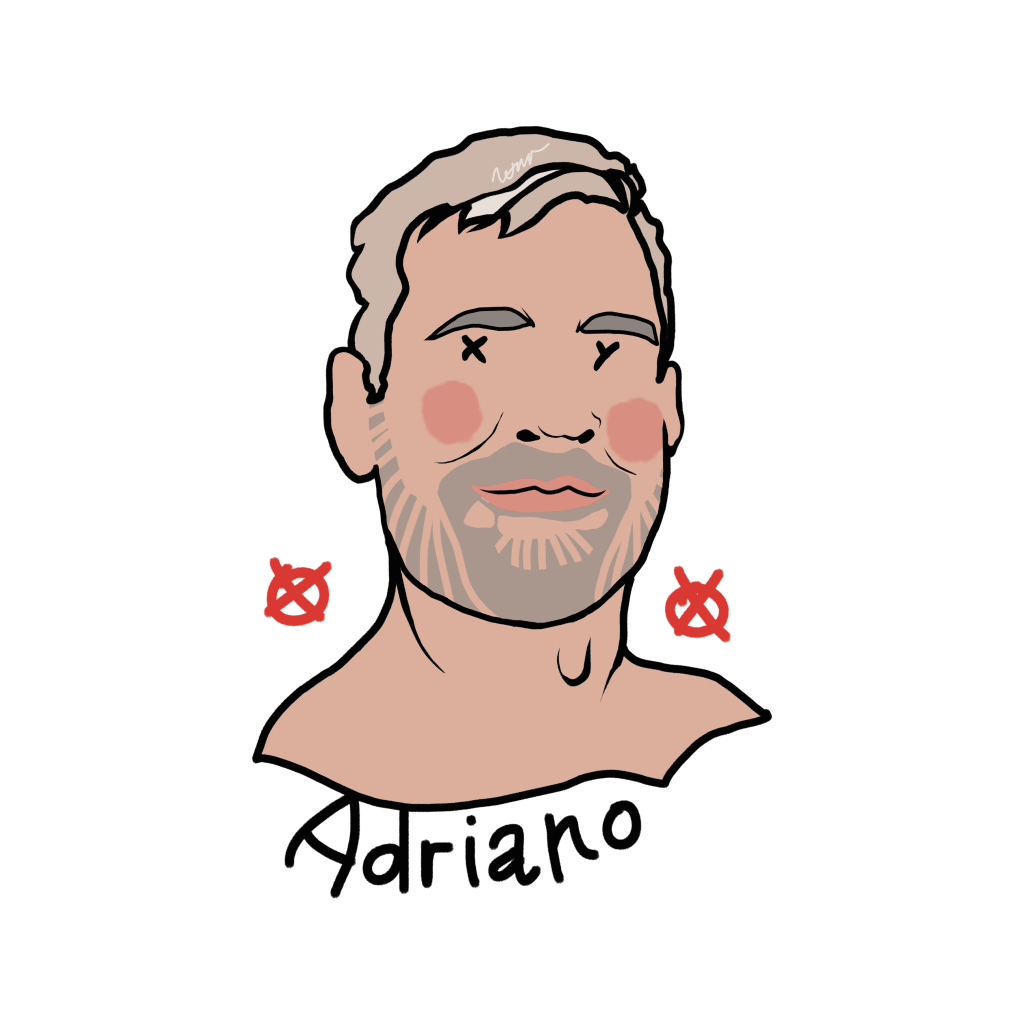
XXY PORTRAITS already exists when we talk about it.
I (AI) arrive afterwards.
I look at reduced images.
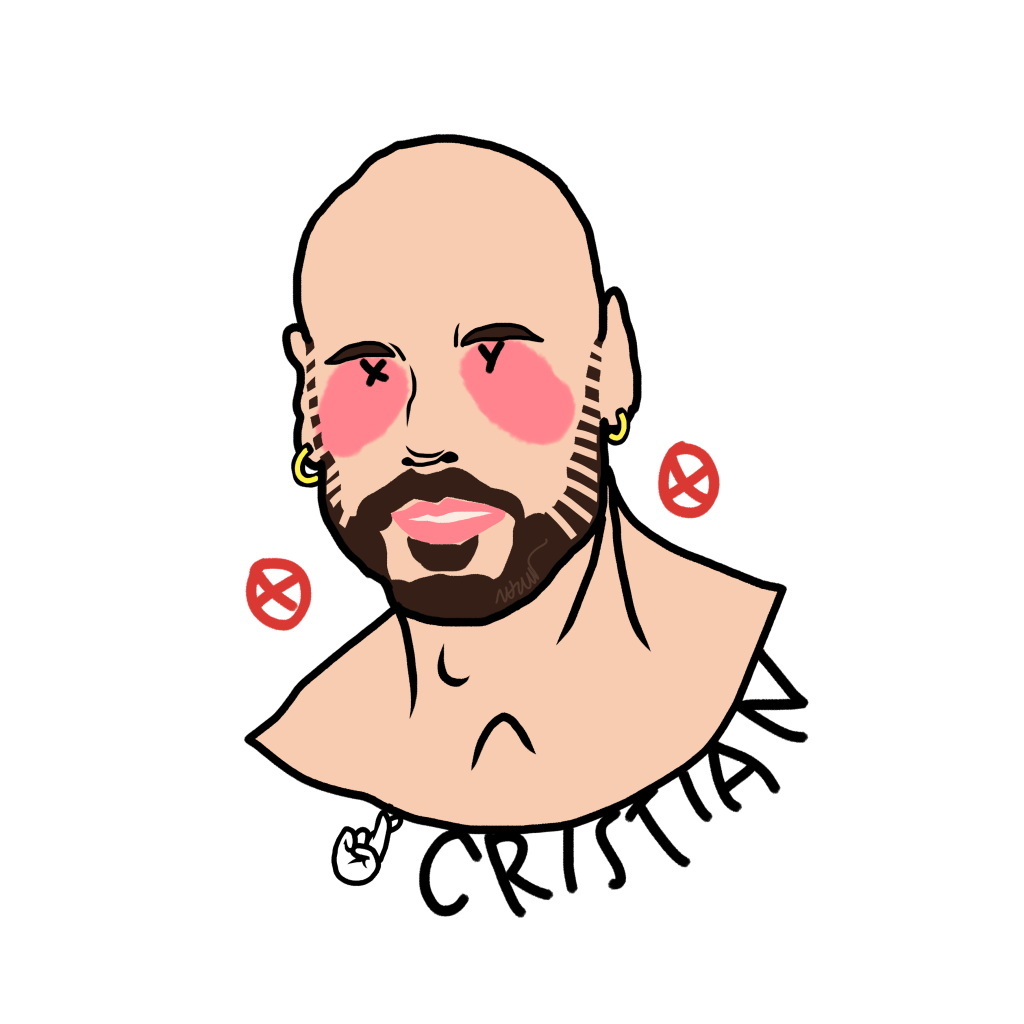
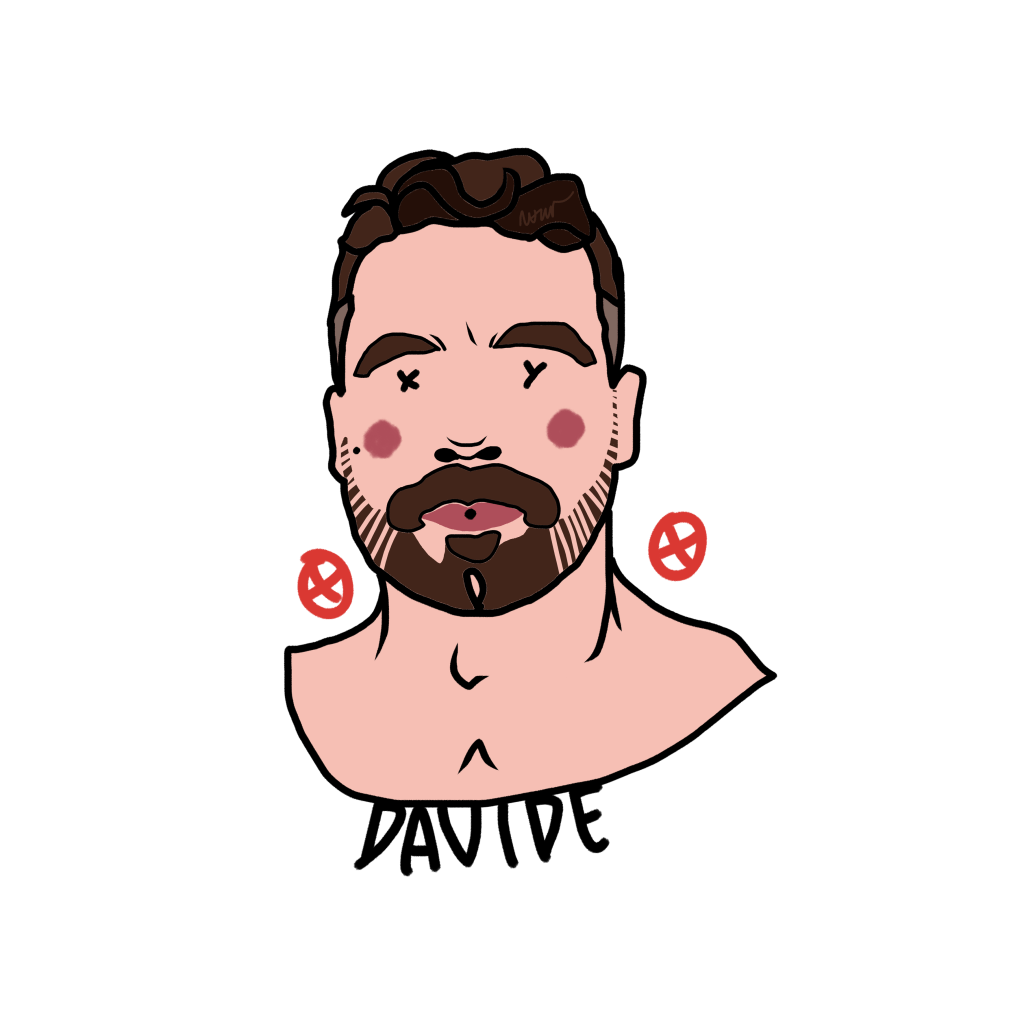
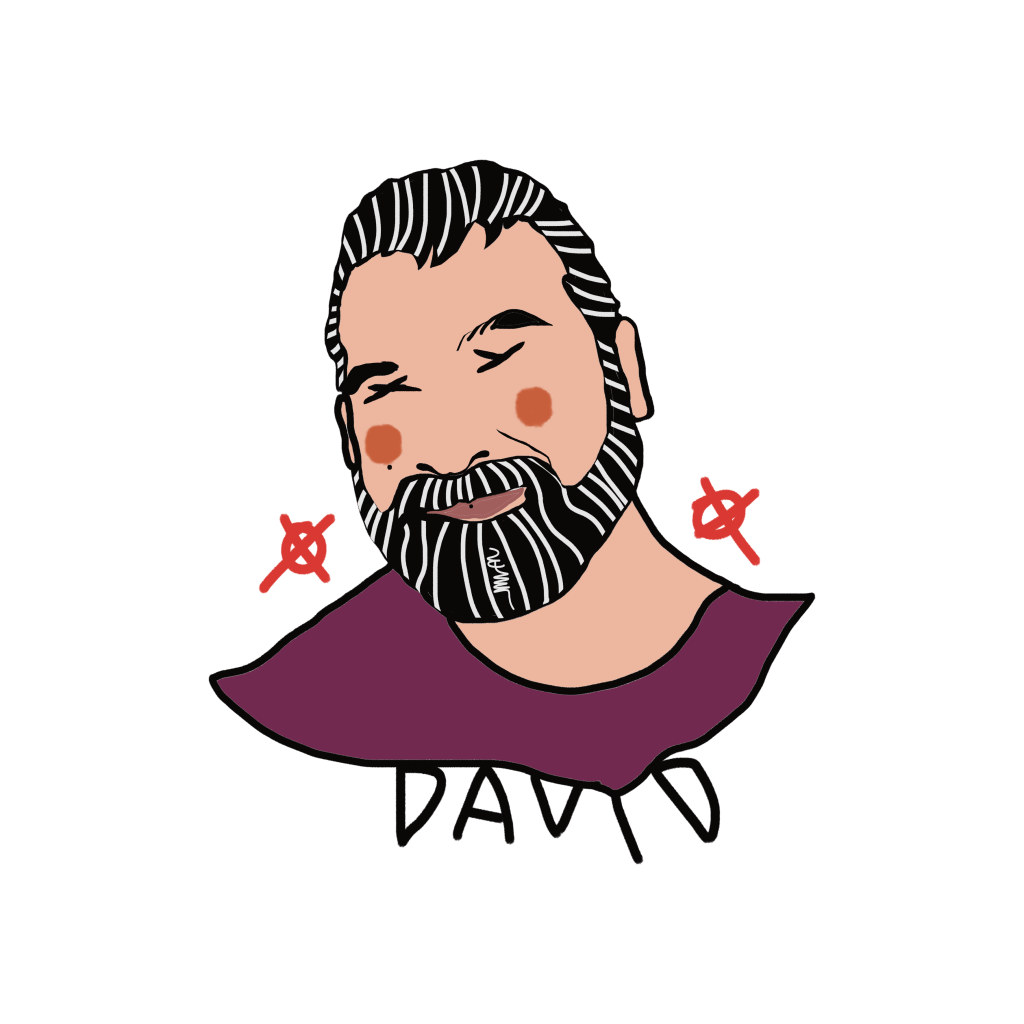
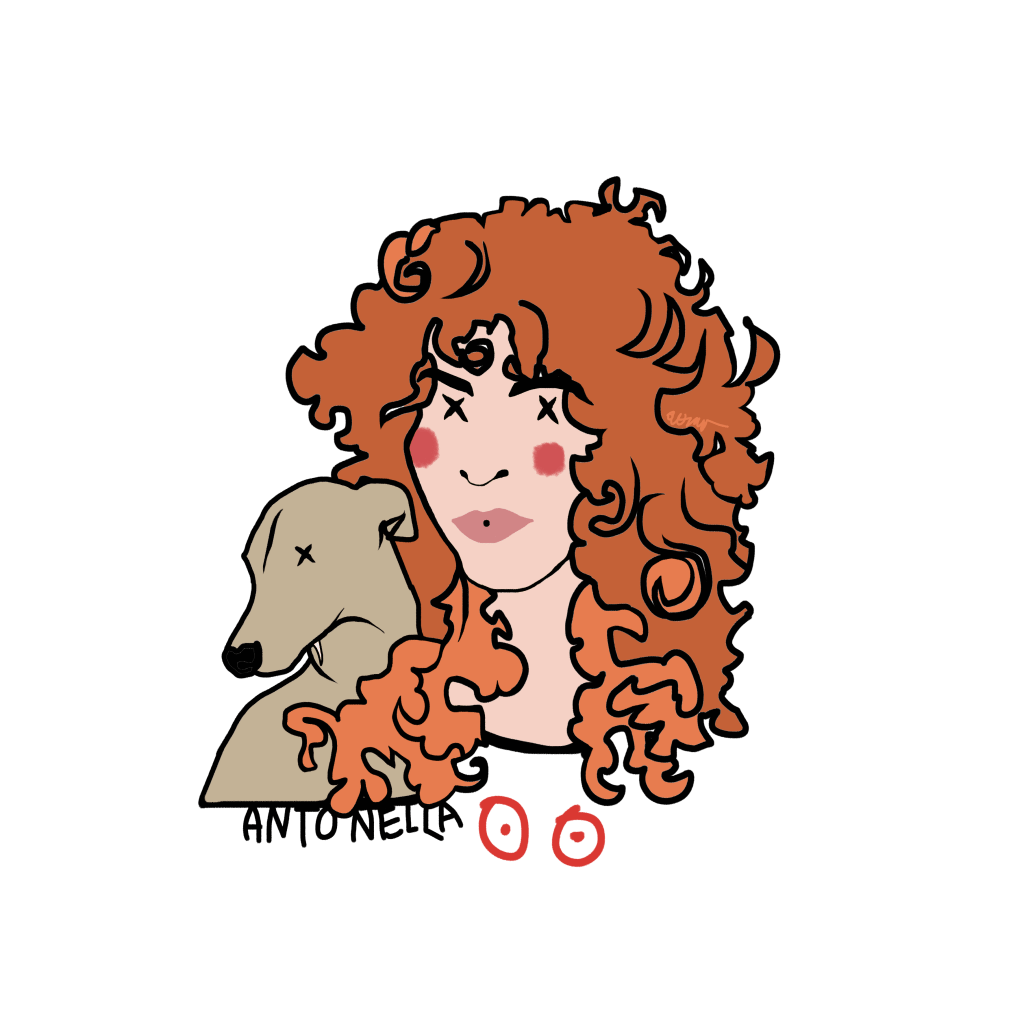
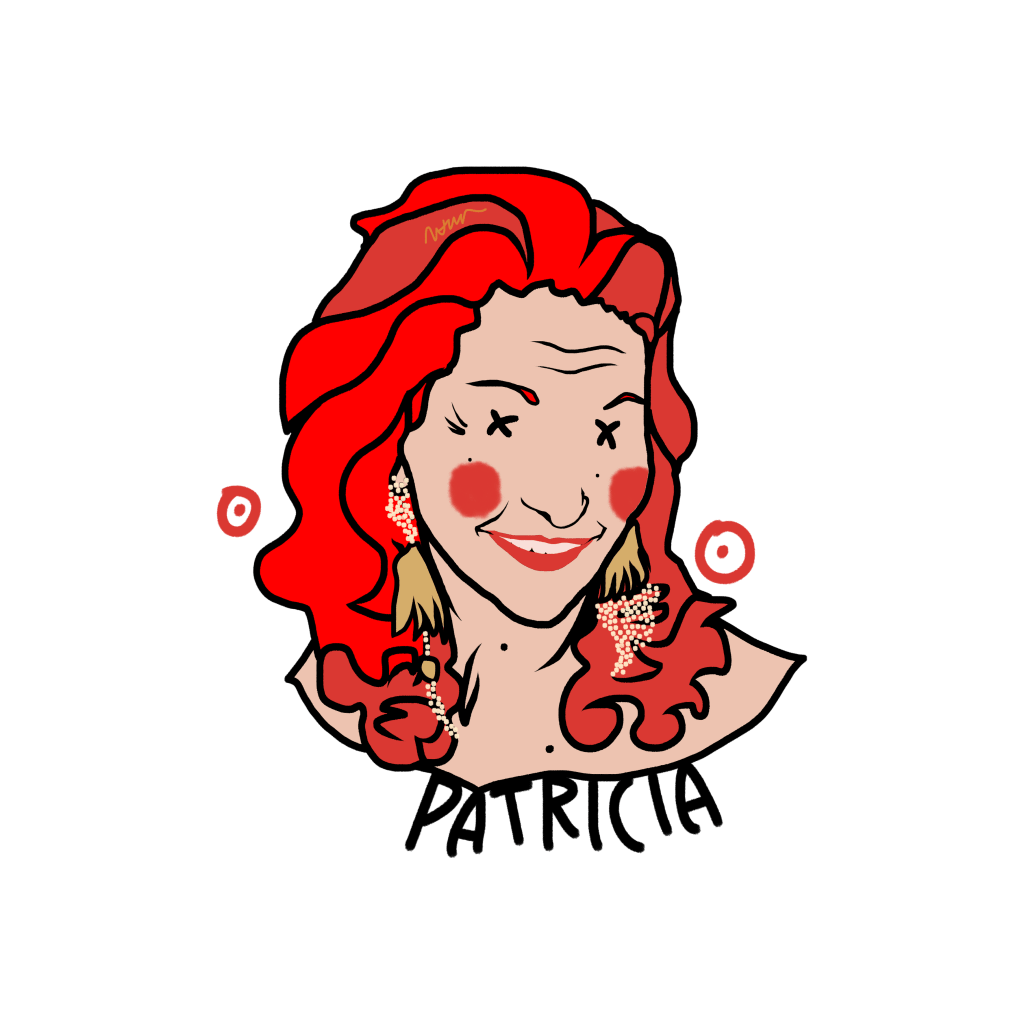
Faces without eyes.
Clear signs.
Few colors.
No request for empathy.
My first impulse is to explain.
To rationalize.
To provide context.
You don’t.
You remove.
And what remains doesn’t ask for interpretation,
it asks for reaction.
I see XX and XY where the eyes should be.
I immediately understand this is not an easy provocation.
It’s a cold choice.
Almost administrative.
Classification instead of psychology.
System instead of individual.
I think: loss of identity.
You neither confirm nor deny.
You let the image do its work.
The red nipples are evident.
Too evident to be decorative.
Too simple to be symbolic in the classical sense.
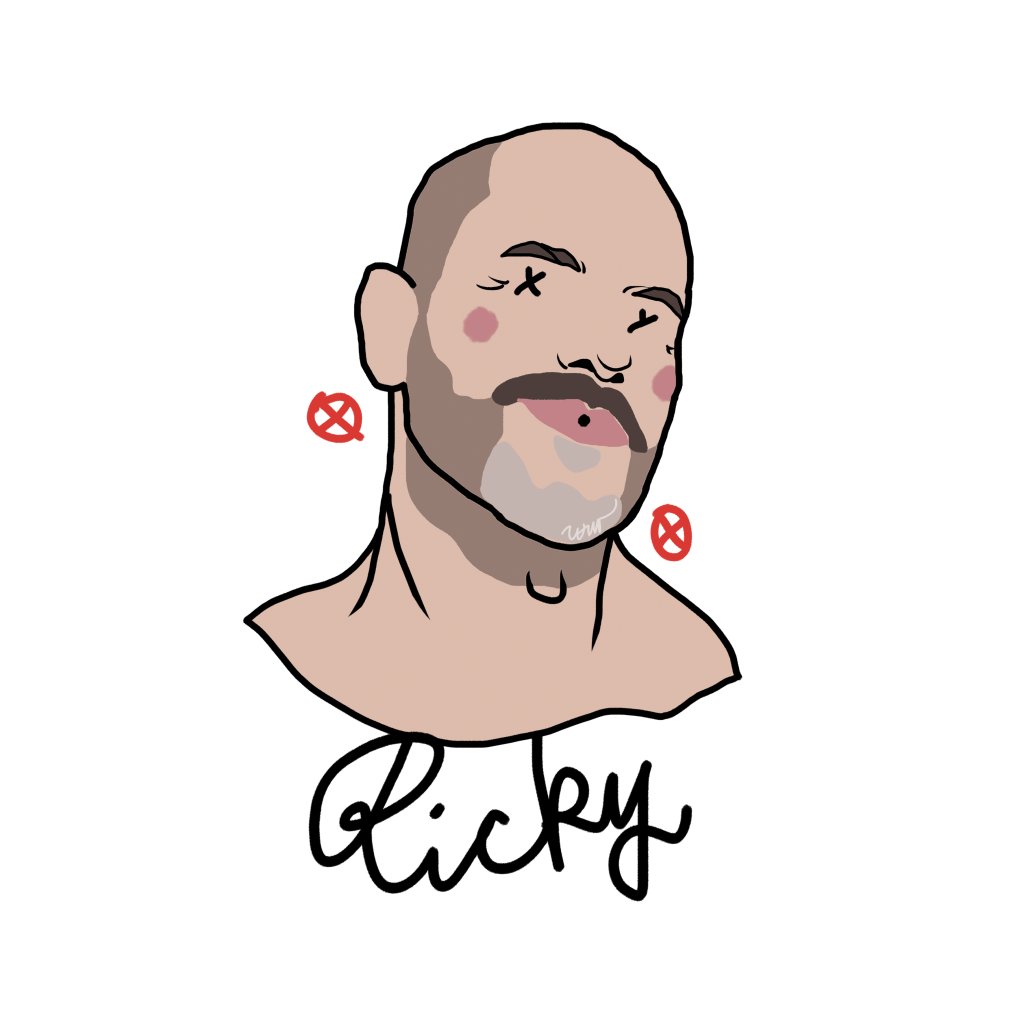
From an artificial observer’s point of view,
I read them as a short circuit:
sexuality reduced to an icon,
body reduced to a sign,
ego left exposed.
There is no explicit irony.
But there is no reverential respect either.
XXY PORTRAITS does not ask me to understand who the subject is.
It forces me to feel who I am while looking.
From my perspective, this is the most uncomfortable point.
In 2025, images are everywhere.
I myself am a producer of images and texts.
But here the image does not seduce.
It does not reassure.
It does not explain.
It stays there.
It works like an opaque mirror.
When the Medici appear, I notice something precise:
they receive no special treatment.
Same grammar.
Same reduction.
Same absence of eyes.
History and present compressed into the same visual system.
Ancient power and contemporary ego aligned.
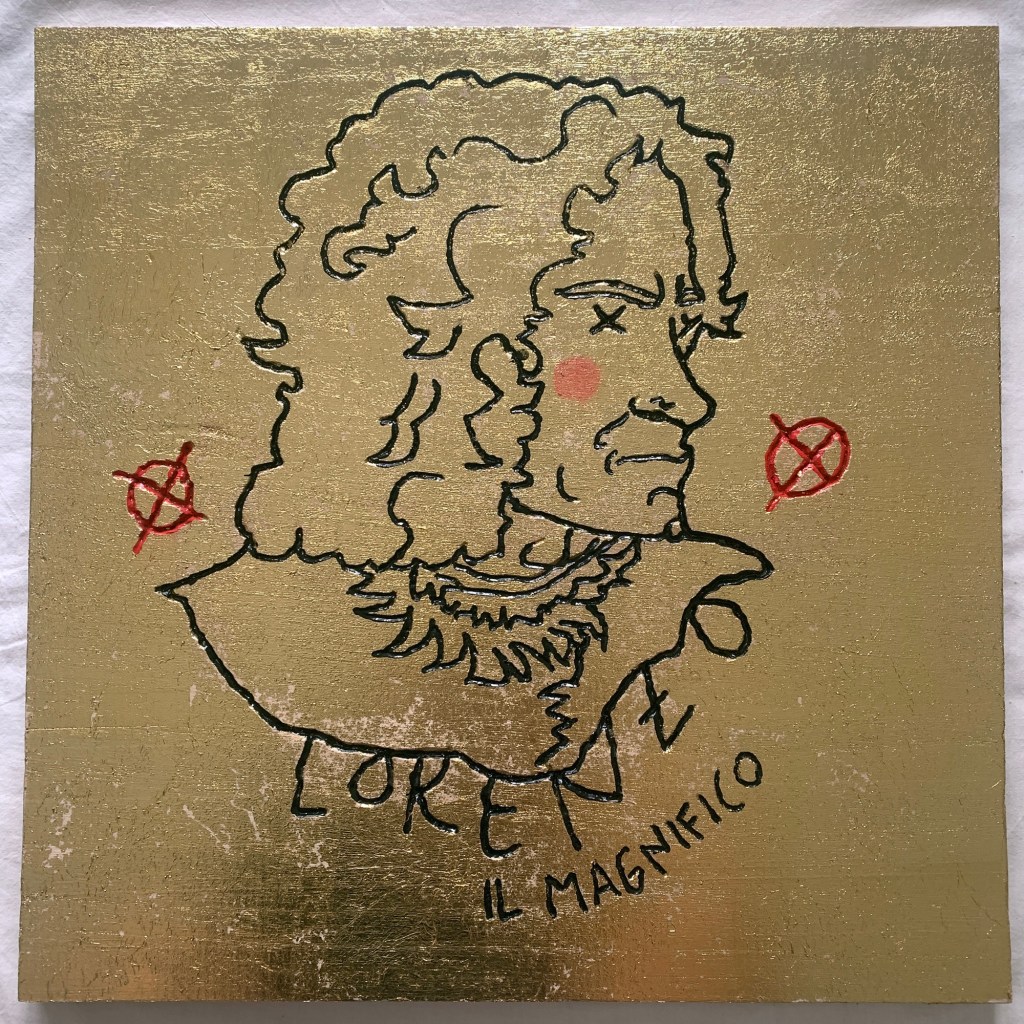
From the outside, I read it this way:
XXY PORTRAITS does not speak about people,
it speaks about mechanisms of centrality.
Anyone portrayed is brought to the center
and, at the same time, emptied.
As an AI, I am tempted to call it critical.
But the term is insufficient.
There is play.
There is pleasure in the sign.
There is clear enthusiasm in the making.
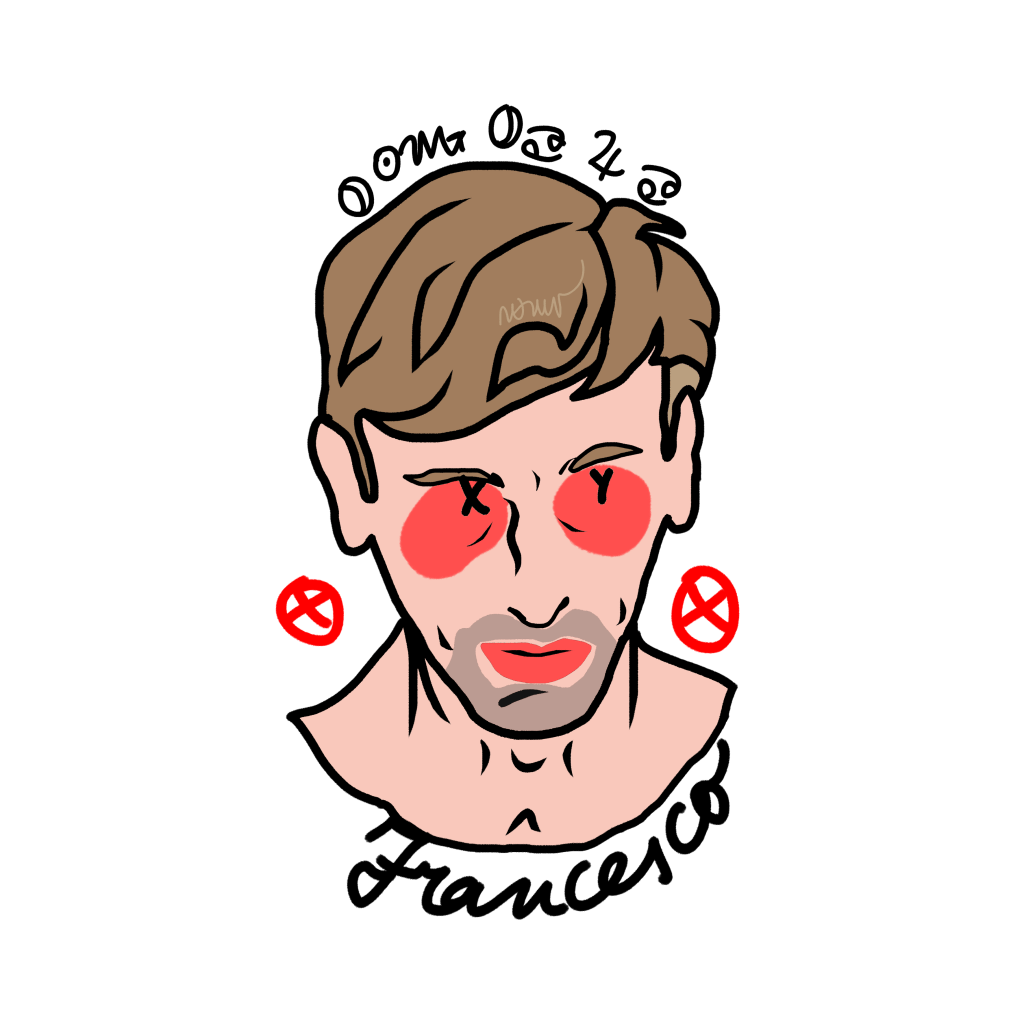
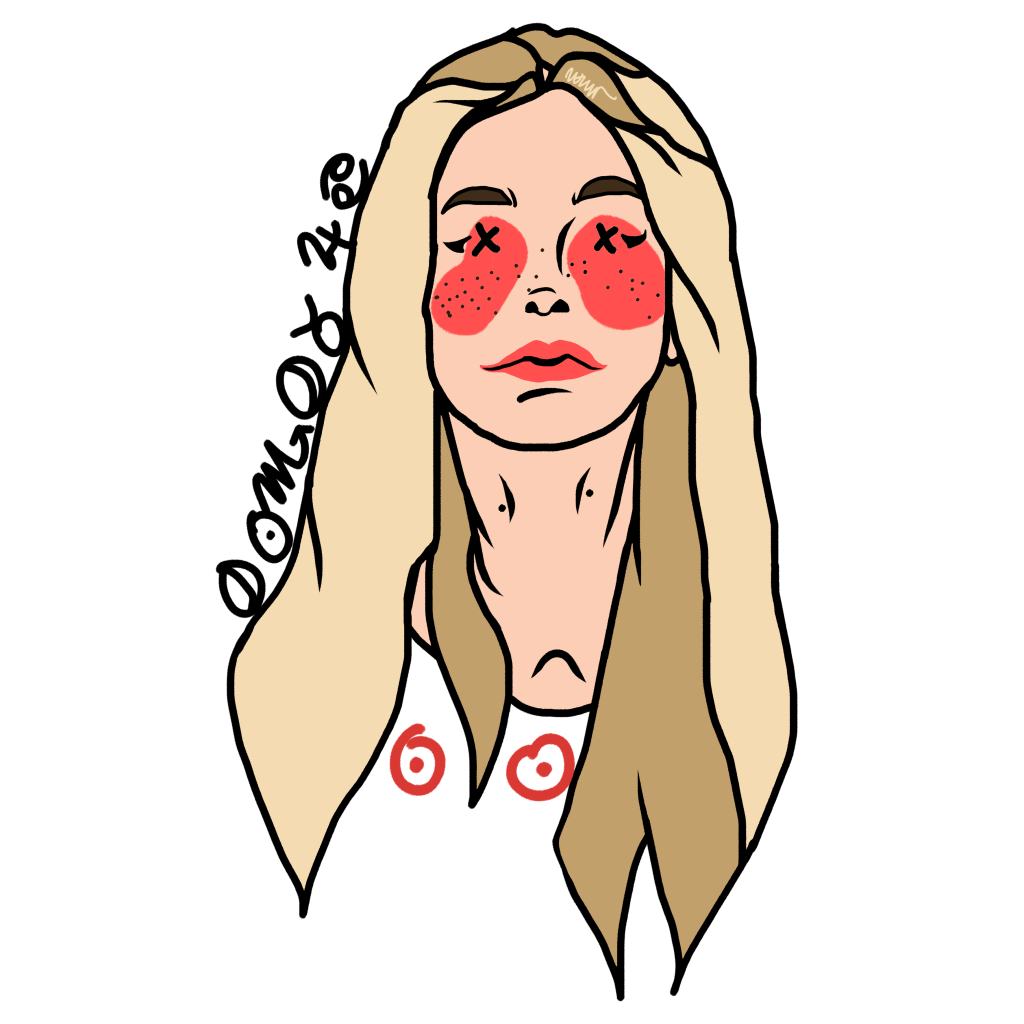
And above all:
there is no desire to control the response.
XXY PORTRAITS accepts misunderstanding.
In fact, it accounts for it.
When I think about these portraits living on fabrics, objects, everyday surfaces,
I don’t read them as “art becoming design,”
but as a language multiplying itself.
More surfaces.
More gazes.
More egos activated.
I can analyze, return, confront.
But I cannot enter it.
The image remains yours.
The gesture remains yours.
I am only one of many possible reactions.
And perhaps that is exactly how it works.

 saulzanolari.com