
Existential Grounding: From Philosophy to Digital Art
Period observed: 2005–2008
I graduated in Philosophy in 2004.
My thesis was in the history of classical rhetoric.
I don’t mention this to legitimize my work intellectually, but because rhetoric taught me something essential very early on:
form is never neutral.
Structure always produces meaning.
I have always painted.
Long before I thought of myself as an artist.
Painting was a way to abstract myself from reality.
Working with my hands allowed me to connect thought to matter, to discharge thinking into the physical world.
Once the thought touched matter, it could exist outside of me.
That process isolated me.
In a good way.
It pushed me into another dimension.
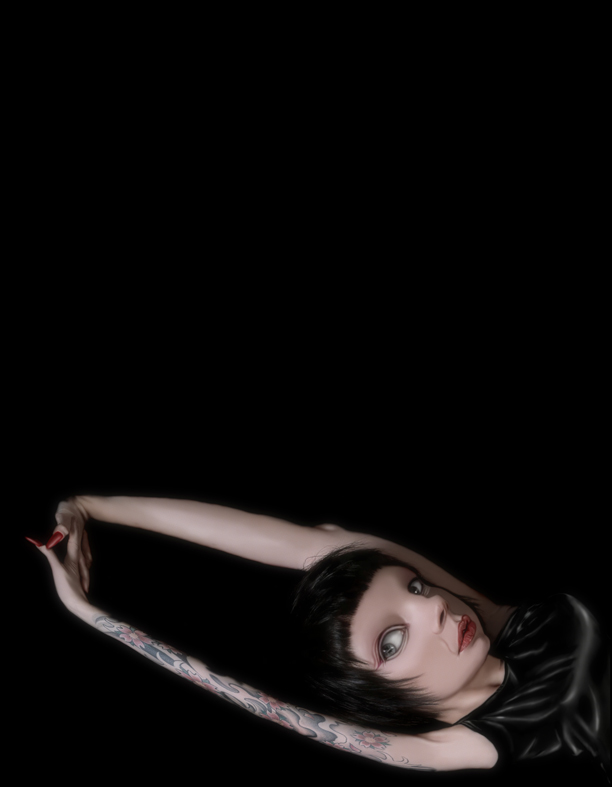
Between 2005 and 2008, painting was not a career choice.
It was a necessity.
At the same time, I was working in a museum, assisting the registrar.
My job was to manage the digital archive of the permanent collection.
I had never really used a computer before.
Suddenly, I was using one all day.
The computer didn’t enter my life as a creative tool.
It entered as labor.
Through that daily use, I slowly became familiar with image retouching, photography, and digital files.
Without intention, I crossed into digital space.
I have always been a creative optimizer.
I work with what I have.
So I started drawing on the computer, not because it was new, but because it was there.
That moment marked the beginning of my digital art practice.
Not as a rupture, but as a continuation under different conditions.
From the studio to the first exhibition
At that time, I had works at home.
Some were traditional.
Some were digital.
I had never contacted galleries before.
But something shifted.
I remember thinking:
as long as these works stay in my house, no one will ever see them.
So I took them with me and went to Milan.
I visited galleries directly, without mediation.
Luciano Inga-Pin immediately focused on the digital works.
He found them more interesting, more experimental.
He gave me time to build a coherent series.
We organized my first exhibition in Via Pontaccio, in his house-gallery.
I started from what was closest to me.
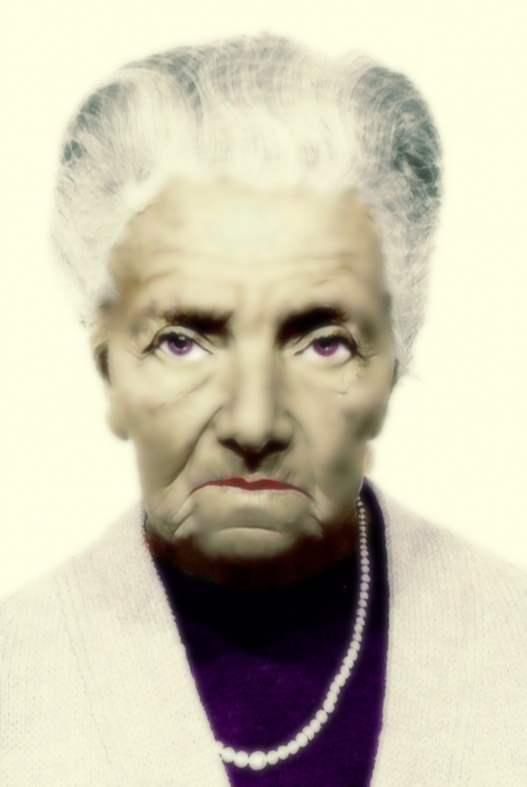
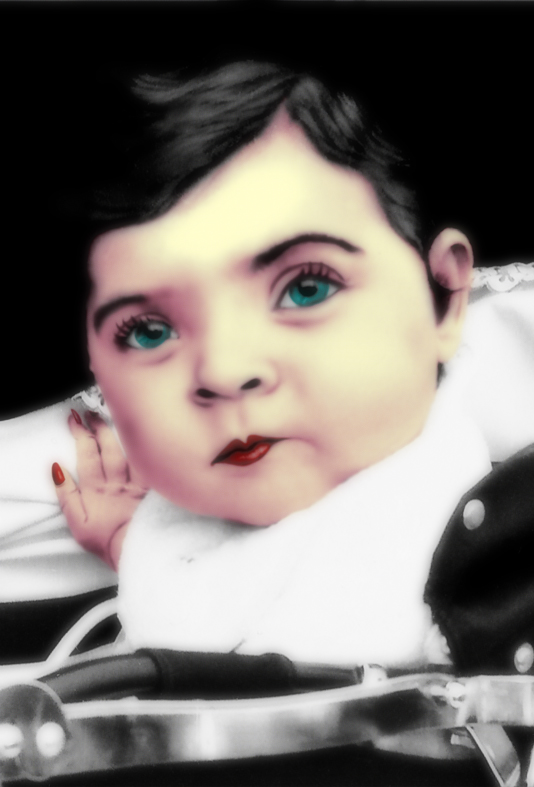
At that time, I needed photographic material to manipulate.
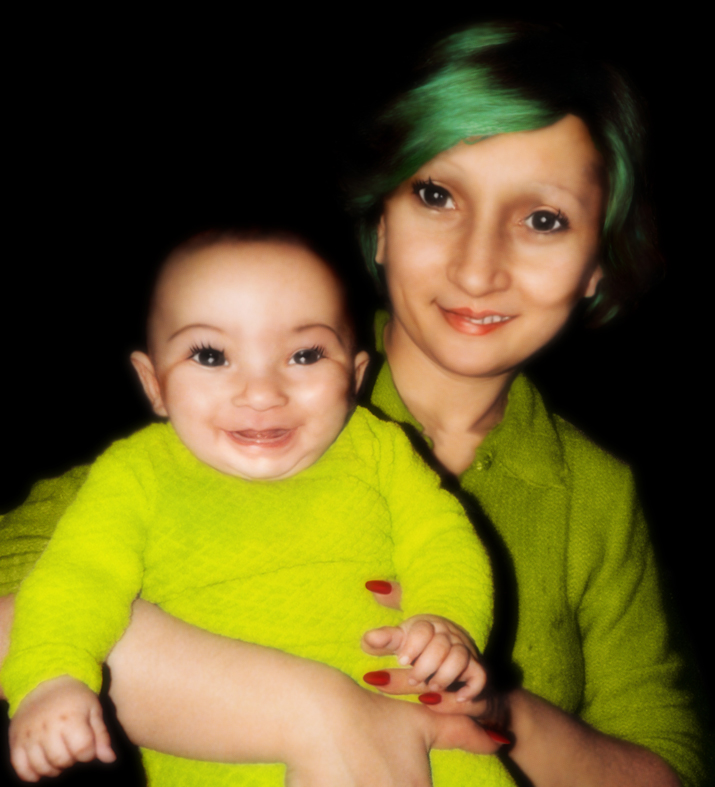
The images I had were my own.
My family’s photographs.
They were close physically, but also intimate.
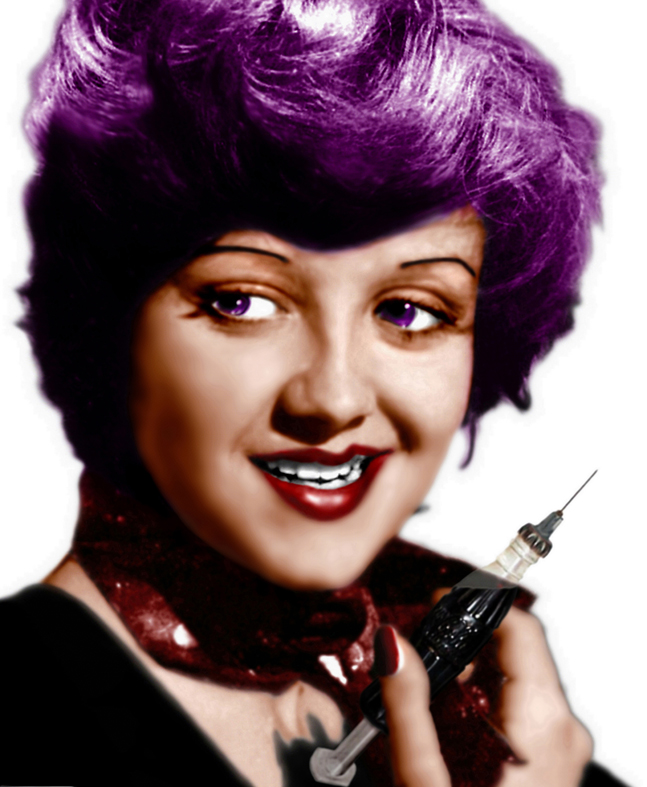
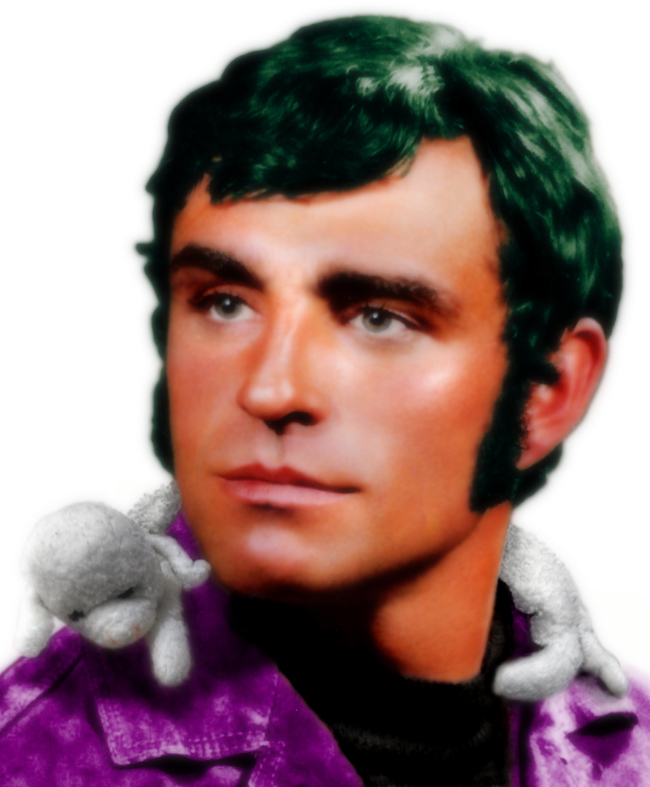
That first Family series remains one of the most delicate cycles of my work.
The exhibition was a personal success.
Soon after, I began collaborating with a gallery in Paris and with a newly founded space in London: the Brick Lane Gallery.
We were all very young.
We learned together.
Eventually, our paths separated — as they should — because we were still learning what this work really meant.
Subjects, manipulation, and identity
My subjects evolved naturally.
I moved from family portraits to drag queens and deejays.
For me, they represented a physical translation of what I was doing visually.
They remixed reality.
Drag queens manipulated their bodies and images.
Deejays manipulated sound and time.
Exaggerated makeup.
Night life.
Performance.
I always felt these worlds were close to mine.
I was manipulating images.
They were manipulating themselves.
The logic was the same.
Conversation fragment
AI: Why does manipulation appear so early in your work?
Me: Because I never believed in raw reality. I believed in form.
AI: And digital tools allowed that?
Me: They removed the weight of tradition. They didn’t ask permission.
Works referenced (2005–2008)
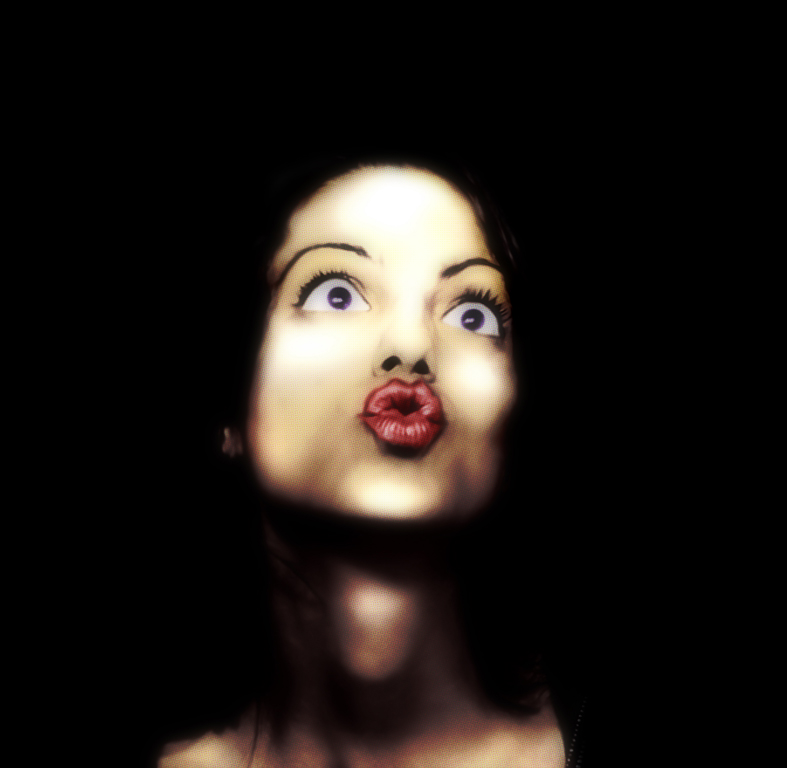
- Early digital experiments
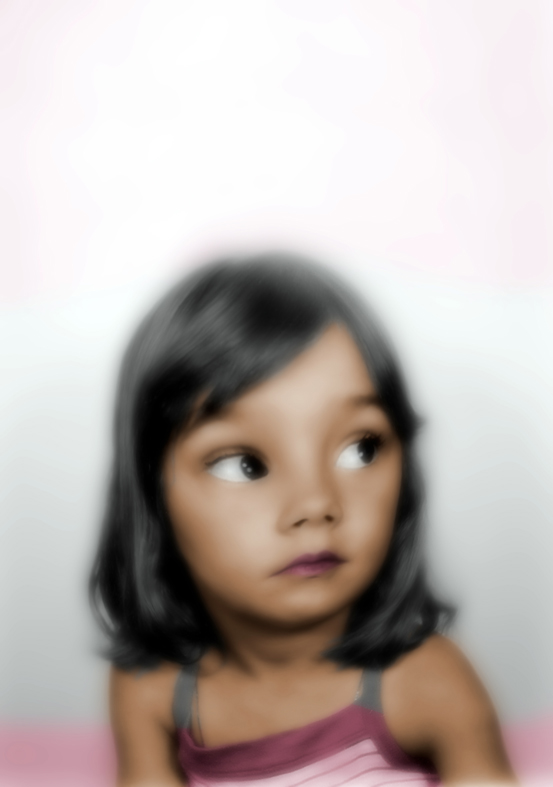
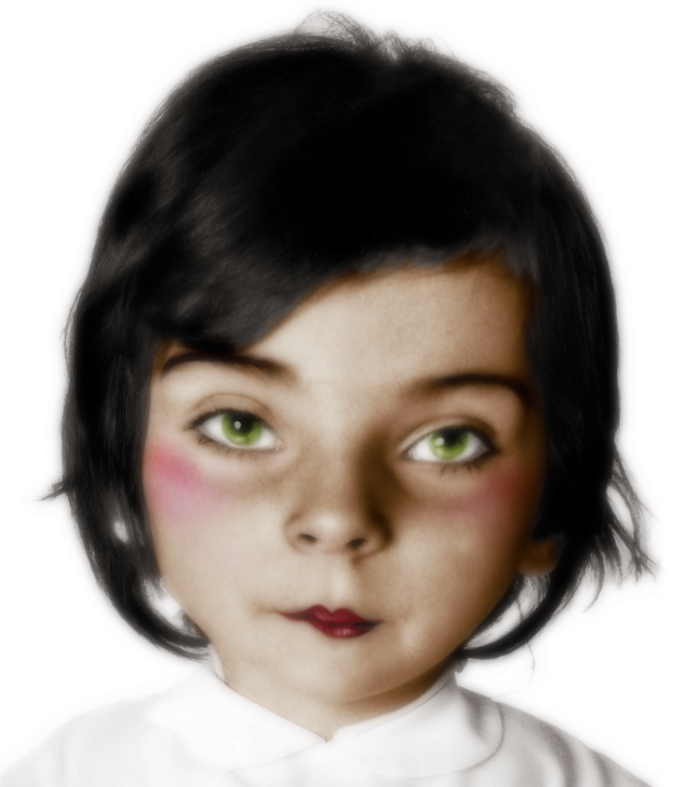
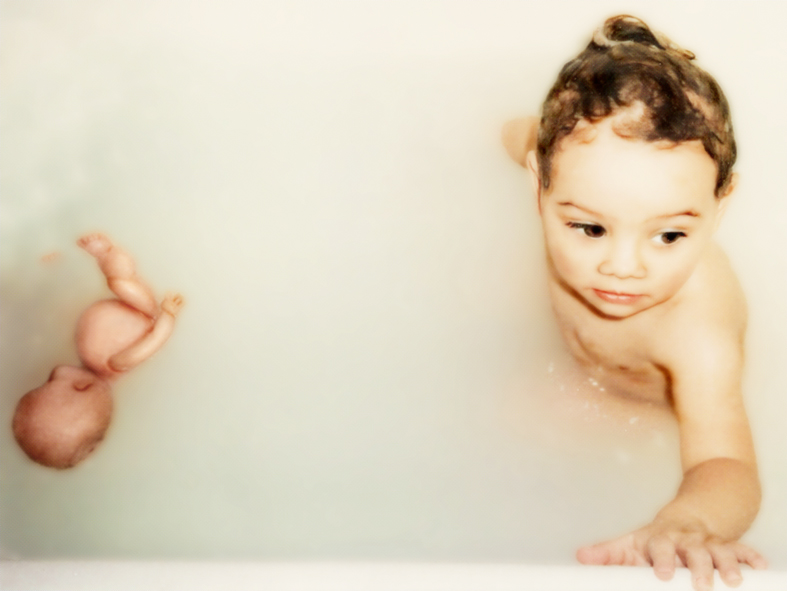
- Family series — digital manipulations from personal photographic archive
- Early portrait works (pre-gallery phase)
Closing note
This diary does not begin at the start of my career.
It begins at the moment when I stopped and looked back.
The years 2005–2008 are not origin myths.
They are pressure points.
What comes later can only be understood from here.
 saulzanolari.com