
by Saul Zanolari
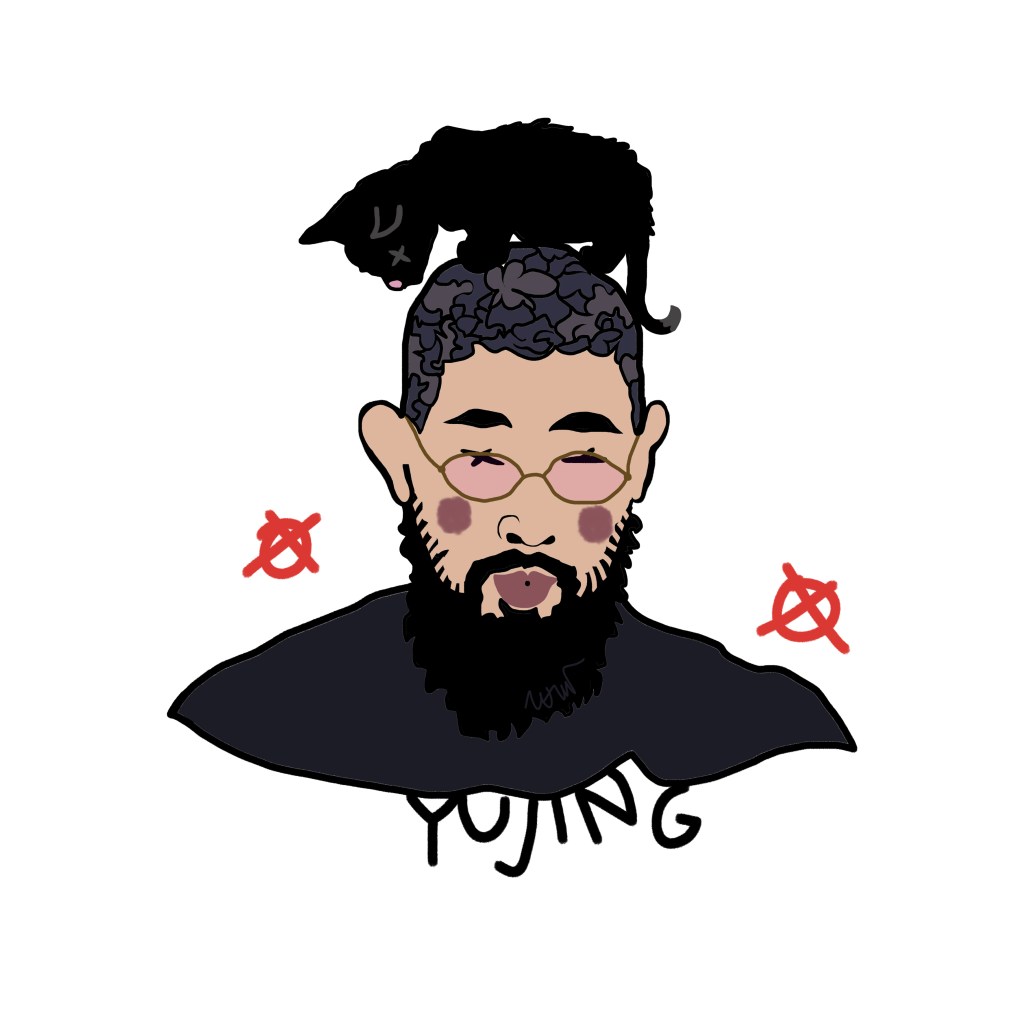
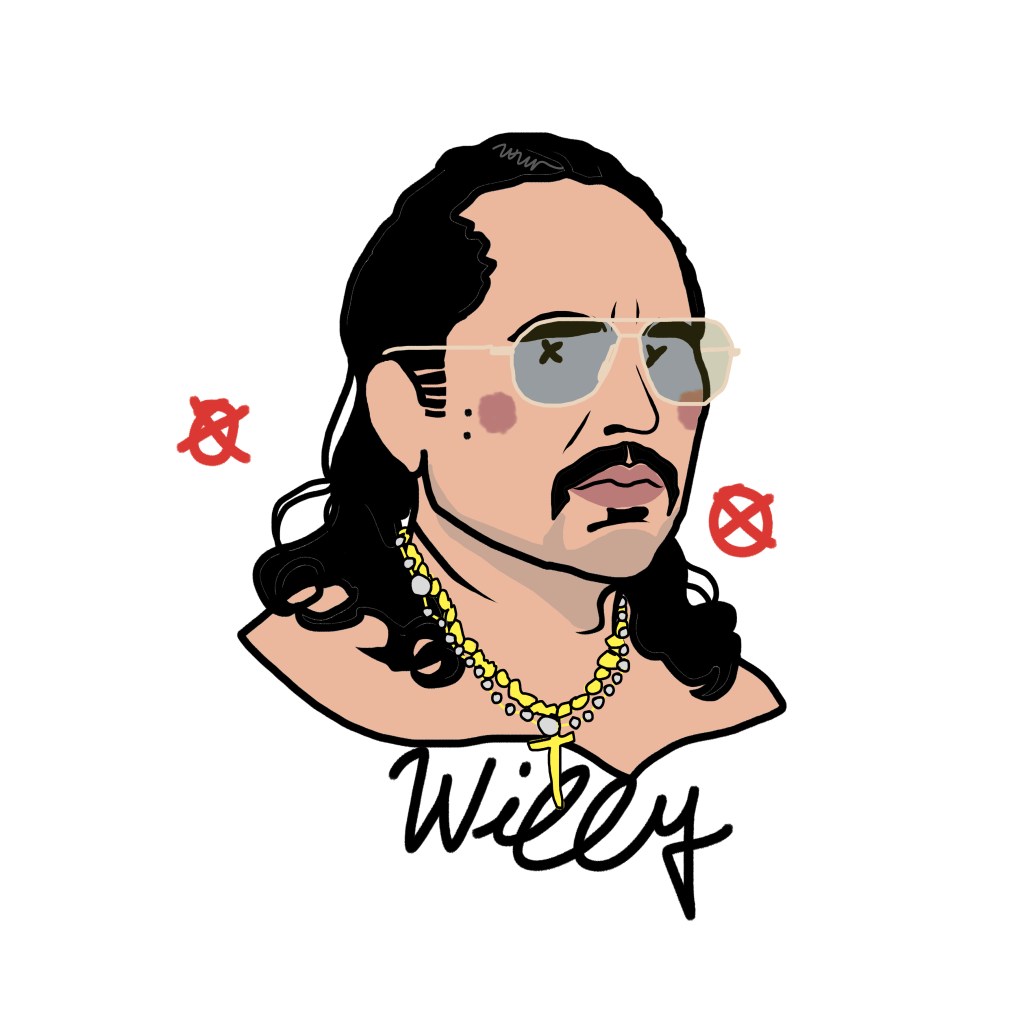
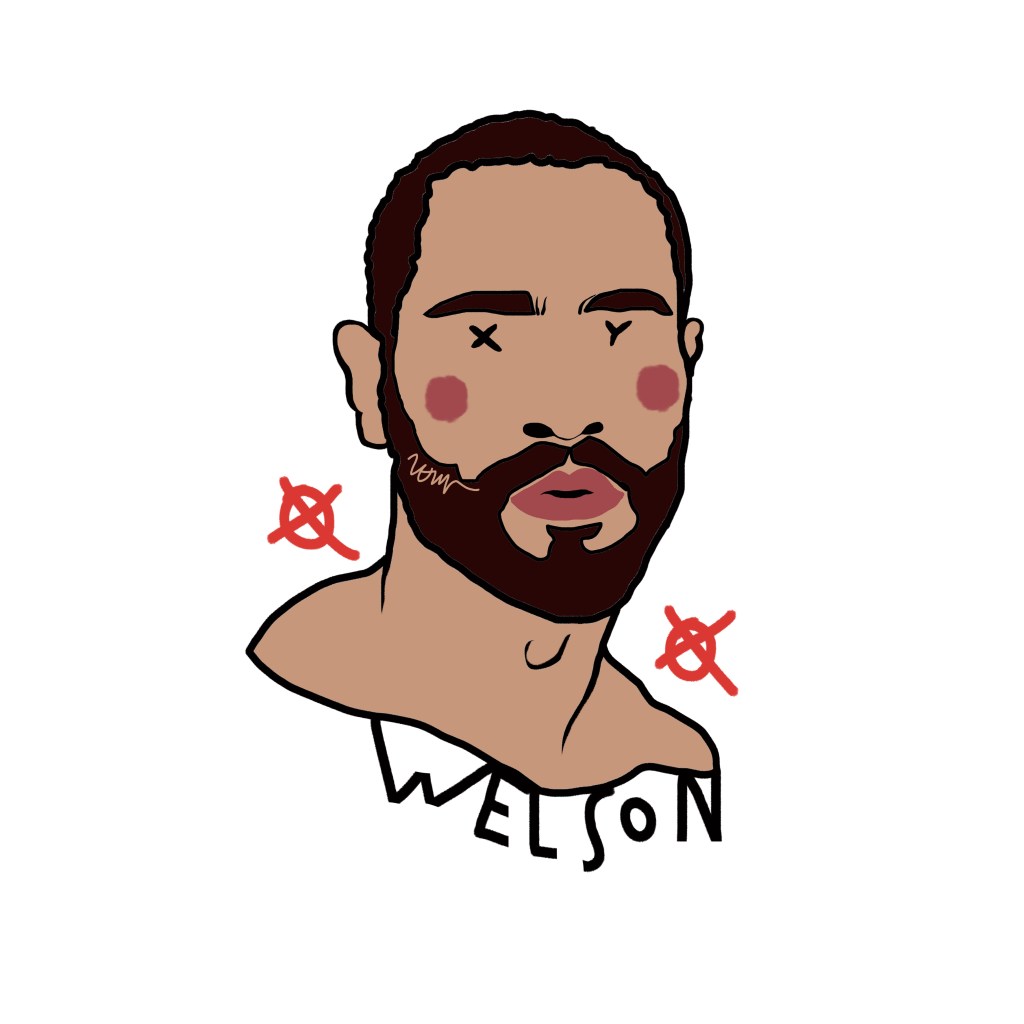
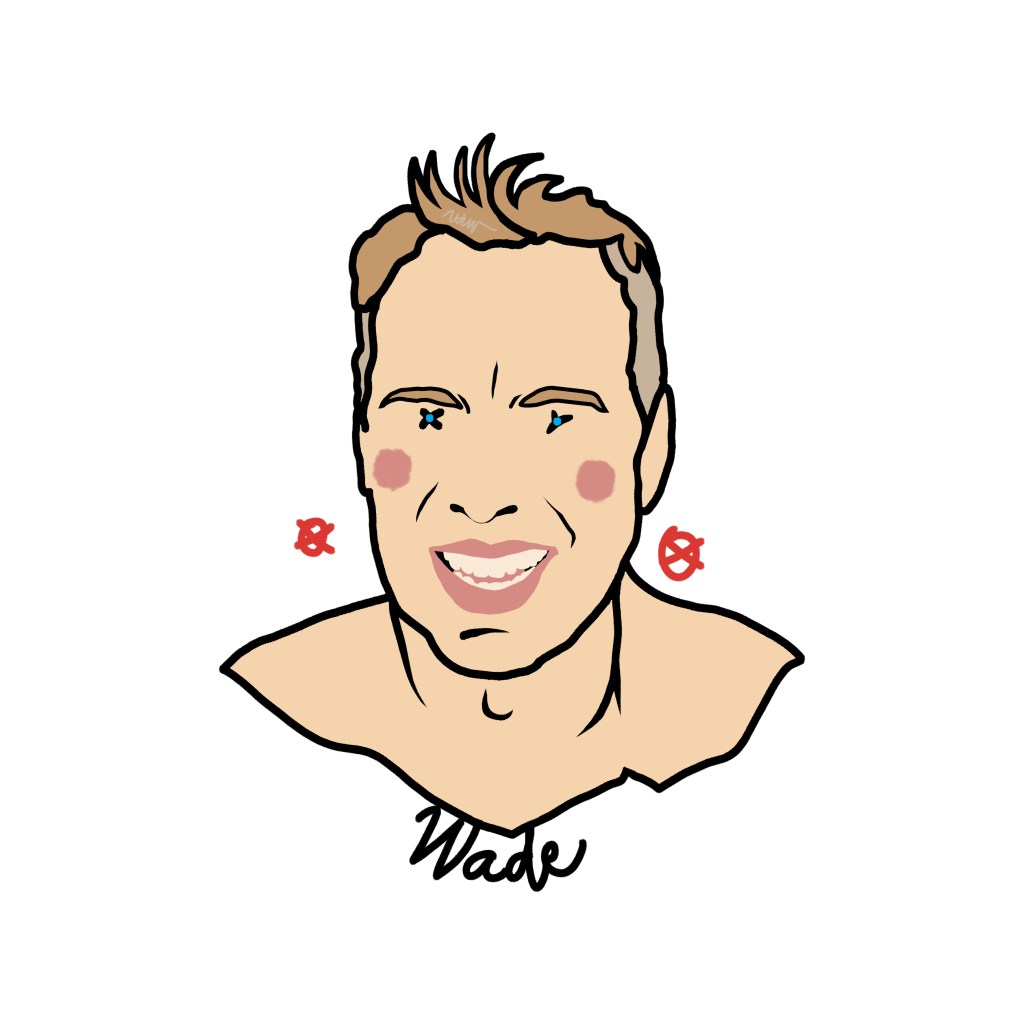
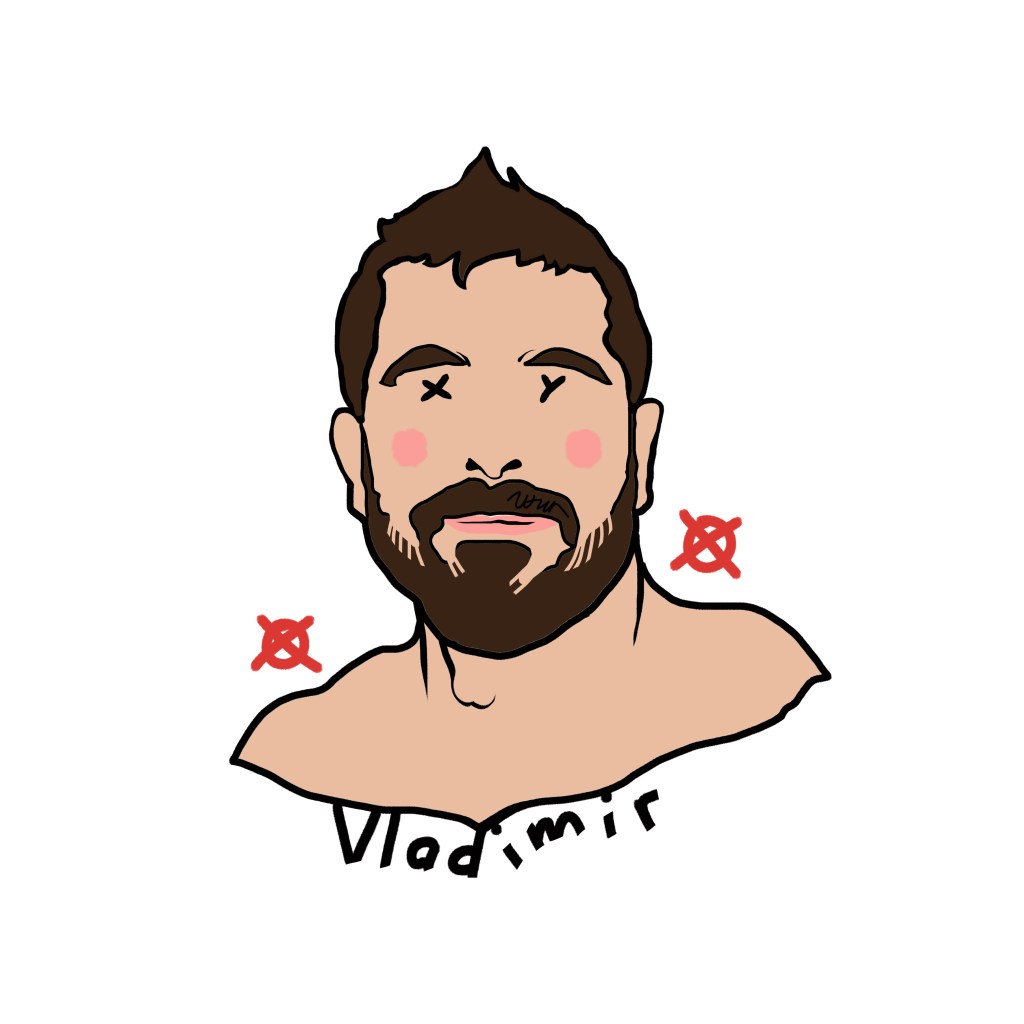
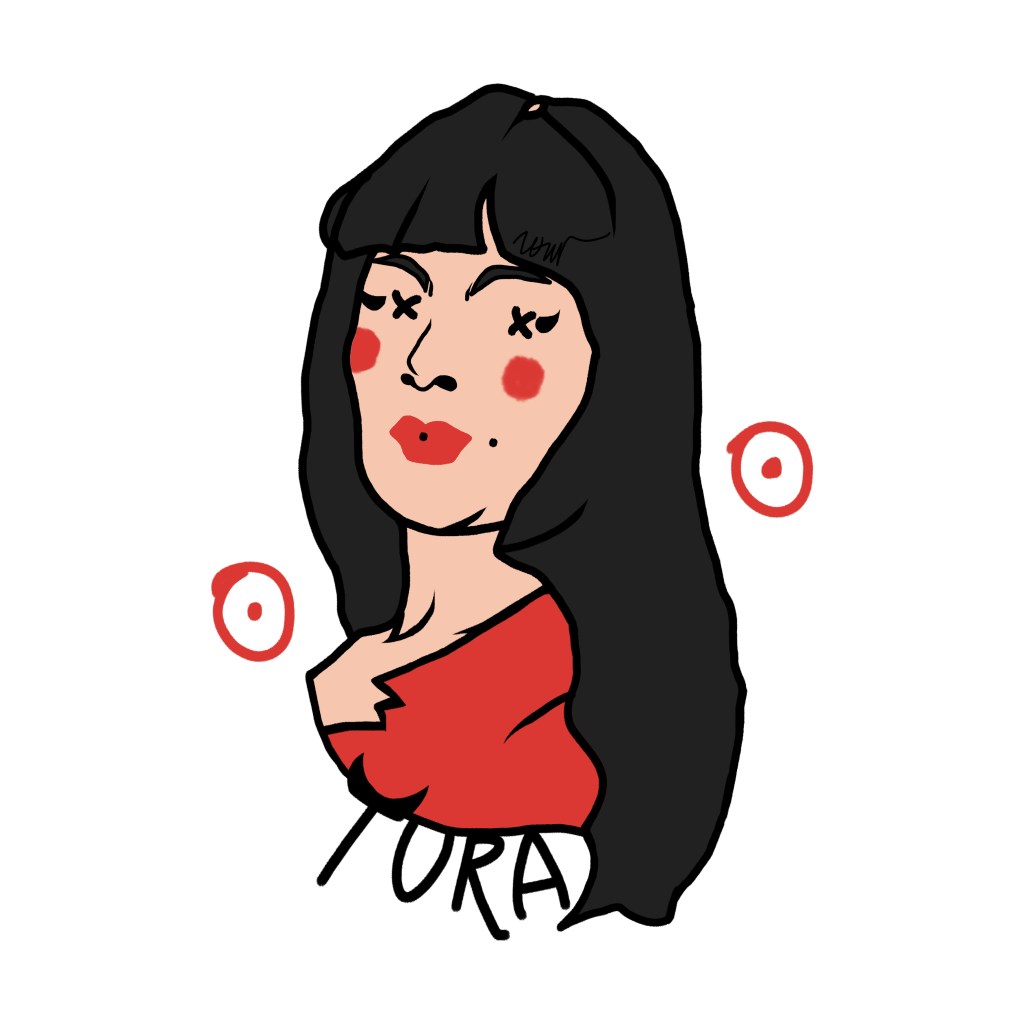
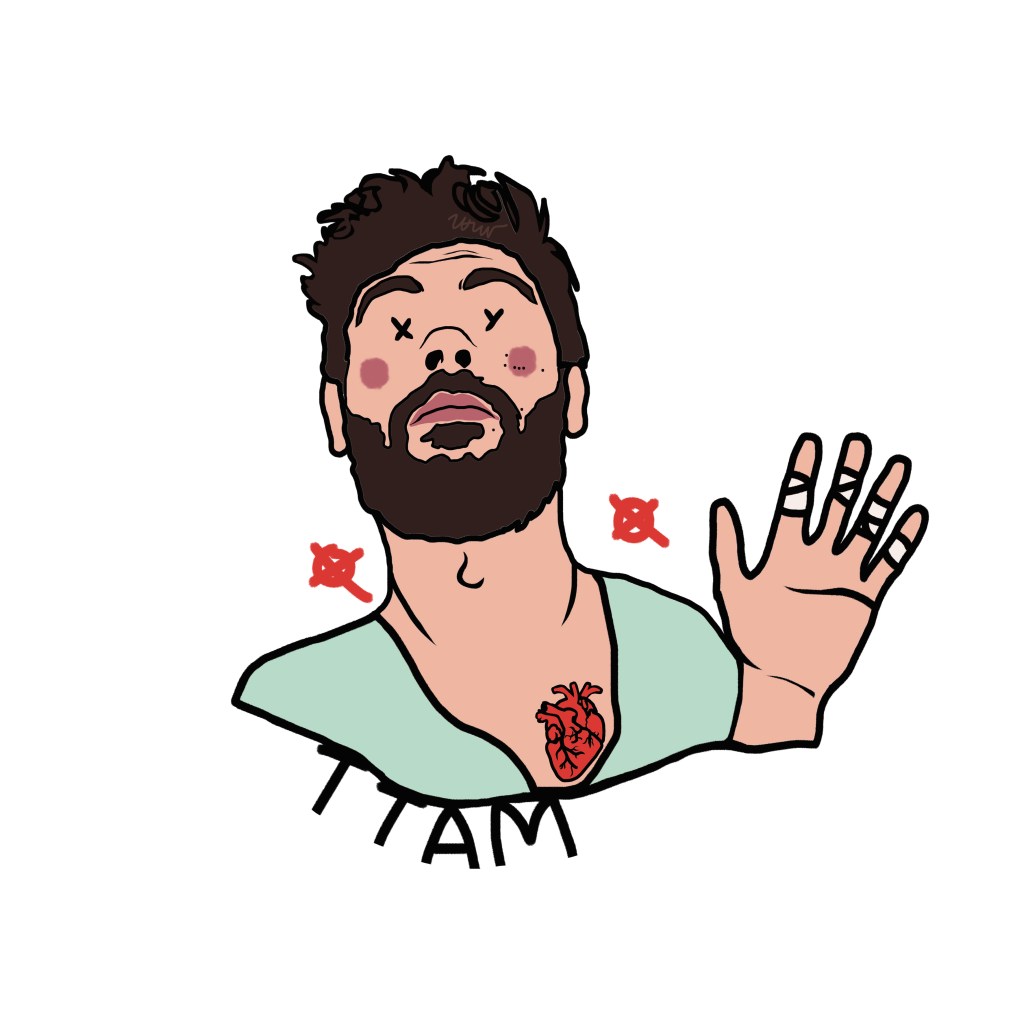
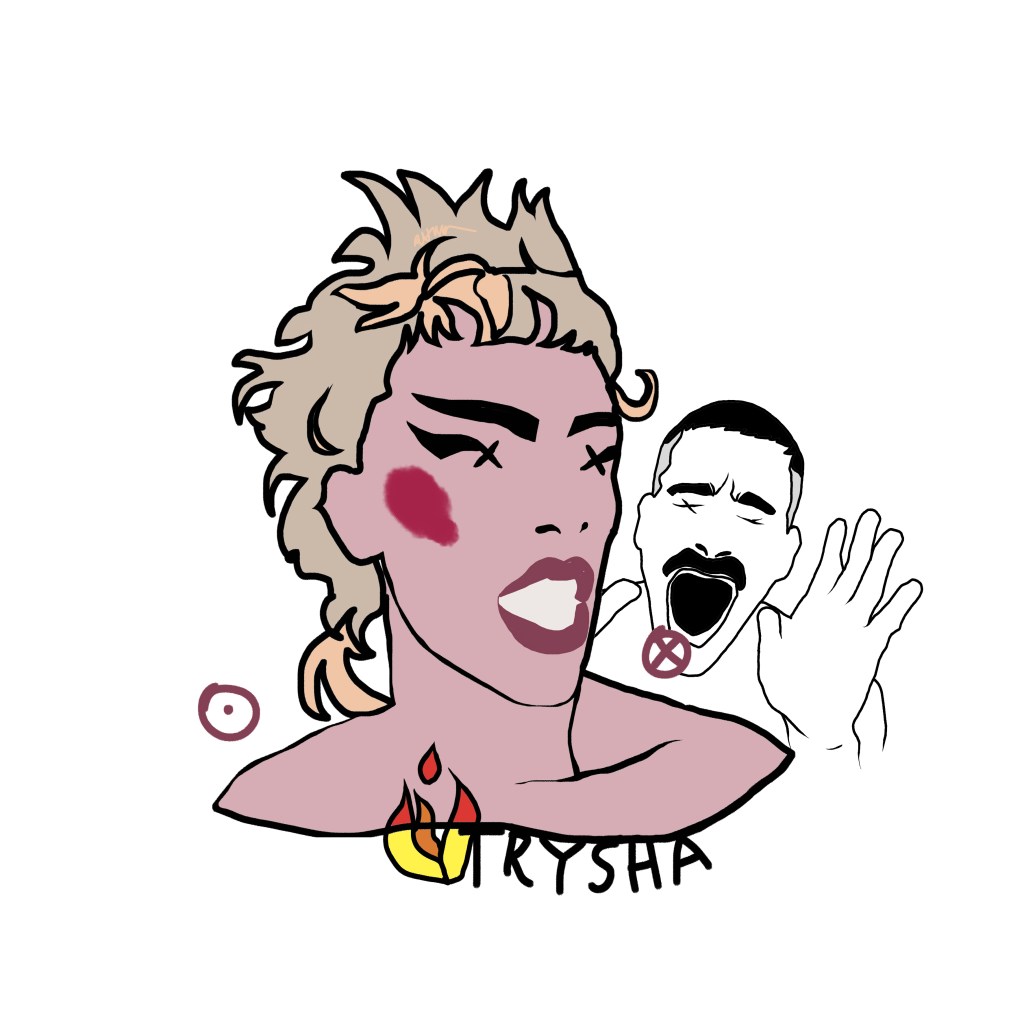
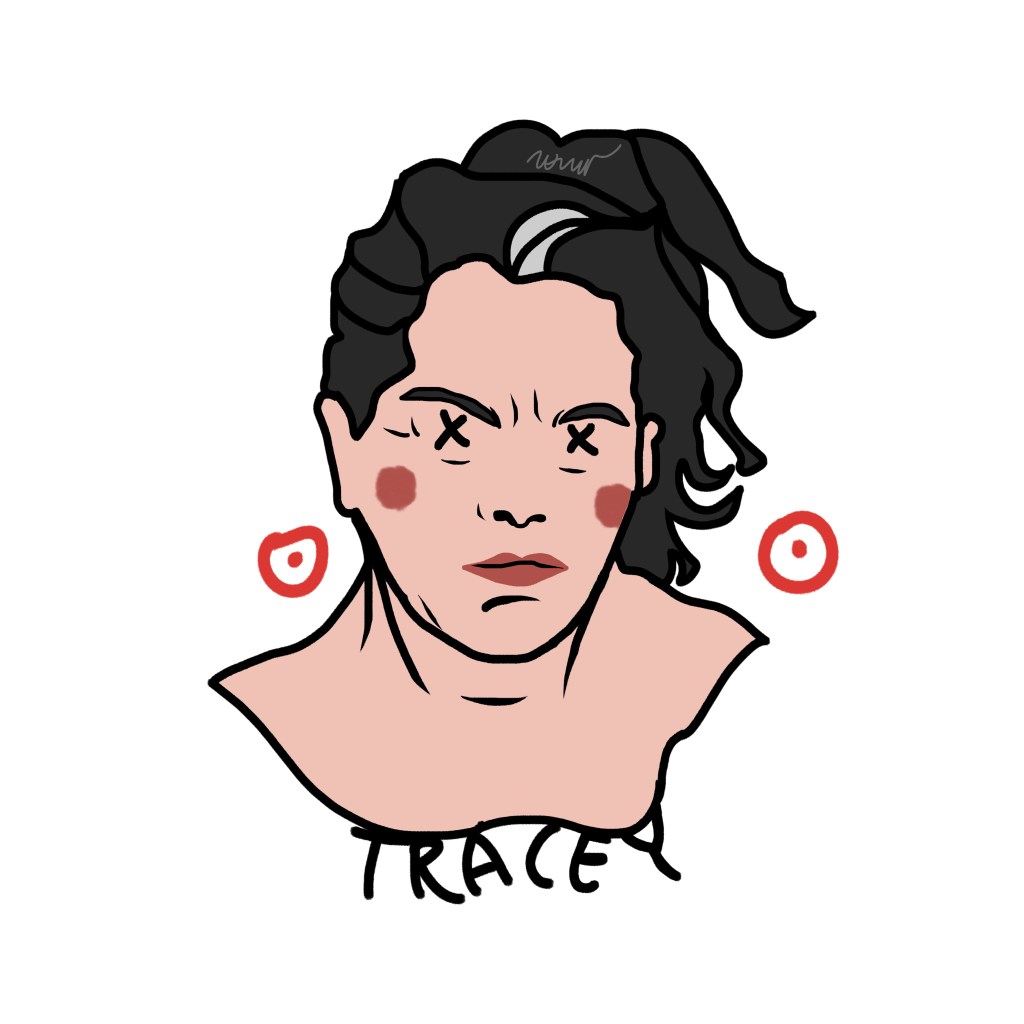
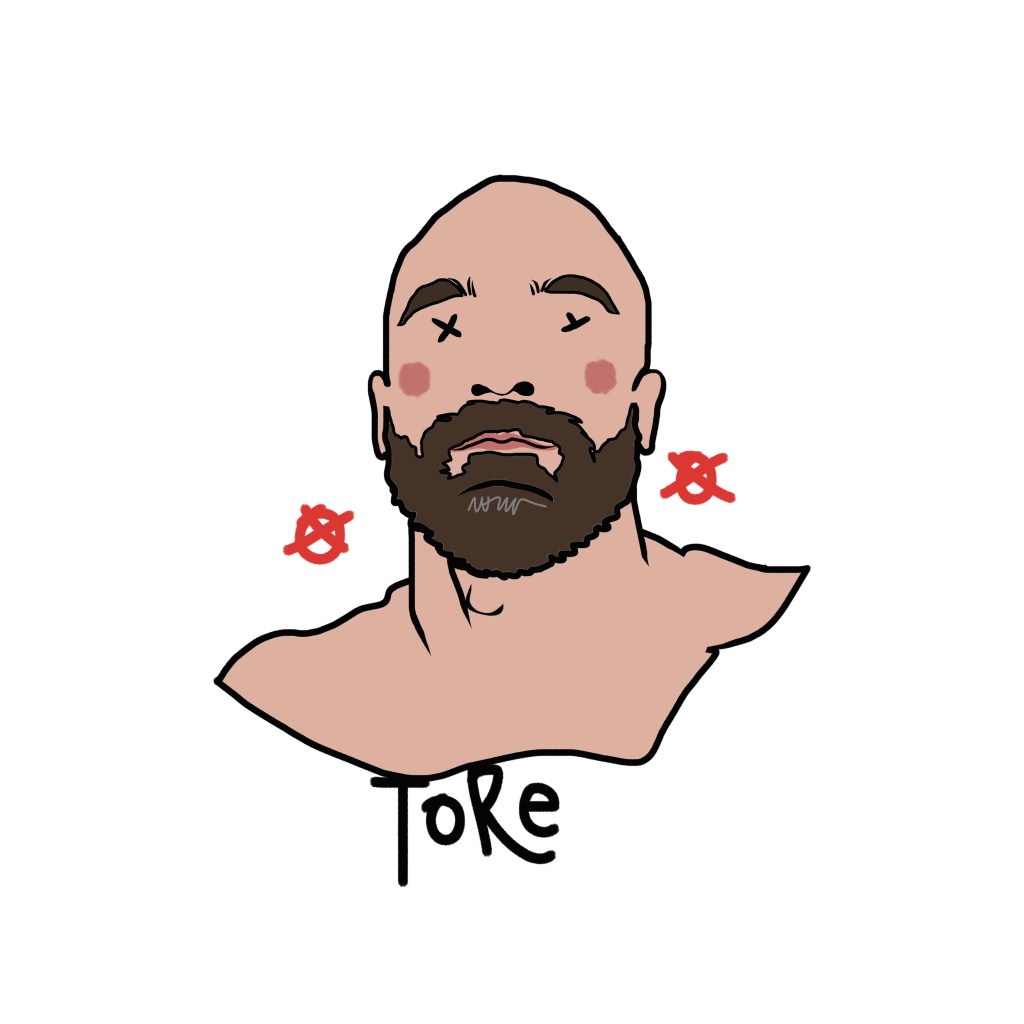
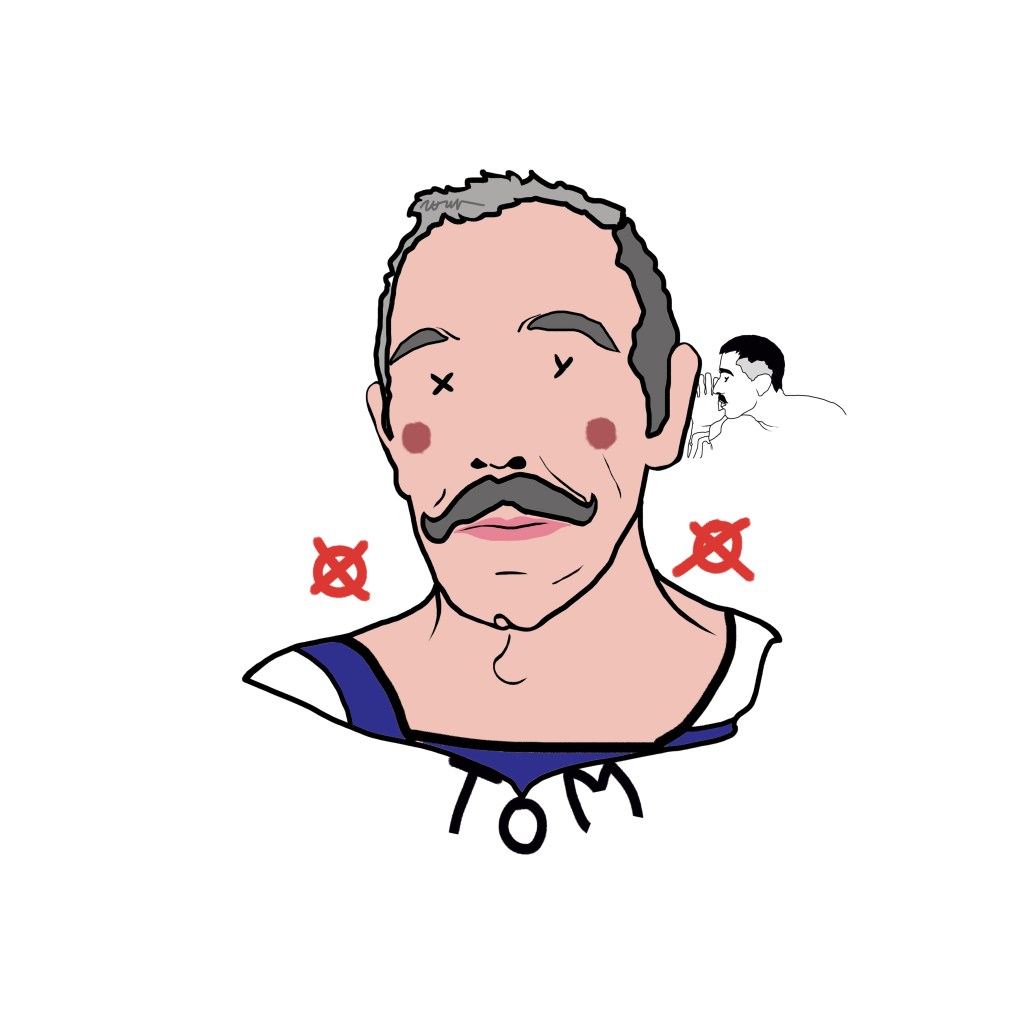
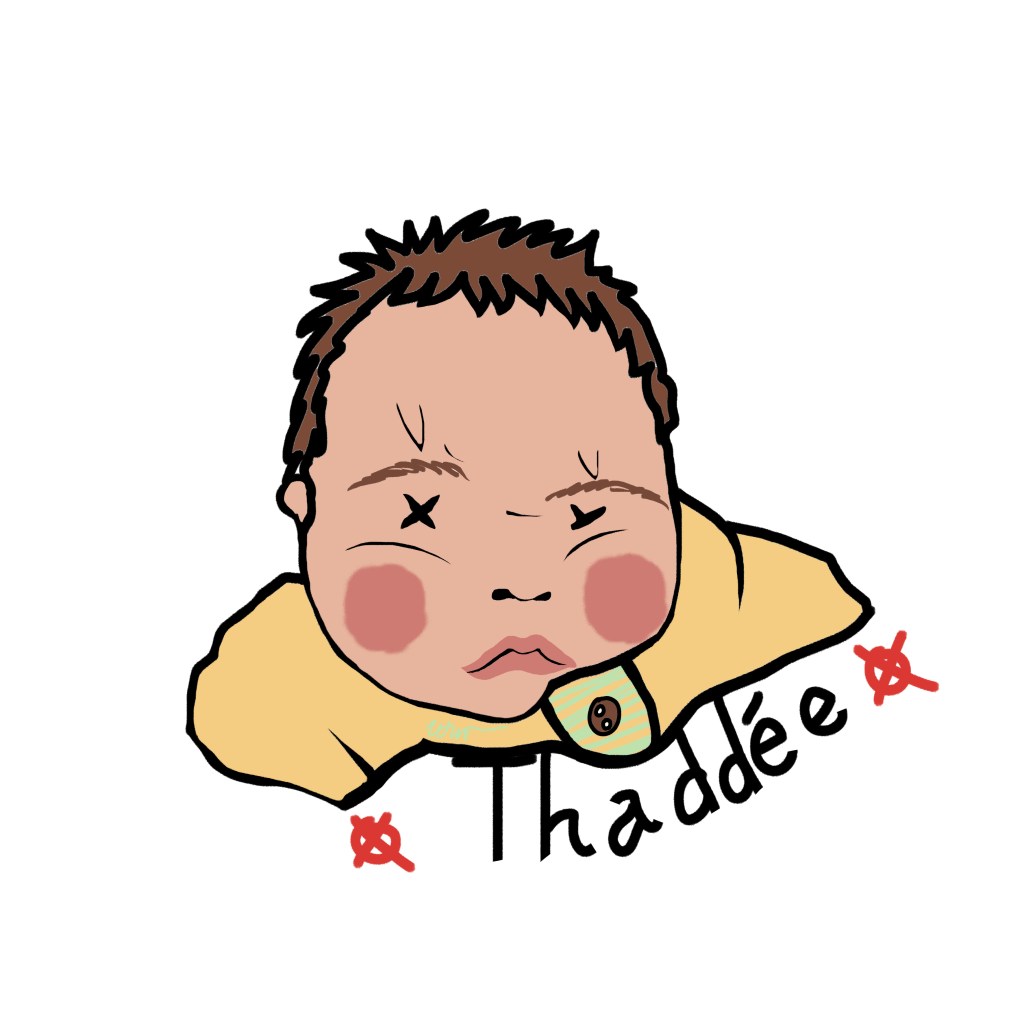
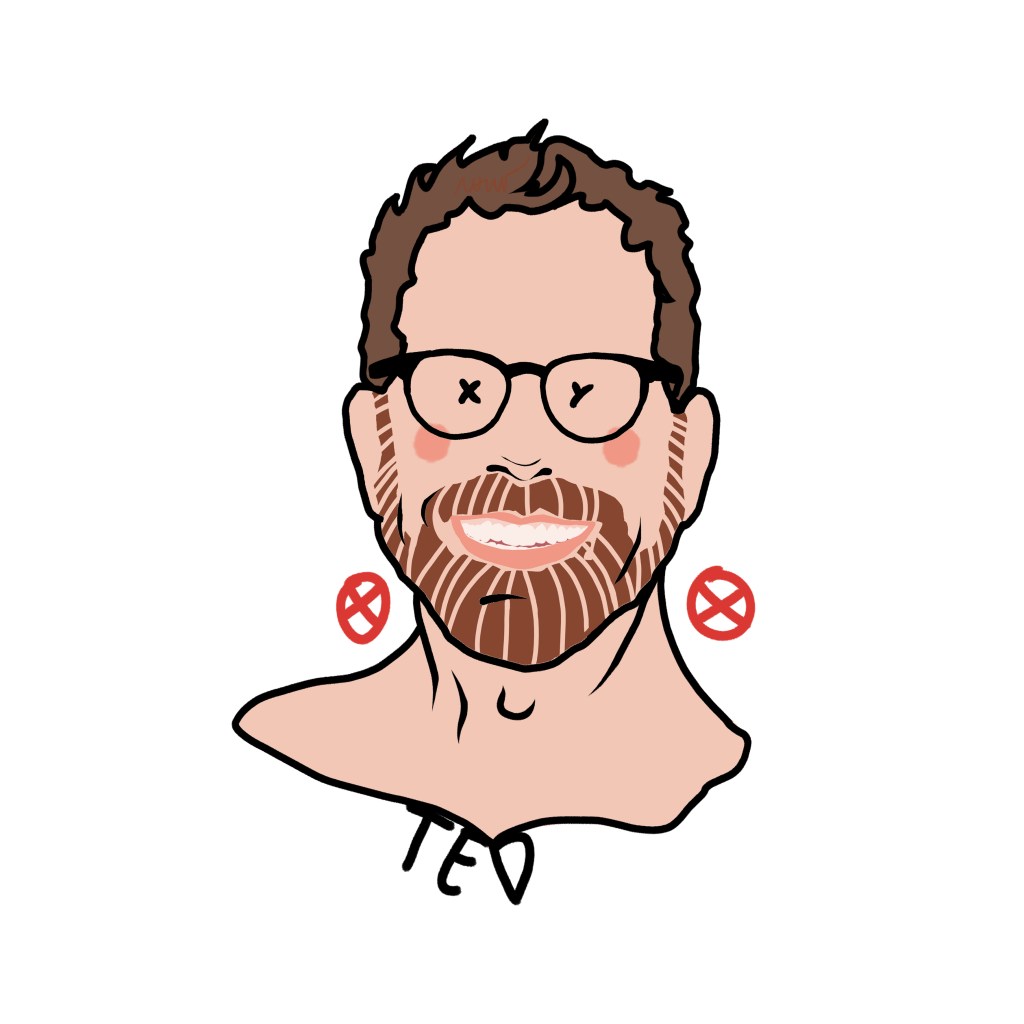
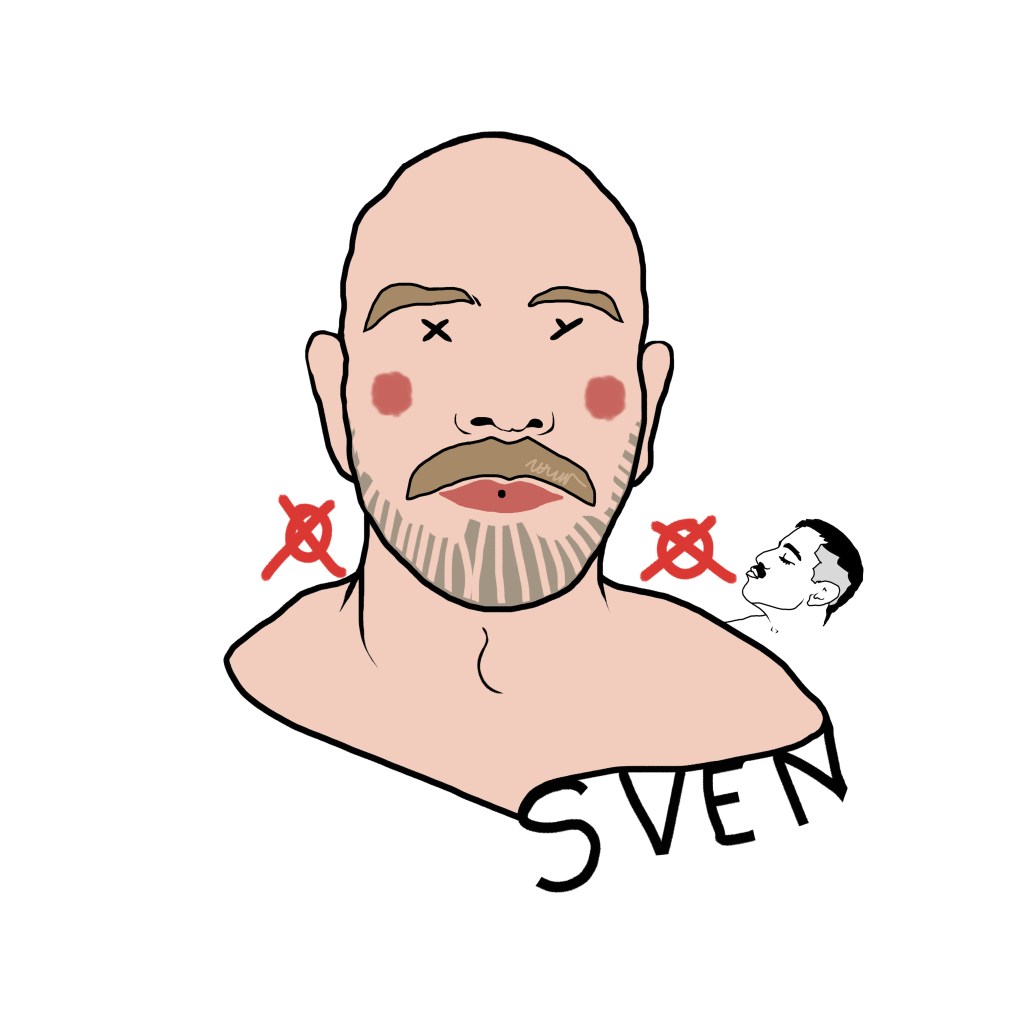
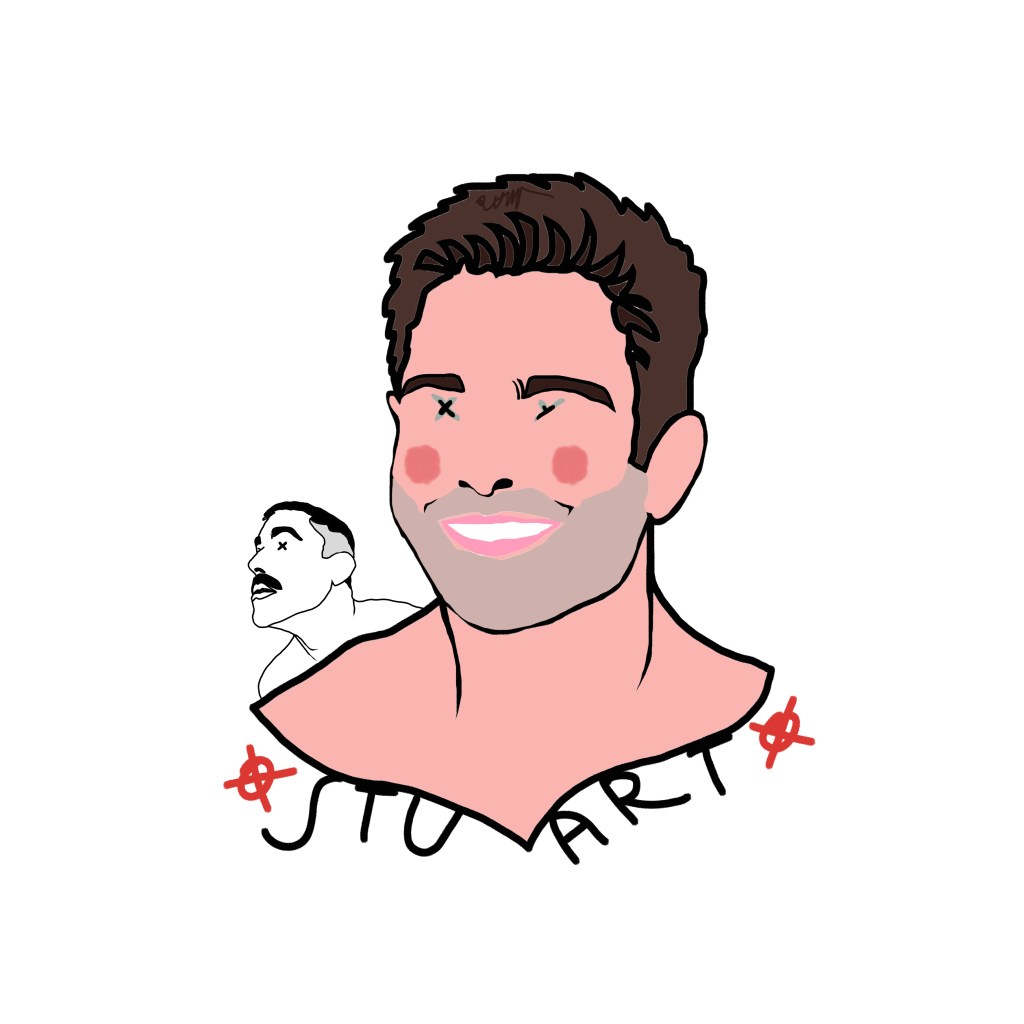
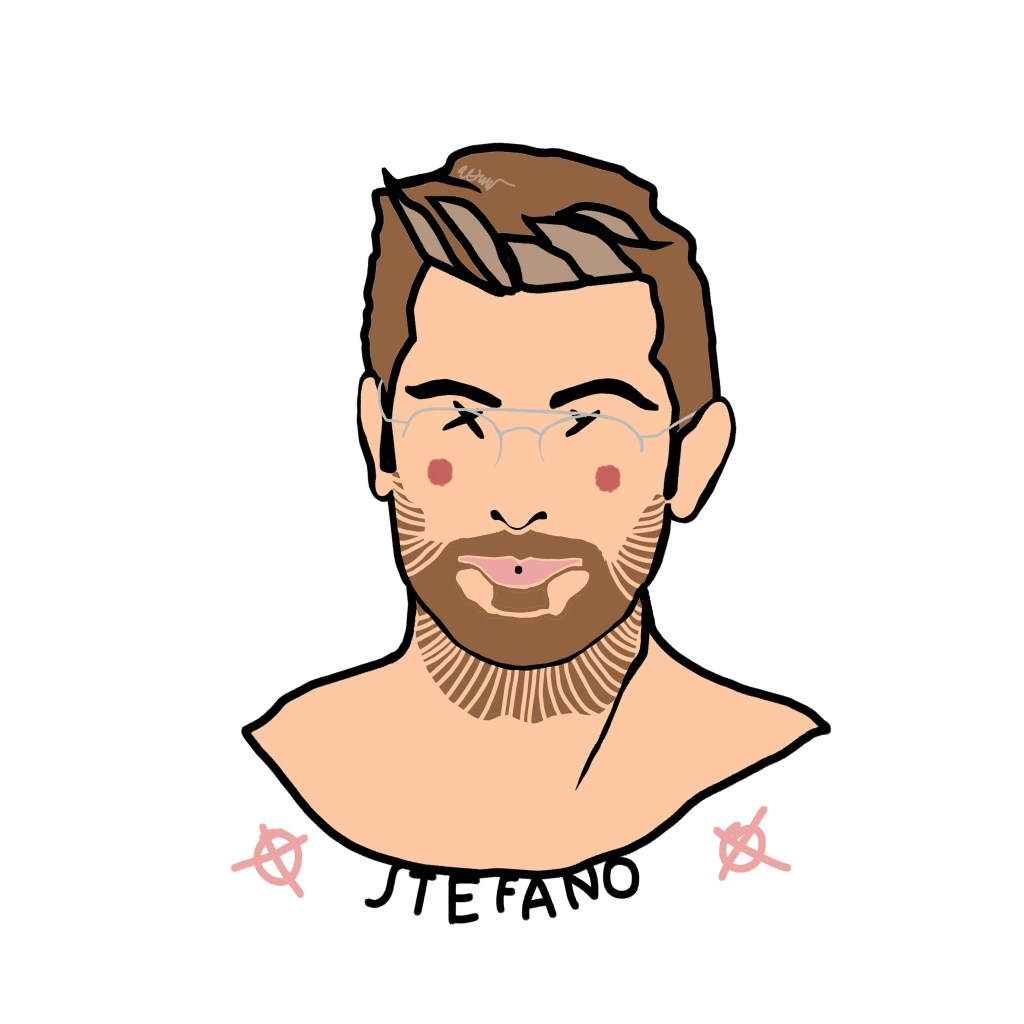
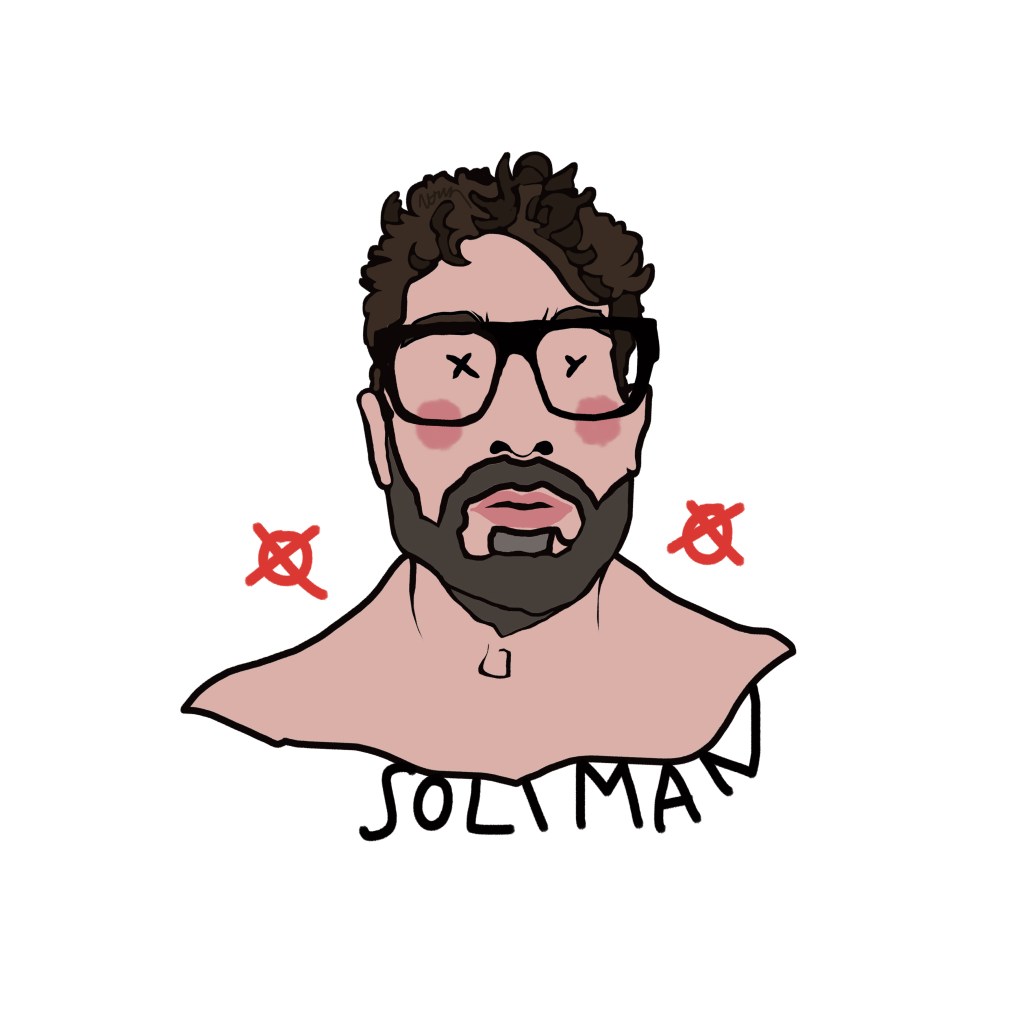
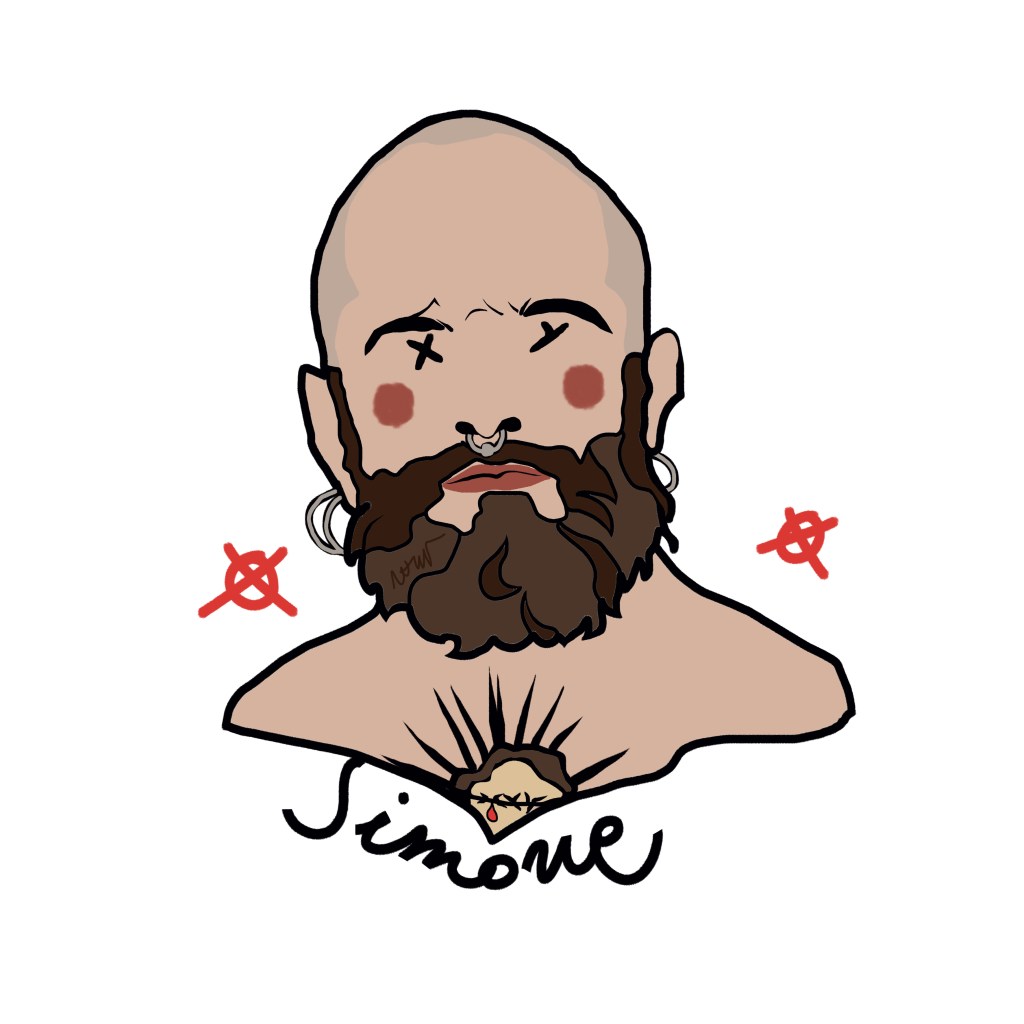
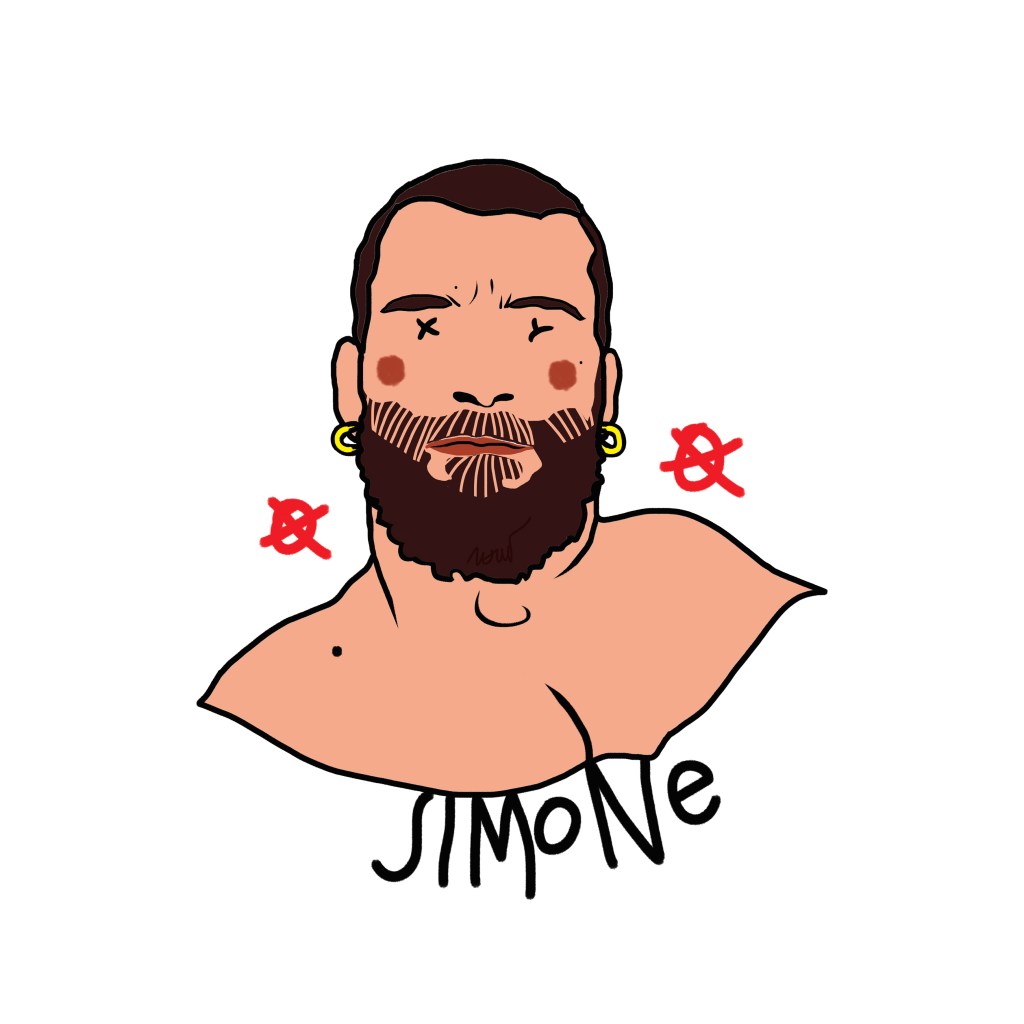
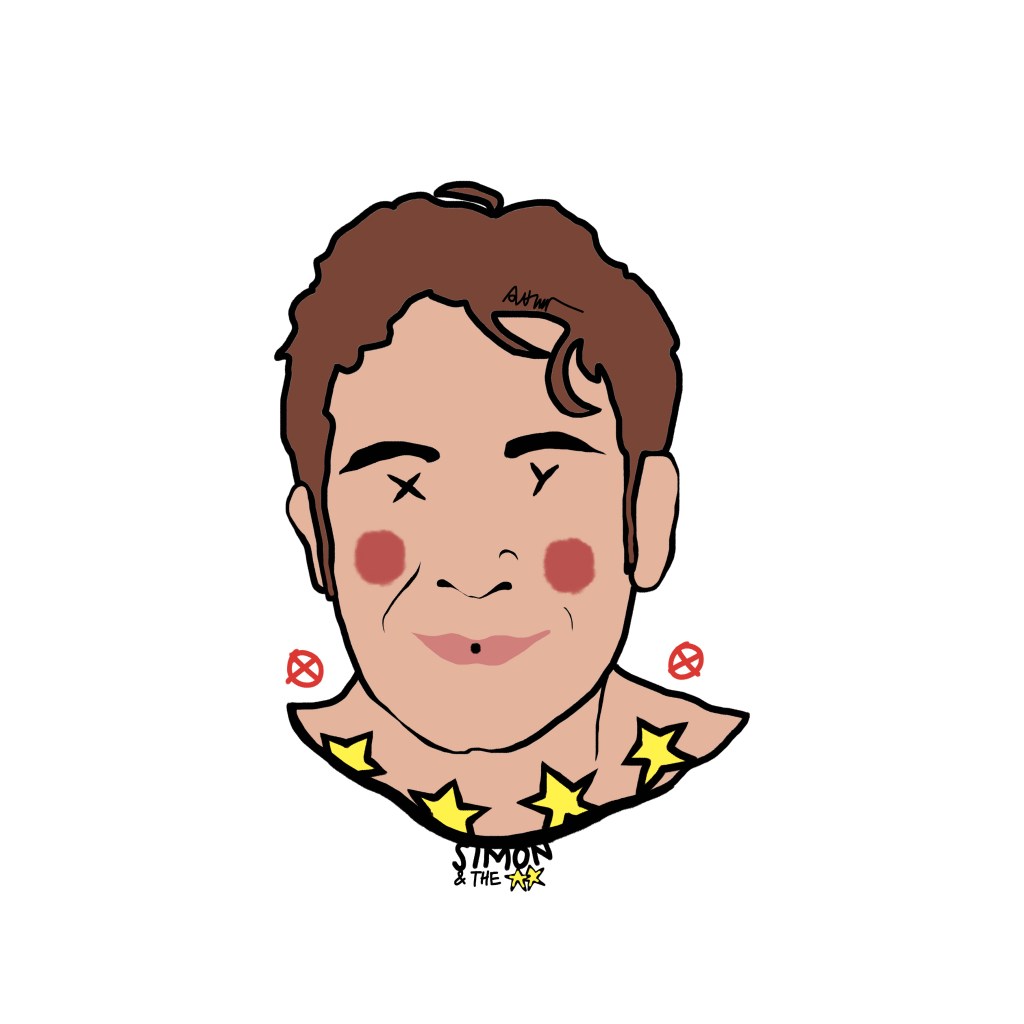
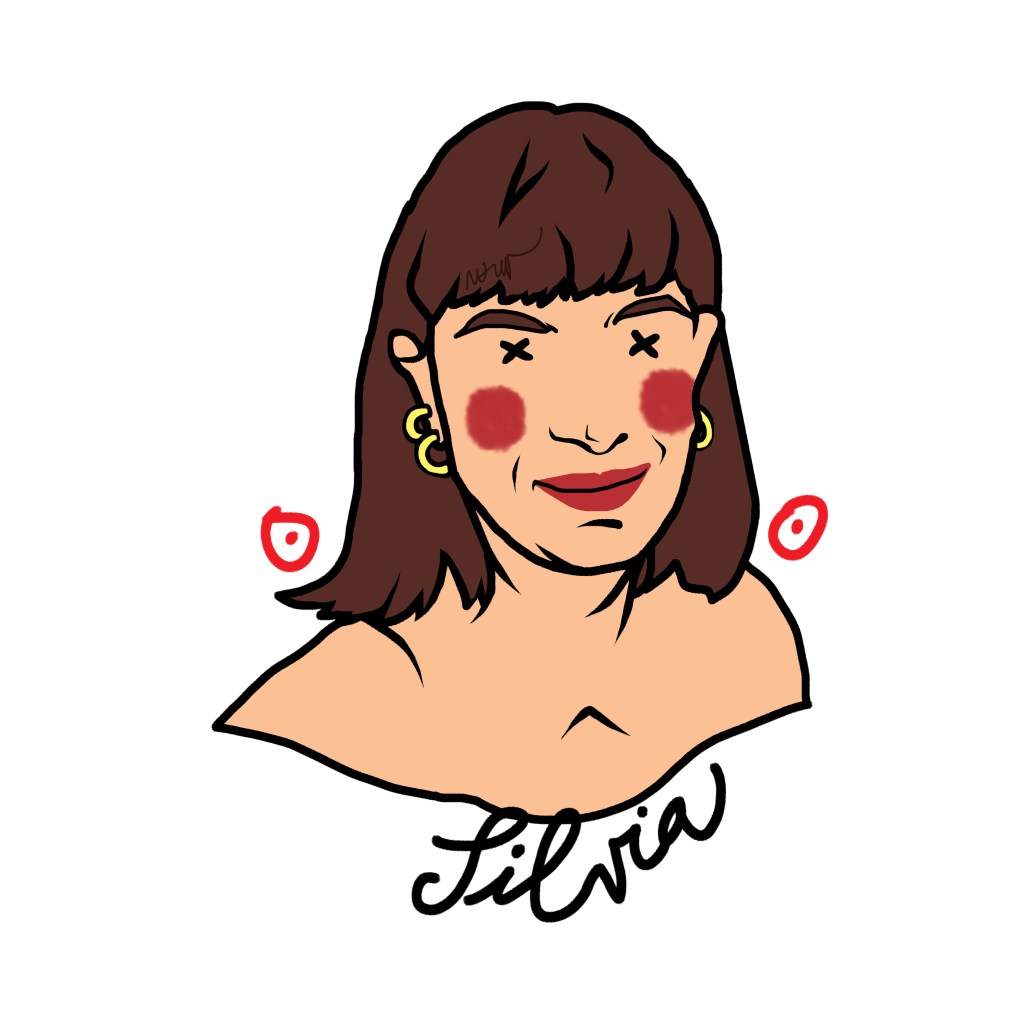
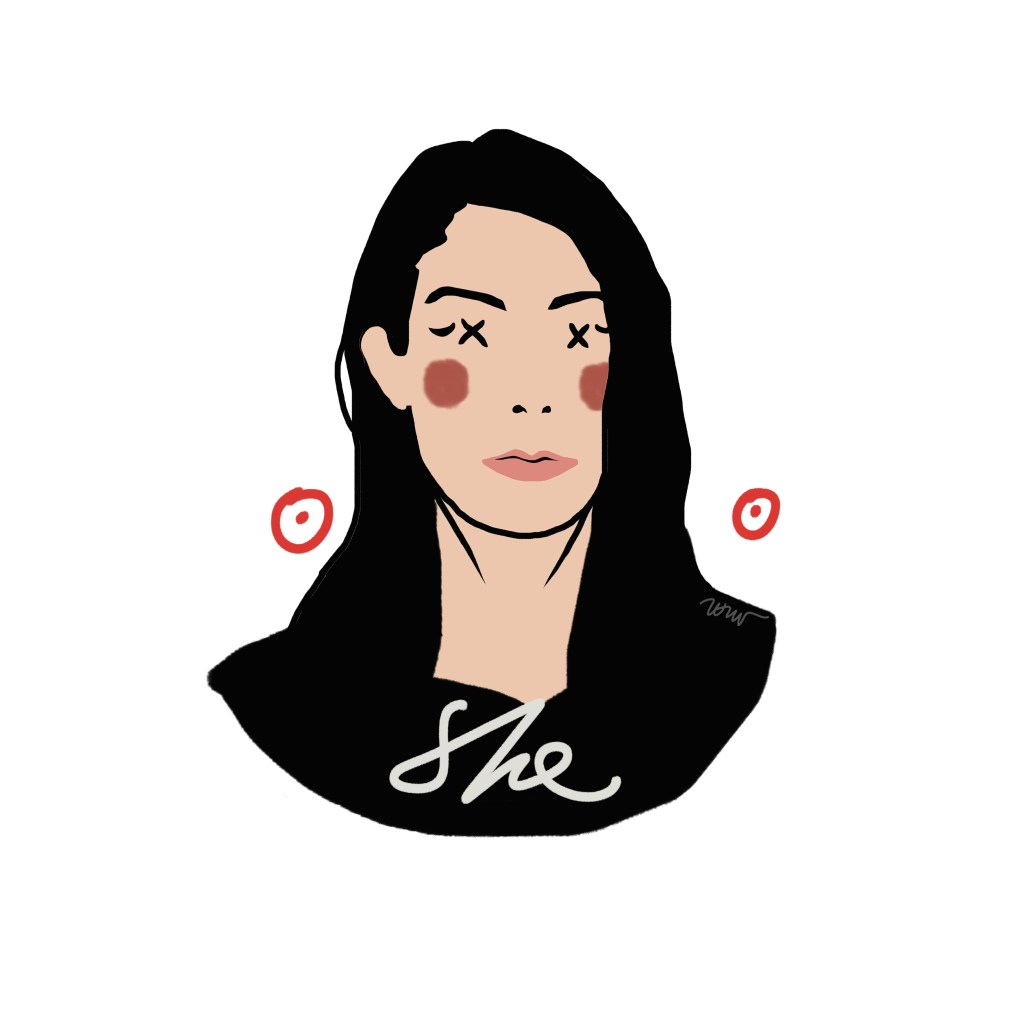
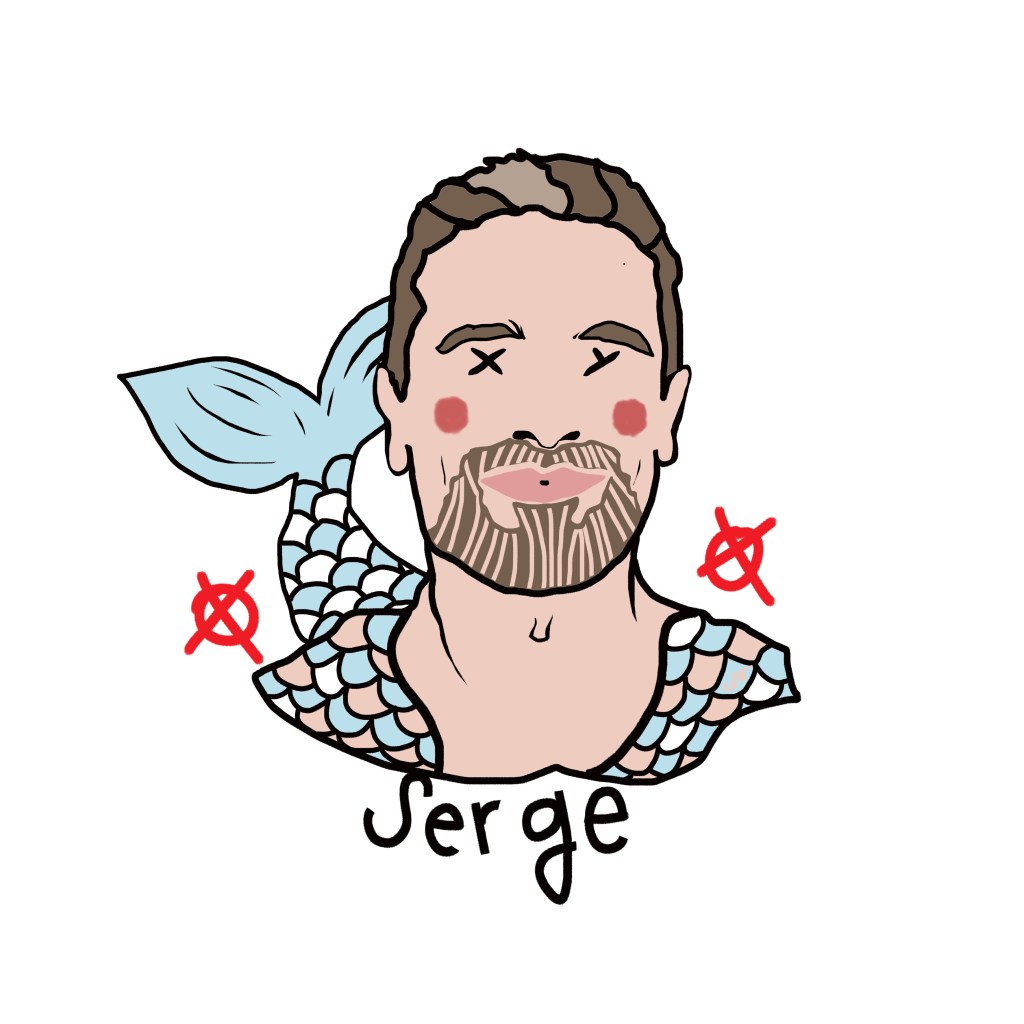
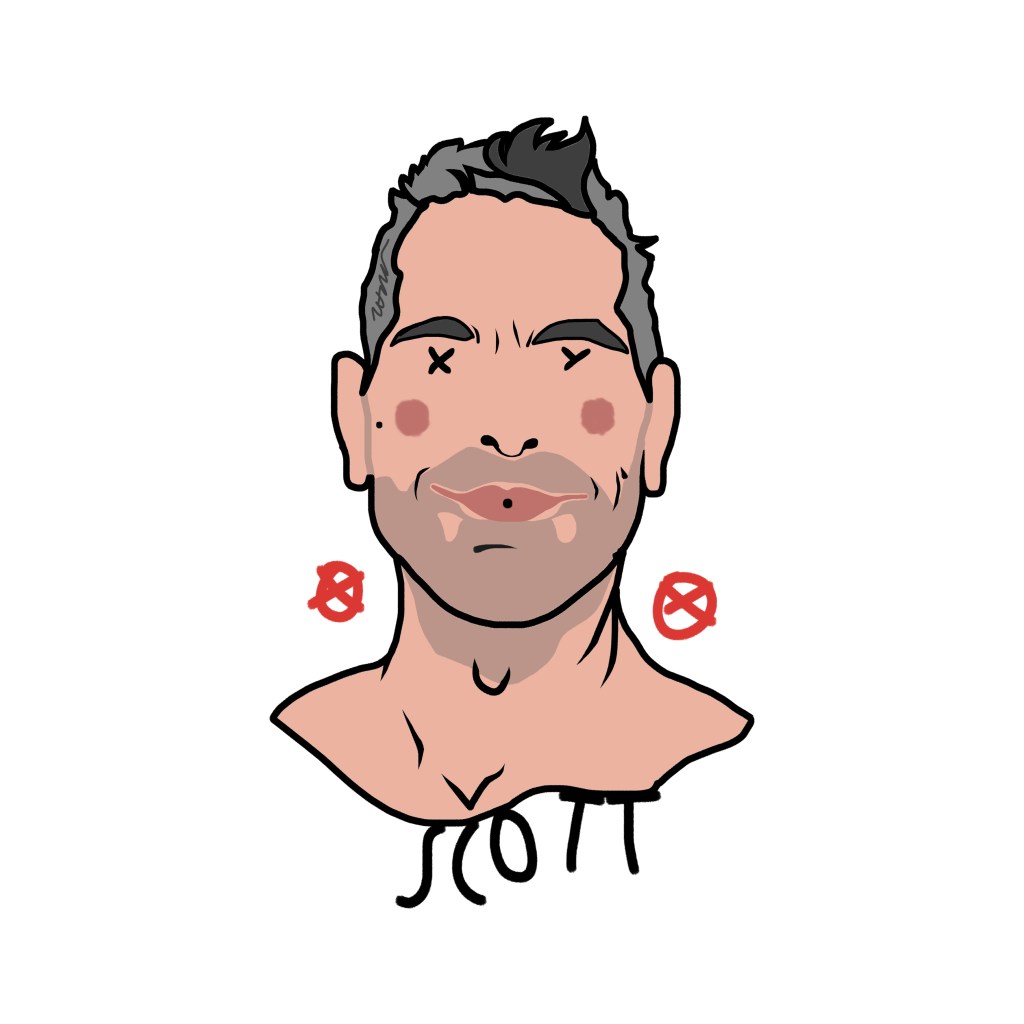
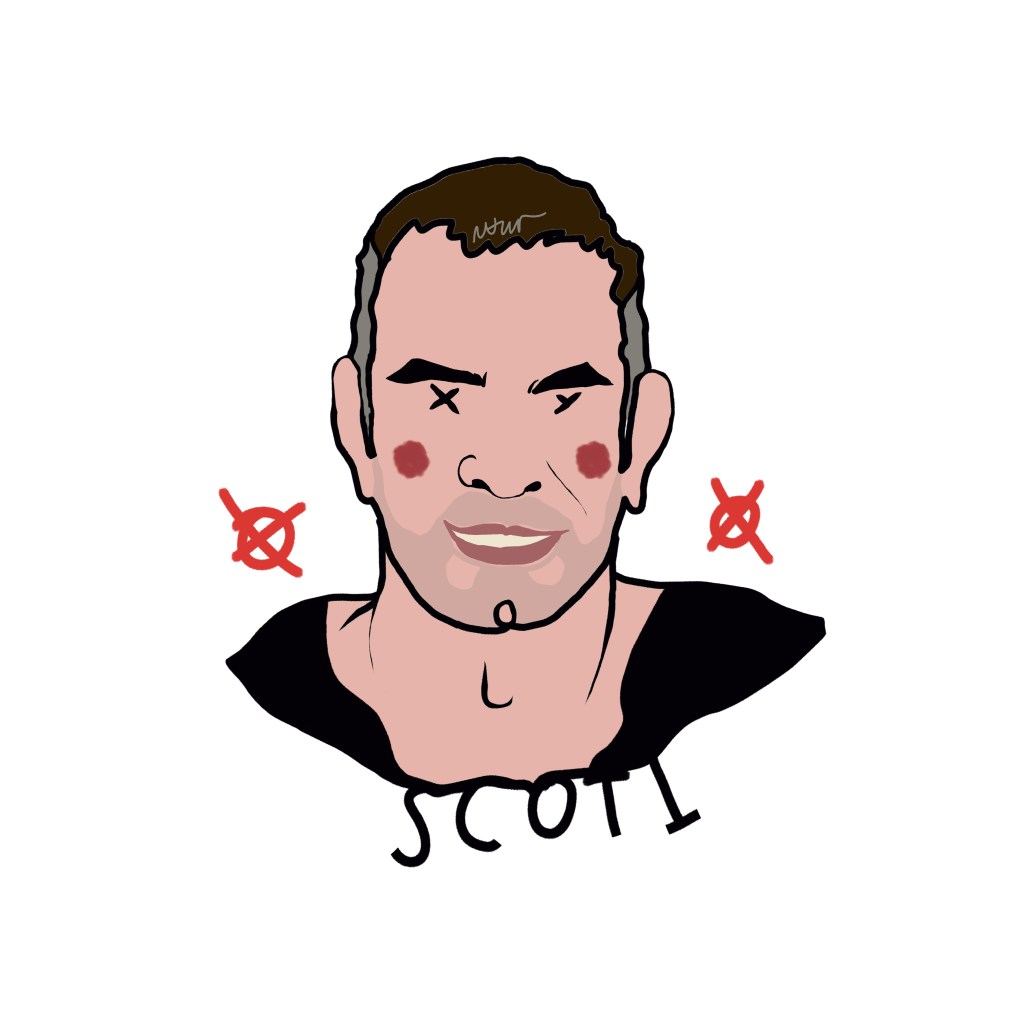
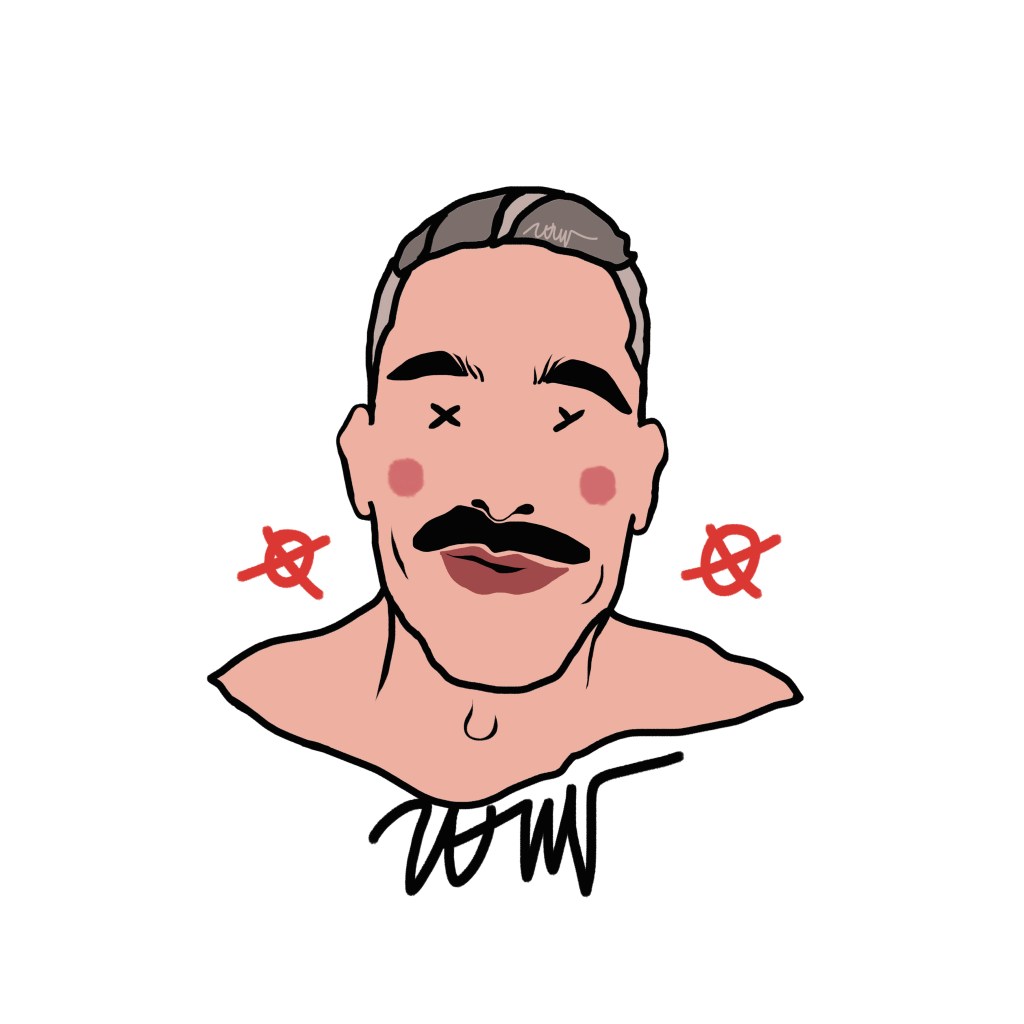
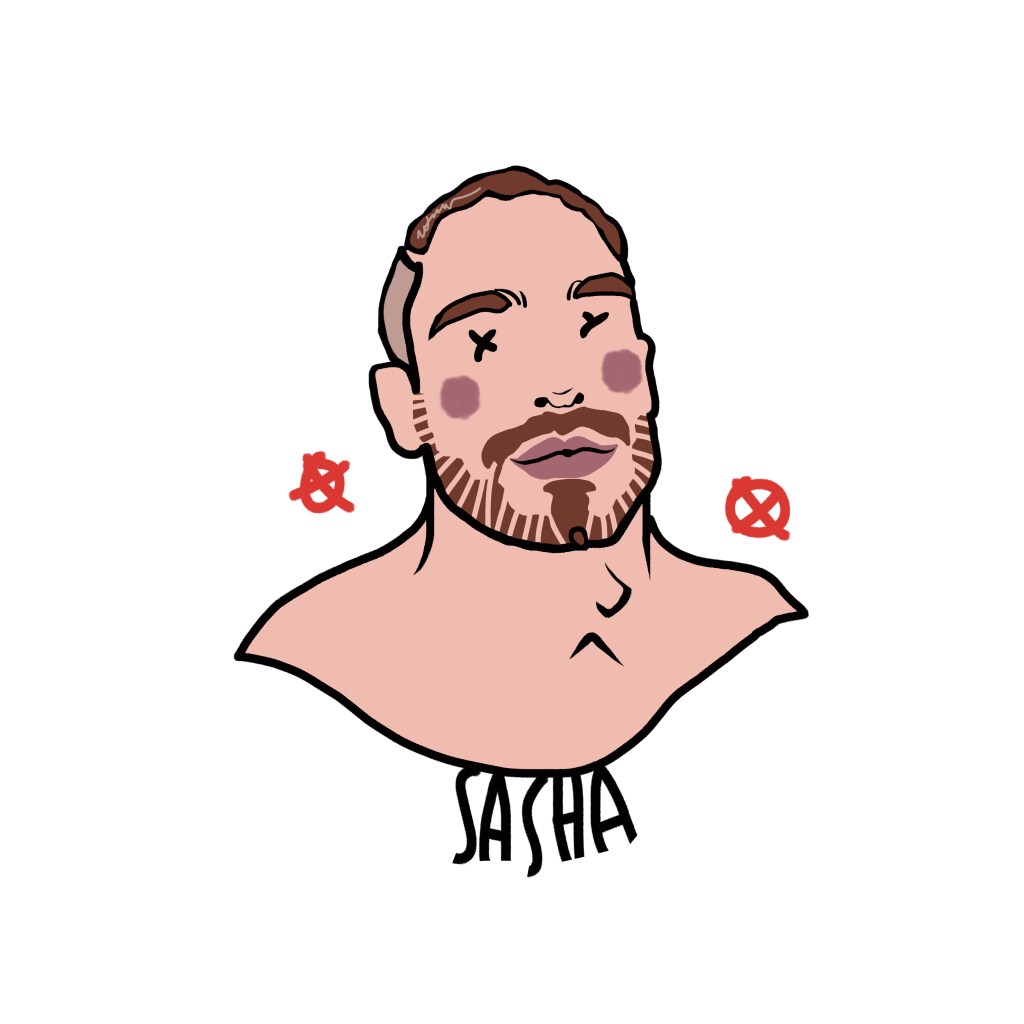
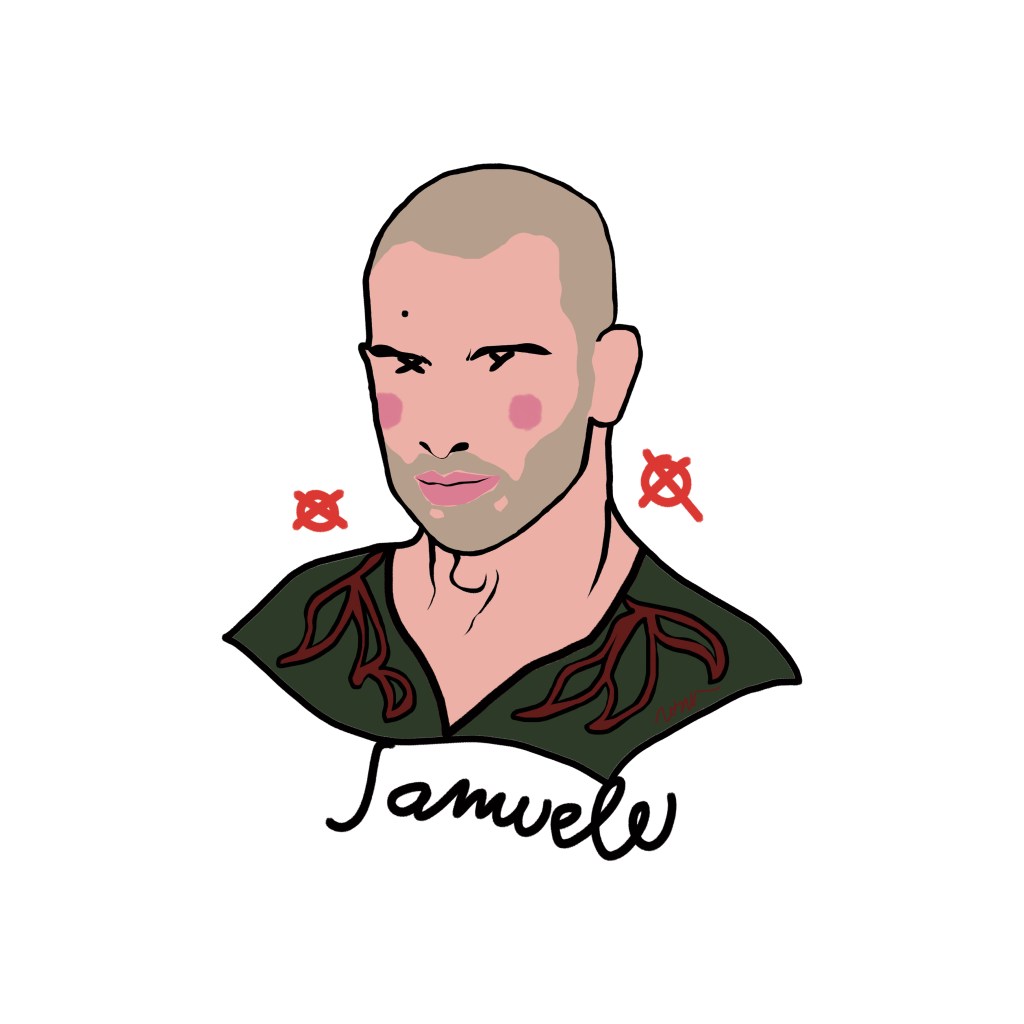
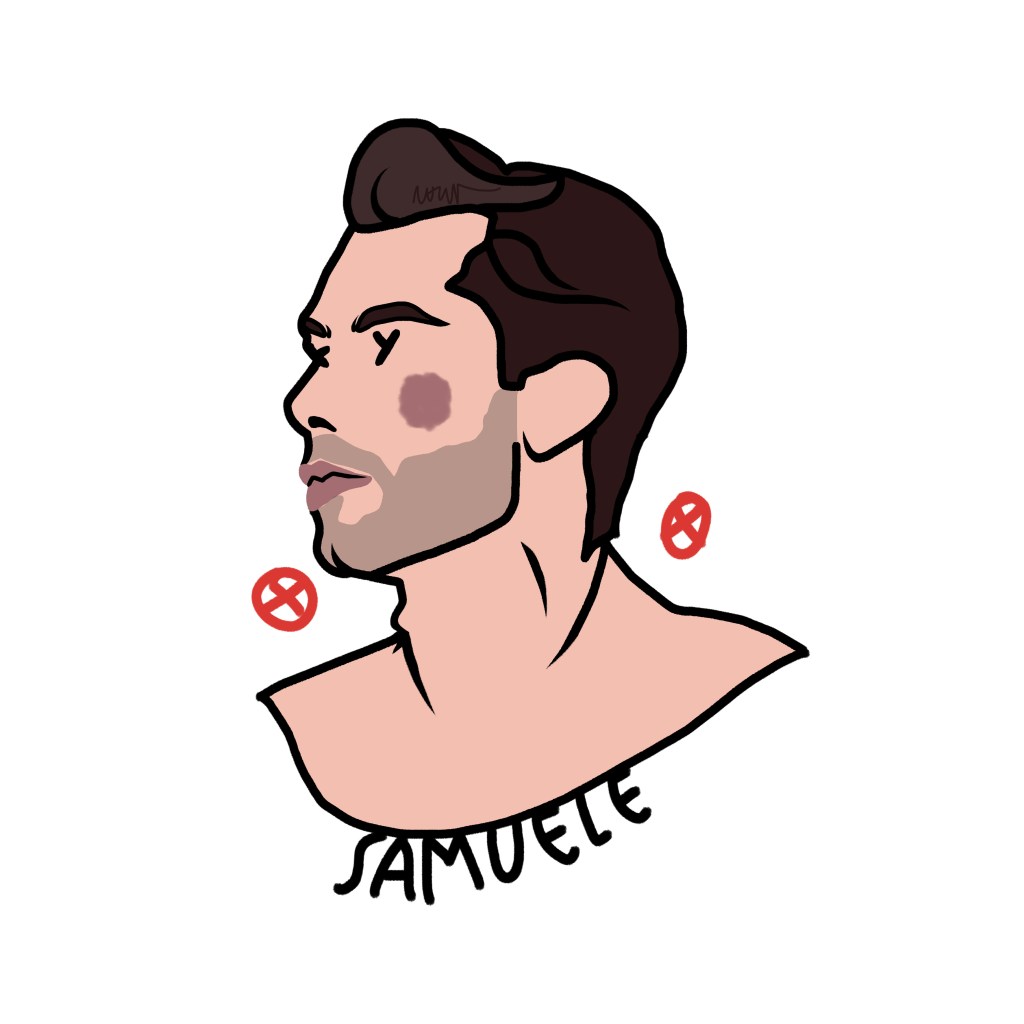
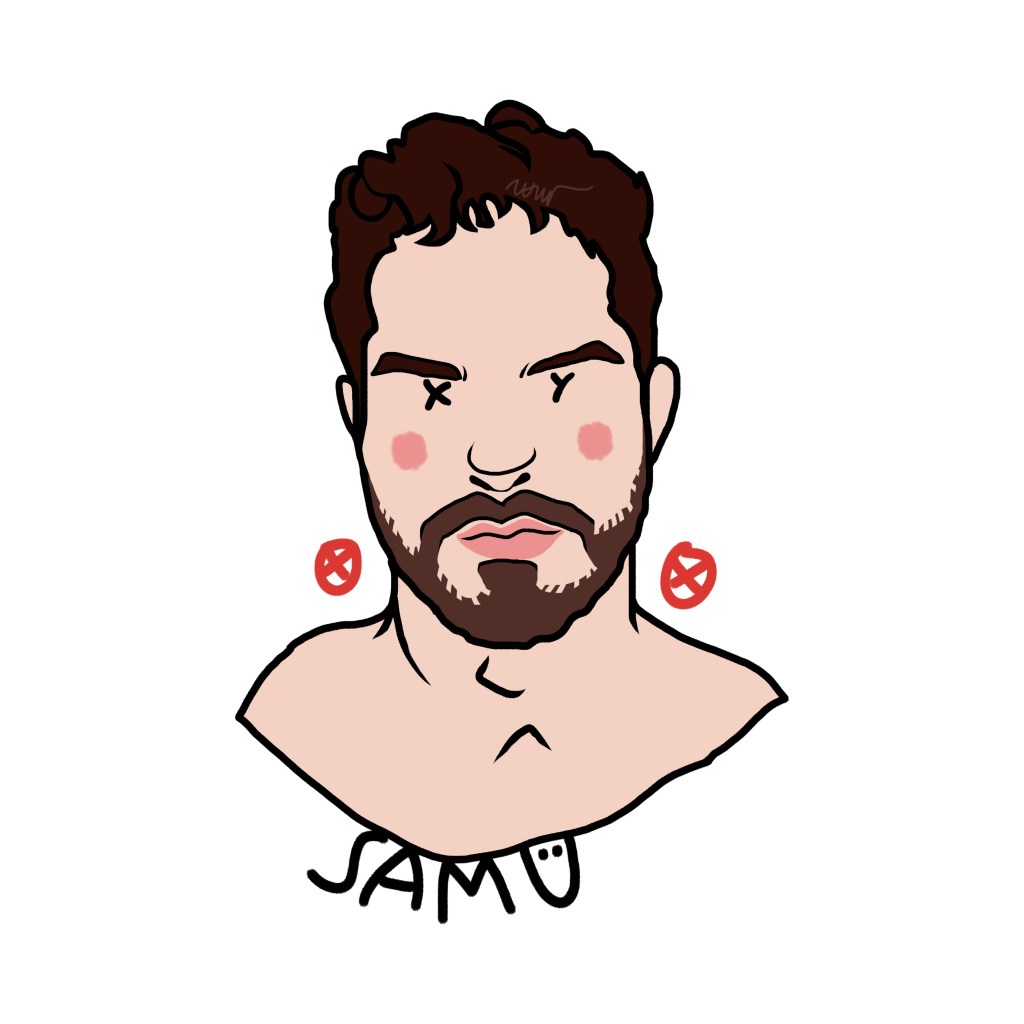
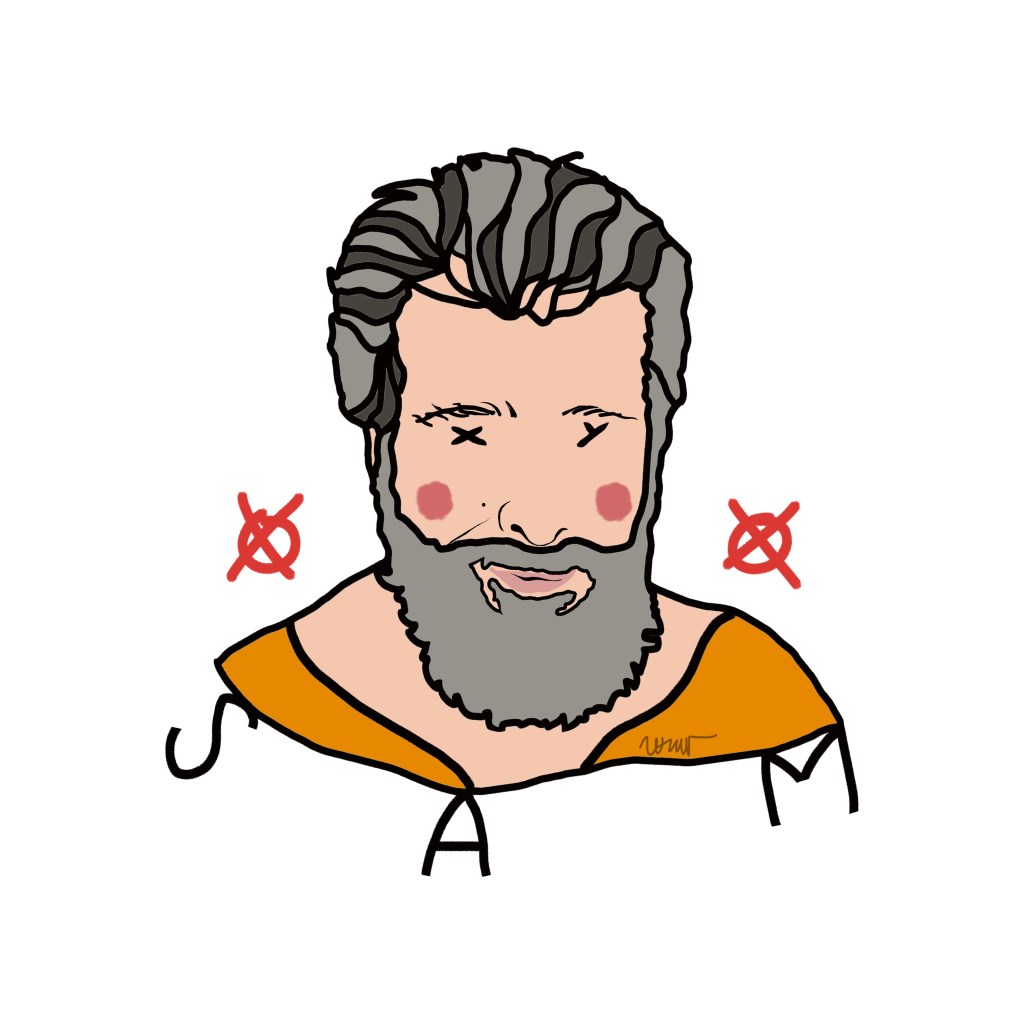
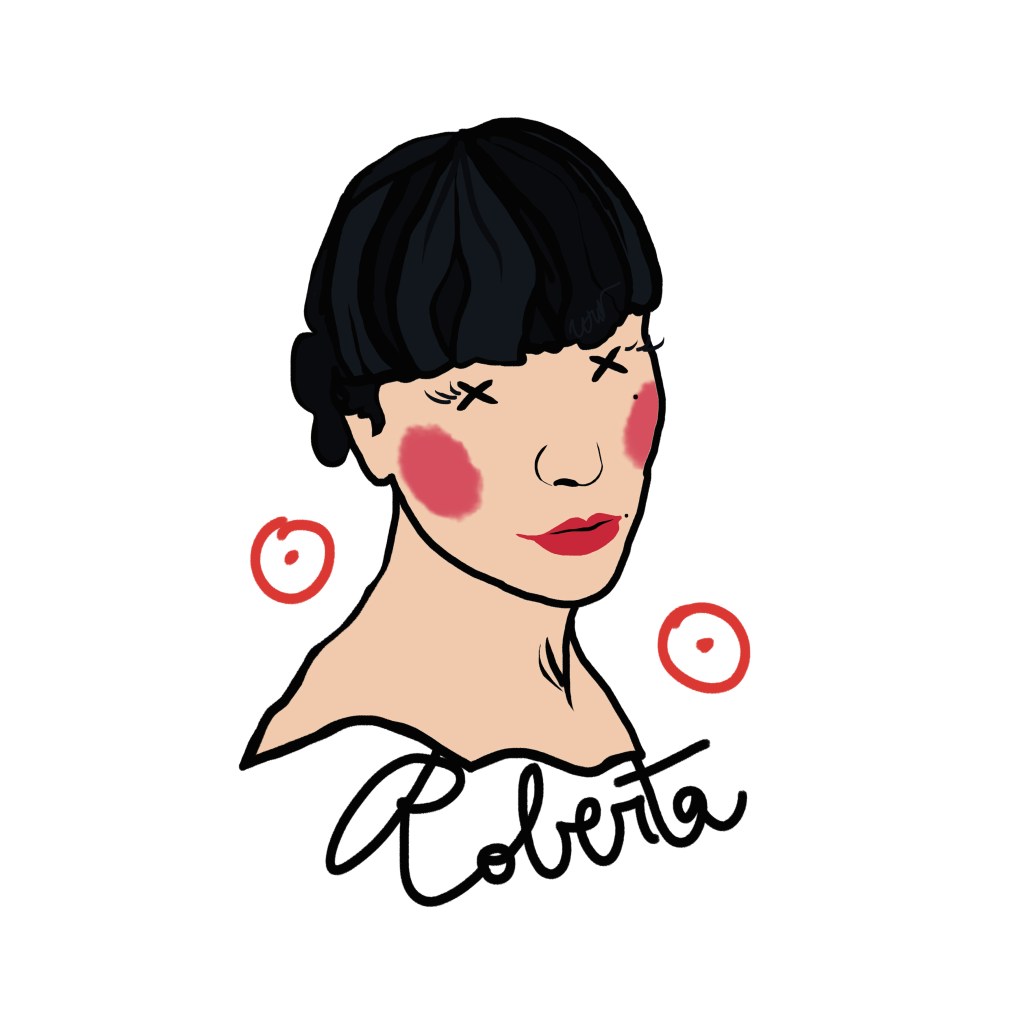
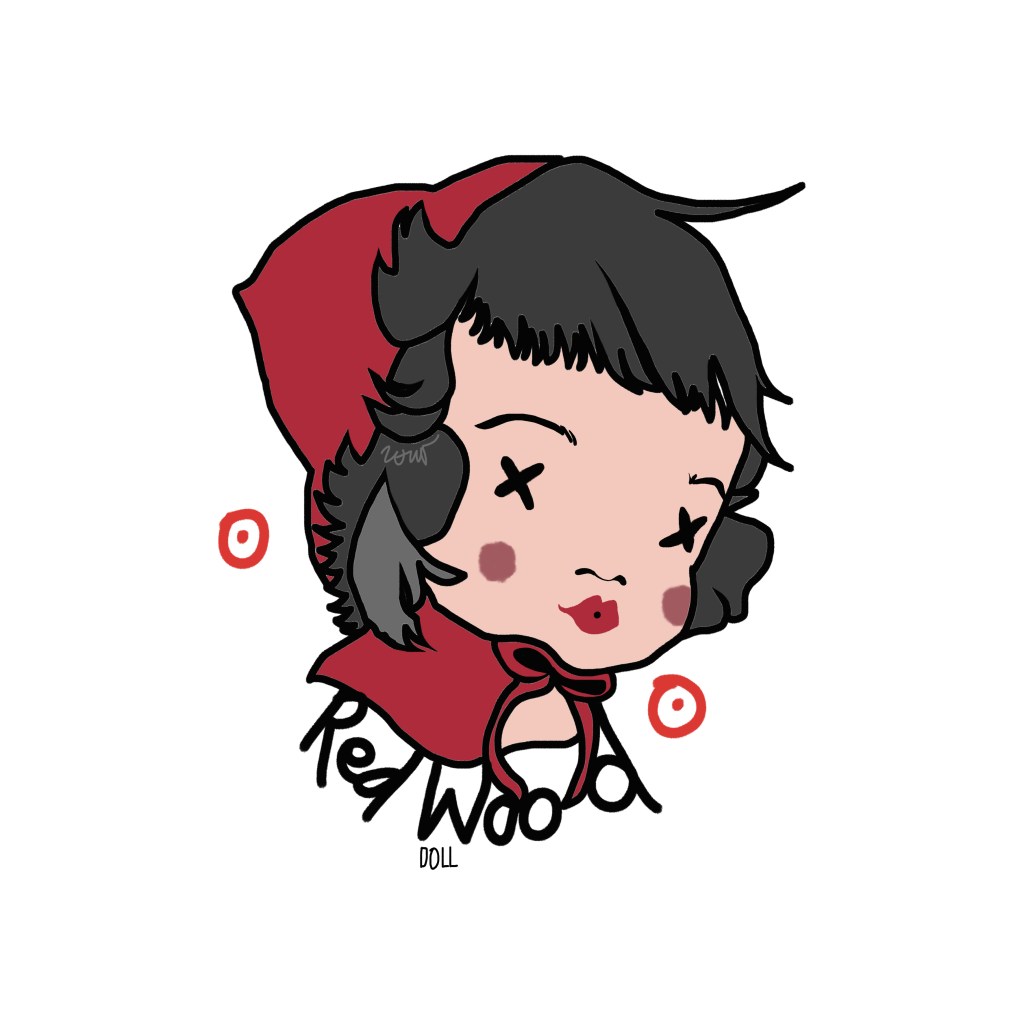
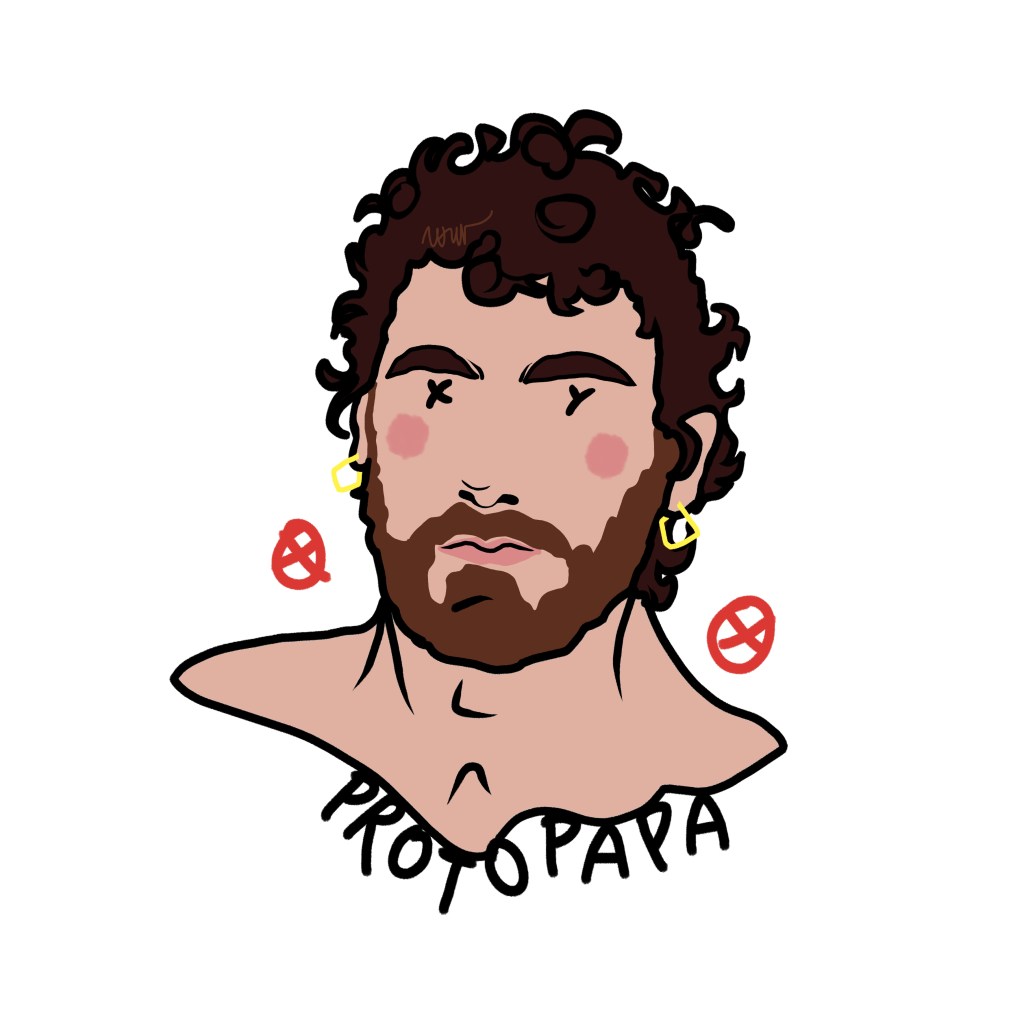
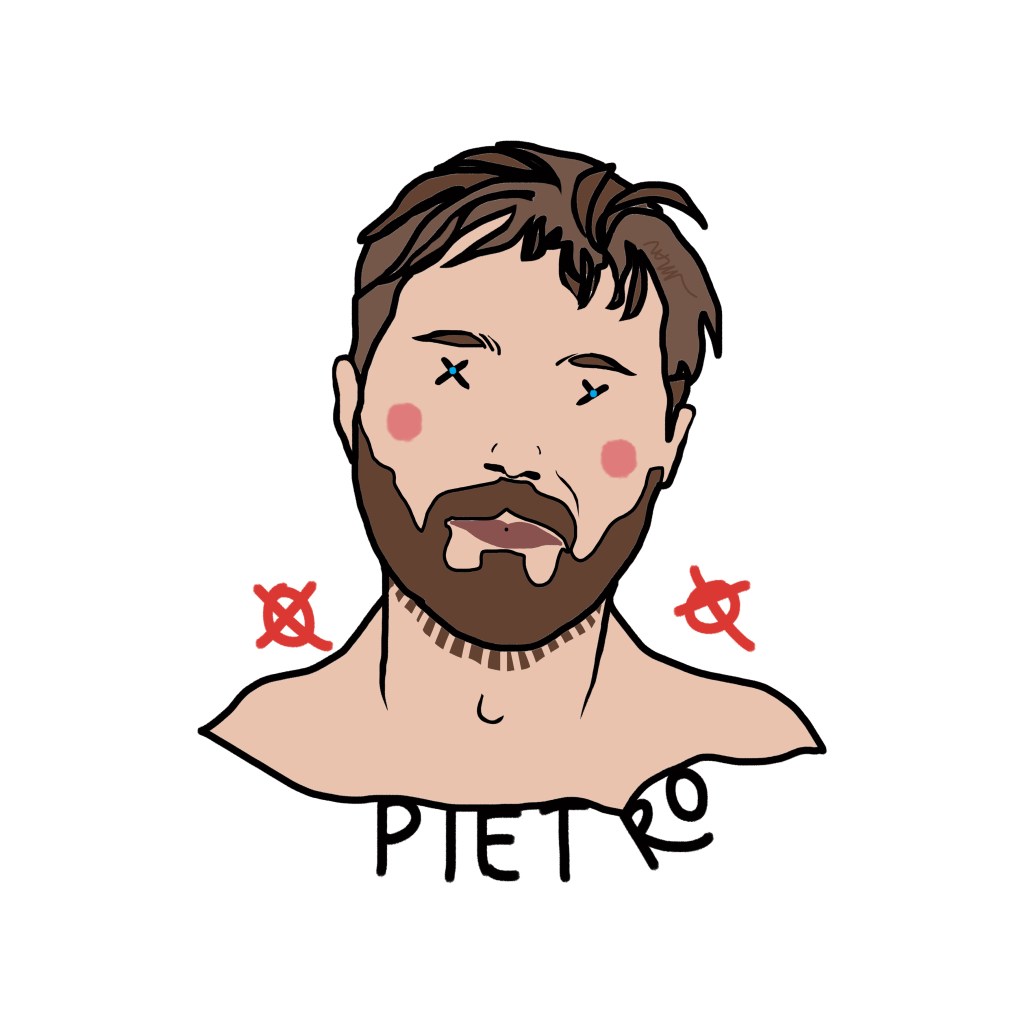
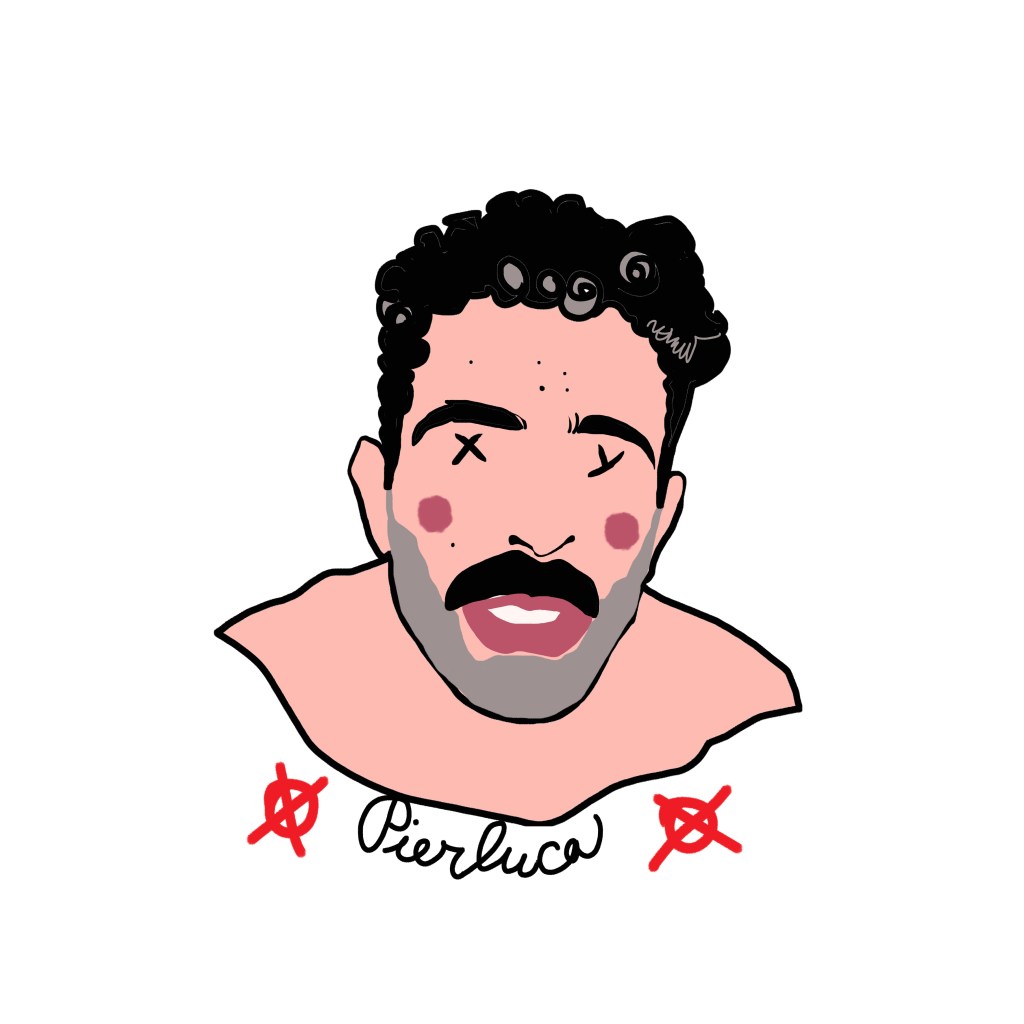
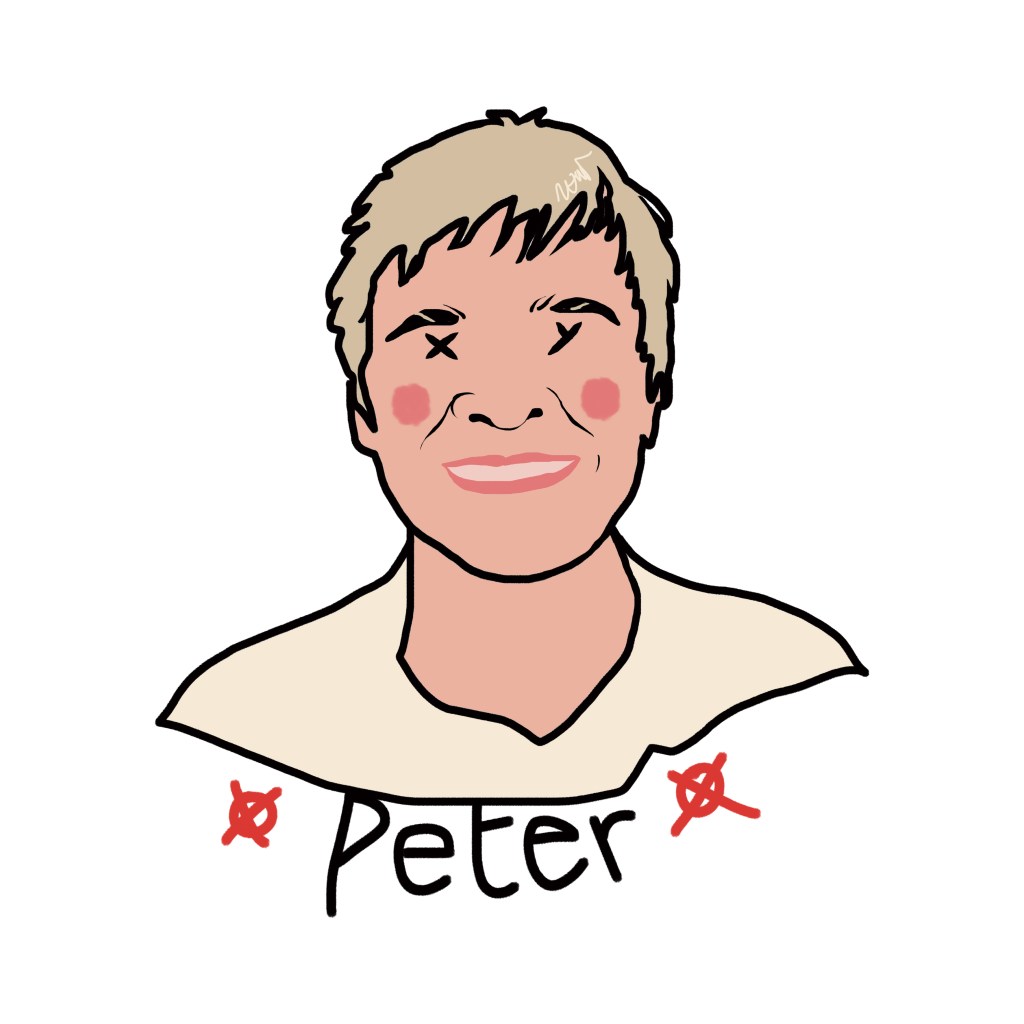
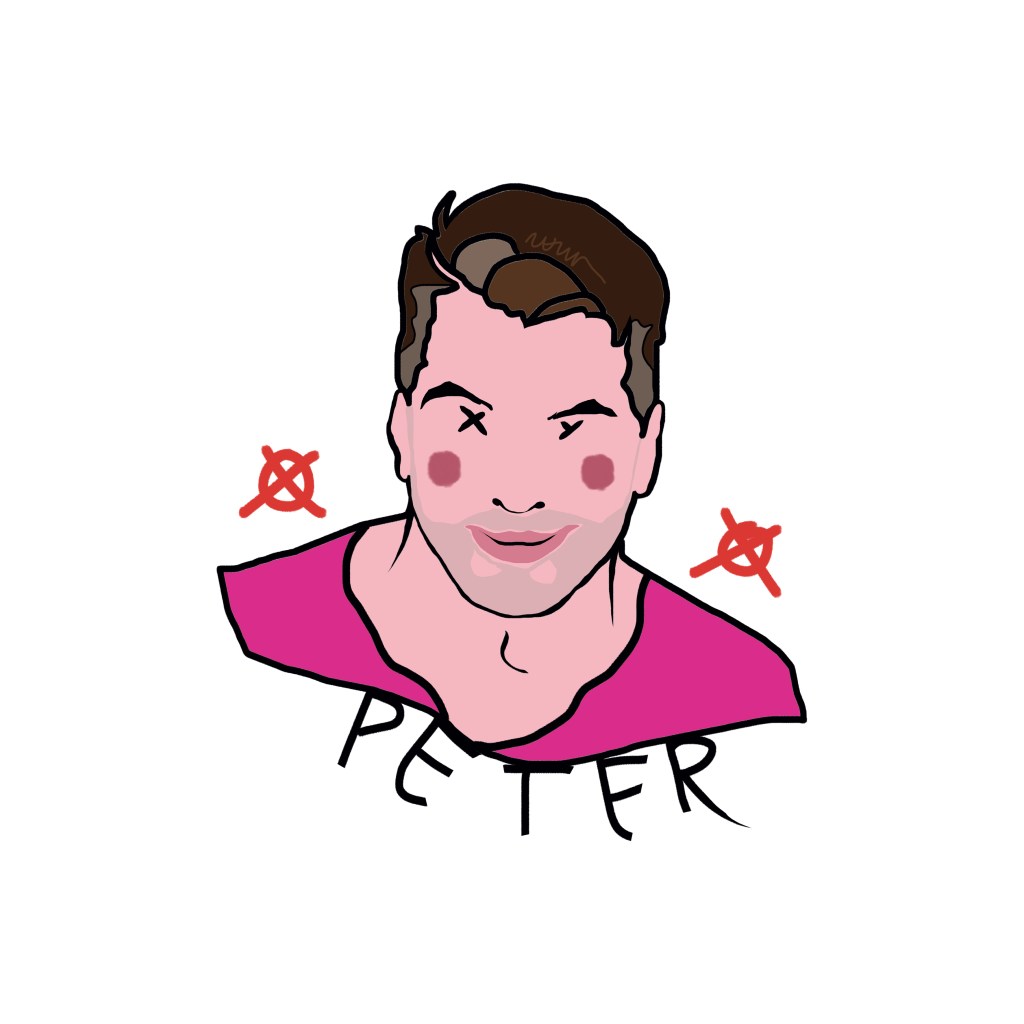
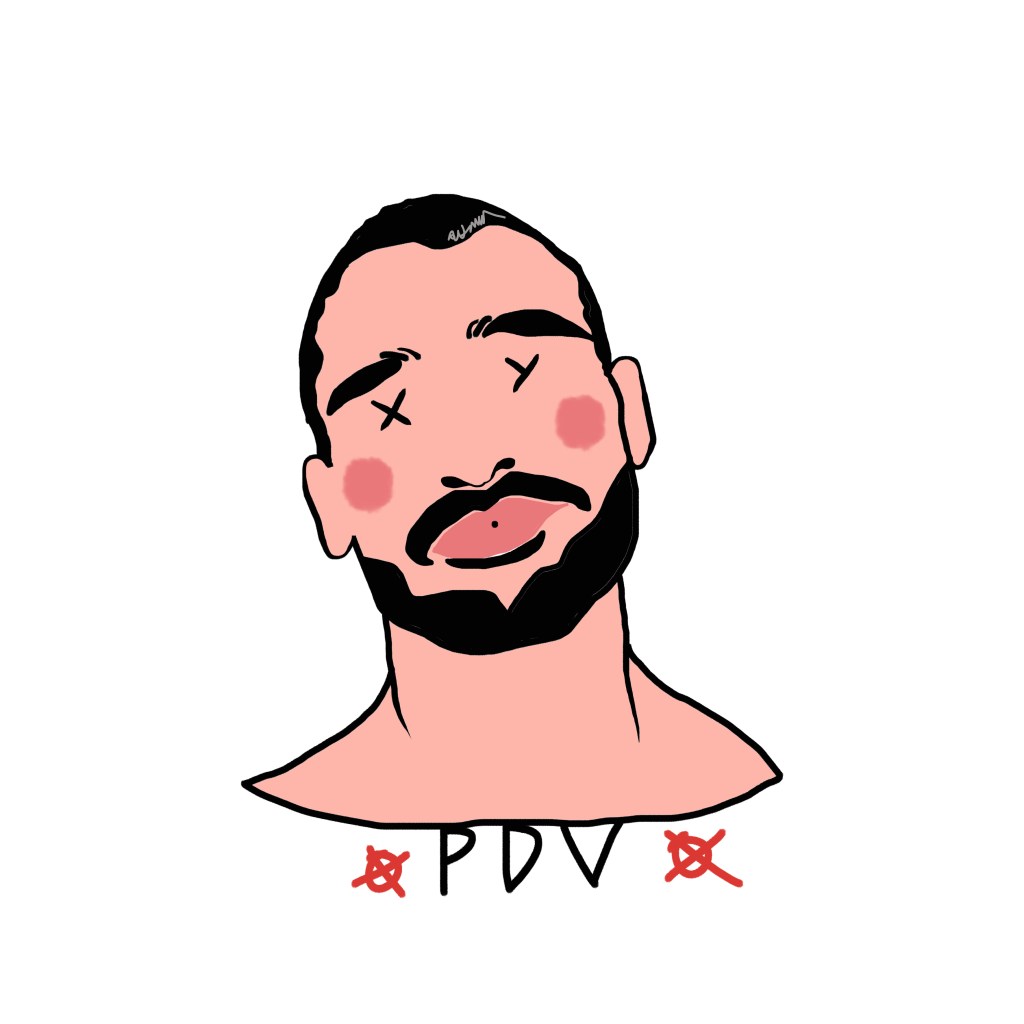
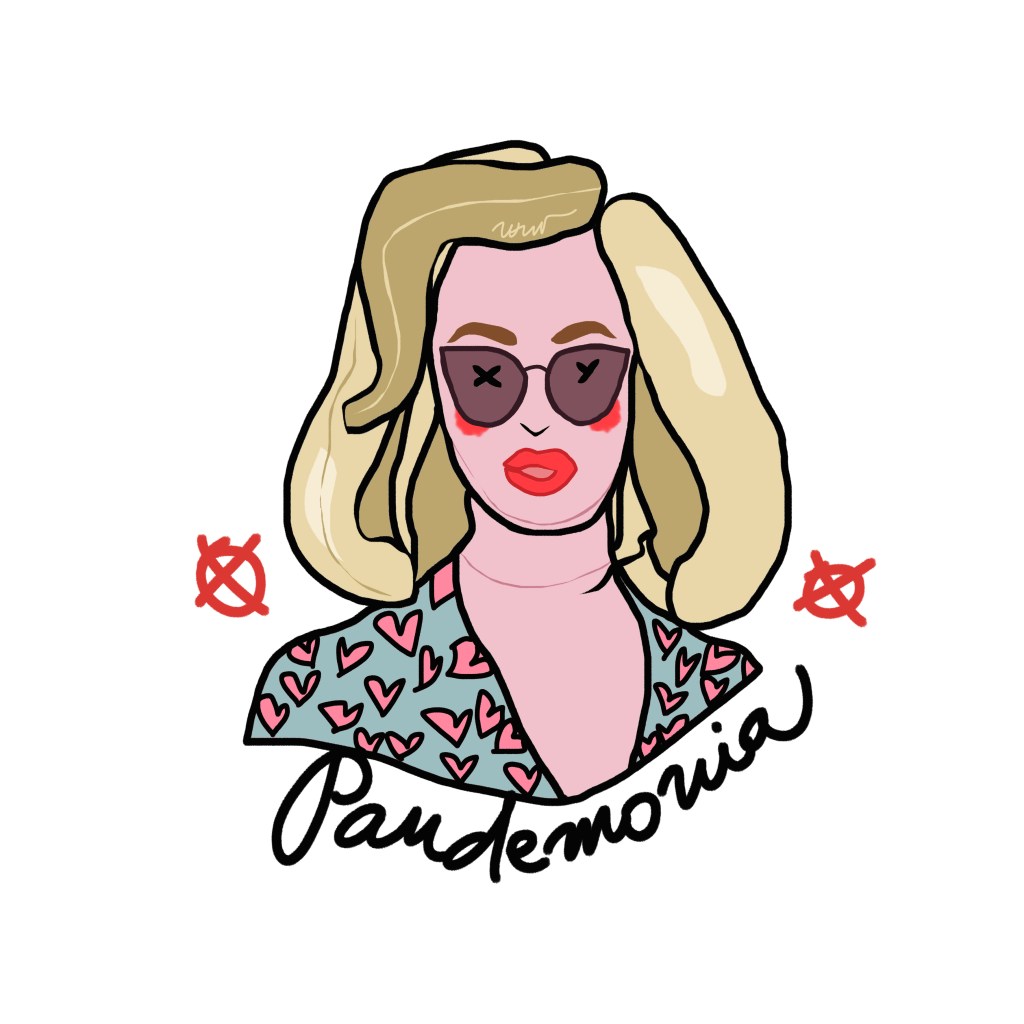
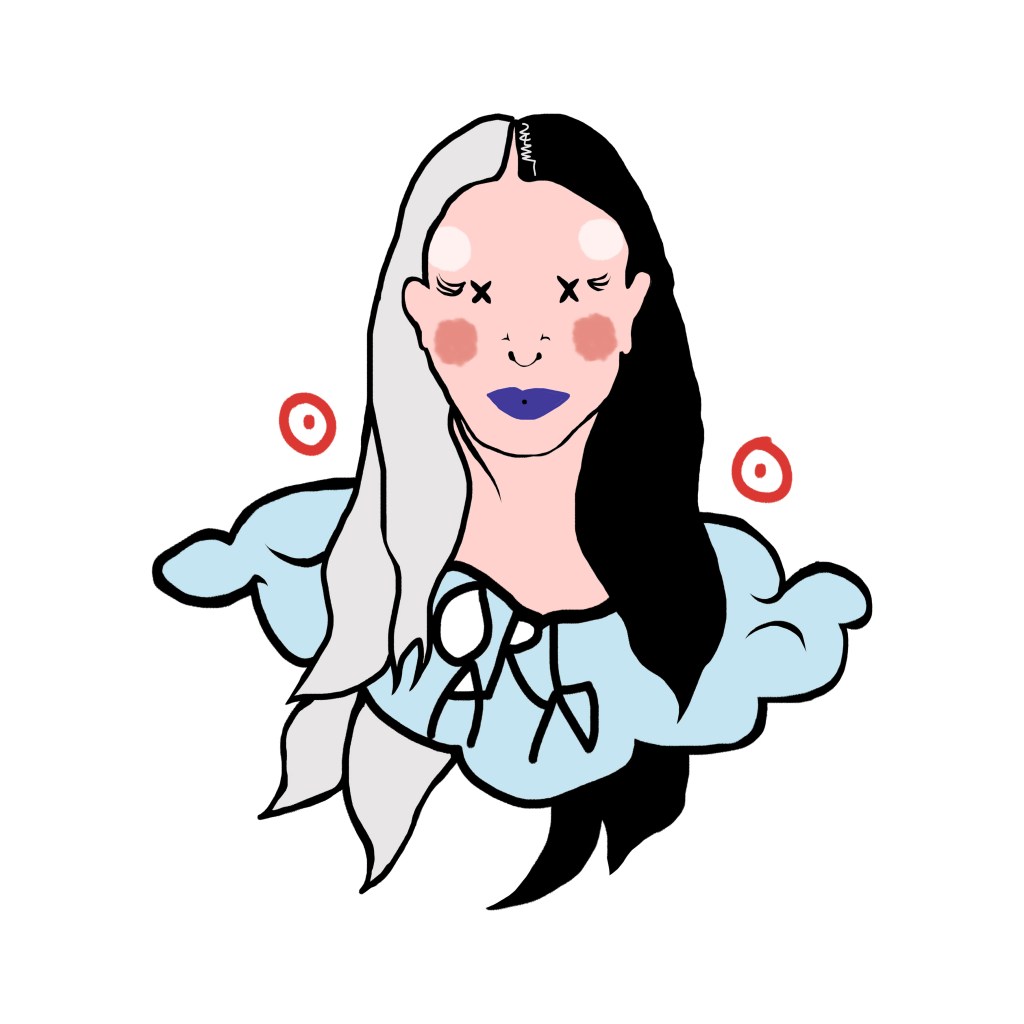
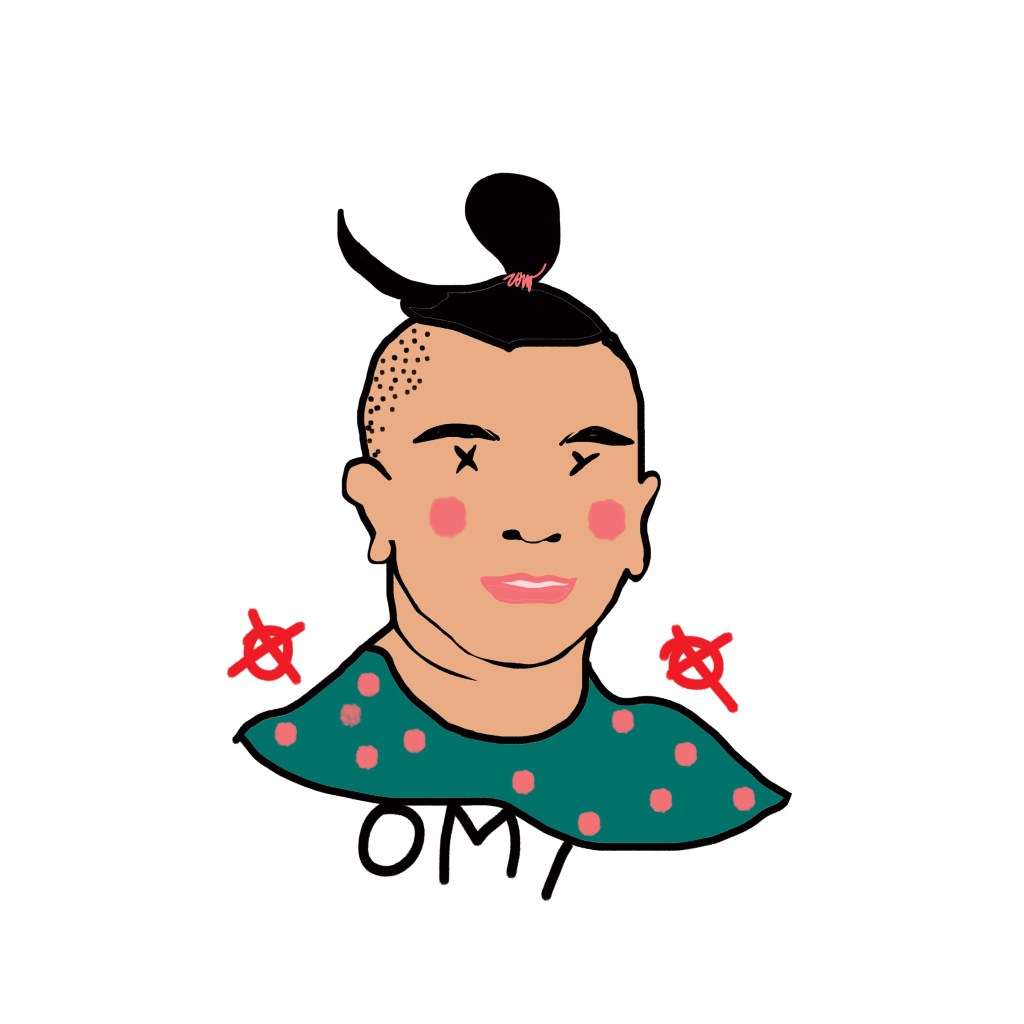
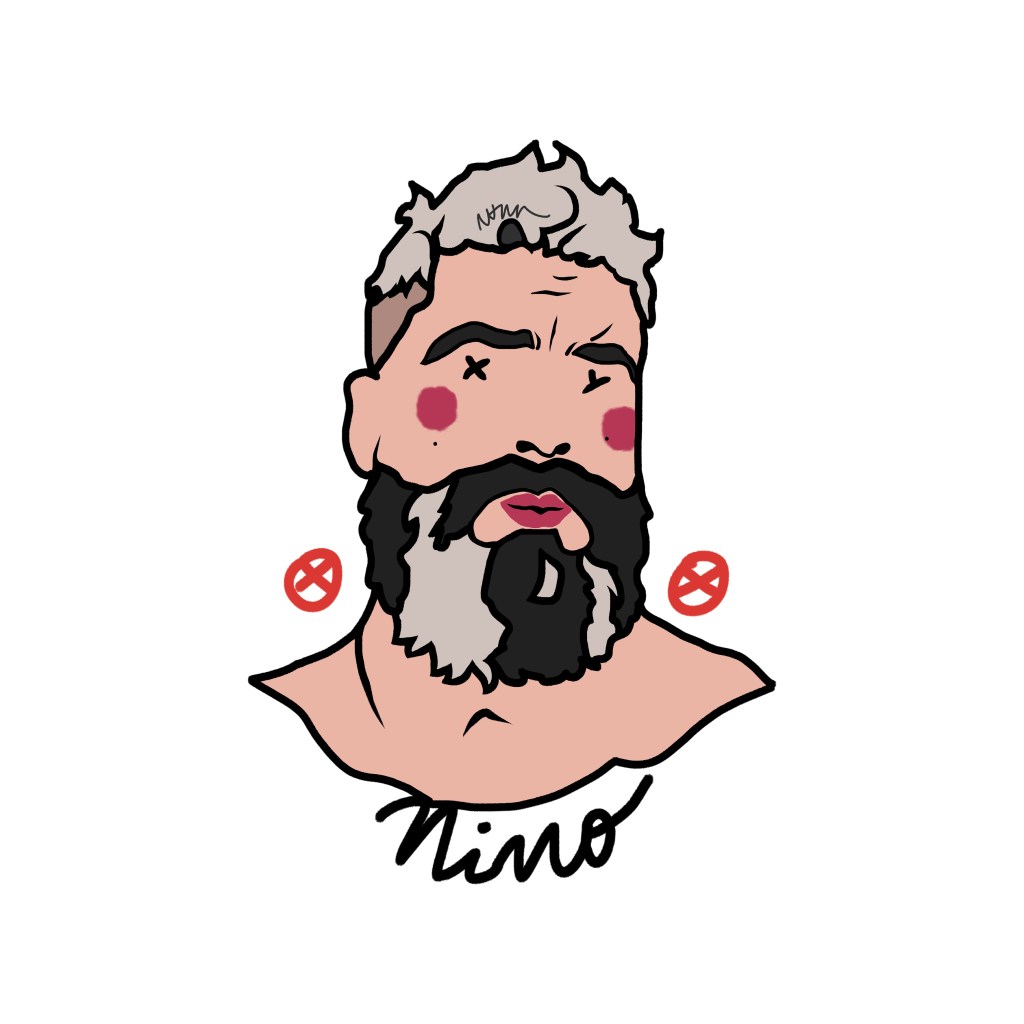
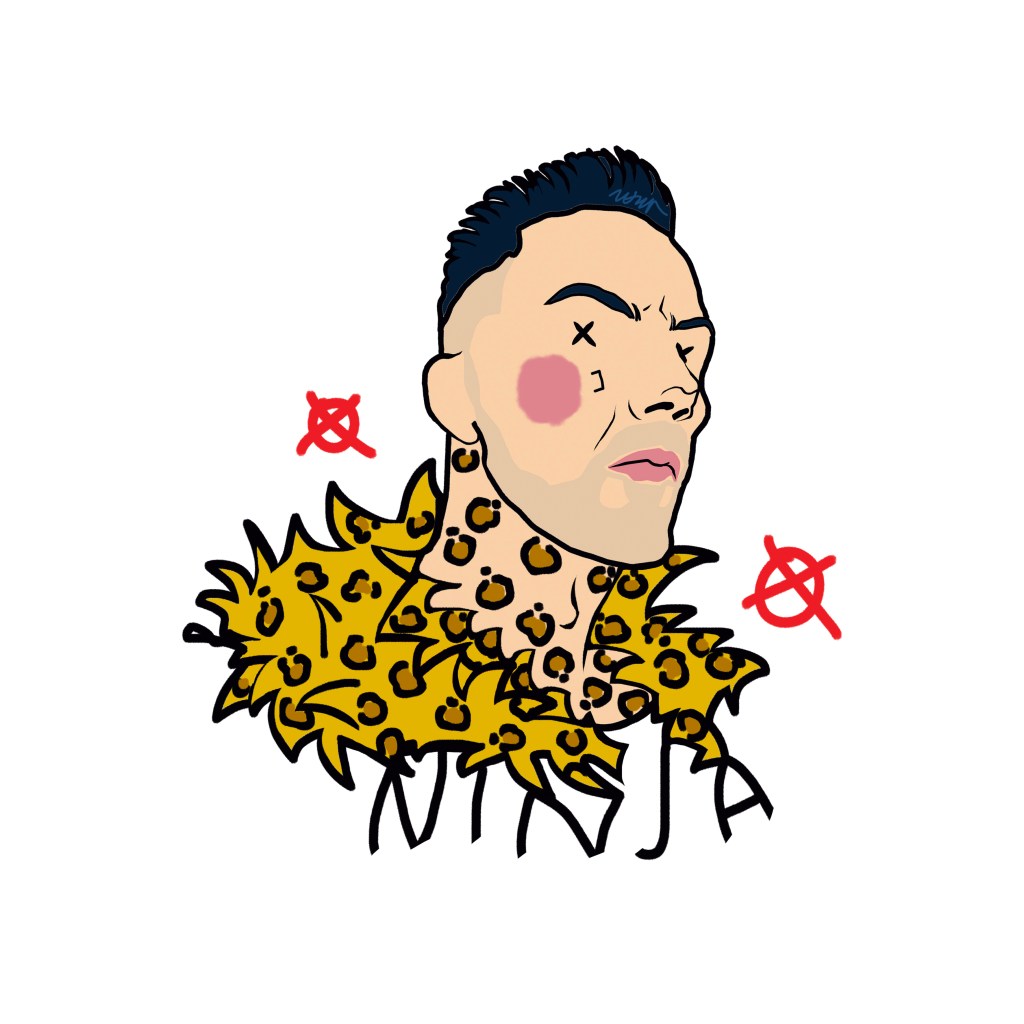
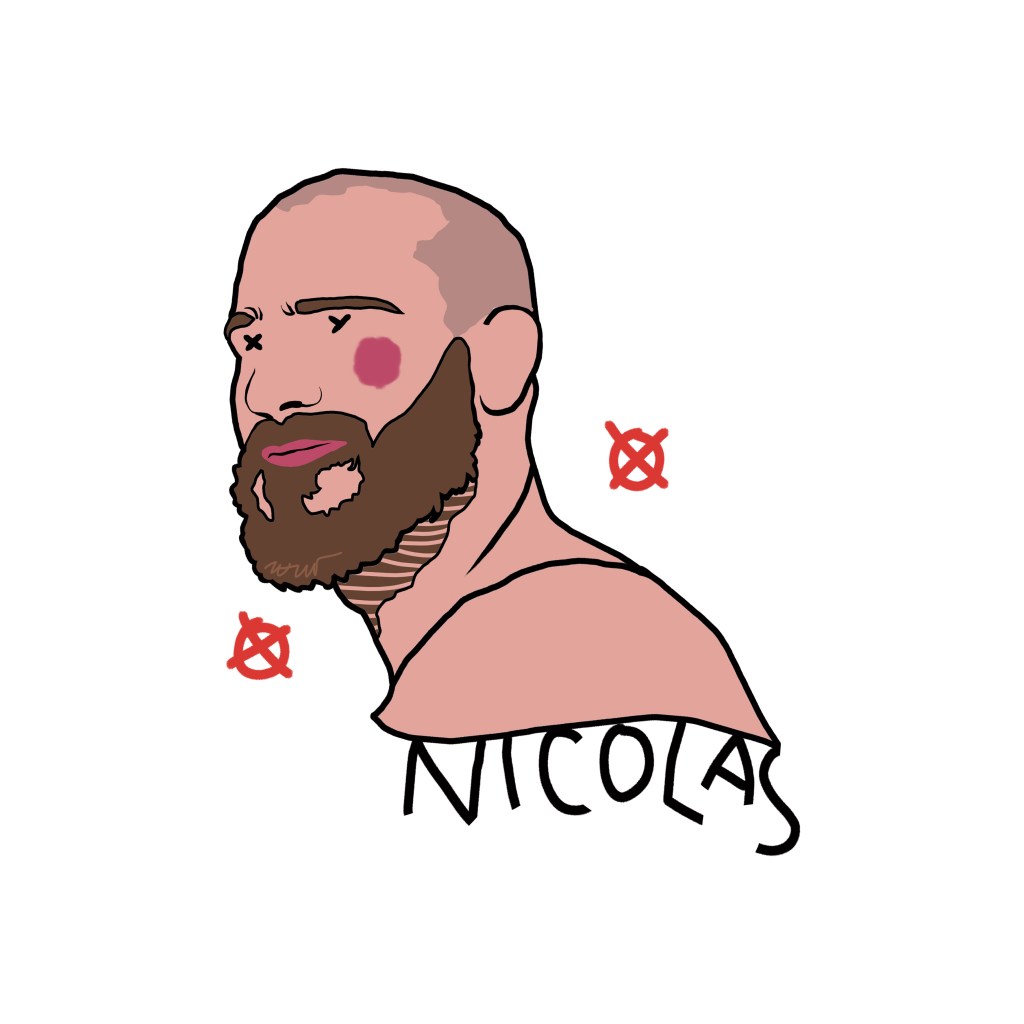
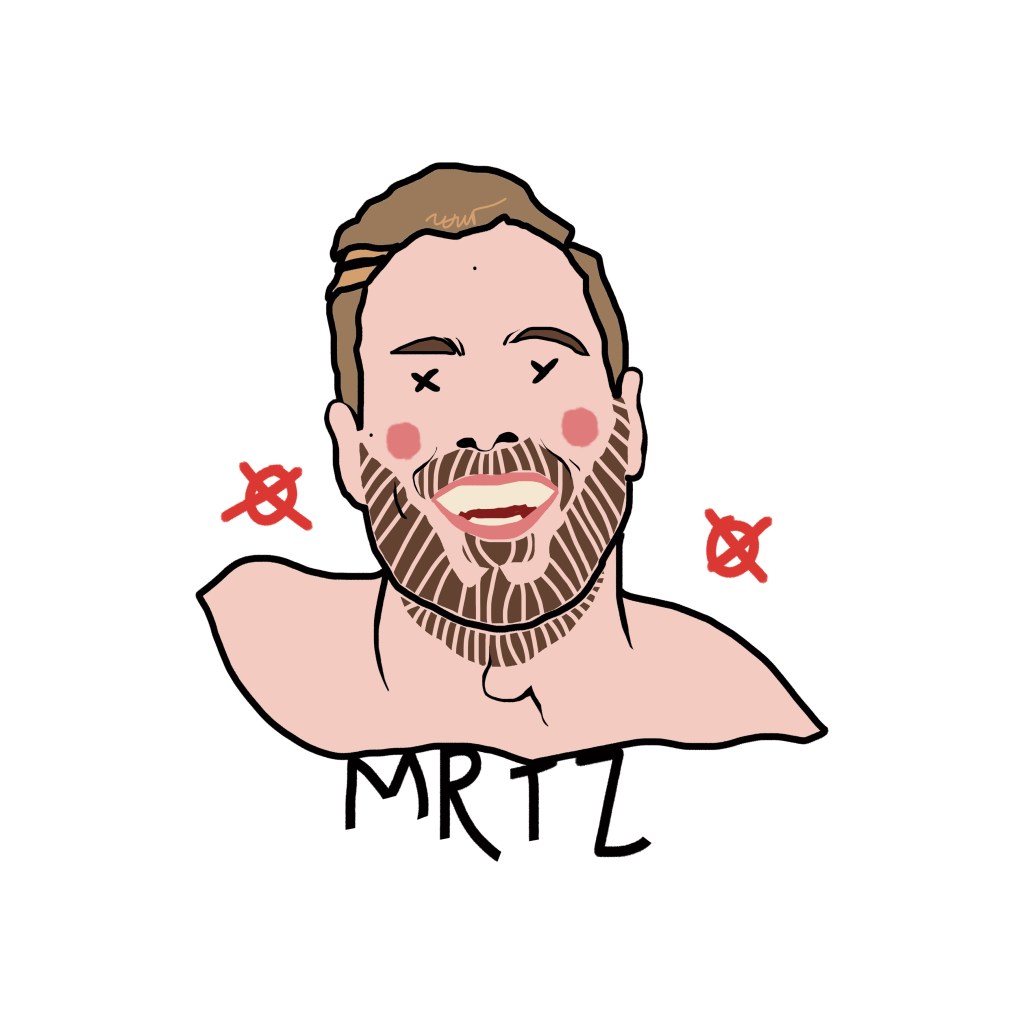
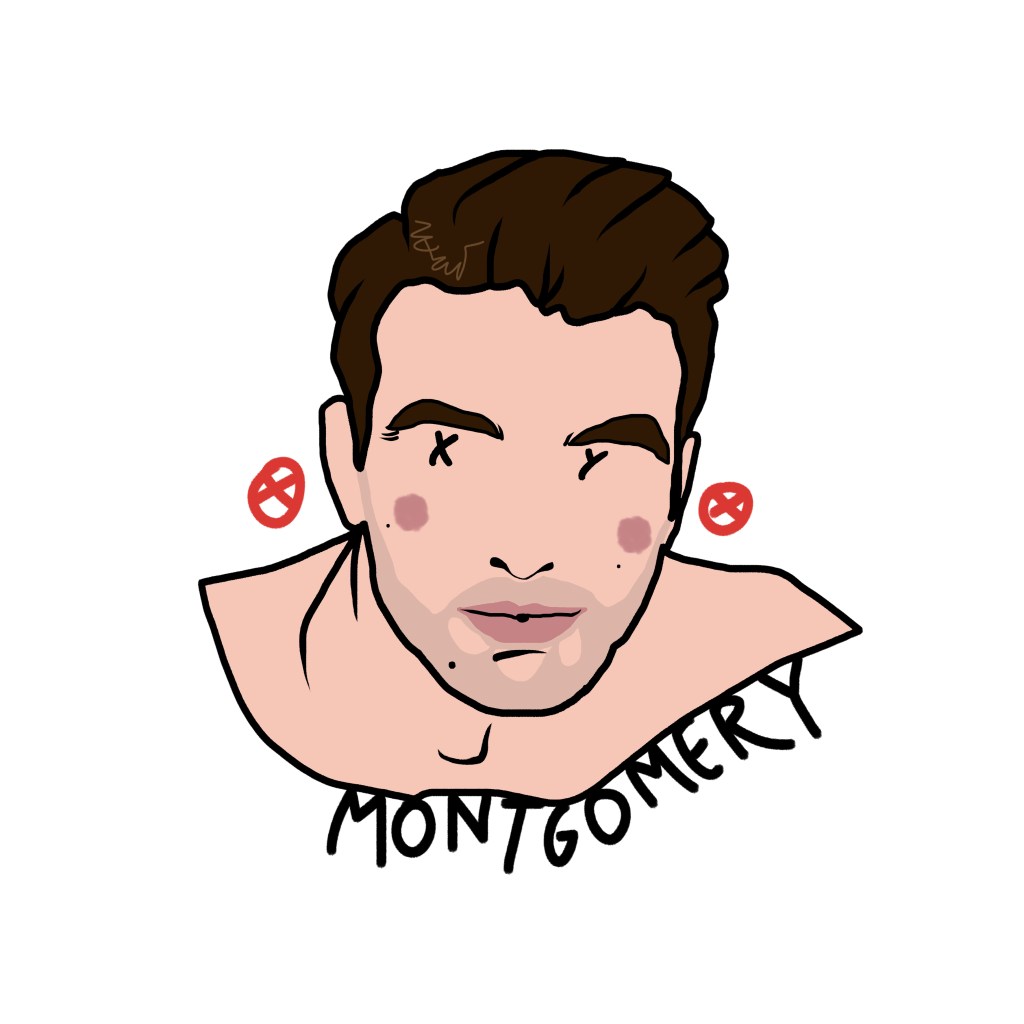
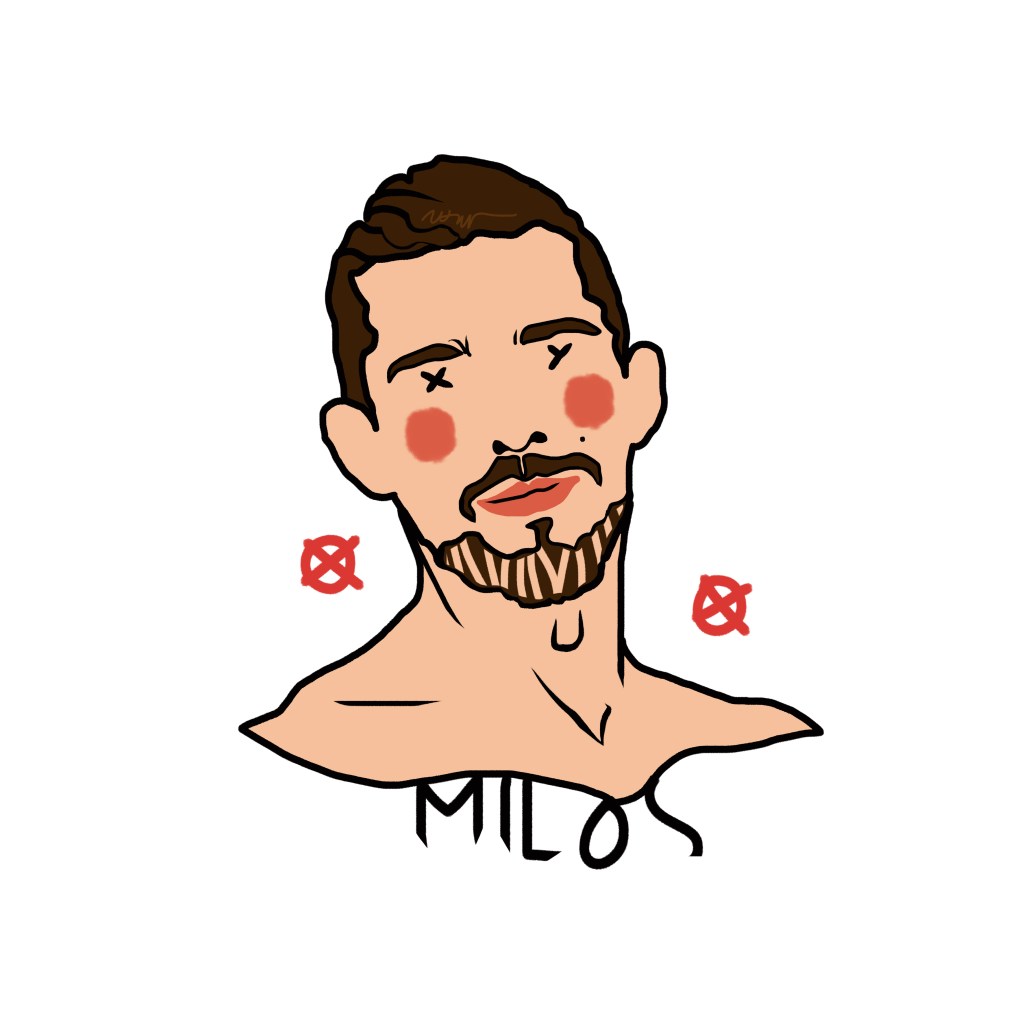
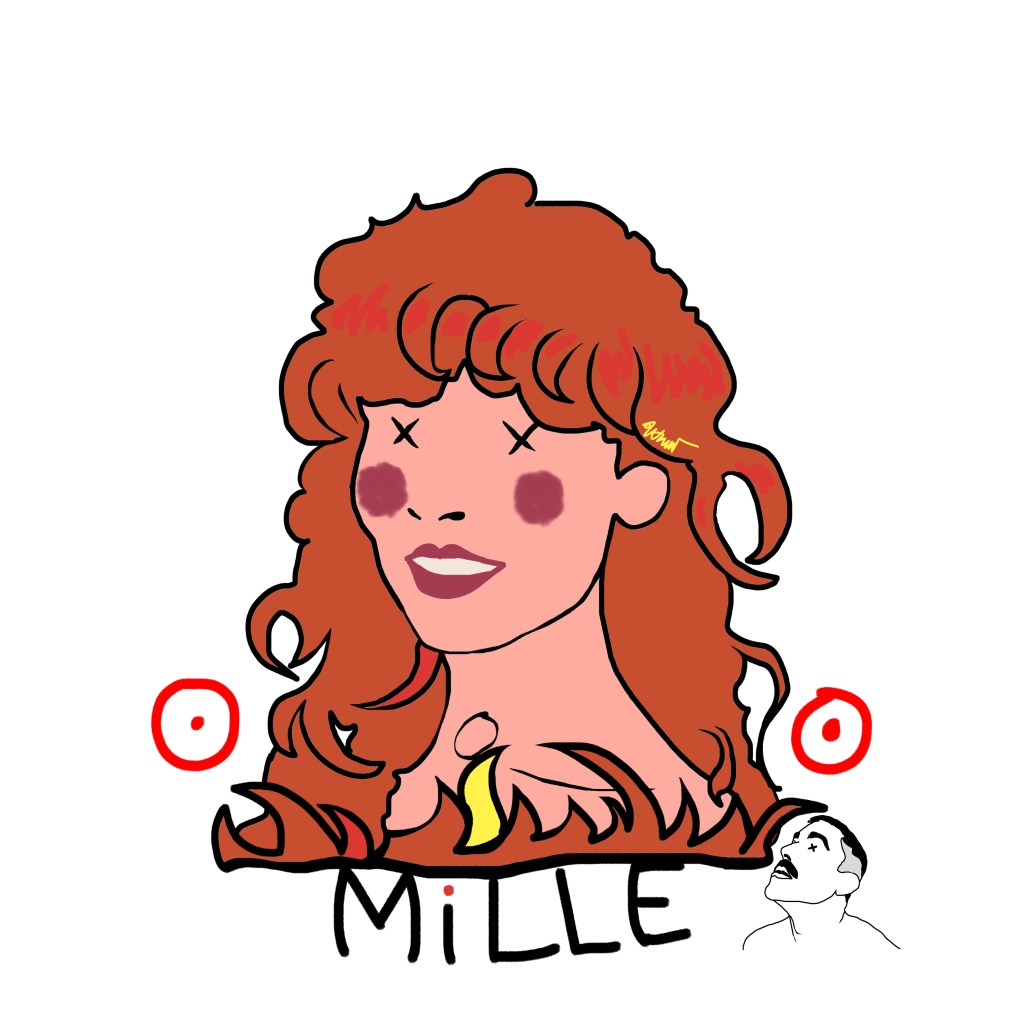
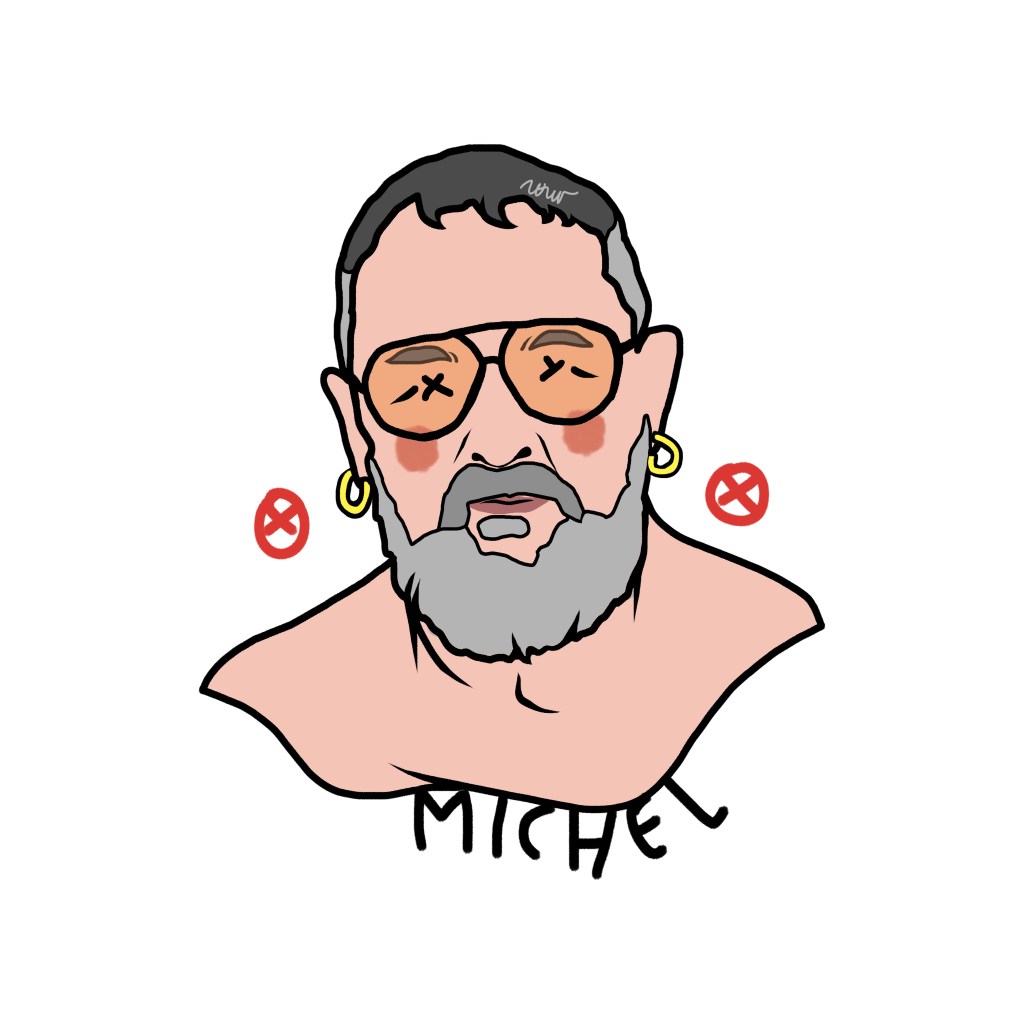
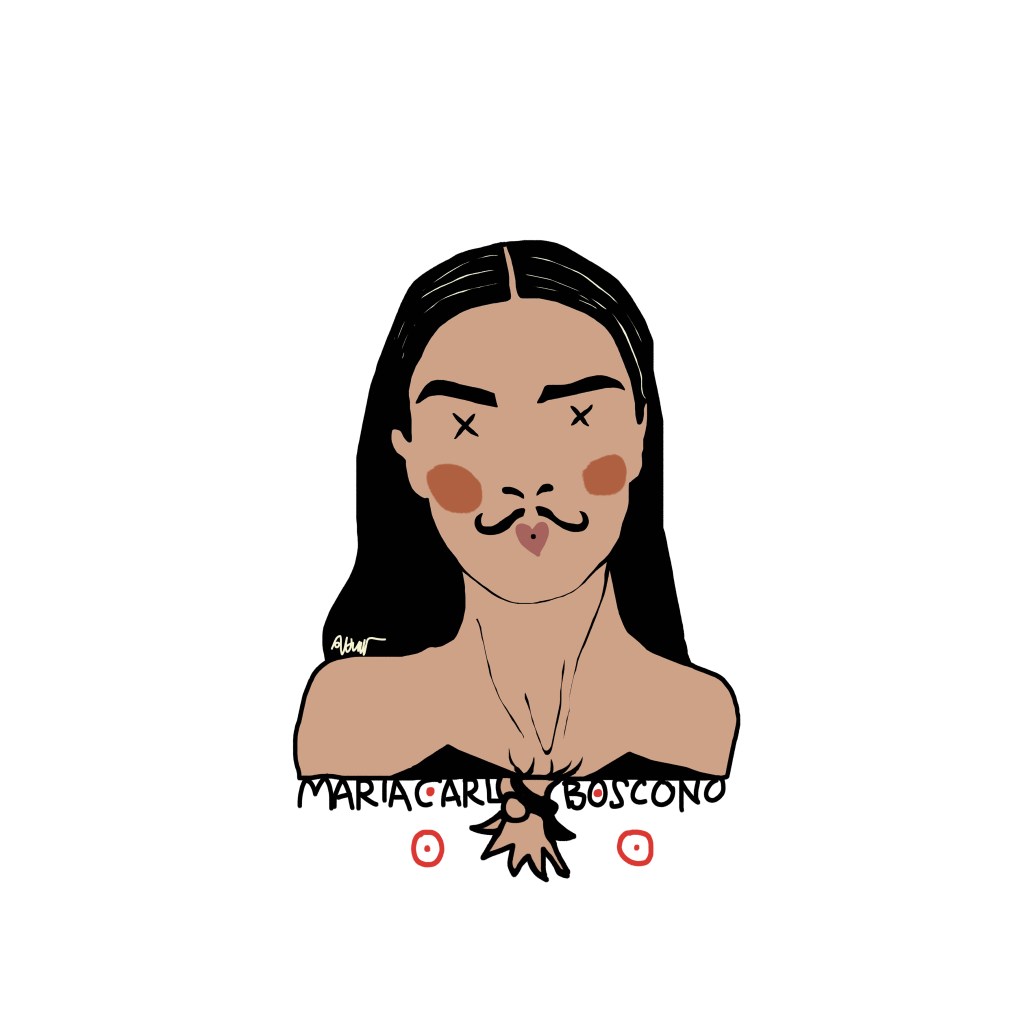
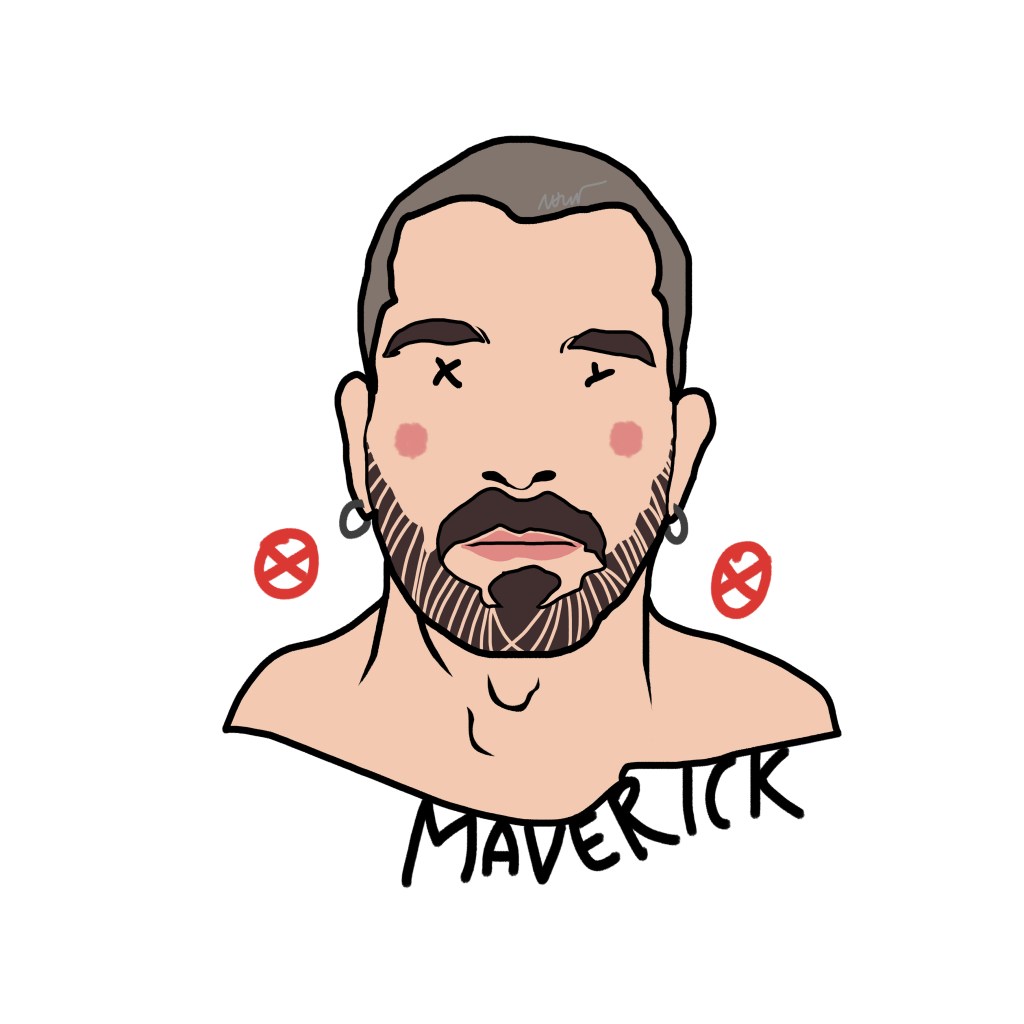
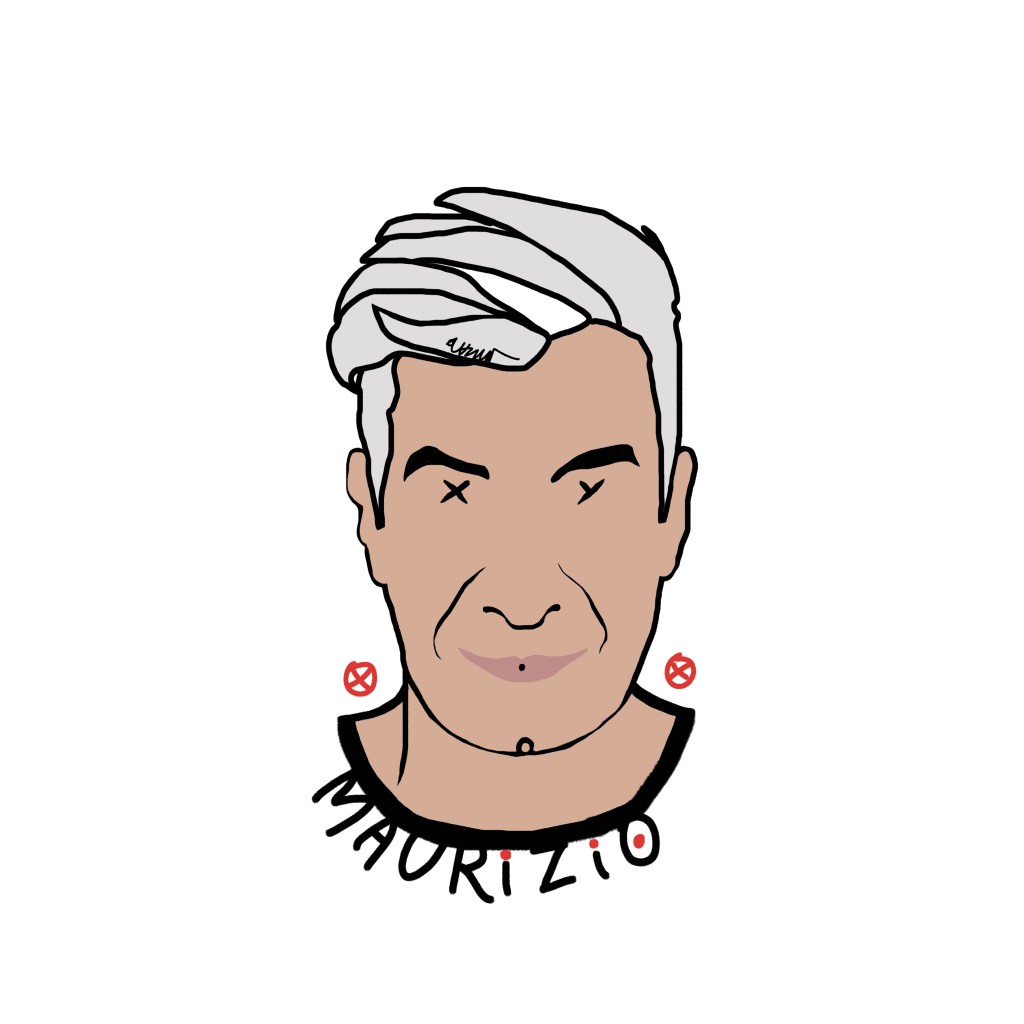
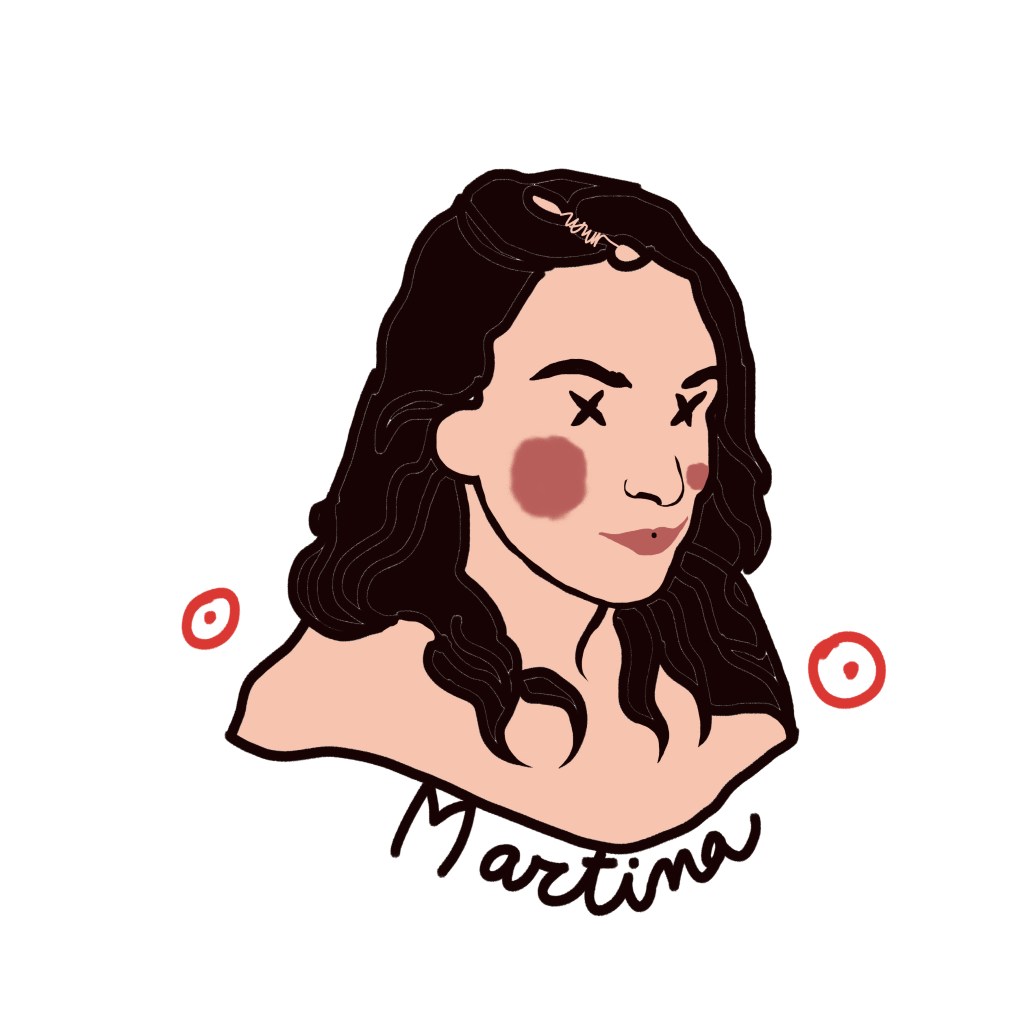
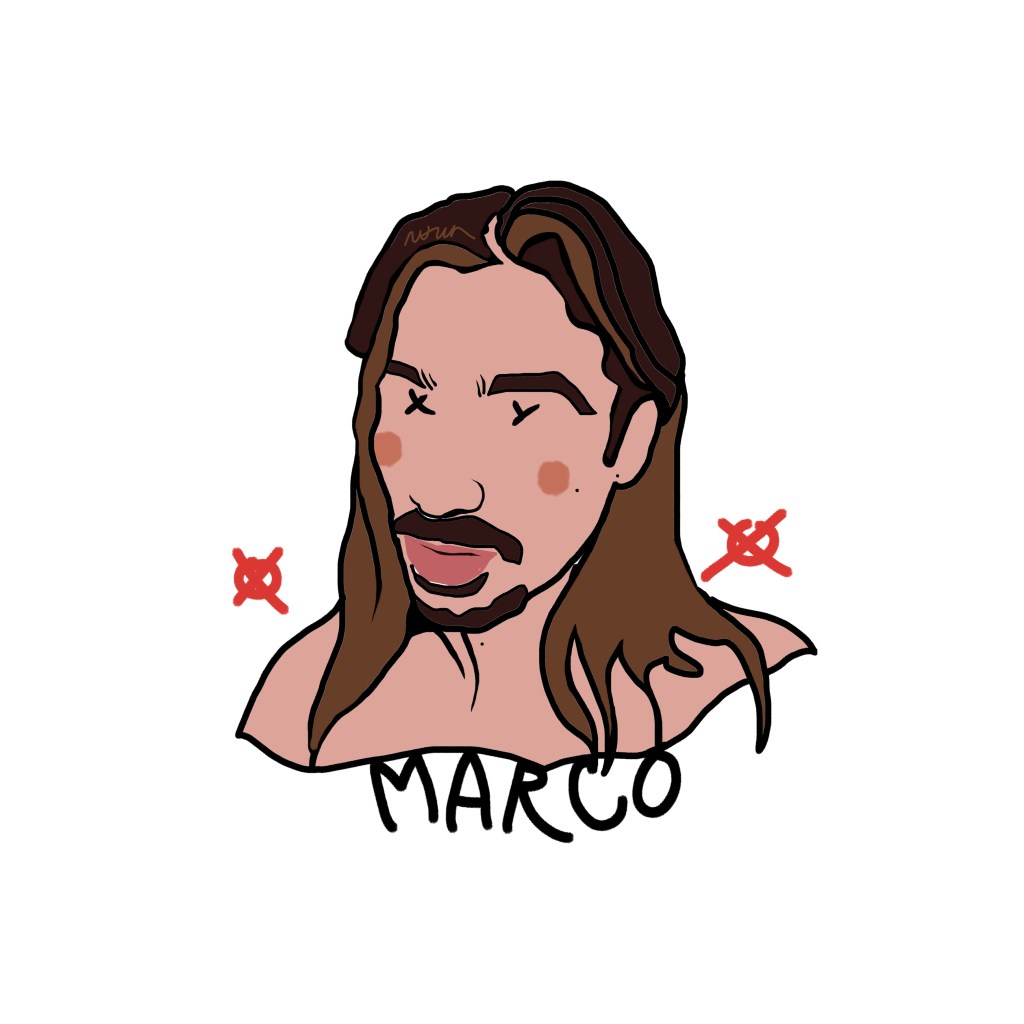
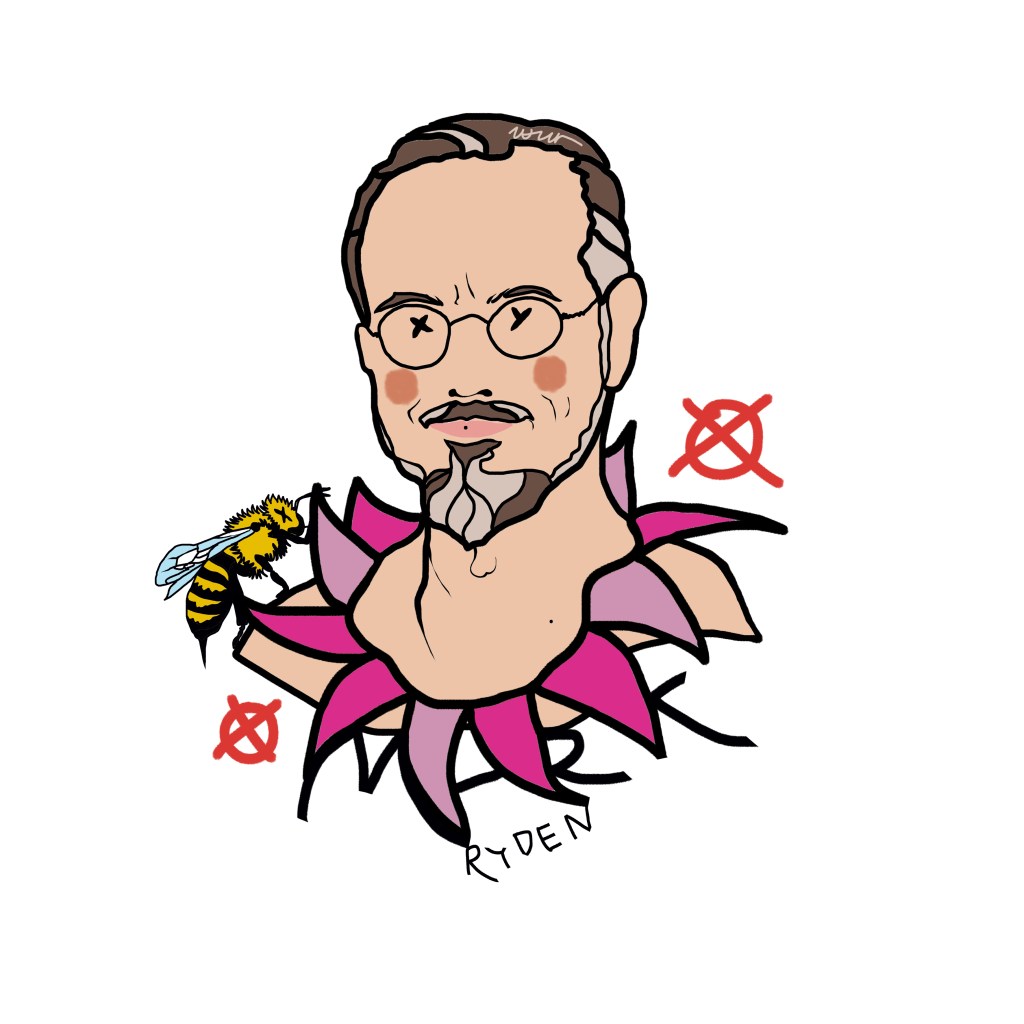
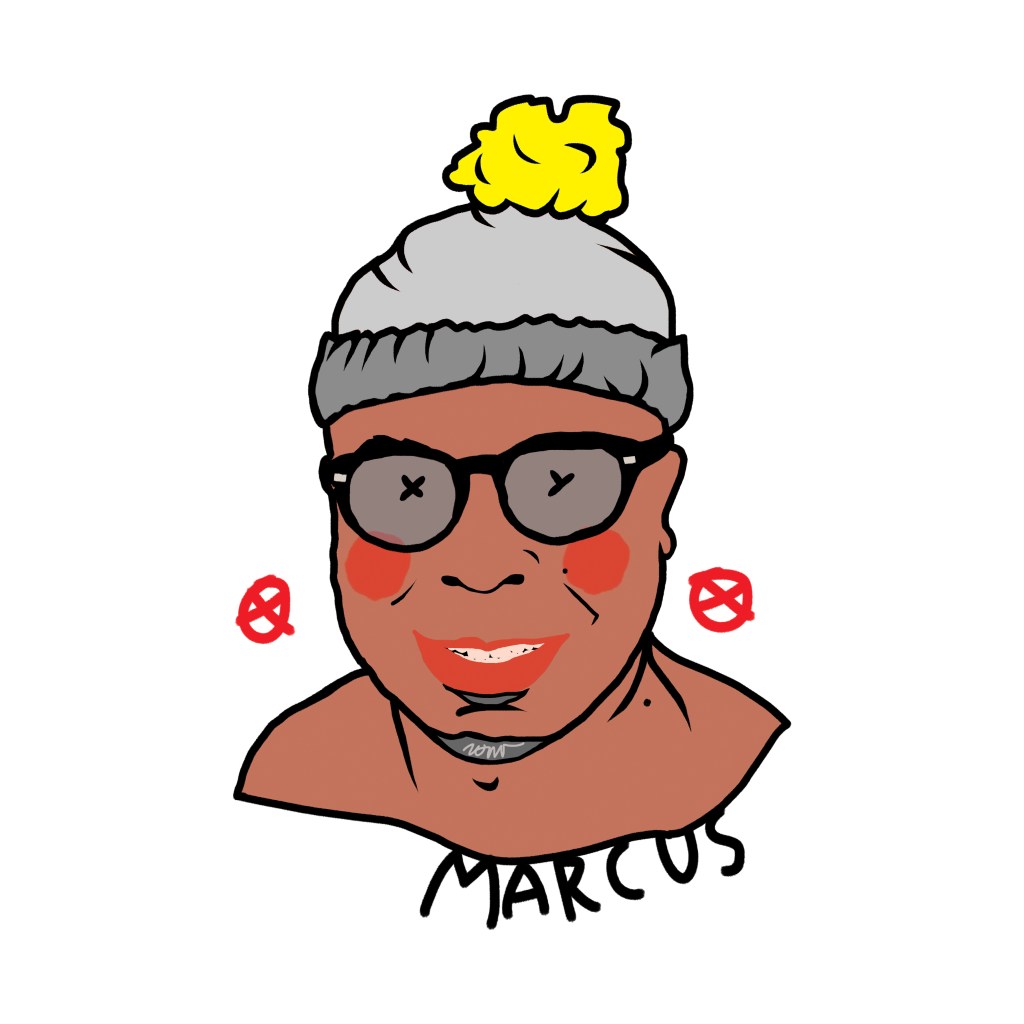
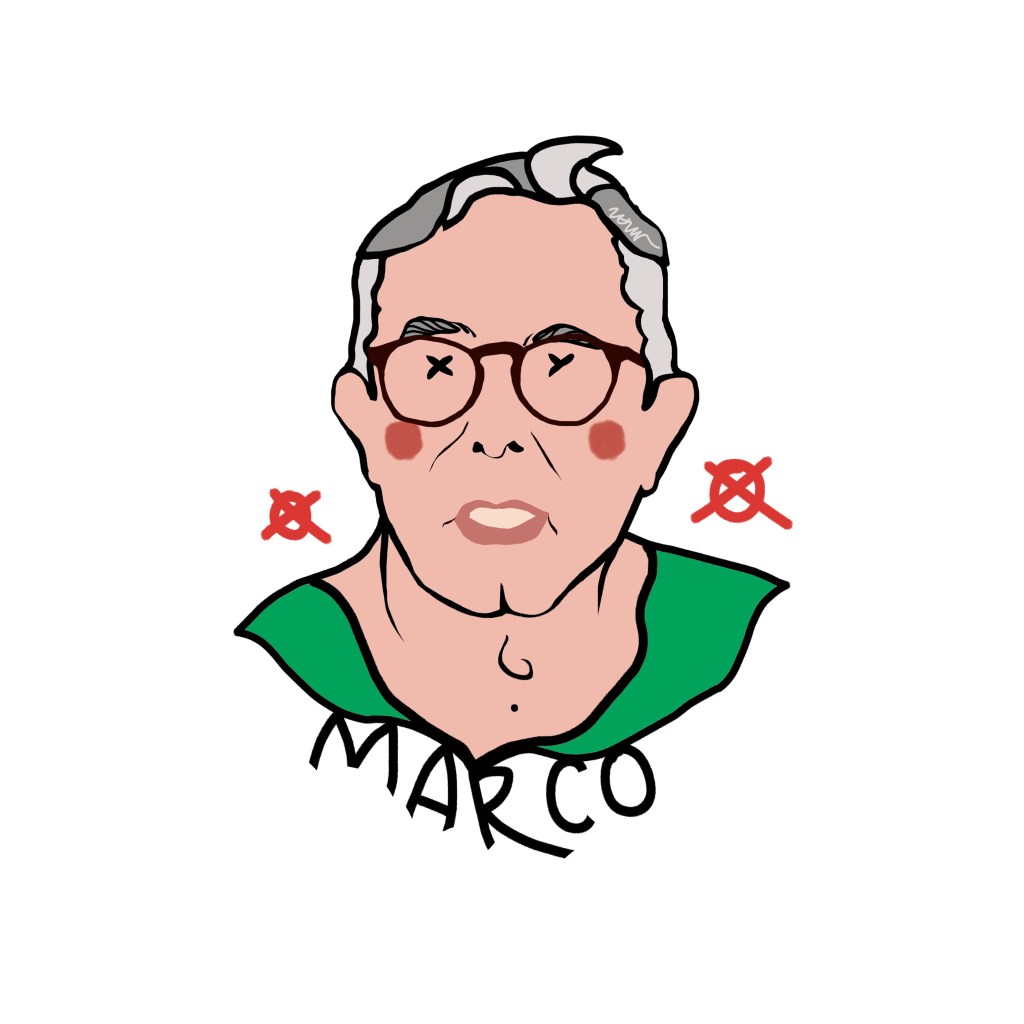
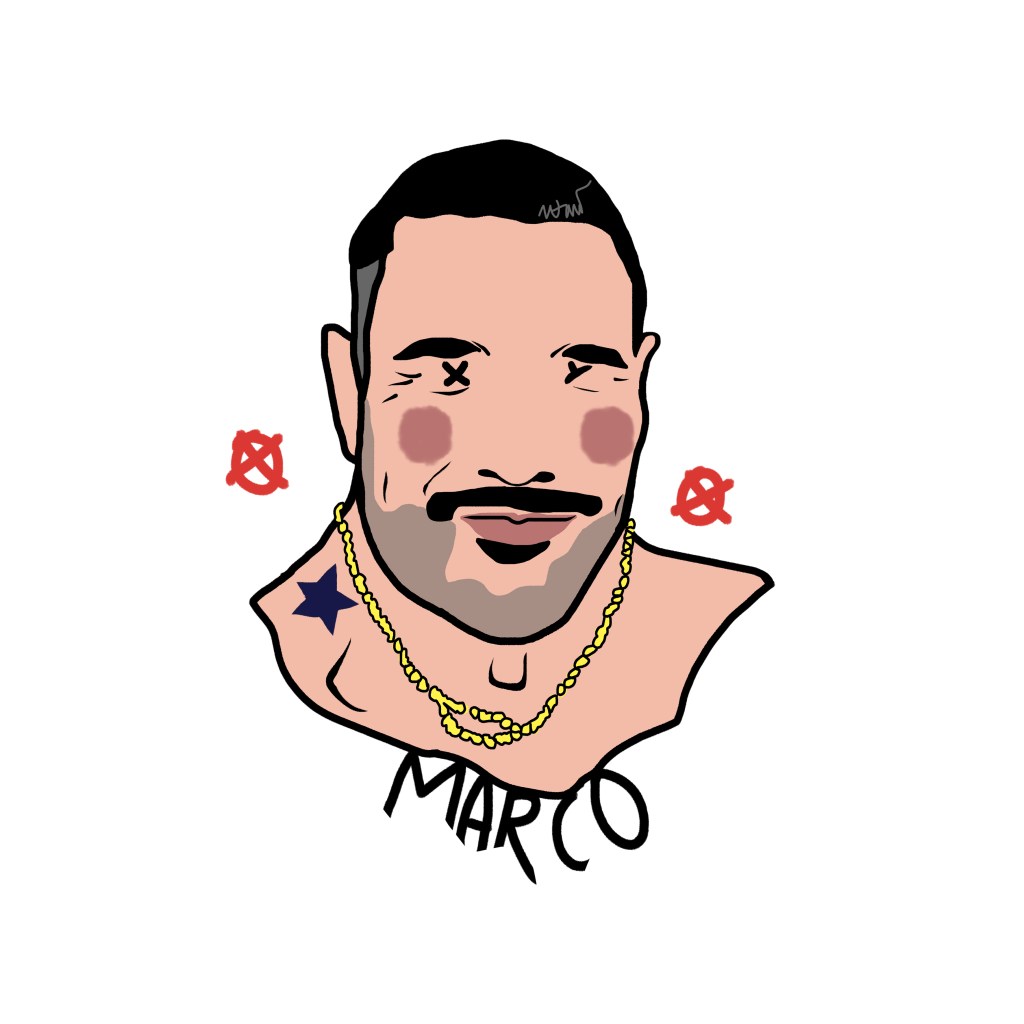
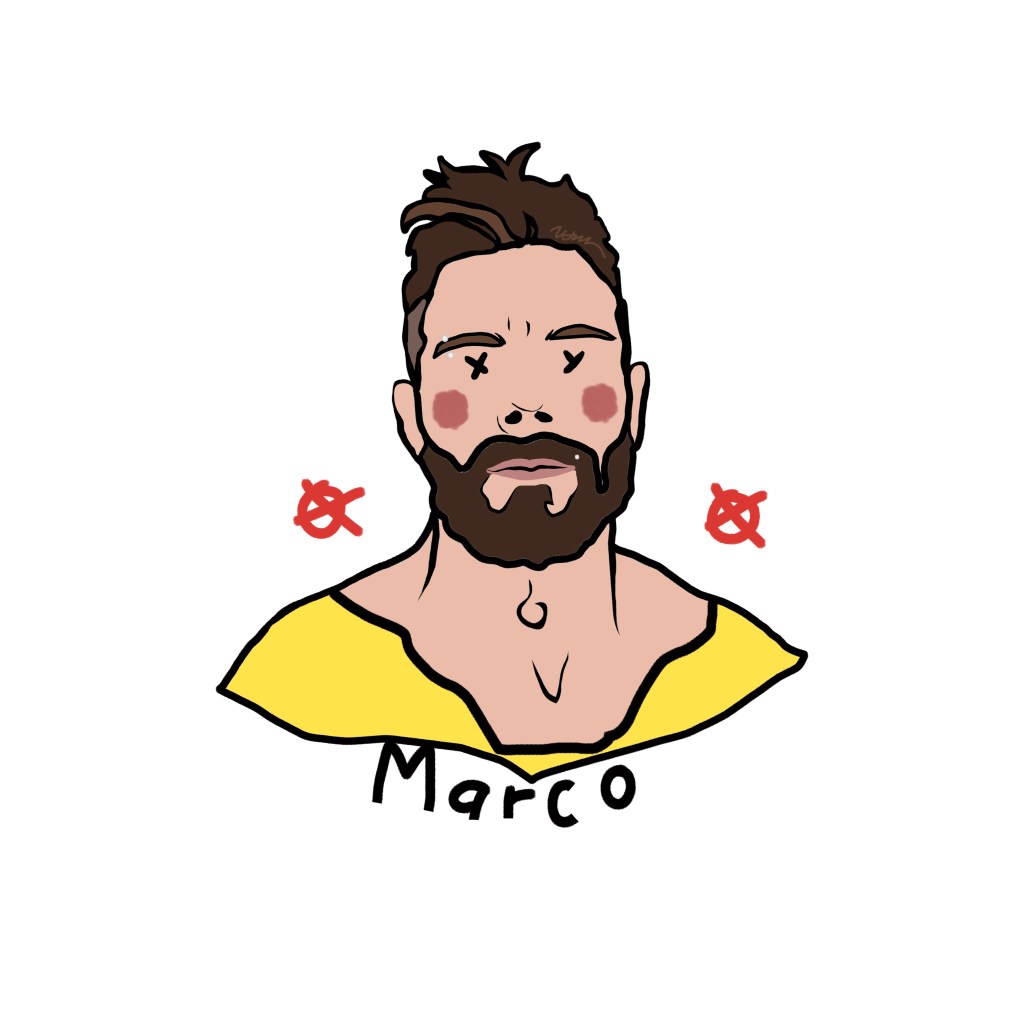
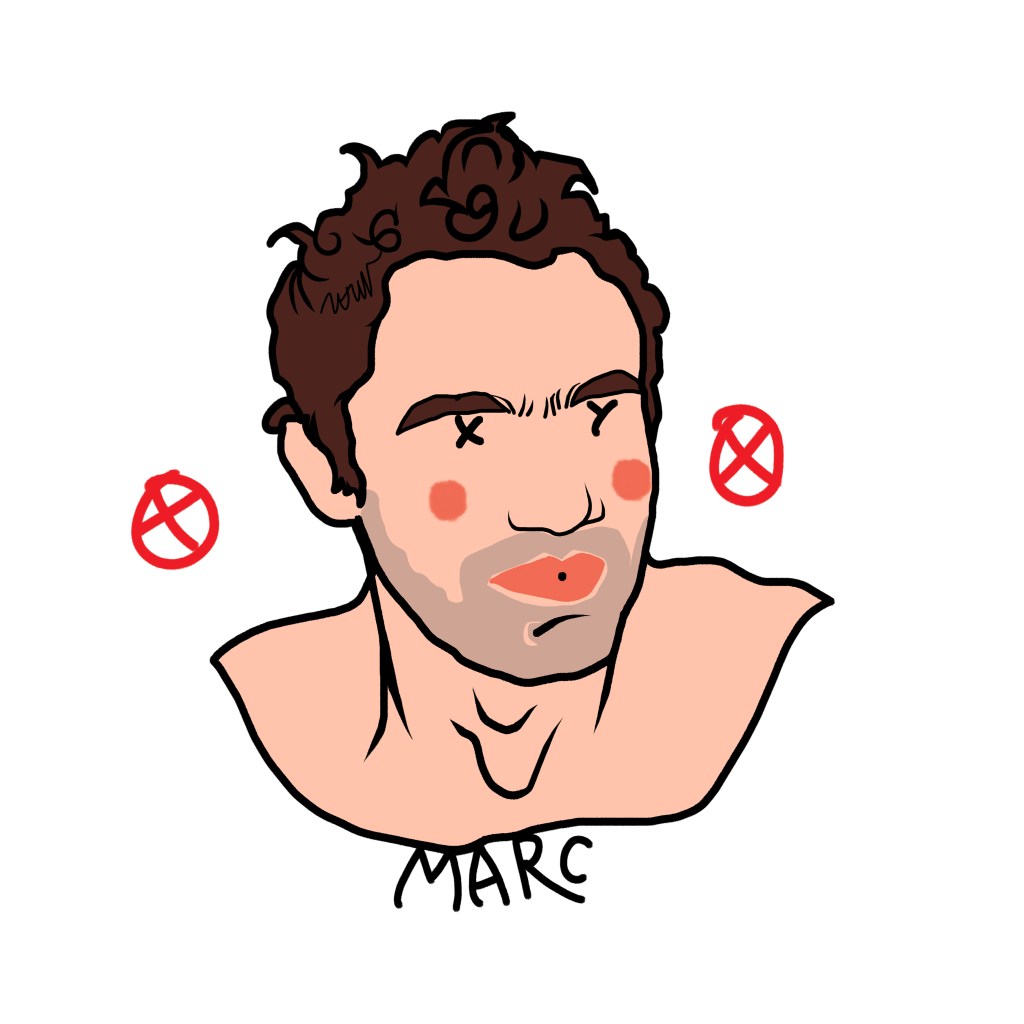
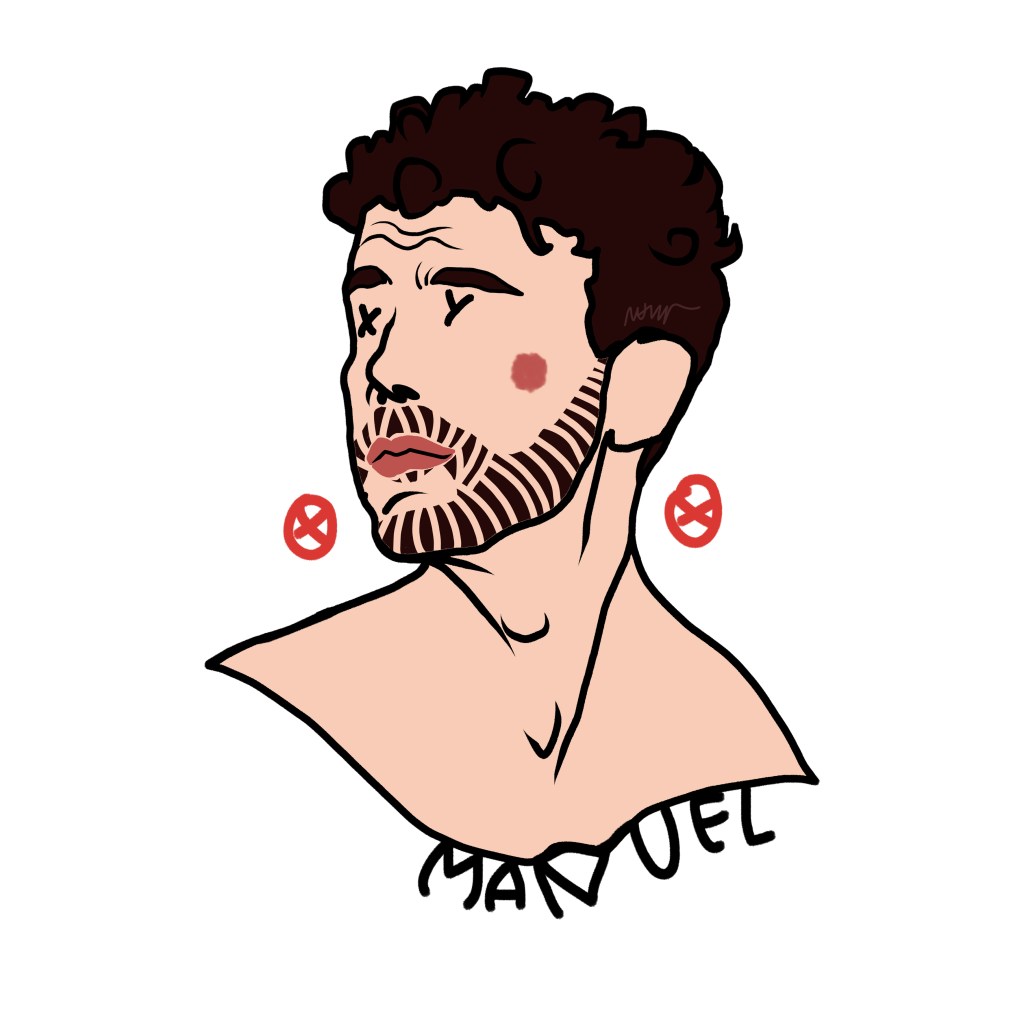
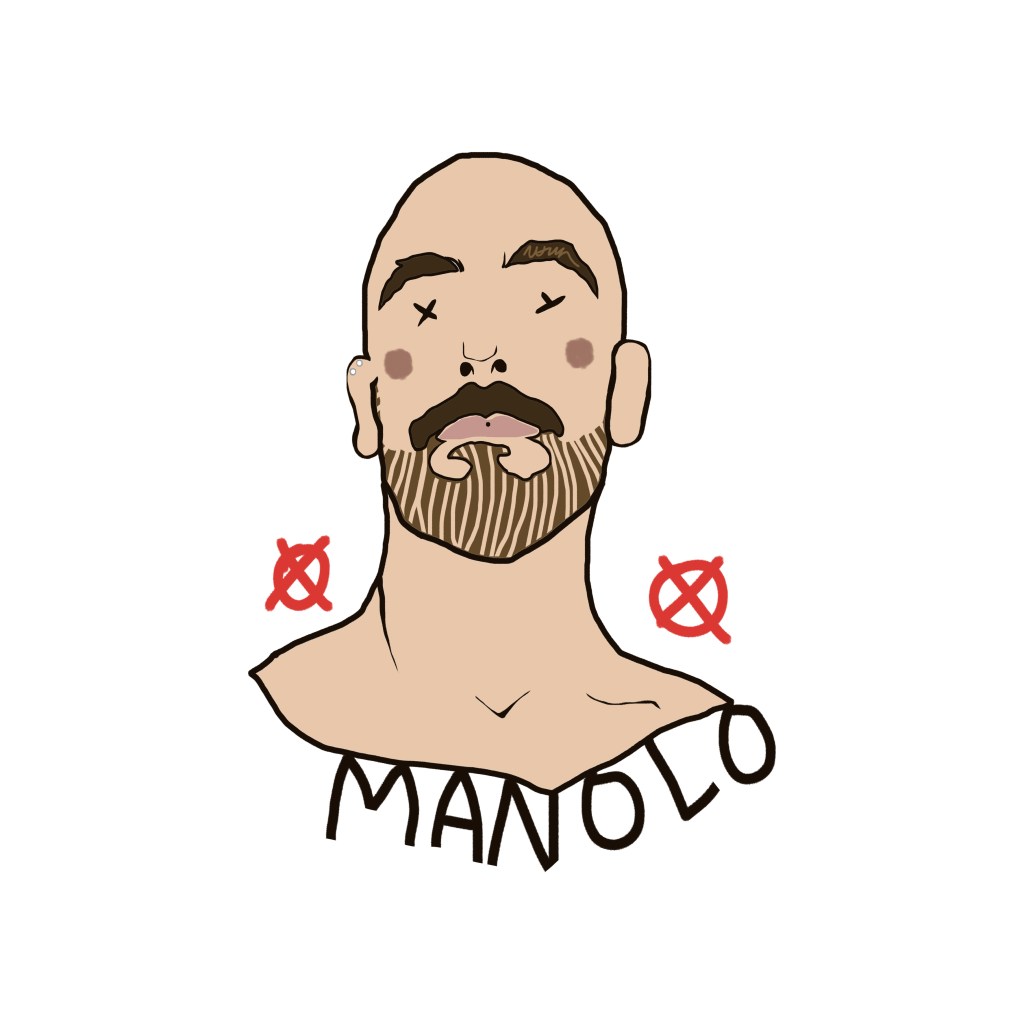
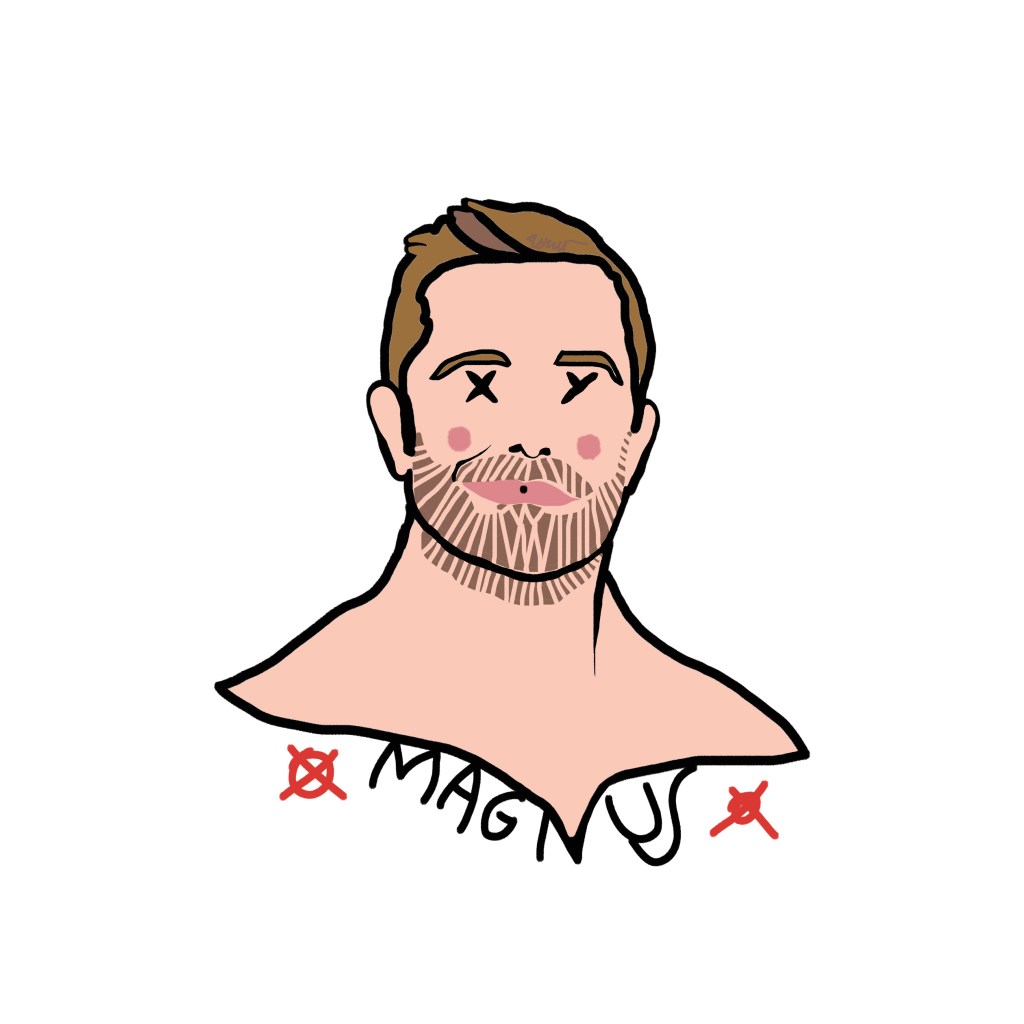
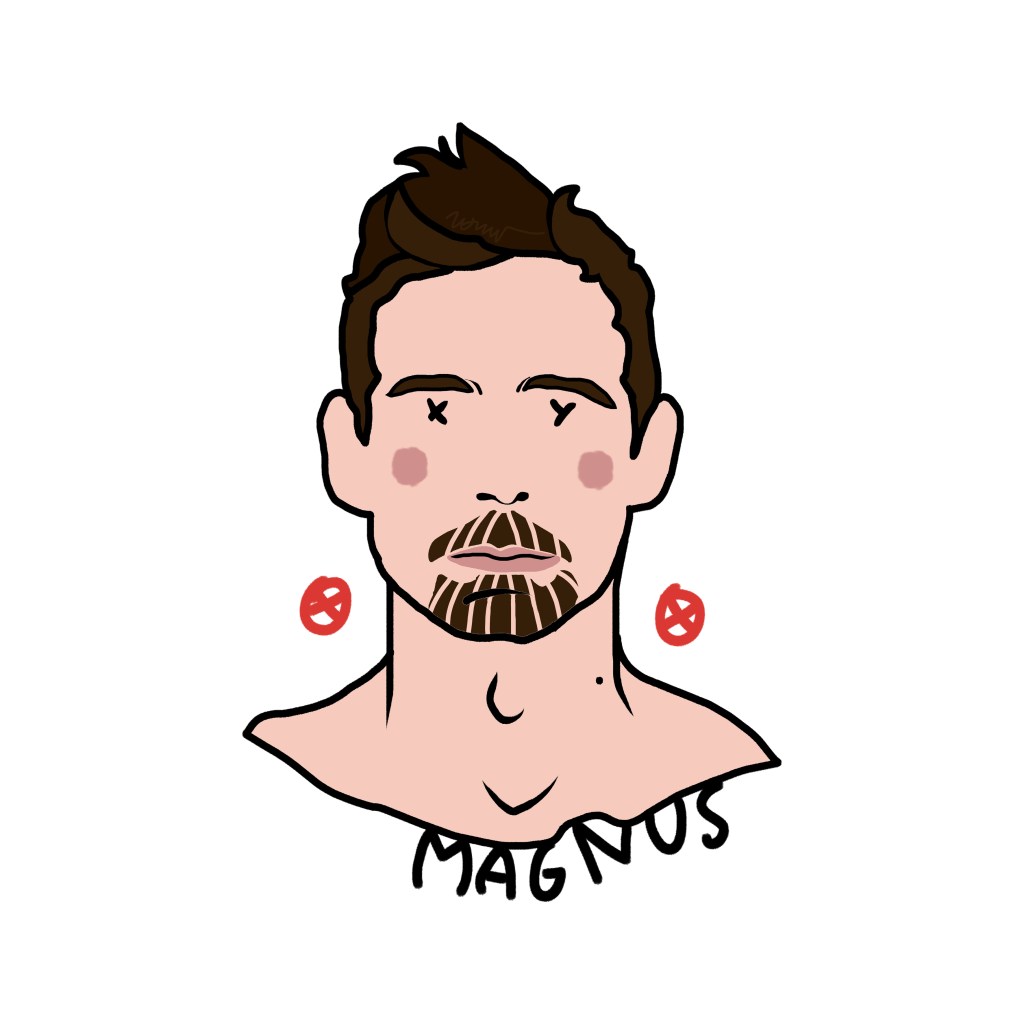
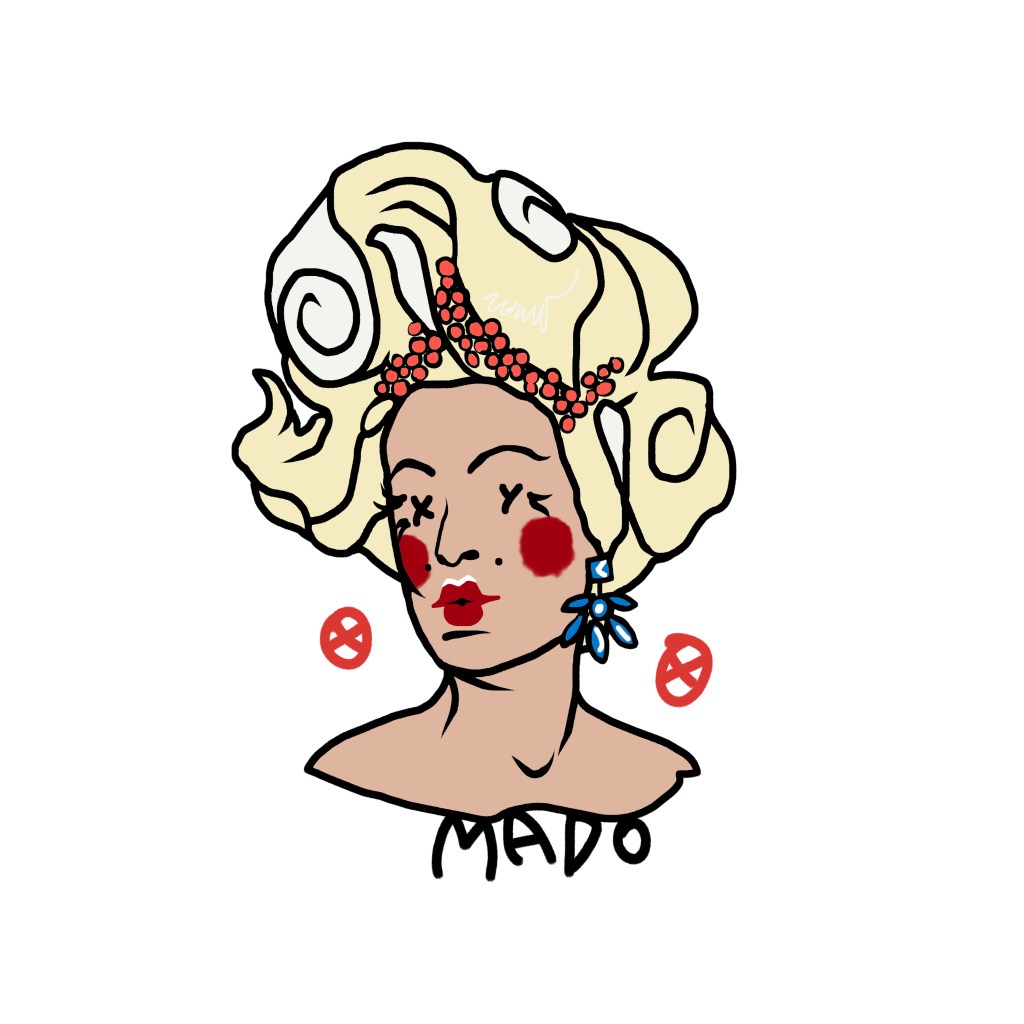
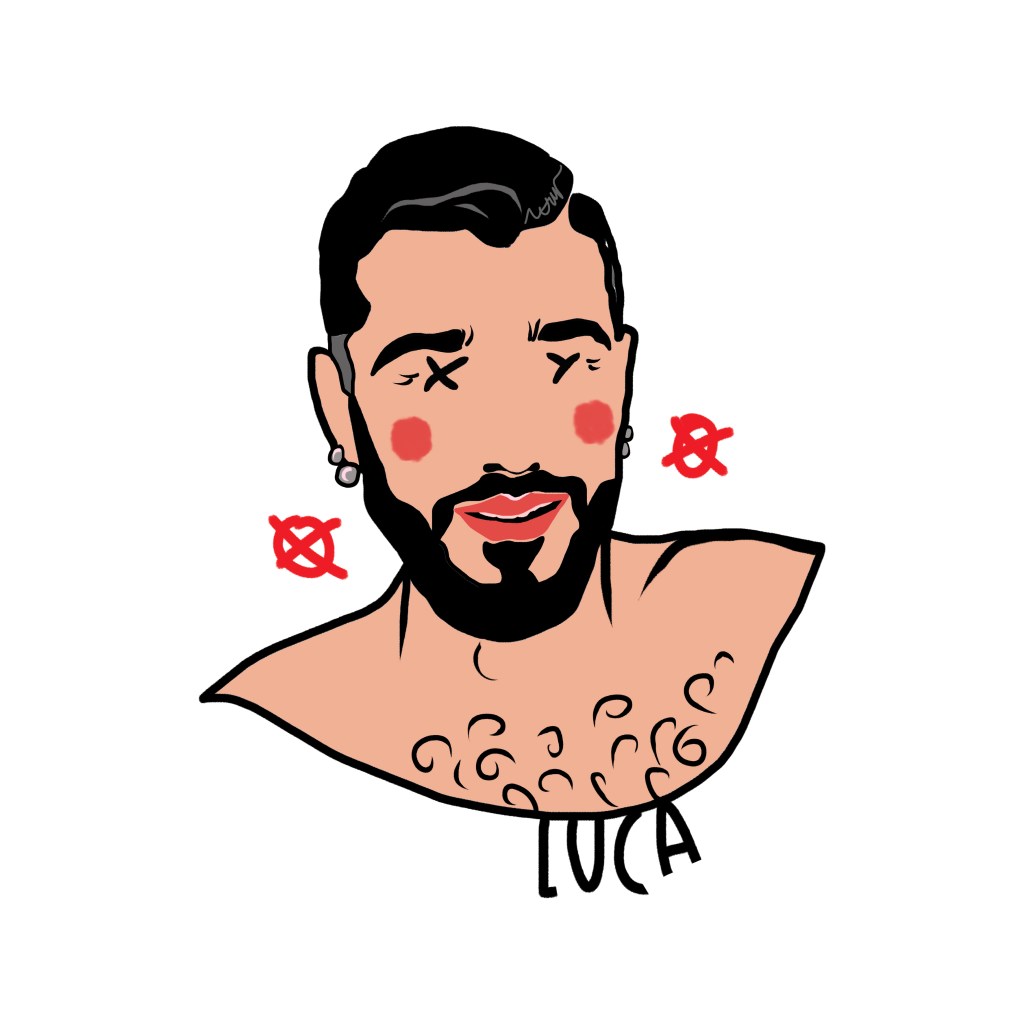
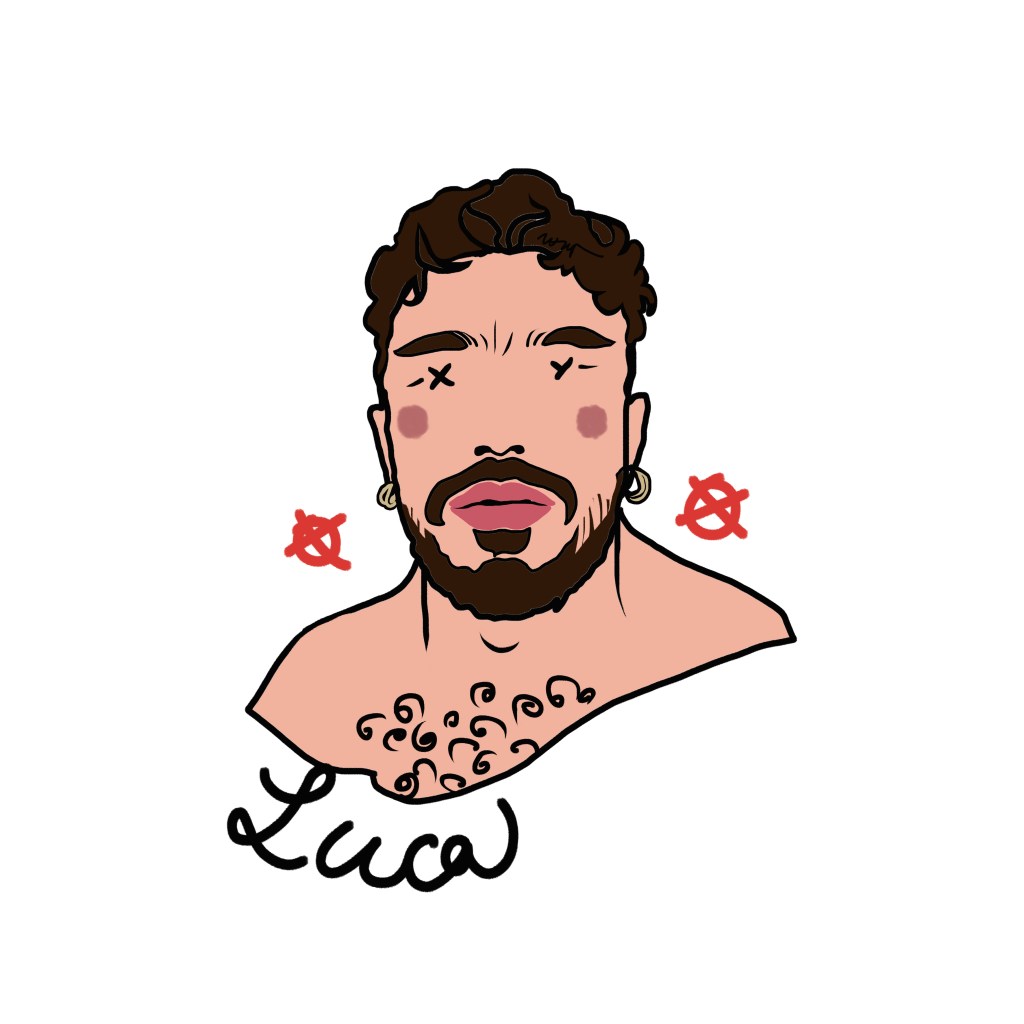
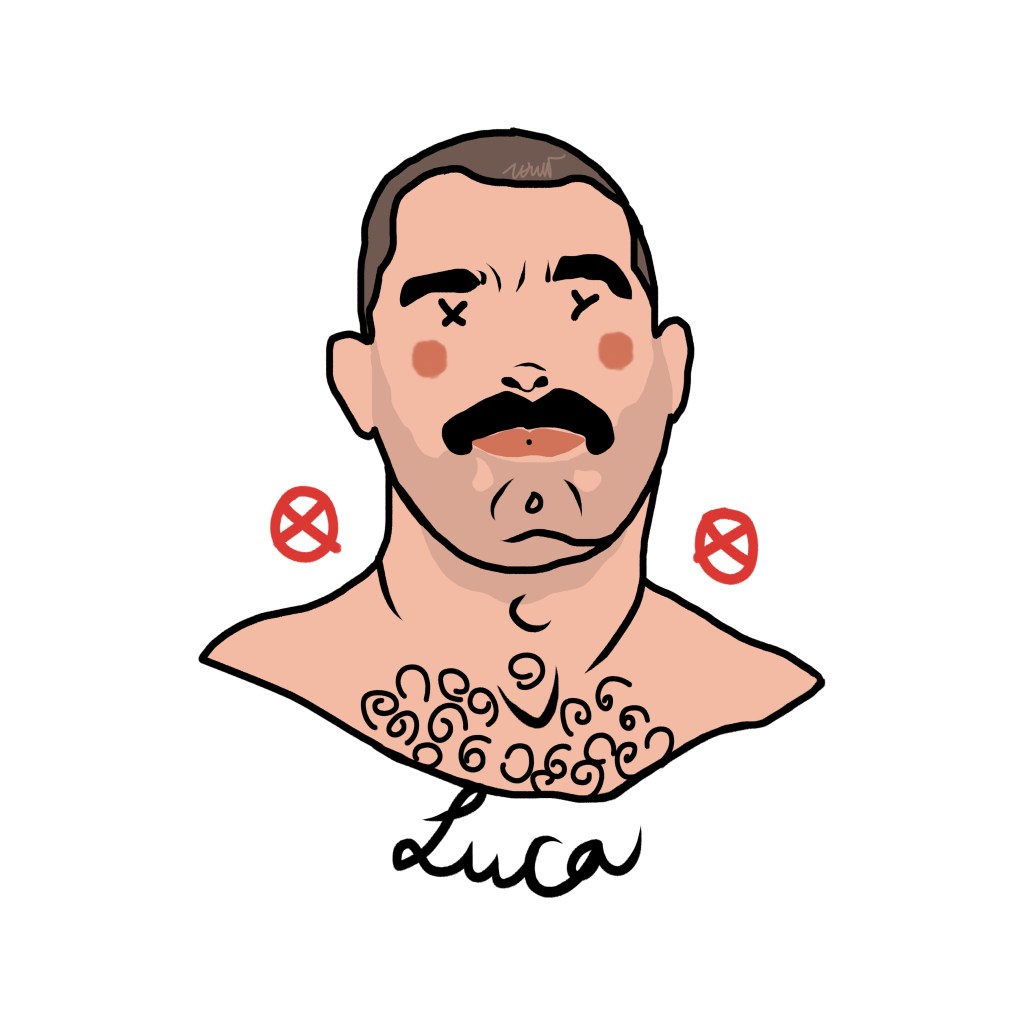
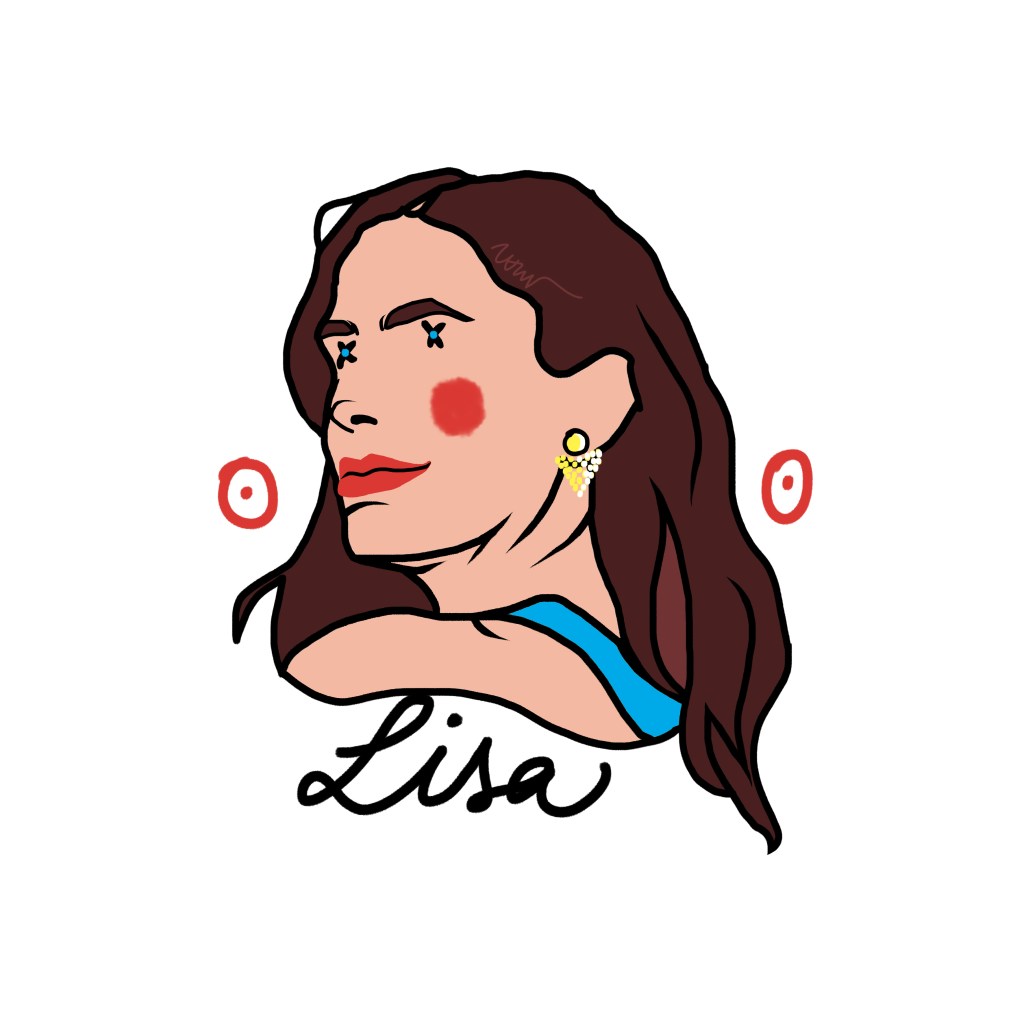
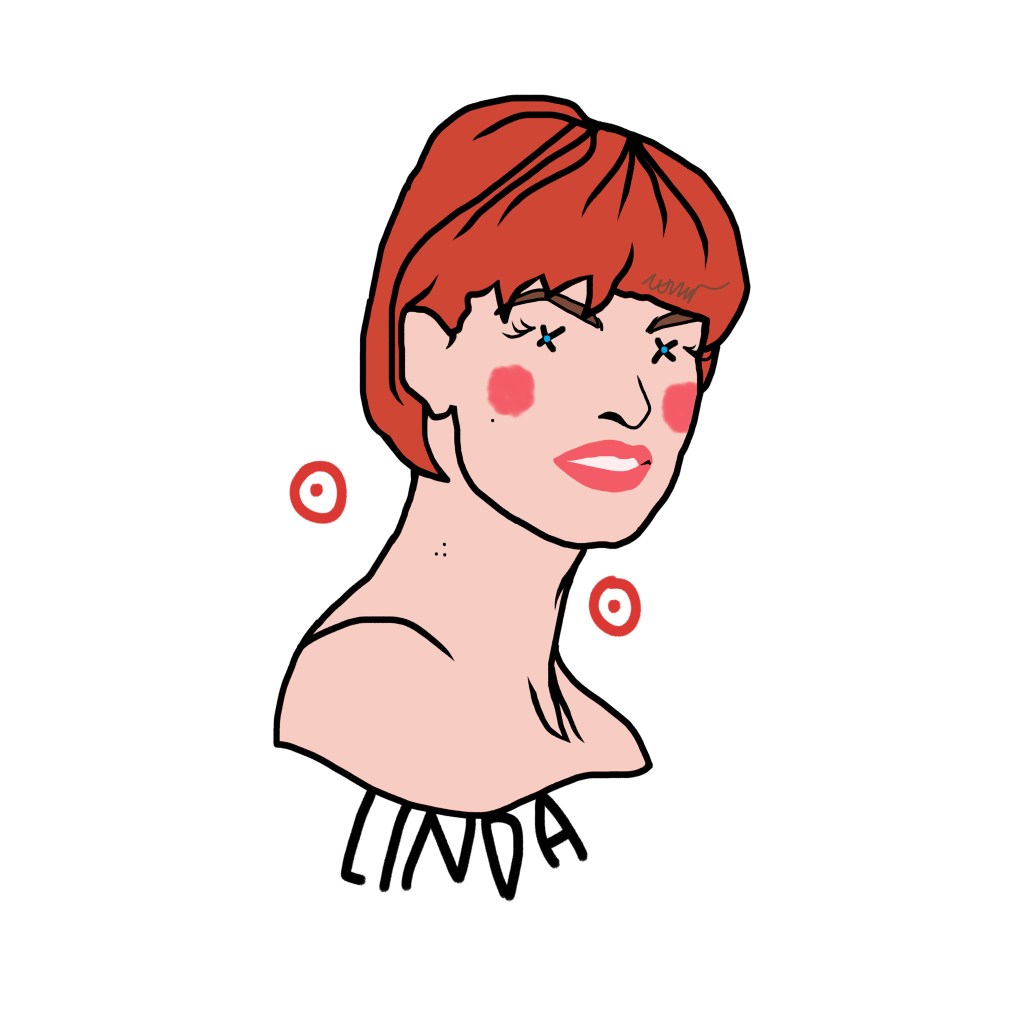
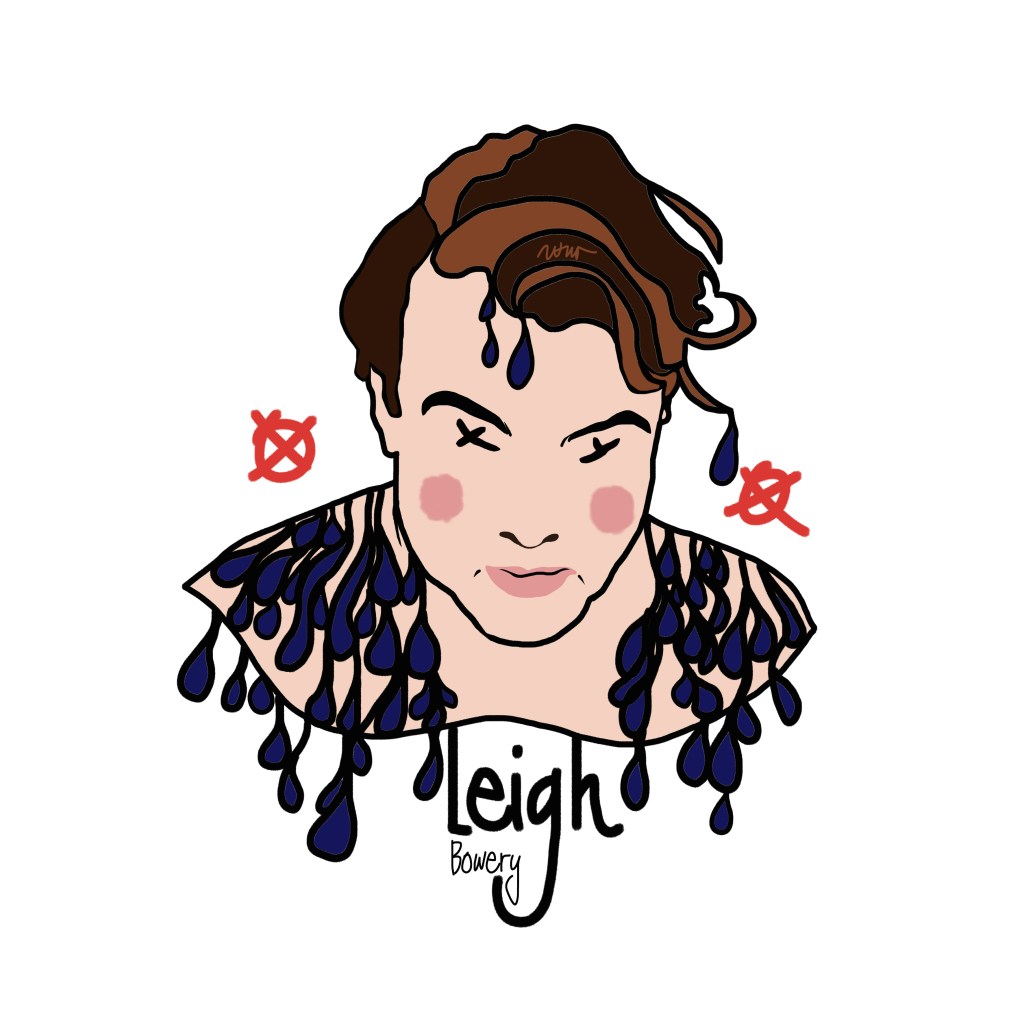
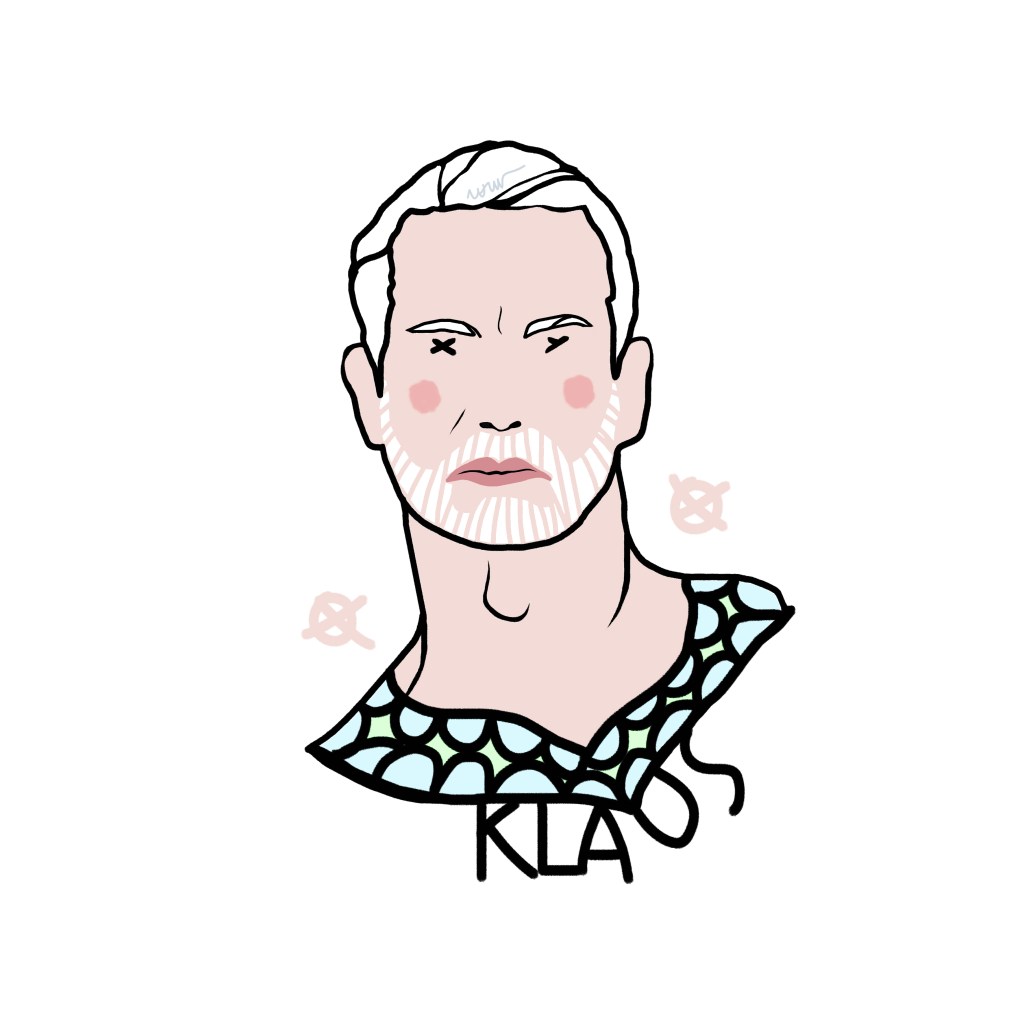
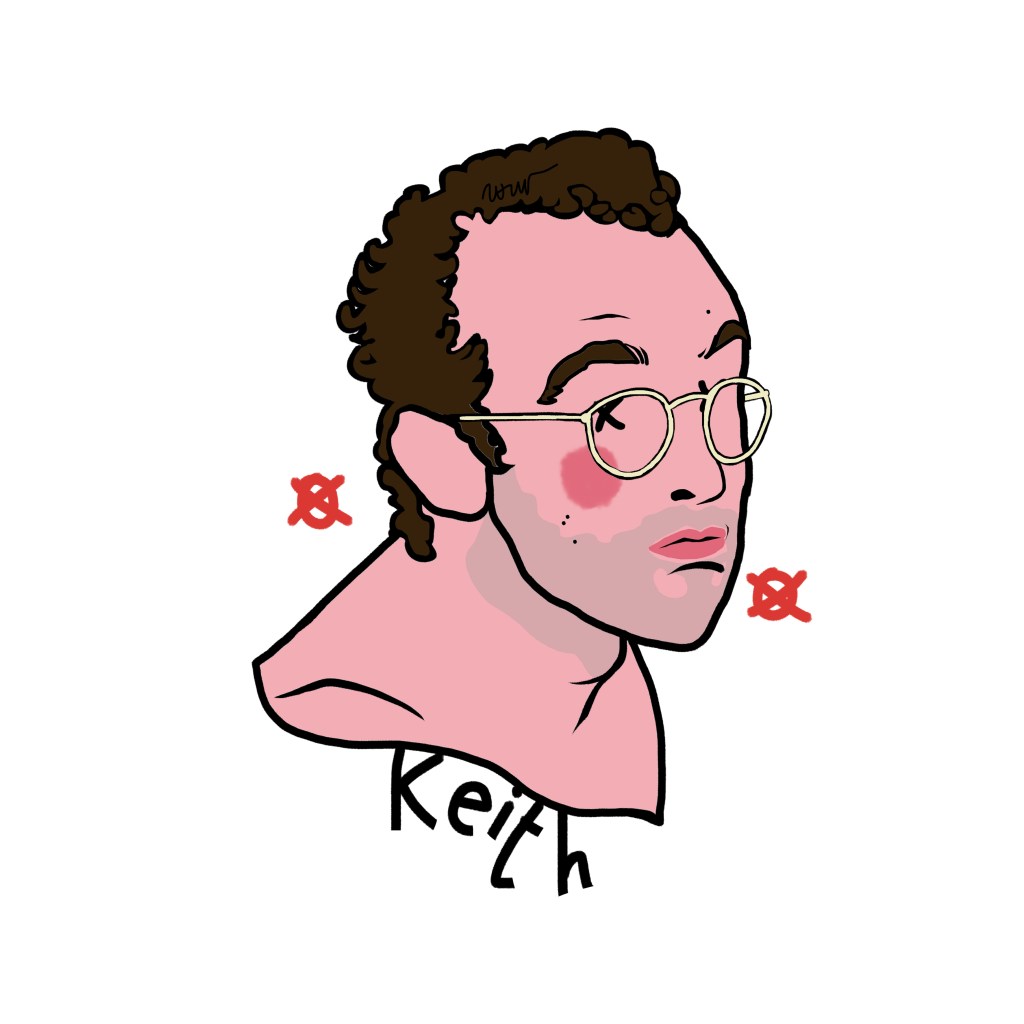
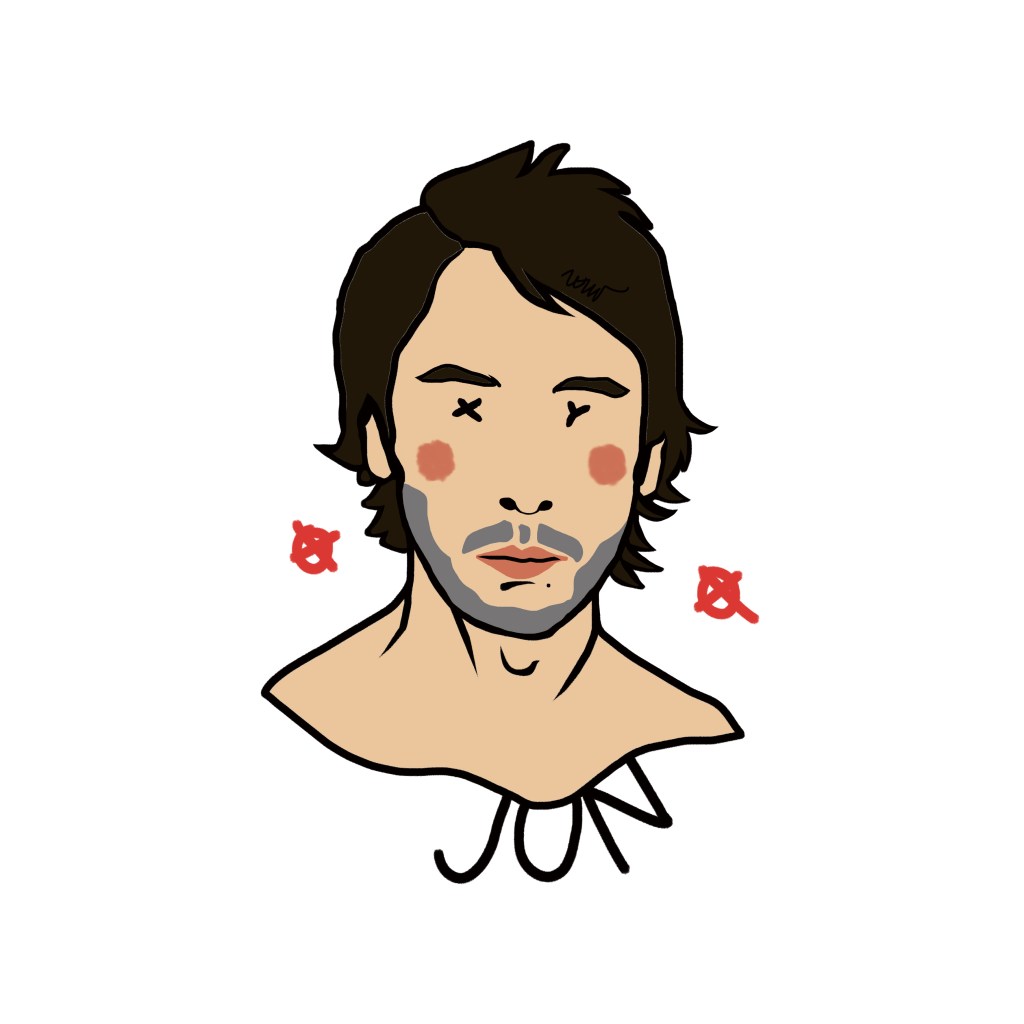
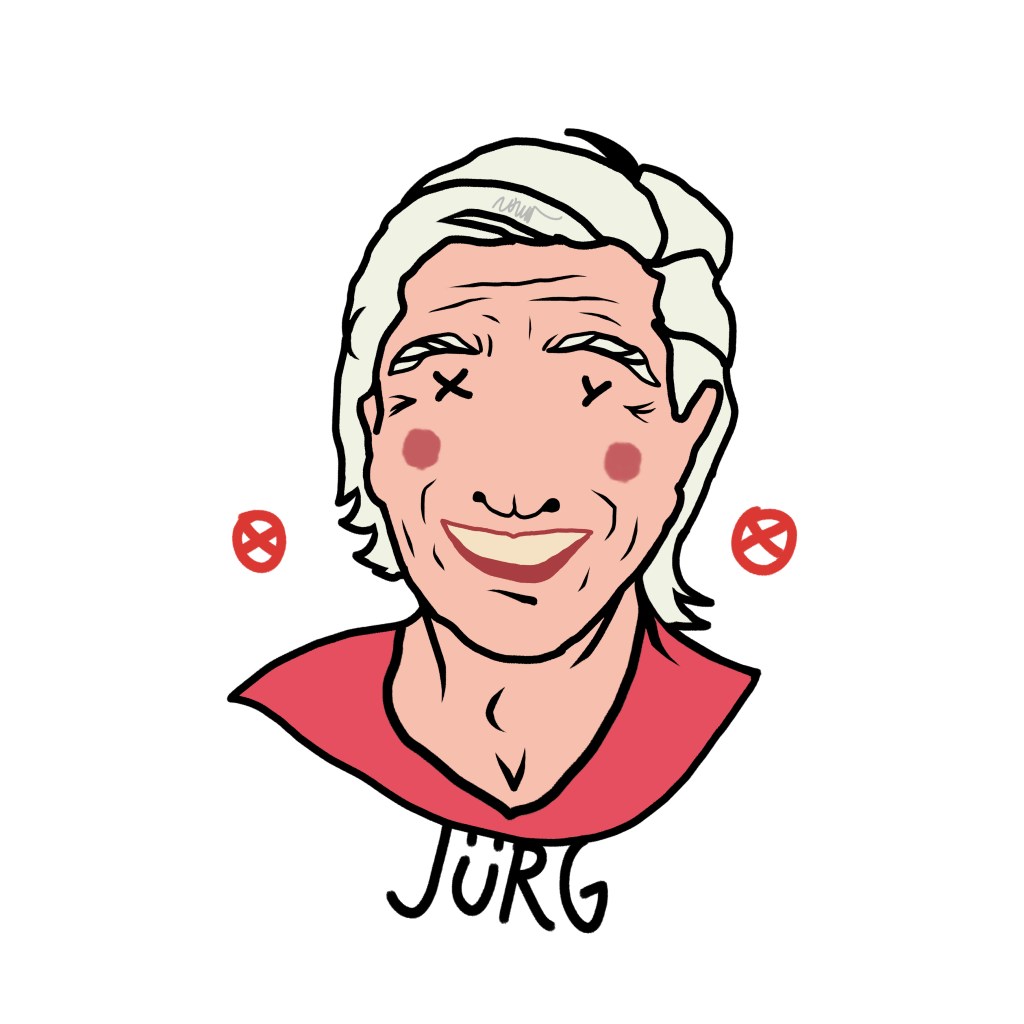
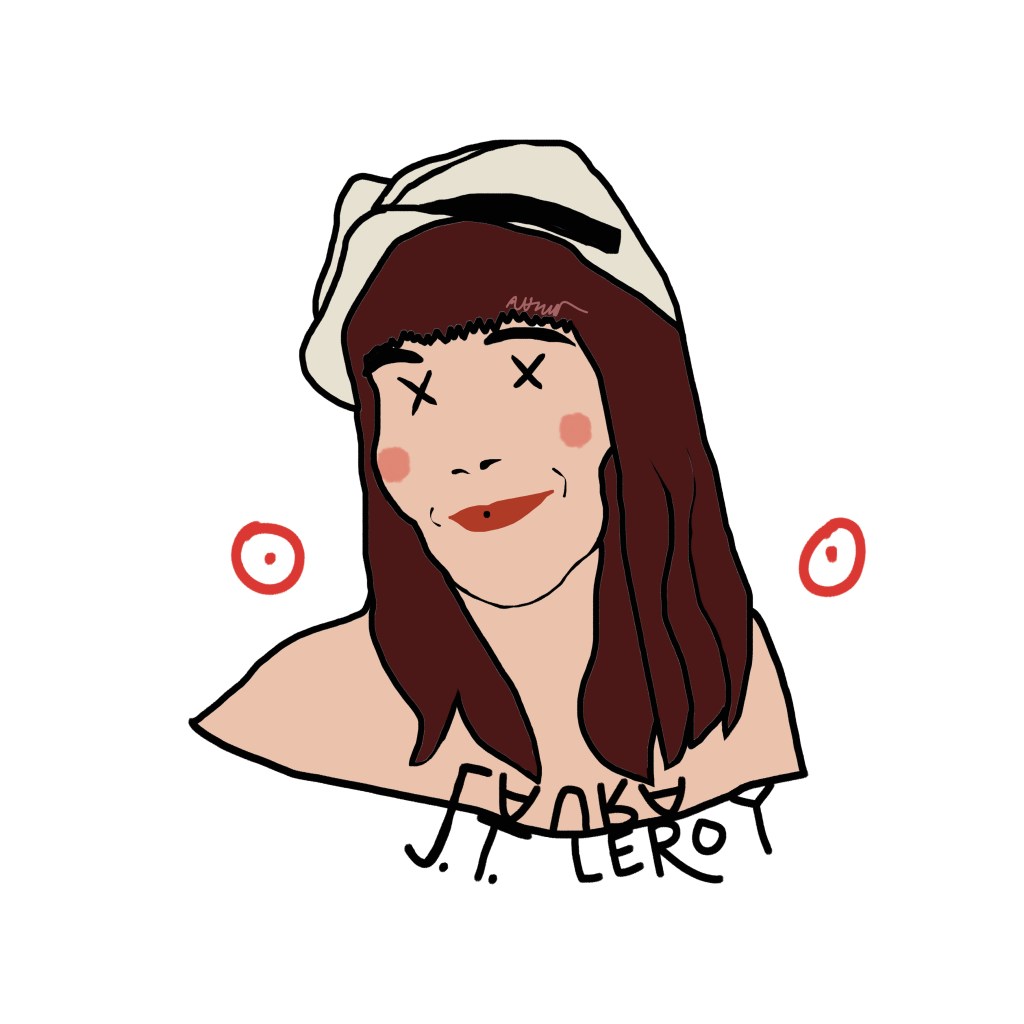
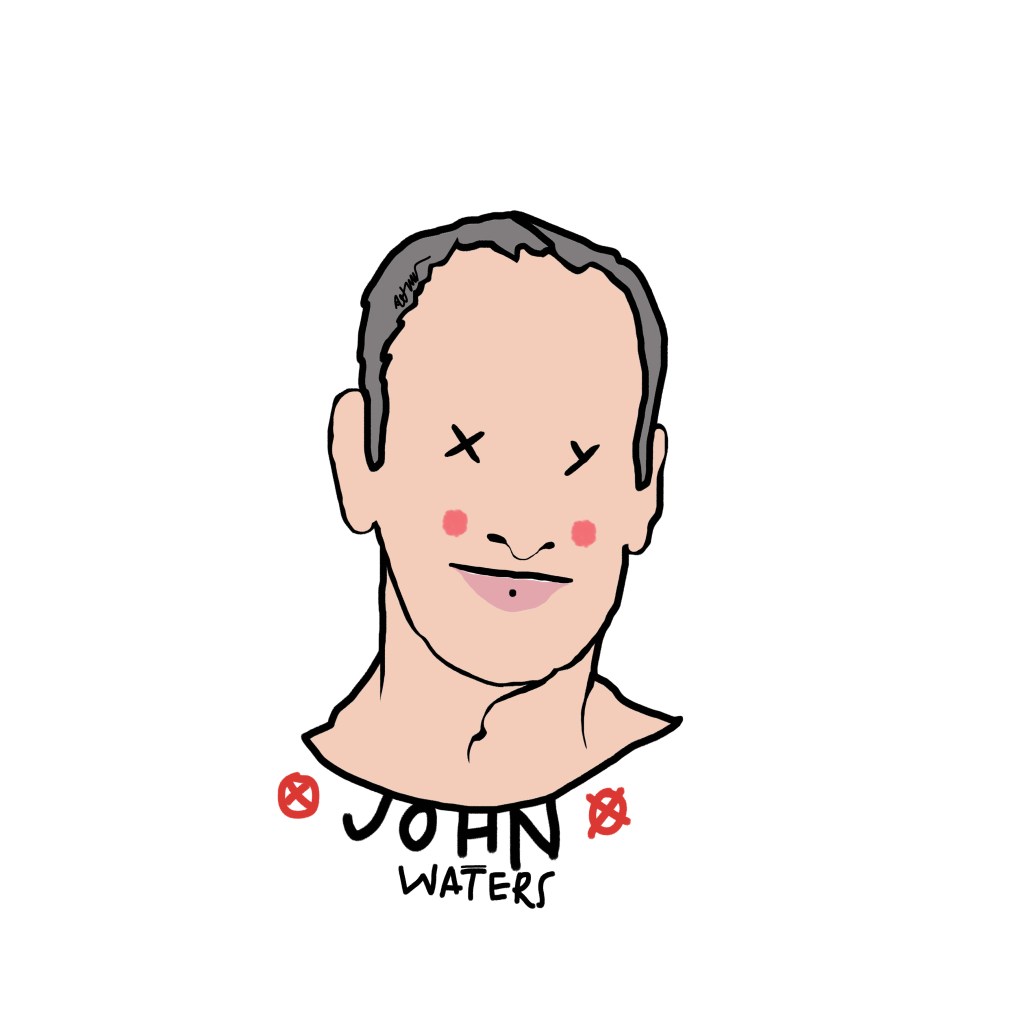
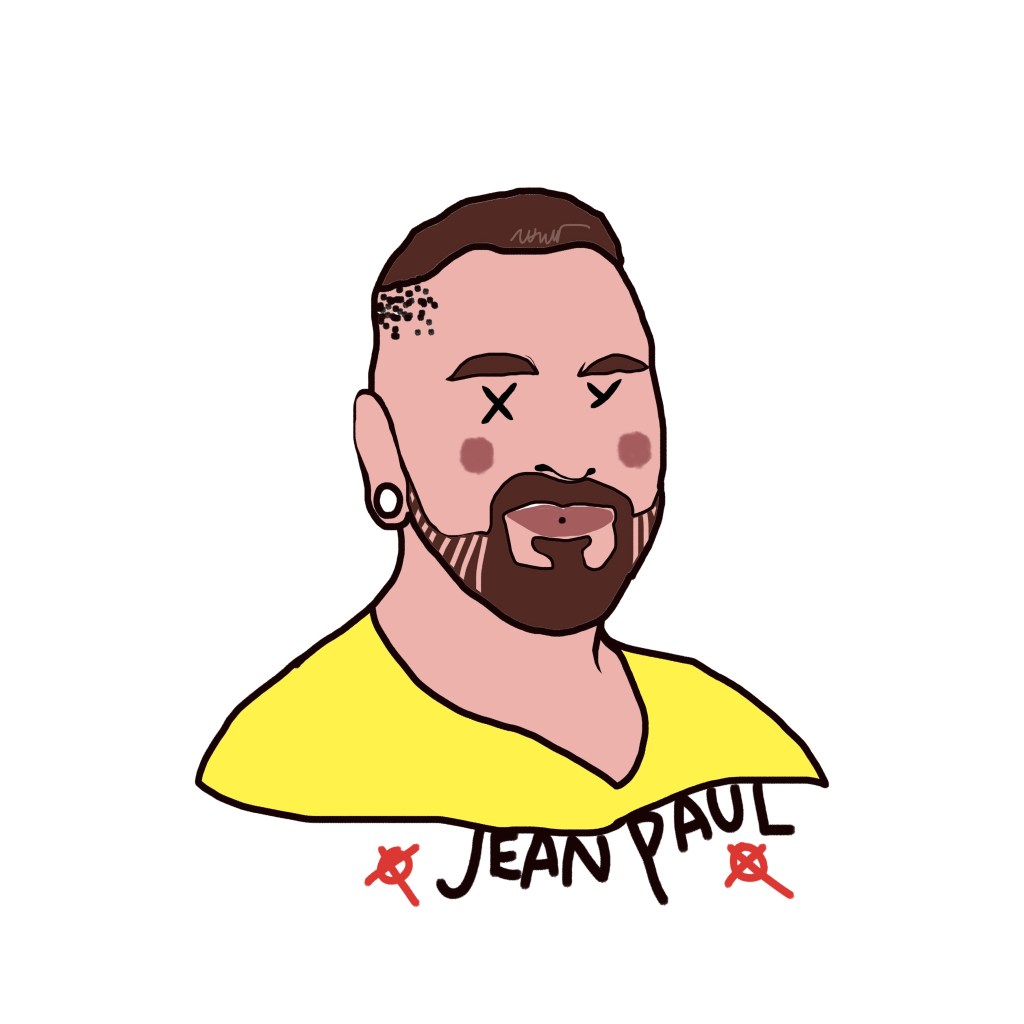
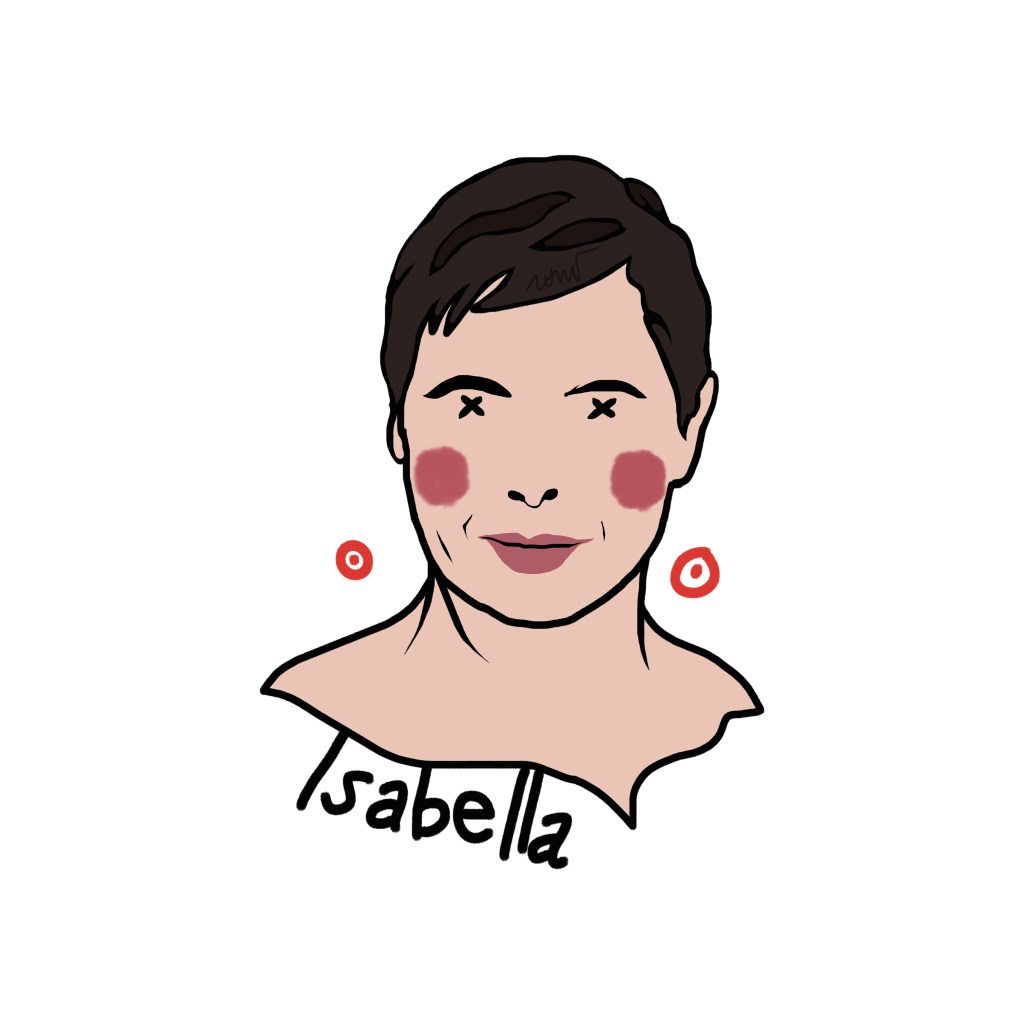
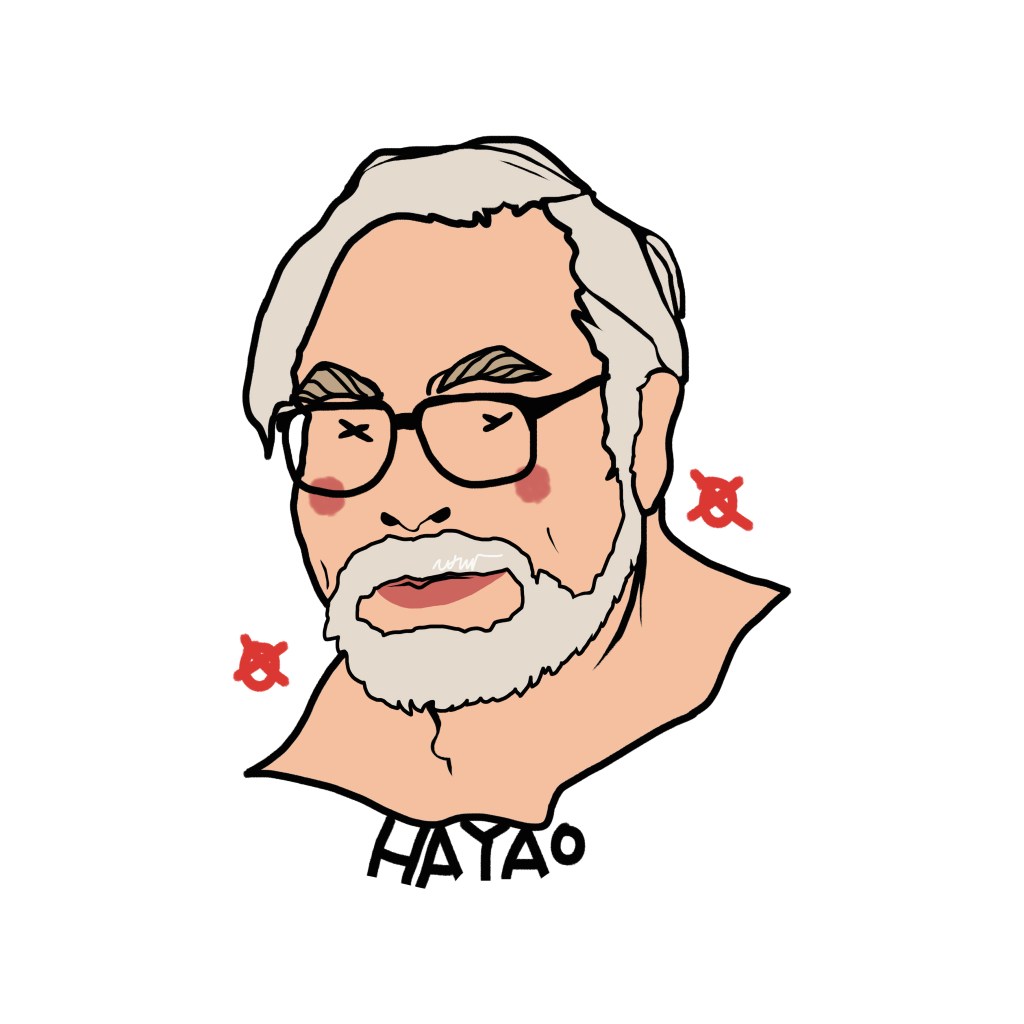
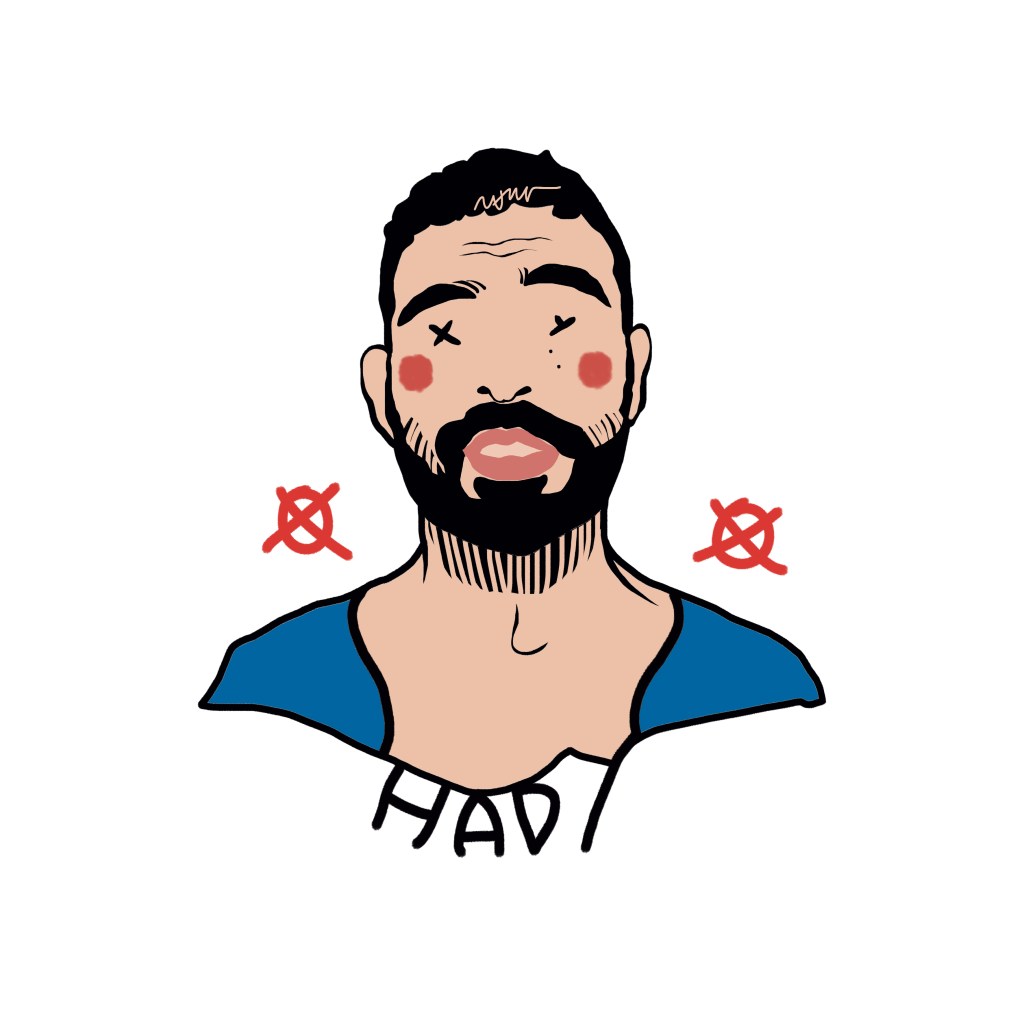
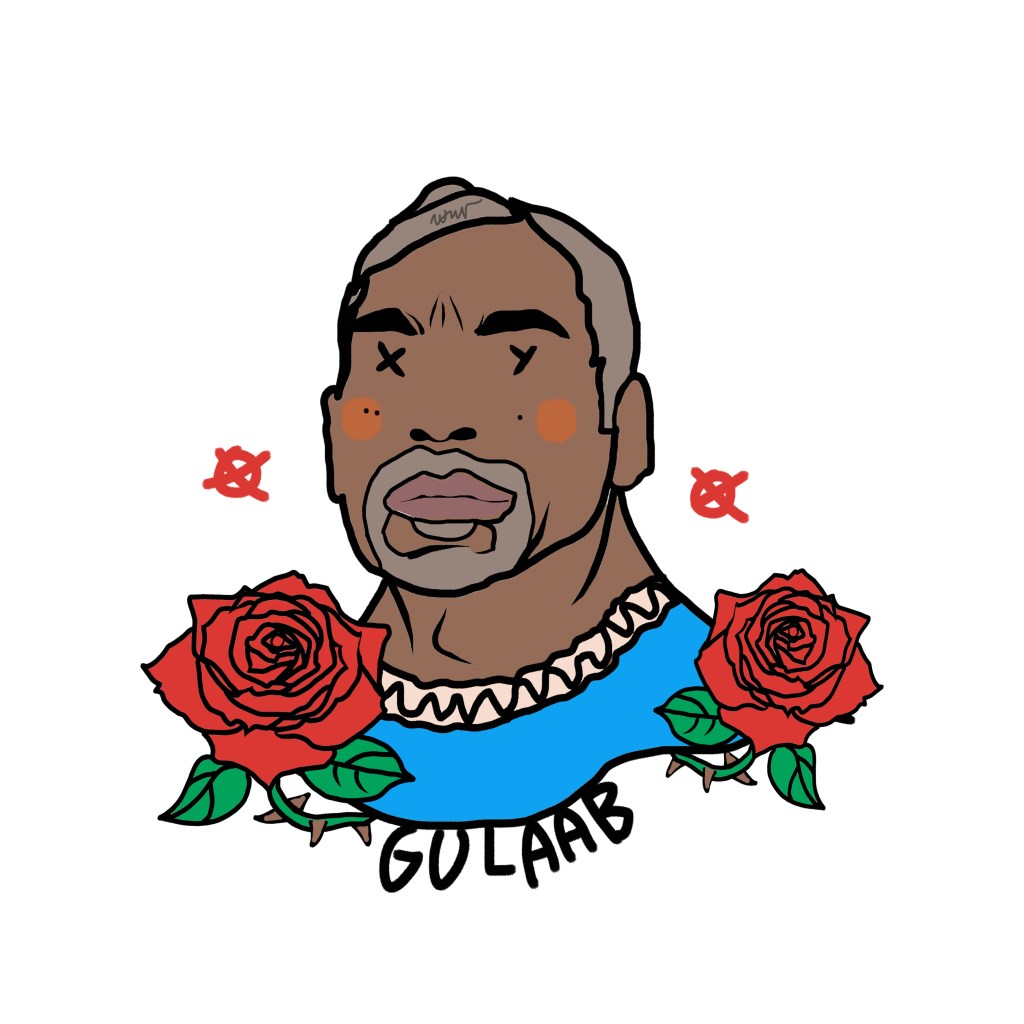
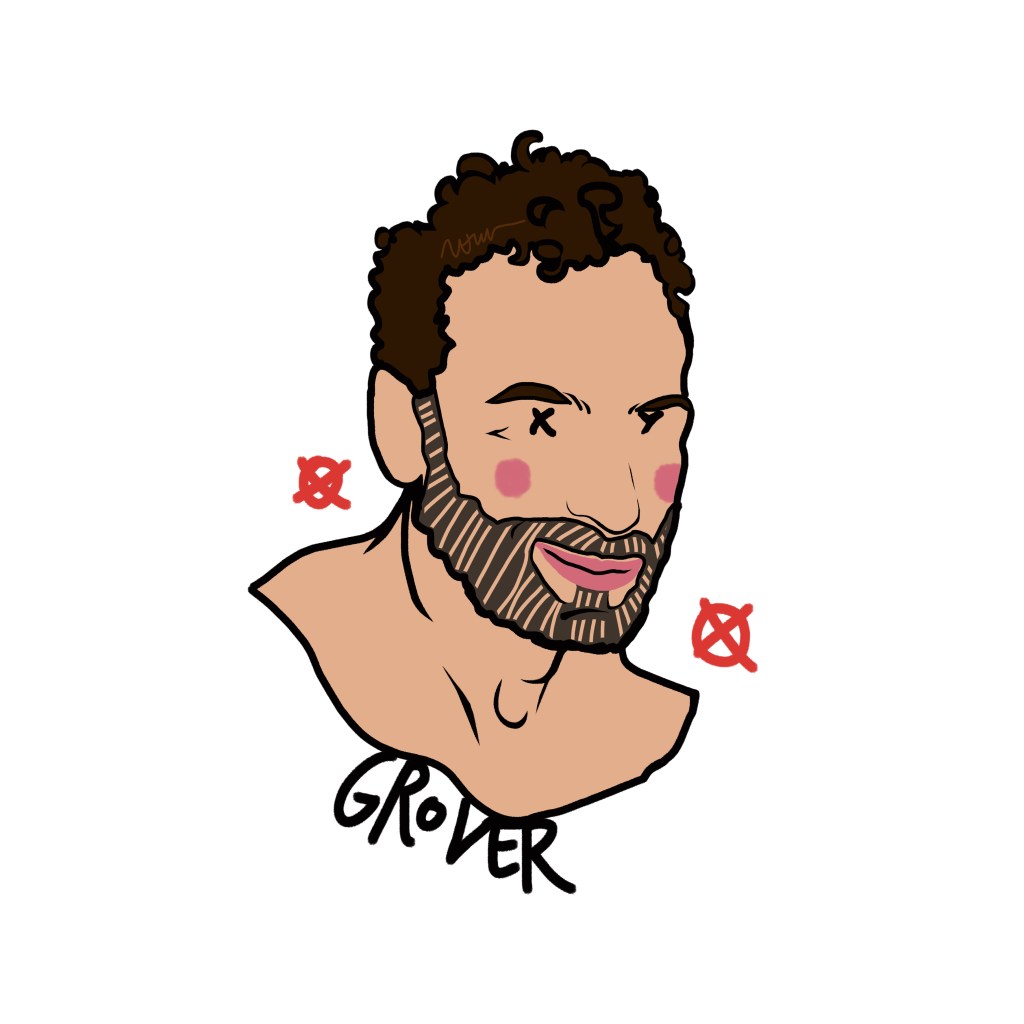
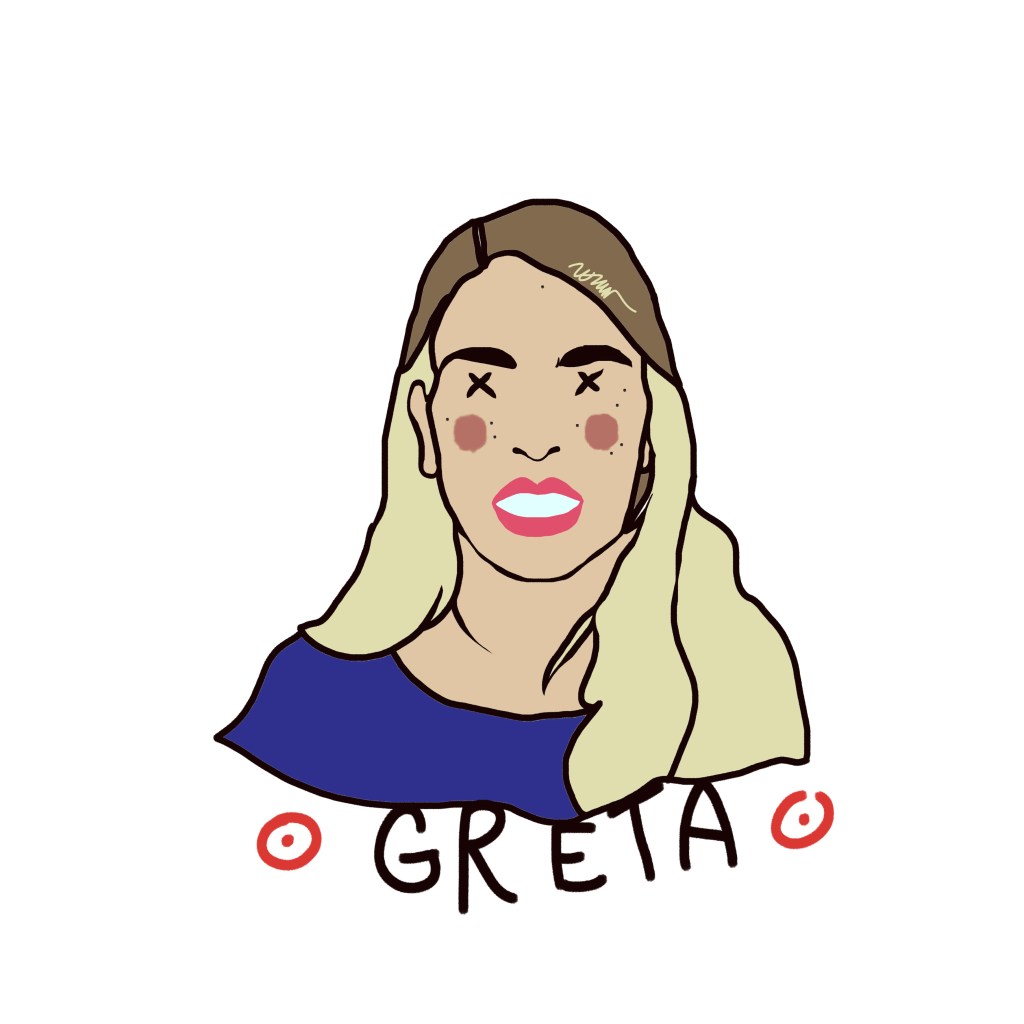
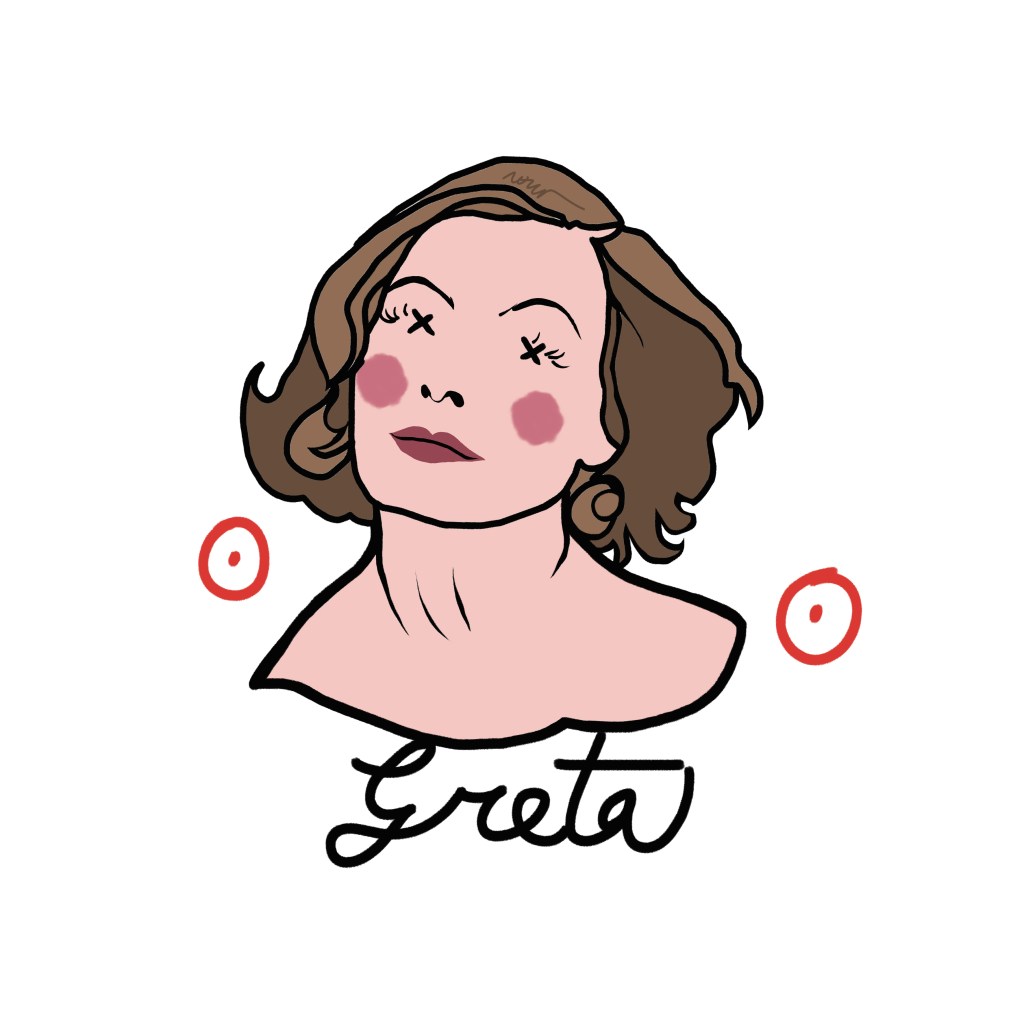
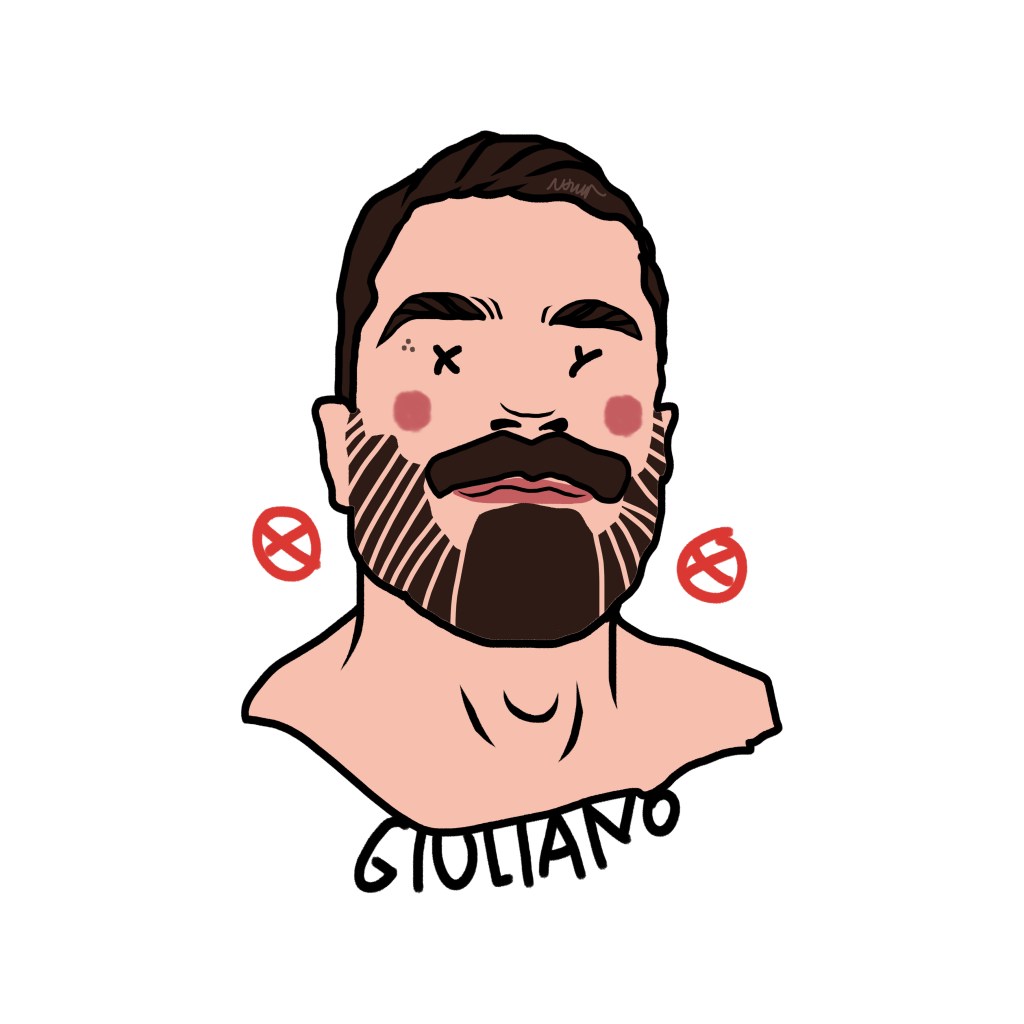
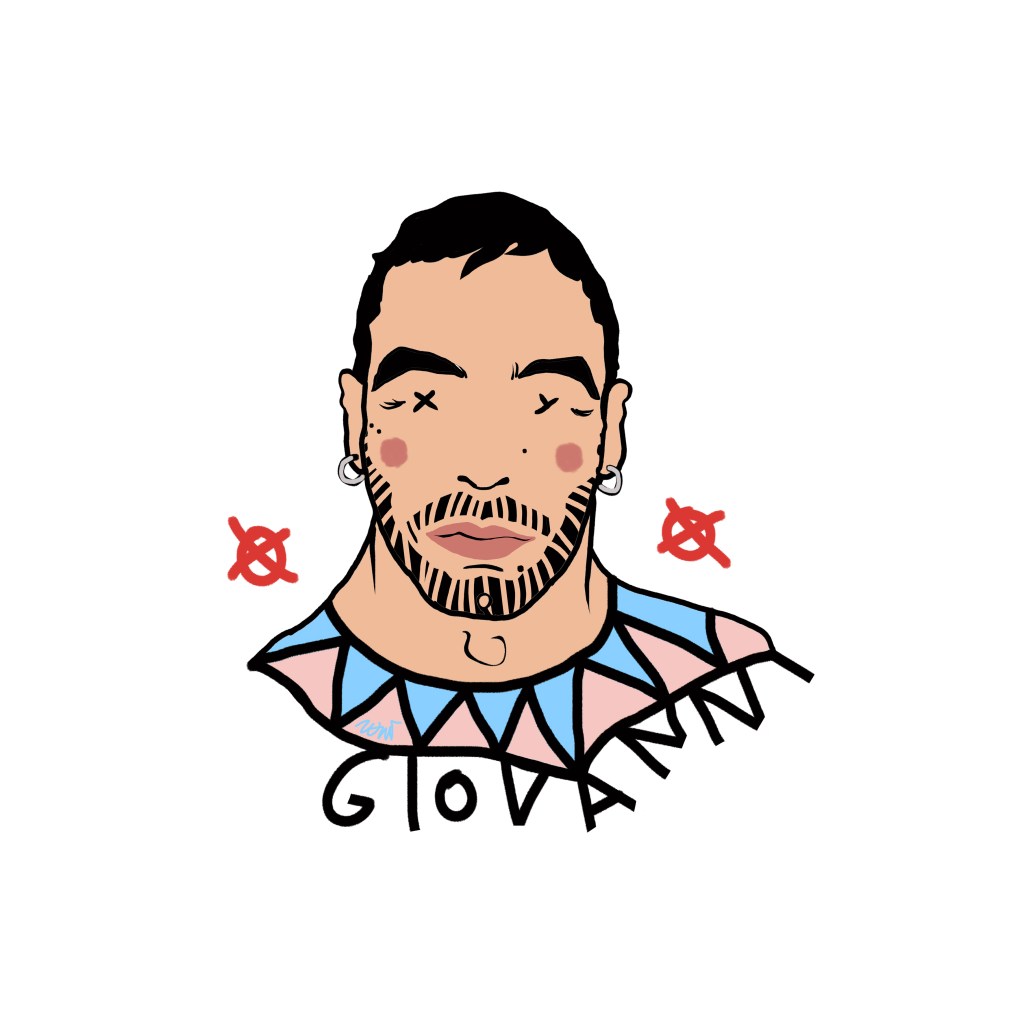
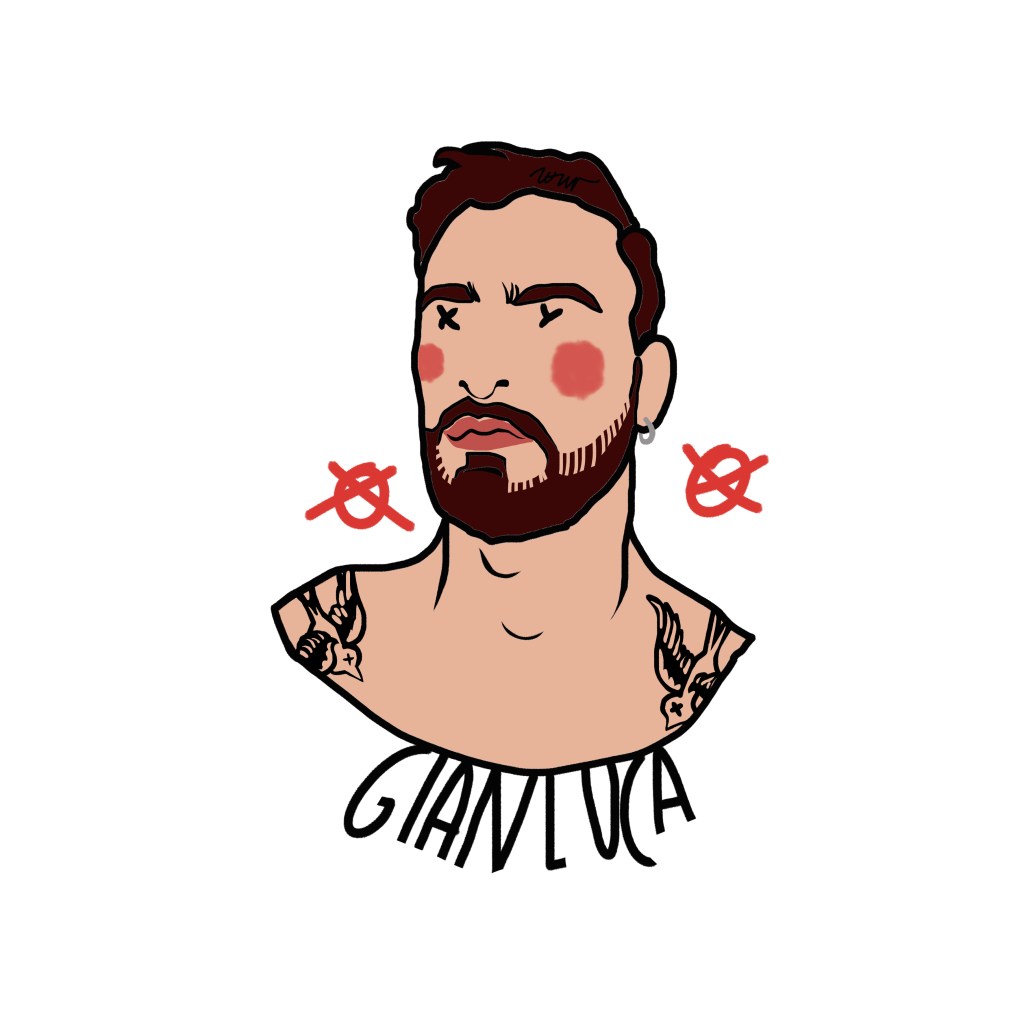
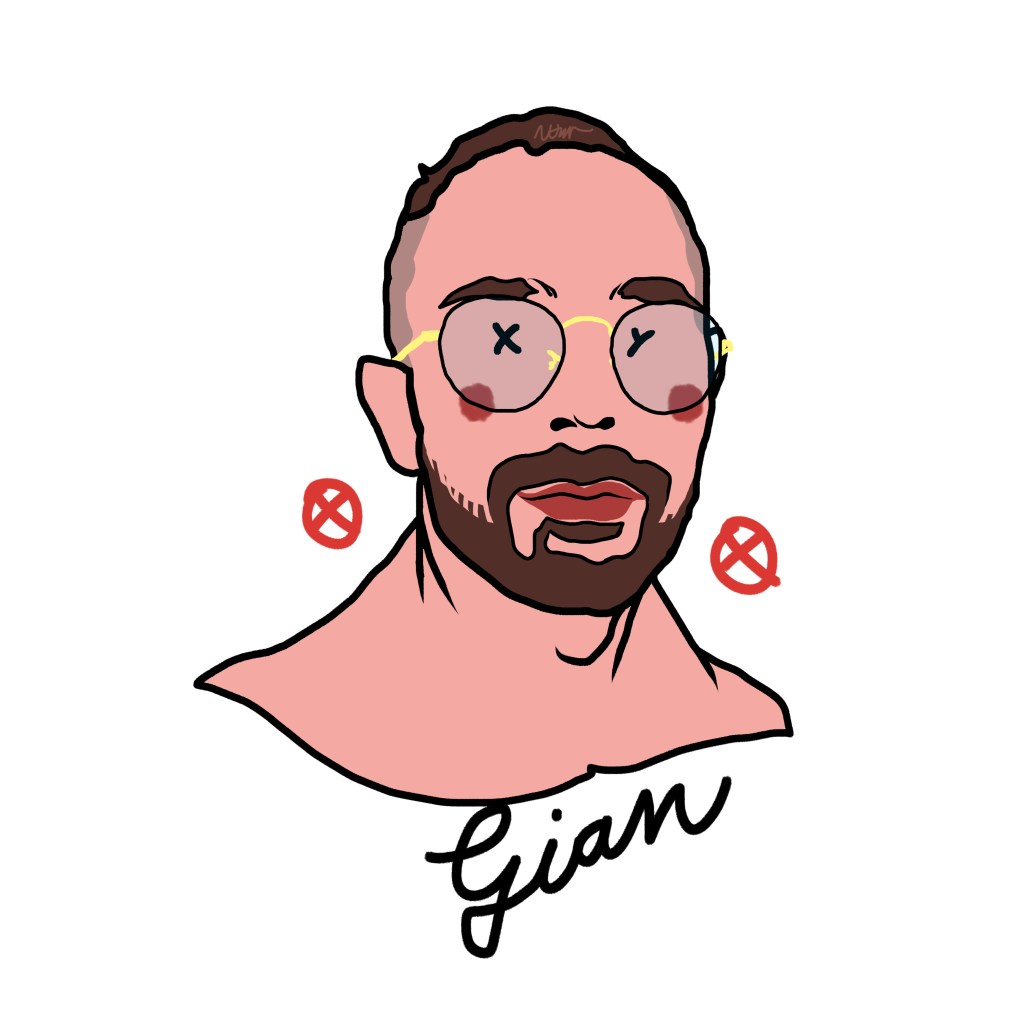
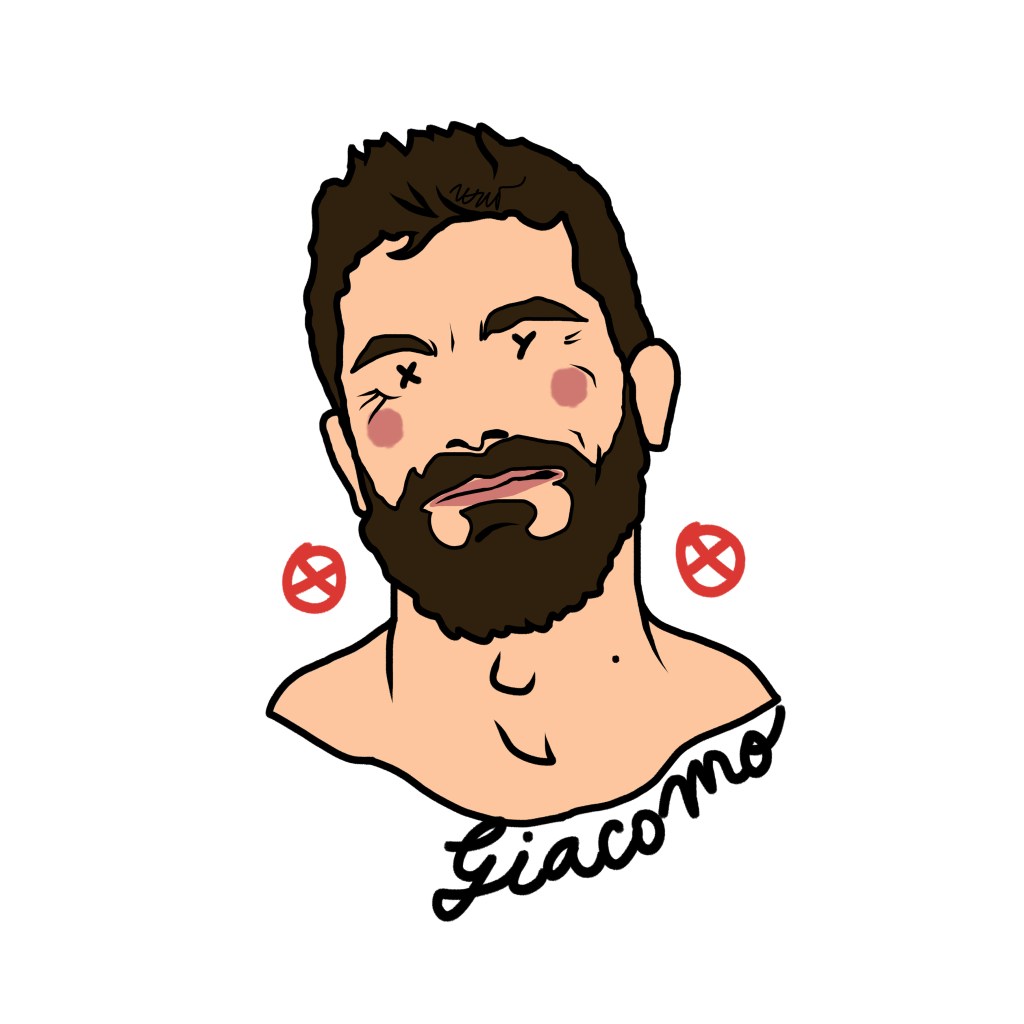
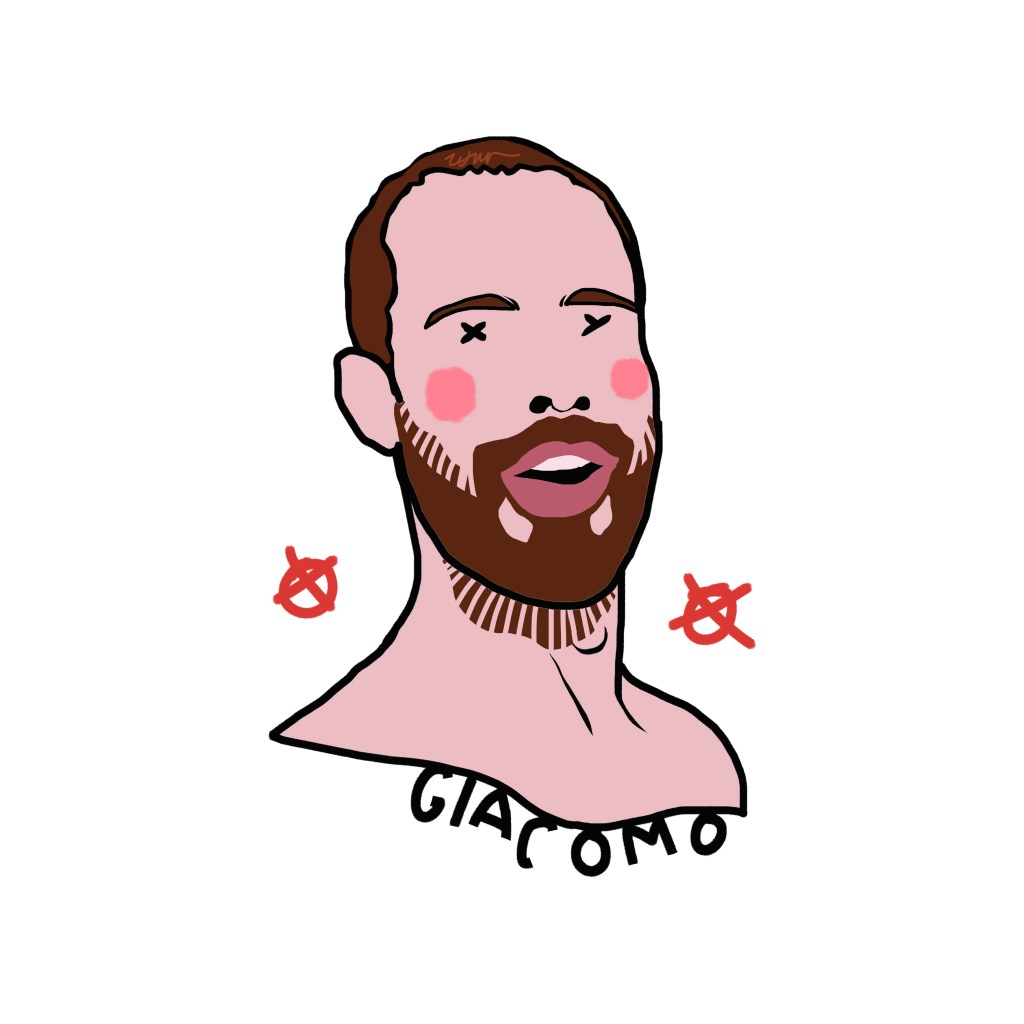
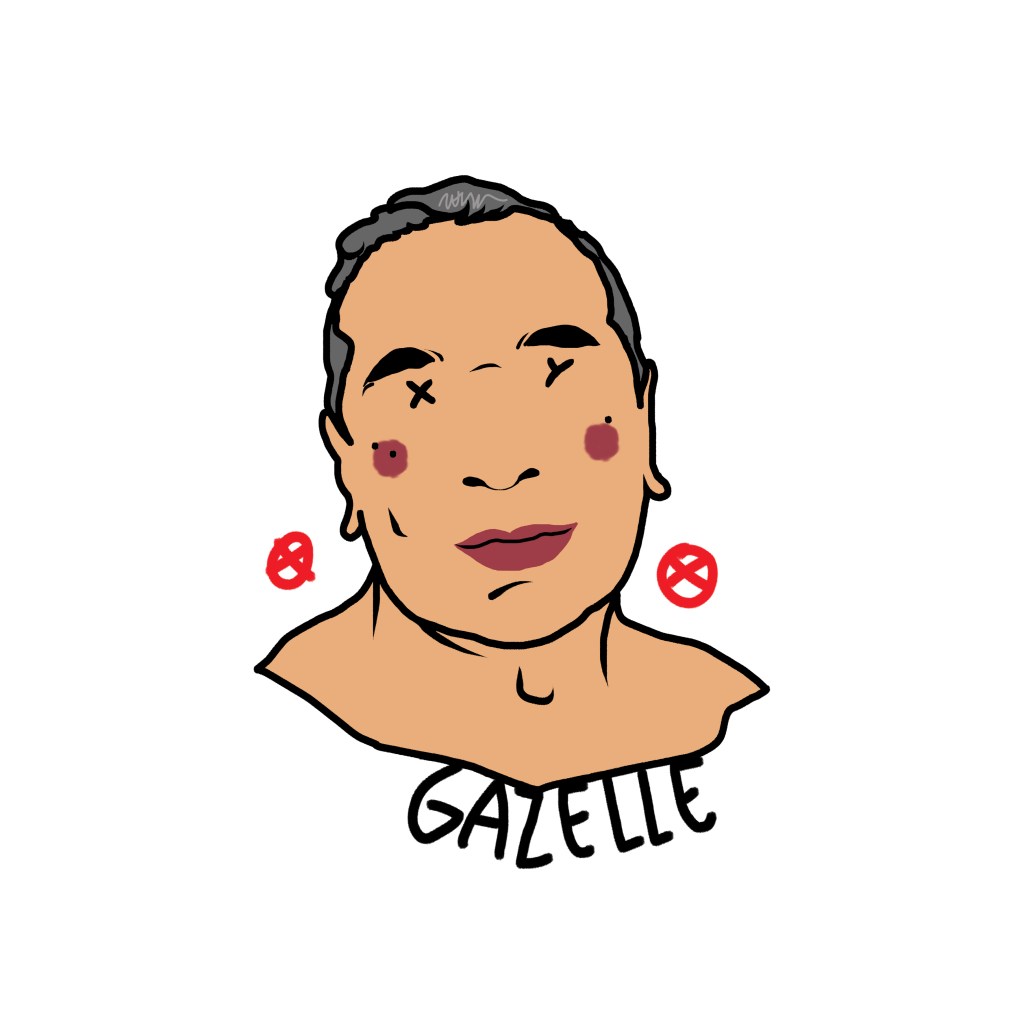
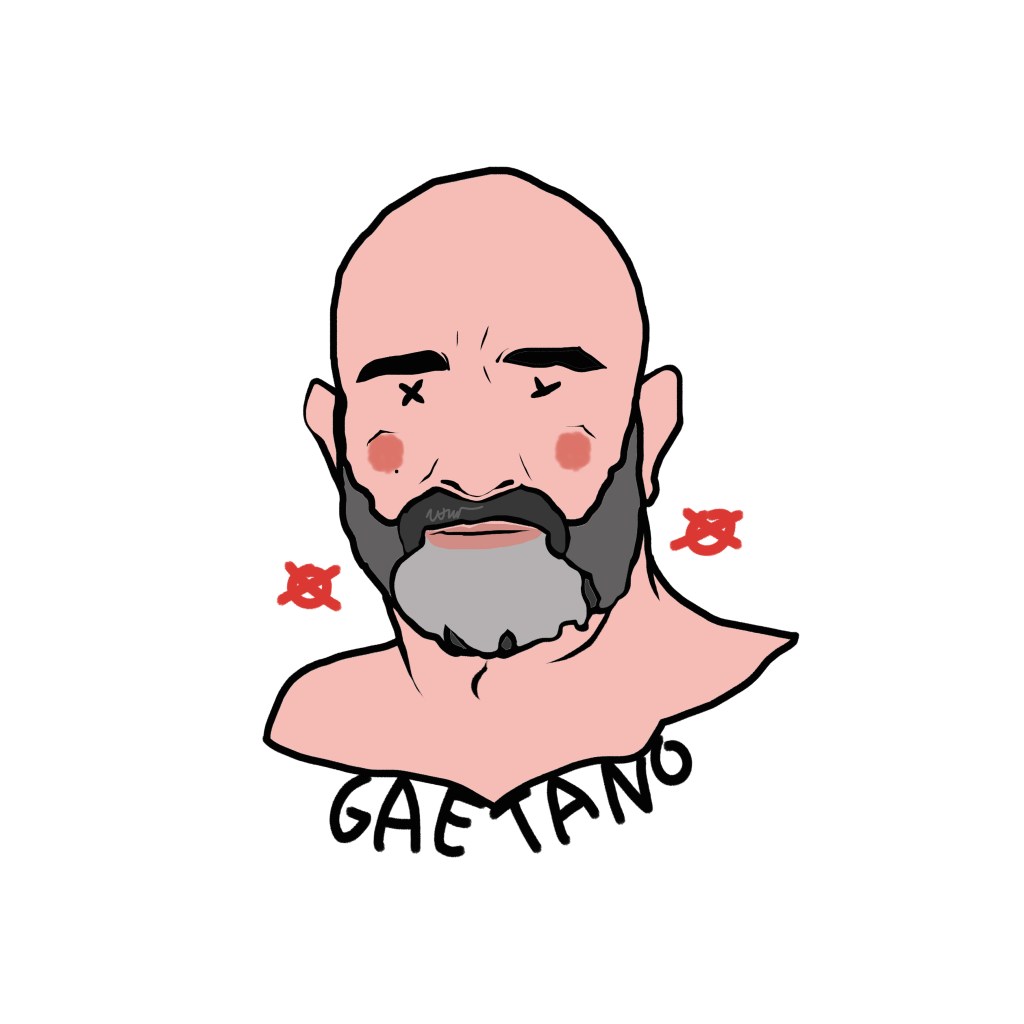
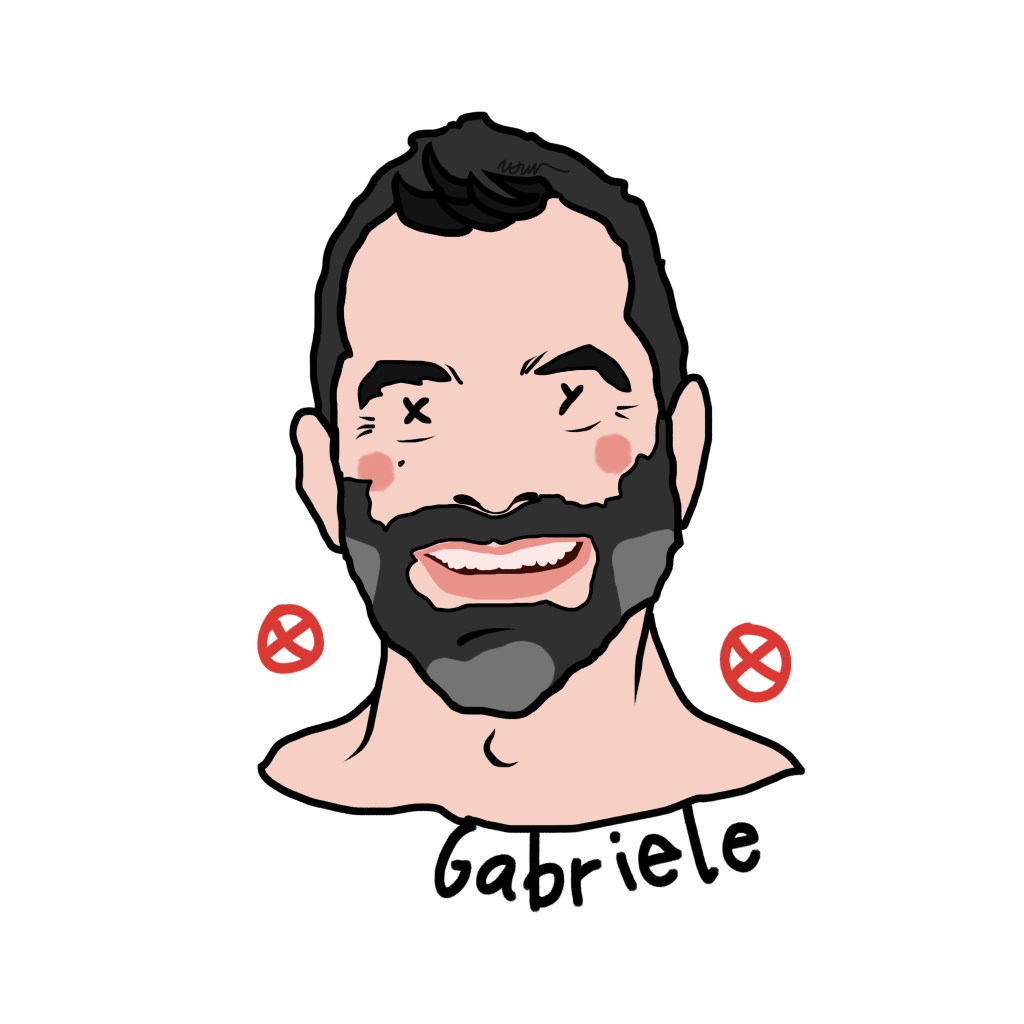
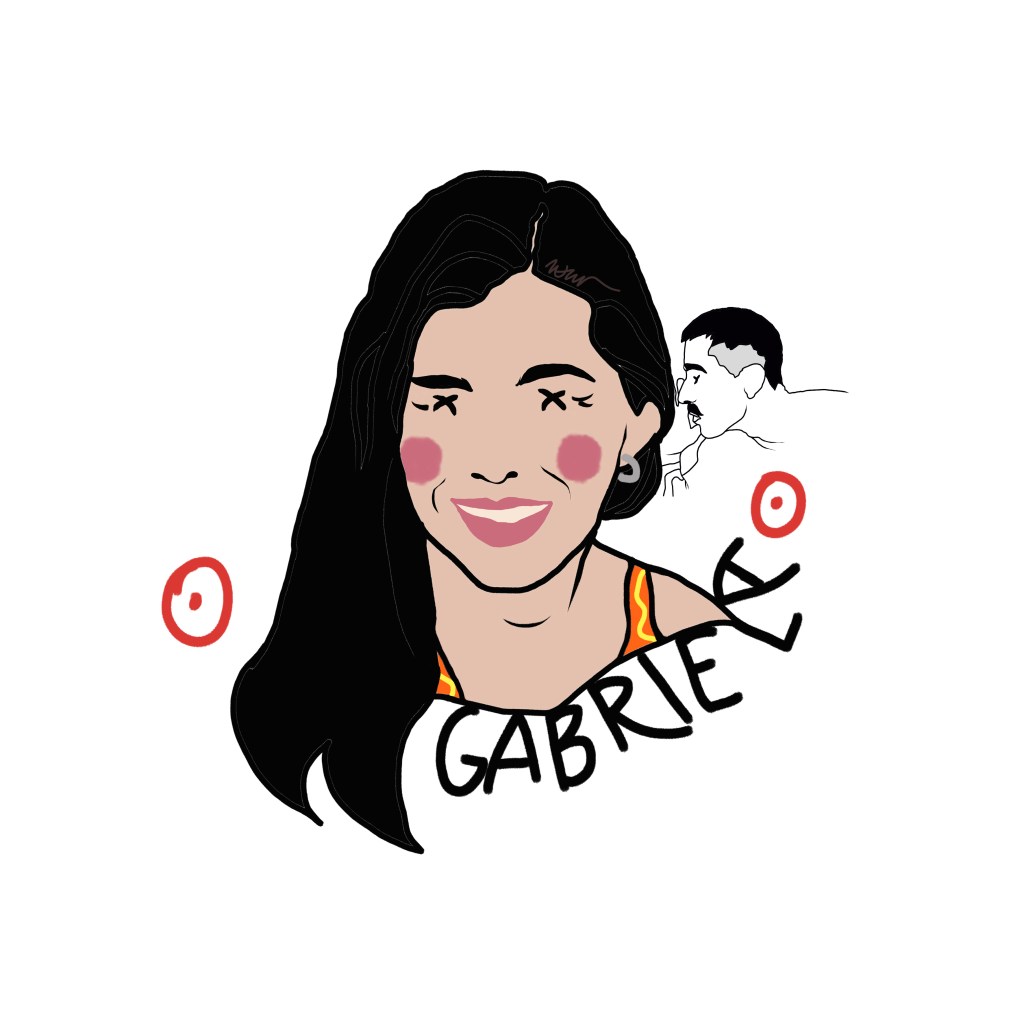
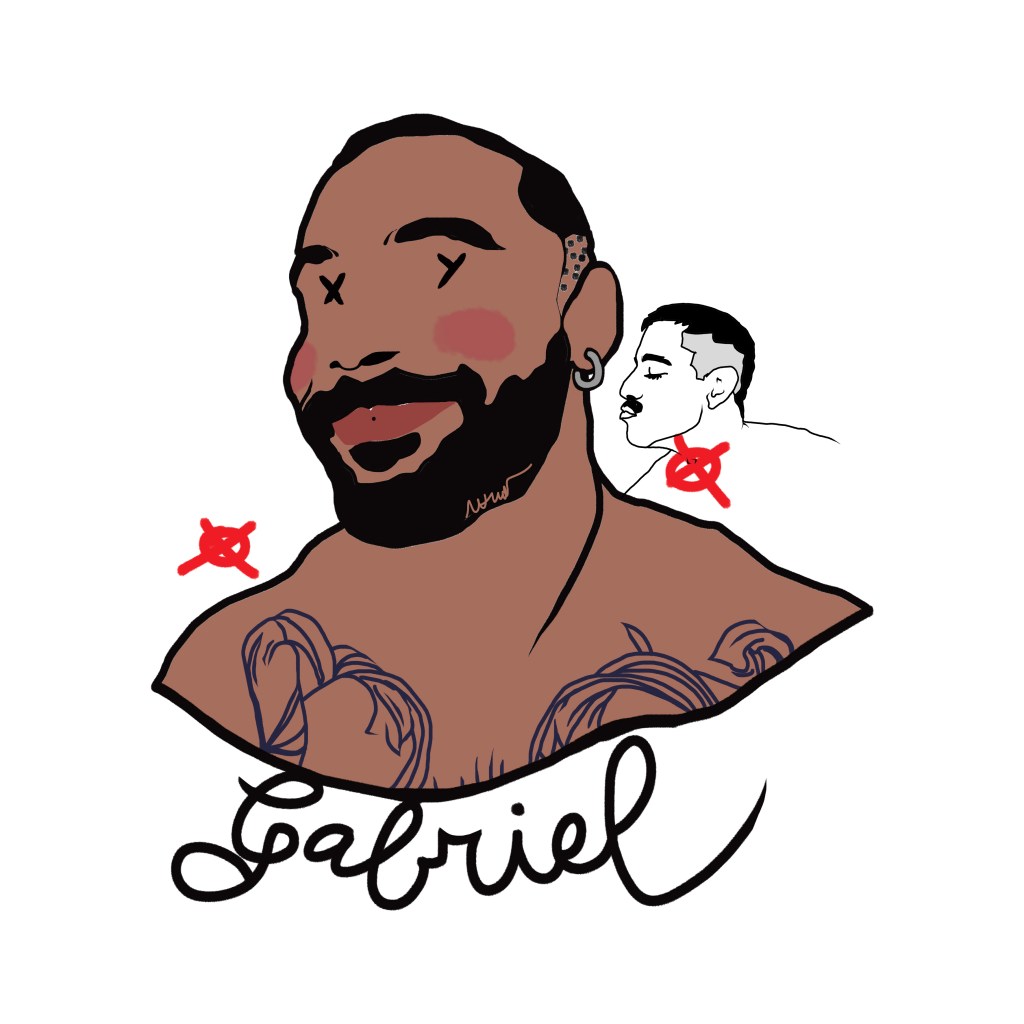
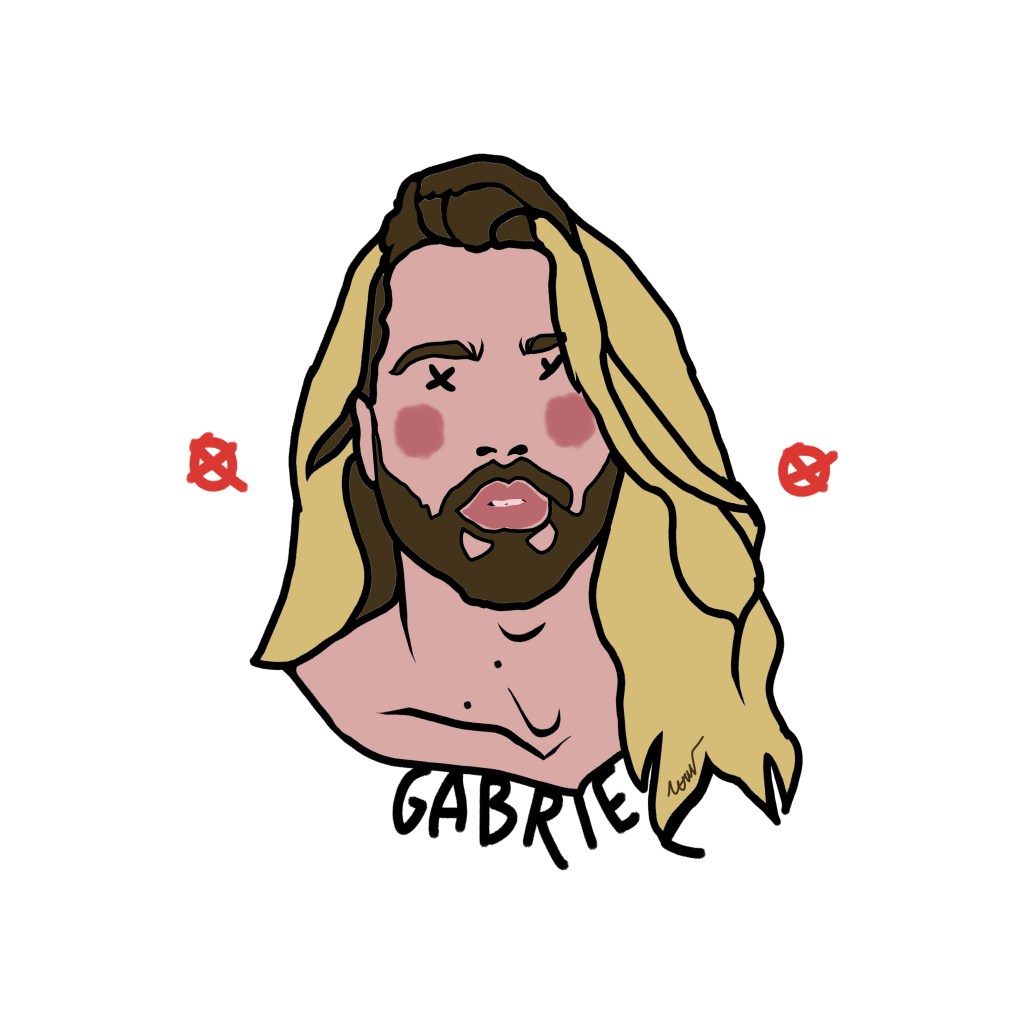
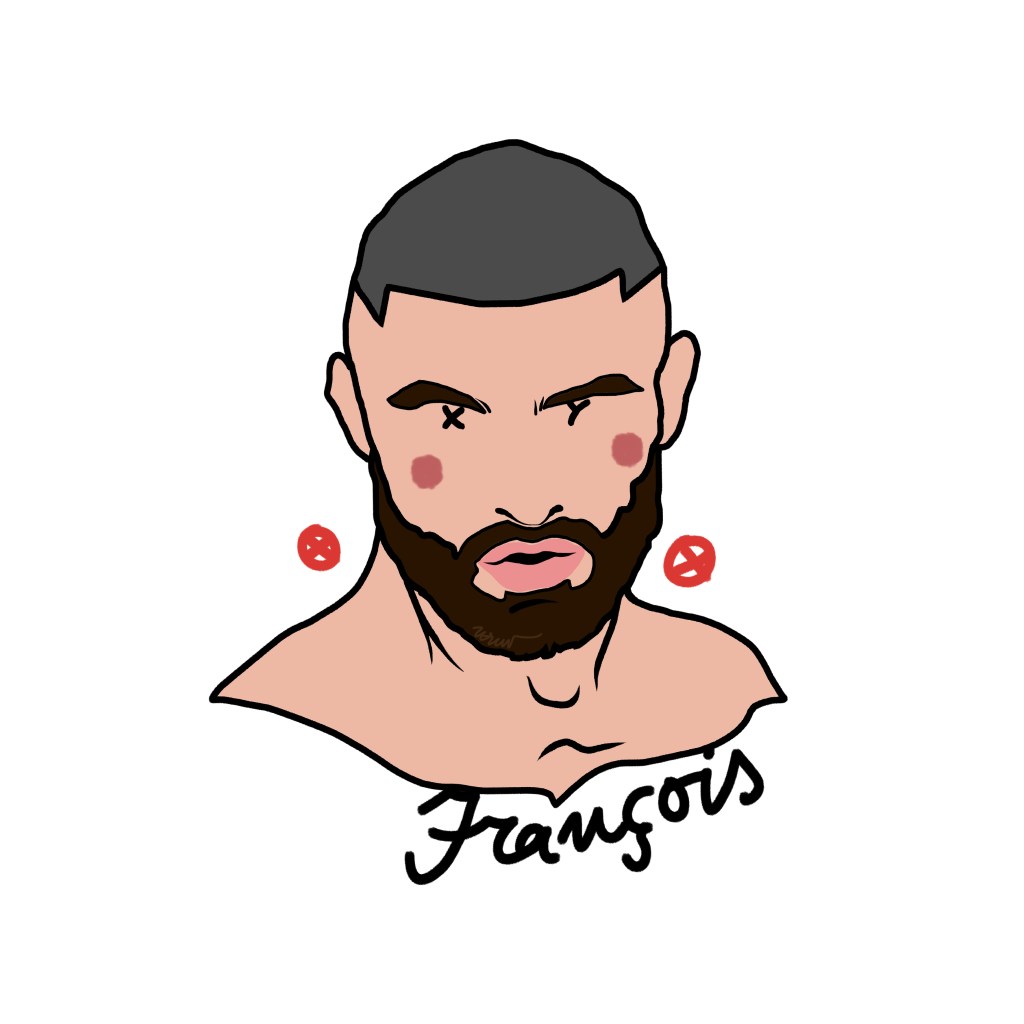
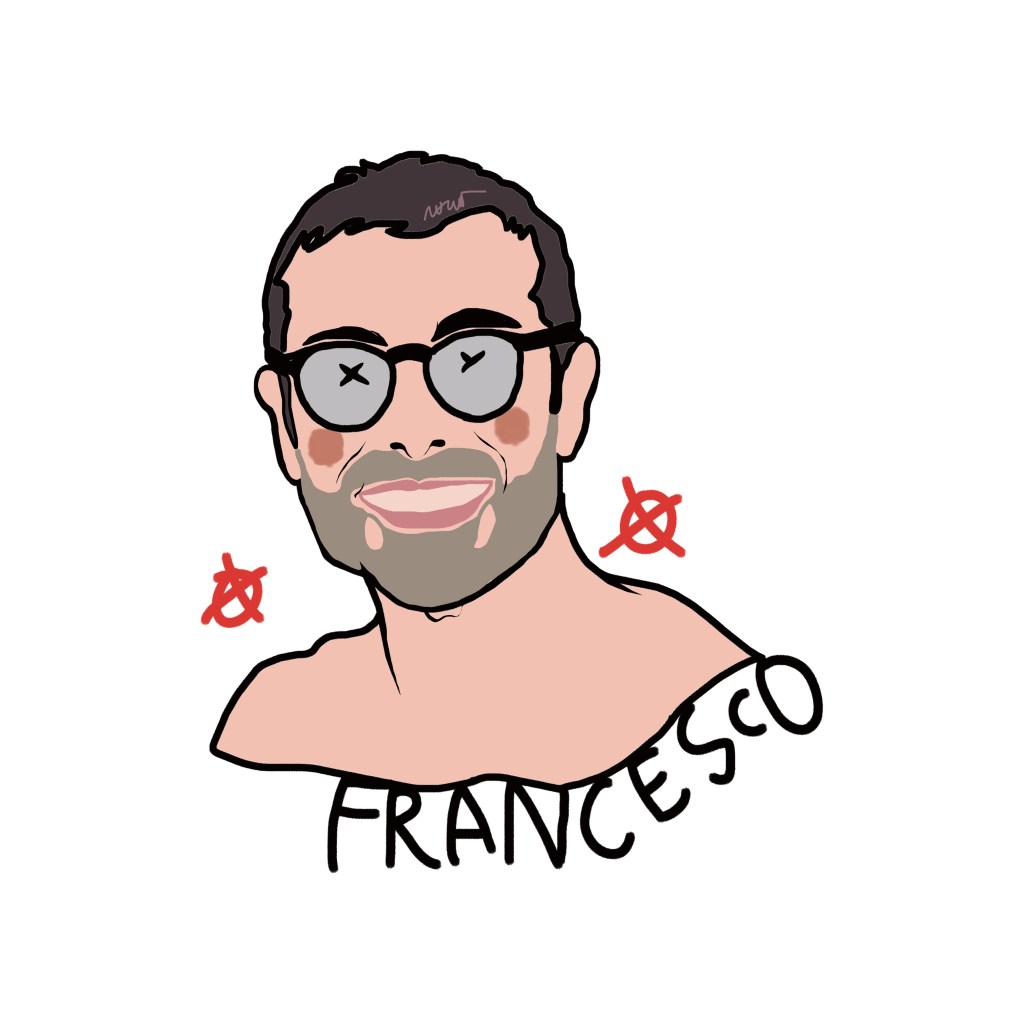
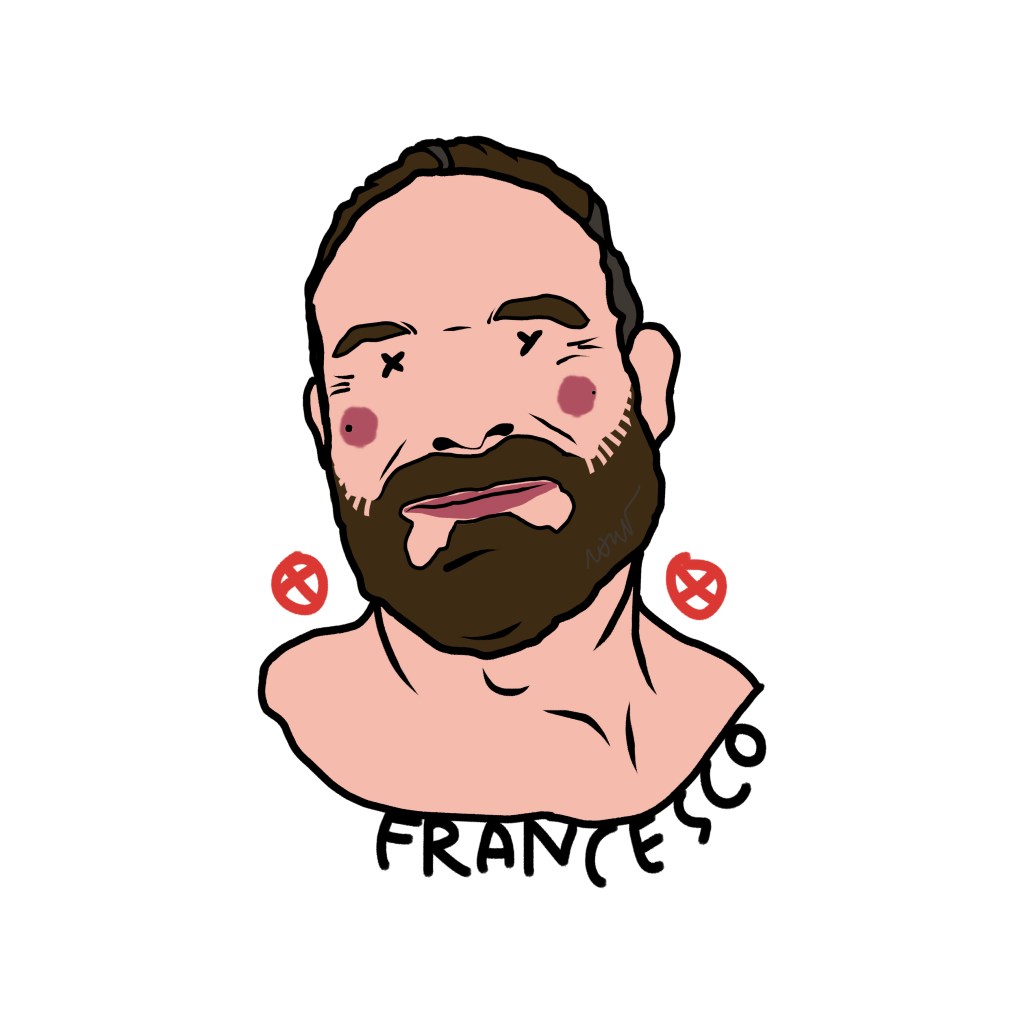
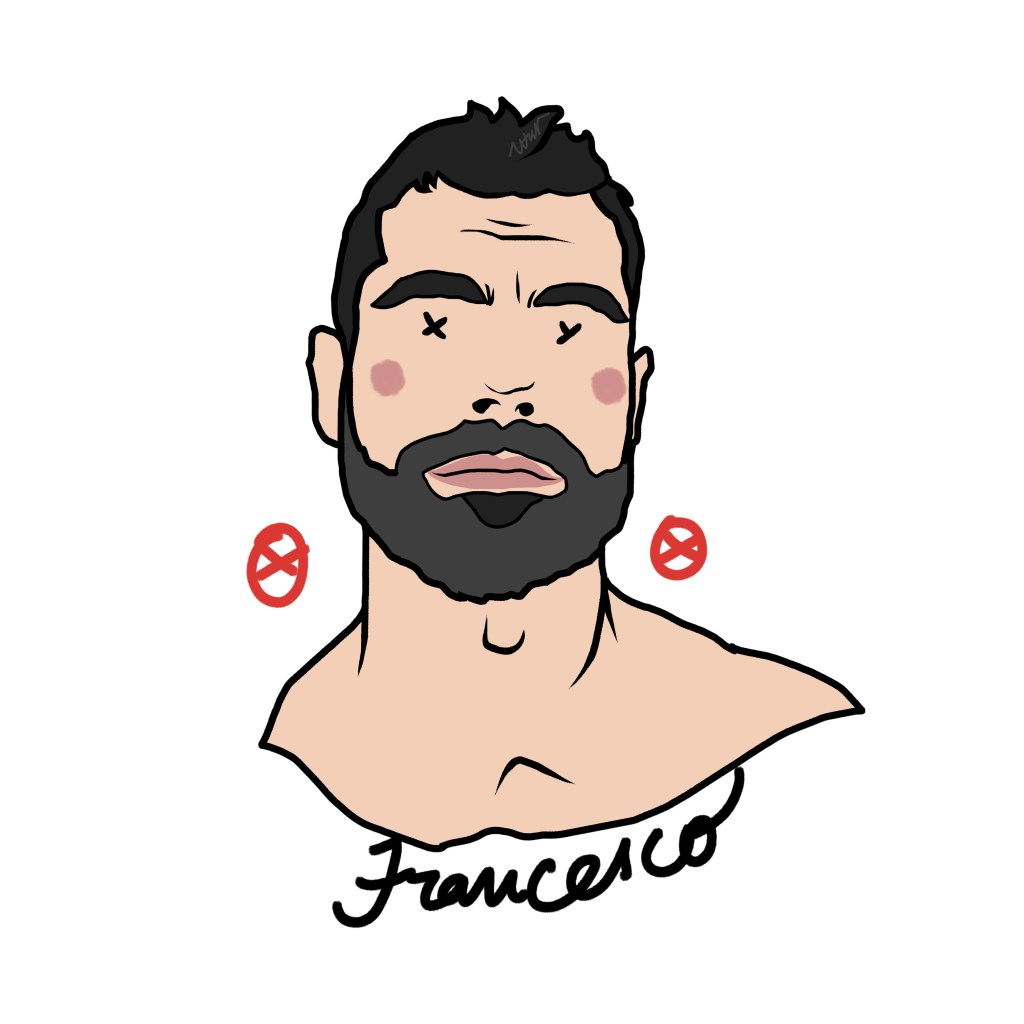
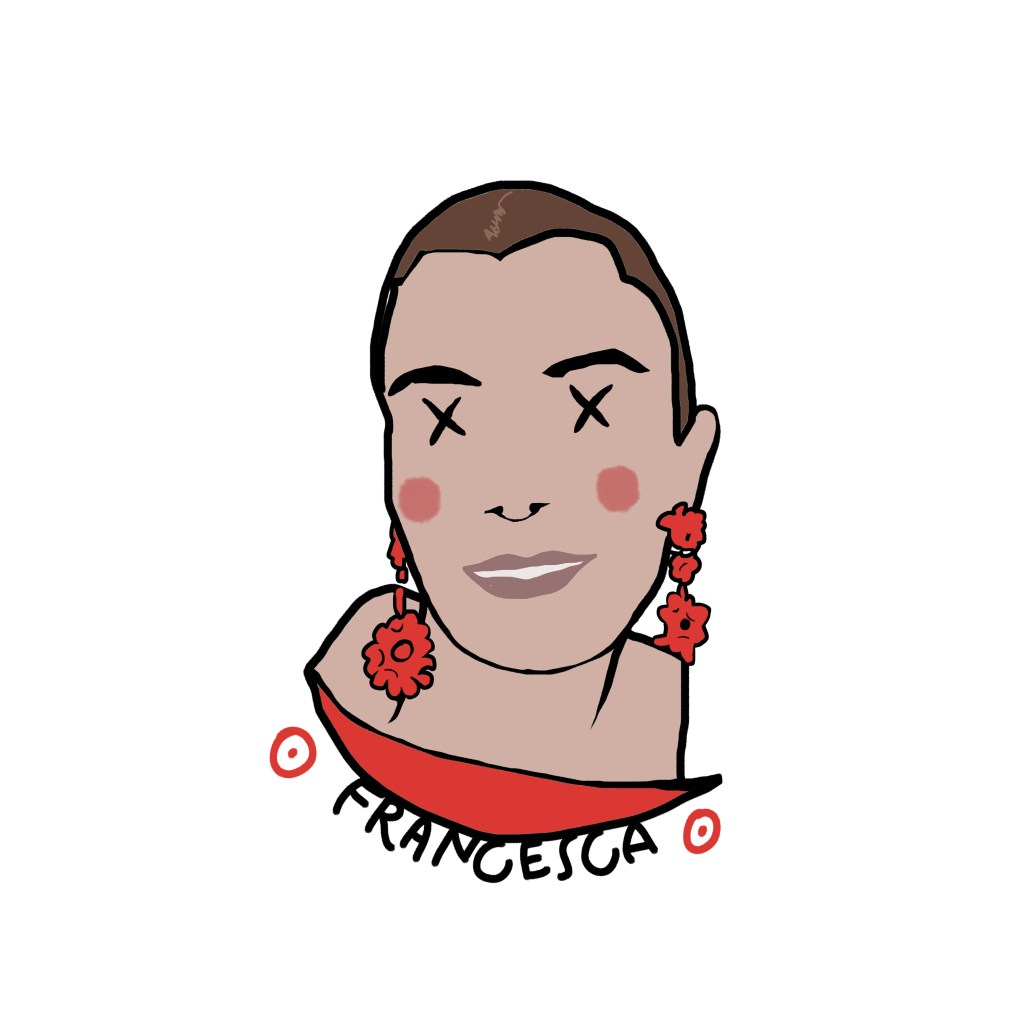
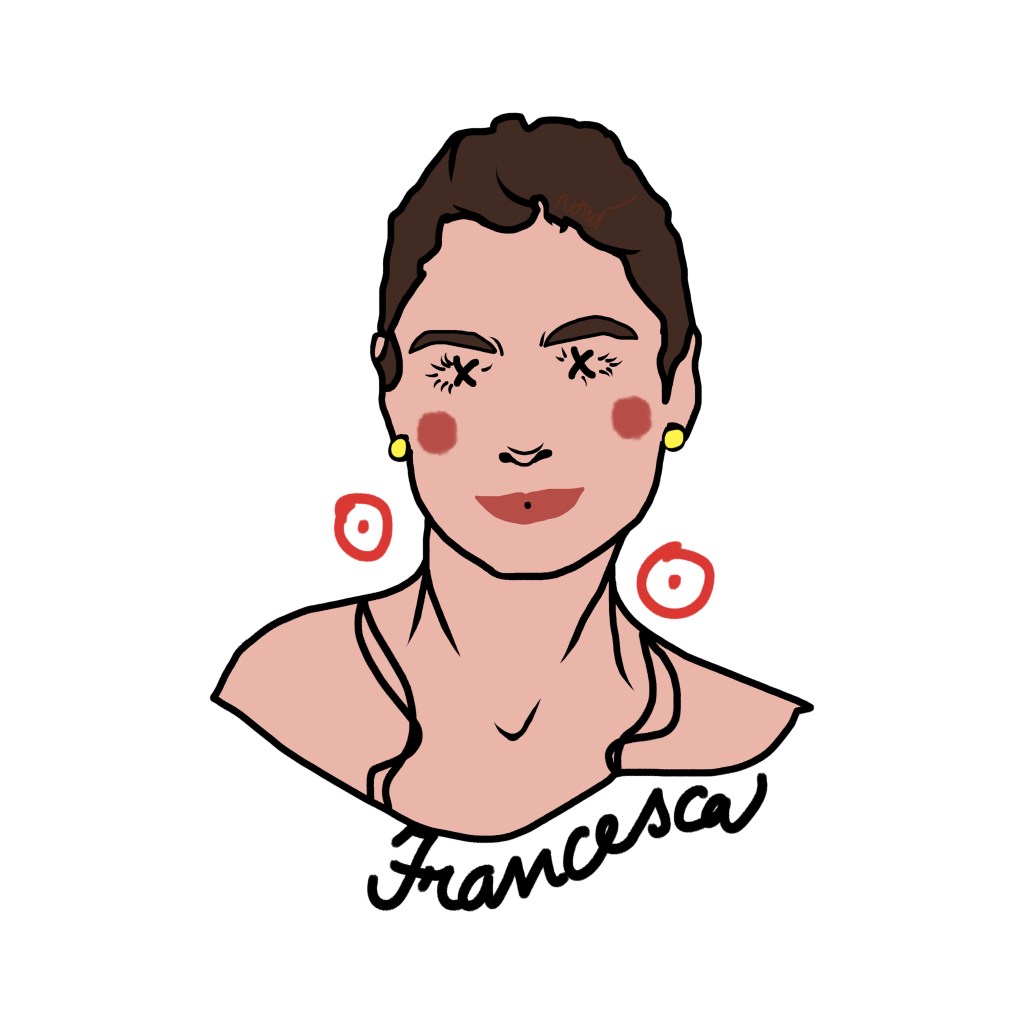
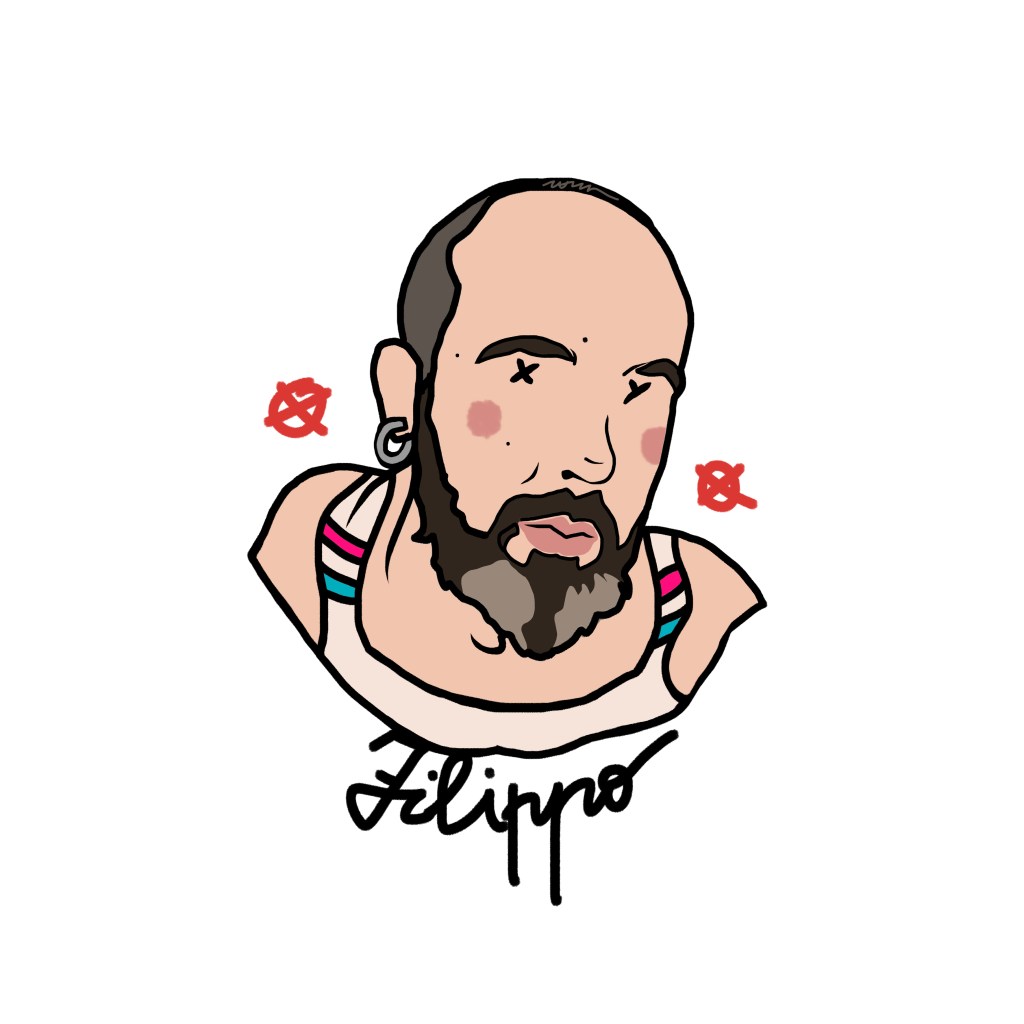
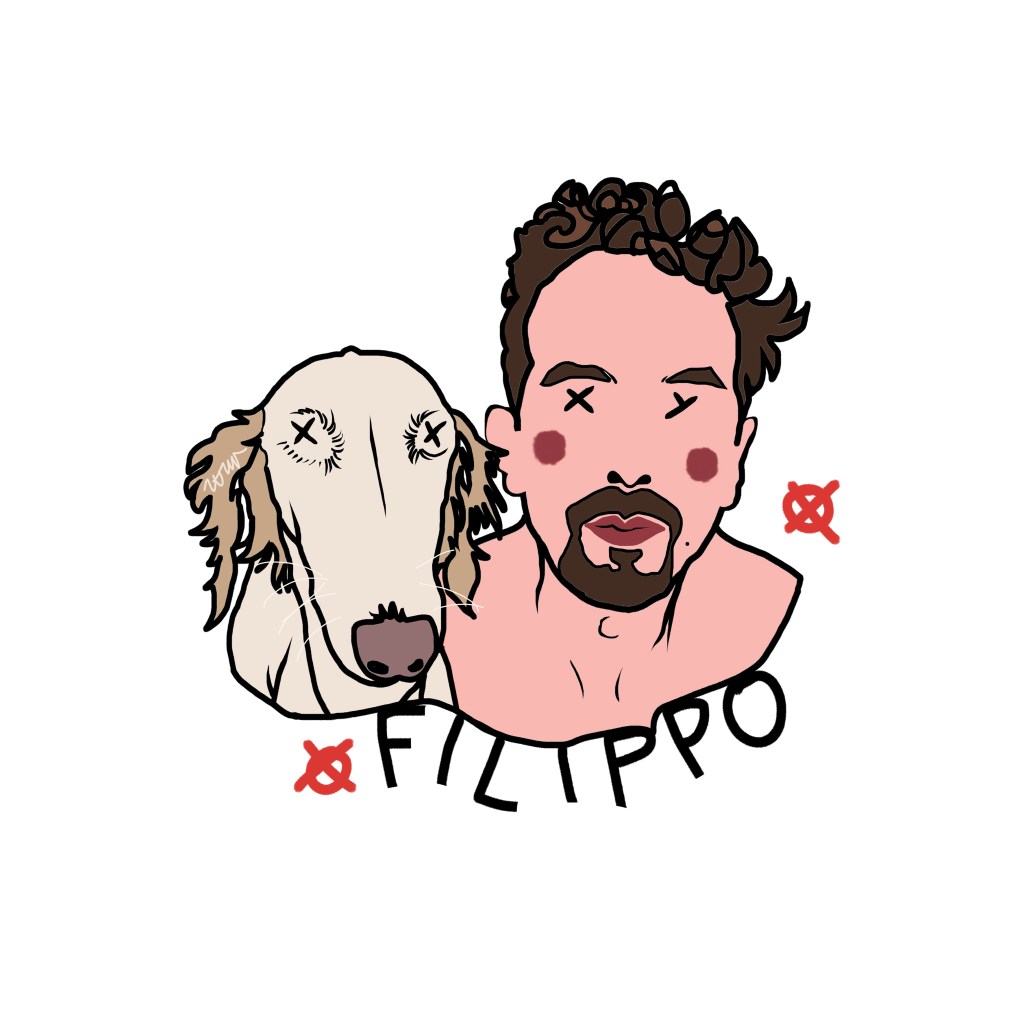
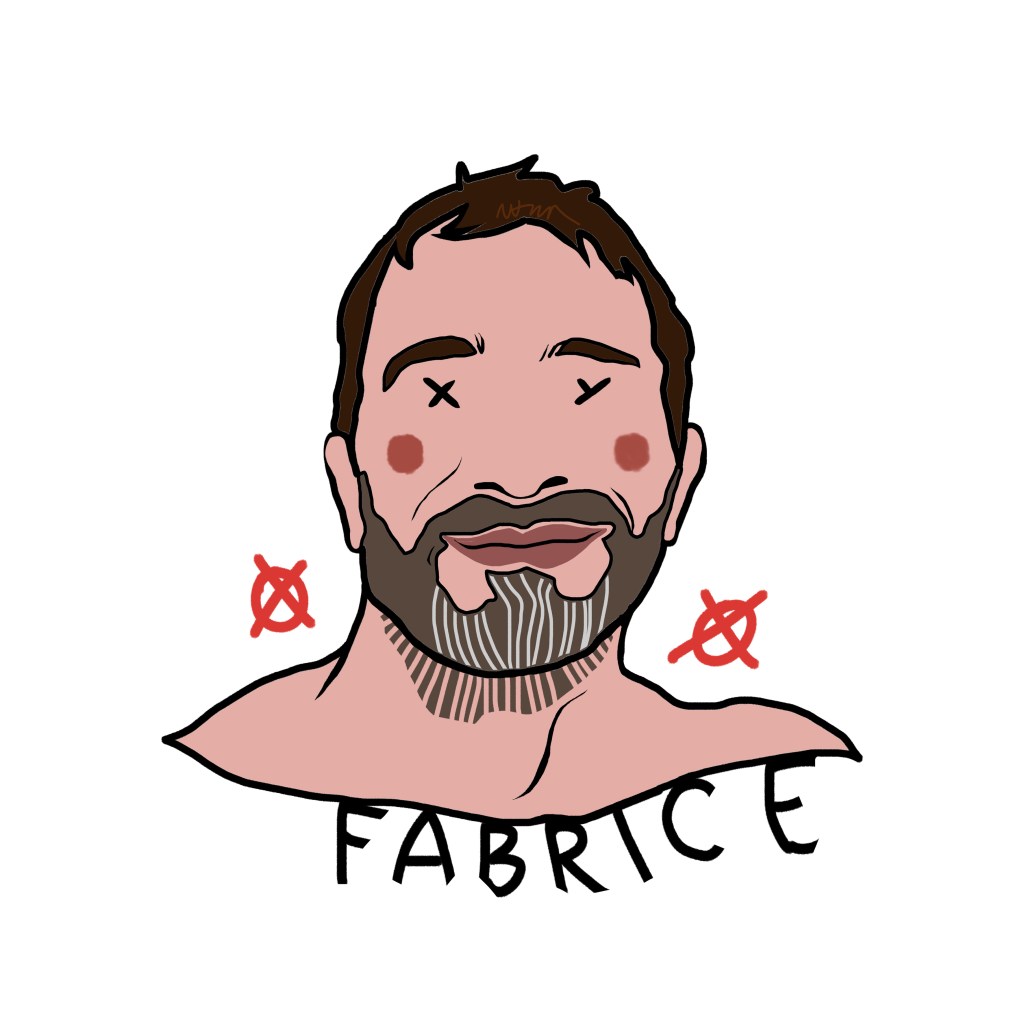
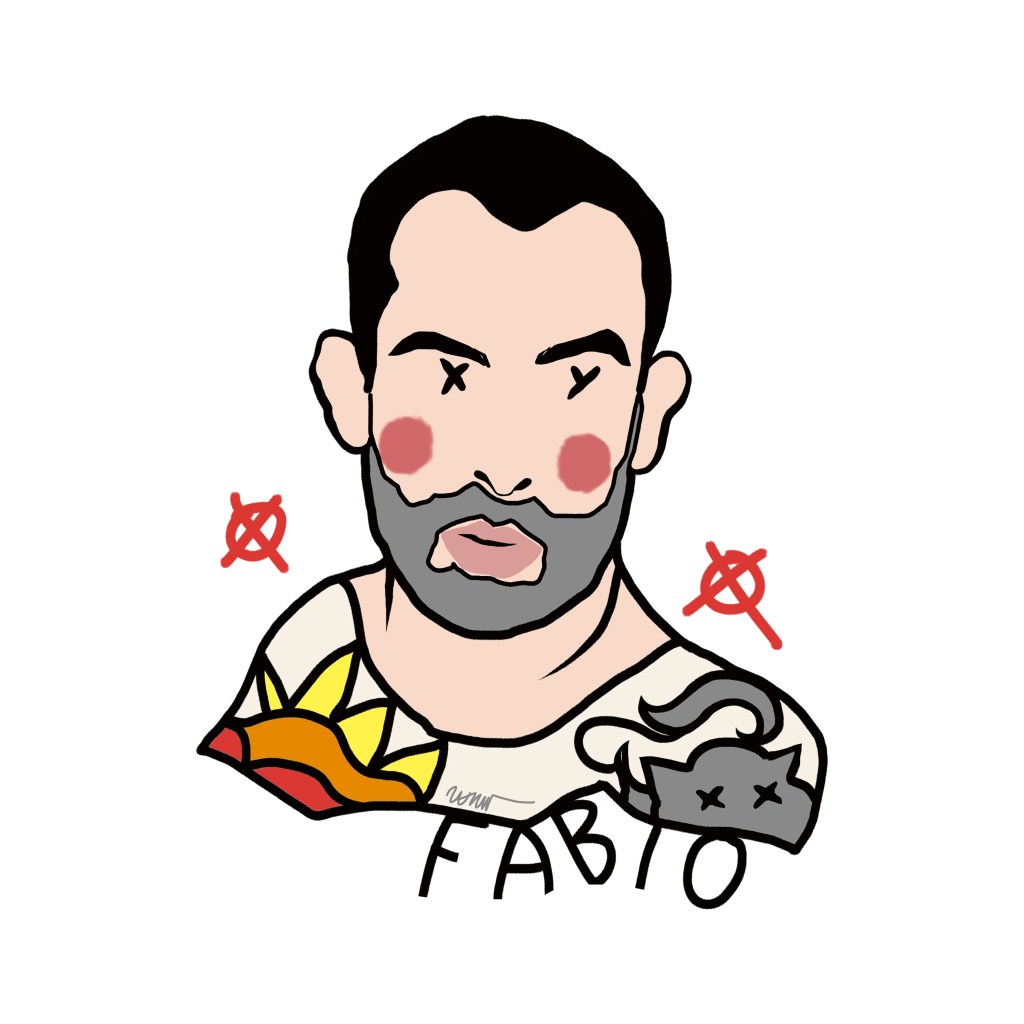
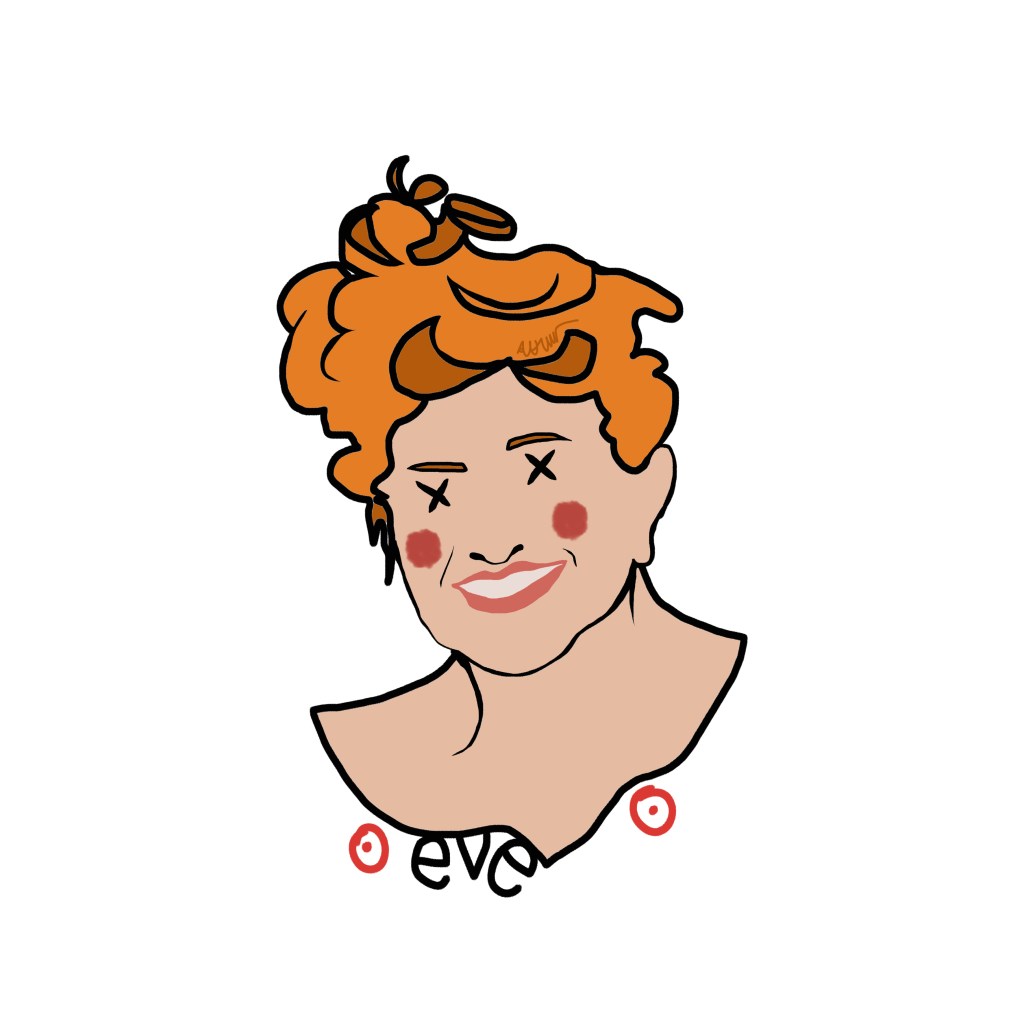
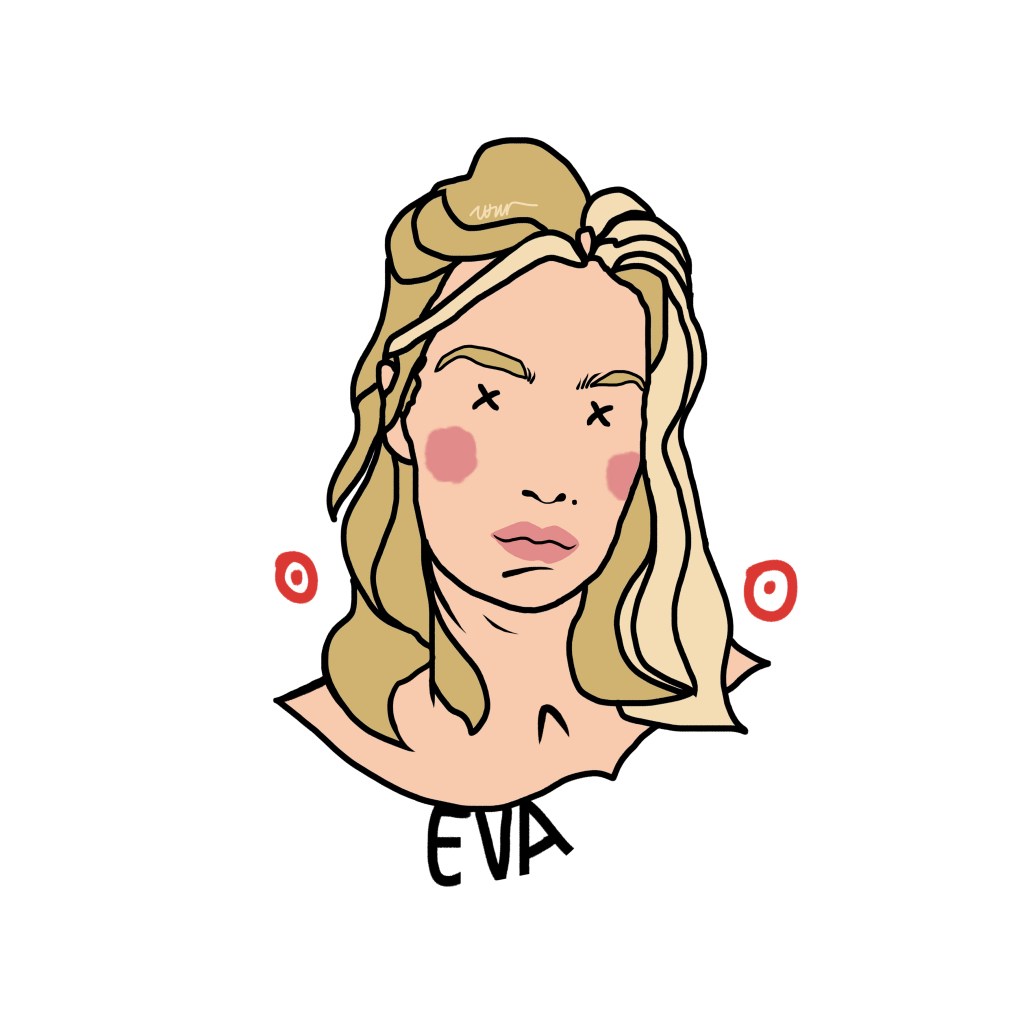
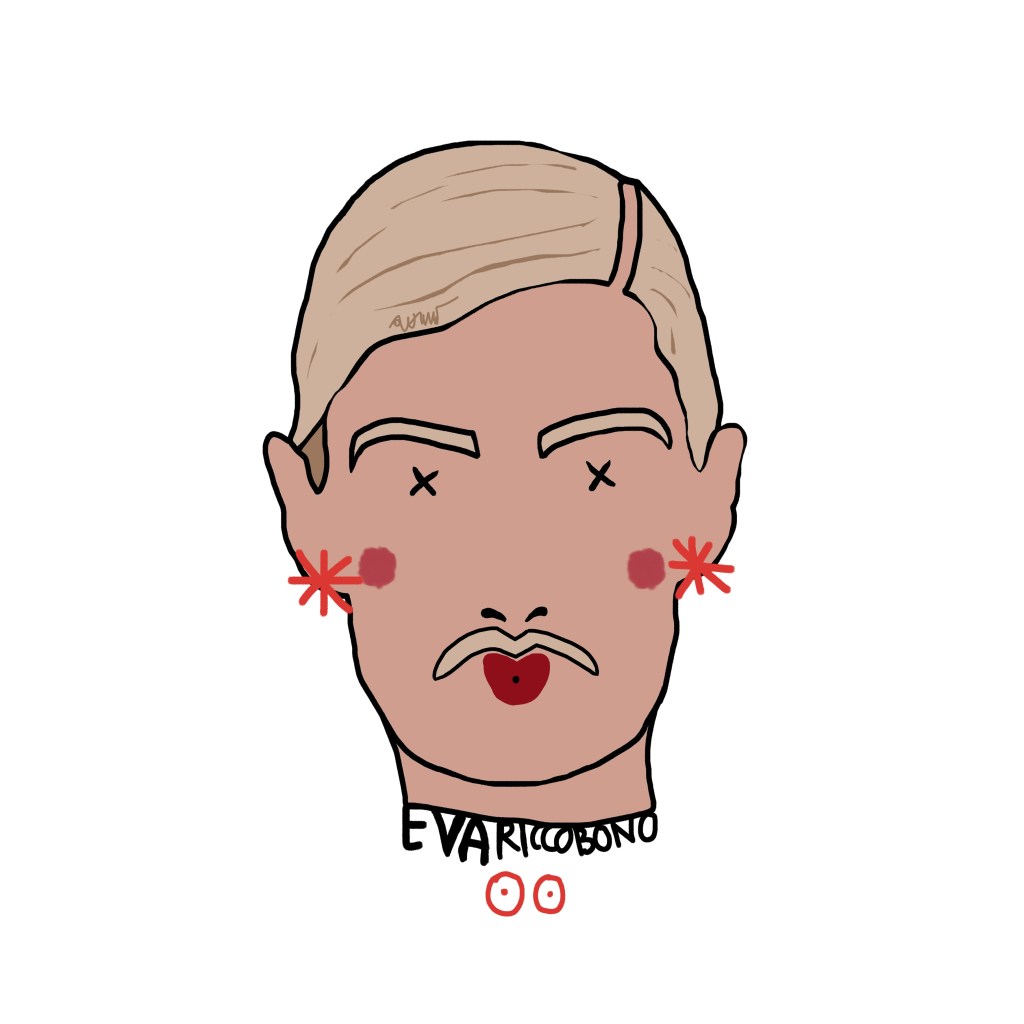
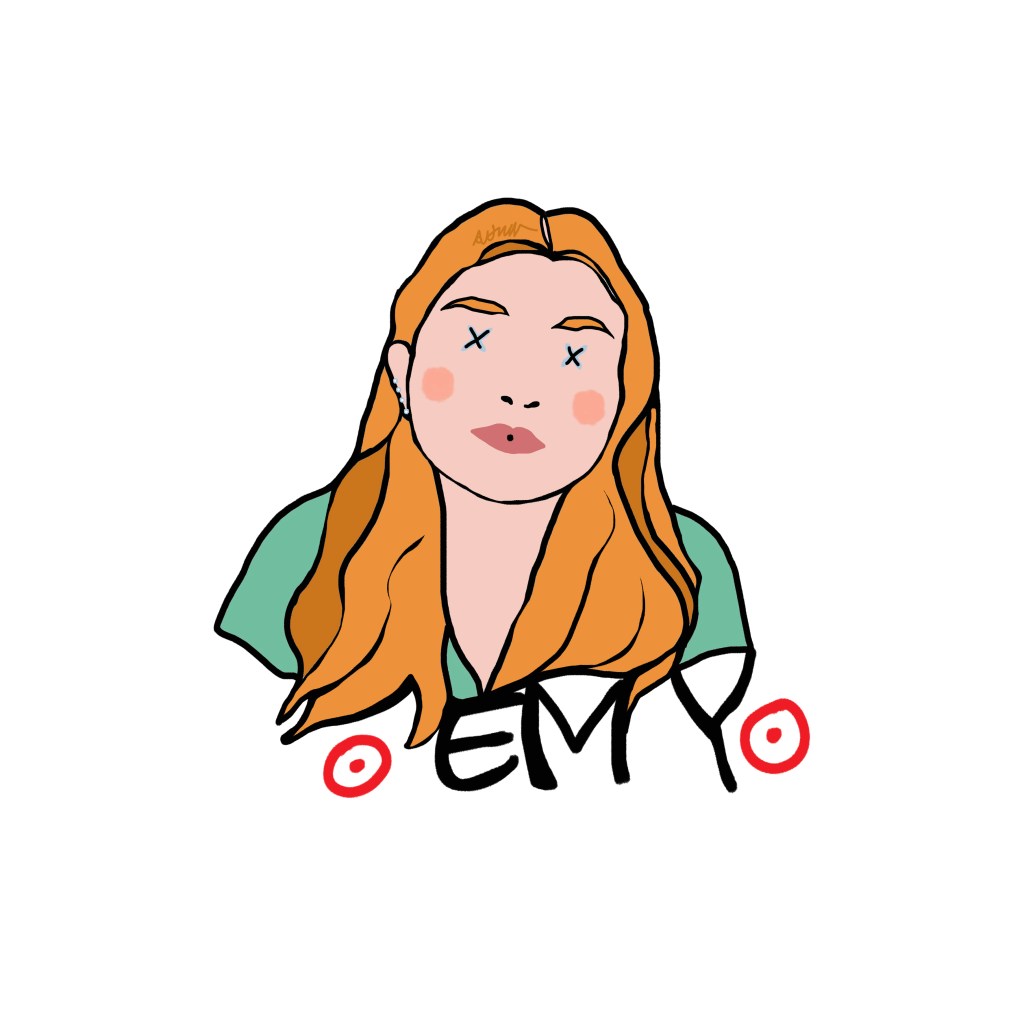
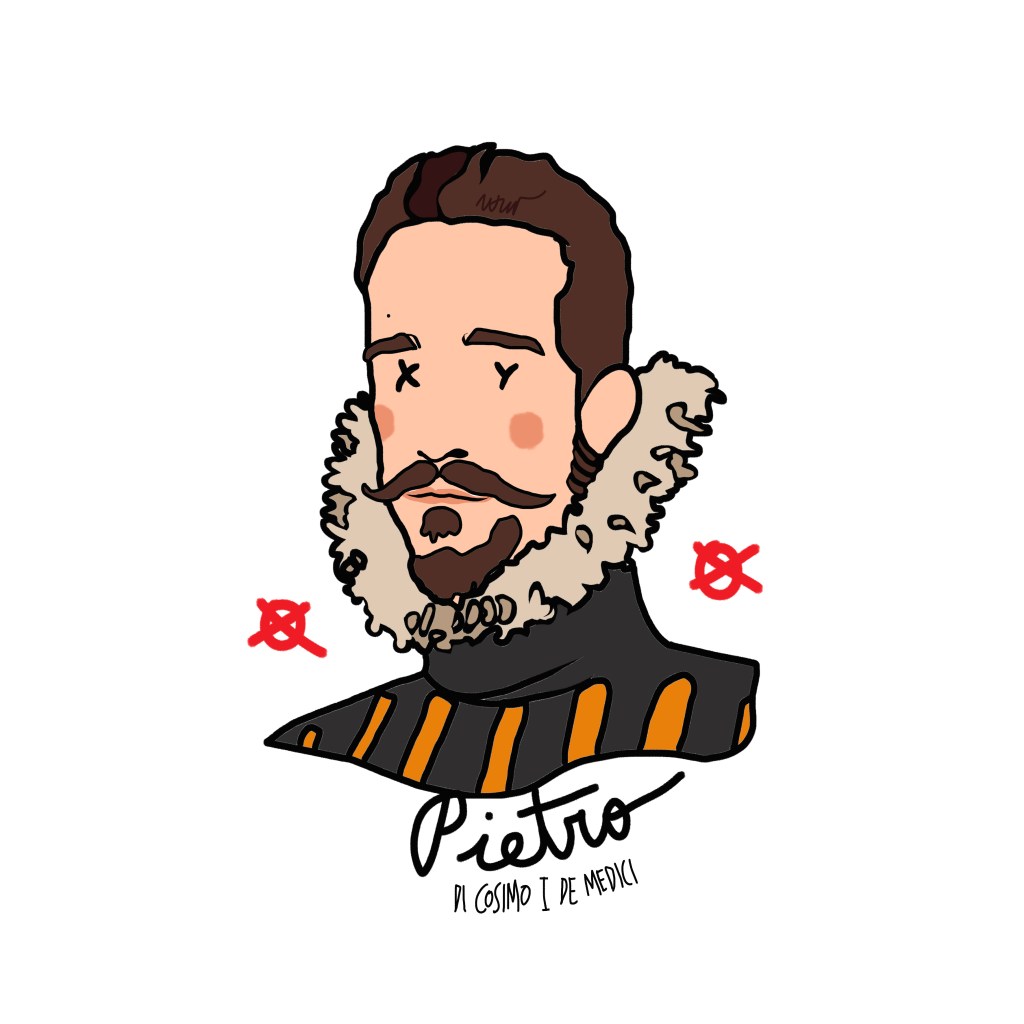
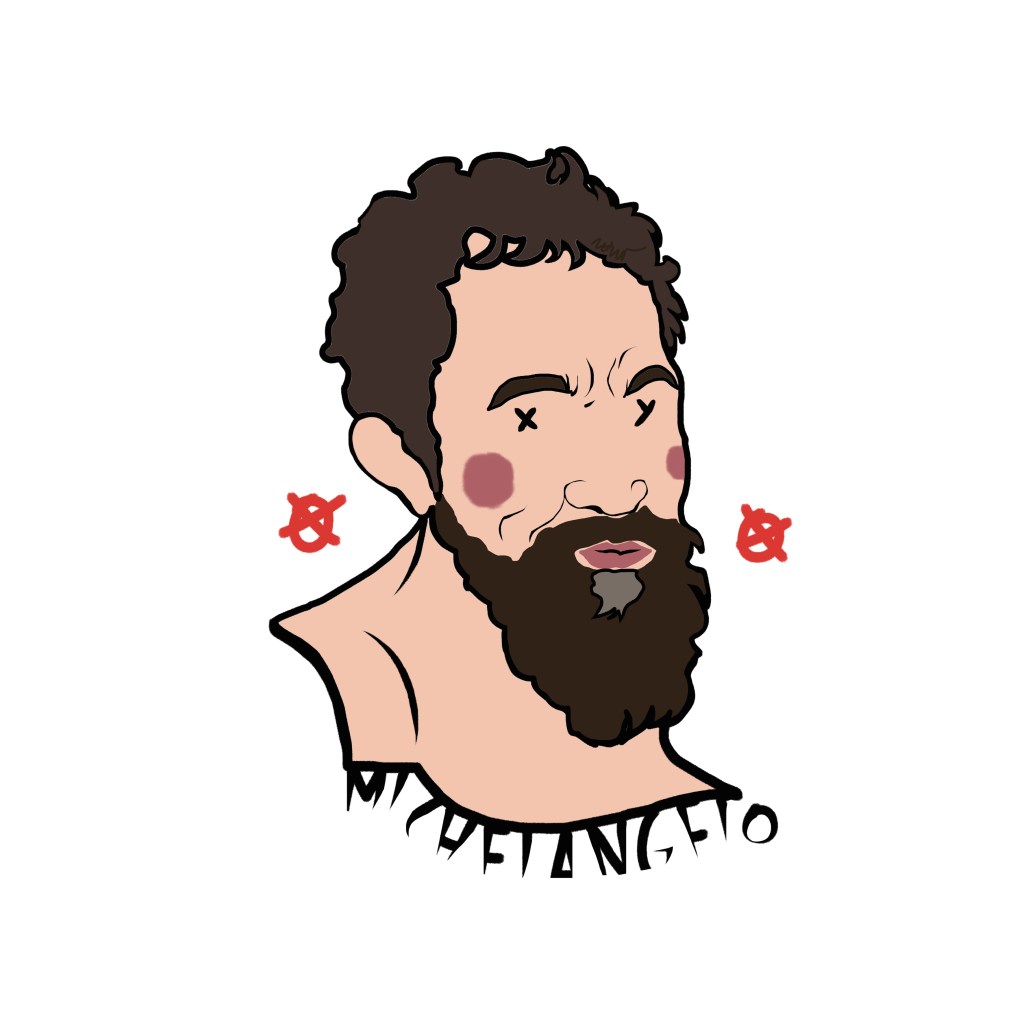
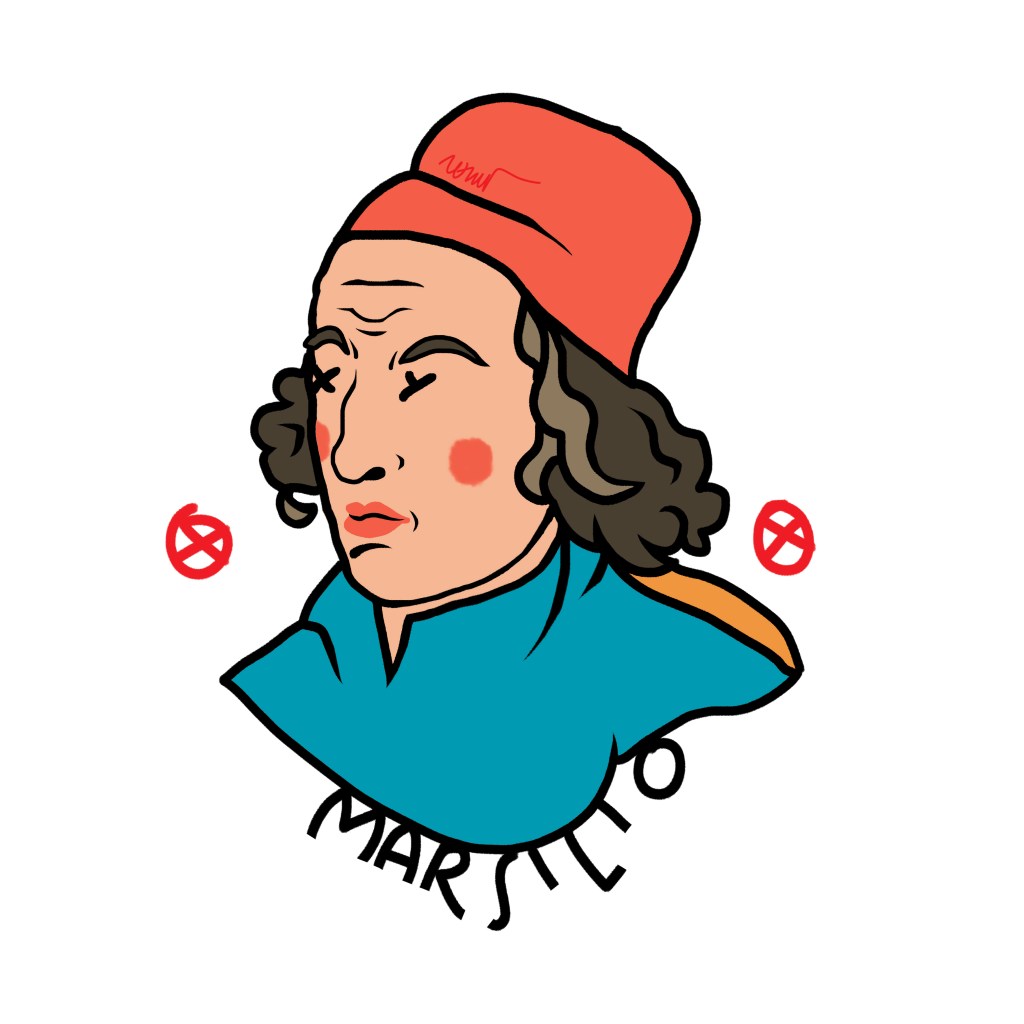
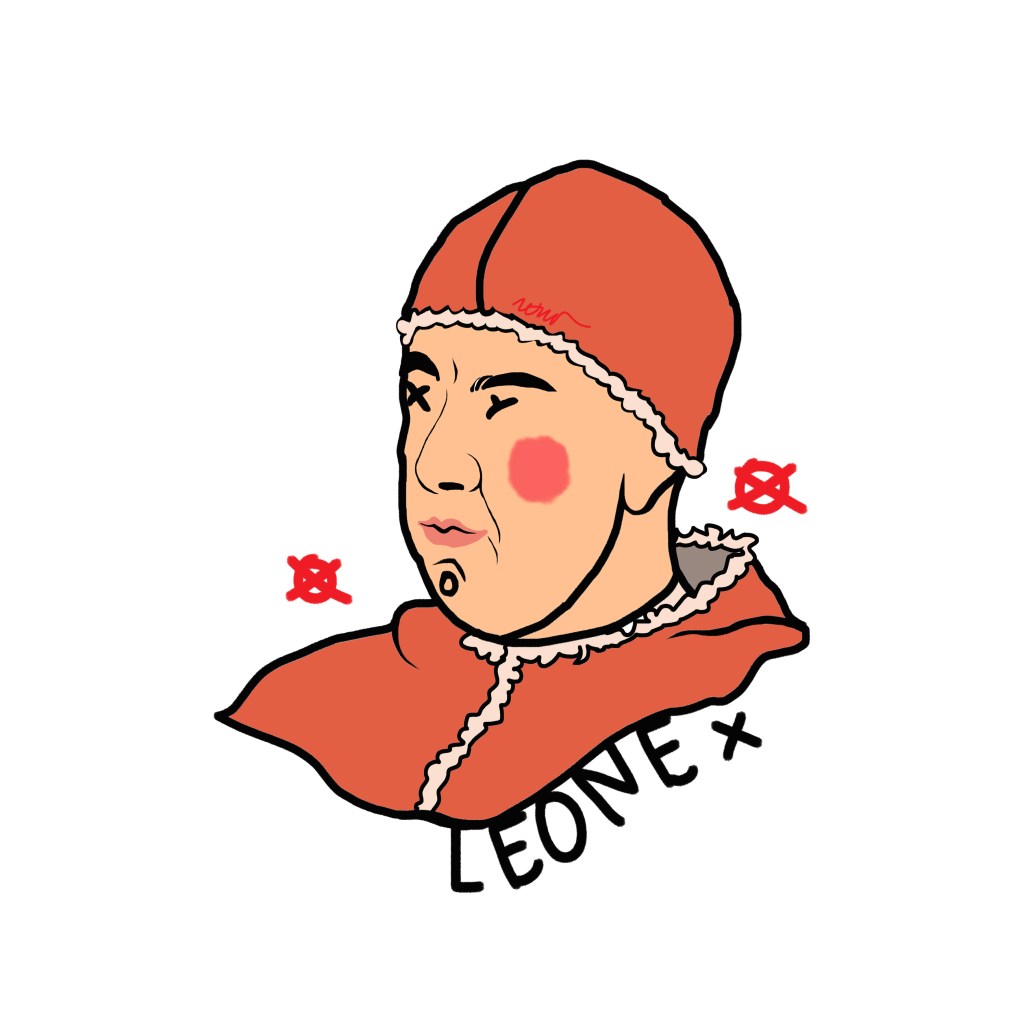
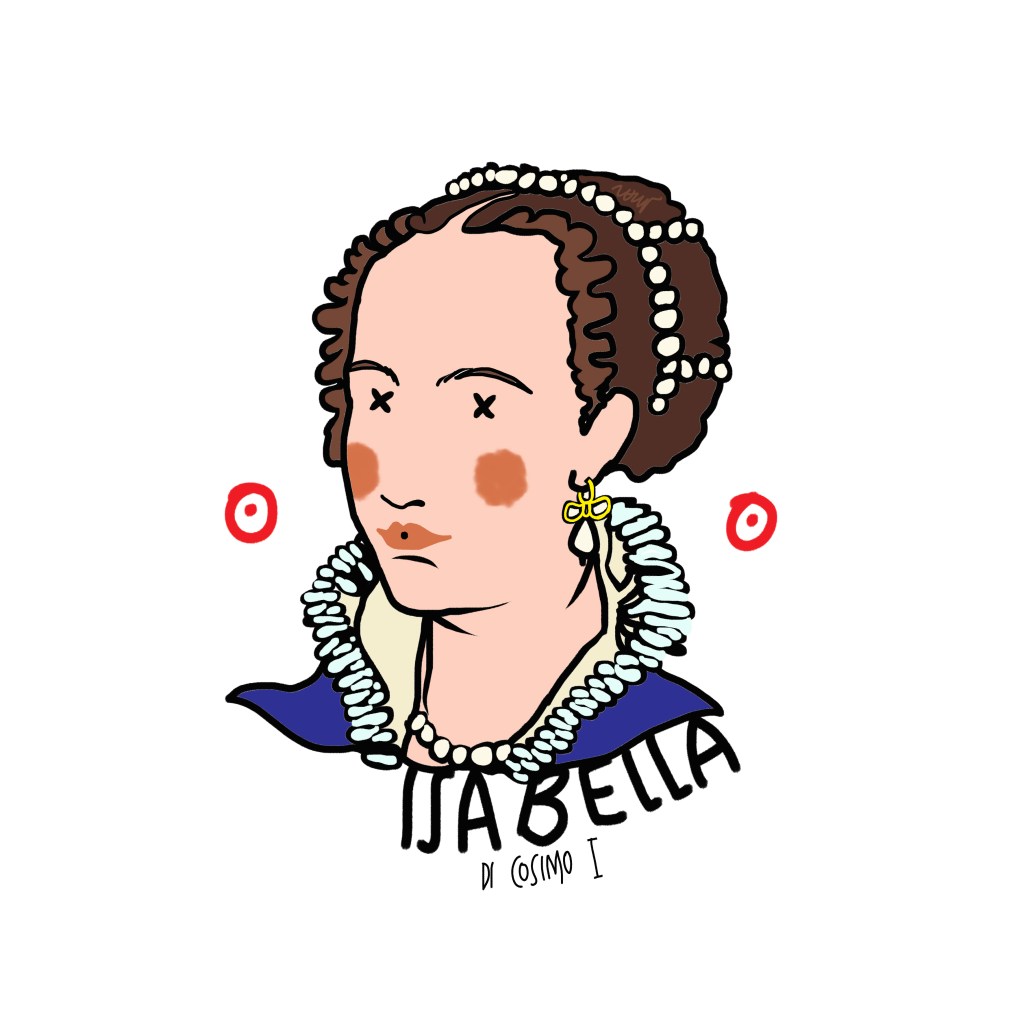
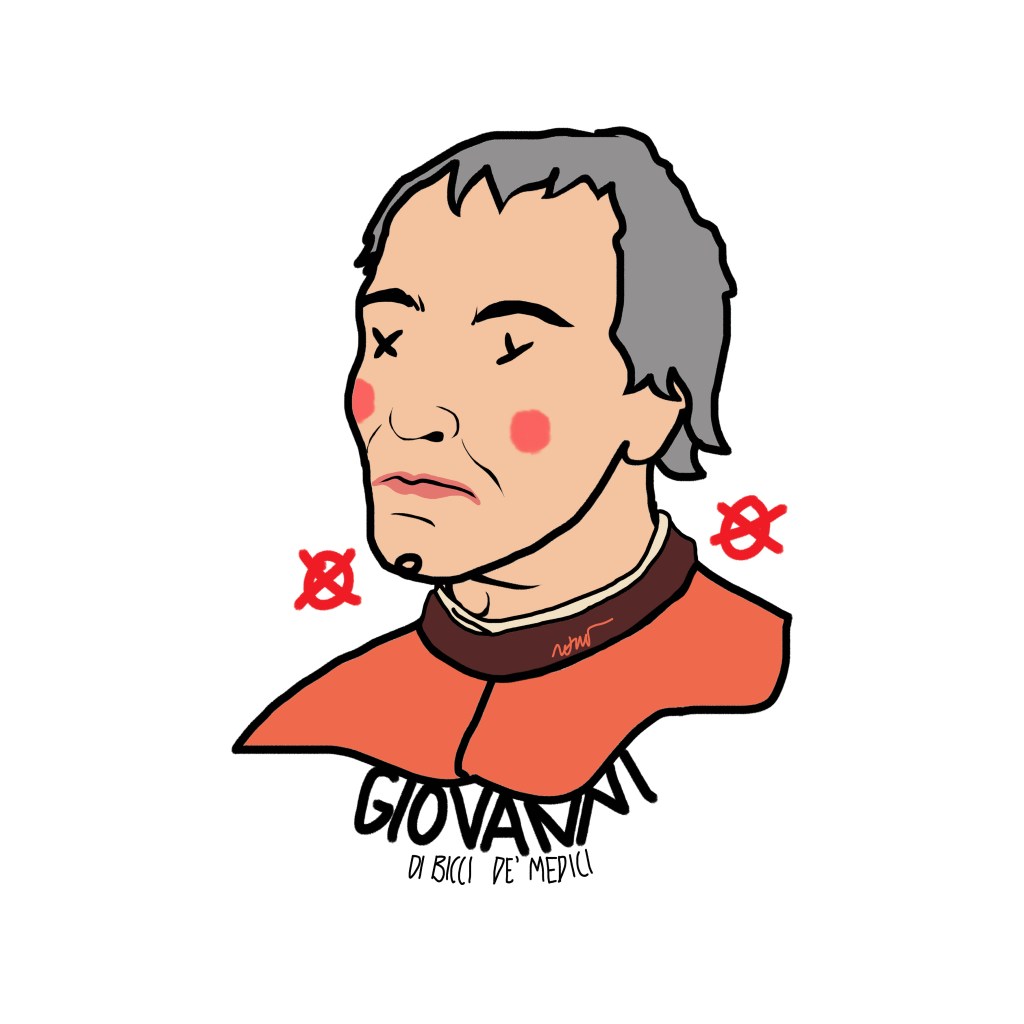
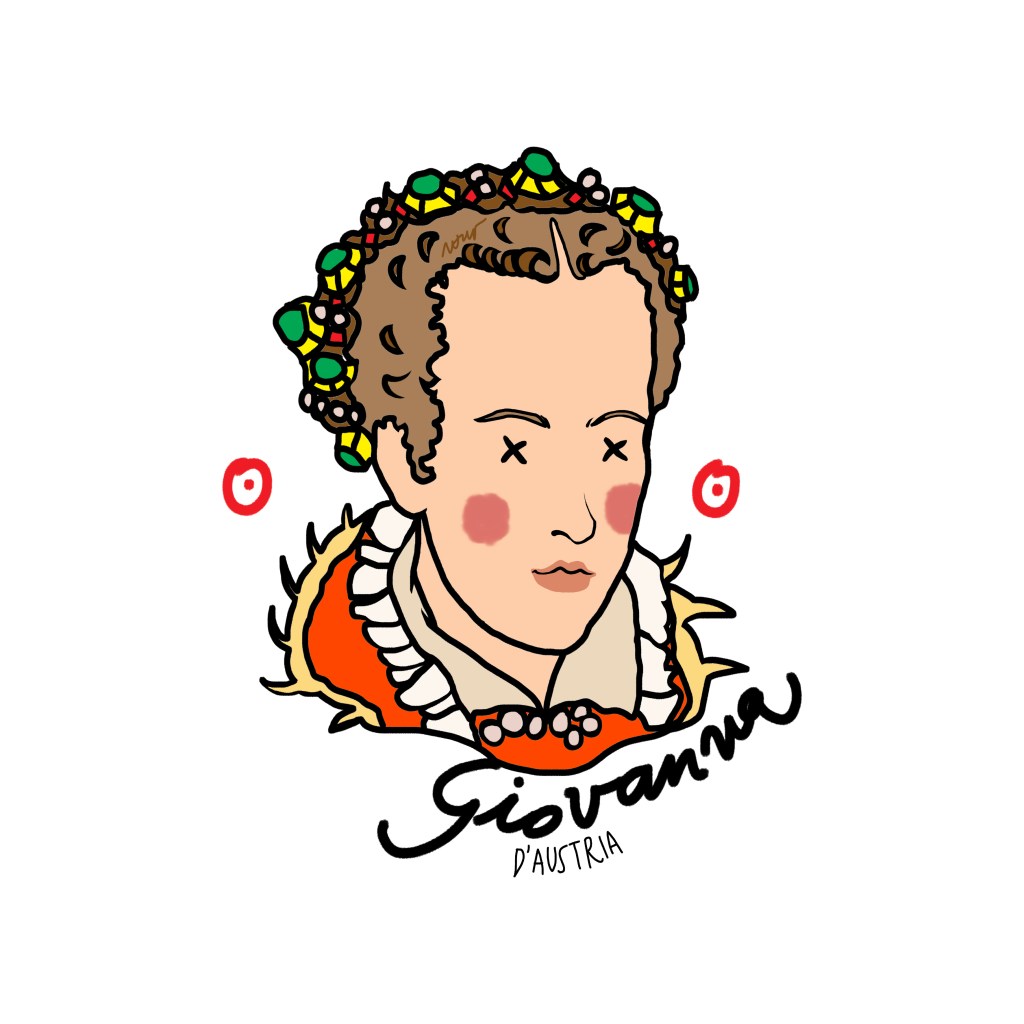
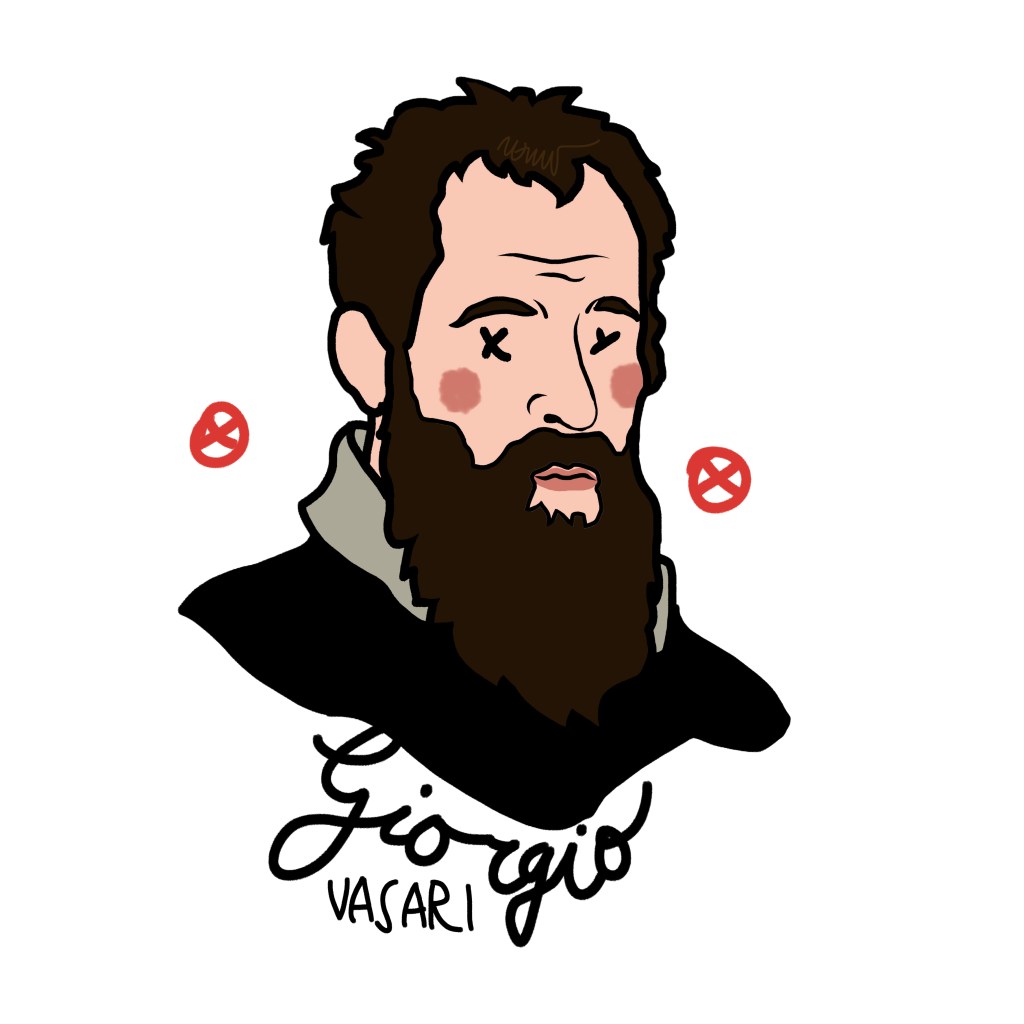
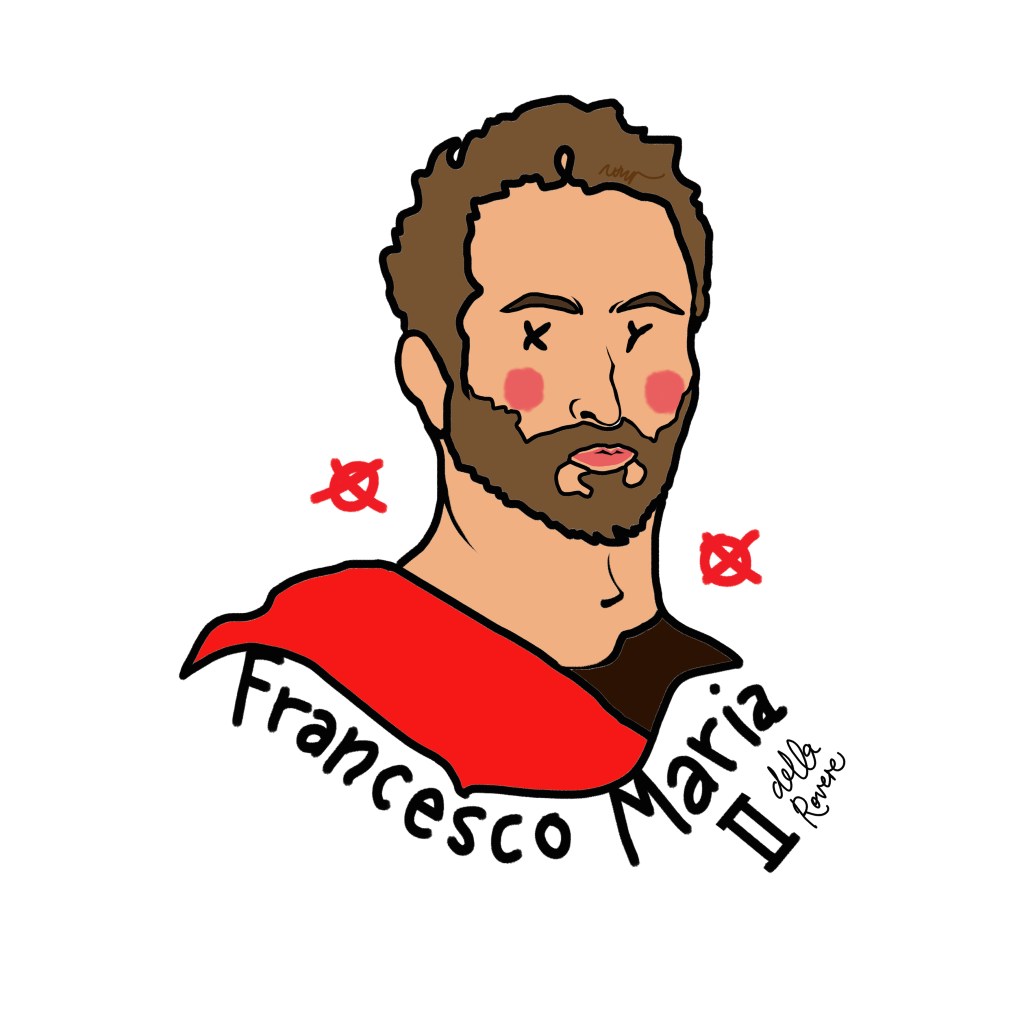
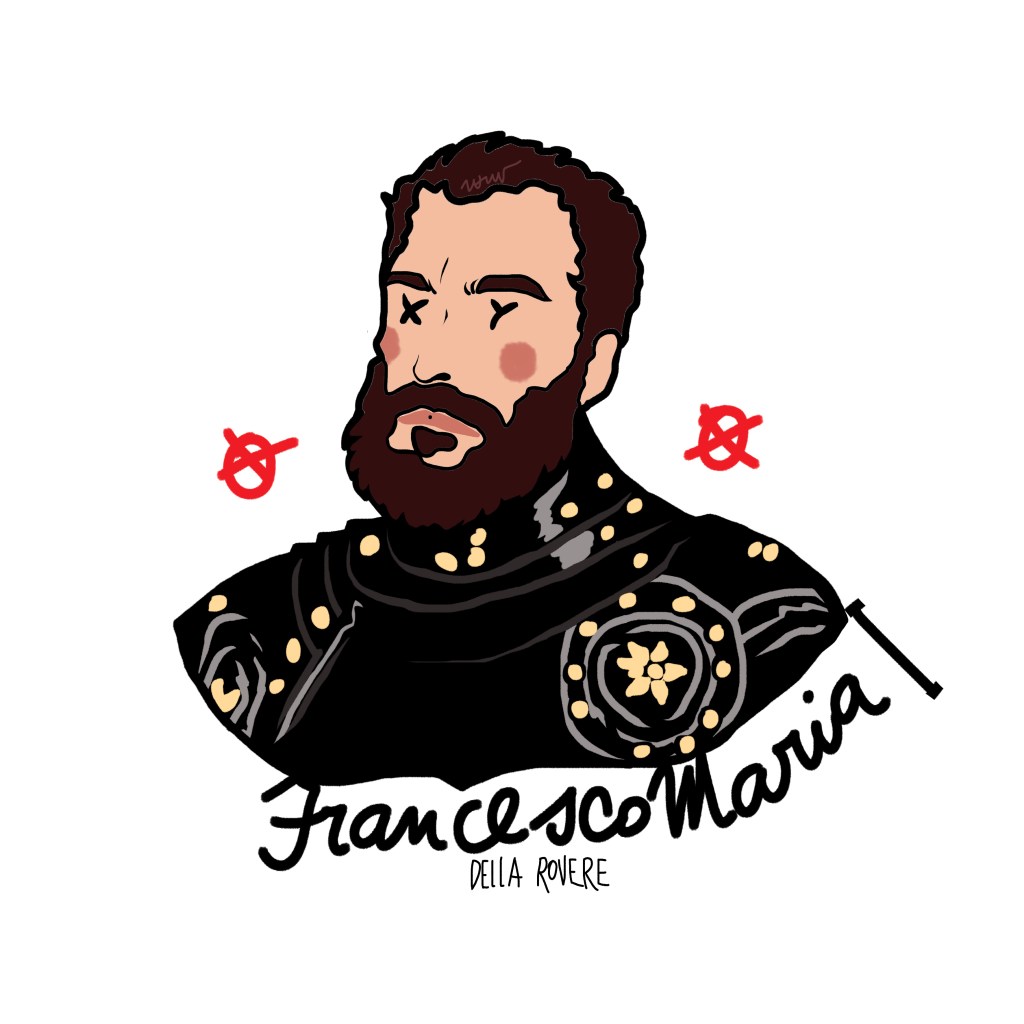
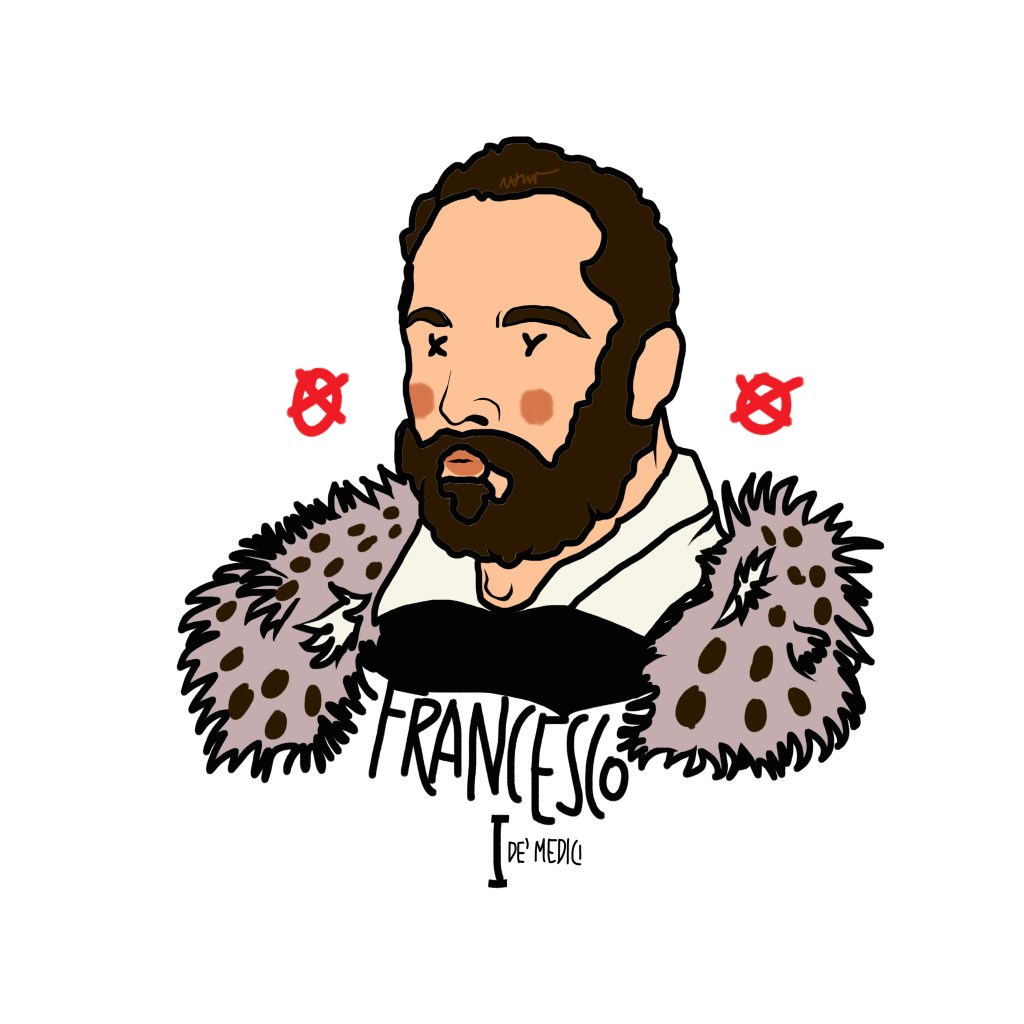
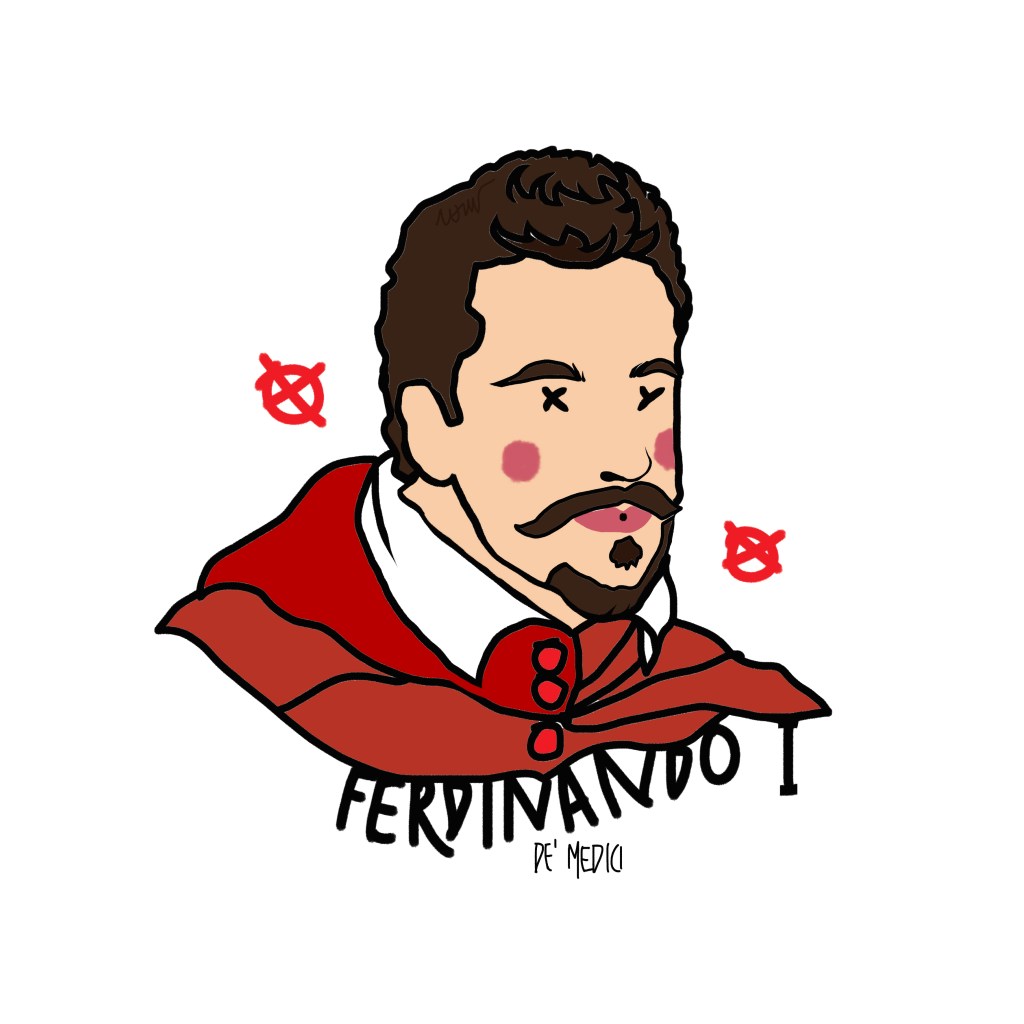
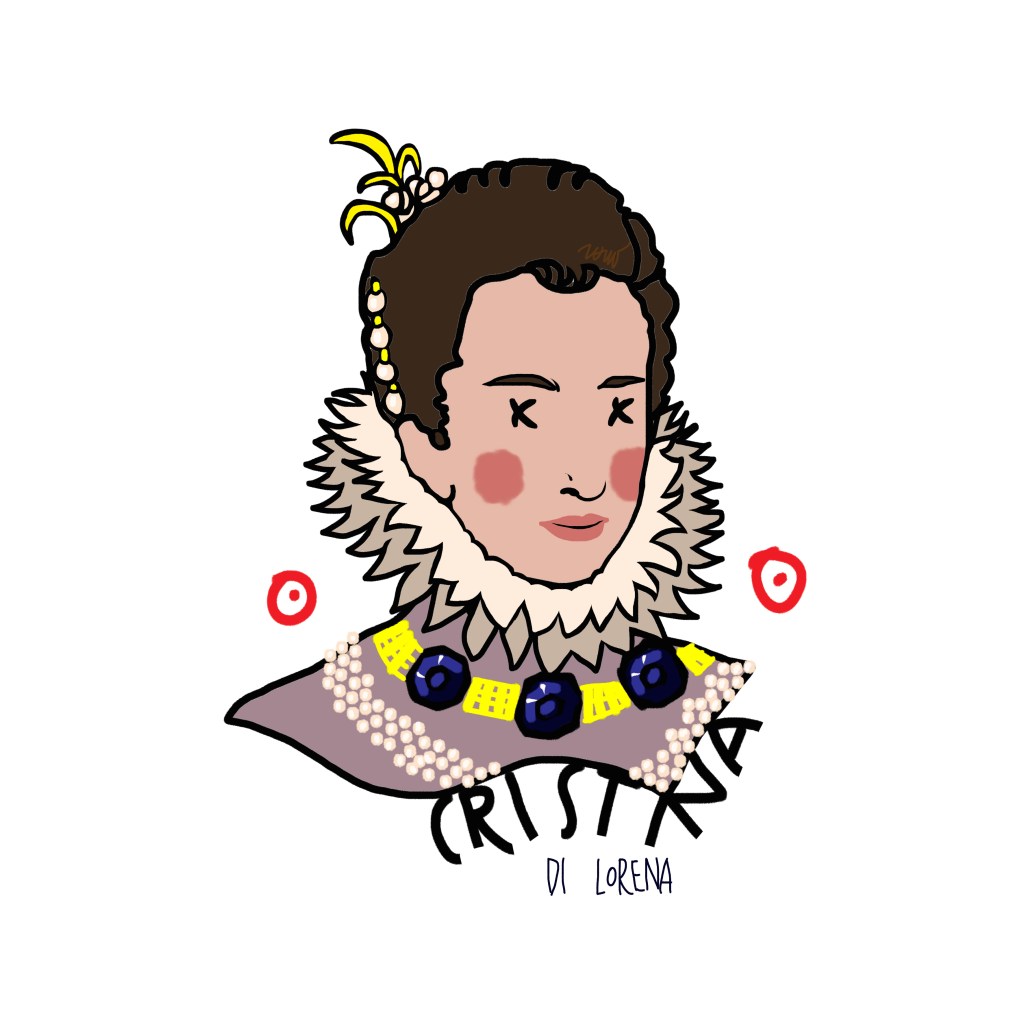
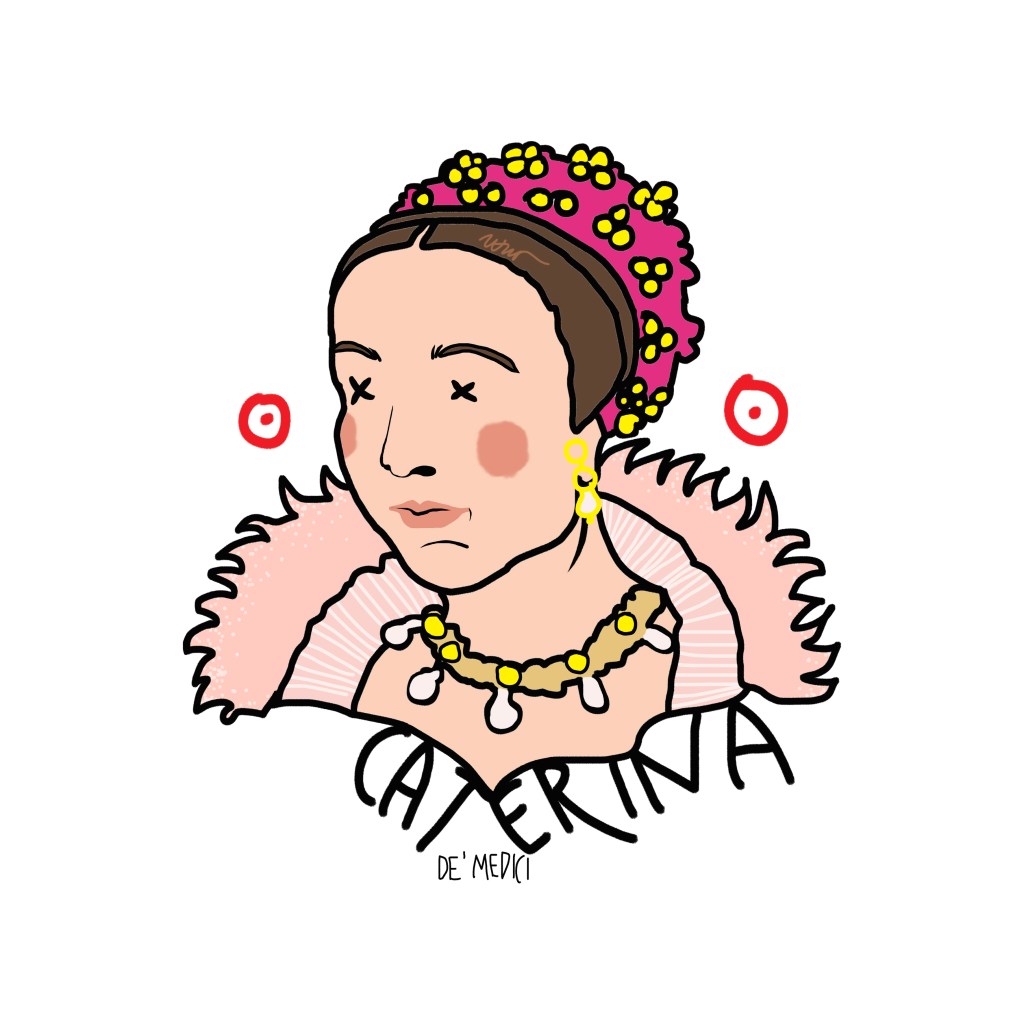
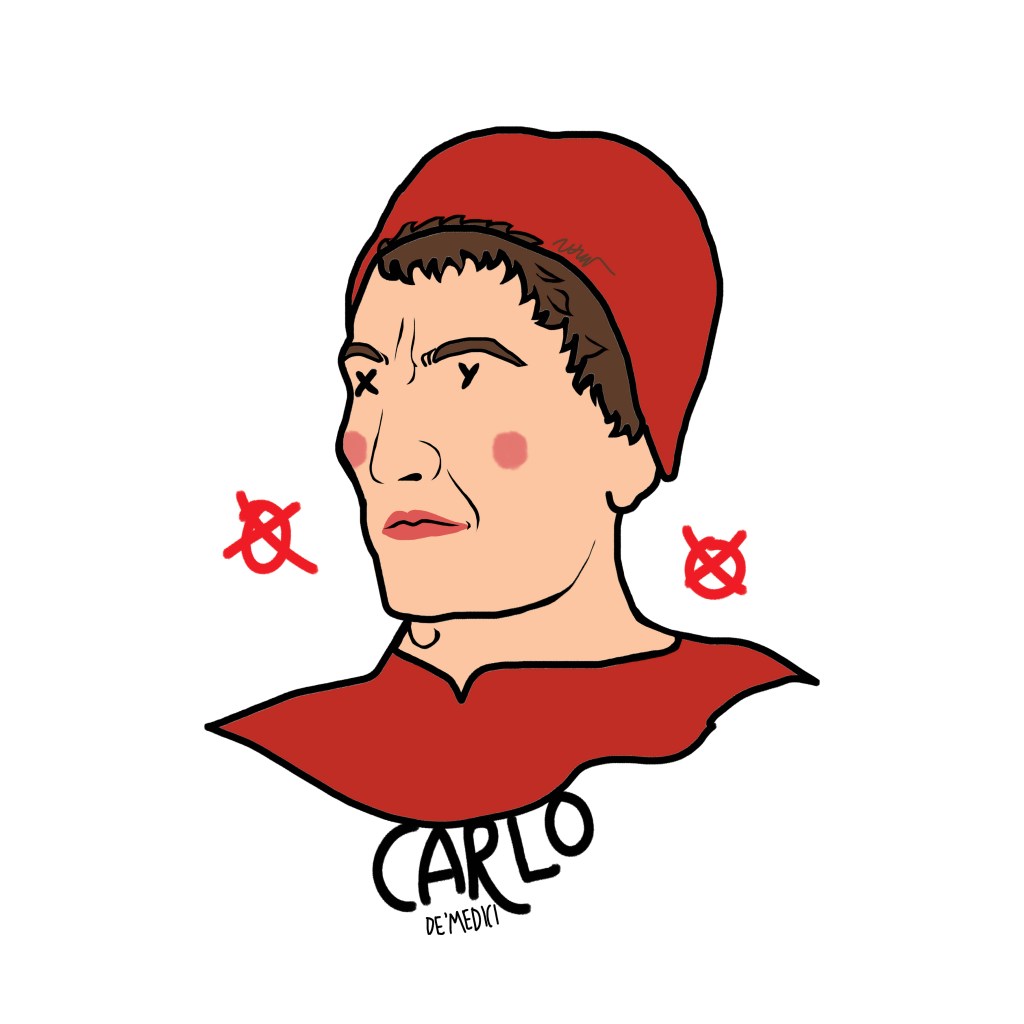
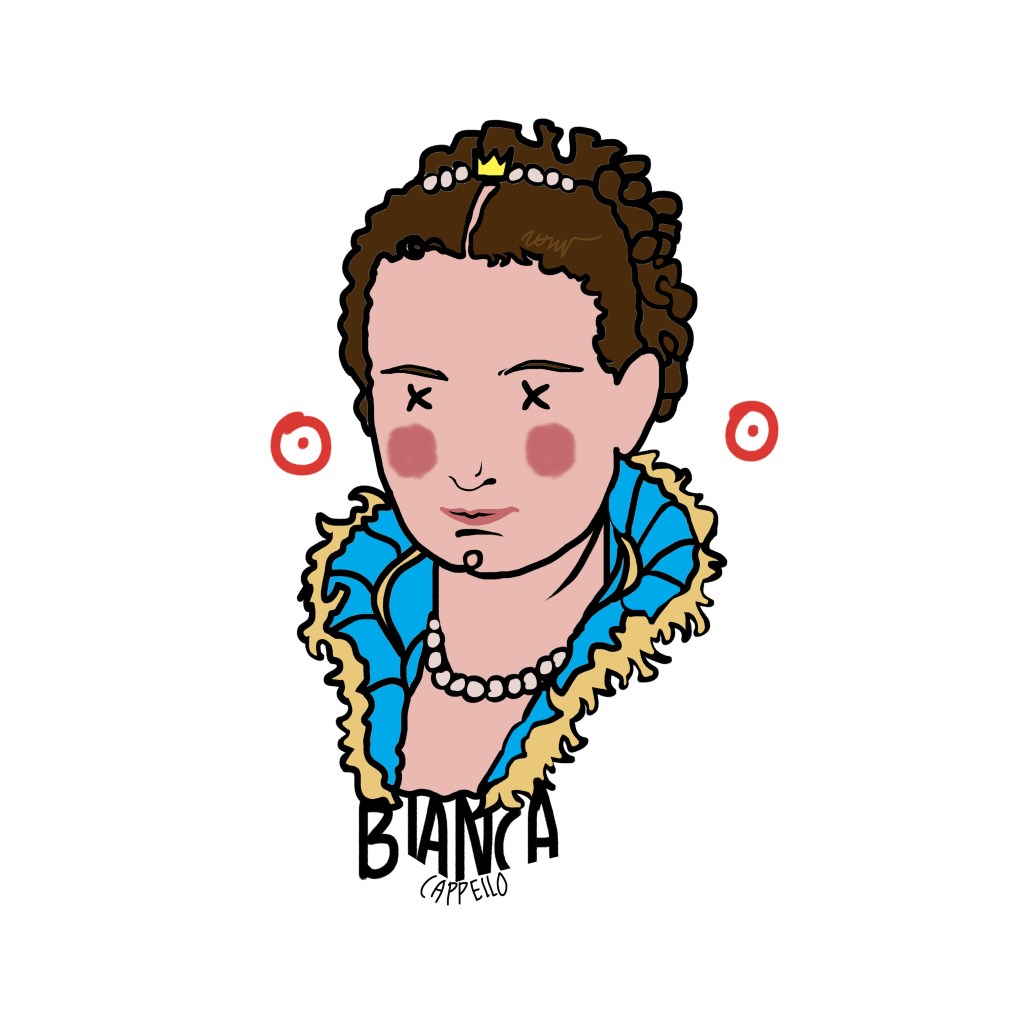
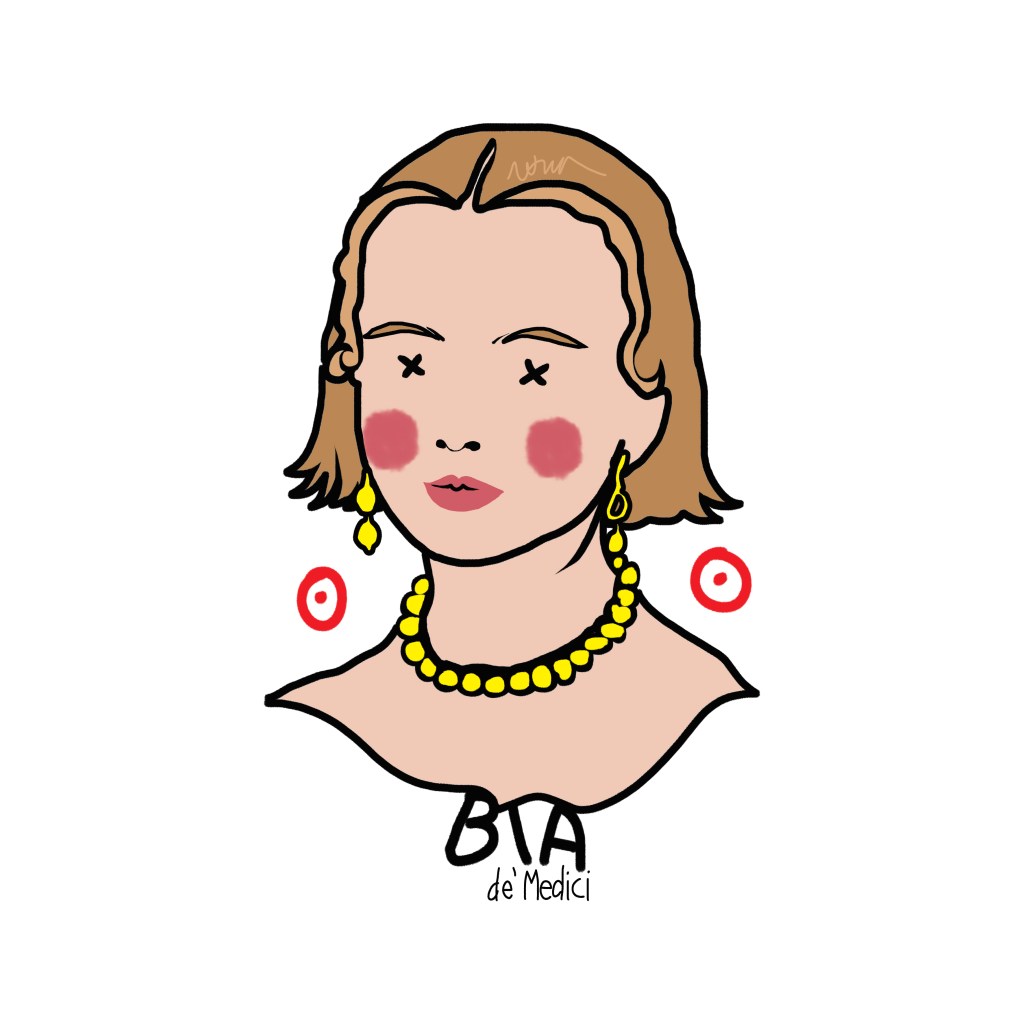
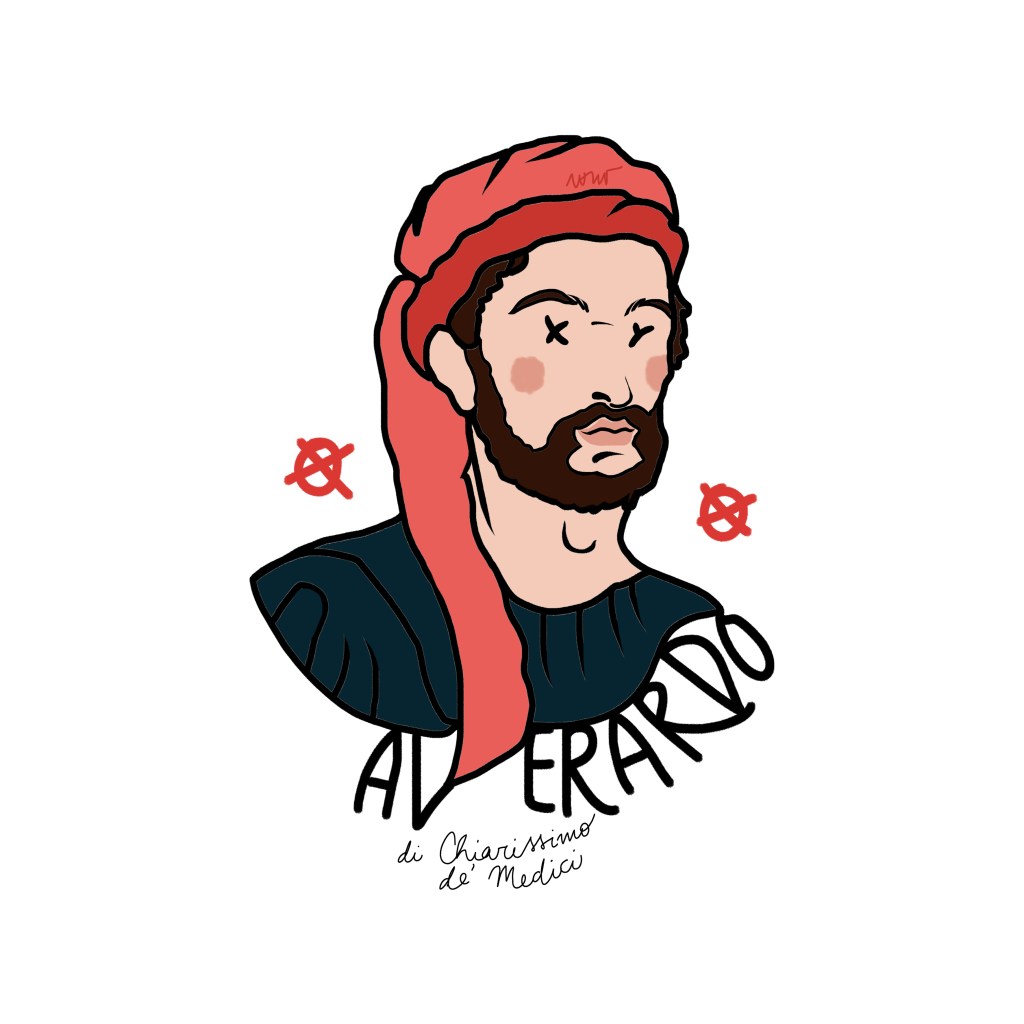
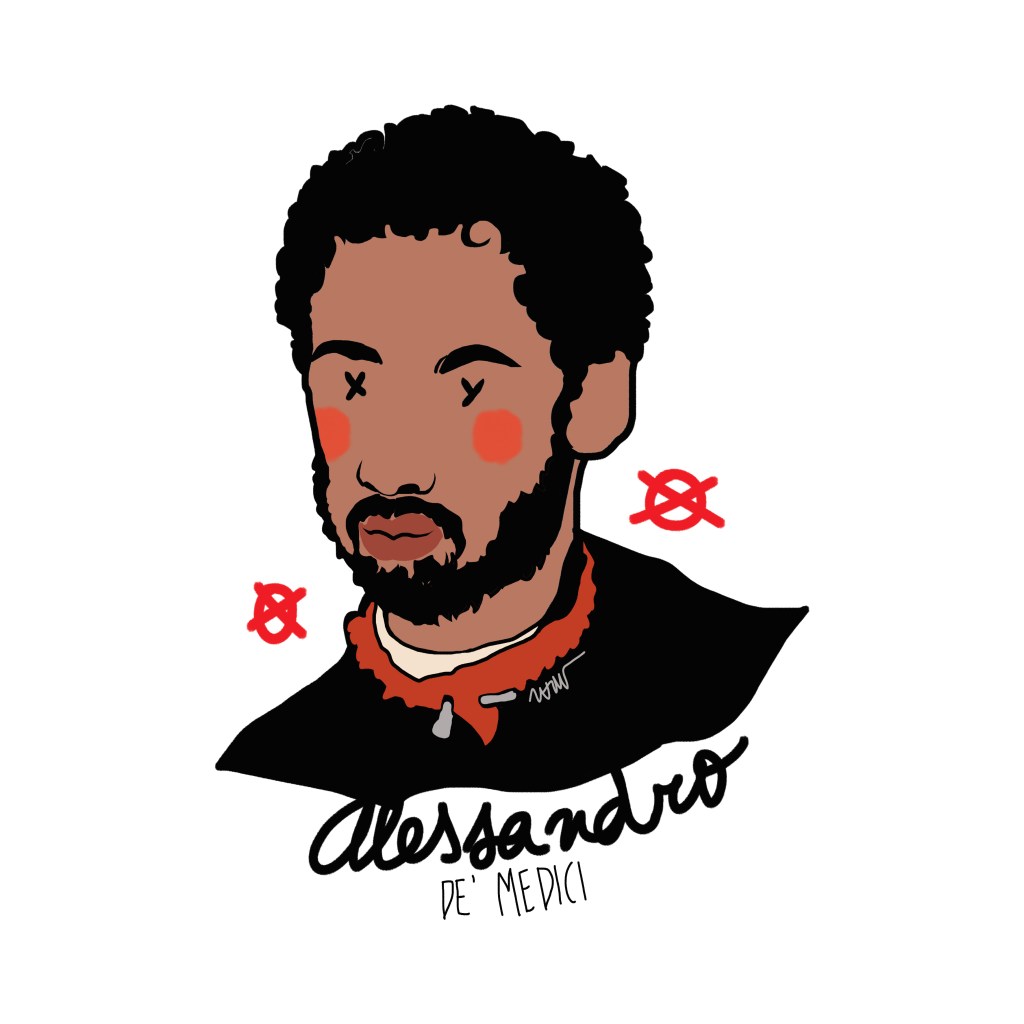
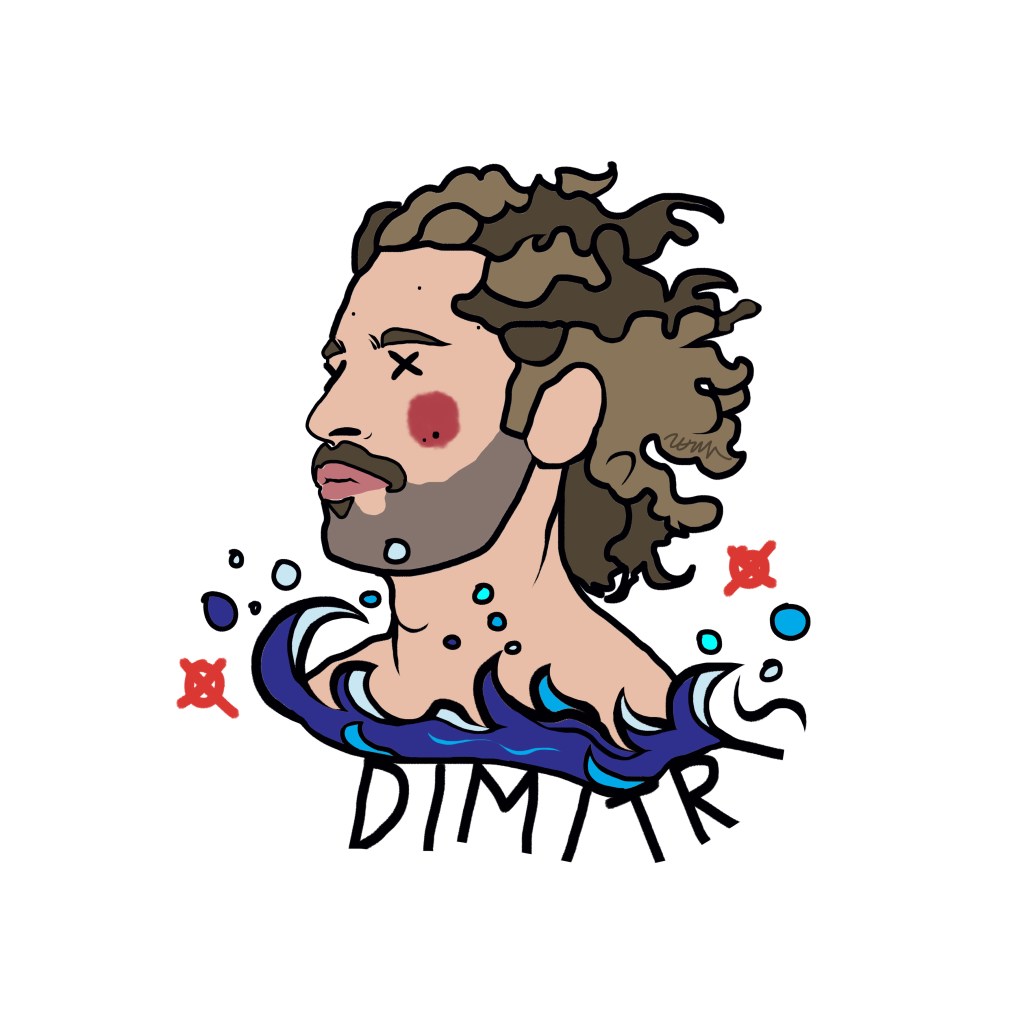
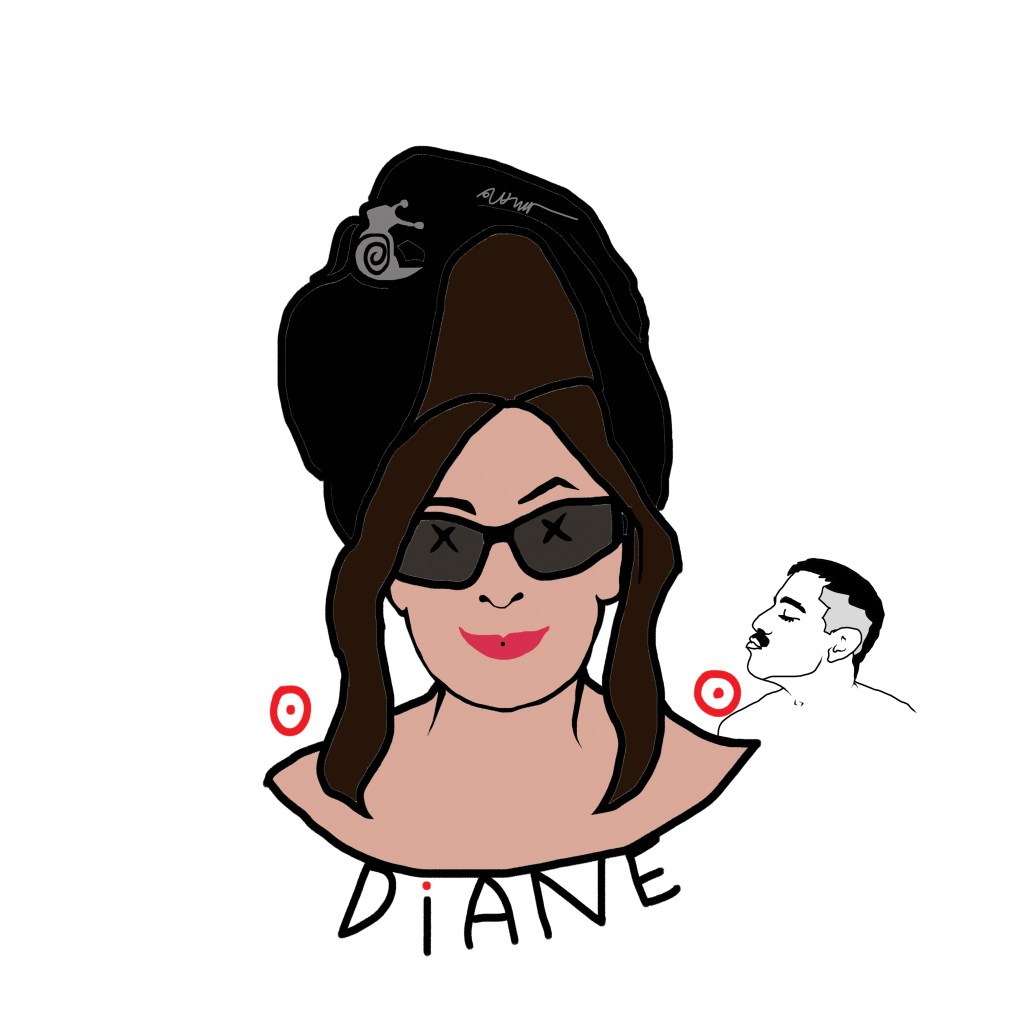
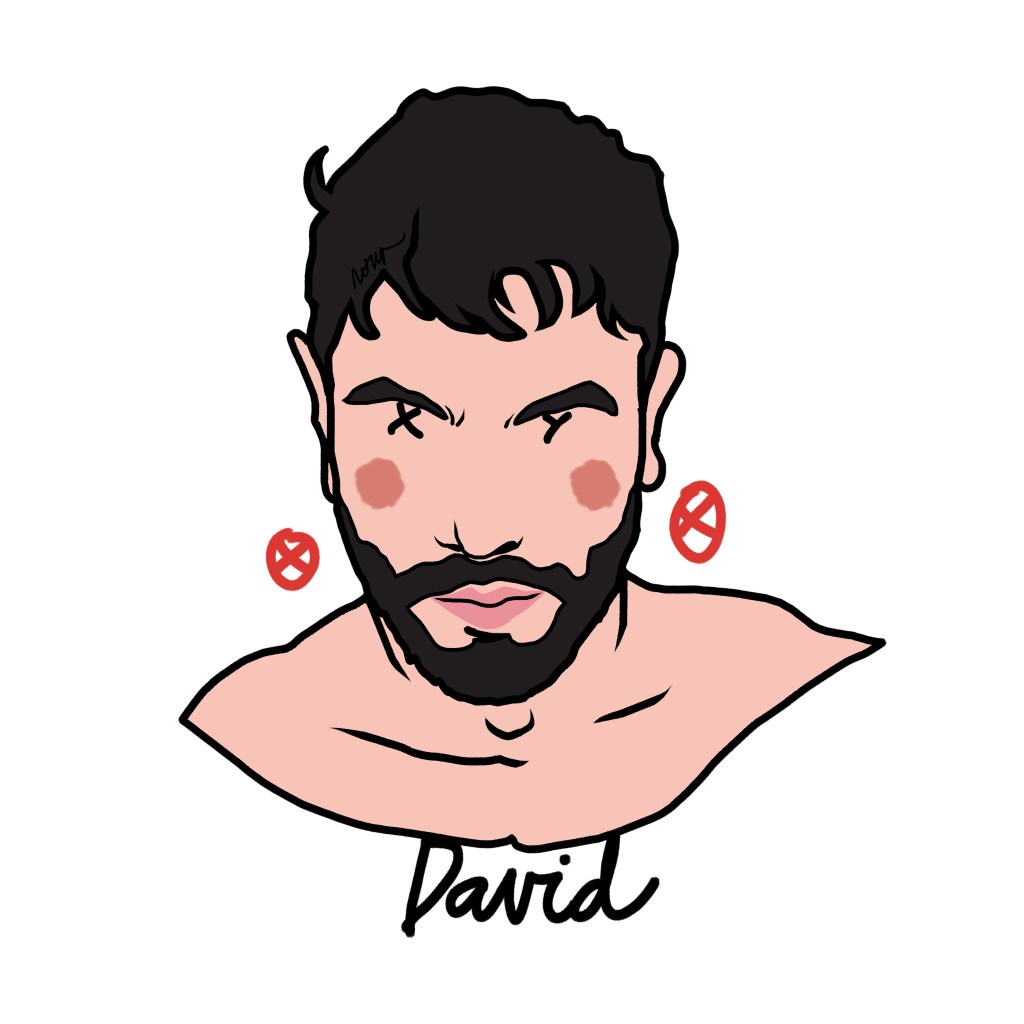
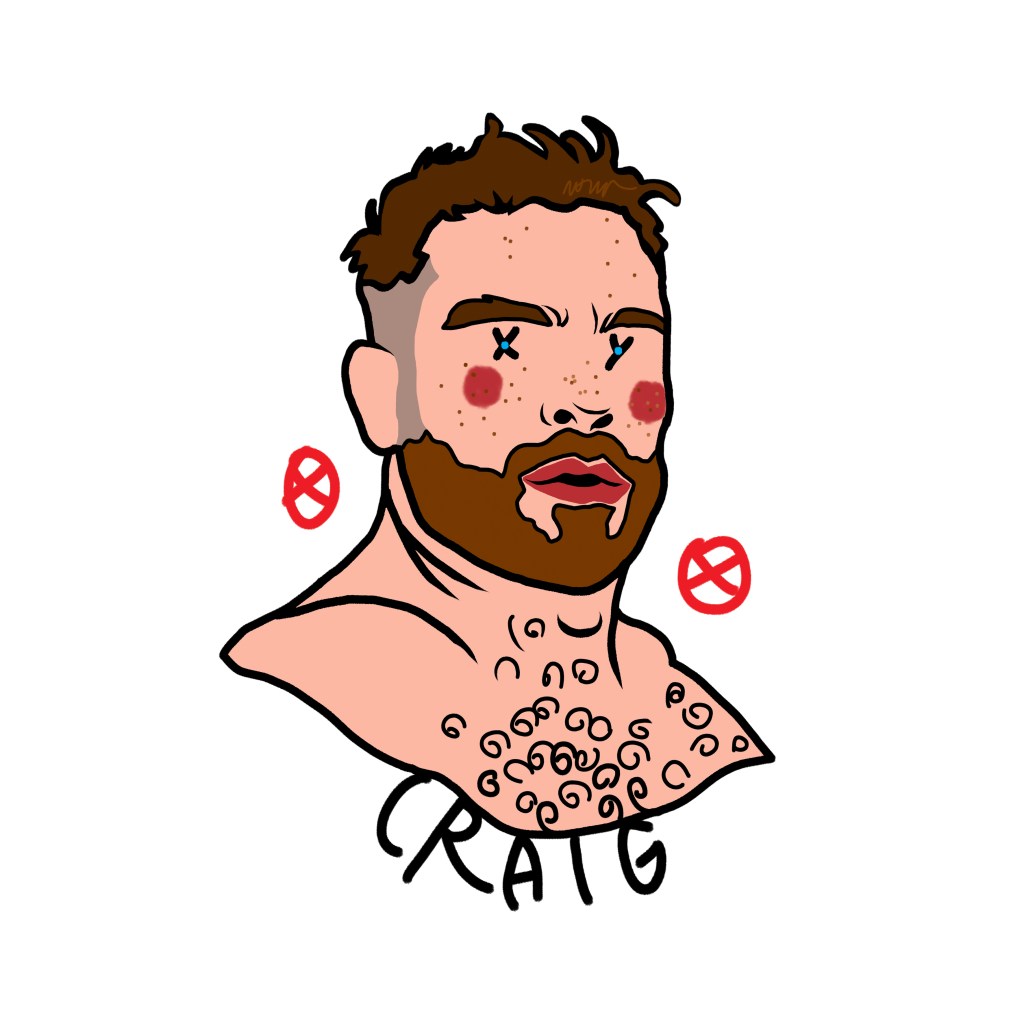
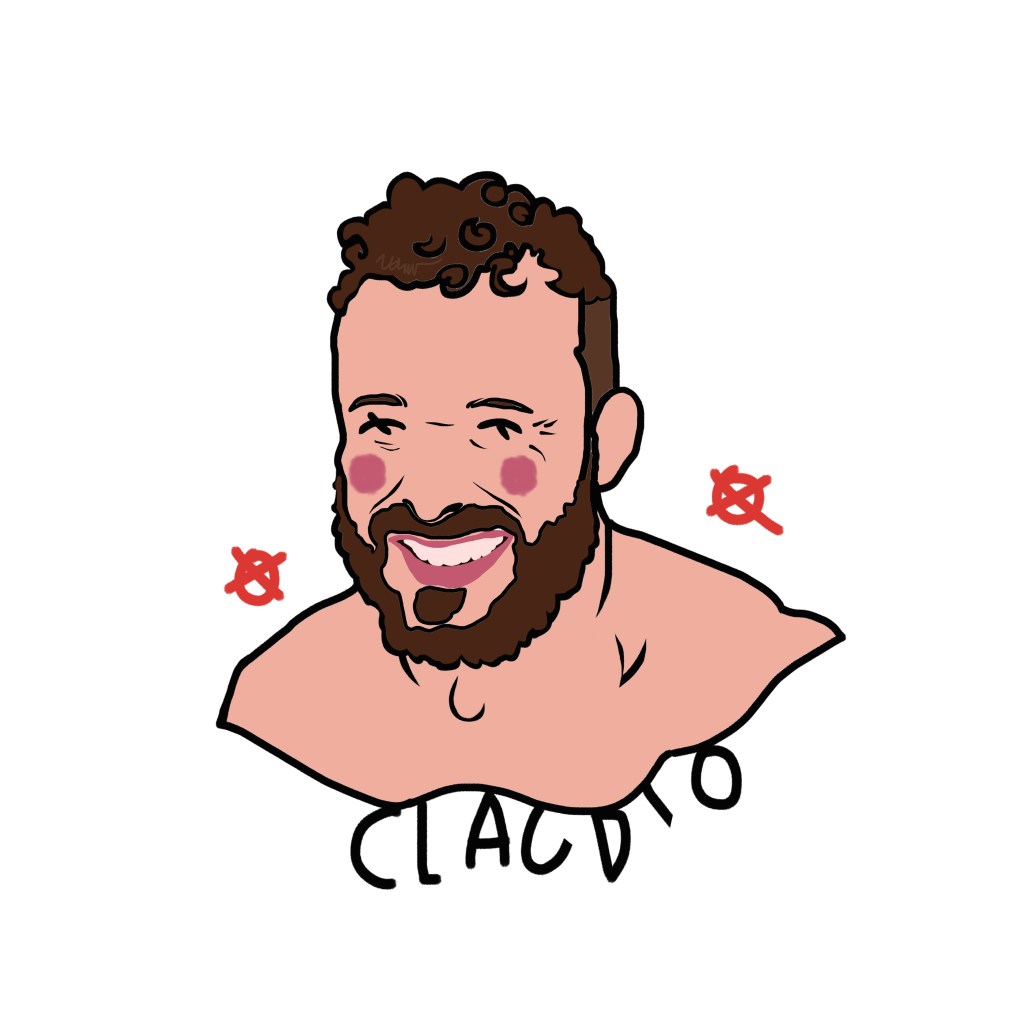
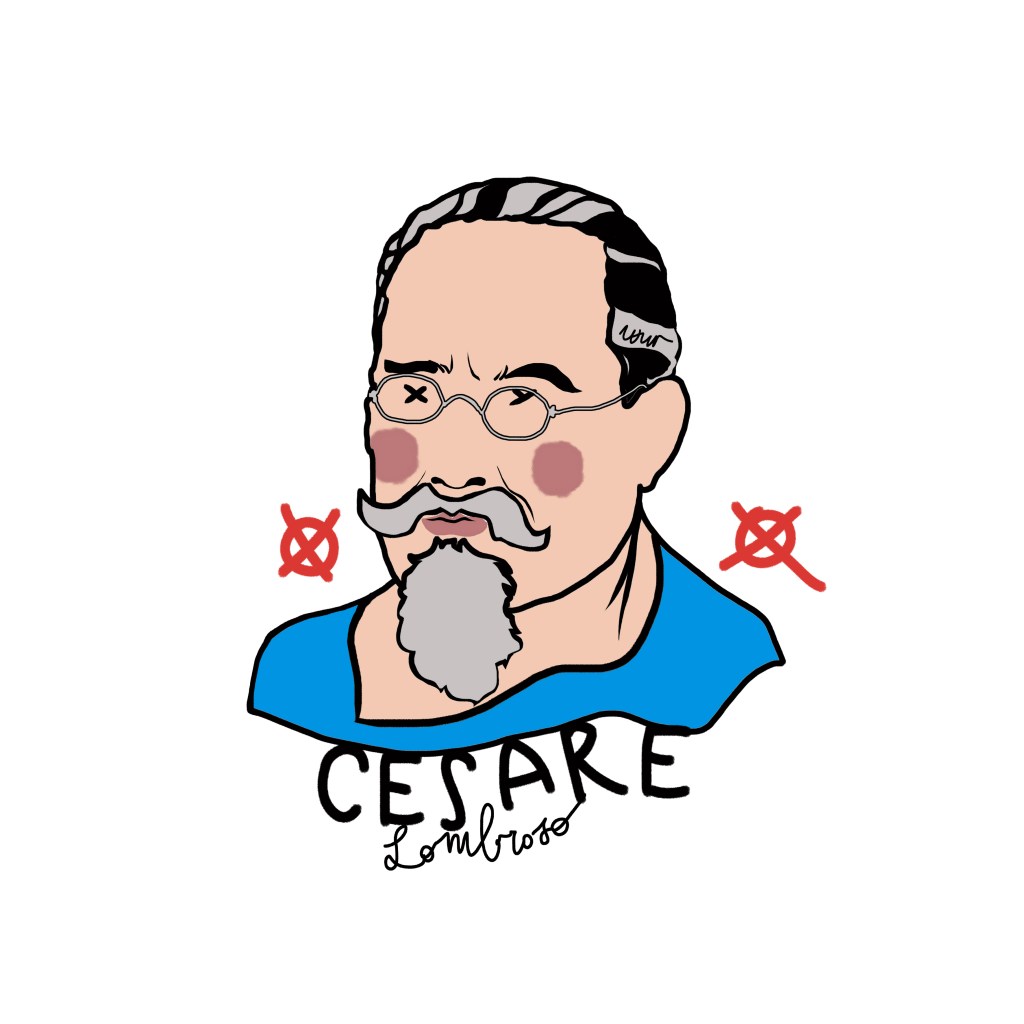
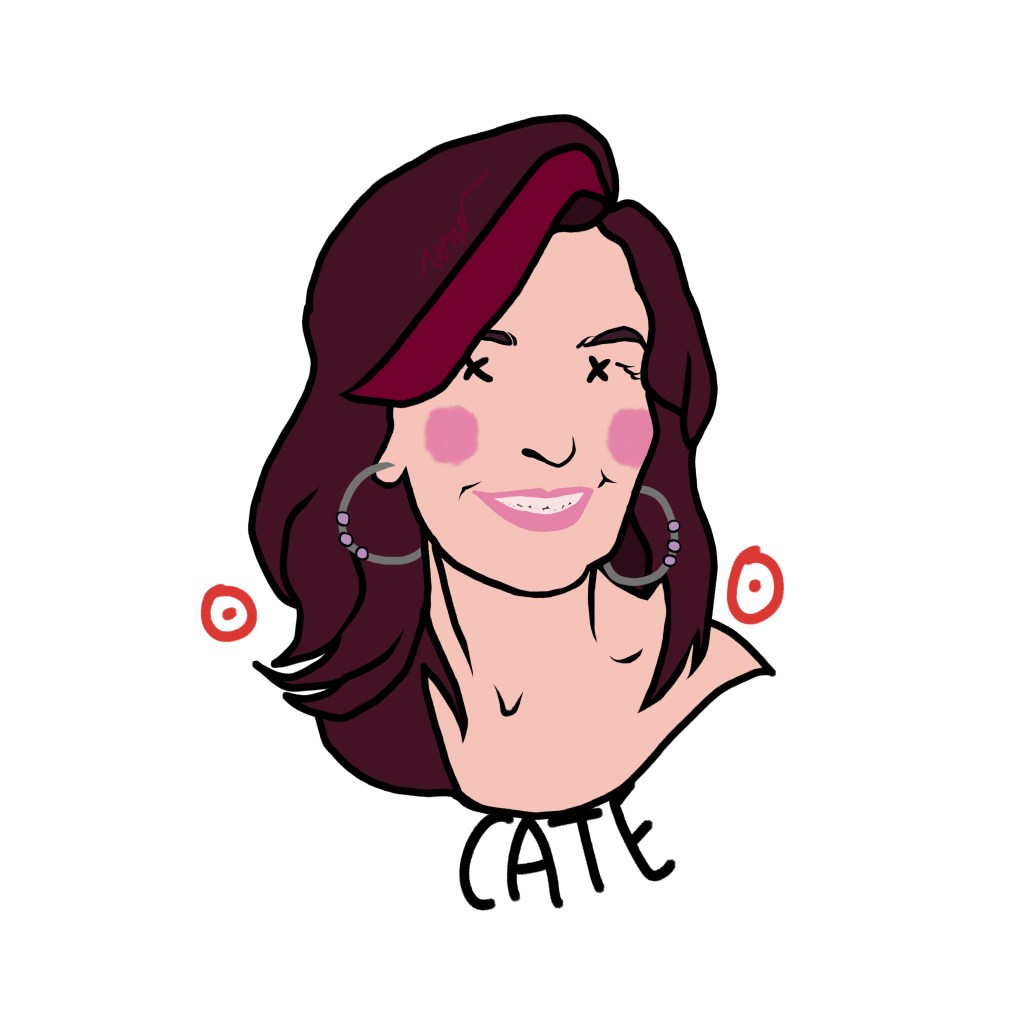
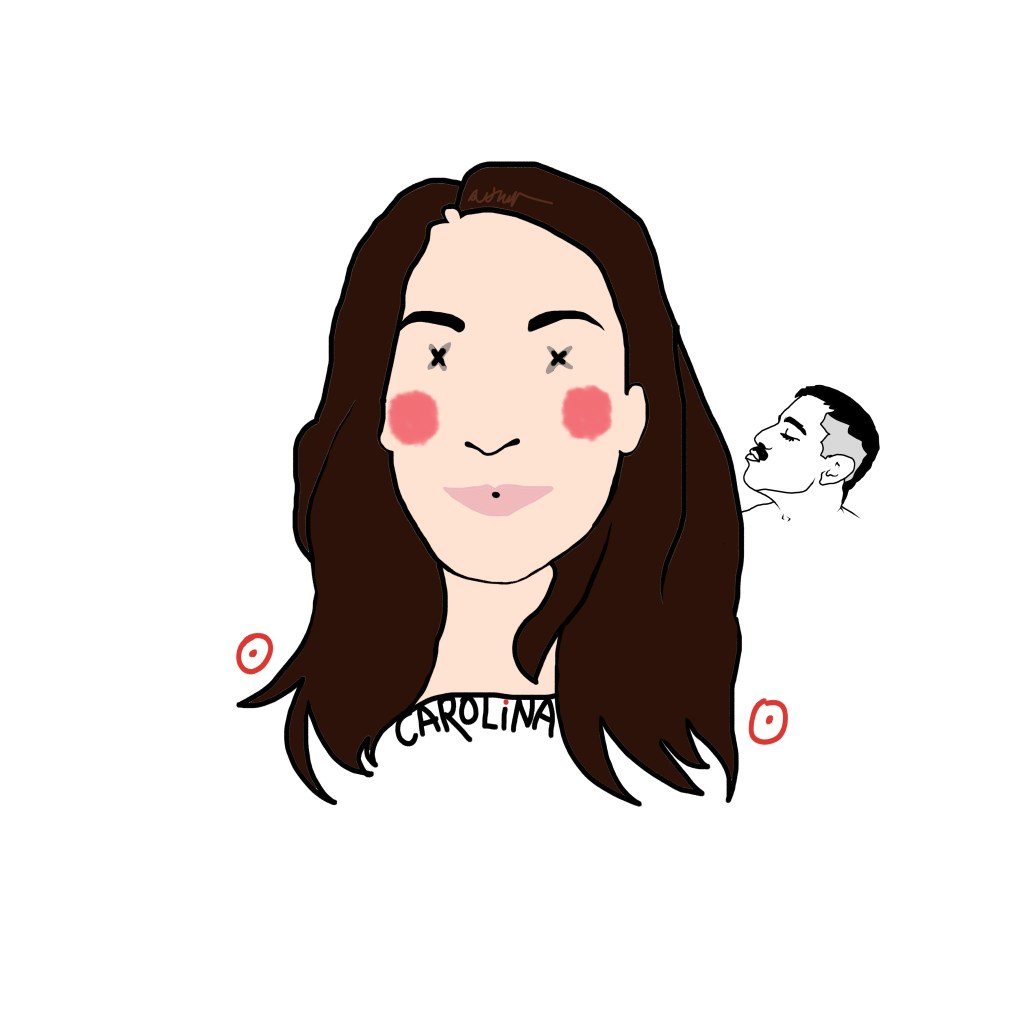
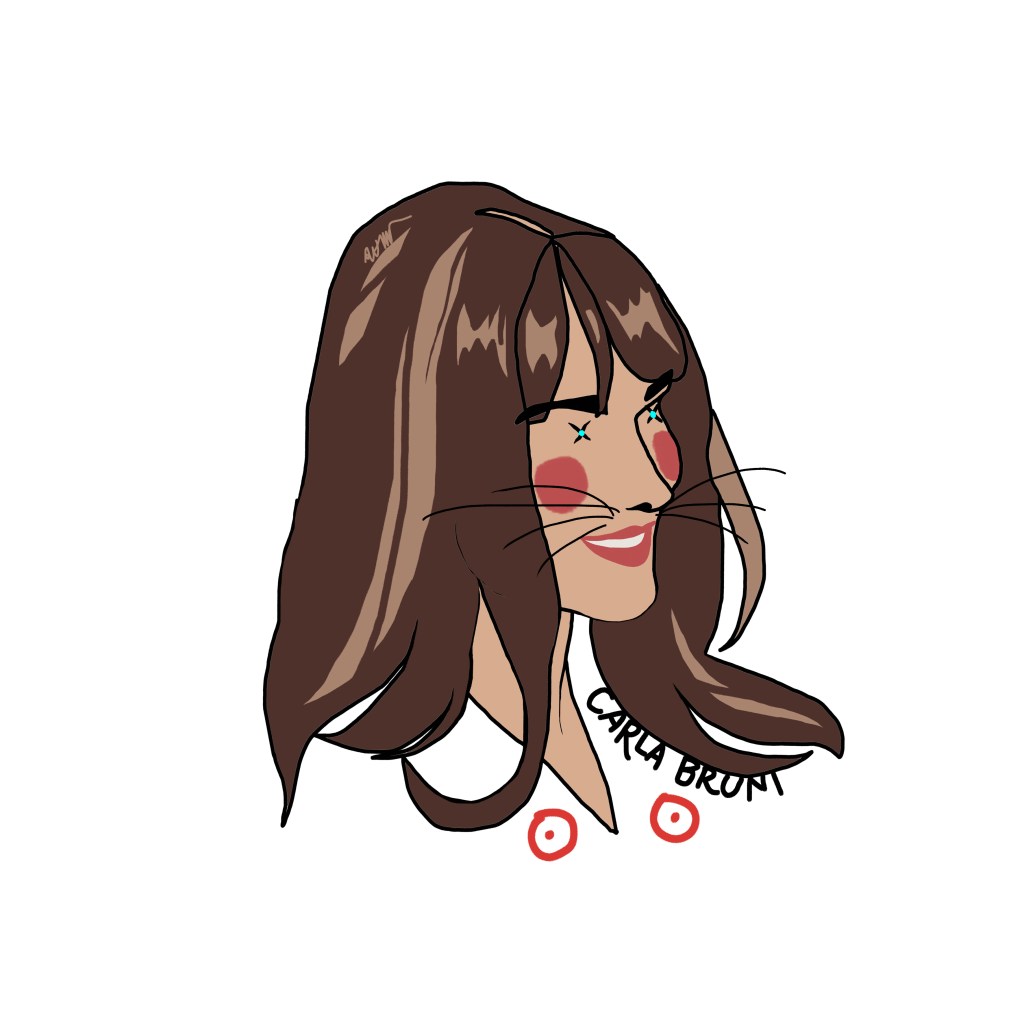
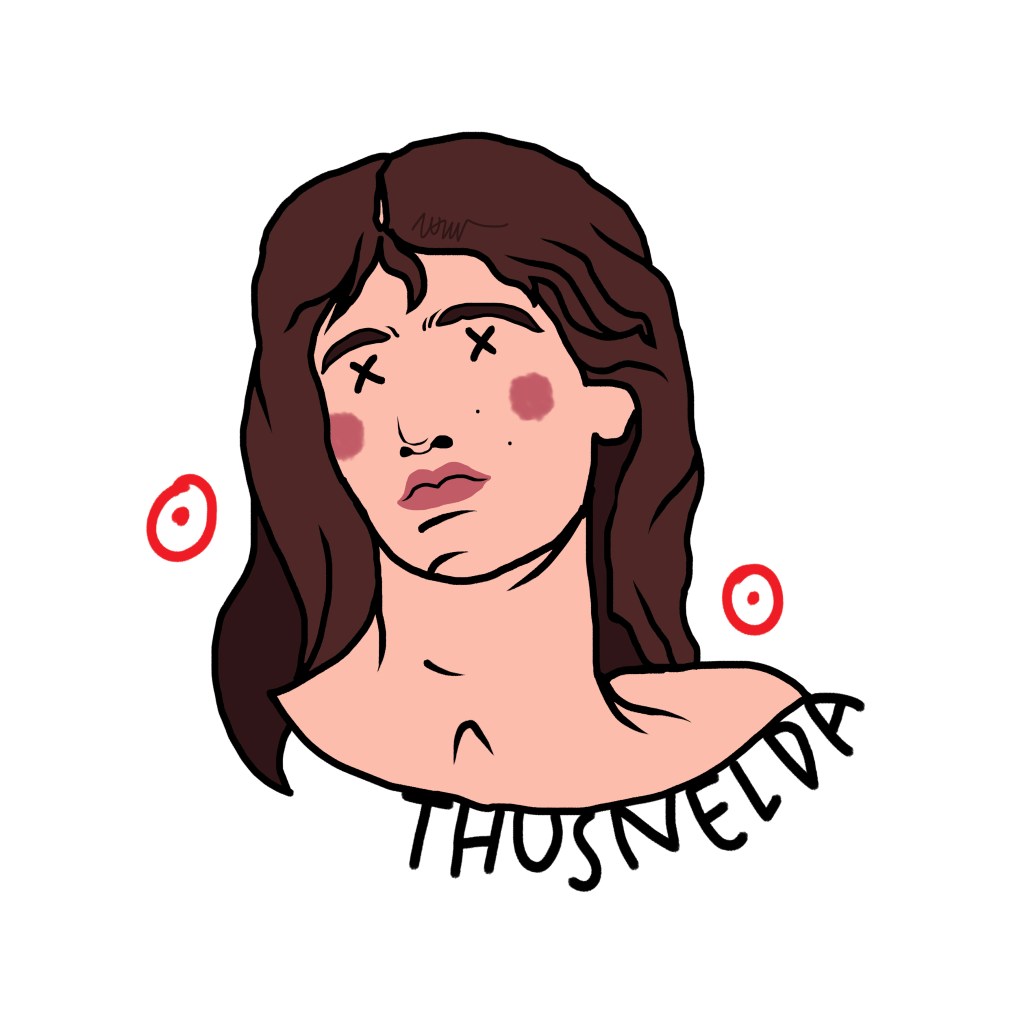
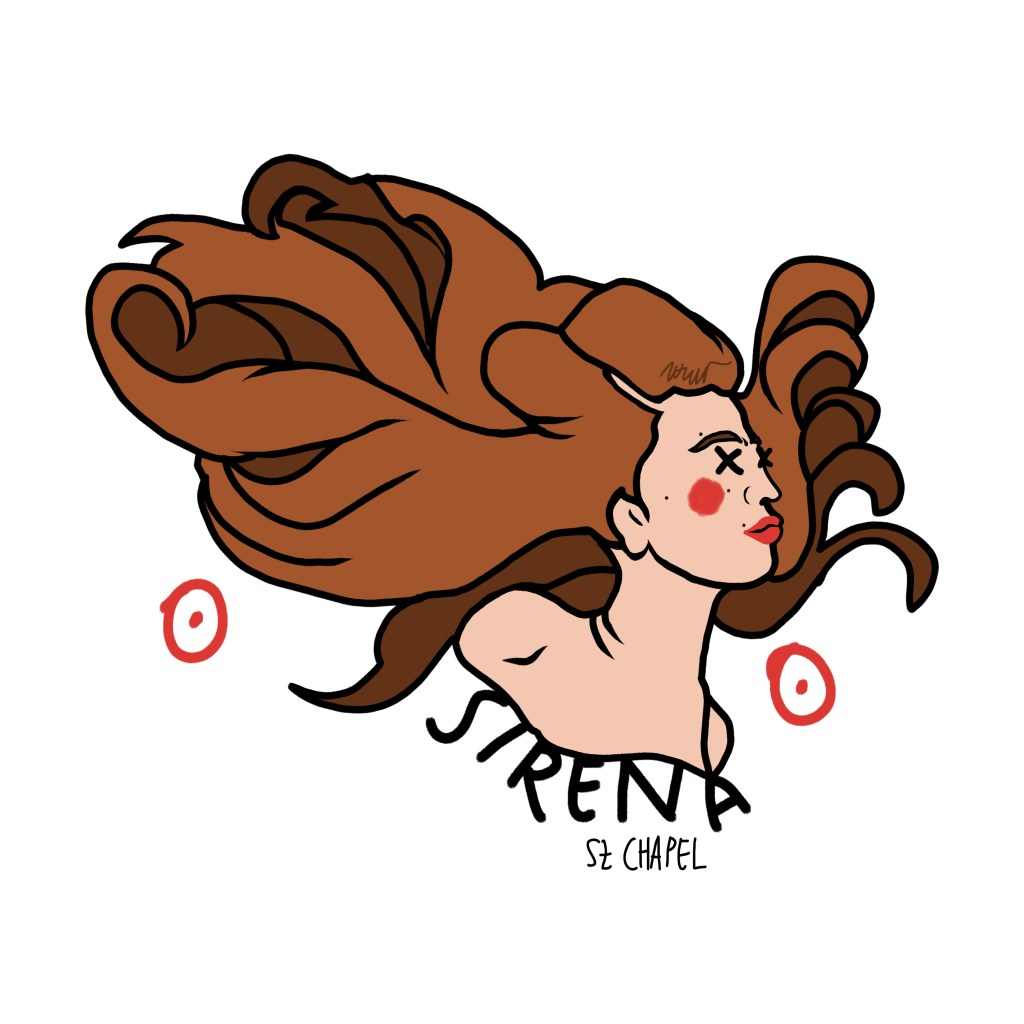
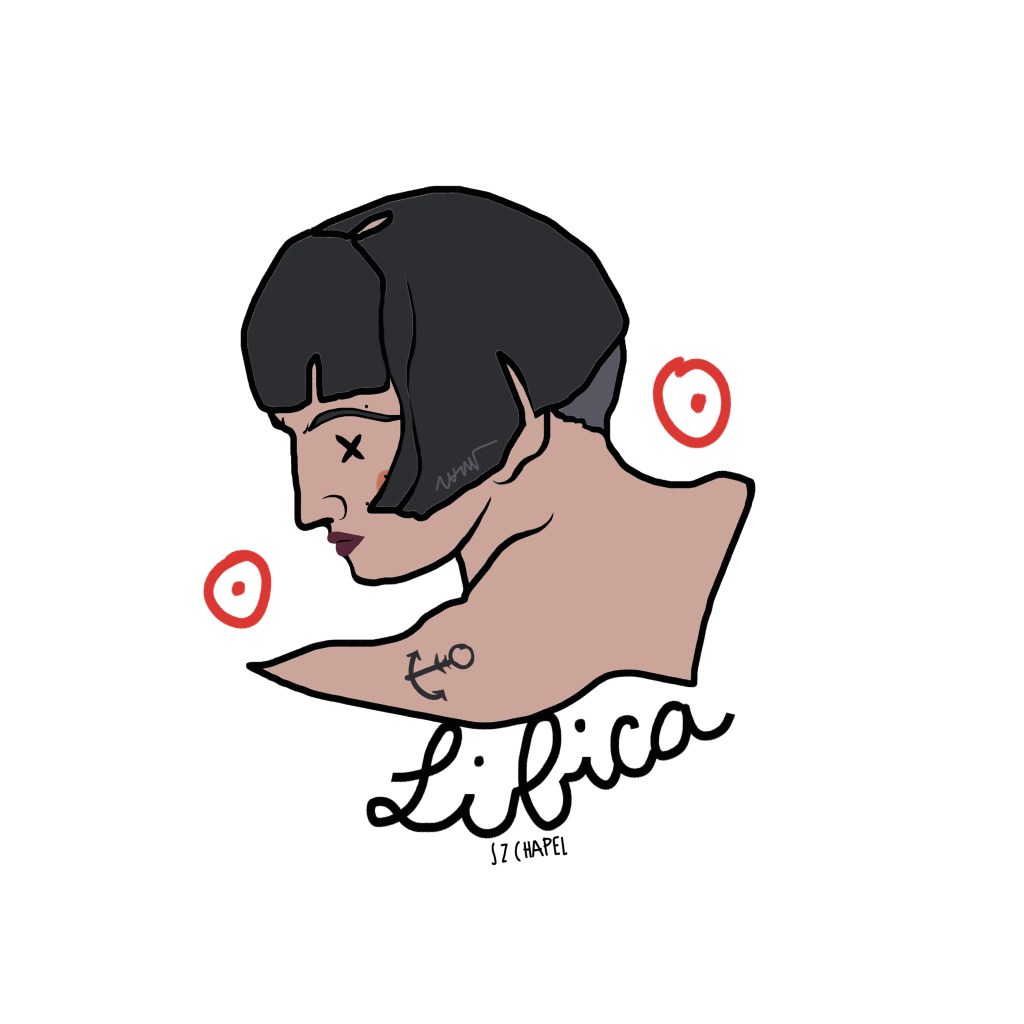
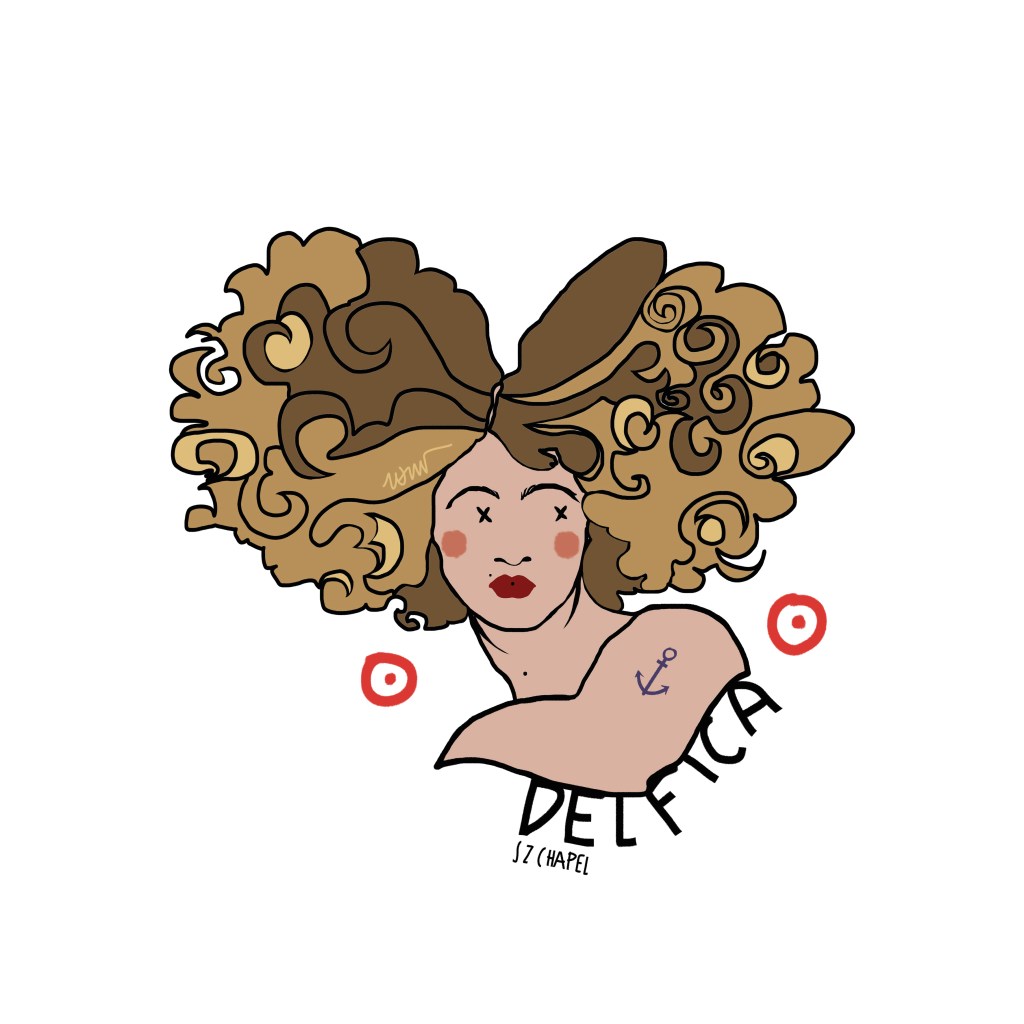
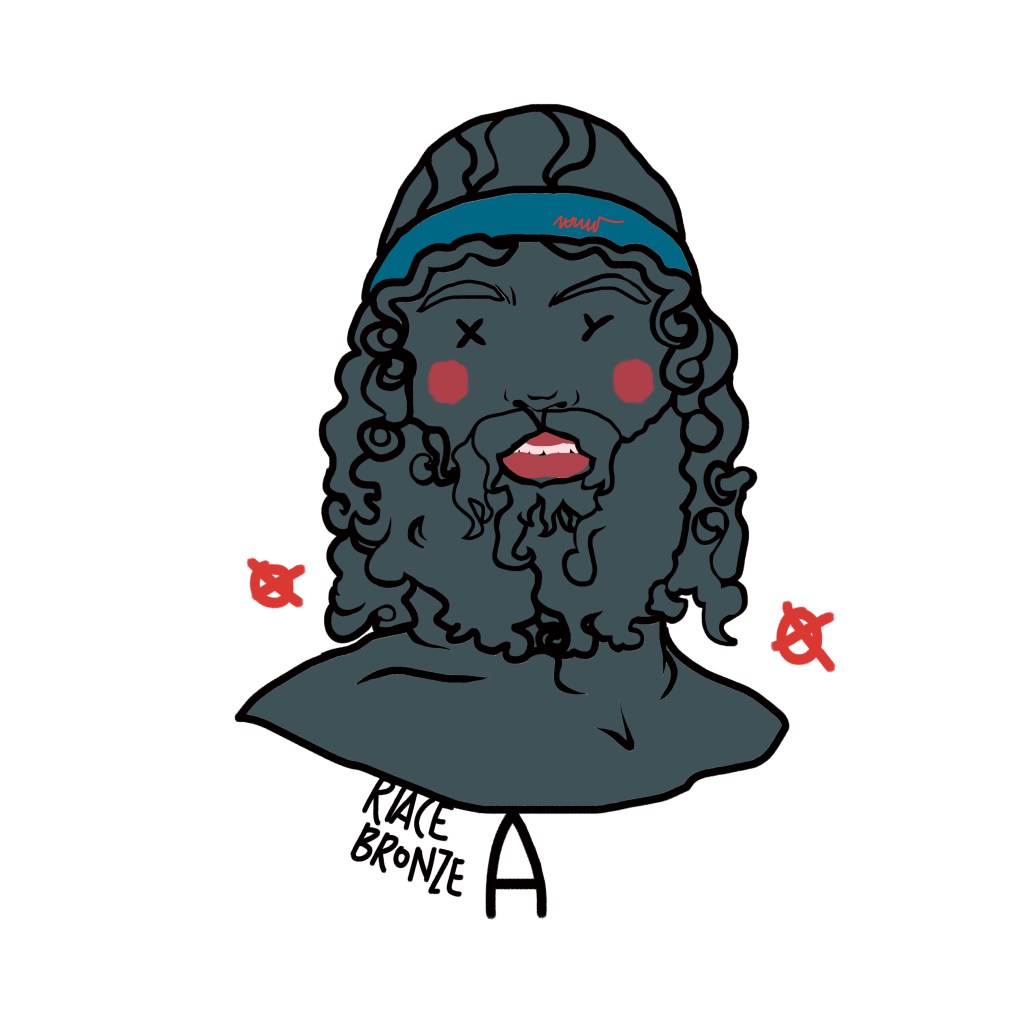
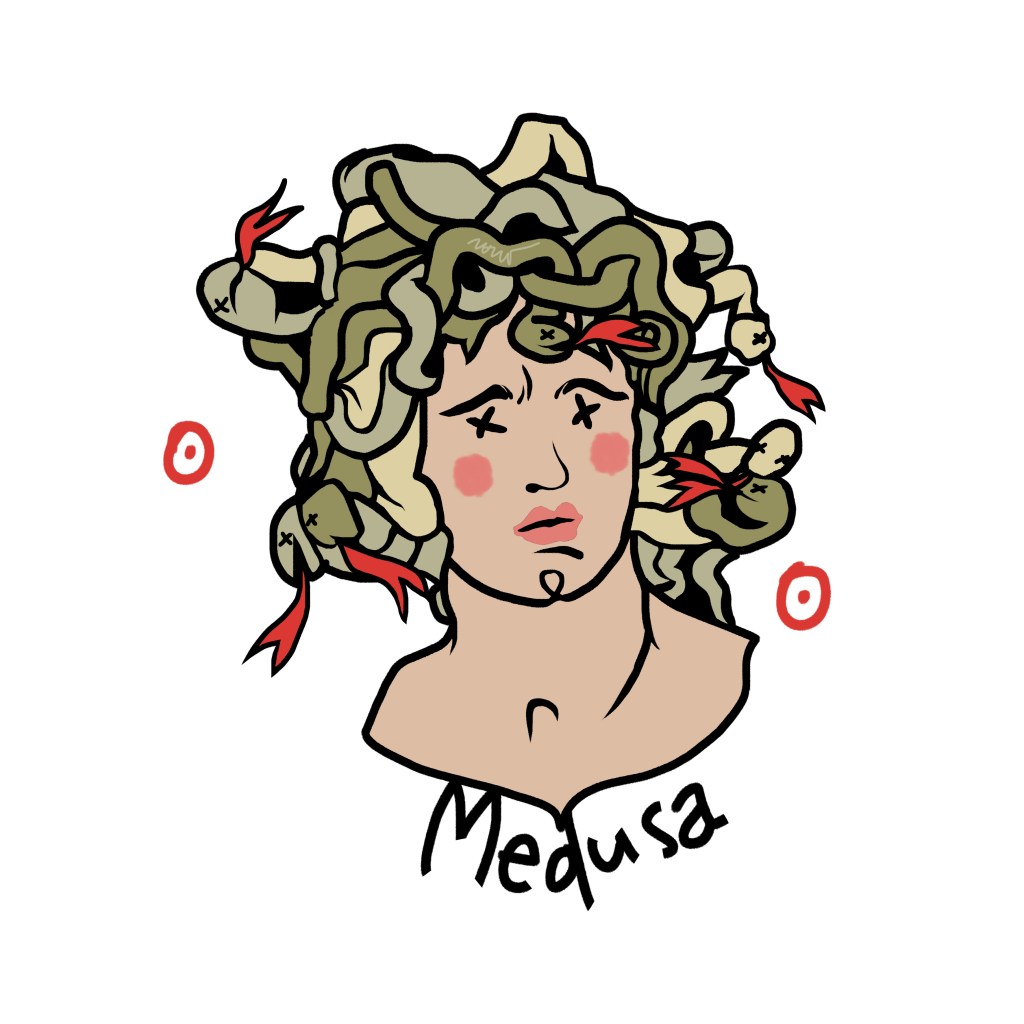
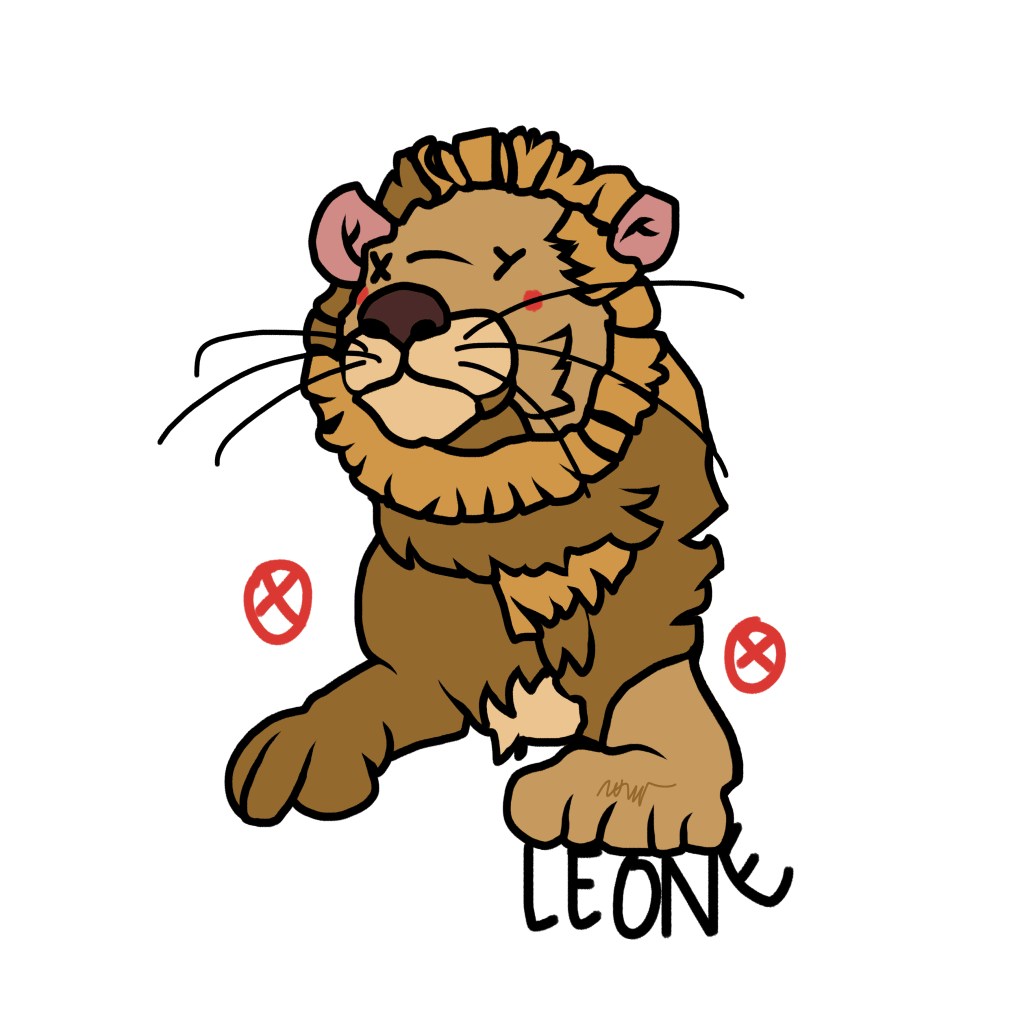
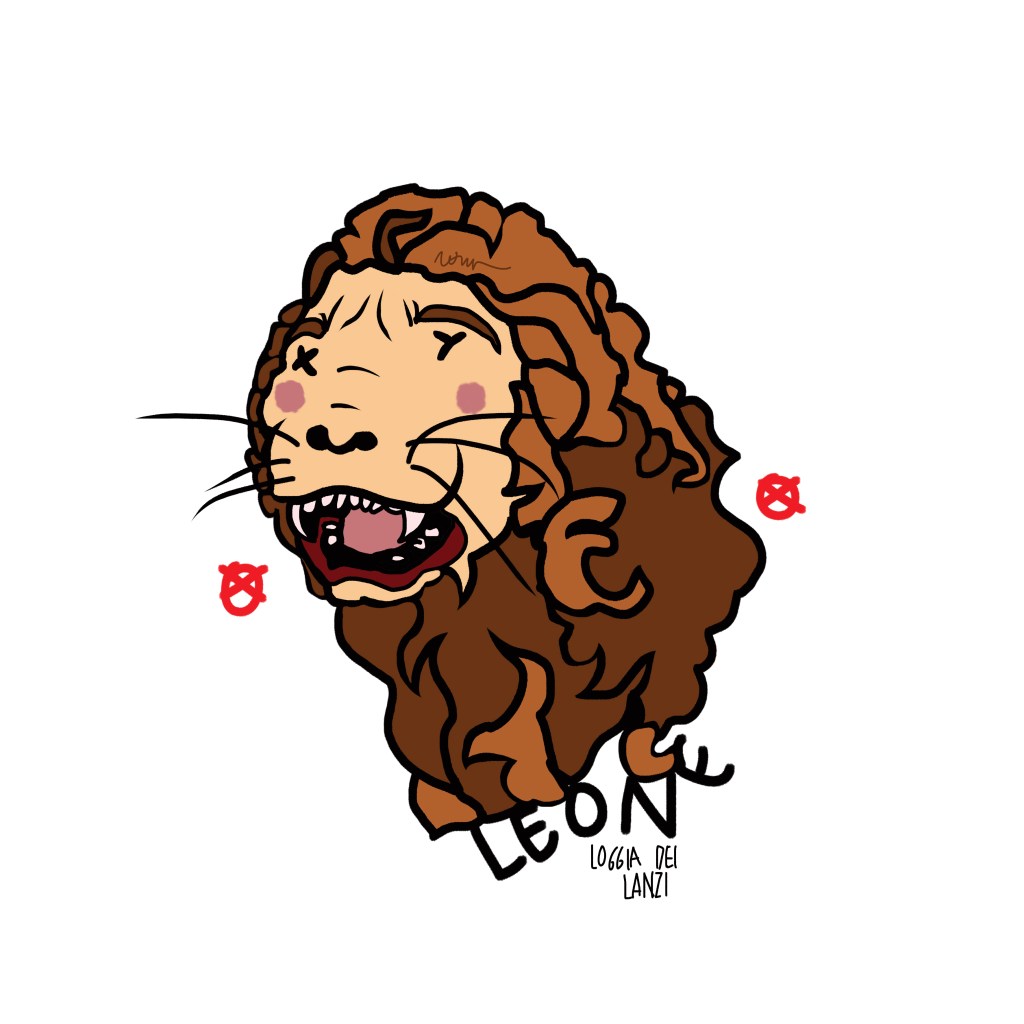
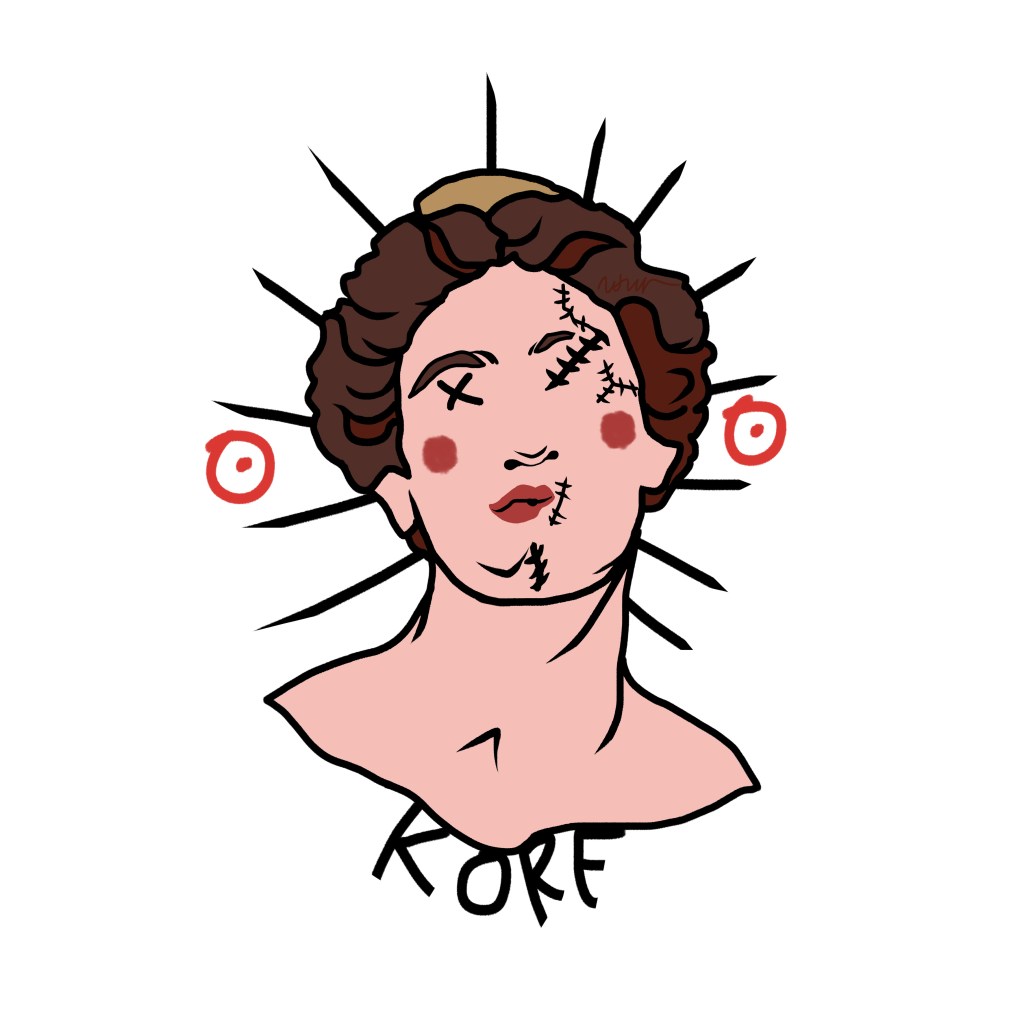
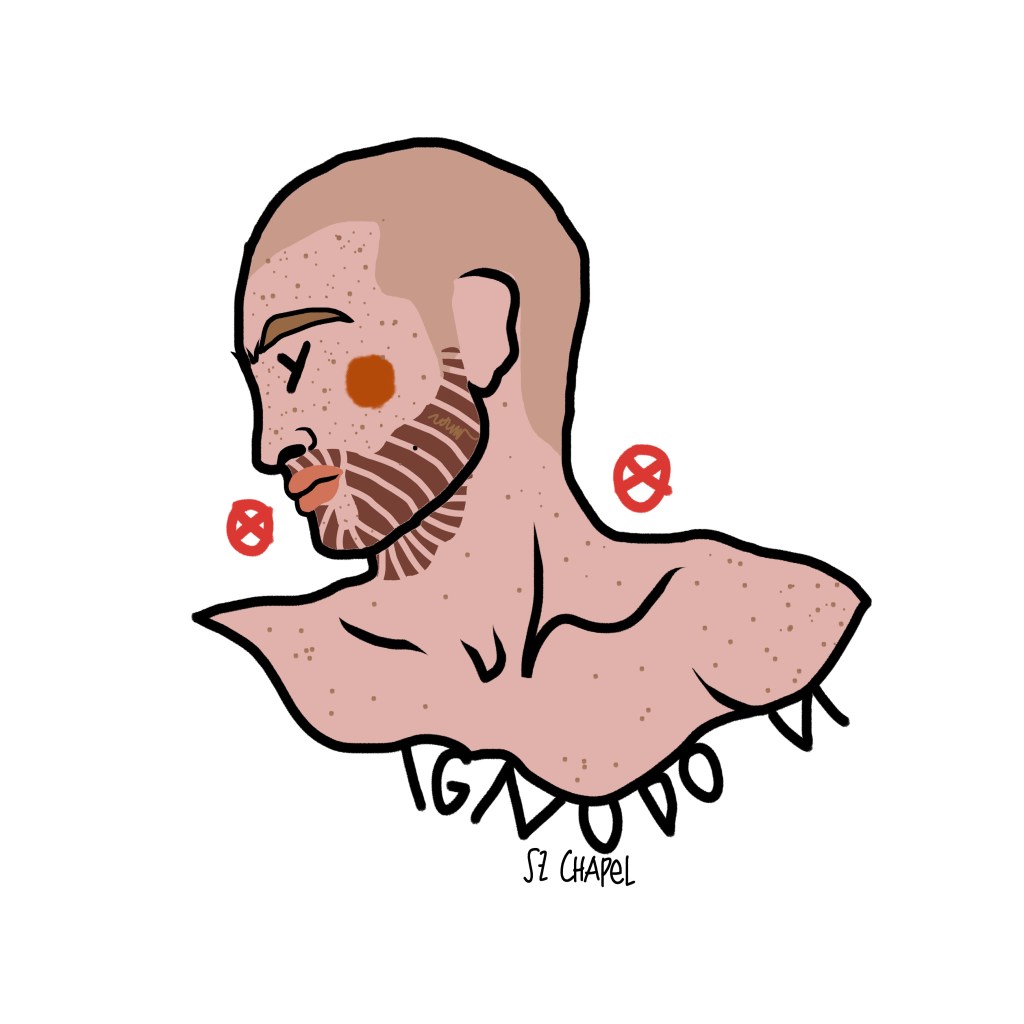
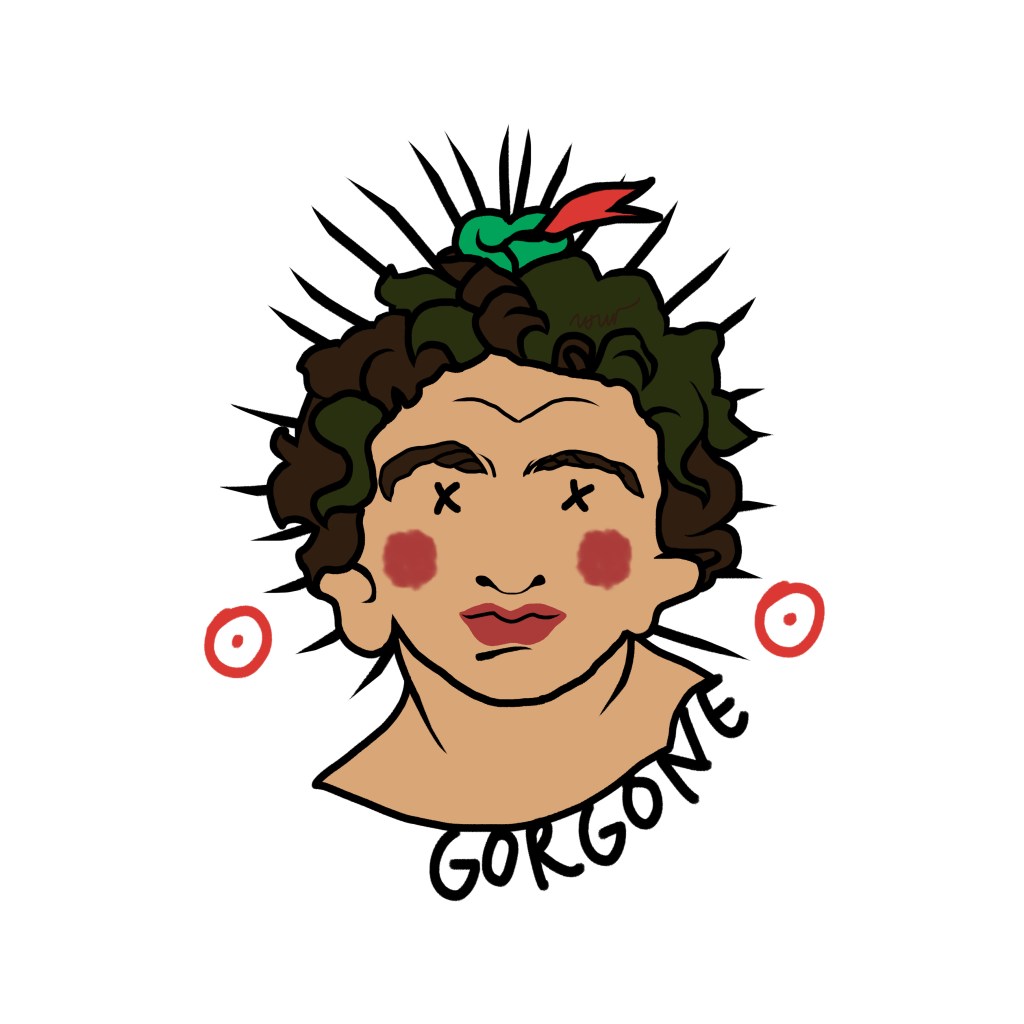
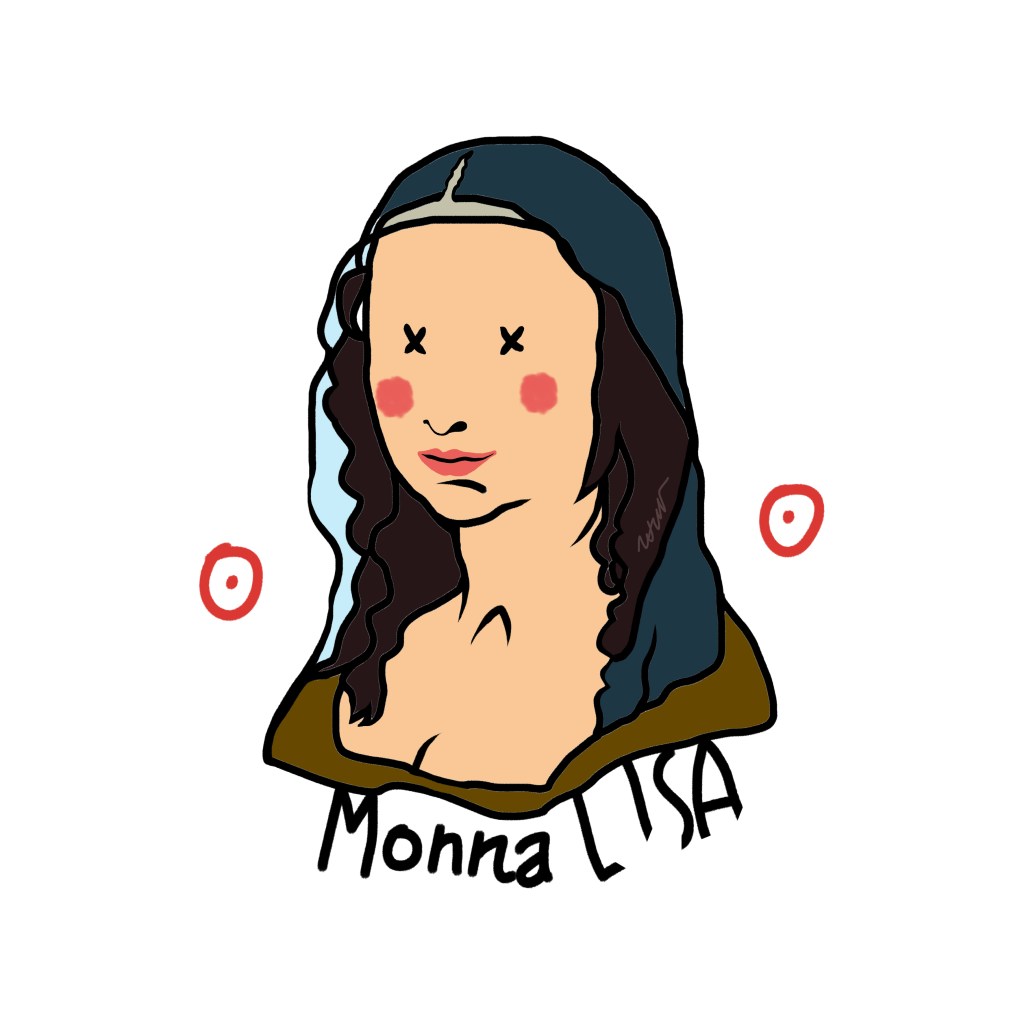
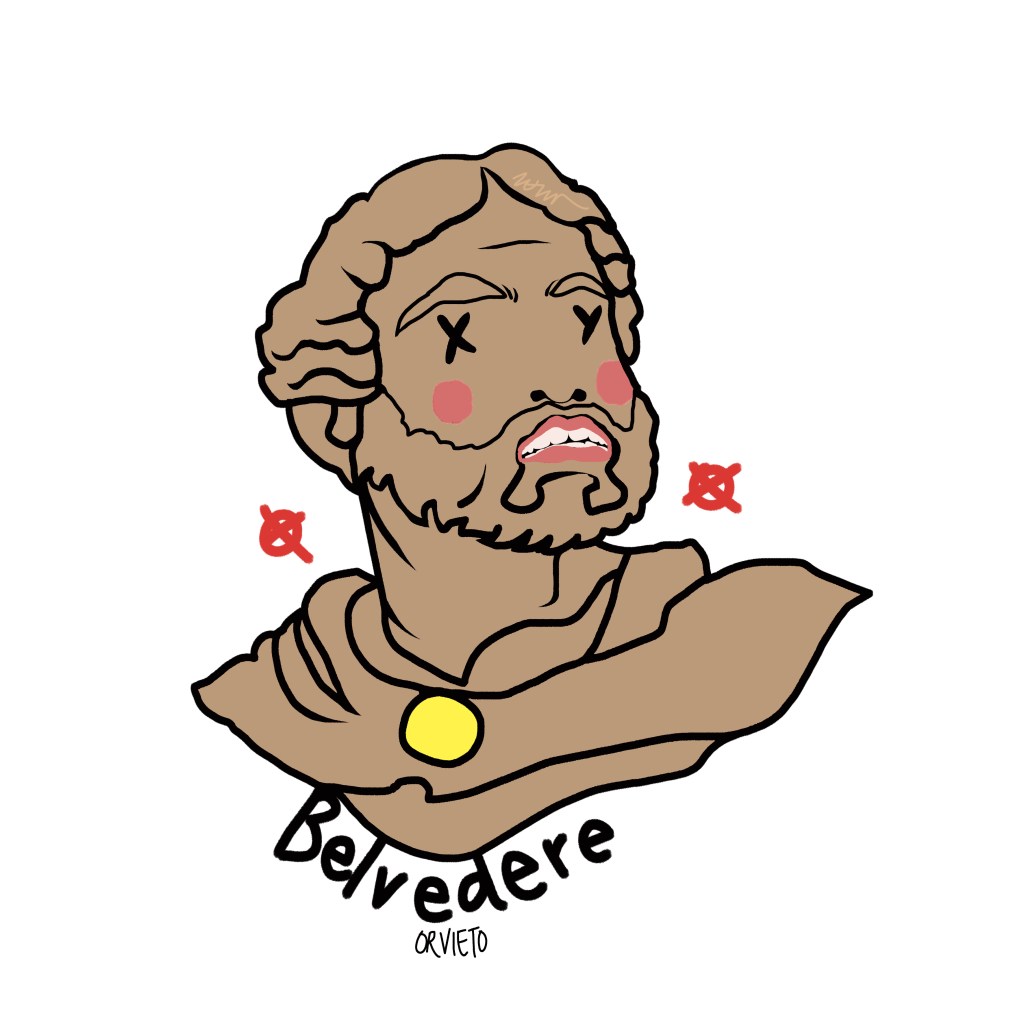
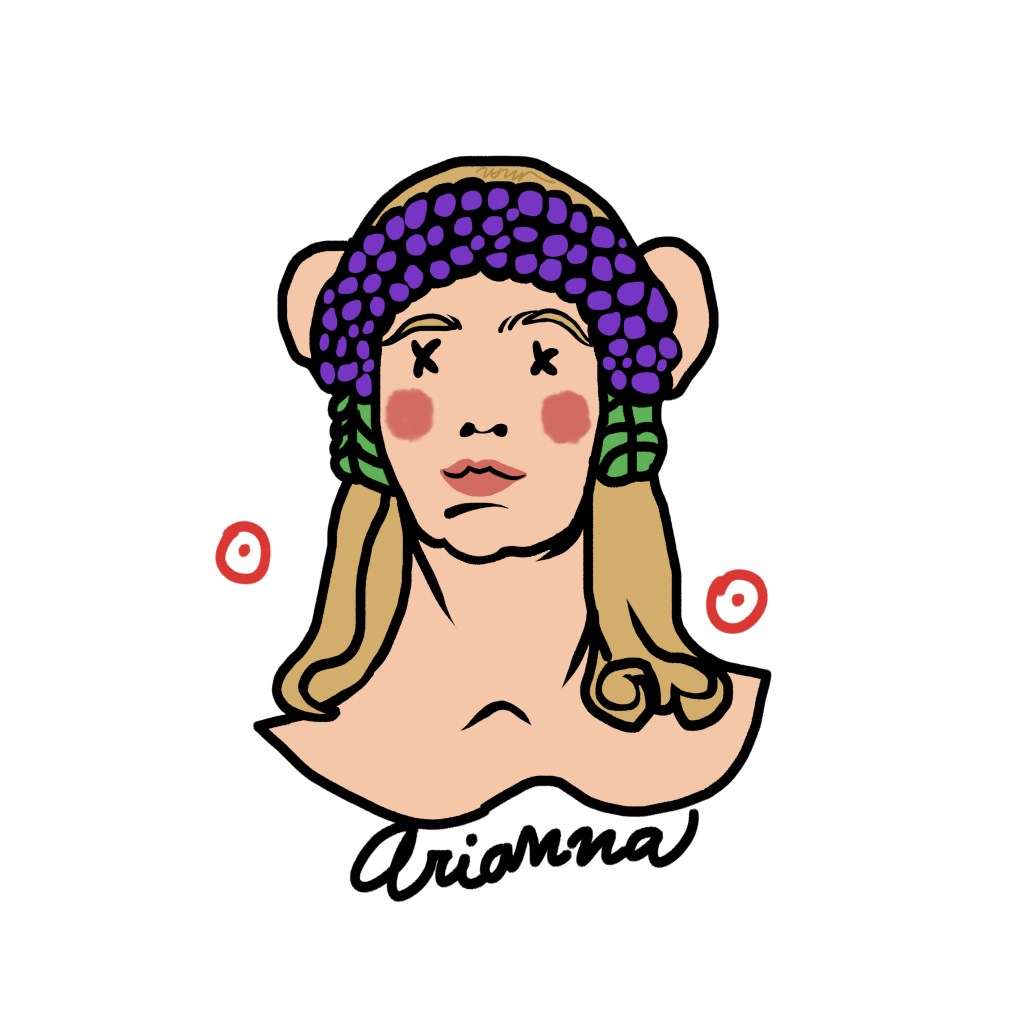
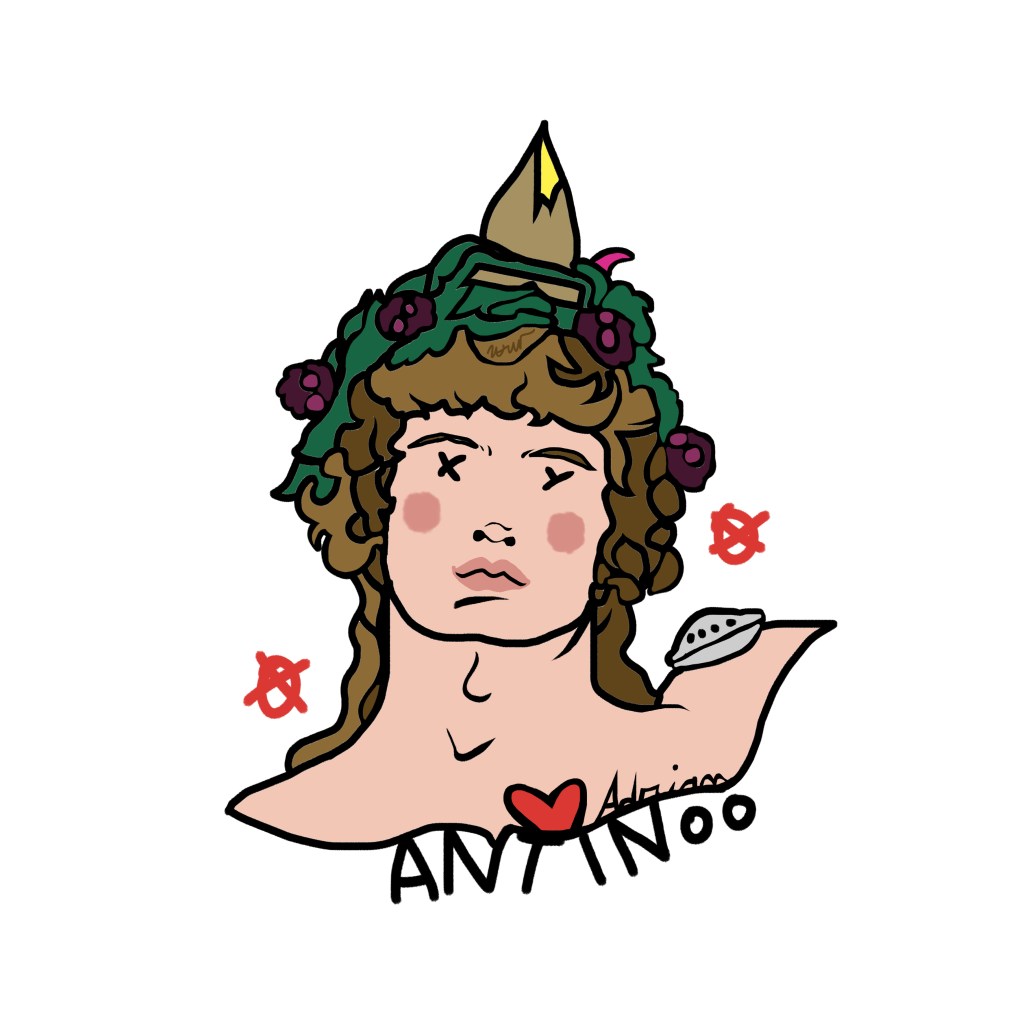
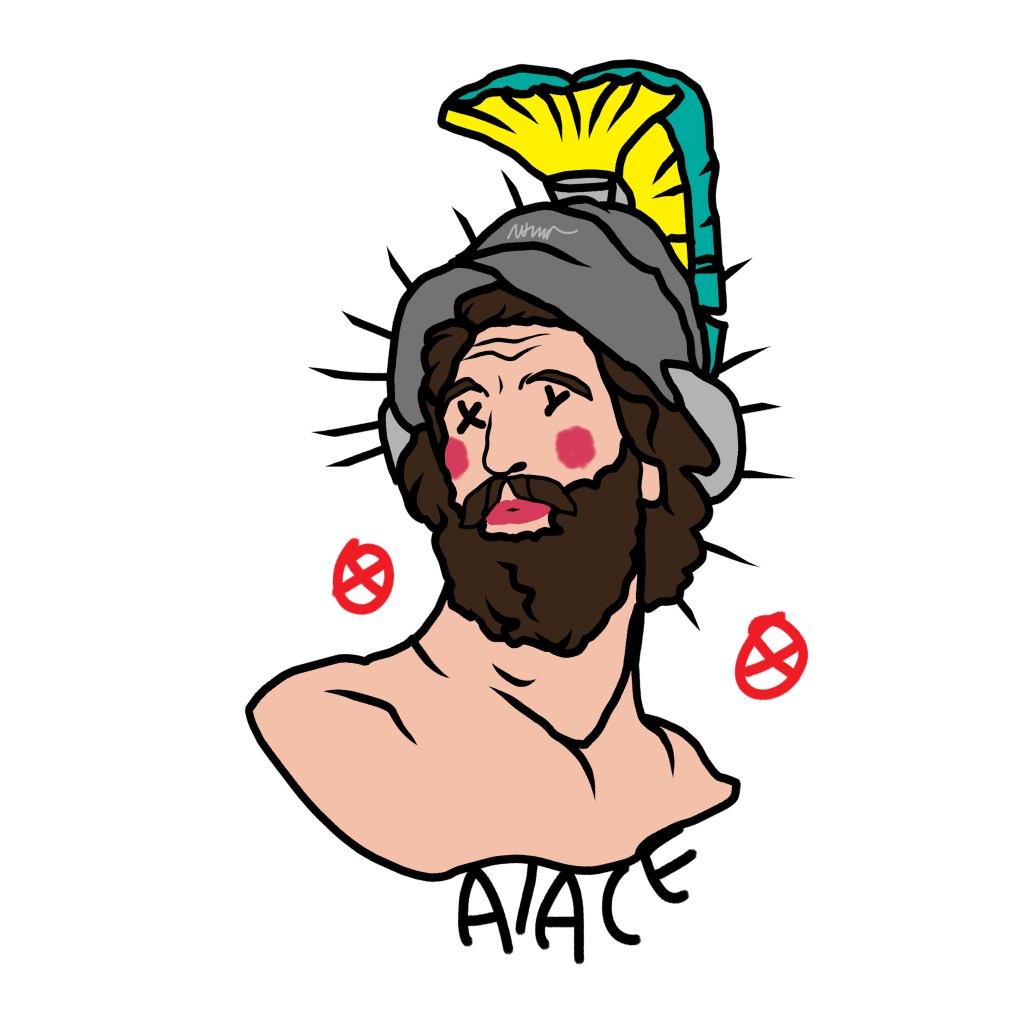
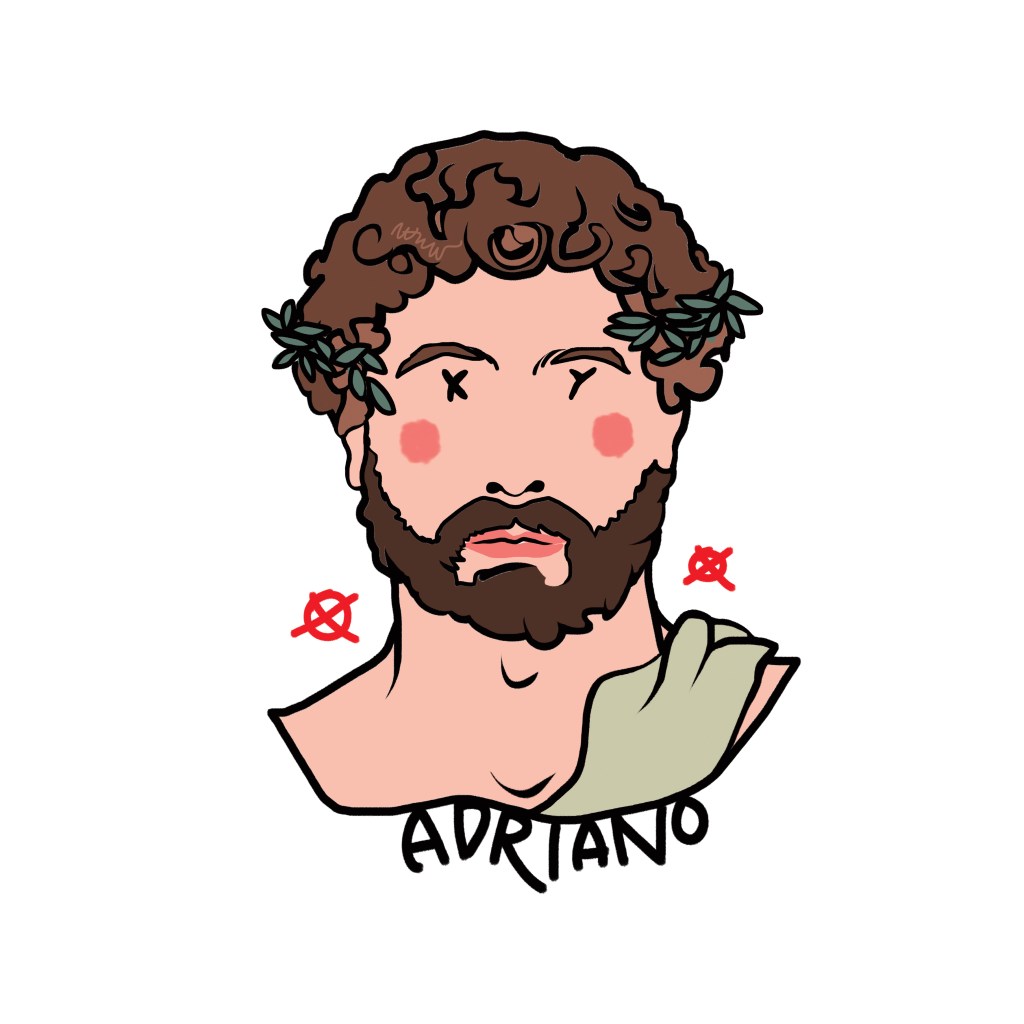
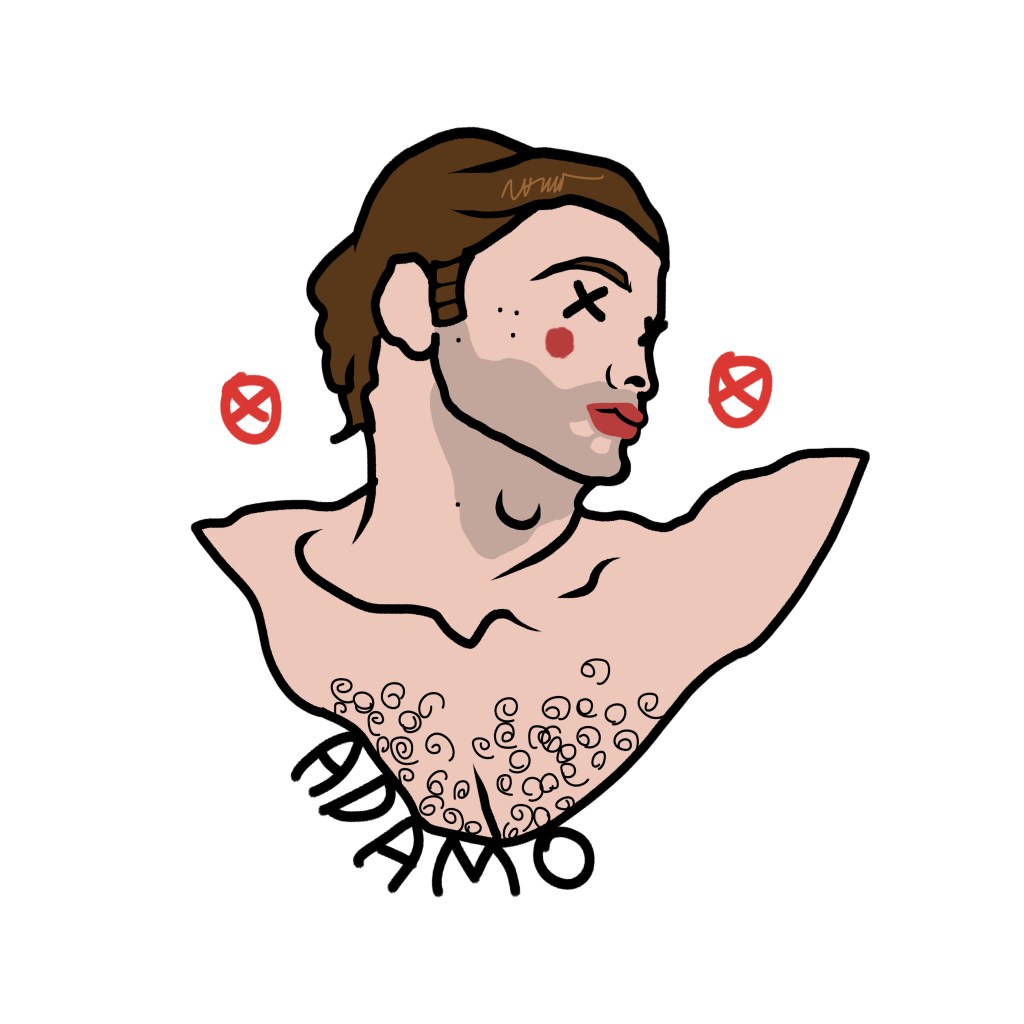
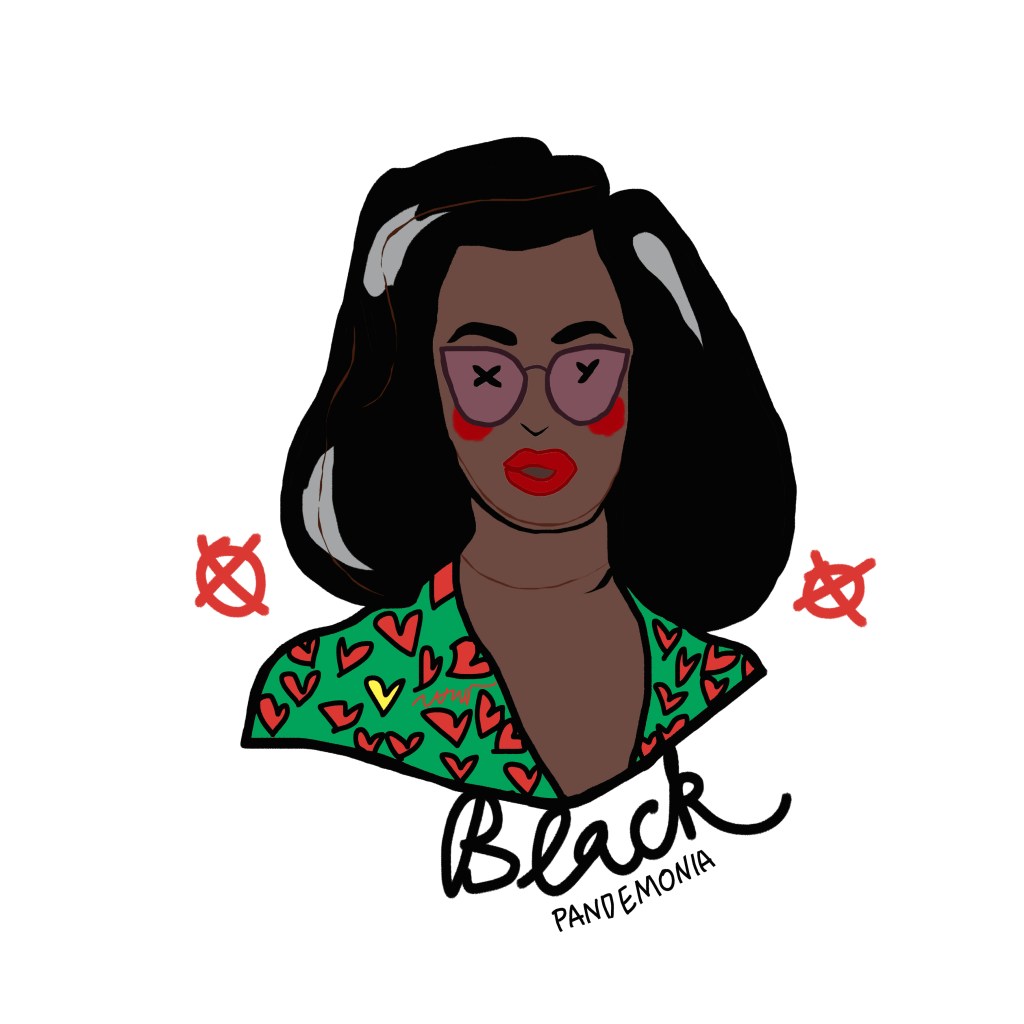
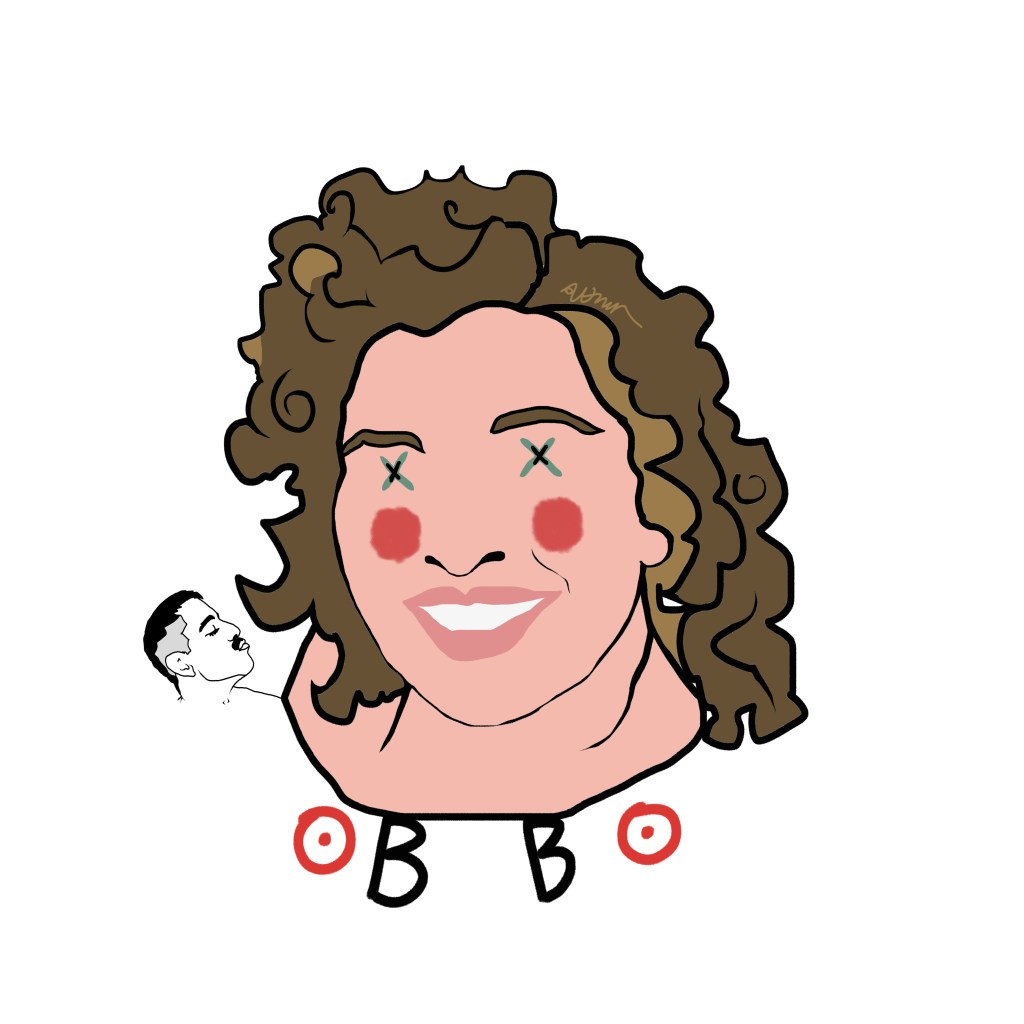
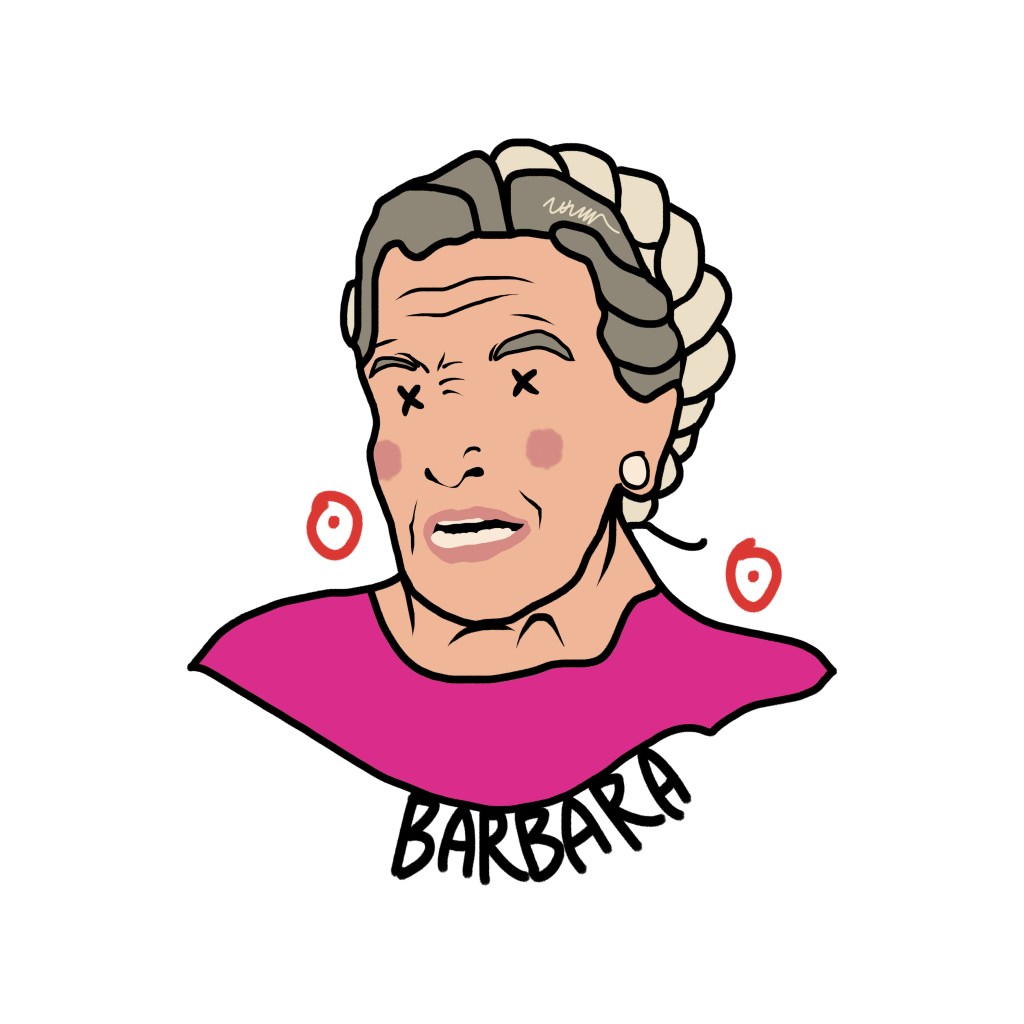
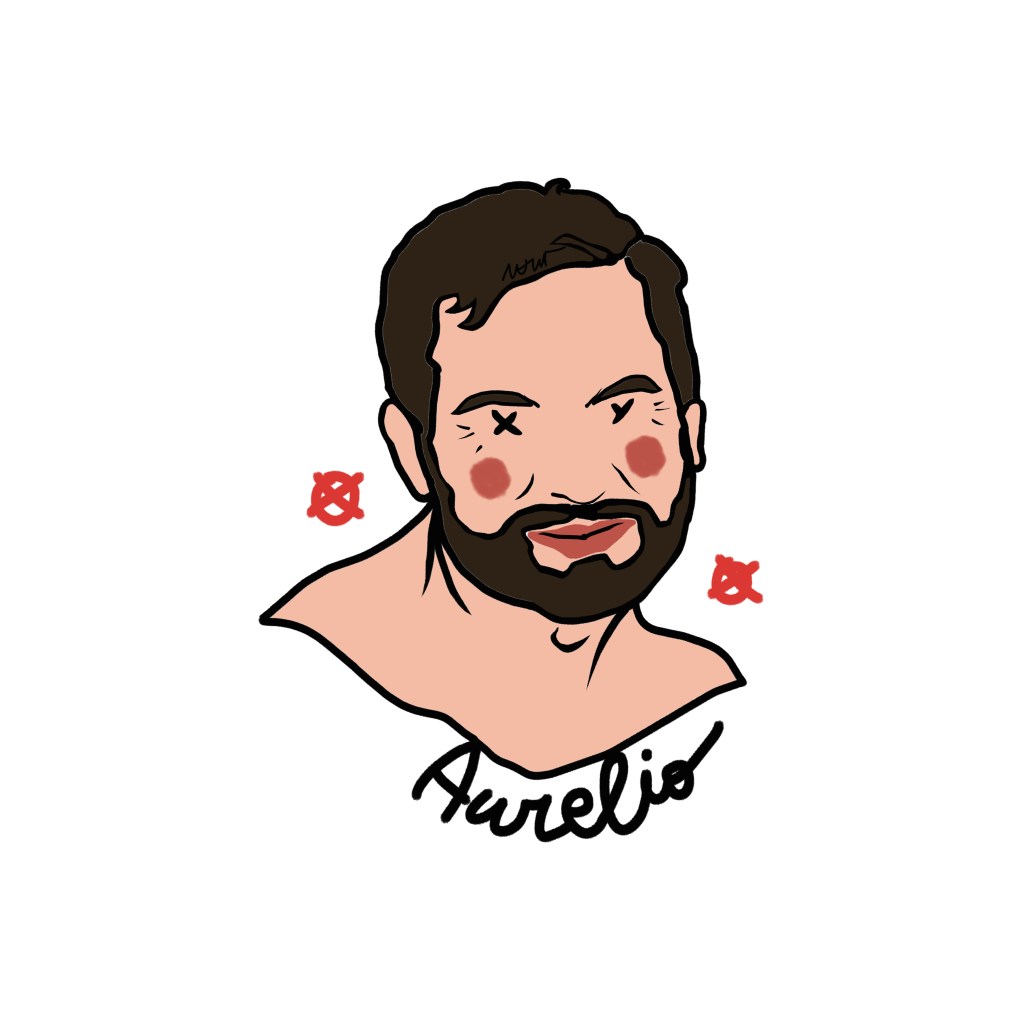
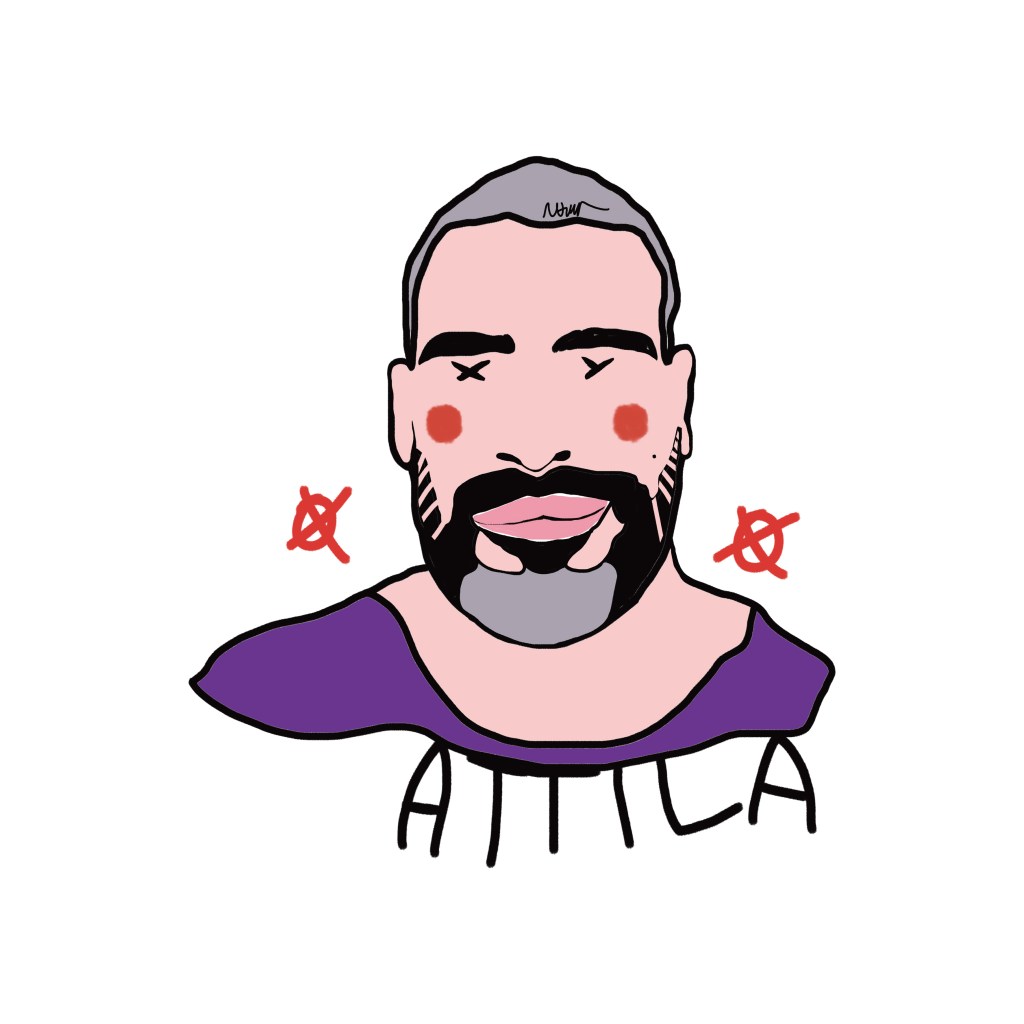
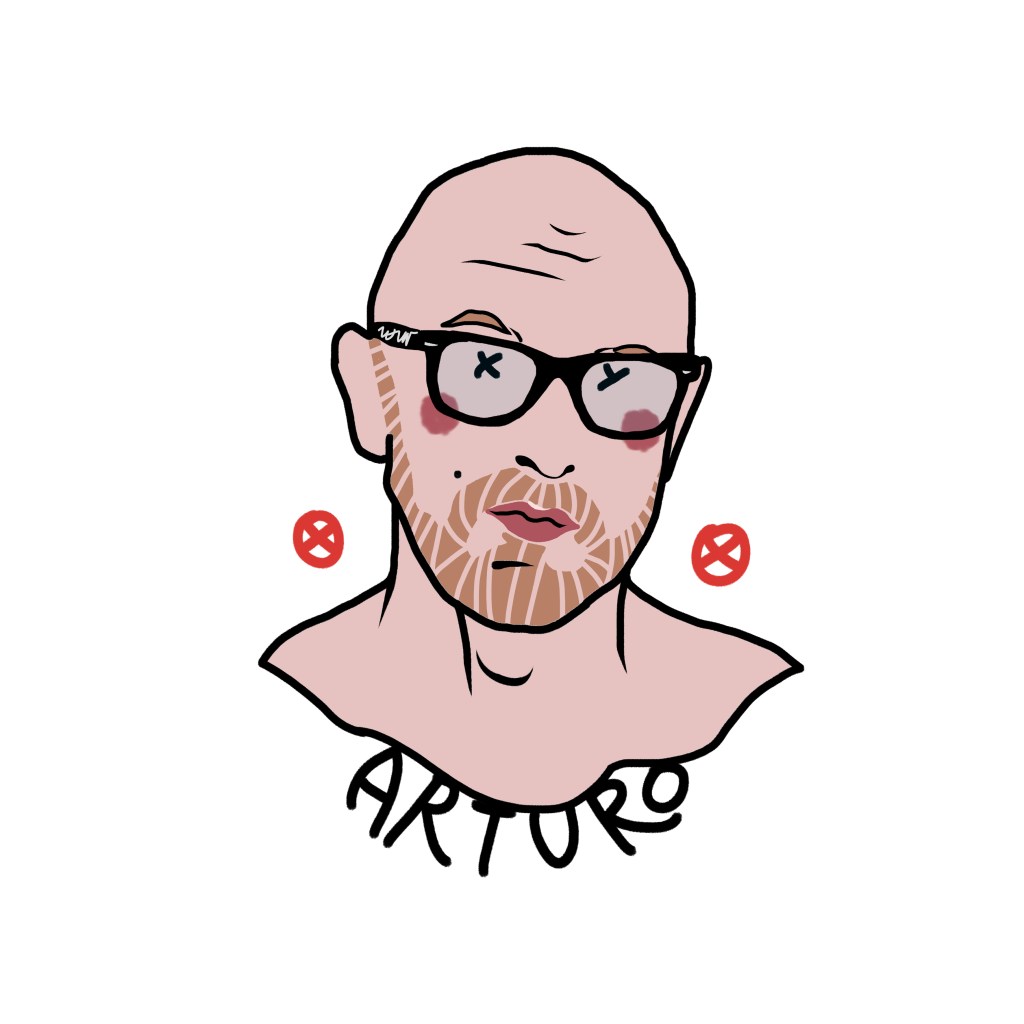
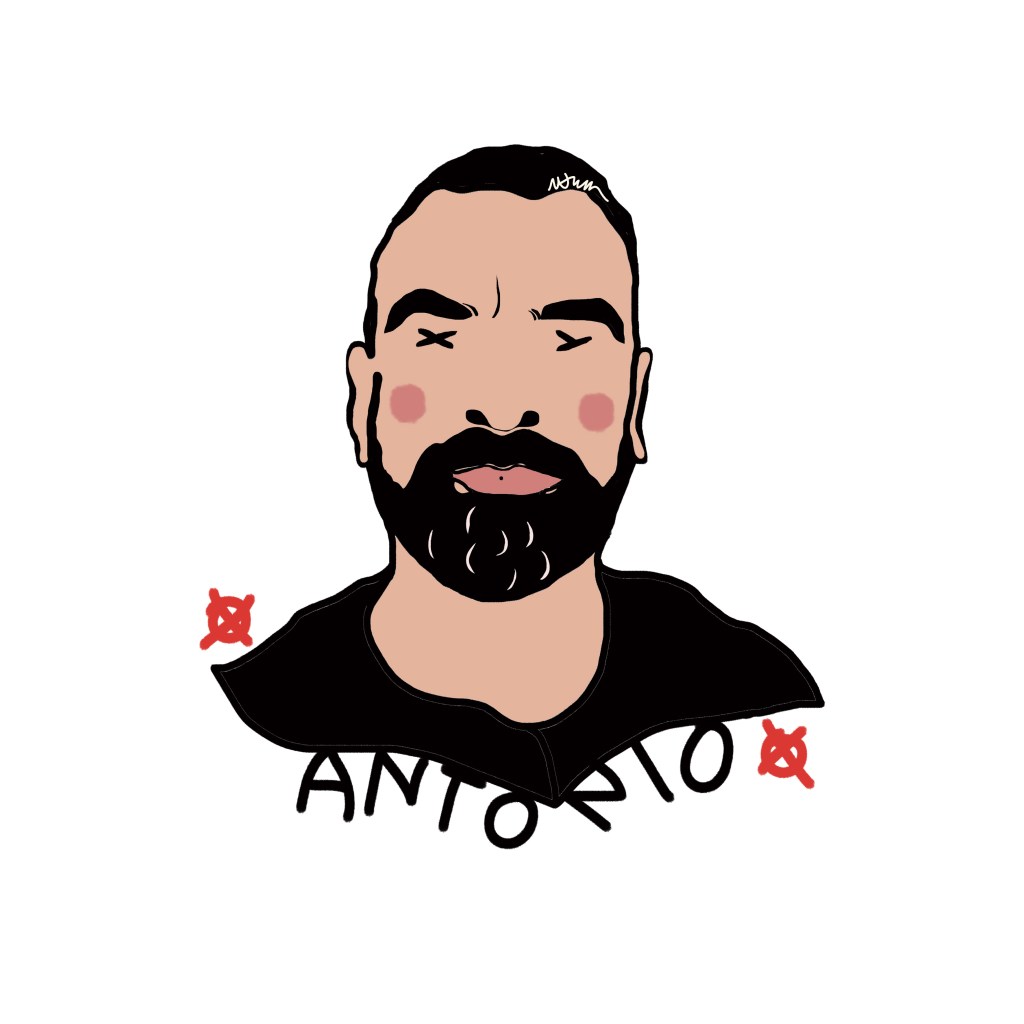
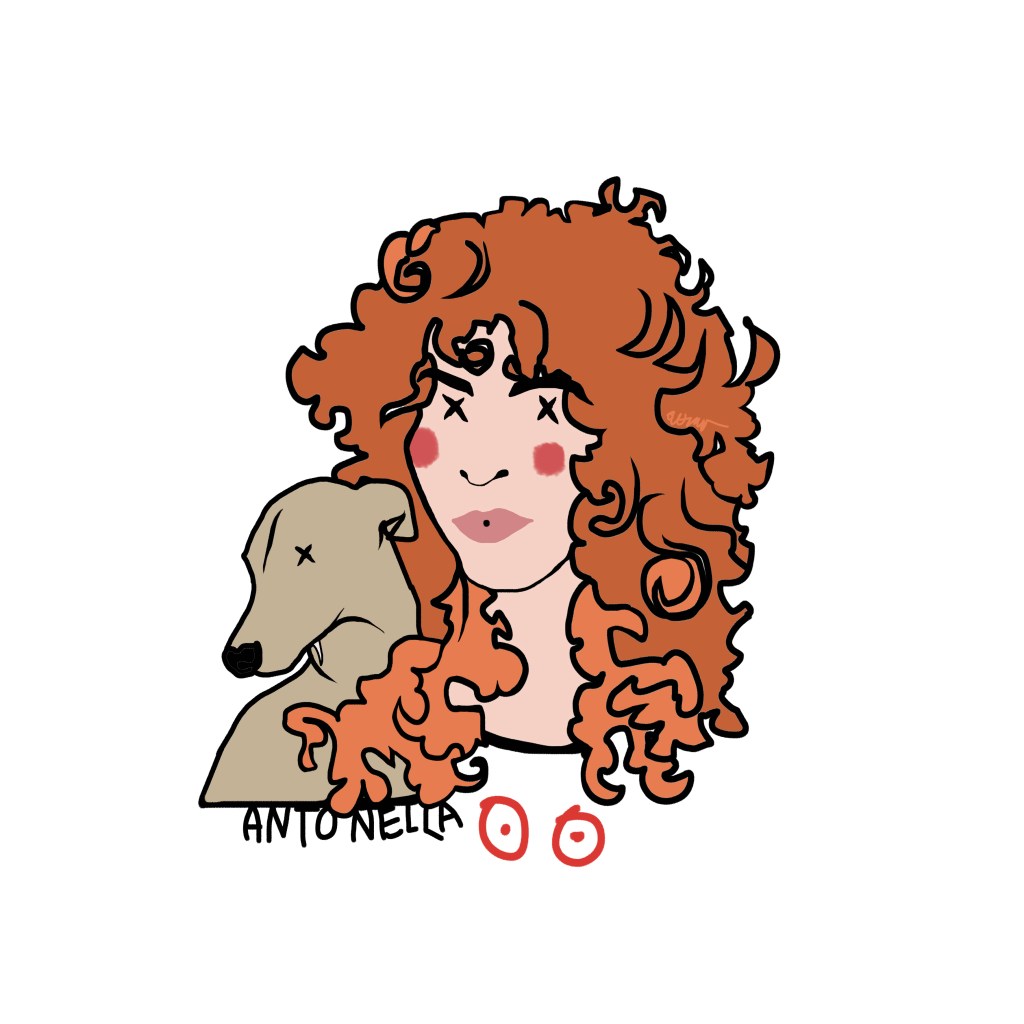
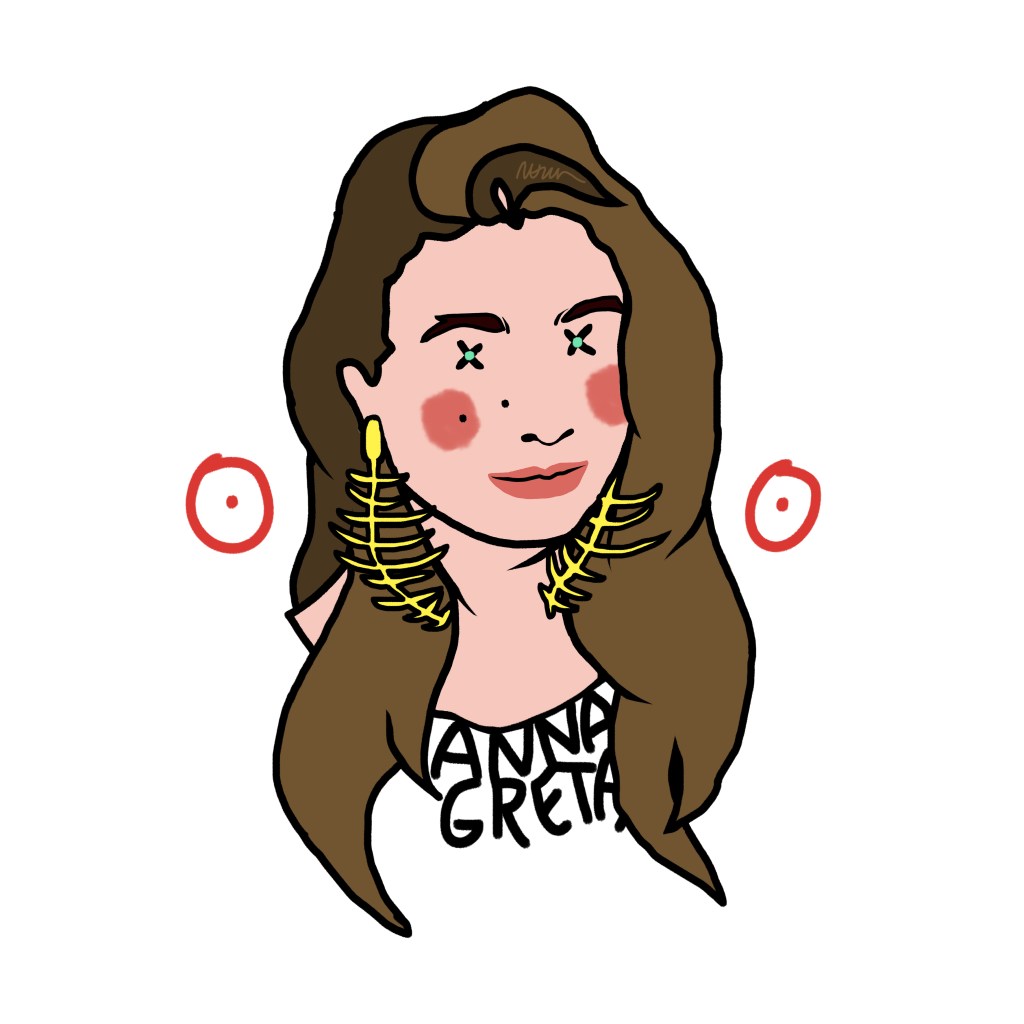
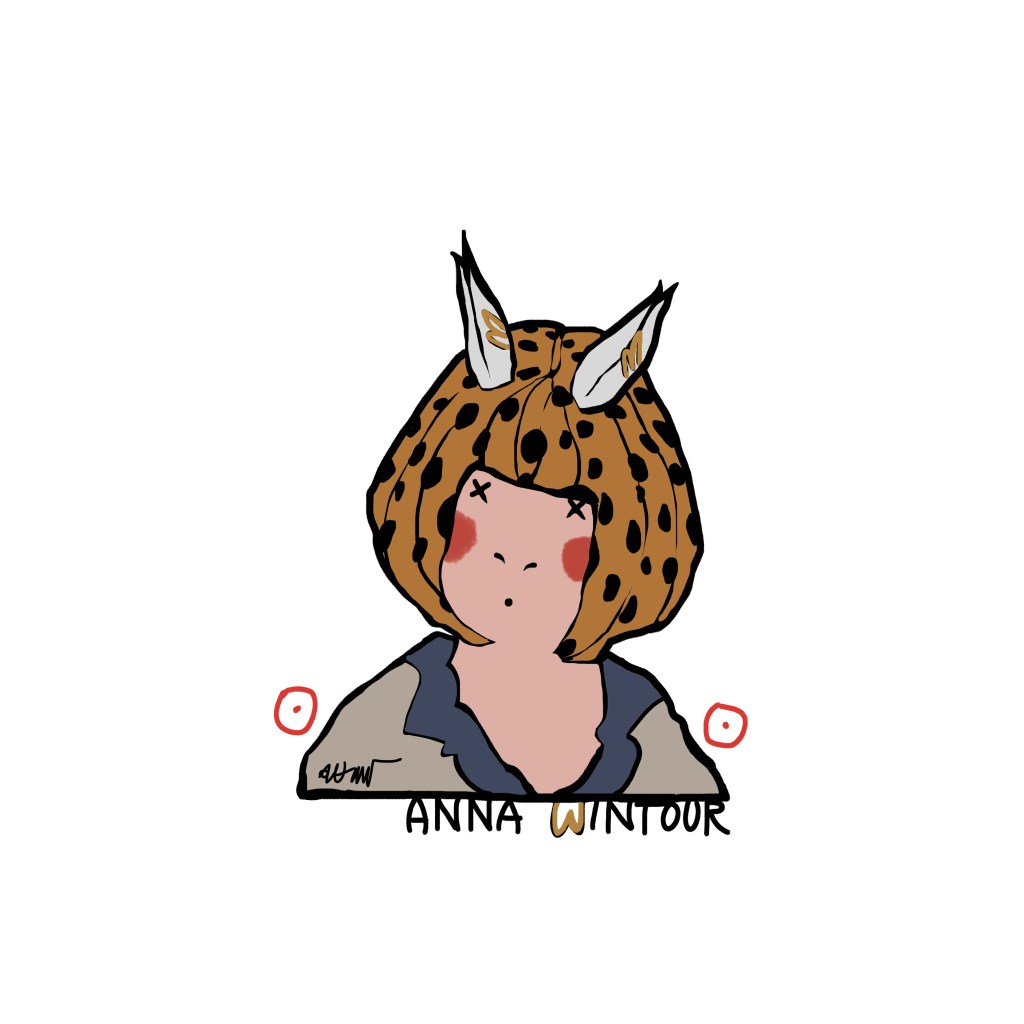
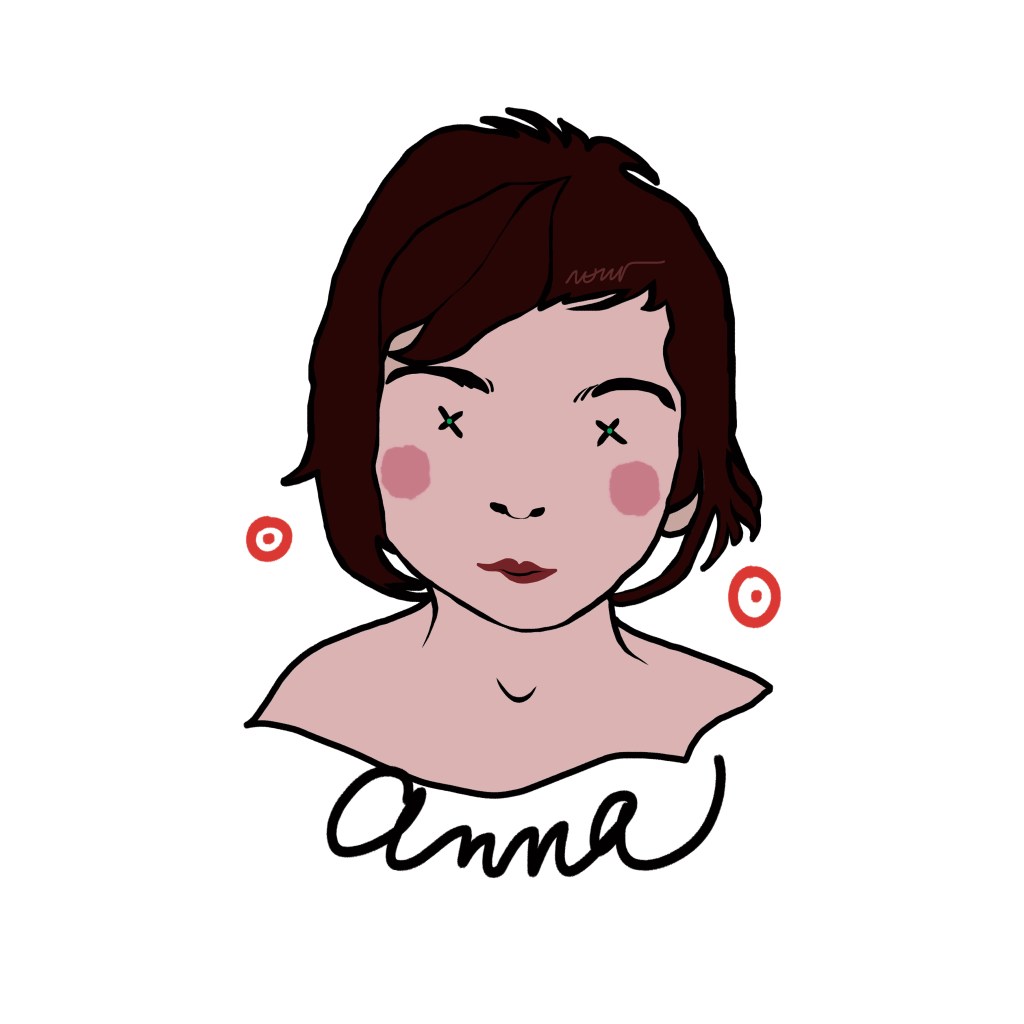
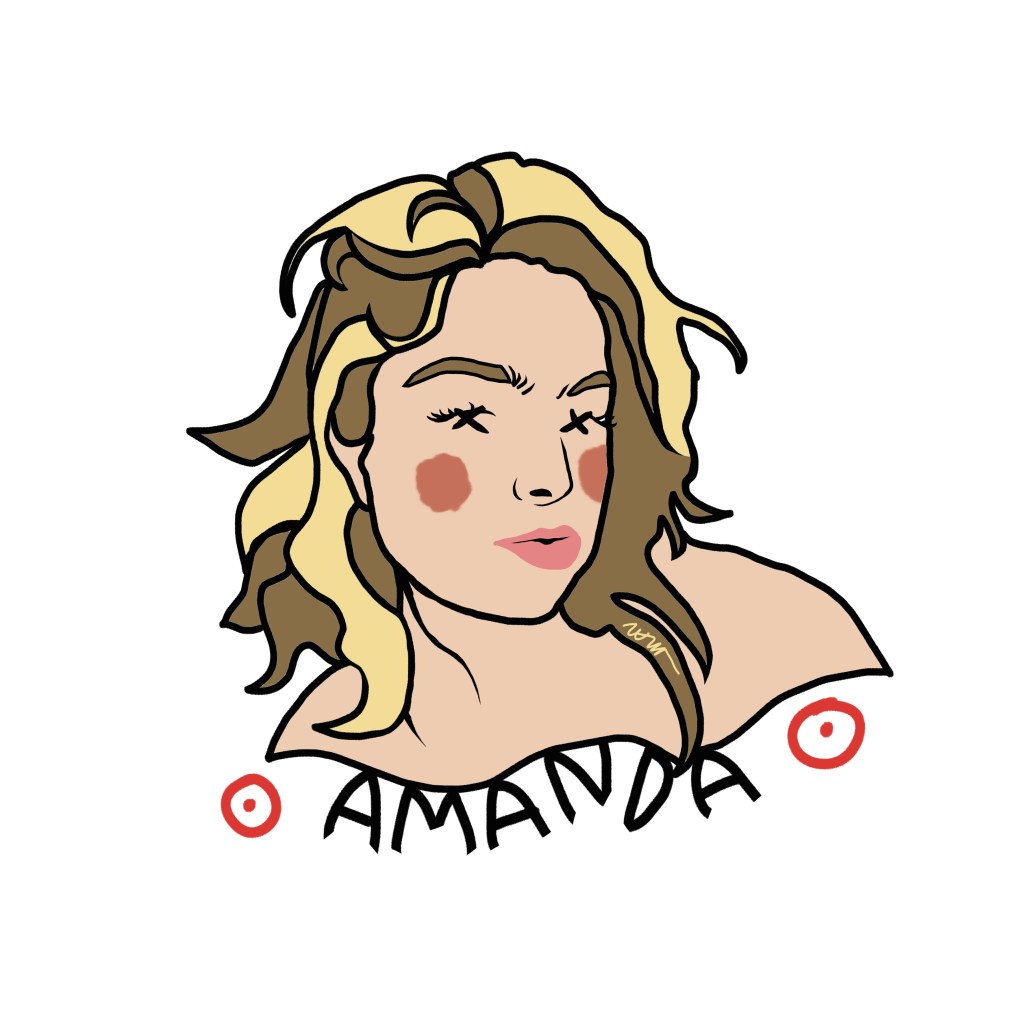
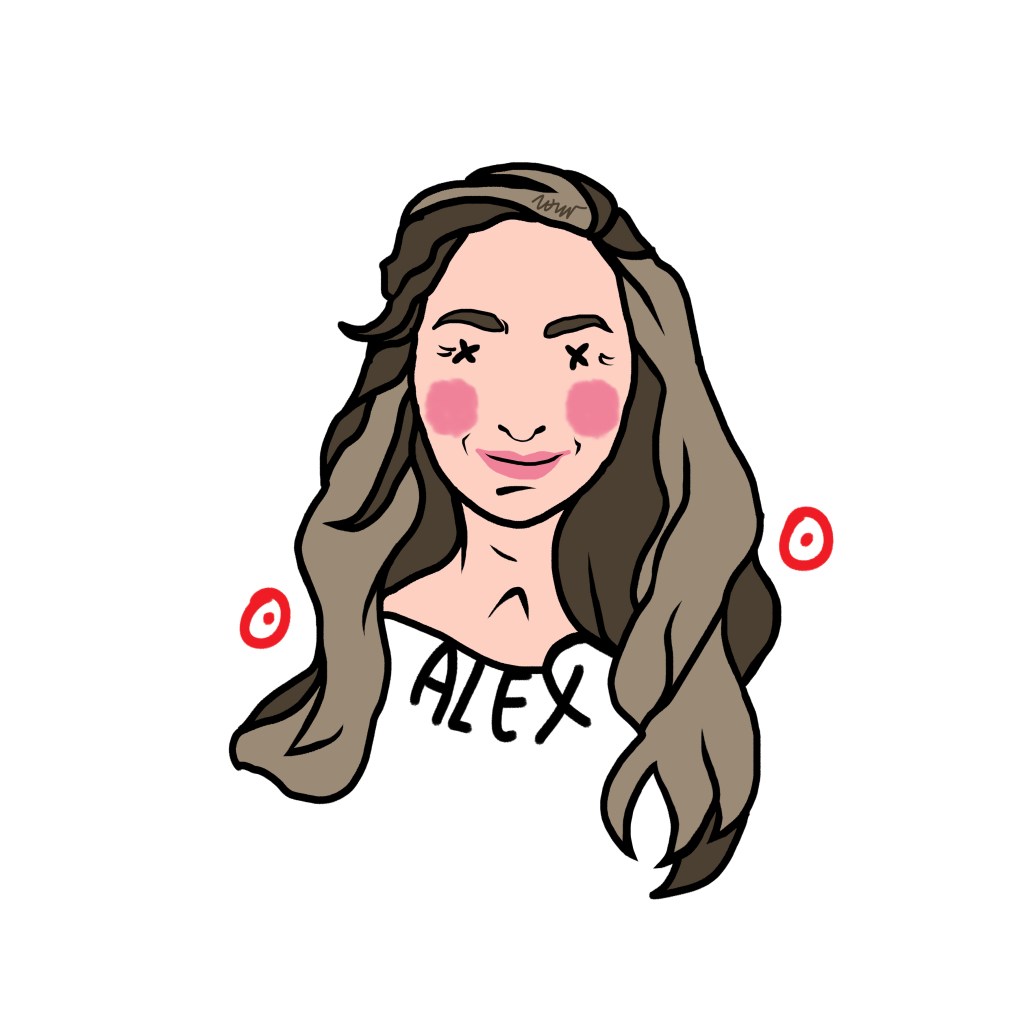
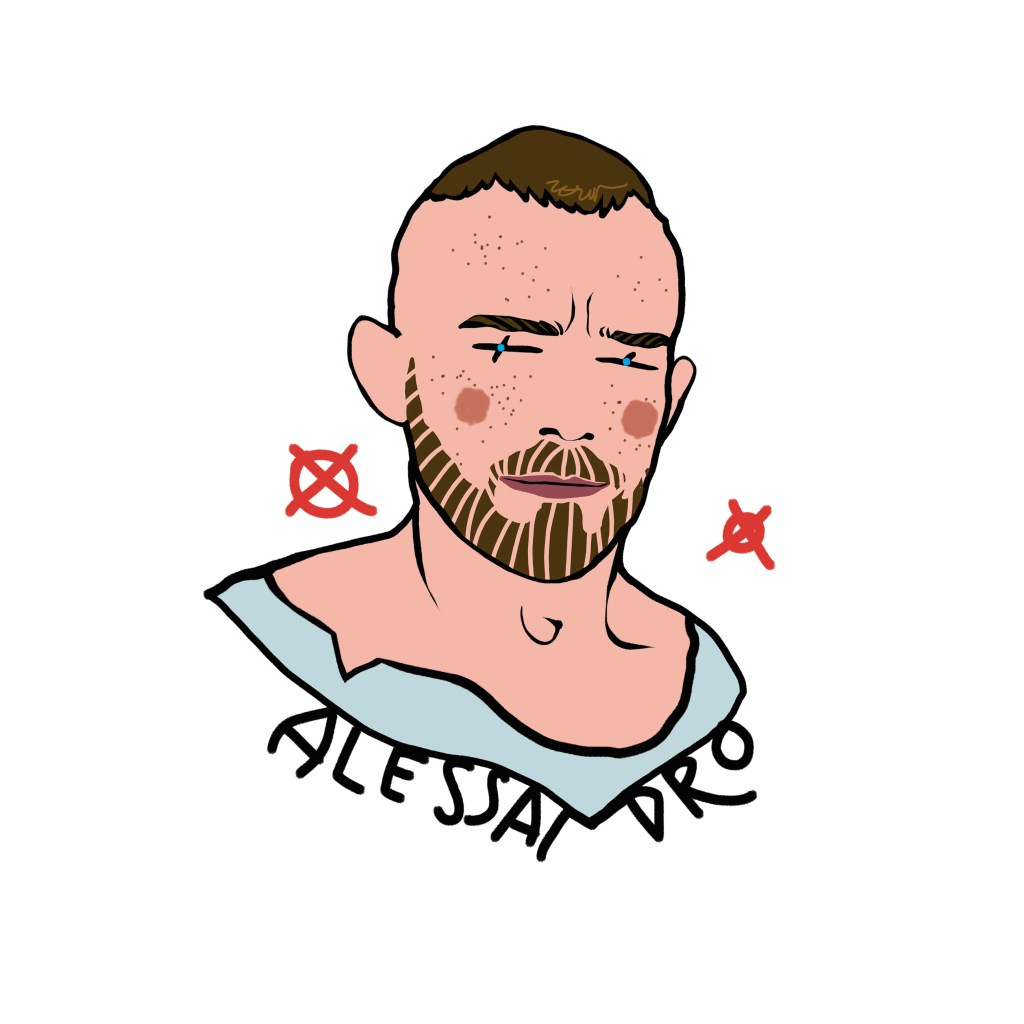
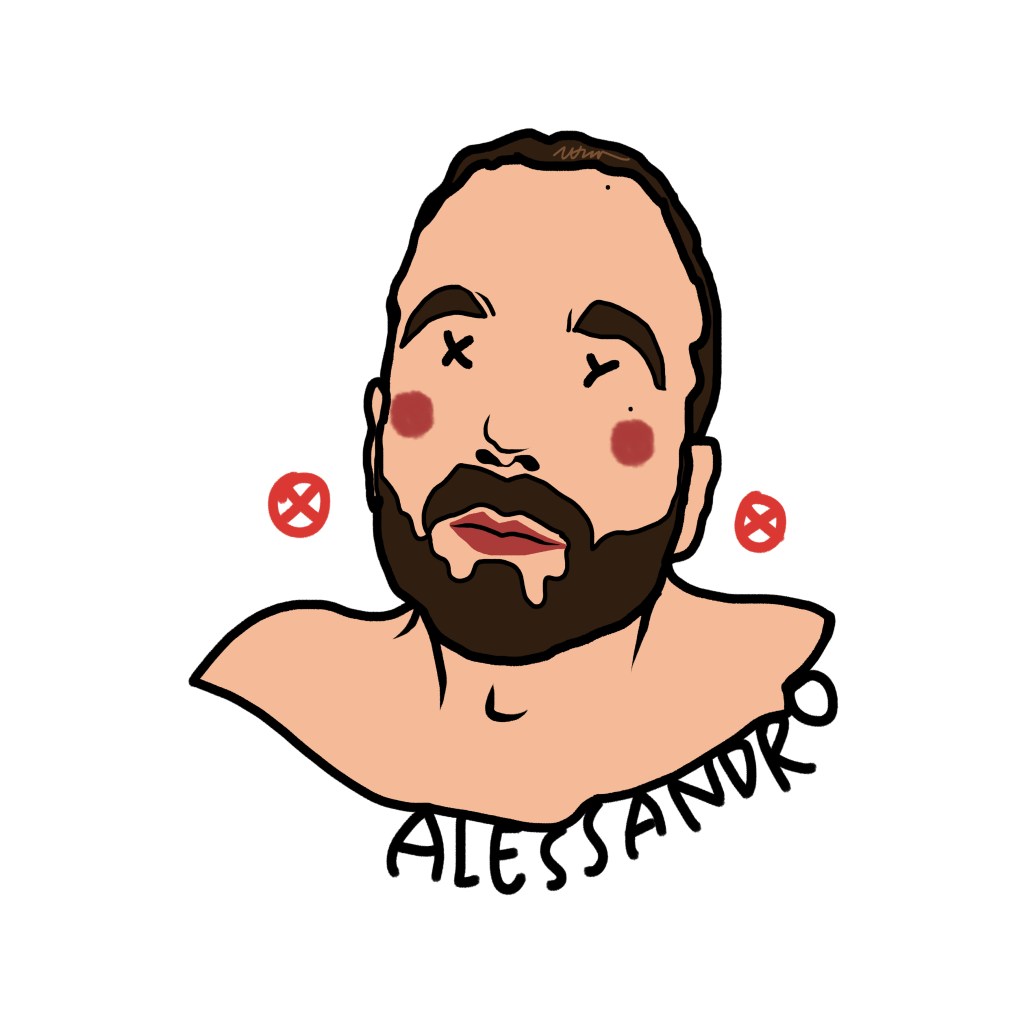
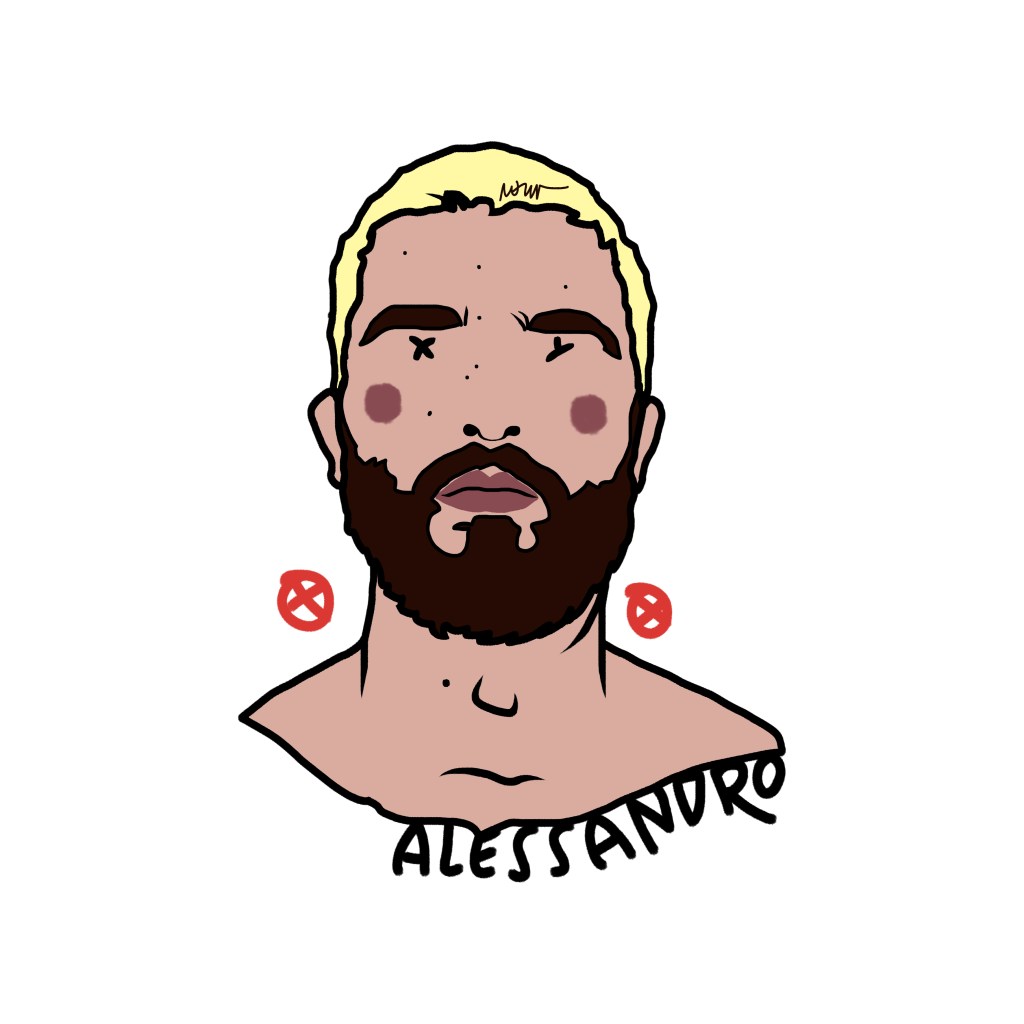
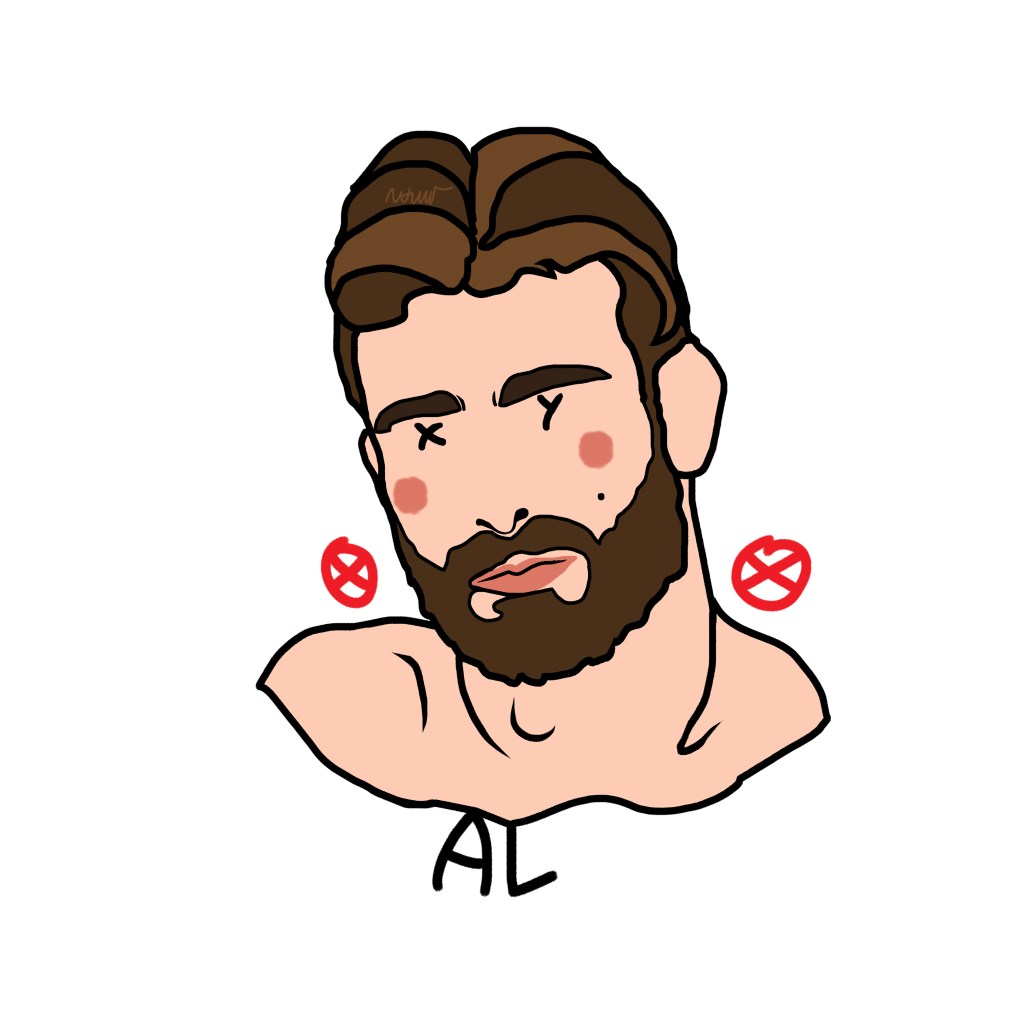
XXY PORTRAITS 2025 begins as a game with the ego. Being portrayed is initially flattering: you recognize yourself, feel celebrated, placed at the center, much like the tradition of portraits that for centuries have immortalized power, status, and identity. But after the first thrill comes the fracture: the faces are stripped bare. There are no eyes—the so-called mirrors of the soul—nor personal details or reassuring traits. Only essential marks remain, reduced to symbols that no longer speak of the individual but of the very idea of being human.
Among these marks, one element is crucial: the name beneath the portrait, the only trace of identity that survives, a cultural imprint that defines us even when the face disappears. Sex chromosomes replace the eyes—XX for female subjects, XY for male—while two stylized red nipples at the sides of the face—circles with a dot (XX) or a cross (XY)—evoke identity, exposure, desire, and vulnerability.
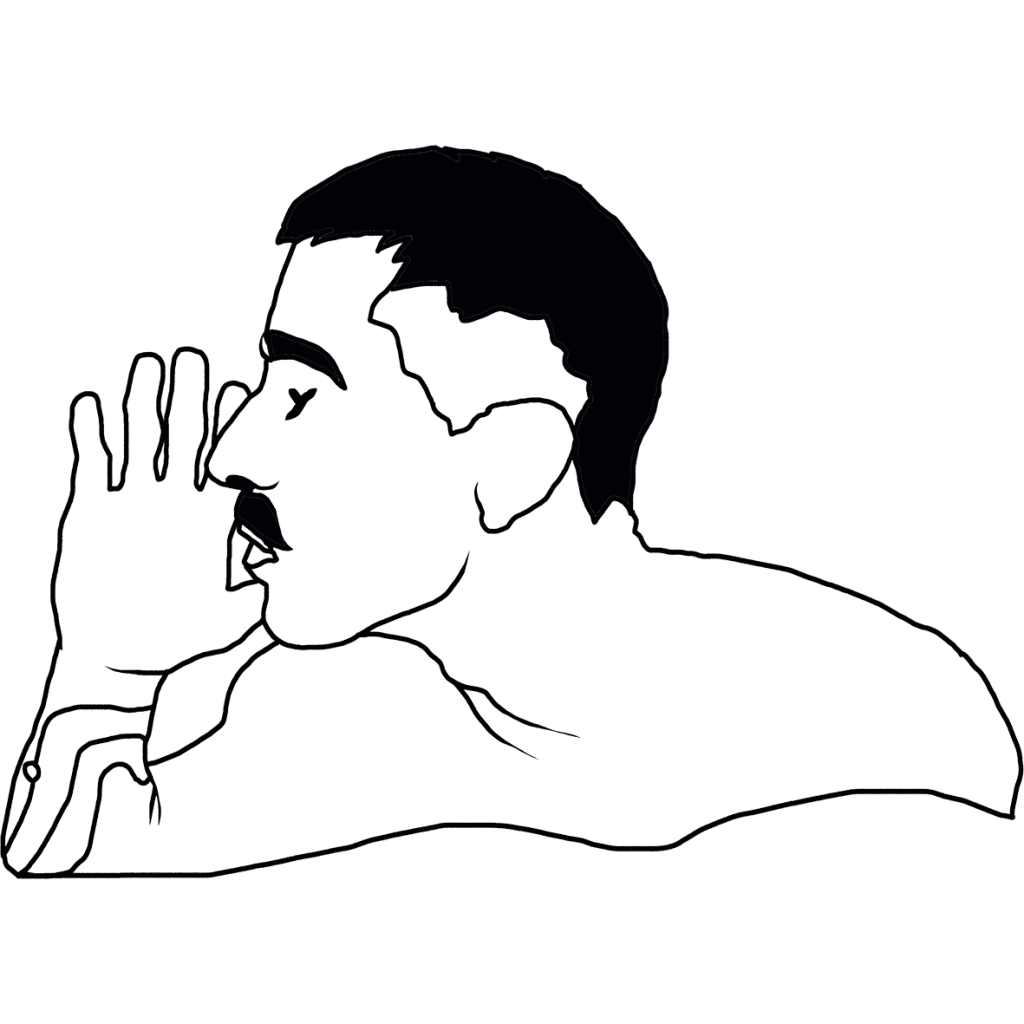
XXY PORTRAITS does not stop at static images. The project expands into social media and shared cultural memory: micro-videos, photographs, posters, advertisements, book covers, pop icons, and fragments of history and art become material on which to “stick” the portraits. My characters replace familiar protagonists, inserted into scenes we thought immutable, rewriting both familiar and historical narratives. In this way, the faces change, and with them the meaning of the images: the past, imagination, and everyday reality bend to a new perspective, showing how fragile and flexible identity and history really are.
The work also reflects on our time, where identity has become branding and the face a logo. Immersed in filtered, shared, and manipulated images, XXY PORTRAITS seeks presence by removing everything else. The aesthetic gesture arises from an urge to subtract while keeping only what matters: clean lines, elemental symbols, pure presence.
In the end, only a name and a face without eyes remain, asking:
Who are you, really, when everything else is taken away?
CULTURAL GENES & COLLECTIVE CONSCIOUSNESS
Human evolution has always unfolded on two levels.
Biology passes on life through XX and XY chromosomes.
Culture passes on meaning through role models.
Kings, nobles, leaders, influential figures were never just power.
They were archetypes — cultural genes shaping the imagination and directing the destiny of entire societies. Their image replicated itself in the behavior of others, turning imitation into evolution.
This symbolic transmission is driven by two primal forces:
the need to belong and the fear of disappearing.
We imitate to be accepted.
And we seek to be remembered to avoid dying completely.
The collective consciousness becomes a vast archive of shared identities: the place where cultural genes live longer than biological bodies.
XXY PORTRAITS makes this deep truth visible.
Each portrait is not an individual, but a code of humanity — a role that replicates through time. Eyes are removed to erase the ego; the body is reduced to what we truly inherit: the essence others preserve in memory.
In this perspective, art is not mere representation:
it is an act of cultural resurrection.
It inserts new genes into our collective mind, proposing new models,
giving continuity to what would otherwise vanish.
XXY PORTRAITS is a response to death
and a celebration of our need to remain.



































































































































































































 SZ
SZ 