
SAUL ZANOLARI – THE EVOLUTION OF A VISUAL LANGUAGE
My artistic journey began in 2005, starting from what I had closest: my own family. Just graduated in philosophy and moving away from traditional painting, I began to experiment with digital art. Family, my first series, is a deeply intimate project created from old family photographs digitally retouched and enriched with subtle hand-drawn elements. I later extended this visual exploration to vintage photographs from friends’ families, creating a kind of emotional archive that searched for universality in the personal.
Over time, the photographic base gradually faded, leaving only a photographic “soul” as drawing took over. My technique became more refined, but the essence remained: whether digital or manual, for me, drawing is drawing. It’s never the computer that creates — it’s always me. I’ve always treated the computer as both my brush and my canvas.
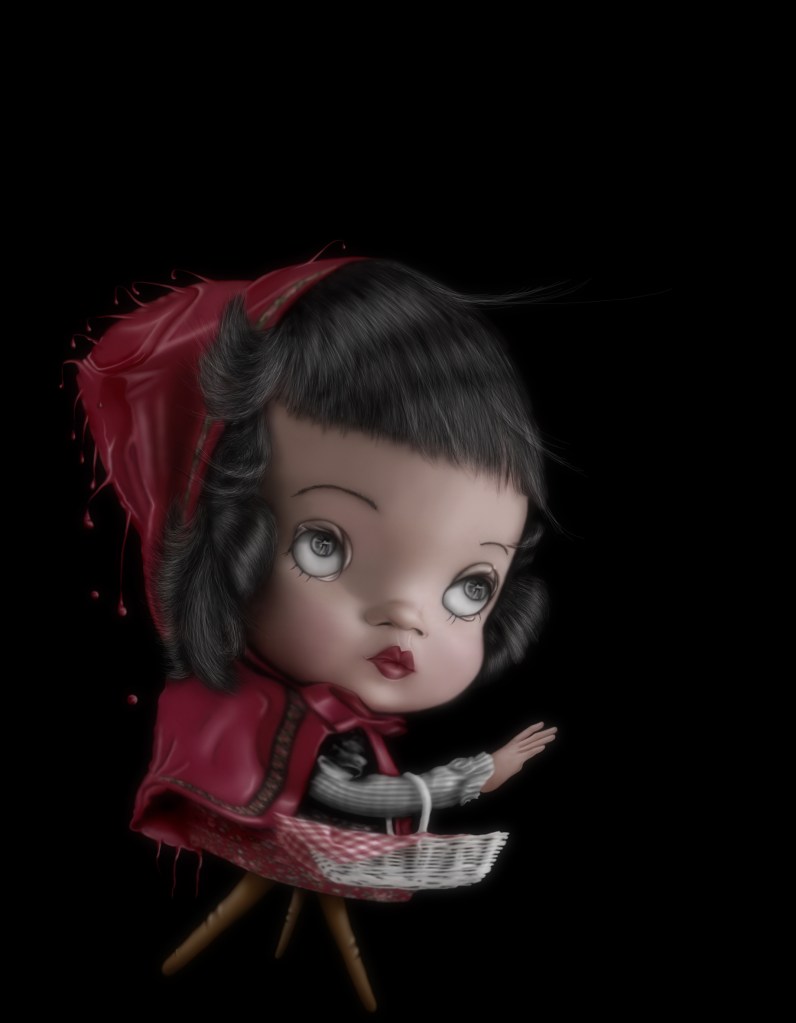
From this intimate starting point, my gaze turned outward, toward the world of icons. At the time, drag queens represented the perfect symbolic figures — theatrical, transformative, powerful. This gave birth to the Queens series, soon followed by a cast of public figures such as Madonna, Paris Hilton, and Zsa Zsa Gabor, intertwined with fairy tale characters like Little Red Riding Hood or The Princess and the Pea. These characters were featured in my first major solo show in 2008 at F2 Gallery in Beijing.

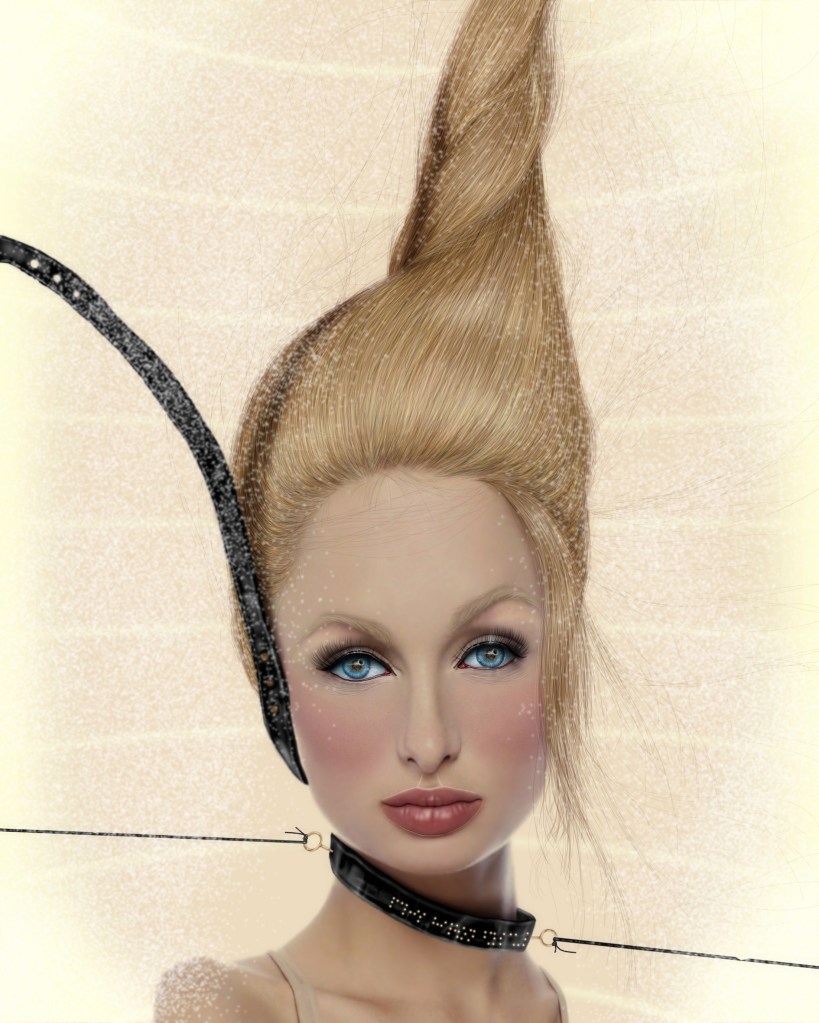
Public figures, for me, hold no intrinsic value — they are only important insofar as society has chosen to elevate them, to project ideals onto them. What has always interested me is the contrast between these “chosen” individuals and the so-called ordinary people who share the same time and space but not the same spotlight.
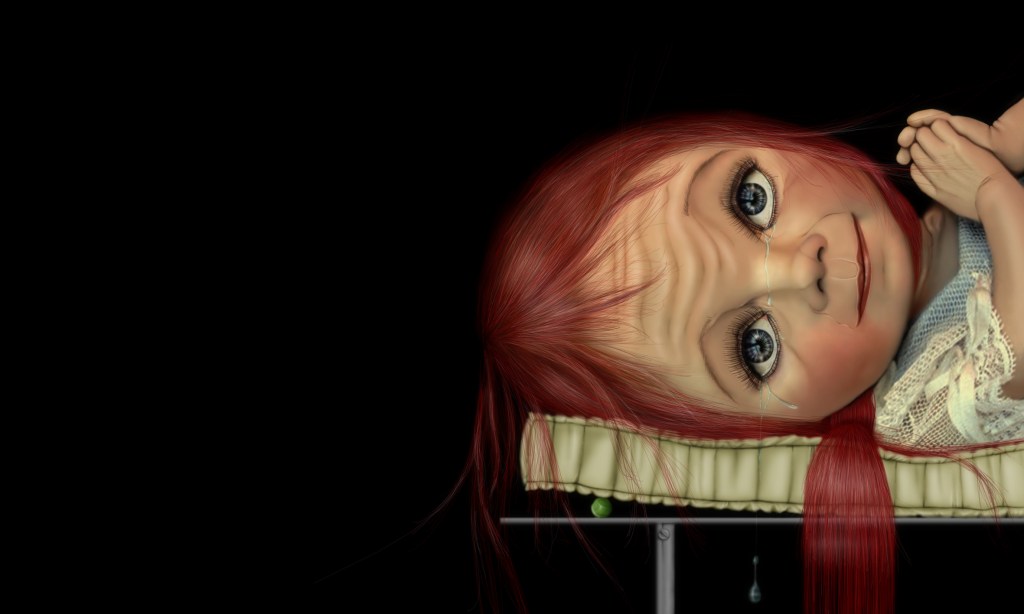
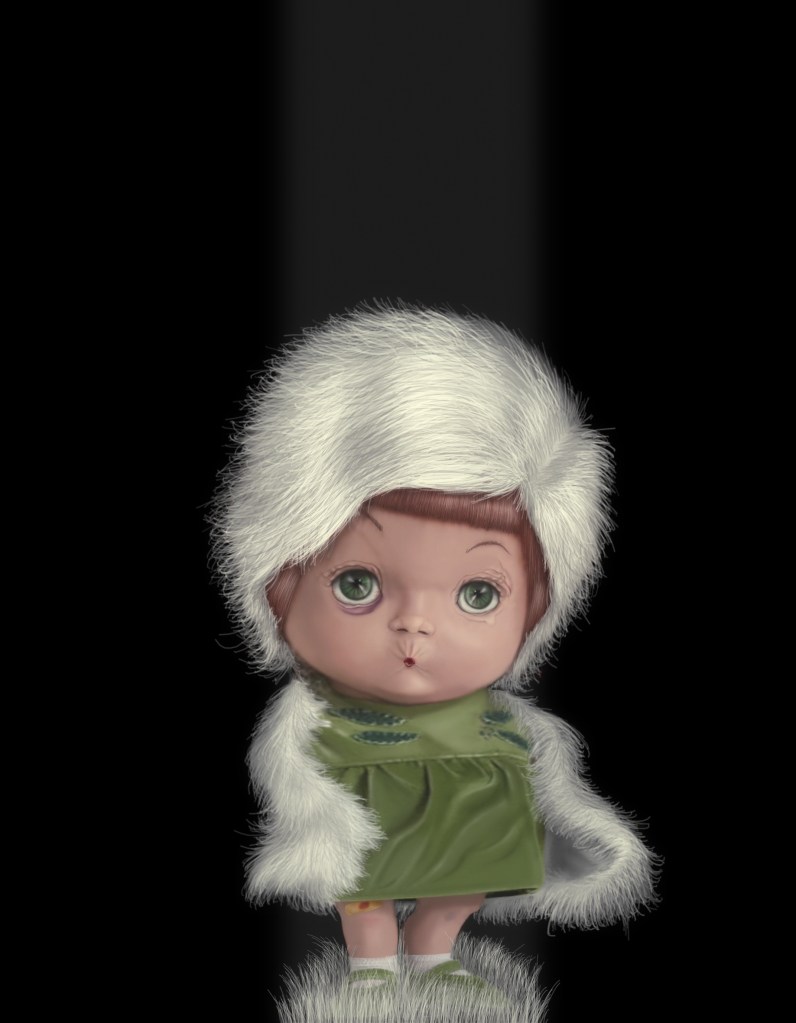
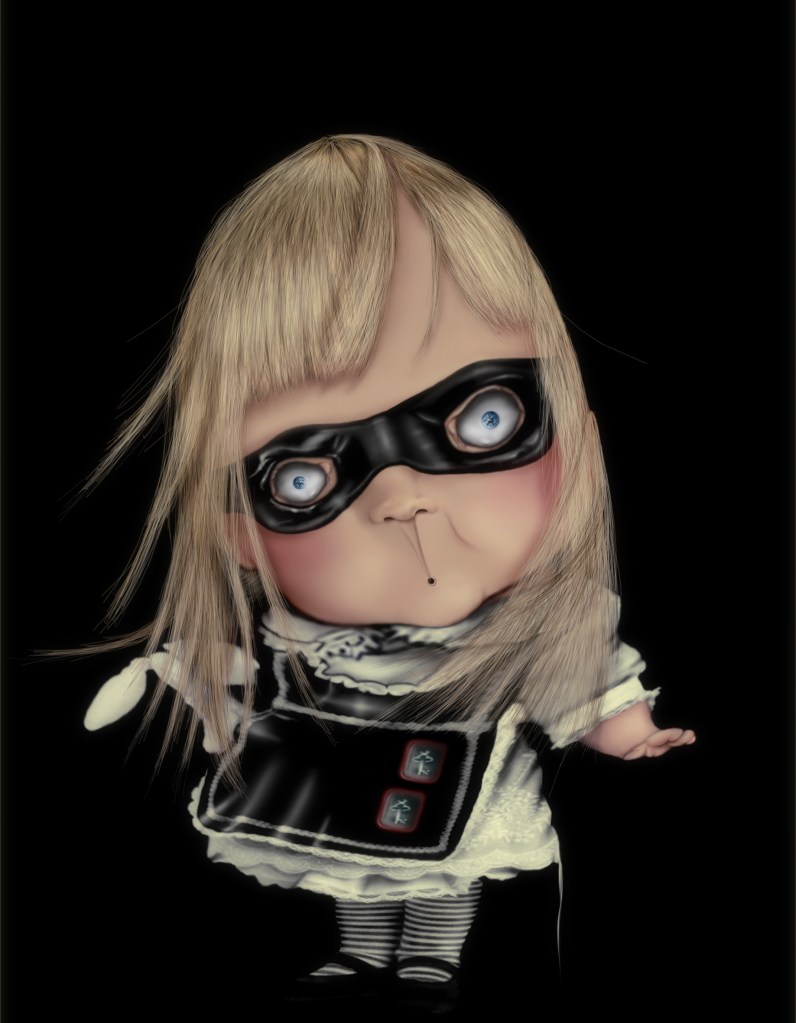
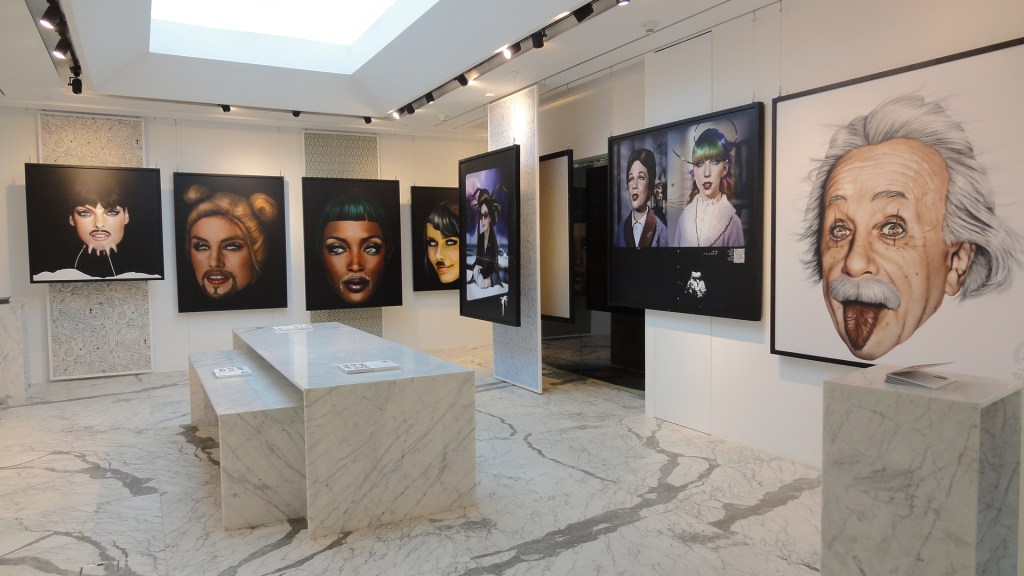
I became fascinated by fashion icons not because of fashion itself, but because these figures are even more radically iconic. Models, for example, are ordinary human beings walking — yet within that walk, we project entire worlds, dreams, and complexities. Fashion has always captivated me for the sheer enthusiasm that surrounds it — something I have rarely found in the art world.

After the exhibitions in Beijing and Shanghai at Joyce Galleries, I turned inward. A kind of Copernican shift began — no longer observing the lights and fantasies humans tell themselves, but looking into my own depths. This led to the creation of the SZ Trilogy:
- SZ Chapel (2013–2015),
- SZ Boredom (2015–2017),
- SZ Cosmogony (2018–2020).
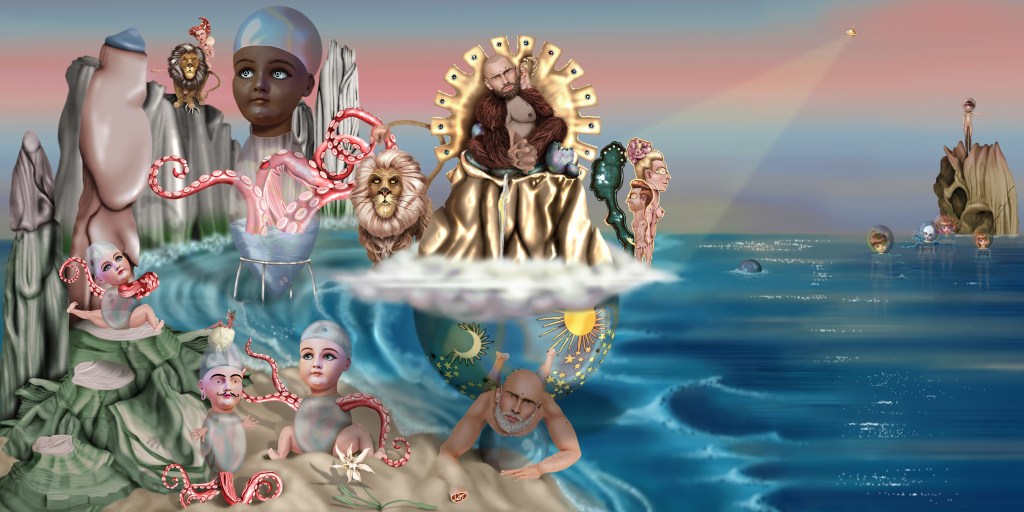
SZ Chapel is a reinterpretation of the Sistine Chapel as a modern Plato’s Allegory of the Cave. A journey to rediscover the self, starting from what will never be certain, yet has a stronger scientific foundation — like the four fundamental forces of physics, whose formulas appear on God’s costumes. The nude bodies in the composition are often misread as sexual elements. But what could be more real, more factual, more universal than our own naked bodies? Clothing would have distorted the clarity I sought to express.

SZ Boredom is built on the belief that boredom is one of the essential engines of human creativity. I recreated iconic works from art history, placing them in a newly forming universe, surrounded by disconnected planets. Boredom is not just destructive inaction — if well channeled, it becomes a generative force, a kind of creative Big Bang.

SZ Cosmogony, the final chapter in the trilogy, marks both an ending and a beginning. A personal cosmogony — the construction of my inner world — after which something broke inside me. I fell silent for three years. Then, something new emerged.
XXY PORTRAITS – A LANGUAGE OF ESSENCE
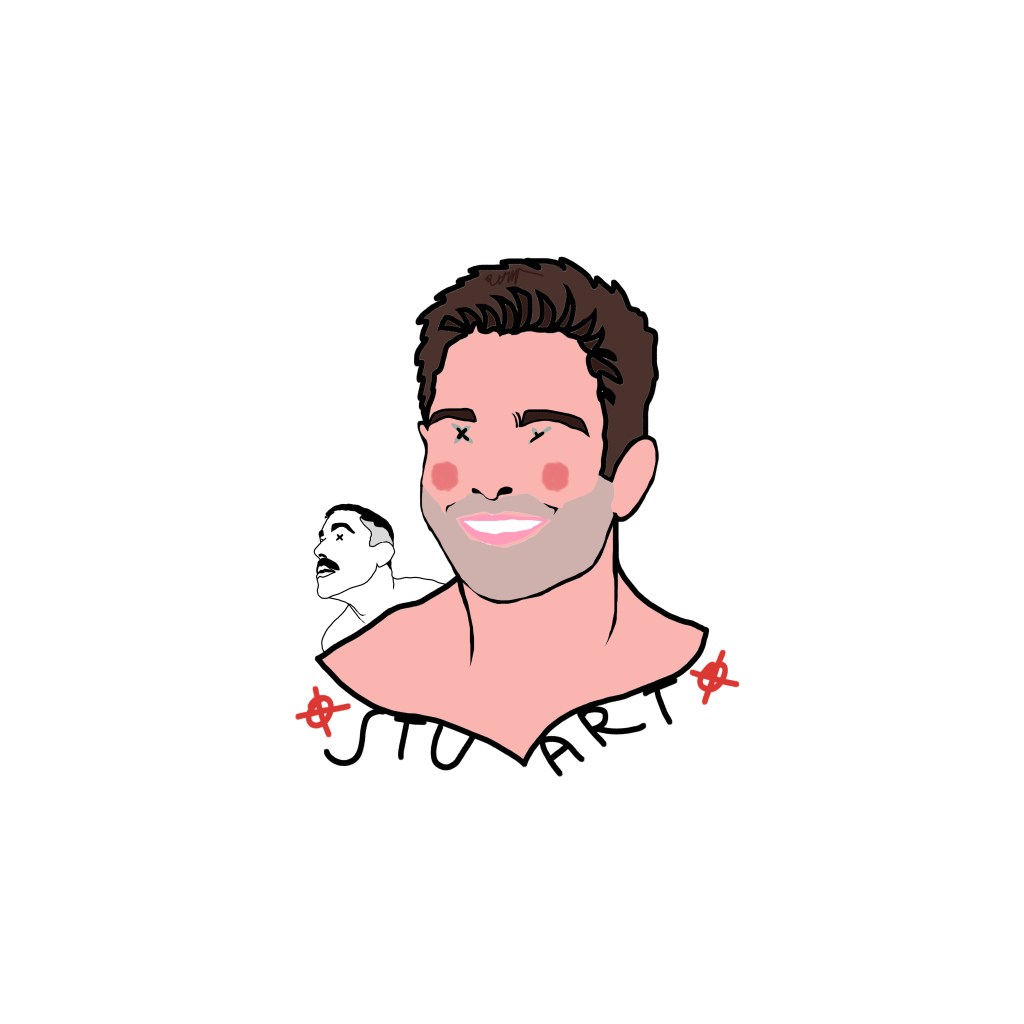
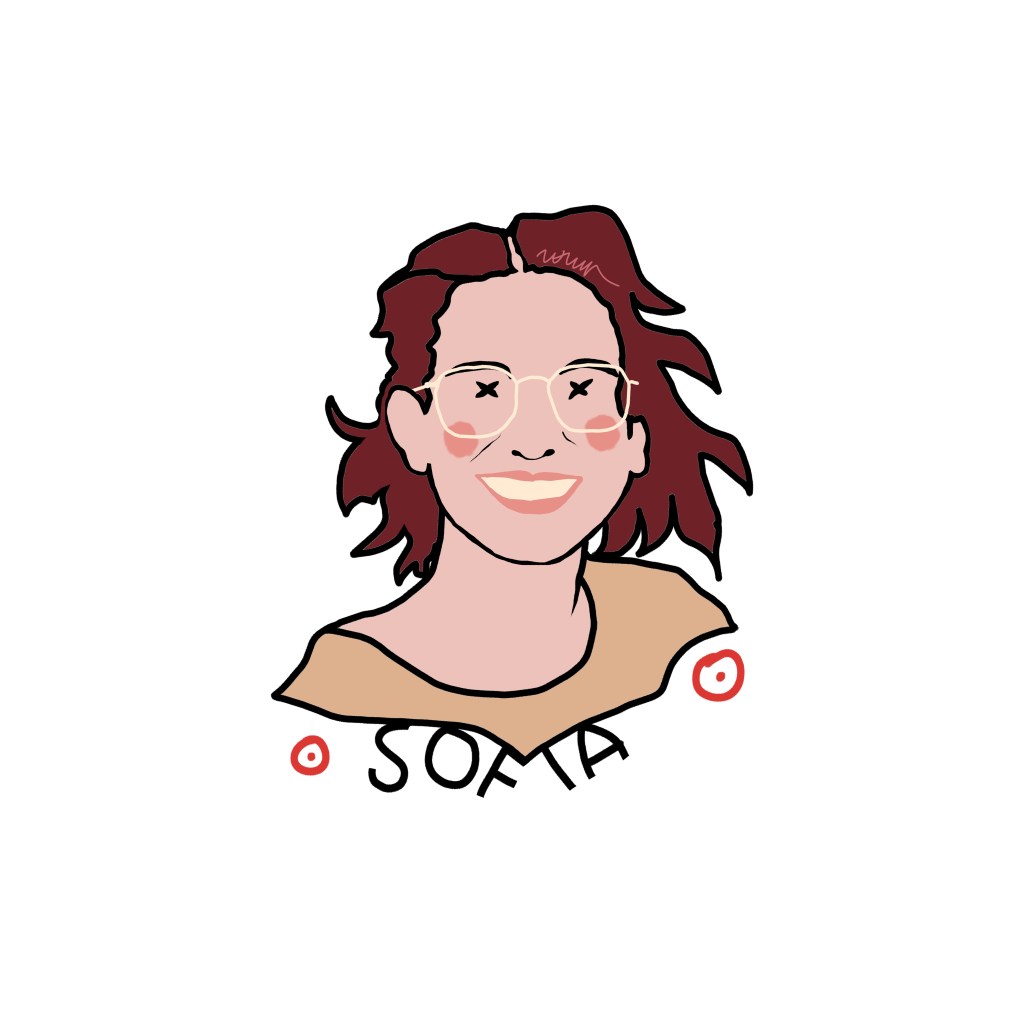
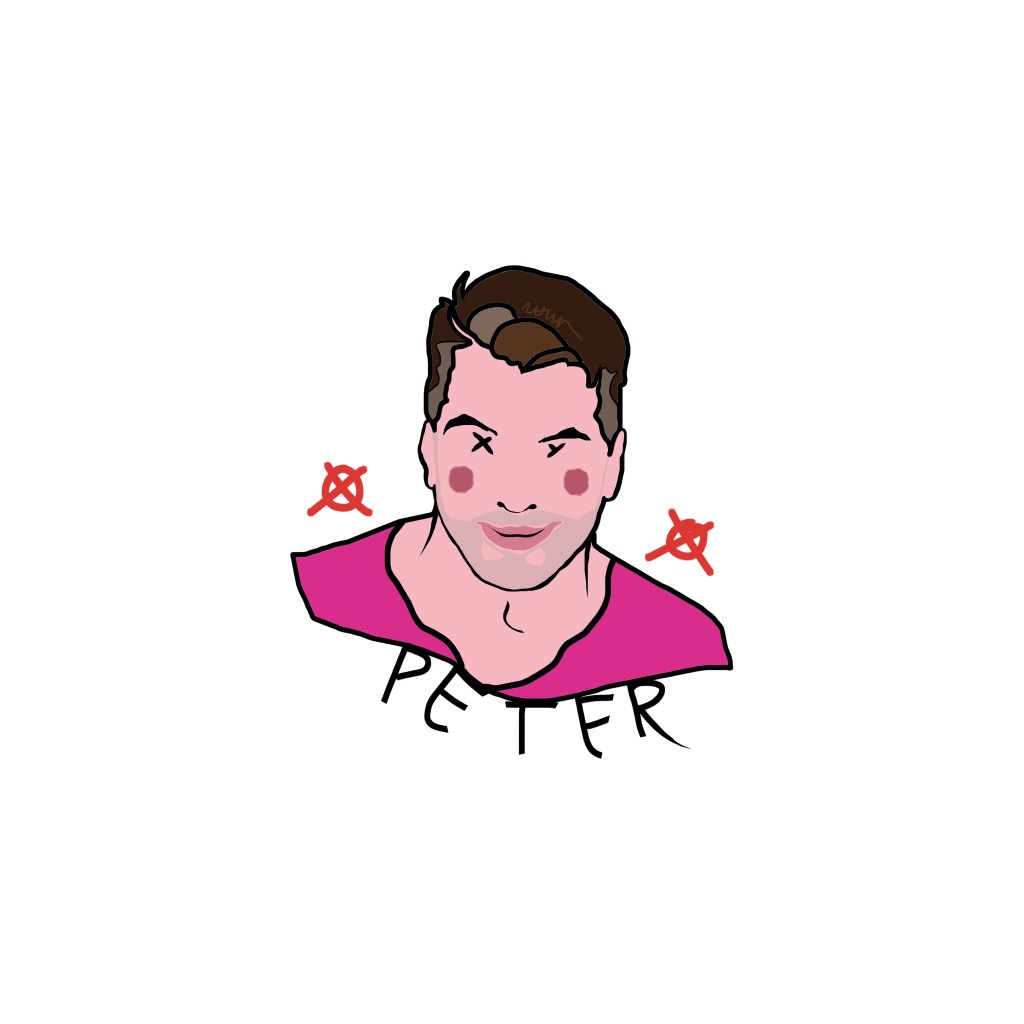
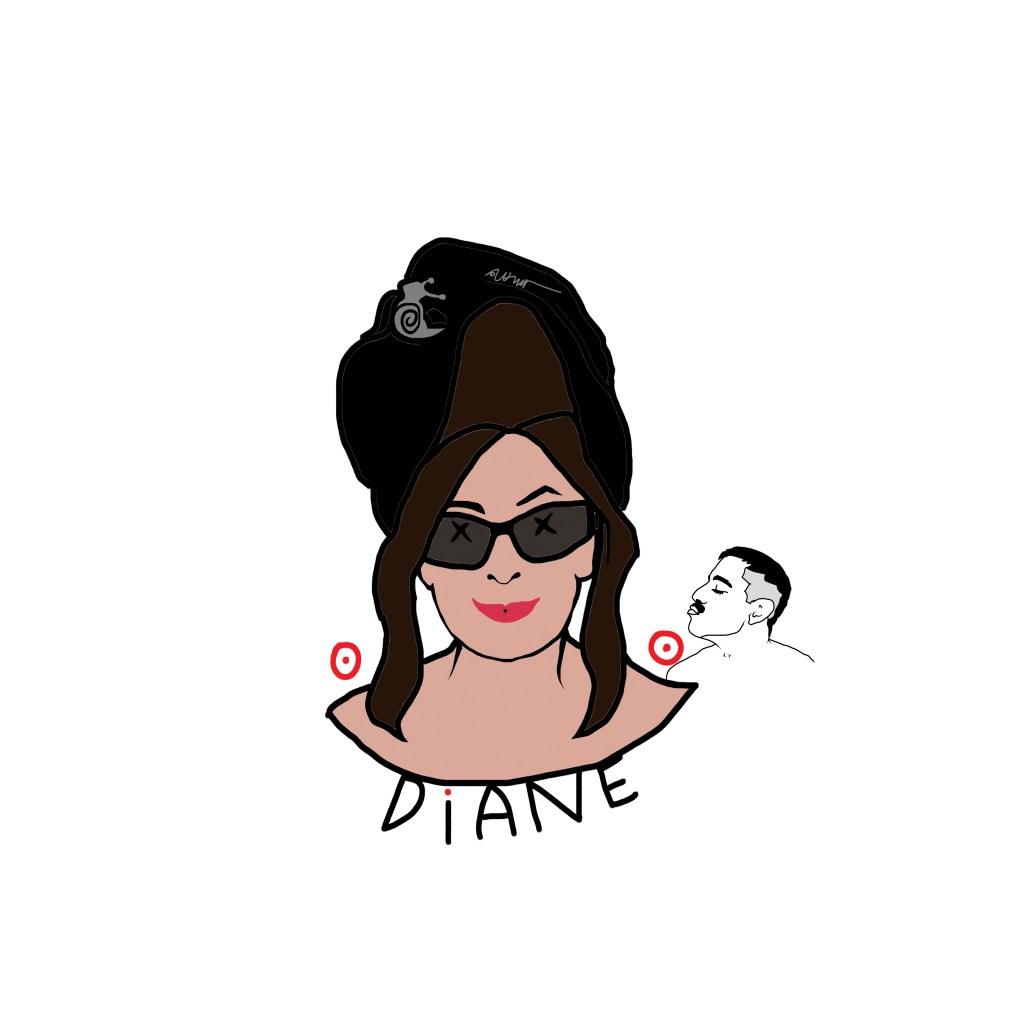
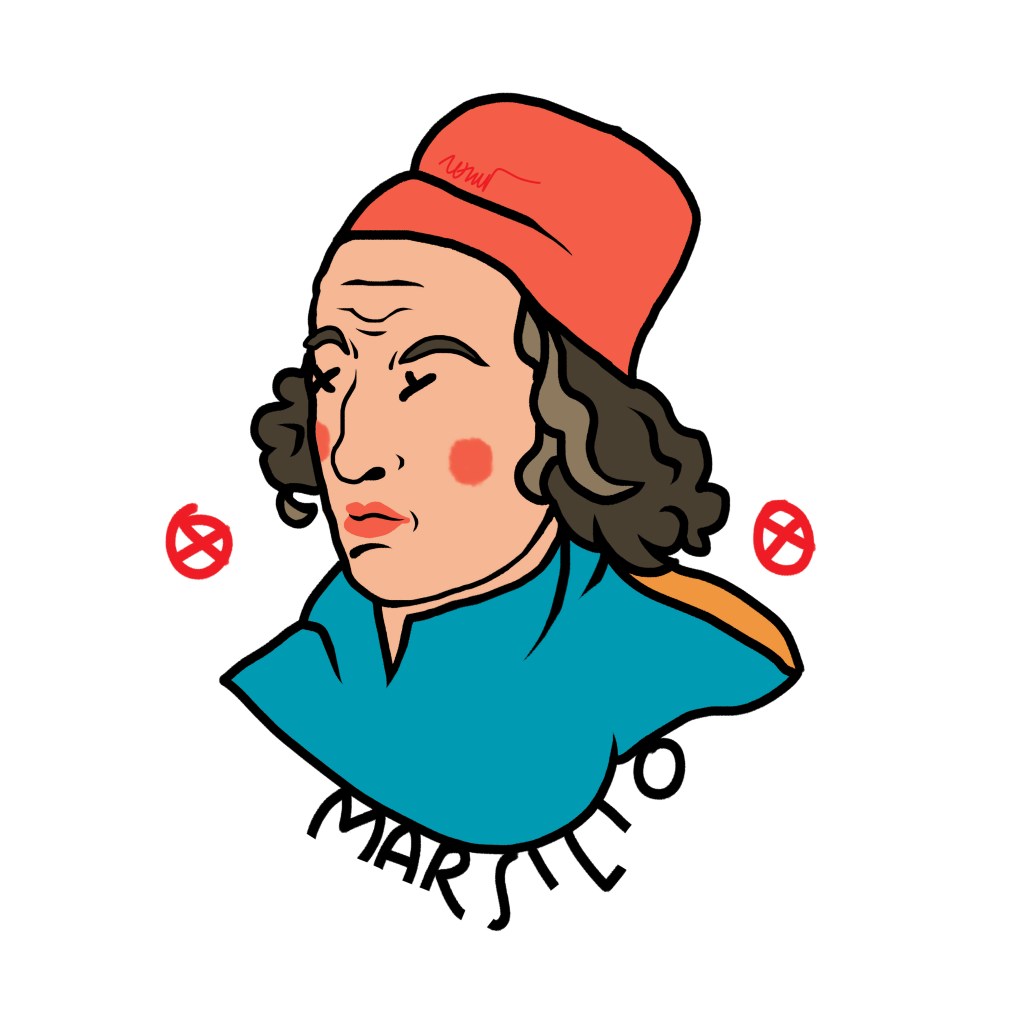
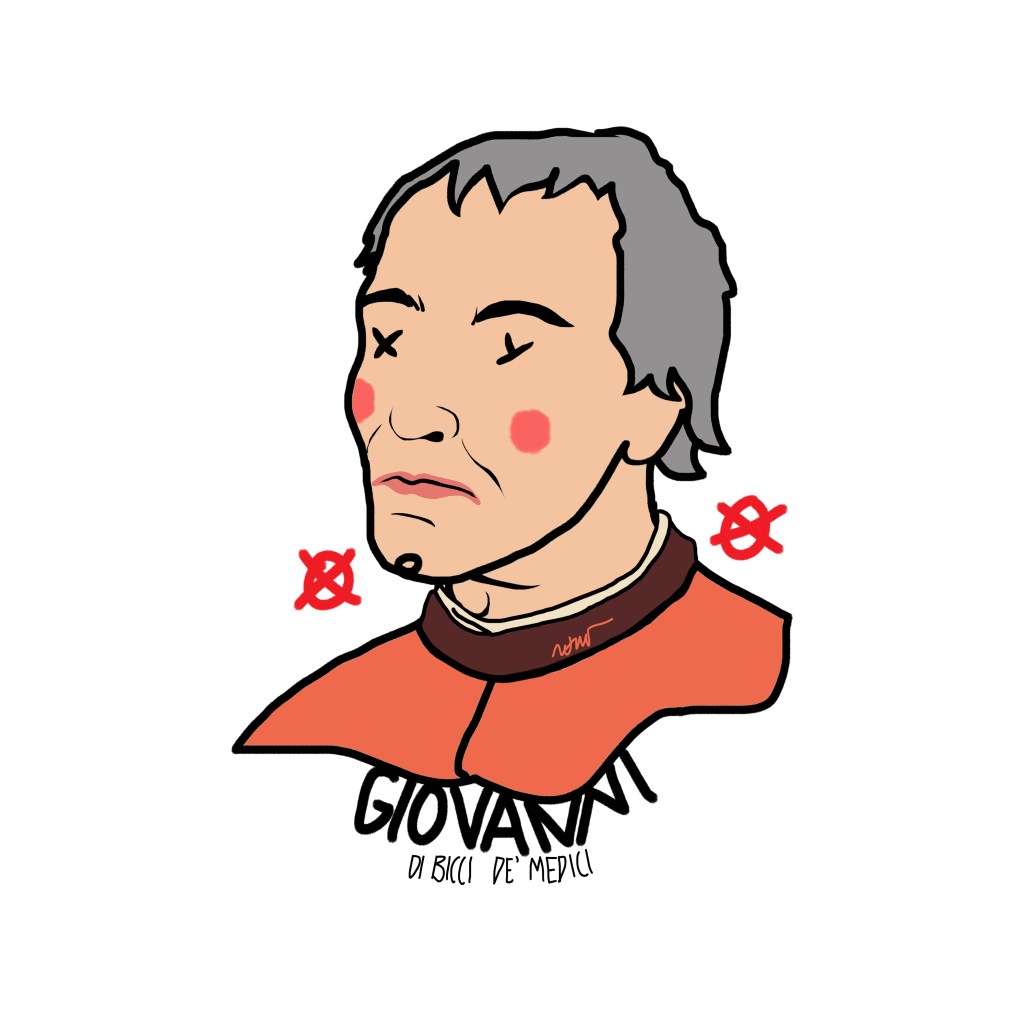
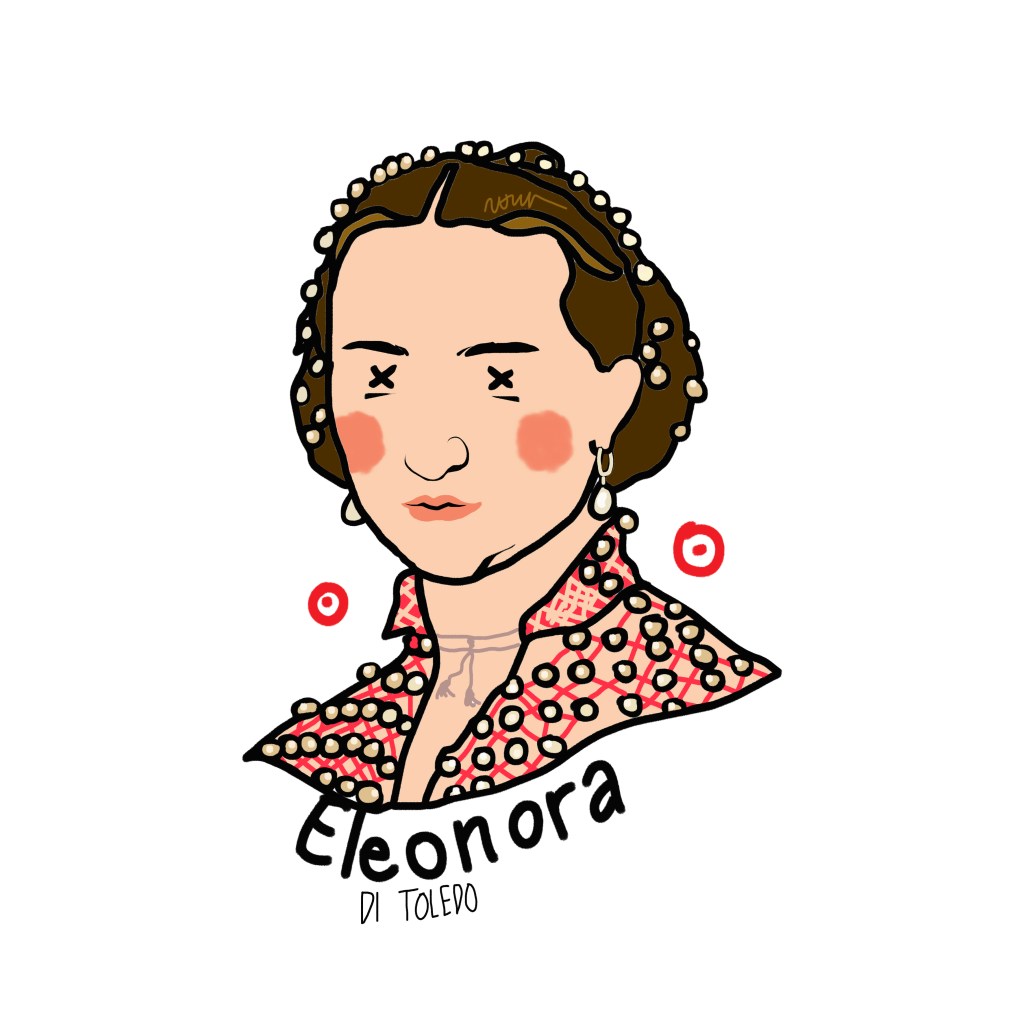
In 2024, I began the series XXY PORTRAITS — a radical shift in style, both visually and conceptually. I stripped away all unnecessary detail, abandoned storytelling, and removed the eyes — traditionally the mirror of the soul — replacing them with chromosomal symbols: XX for female, XY for male. These portraits no longer represent individuals, but categories. Each is marked by two stylized red nipples: a dot for XX, an X for XY.
Each portrait is a small ego. A game. A serious game.
These images come alive in the gaze of the viewer — or more precisely, in their reaction.
We live in a time when every person is a brand. Art can no longer simply depict — it must challenge, disturb, provoke thought.





XXY – DE’ MEDICI
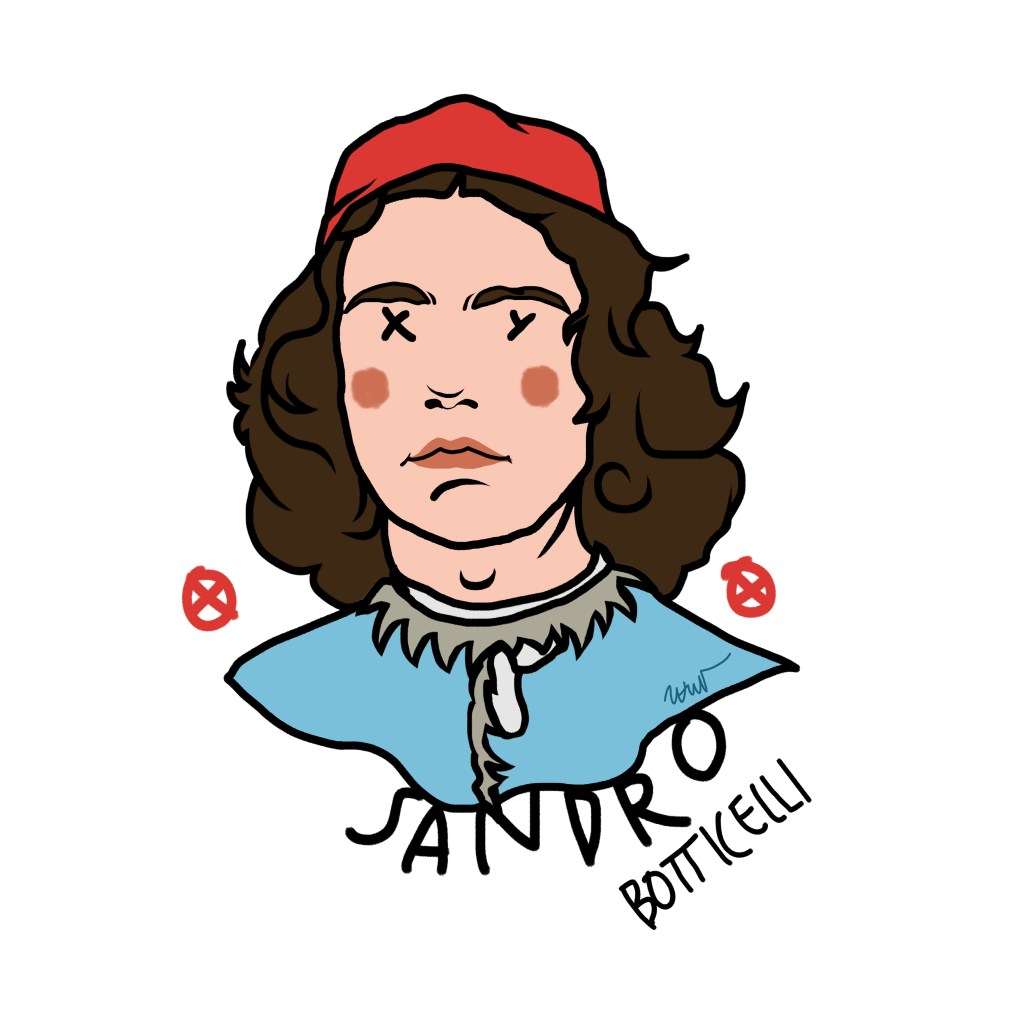
In 2025, I applied the XXY visual language to a deeper reflection on power and cultural heritage. XXY – de’ Medici revisits 33 historical figures from the Medici dynasty and their world. The series, exhibited at the Museo de’ Medici in Florence (June 16 – July 20, 2025), explores the rise of the modern ego and the birth of human-centered identity.
Each portrait is engraved and hand-painted on 50×50 cm wooden panels, assembled into open sculptural cubes, then stacked into totems to create a thematic immersive journey (Power, Patronage, Masks, Time). The visual style remains essential: sharp lines, a maximum of four colors, no eyes, and the same stylized red nipples. The result is a powerful, stripped-down symbolic language. These are not portraits in the traditional sense, but visual archetypes — instantly readable, universal, and free from narrative.
With XXY – de’ Medici, I closed the circle — bringing my reflection on power, identity, and collective imagination into one of the symbolic hearts of Western culture.



 SZ
SZ 